Plant Features
- Size: Commonly sold as small seedlings in pots about 9–12 cm (3.5–4.7 in) across; typically grown in 5–15 cm (2–6 in) pots. With long-term cultivation it can be trained into a 1–2 m (3.3–6.6 ft) indoor specimen.
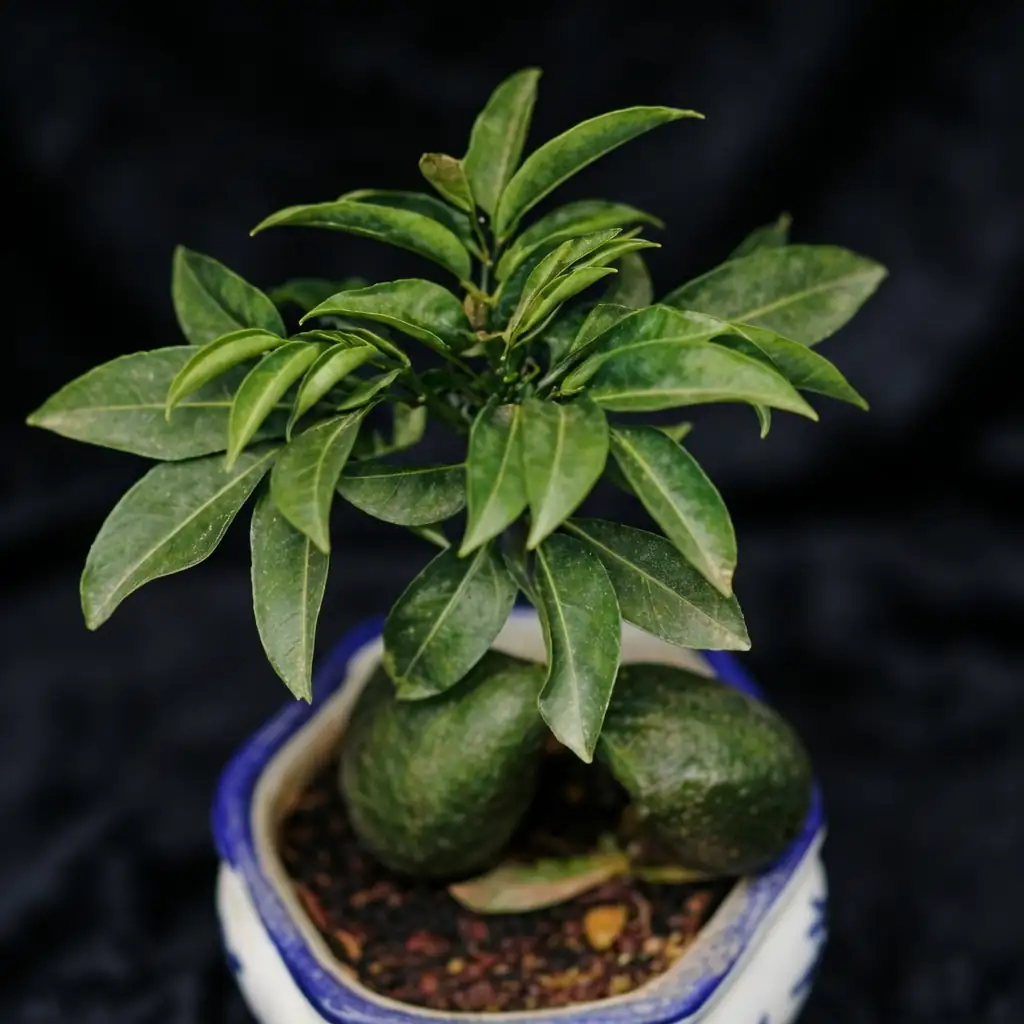
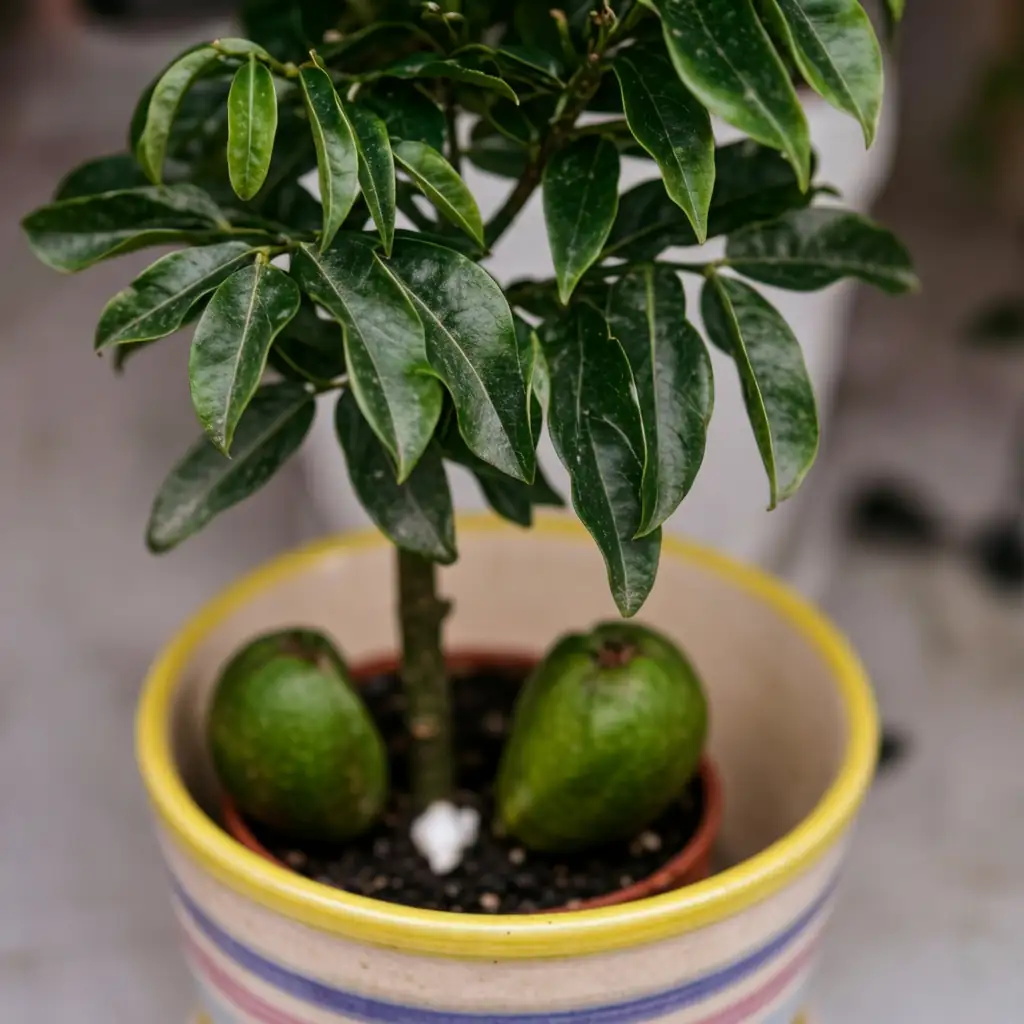
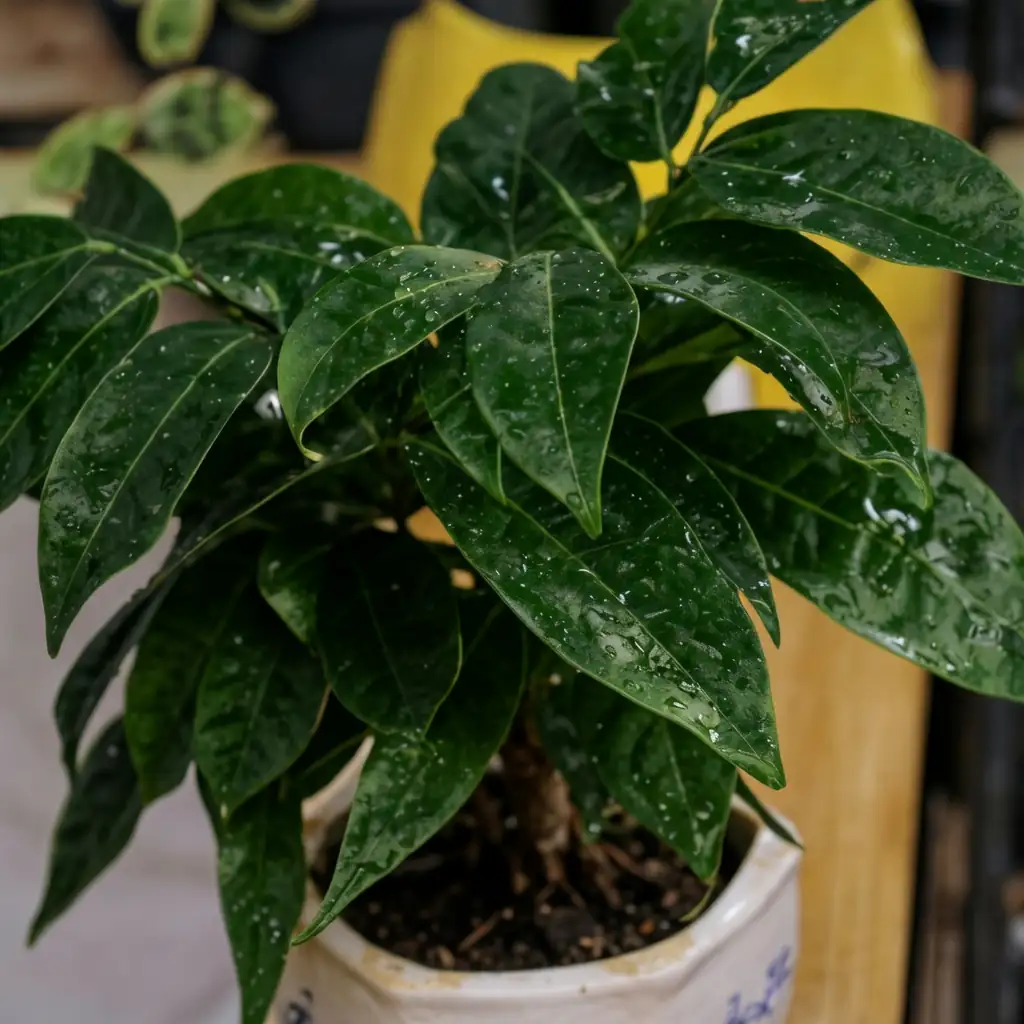
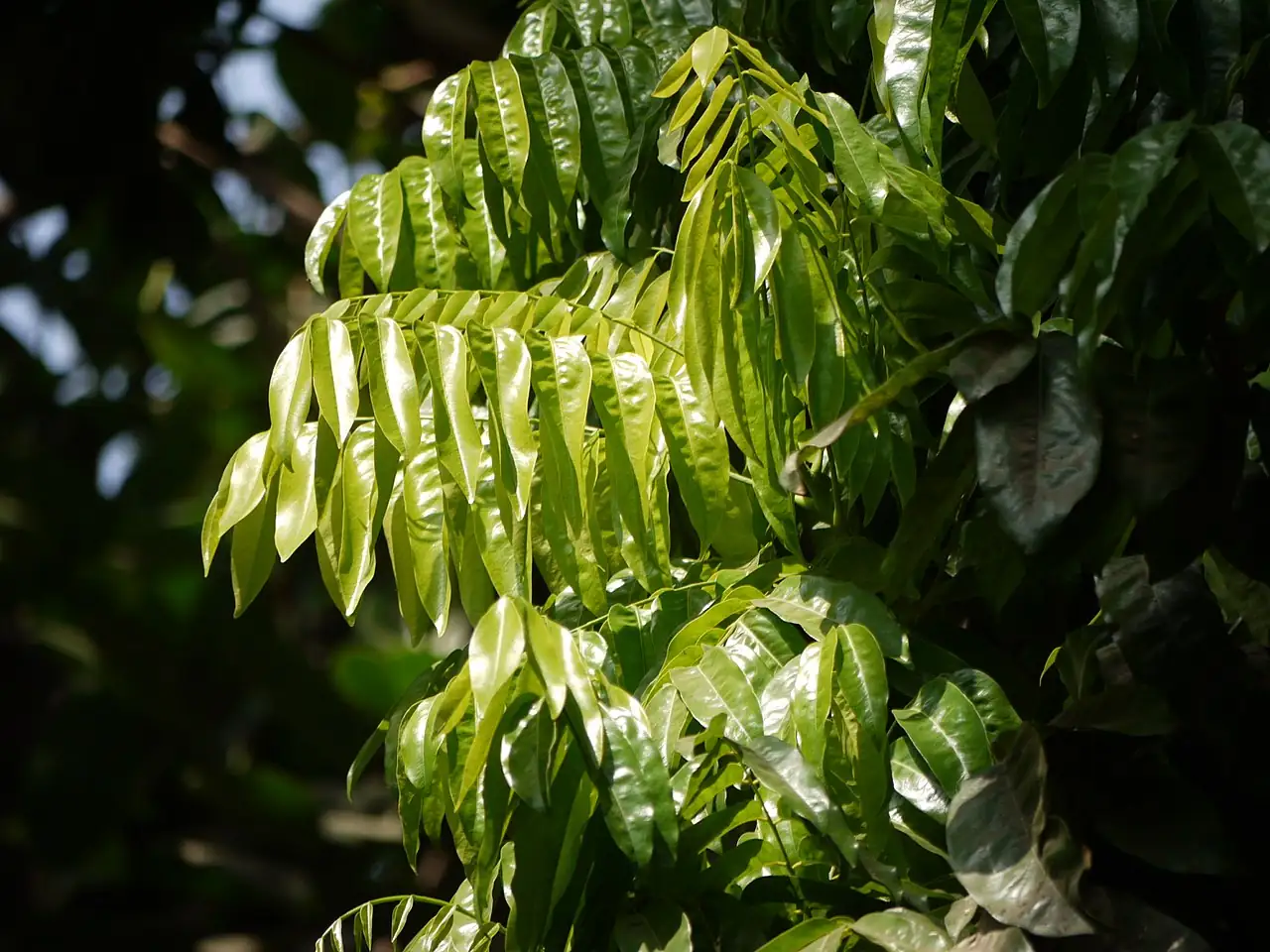
- Foliage: Seeds are round and chestnut-like. During germination, two thick, fleshy green cotyledons spread sideways (a key ornamental feature). True leaves develop as glossy, pinnate leaflets; healthy plants show firm green cotyledons and fresh green new growth.
- Flower: Flowers are produced mainly on mature plants; bloom time is from late spring through late summer.
- Flowering Season: Late spring to late summer
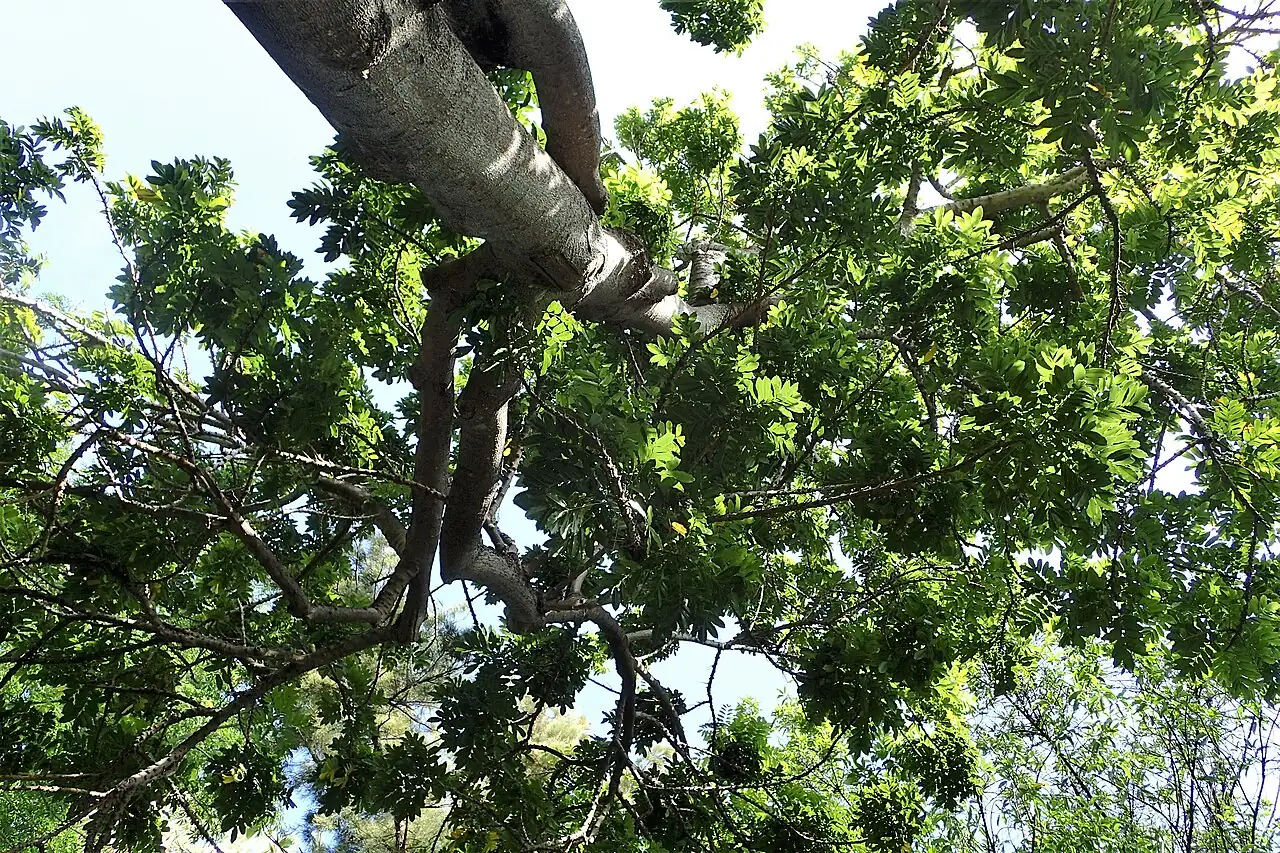
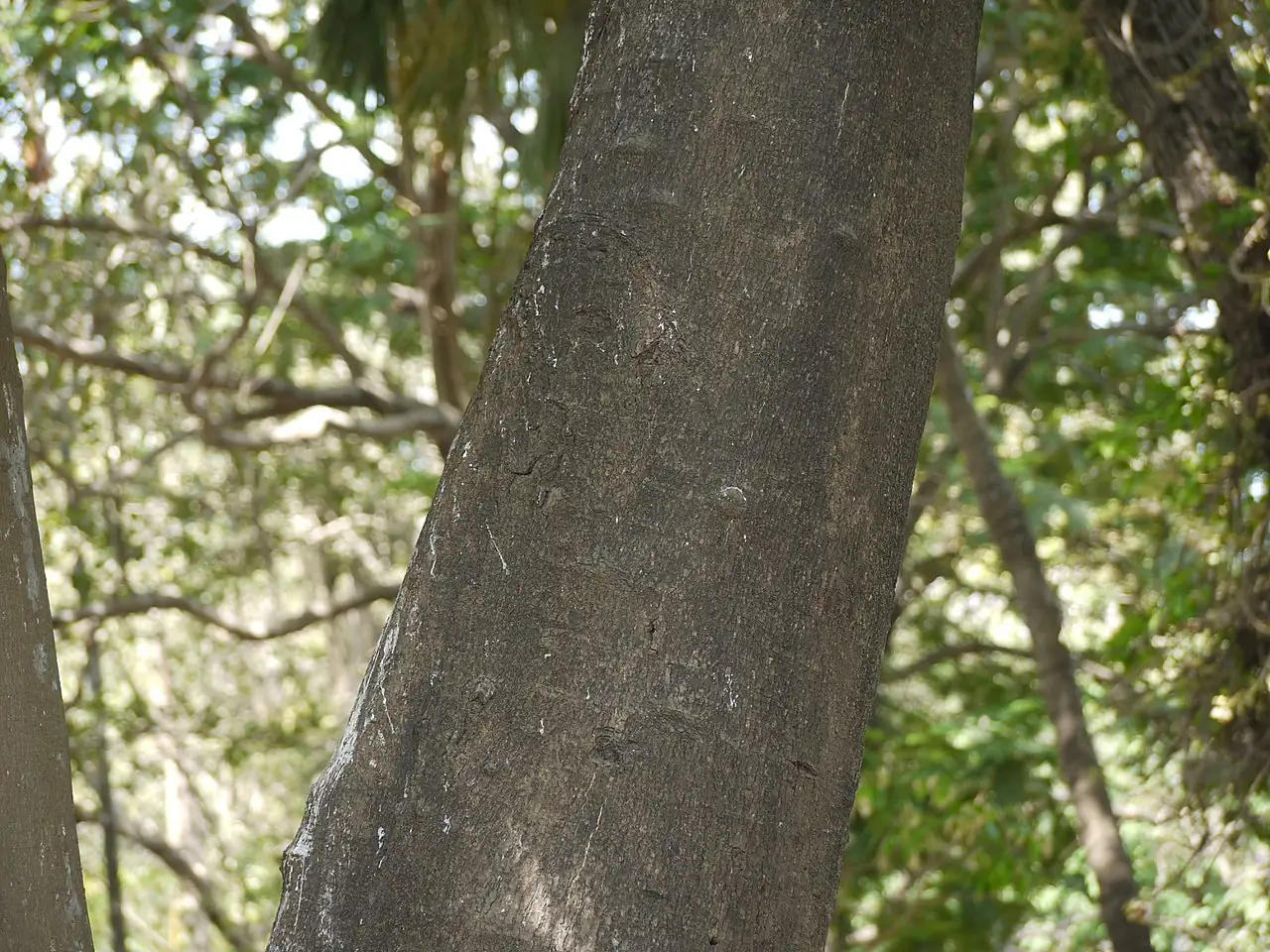
- Growth Habit: Upright, evergreen tree with dense branching. Prefers warmth, moisture, and bright light; tolerates partial shade, especially when young.
Environment
Sunlight
Adaptable. Young plants do best in bright, indirect light to partial shade; larger plants can take brighter light. Avoid harsh summer midday sun, which can scorch tender leaves and trigger leaf drop. An east- or south-facing window/balcony filtered by a sheer curtain is ideal.
Temperature
Best growth at 20–28°C (68–82°F). Keep potted plants above 7°C (45°F) in winter; below about 5°C (41°F) leaf drop is likely. Germination is best at 13–18°C (55–64°F).
Humidity
Prefers humid air. In dry summer/autumn conditions, mist the foliage about twice per week to maintain higher humidity; reduce watering in winter.
Soil
Rich, well-drained potting mix: a blend of fertile loam/garden soil, peat-based medium, and sand, with a small amount of well-rotted organic fertilizer. Avoid waterlogged mixes.
Placement
Popular as a small desk or countertop plant; seedlings can also be grown in water for display. Place near a bright window with filtered light (east/south exposure works well).
Hardiness
Frost-tender; not cold-hardy. Protect from temperatures below 7°C (45°F); leaf drop may occur below 5°C (41°F).
Care Guide
Difficulty
Moderate: generally beginner-friendly, but avoid both waterlogging and drought. Warmth and reasonably high humidity help prevent leaf drop.
Buying Guide
Choose plants with intact, fully green cotyledons and fresh green emerging pinnate leaves. For pots around 12–15 cm (4.7–6 in), look for clumps with roughly 7–9 strong sprouts for a full look. After purchase, keep in bright, indirect light; if placed on a windowsill, avoid direct sun on young plants. Increase humidity by misting to support new leaf growth, and avoid standing water in the pot.
Watering
During active growth, keep the potting mix evenly moist but never soggy. Overwatering can cause root and leaf rot. In dry summer/autumn air, mist foliage about twice weekly; in winter, water less.
Fertilization
Feed during the growing season about once every 2–3 months using a balanced fertilizer (e.g., 20-20-20) or a diluted organic feed. Do not overfertilize, which can cause overly lanky growth and reduce the plant’s form.
Pruning
If a potted plant becomes too tall, pinch or cut back the shoot tips in autumn to winter to control height and encourage branching.
Propagation
Primarily by seed. Sow fresh seeds soon after maturity, or sow indoors in spring to summer. Soak seeds in warm water for 24 hours, then place on clean, moist sand/medium with the seed seam facing downward. Maintain high humidity; germinate best at 13–18°C (55–64°F). Seedlings can also be displayed in water culture.
Repotting
Typically grown in 5–15 cm (2–6 in) pots. Repot about every 2 years: trim old or rotten roots, refresh with a fertile, well-drained mix, and keep in partial shade while it re-establishes.
📅 Seasonal Care Calendar
Spring–summer: keep evenly moist; fertilize every 2–3 months. Summer: protect from harsh direct sun; mist about twice weekly in dry air. Autumn: continue humidity support as air dries; prune tips if needed. Winter: reduce watering and keep above 7°C (45°F). Repot every 2 years.
Pests, Diseases & Safety
Common Pests & Diseases
Can develop rust disease; improve airflow and avoid prolonged wet foliage, and treat early with an appropriate fungicide where permitted. Common pests include spider mites and scale; rinse plants thoroughly with water and use horticultural oil/soap or a suitable miticide/insecticide as needed.
Toxicity
Not reliably established for household safety in this source. As a precaution, keep seeds and plant parts away from pets and children, and avoid ingestion.
Culture & Symbolism
Symbolism: Often gifted as a “good luck” houseplant thanks to the money-themed marketing name; many plant lovers associate it with prosperity and steady growth.
History & Legends: In the houseplant trade, seedlings are widely sold as “money trees” because the thick green cotyledons open like little ingots—an easy-to-love visual that helped the plant become a popular desk and countertop companion.
Uses: Mainly ornamental. Most commonly kept as a small potted seedling or grown hydroponically for display; with years of growth, strong plants can be trained into a 1–2 m (3.3–6.6 ft) indoor specimen for entryways or living rooms, and it’s especially popular as a desk plant near computers.
FAQ
How do I keep a mature plant looking neat and attractive?
Either restart from fresh seed to keep it compact, or commit to growing it on as a larger indoor specimen: pot several strong seedlings into a deeper container about 20–30 cm (8–12 in) deep and train it over a few years into a 1–2 m (3.3–6.6 ft) statement plant for a hallway or living room.
How do I choose a good plant in the shop, and what should I do after bringing it home?
Pick plants with intact, fully green cotyledons and fresh green new pinnate leaves. For 12–15 cm (4.7–6 in) pots, clumps with about 7–9 vigorous sprouts look best. After purchase, place in bright, indirect light (avoid direct sun on young plants), keep the mix evenly moist without waterlogging, and mist to raise humidity and support new growth.
Fun Facts
- It’s commonly sold under a marketing name that refers to the cotyledons opening like little “ingots.”
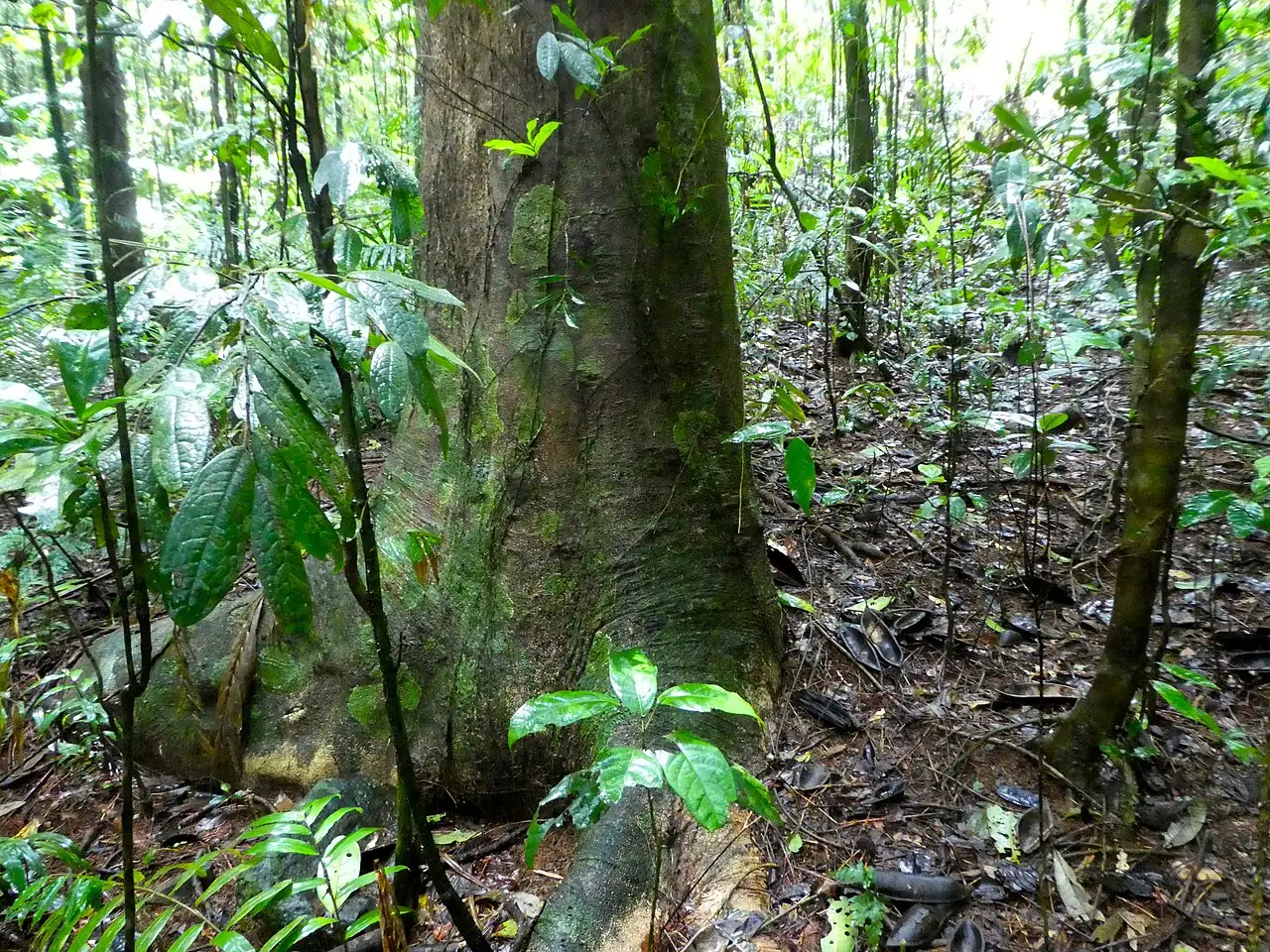
- Although often seen as a tiny pot plant, it is actually an evergreen tree in its native habitat.
- Seedlings can be displayed in water culture for a period, making it popular as a desk plant.
- It is native to northeastern Australia.
- Ideal temperatures: germination at 13–18°C (55–64°F) and active growth at 20–28°C (68–82°F).