Plant Features
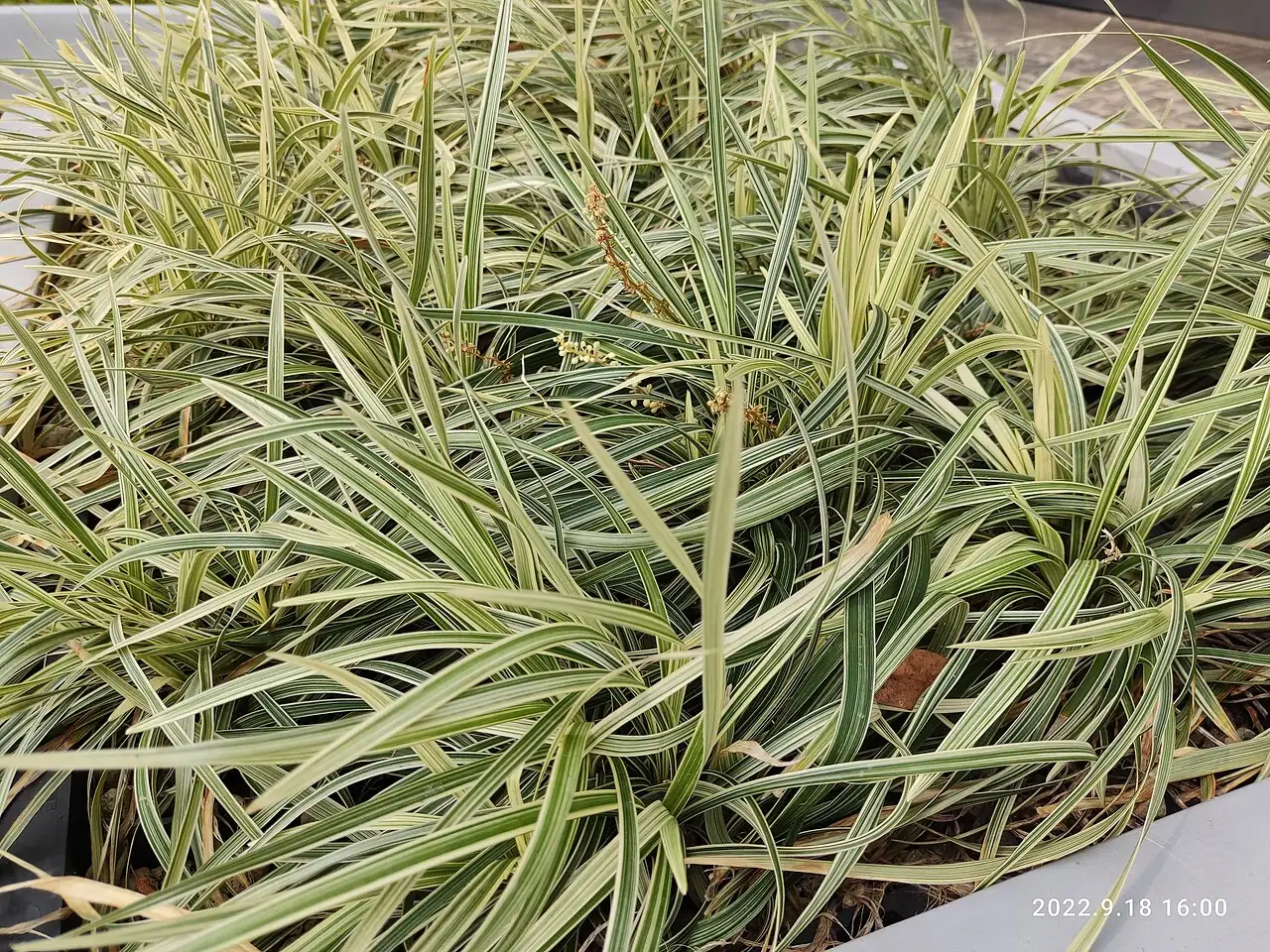
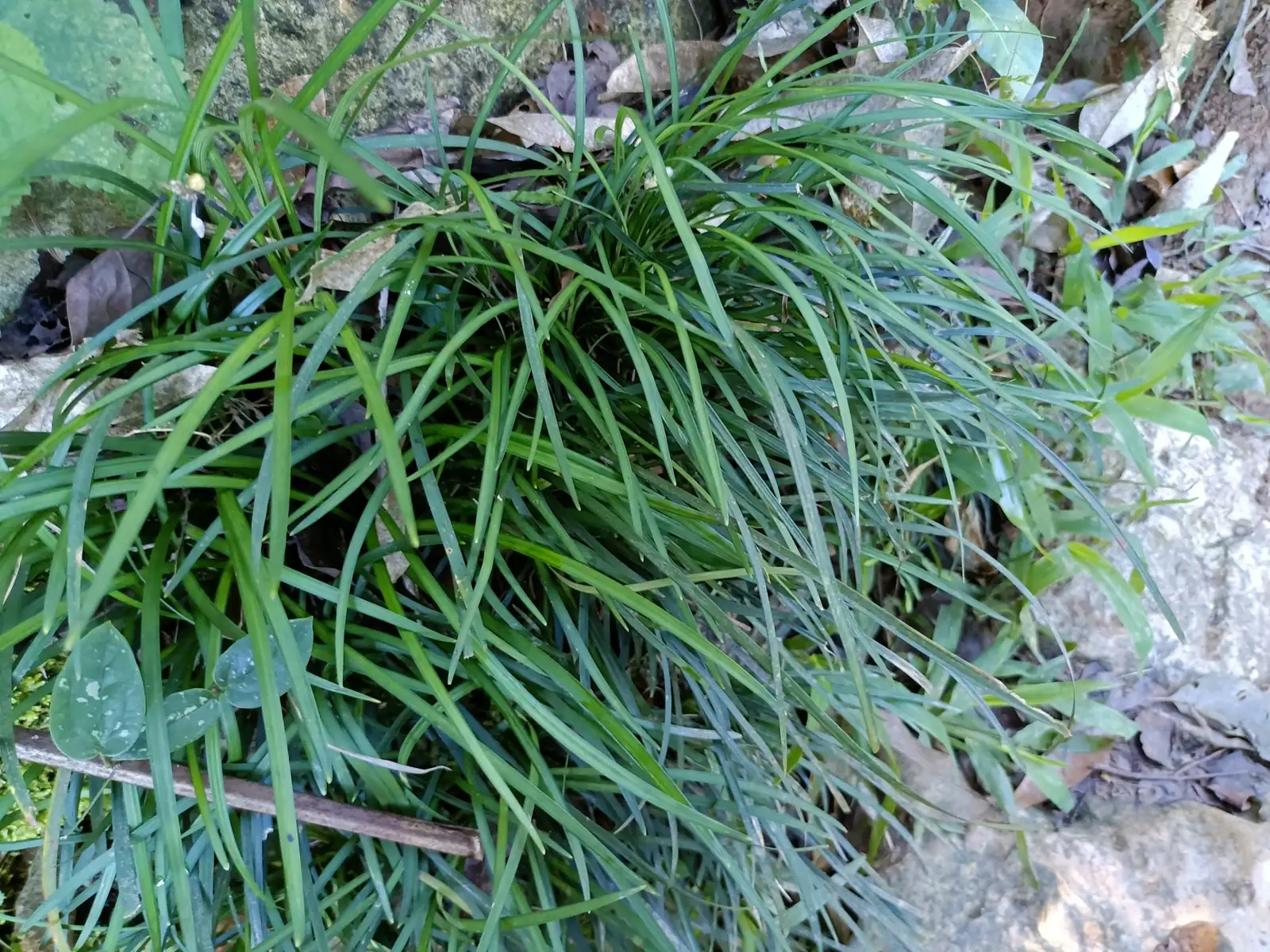
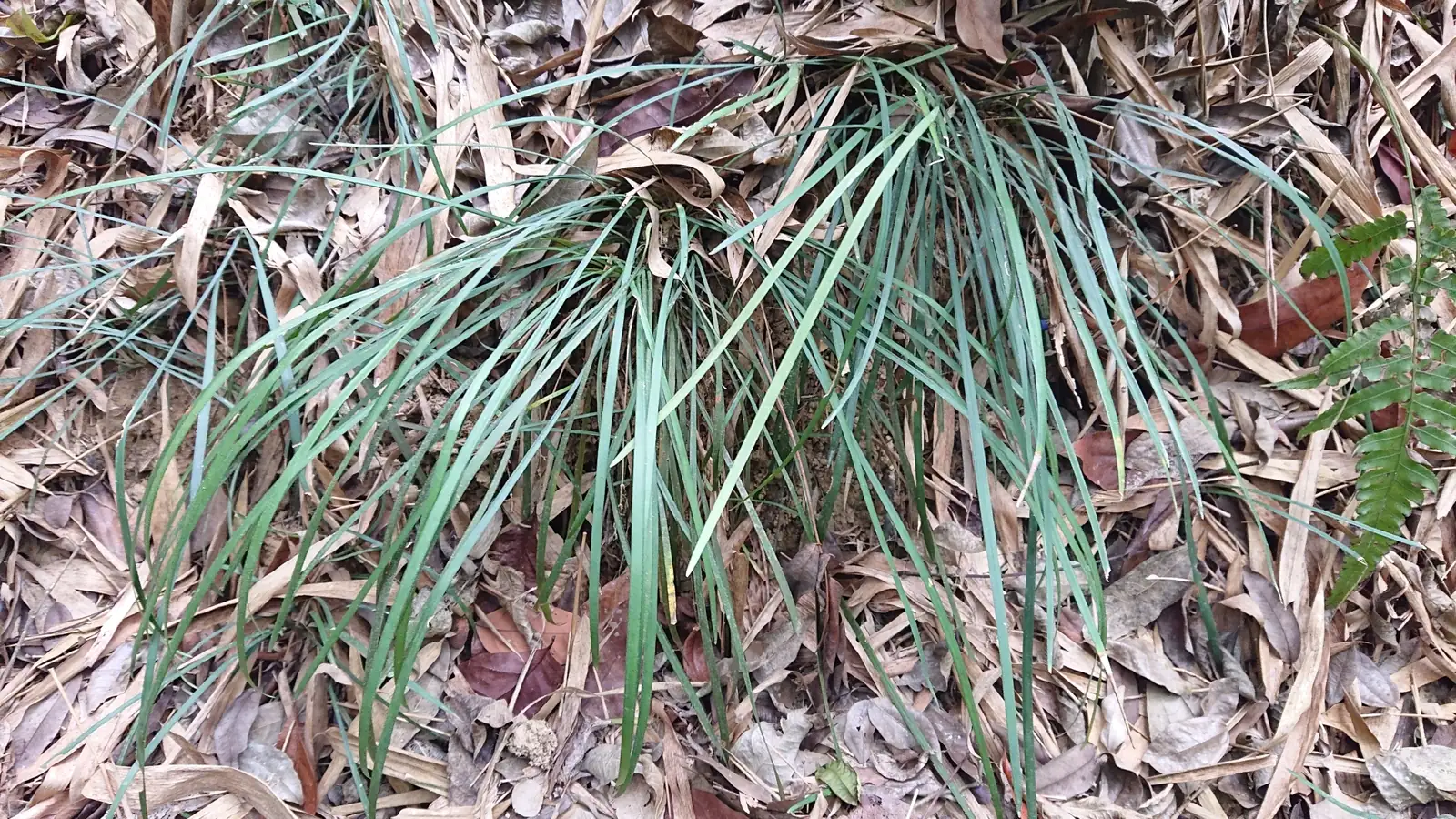
- Size: Typically 15–30 cm (6–12 in) tall, forming clumps about 20–45 cm (8–18 in) wide over time; leaves 10–30 cm (4–12 in) long and 2–4 mm (0.08–0.16 in) wide.
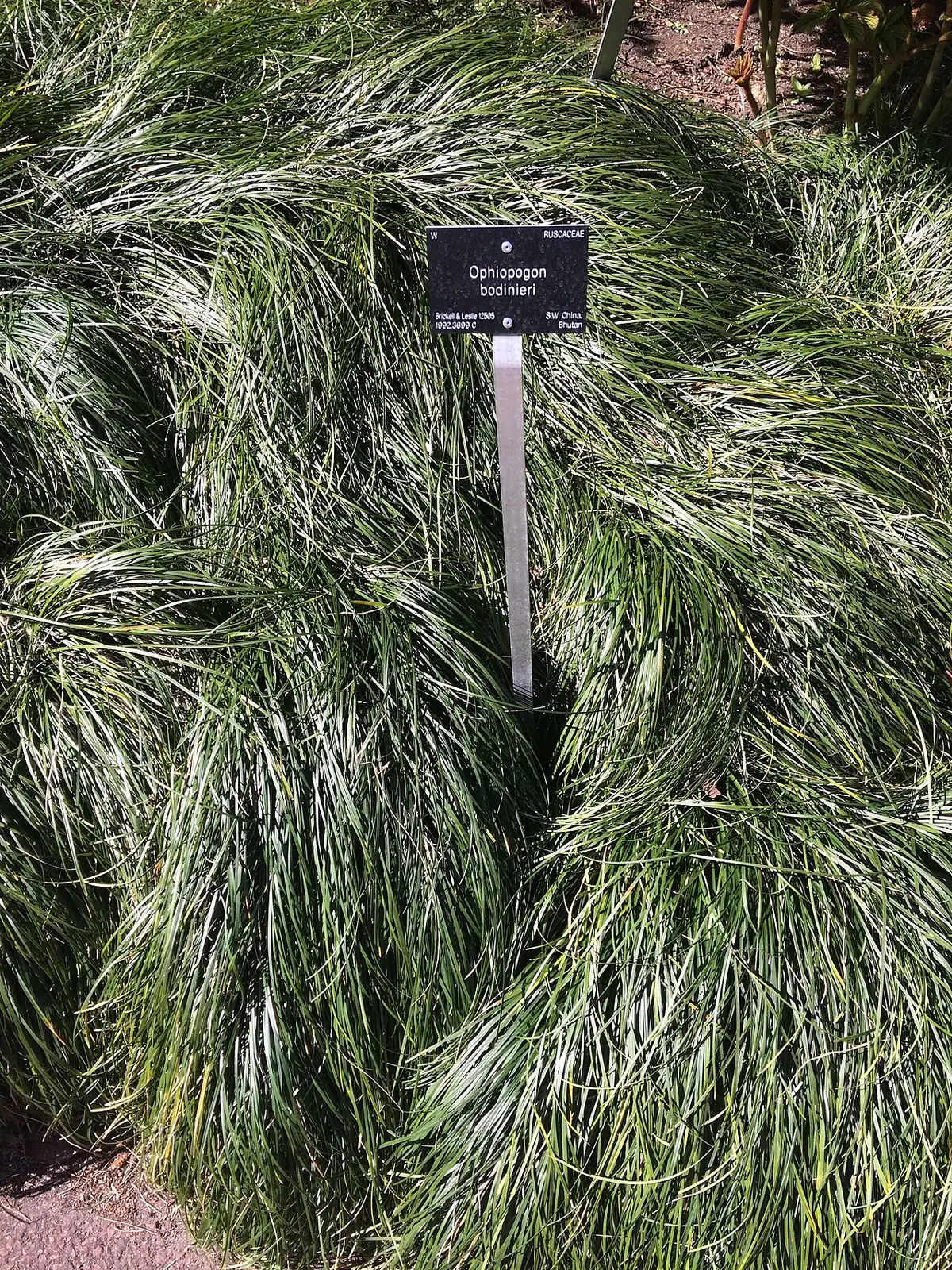
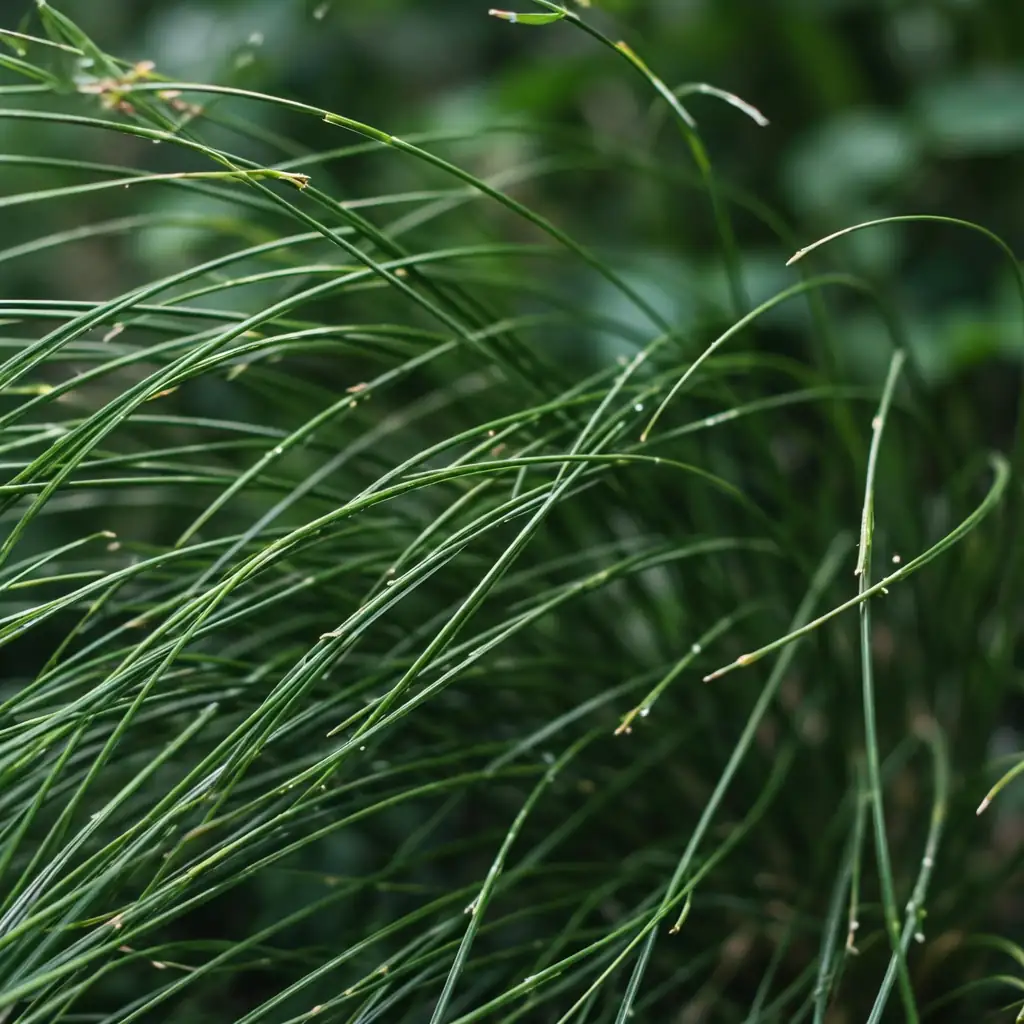
- Foliage: Dense tufts of narrow, linear, grass-like evergreen leaves. The midrib is not strongly raised, which helps keep the foliage looking smooth and refined. Spreads via slender underground stolons (runners).
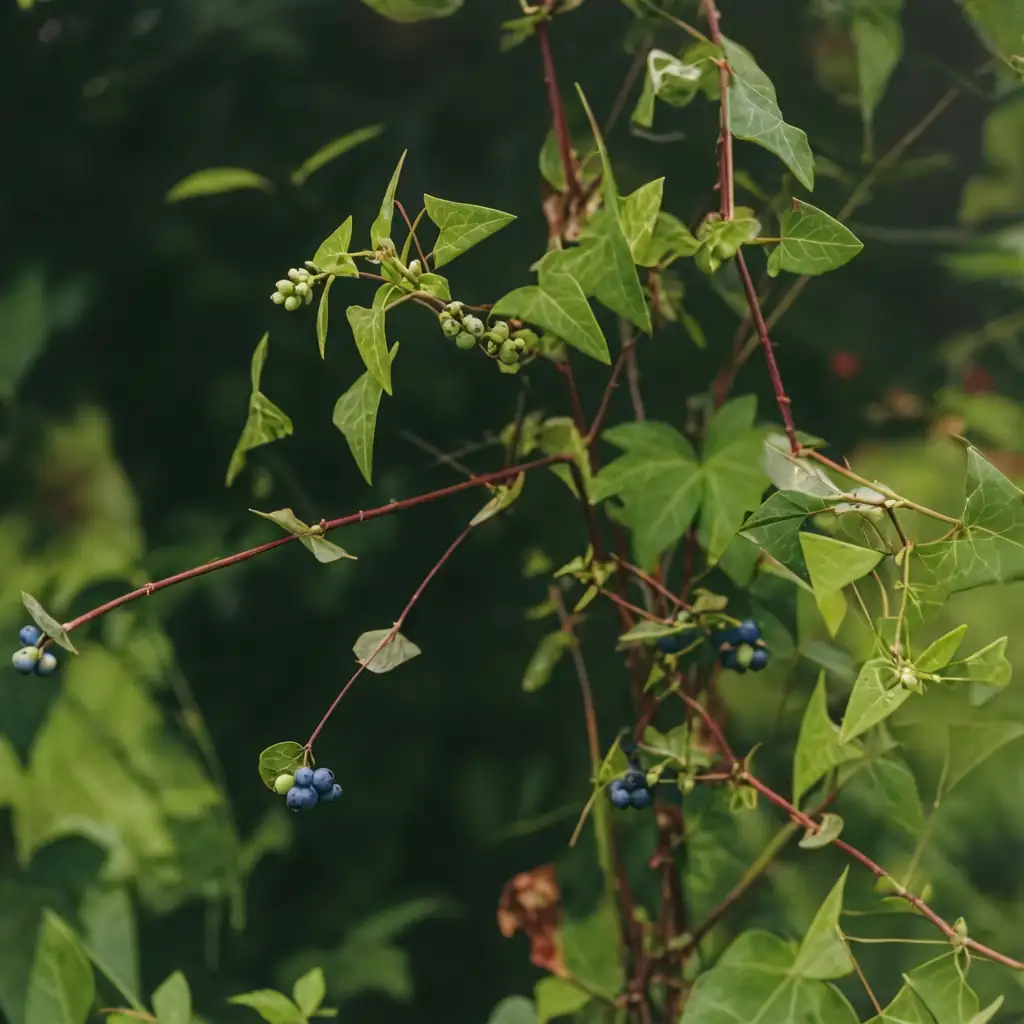
- Flower: Short racemes held at or slightly below the foliage, about 2–4 cm (0.8–1.6 in) long, carrying small nodding flowers in pale lavender to white. After flowering, berry-like fruits develop later in the season.
- Flowering Season: June–August
- Growth Habit: Evergreen, clump-forming perennial with creeping underground runners; forms low, spreading colonies over time.
Environment
Sunlight
Part shade to full shade; happiest in dappled light. Can take some gentle morning sun if the soil stays evenly moist.
Temperature
Prefers cool to warm conditions and is broadly tolerant. Best growth around 10–25°C (50–77°F).
Humidity
Prefers moderate to high humidity and consistently moist conditions, but becomes more forgiving once established.
Soil
Moist, humus-rich, well-drained soil. Tolerates heavier soils if they are not waterlogged; ideal for damp, woodland-style planting beds.
Placement
Excellent groundcover under shrubs and trees, along borders and edging, in rock gardens, and massed at lawn edges. Also works well in shaded courtyards and woodland plantings; can be grown in containers in shady spots.
Hardiness
Cold hardy; commonly grown outdoors in USDA Zones 6–9 (approx.). Protect from prolonged deep freezes in exposed sites.
Care Guide
Difficulty
Easy—an adaptable, low-fuss groundcover once established. It looks best with steady moisture and shade or part shade.
Buying Guide
Pick plants with dense, healthy green tufts and firm roots/runners. Avoid pots with sour-smelling, waterlogged mix or yellowing foliage. For faster coverage, buy multiple plugs and plant in groups.
Watering
Keep evenly moist while establishing. After it’s rooted in, water when the top 2–3 cm (about 1 in) of soil begins to dry. Avoid leaving the soil soggy for long periods, as this can encourage root rot.
Fertilization
In spring, top-dress with compost or use a balanced slow-release fertilizer at label rates. Don’t overfeed—too much fertilizer can make growth floppy and reduce the neat tufted look.
Pruning
Late winter to early spring is cleanup time: comb out fallen debris and trim away damaged or browned leaves. If needed, shear lightly to refresh the clump just before new growth starts.
Propagation
Division is the easiest method: split clumps in spring or early autumn, ensuring each piece has roots and some runners. It also naturally expands via underground runners.
Repotting
In containers, repot every 2–3 years (or when crowded) into a fresh, well-drained mix; this is also a good time to divide if you want more plants.
📅 Seasonal Care Calendar
June–August: flowering. August–October: berries. Late winter/early spring: tidy and trim. Spring or early autumn: divide and replant. Summer: keep soil consistently moist, especially during heat.
Pests, Diseases & Safety
Common Pests & Diseases
Usually trouble-free. Slugs and snails may nibble tender growth; scale insects can appear if plants are stressed. Poor drainage or constantly wet soil can lead to root rot—improve drainage and avoid overwatering.
Toxicity
Not known to be highly toxic, but eating it may cause mild stomach upset in people or pets. Keep away from curious children and animals.
Culture & Symbolism
Symbolism: Often appreciated as a symbol of quiet resilience and calm greenery—staying neat and evergreen through the seasons, especially in shady places.
Uses: Primarily ornamental: widely used as edging and groundcover (notably in the Yangtze River region), for borders, rock gardens, mass planting along lawns, and shaded understory beds beneath trees and shrubs. It’s also a popular container plant for shaded patios and courtyards.
FAQ
Is mondo grass a true grass?
No. Even though it looks like a grass, Ophiopogon is an evergreen perennial in the asparagus family (Asparagaceae), not a true grass (Poaceae).
Will it grow in deep shade under trees?
Yes. It handles shade very well, especially in dappled woodland conditions. The key is keeping soil evenly moist and adding organic matter if the area is dry or root-competitive.
Fun Facts
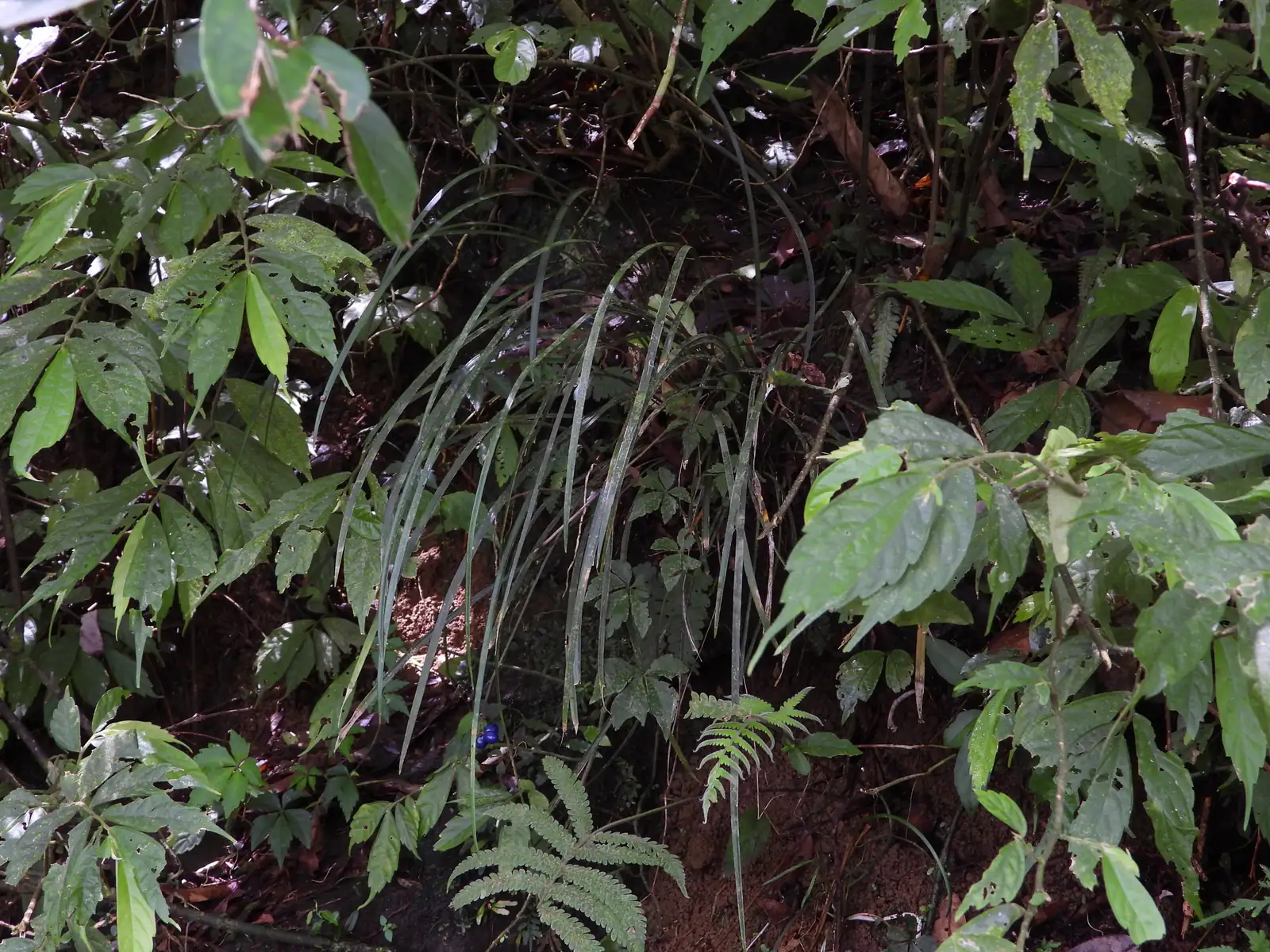
- It’s native to China and is often found in naturally moist habitats like valleys, stream sides, and woodland edges.
- It spreads by slender underground runners, so a small clump can slowly knit into a continuous, low evergreen carpet.
- The flowers are subtle but charming—pale lavender to white—and are followed by berries from late summer into autumn.