

Plant Features
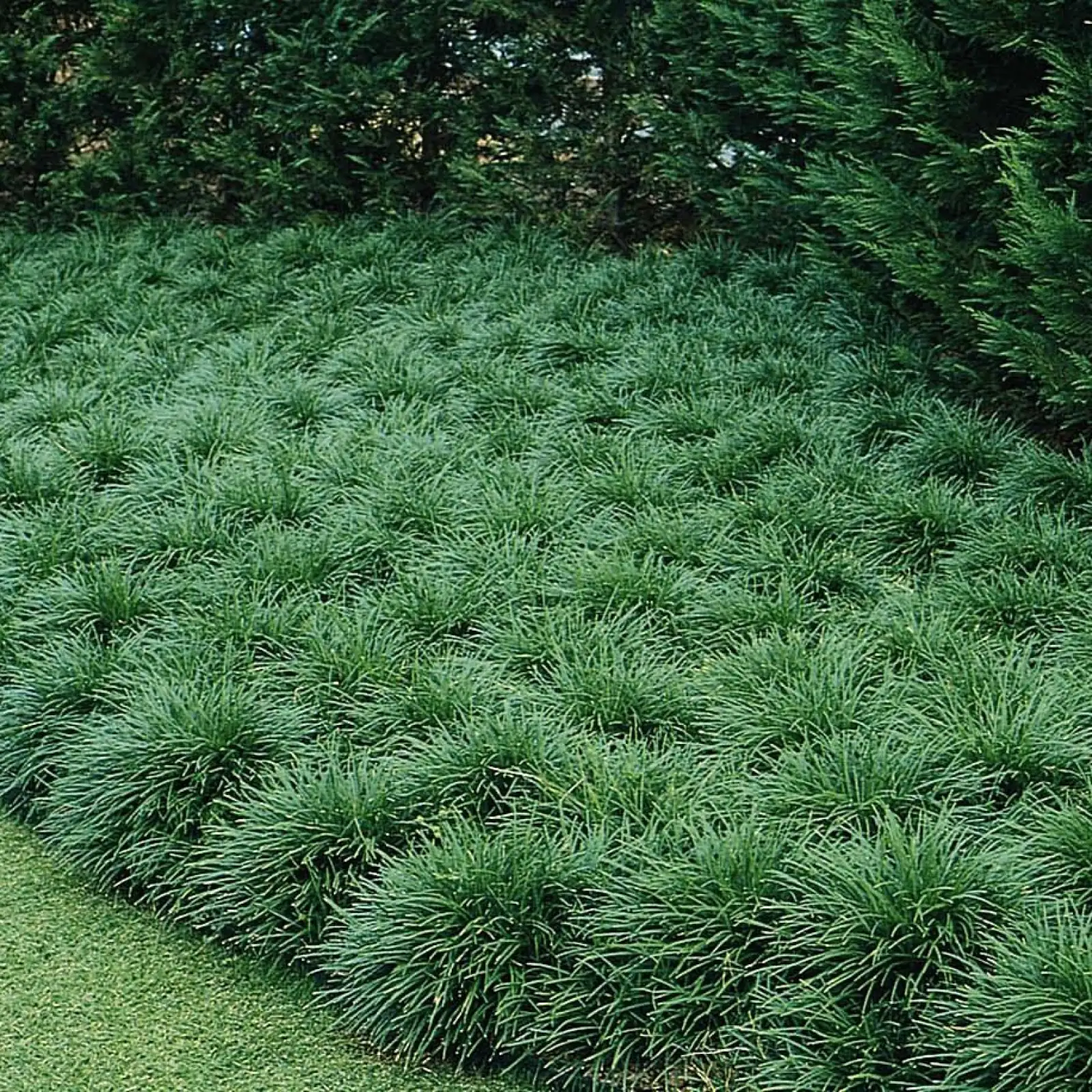
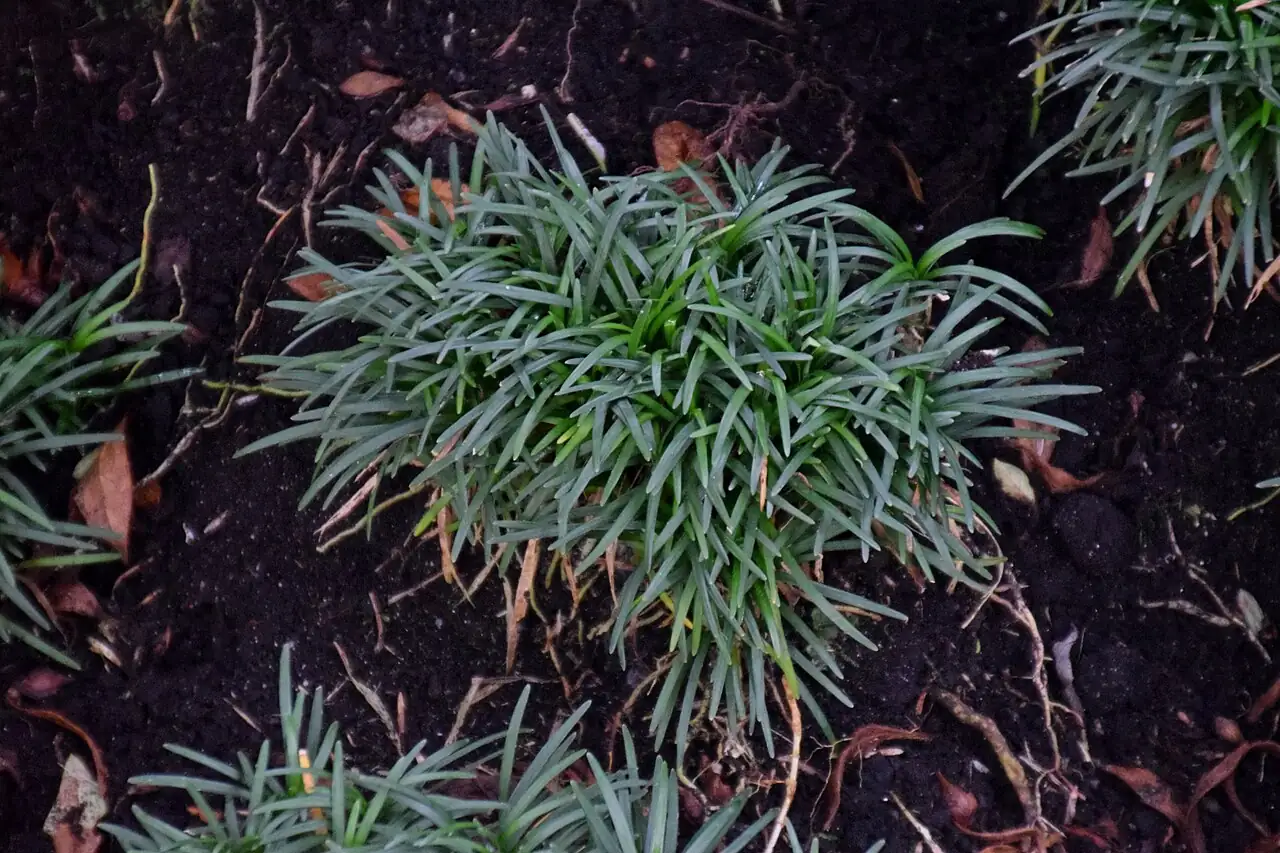
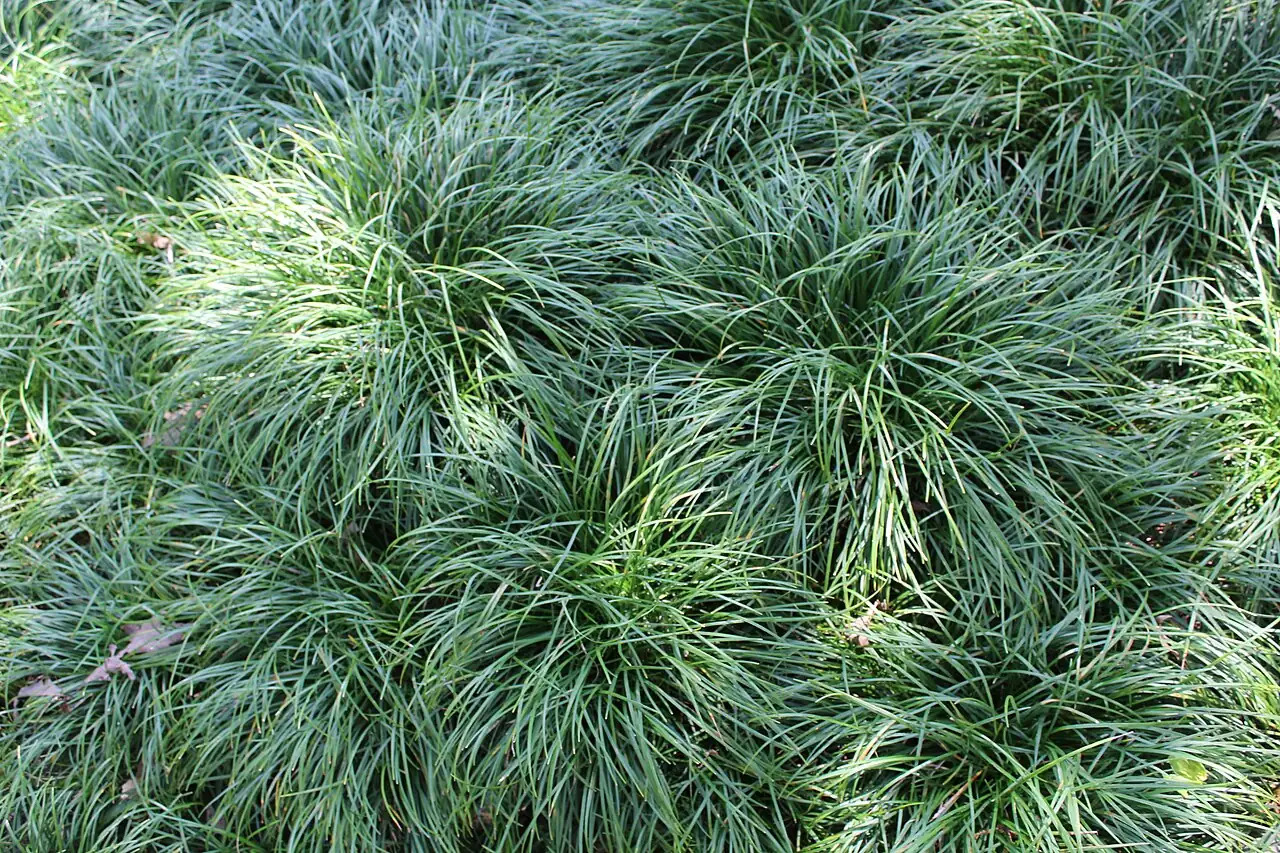
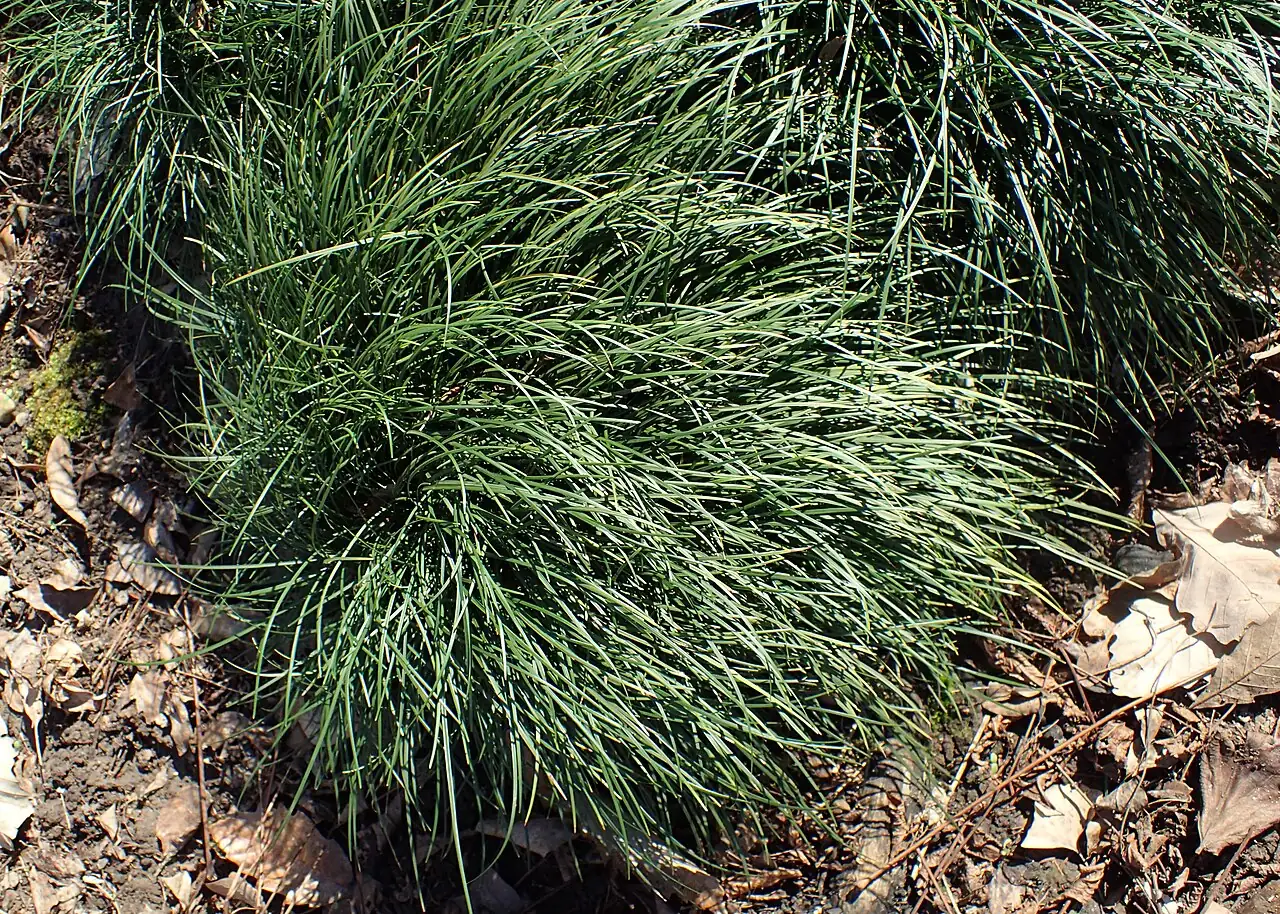
- Size: Typically 15–55 cm (6–22 in) tall; spreads gradually by slender underground runners to form dense mats and clumps.
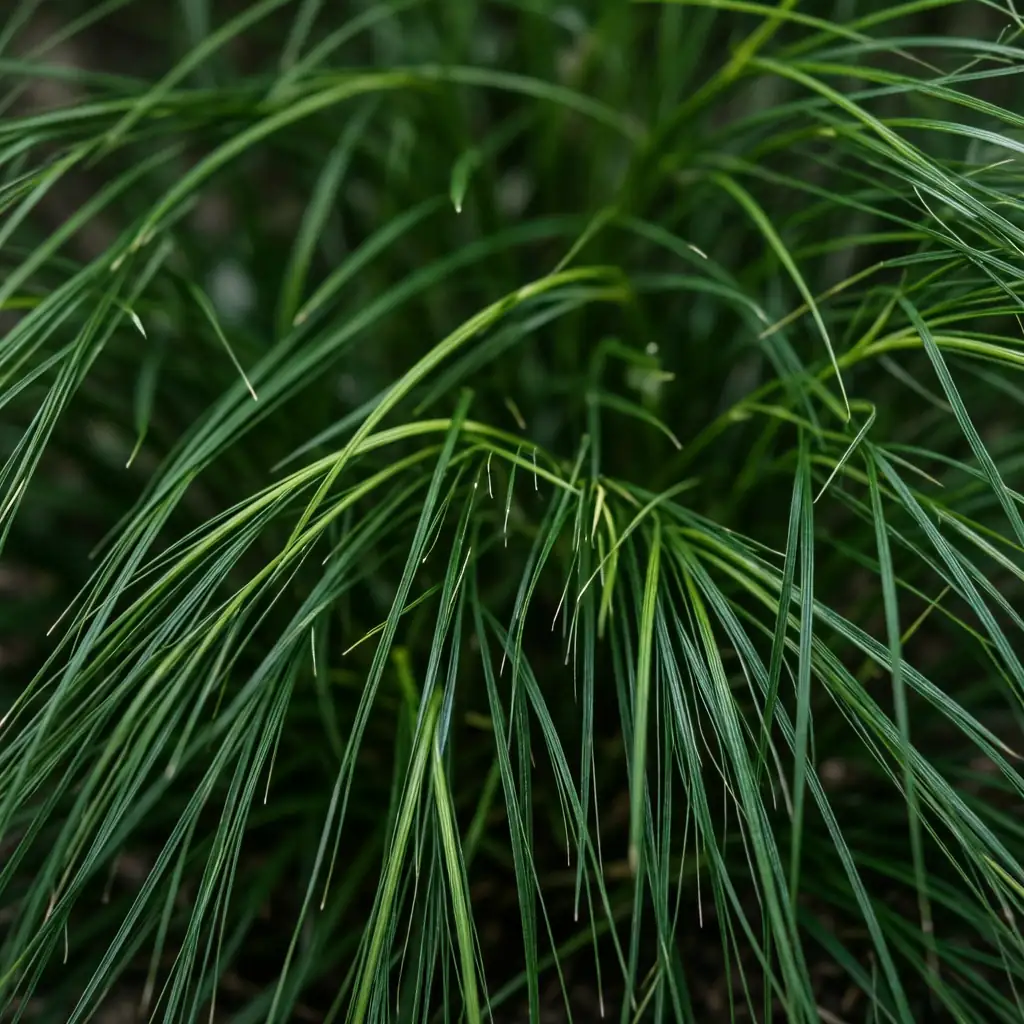
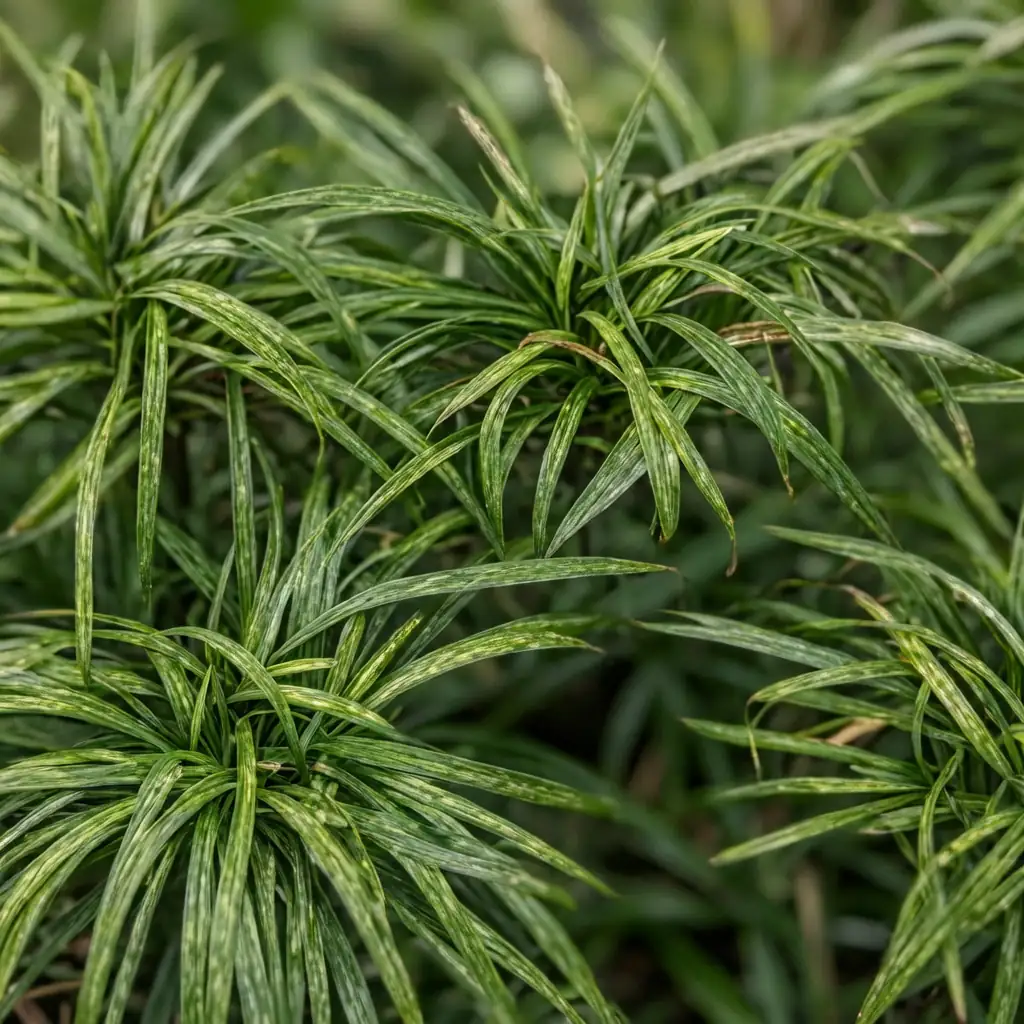
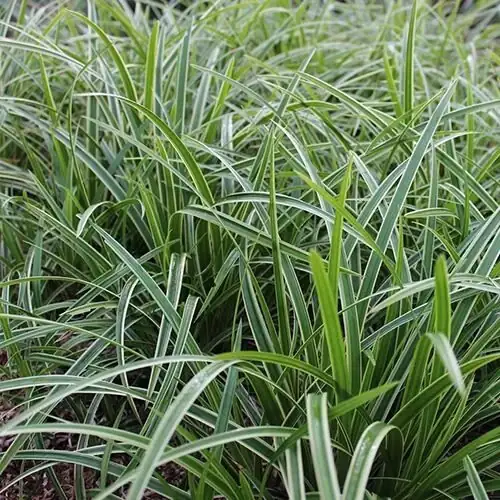
- Foliage: Evergreen, narrow, strap-like leaves held in dense basal tufts. The plant keeps a clean, grassy texture year-round in mild climates and expands slowly via thin underground runners.
- Flower: Short flower stems (often shorter than the leaves) carry small, slightly nodding flowers with tepals that don’t fully open. Round fruits/seeds may follow; seeds are about 7–8 mm (0.28–0.31 in) across.
- Flowering Season: May–August
- Growth Habit: Evergreen, clump-forming perennial groundcover that slowly spreads by underground runners.
Environment
Sunlight
Partial to full shade; avoid harsh direct sun, especially midday sun.
Temperature
Best growth around 10–25°C (50–77°F); generally tolerant of cool to cold conditions once established.
Humidity
Prefers evenly moist conditions; average to higher humidity suits it well.
Soil
Performs best in fertile, humus-rich, moisture-retentive but well-drained sandy or loamy soil; adaptable to a range of pH as long as drainage is good.
Placement
Under trees and shrubs, shaded borders, woodland gardens, and mass plantings as groundcover; also works well in containers placed in bright shade.
Hardiness
USDA Zones 6–10 (roughly down to about -23°C / -10°F, depending on local conditions). Foliage stays more evergreen through winter in milder areas.
Care Guide
Difficulty
Easy. The biggest pitfalls are drought and too much sun; keep it evenly moist and shaded for best results.
Buying Guide
Pick plants with dense, deep-green tufts and firm crowns (no mushy centers or yellowing). Avoid pots that smell sour or have waterlogged media. For faster groundcover, choose well-rooted clumps rather than tiny plugs.
Watering
Water regularly while establishing. Aim for evenly moist soil—never soggy. In containers, let the top 2–3 cm (about 1 in) dry slightly between waterings, then water thoroughly. Increase watering during hot, dry weather.
Fertilization
Feed lightly in spring with a balanced slow-release fertilizer, or top-dress with compost. Avoid heavy nitrogen, which can lead to soft, floppy growth.
Pruning
Late winter to early spring: comb out debris and trim browned tips. If it looks ragged, you can shear it back to about 5–8 cm (2–3 in) to refresh new growth (recovery is quickest in mild climates).
Propagation
Divide clumps in spring or early autumn. Replant divisions at the same depth and keep evenly moist until established.
Repotting
Repot every 2–3 years or when crowded. Use a well-draining mix and a pot with drainage holes; dividing at repotting is an easy way to rejuvenate plants.
📅 Seasonal Care Calendar
Spring: divide, top-dress with compost, and feed lightly. Summer: keep moisture consistent and protect from strong sun. Autumn: tidy clumps; divide in mild regions if desired. Winter: reduce watering in containers and clean up damaged foliage before spring growth.
Pests, Diseases & Safety
Common Pests & Diseases
Usually trouble-free. Watch for slugs/snails outdoors, scale insects, and spider mites in dry indoor conditions. The most serious issue is root/crown rot in poorly drained or waterlogged soil—improve drainage, avoid overwatering, and keep airflow reasonable.
Toxicity
Not commonly listed as toxic to people, cats, or dogs. Still, chewing or ingesting plant material can cause mild stomach upset in sensitive pets—discourage frequent nibbling if it’s a habit.
Culture & Symbolism
Symbolism: Often linked with quiet resilience—steady, calming greenery that shines in the shade.
History & Legends: Long appreciated in East Asian gardens for its clean texture and dependable performance in woodland conditions.
Uses: Popular as an ornamental groundcover, edging plant, and underplanting for trees and shrubs; also grown in containers in bright shade.
FAQ
Why is my mondo grass turning yellow?
Most often it’s getting too much direct sun, drying out too much, or sitting in soggy soil that stresses the roots. Shift it to partial/full shade, keep moisture even, and make sure the soil drains well.
How do I make it spread faster as a groundcover?
Plant clumps closer together, keep soil consistently moist through the first growing season, and divide larger clumps in spring to create more plants to fill gaps.
Fun Facts
- In the wild, it’s commonly found in shaded, moist woodland habitats and along streams in south-central China.
- Its flower stalks are usually shorter than the leaves, and the flowers often nod rather than opening wide.
- It blooms from May to August, with fruiting typically following in late summer to early autumn.
- It spreads by slender underground runners, gradually forming a dense, weed-suppressing mat.
- Its round seeds are about 7–8 mm (0.28–0.31 in) in diameter.


