

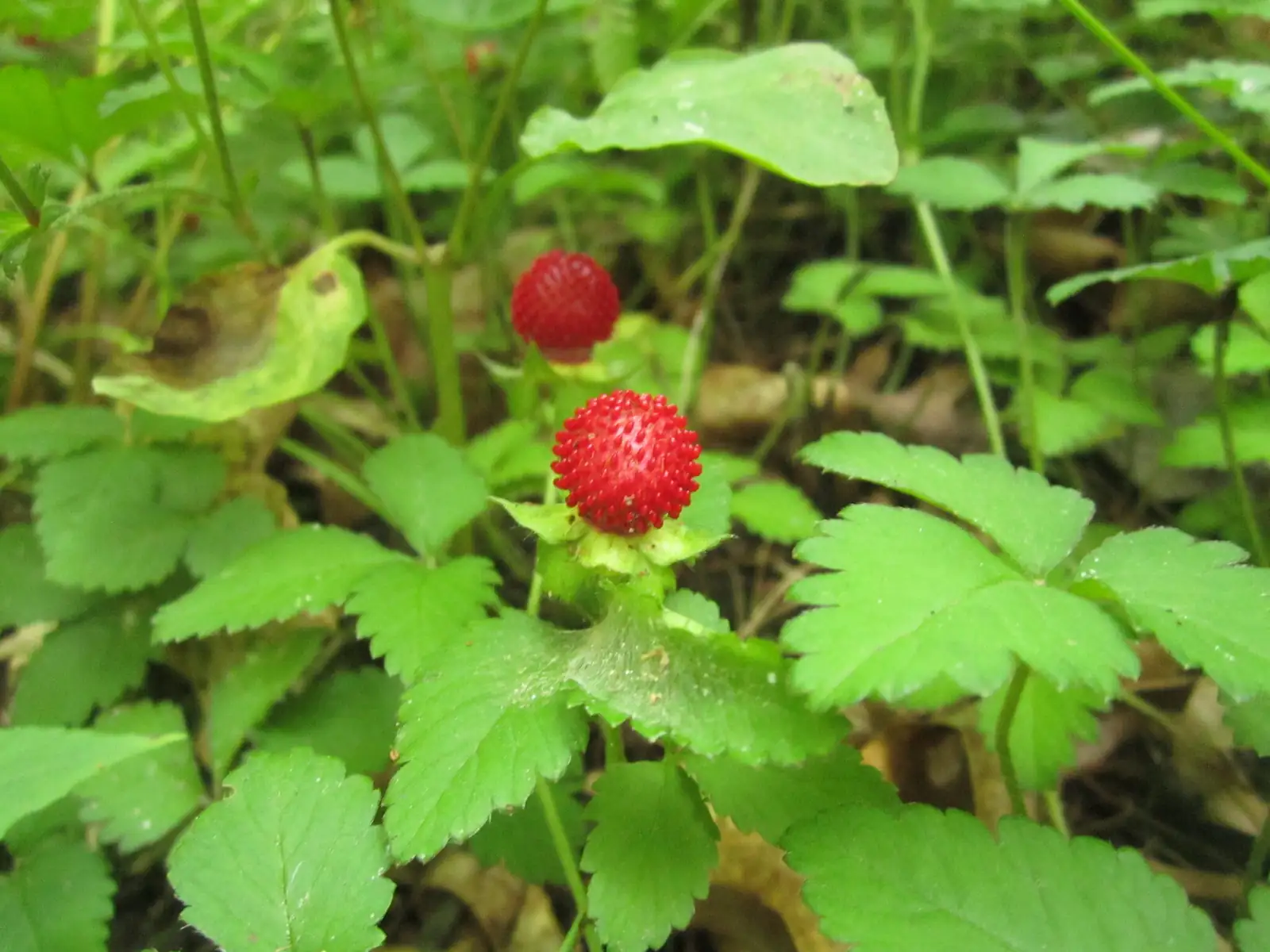
Plant Features
- Size: Typically 5–10 cm (2–4 in) tall; spreads outward by long creeping runners (stolons) to form mats.
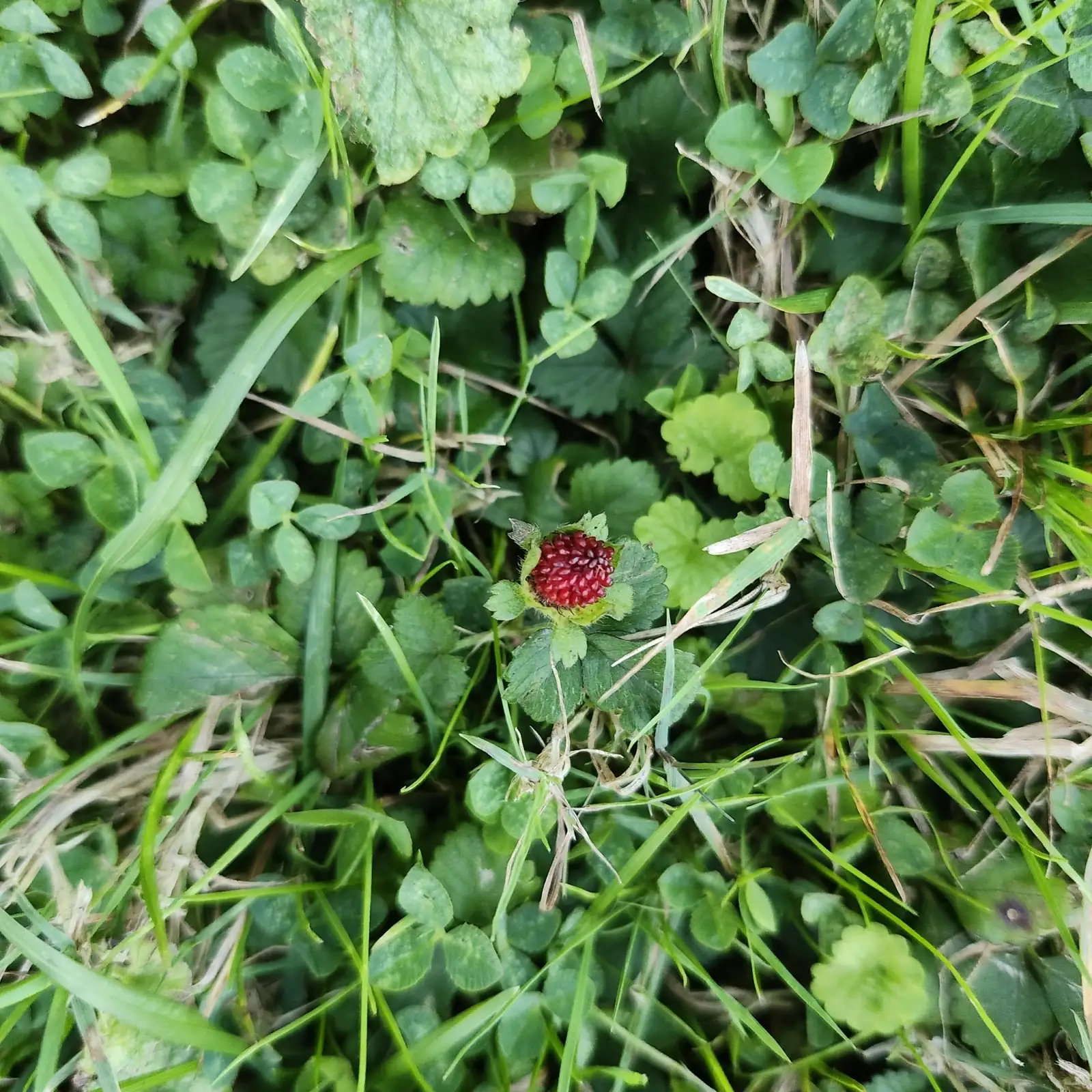
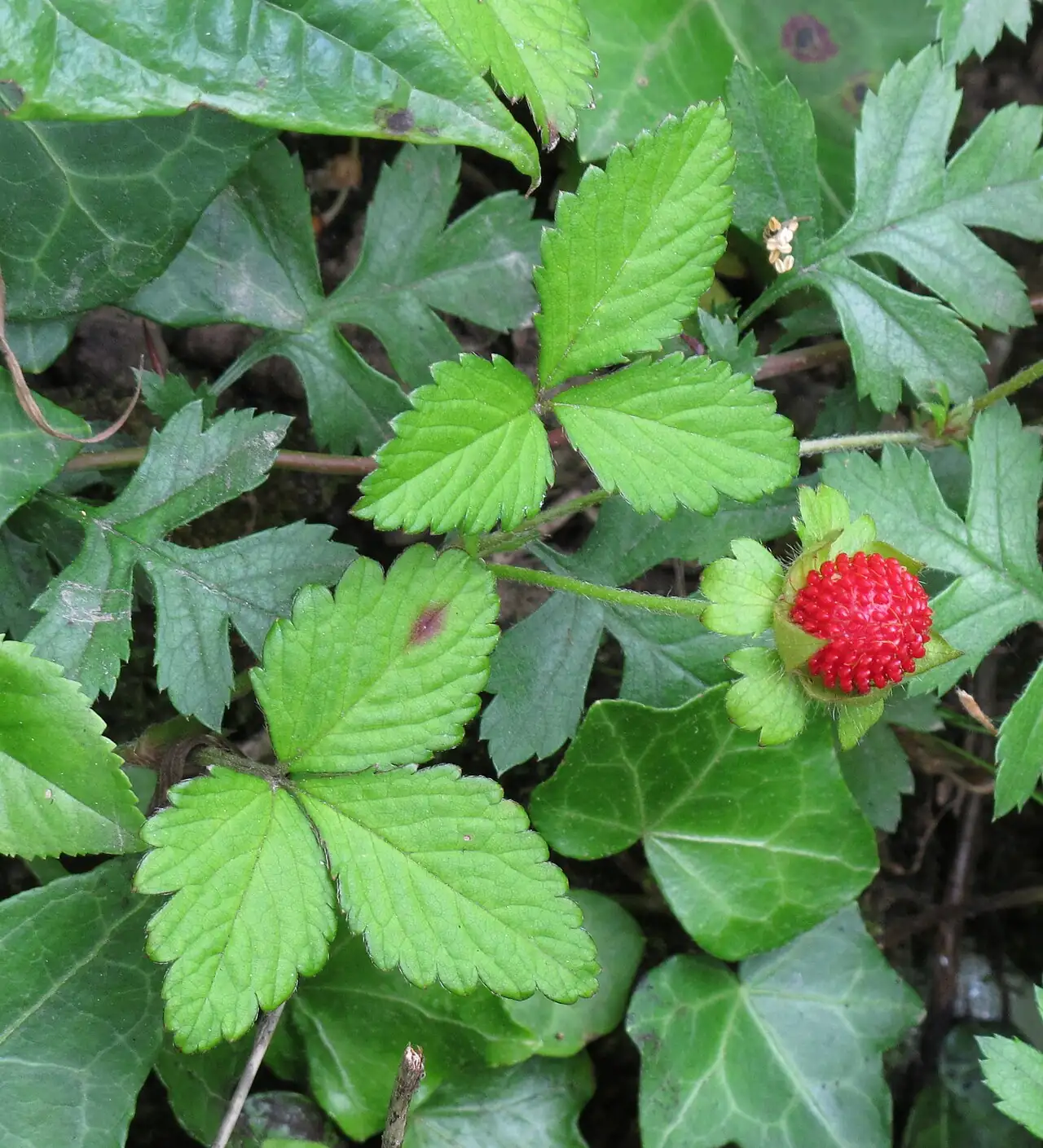
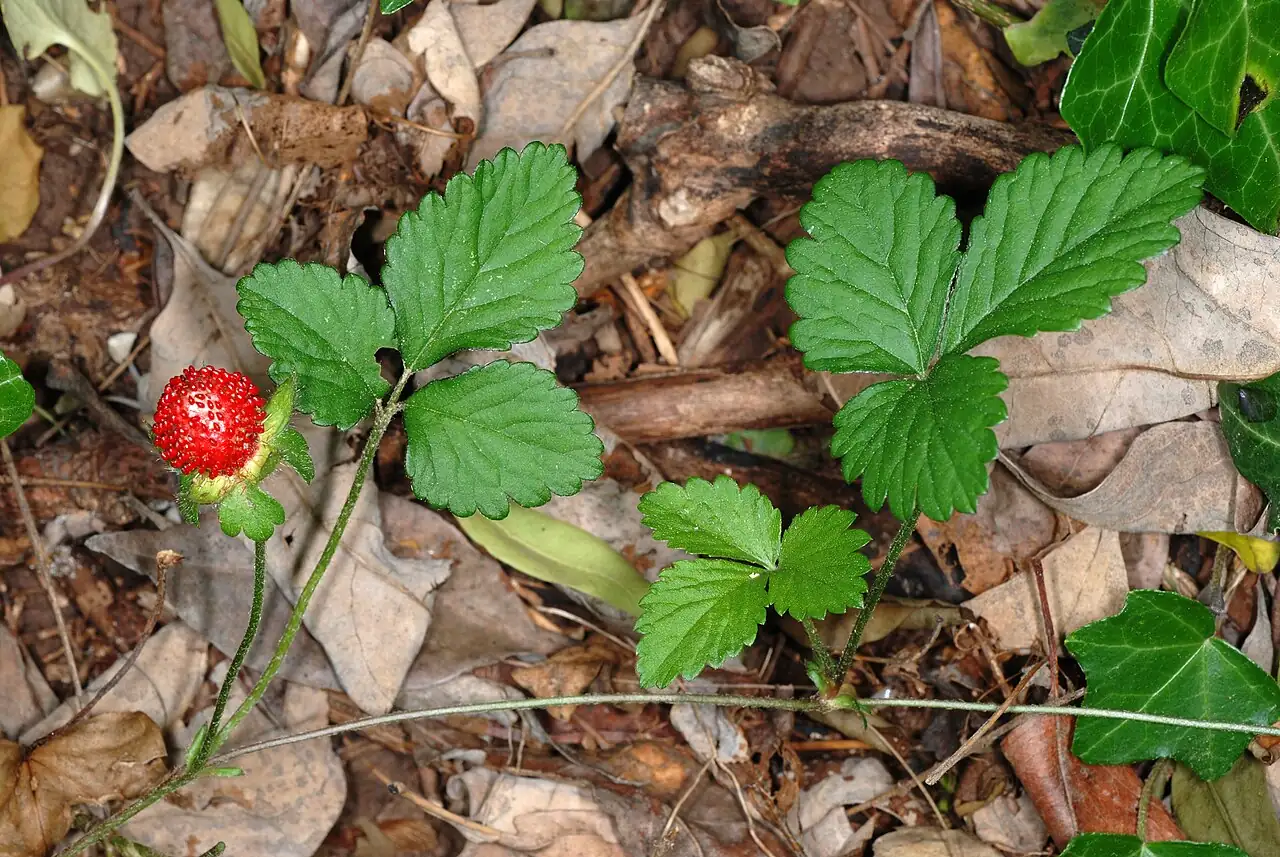
- Foliage: Leaves are trifoliate (three leaflets), with small leaflets that are obovate to rhomboid-oblong. The plant is softly hairy overall, and its long runners root at the nodes as they travel, helping it form a dense living carpet.
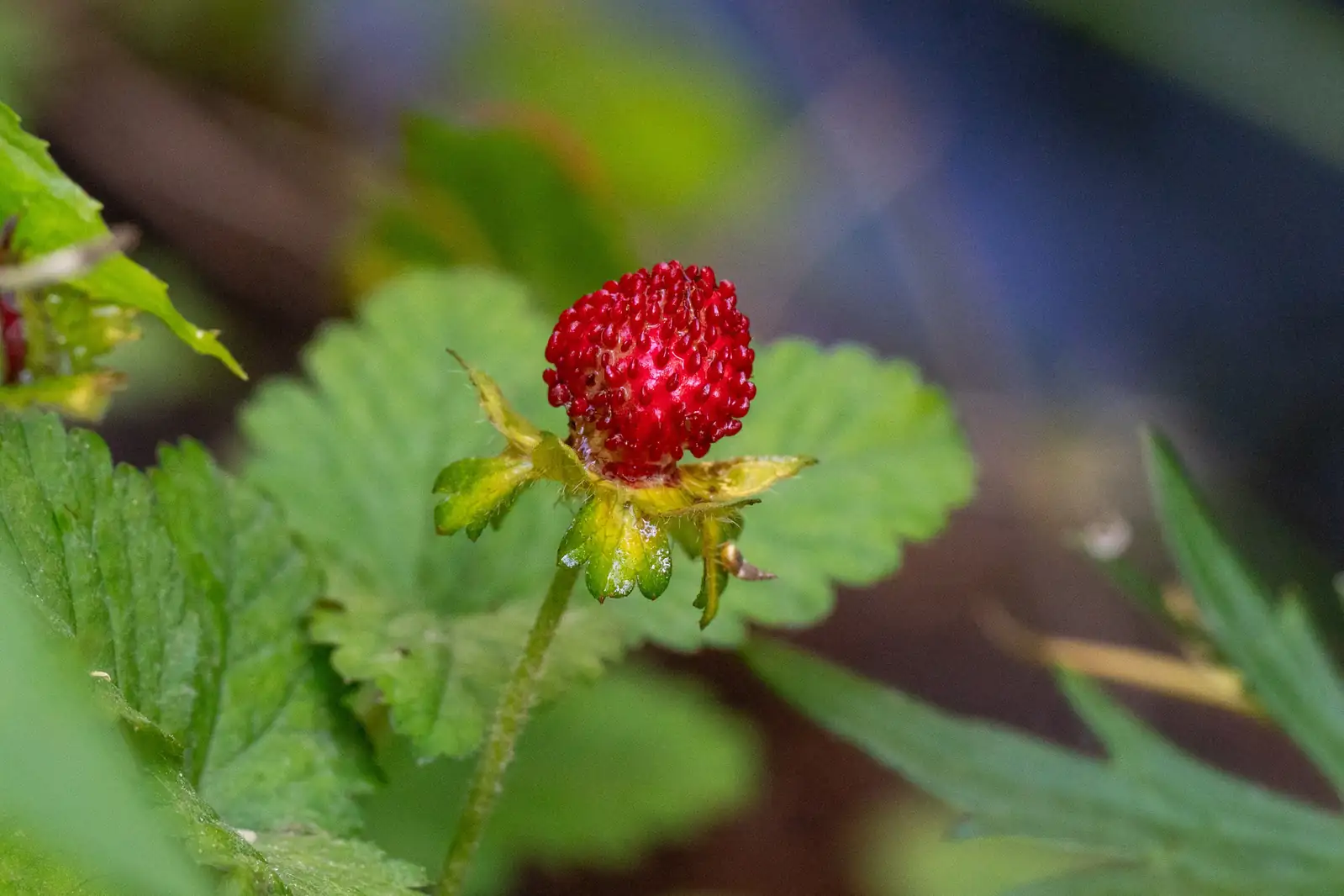
- Flower: Small, solitary, five-petaled yellow flowers appear in the leaf axils. After flowering, it forms bright red, strawberry-like aggregate fruits that are eye-catching but typically not very flavorful.
- Flowering Season: June–August
- Growth Habit: Low, mat-forming perennial herb; creeping, runnering groundcover.
Environment
Sunlight
Partial shade to full shade. It naturally grows on shaded, moist woodland floors; in warm climates, avoid harsh all-day hot sun.
Temperature
Best growth at 15–25°C (59–77°F). It tolerates cold and can overwinter outdoors in many cold-temperate regions once established.
Humidity
Prefers humid air and evenly moist conditions. Dislikes drought, and also suffers if kept soggy or stagnant.
Soil
Adaptable, but happiest in loose, well-drained soil that stays consistently moist—woodland humus-rich soil is ideal.
Placement
Shaded garden beds, under trees or shrubs, woodland gardens, and as a groundcover in areas with light foot traffic.
Hardiness
Cold-hardy; suitable for outdoor overwintering in many temperate areas (exact USDA zone varies with local winter severity, drainage, and site conditions).
Care Guide
Difficulty
Easy and adaptable. The main trick is moisture balance: keep it evenly moist, but never waterlogged.
Buying Guide
Pick plants with dense, healthy green leaves and visible active runners. Avoid pots that smell sour or look waterlogged, and skip plants with widespread yellowing (often linked to poor drainage or stress).
Watering
Keep soil evenly moist. Water when the top 2–3 cm (1–1.2 in) starts to dry, then water thoroughly and let excess drain. Avoid prolonged drought, and don’t leave pots sitting in standing water.
Fertilization
Usually needs little feeding. If growth looks weak, use a balanced fertilizer diluted to a gentle strength in spring and early summer (about every 4–6 weeks). Avoid heavy nitrogen, which can reduce flowering and make growth overly soft.
Pruning
Trim wandering runners to control spread and keep edges neat. Remove old or damaged leaves as needed. A light shear after fruiting can encourage fresh, tidy regrowth.
Propagation
Extremely easy from runners: pin a runner node onto moist soil until it roots, then cut it free from the parent plant. You can also divide clumps in mild weather.
Repotting
In containers, repot or refresh the top layer of soil every 1–2 years. Use a pot with drainage holes and a mix that holds some moisture while still draining well.
📅 Seasonal Care Calendar
Flowering: June–August. Fruiting: August–October. Growth is strongest in mild conditions around 15–25°C (59–77°F). In cold regions it can overwinter outdoors; protect from winter waterlogging and poor drainage.
Pests, Diseases & Safety
Common Pests & Diseases
Usually trouble-free. In overly wet or poorly drained soil, crown/root rot can occur. Slugs and snails may chew leaves and fruits in damp shade—improve airflow, reduce hiding spots, and use barriers or traps if needed.
Toxicity
Not known to be poisonous. The fruits are generally considered non-toxic but are usually bland and not commonly eaten in quantity. As with any wild or foraged-looking plant, only consume if you’re fully confident of the ID and the plant was grown away from pollutants.
Culture & Symbolism
Uses: Primarily grown as a fast-spreading, low groundcover (evergreen to semi-evergreen depending on winter) for shaded, moist areas. Valued for its bright yellow flowers and decorative red fruits, and it can help cover bare soil under trees or along shady paths that get occasional trampling.
FAQ
When does mock strawberry flower?
Typically June–August.
When do the fruits appear?
Usually August–October.
How tall does it get?
About 5–10 cm (2–4 in) tall, spreading outward by runners.
What kind of environment does it prefer?
Cool partial shade to full shade with evenly moist, well-drained soil—very similar to a woodland floor.
What should I watch out for in care?
Avoid extremes: don’t let it dry out for long, and don’t keep it waterlogged. Consistent moisture plus good drainage is the sweet spot.
Fun Facts
- The whole plant is softly hairy, giving it a slightly fuzzy texture.
- It spreads by long runners that root at the nodes, quickly forming a living carpet.
- Despite the strawberry-like look, the fruits are mostly ornamental and far less flavorful than true strawberries.
- It’s naturally associated with shady, damp woodland habitats.
- It stays very low—often only 5–10 cm (2–4 in) tall—making it a handy groundcover for shaded gardens.


