Plant Features
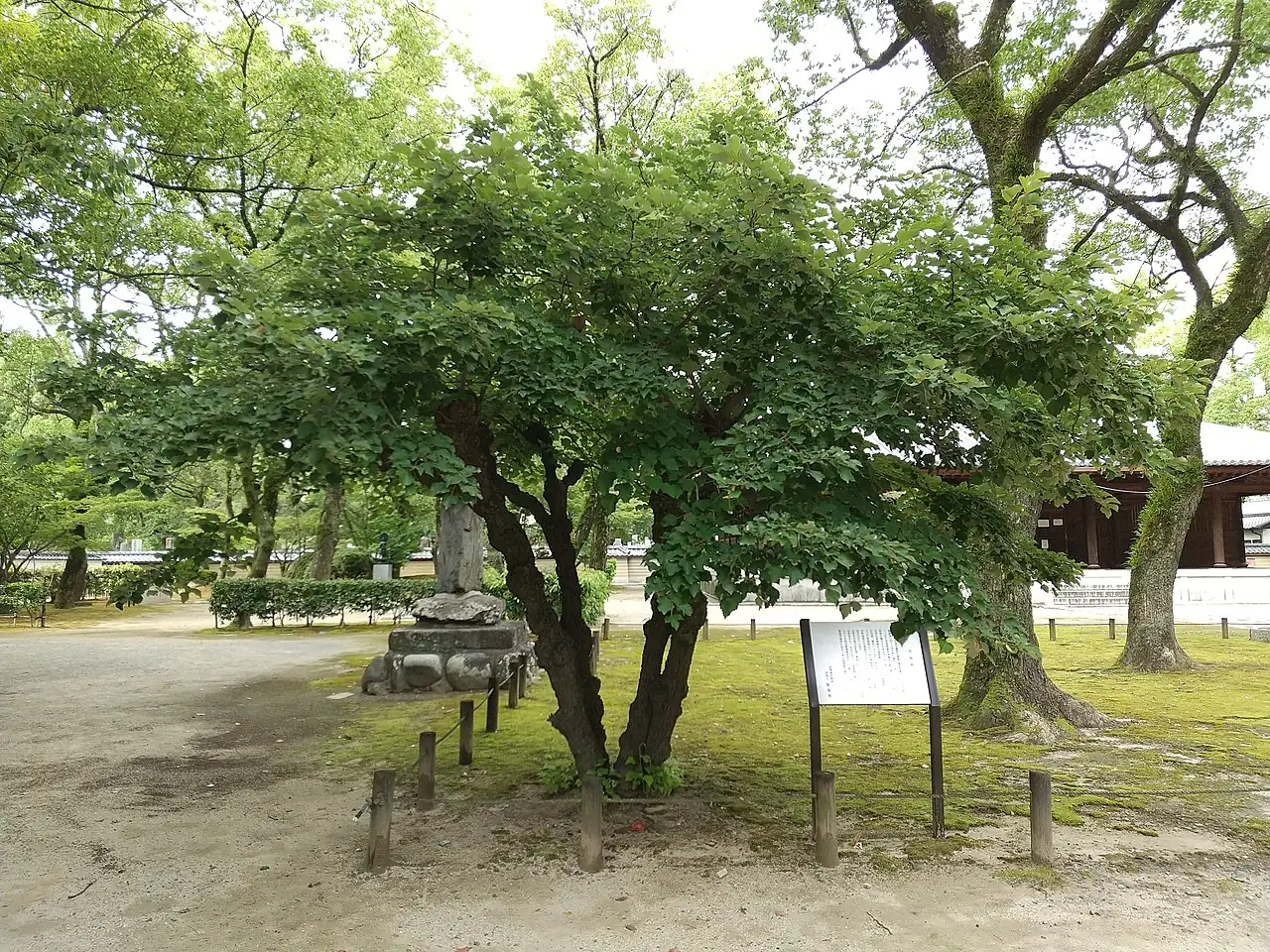
- Size: Up to about 20 m (66 ft) tall, developing a broad shade canopy with age.
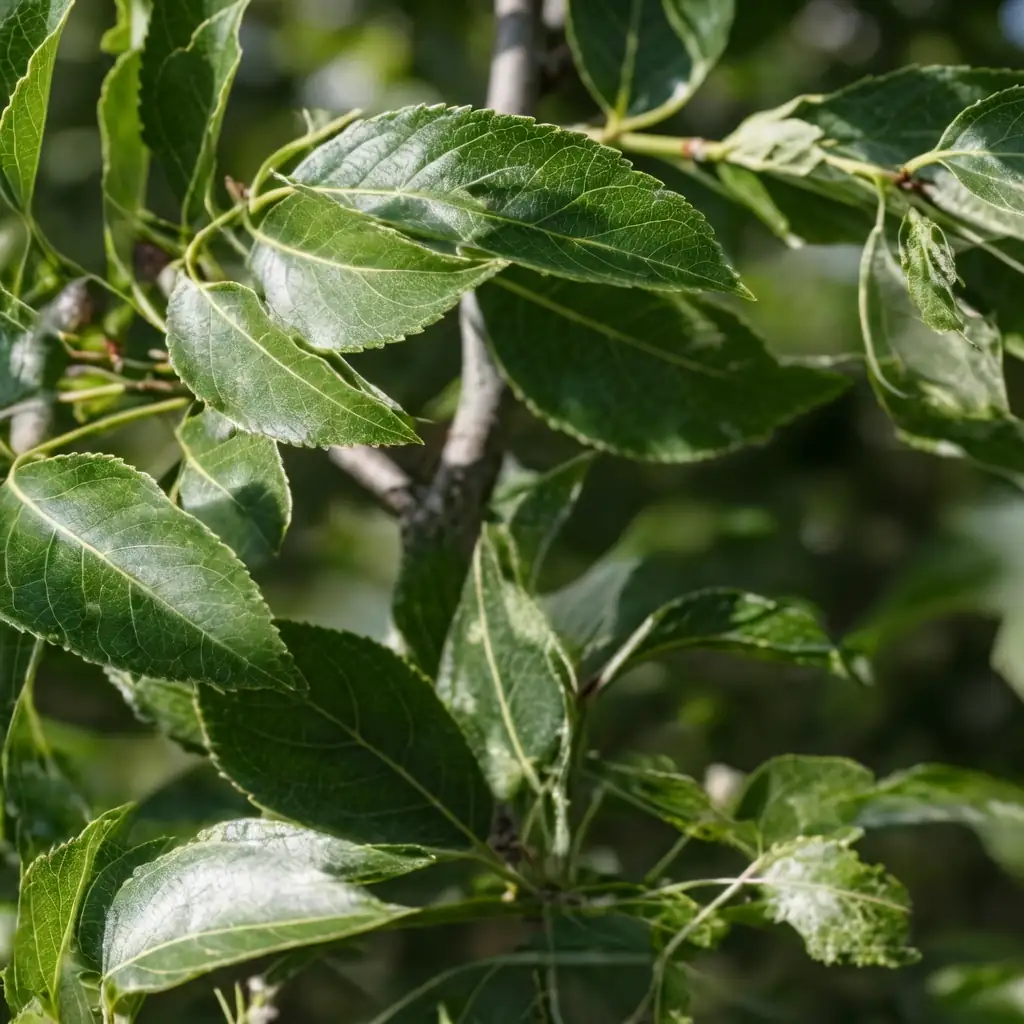
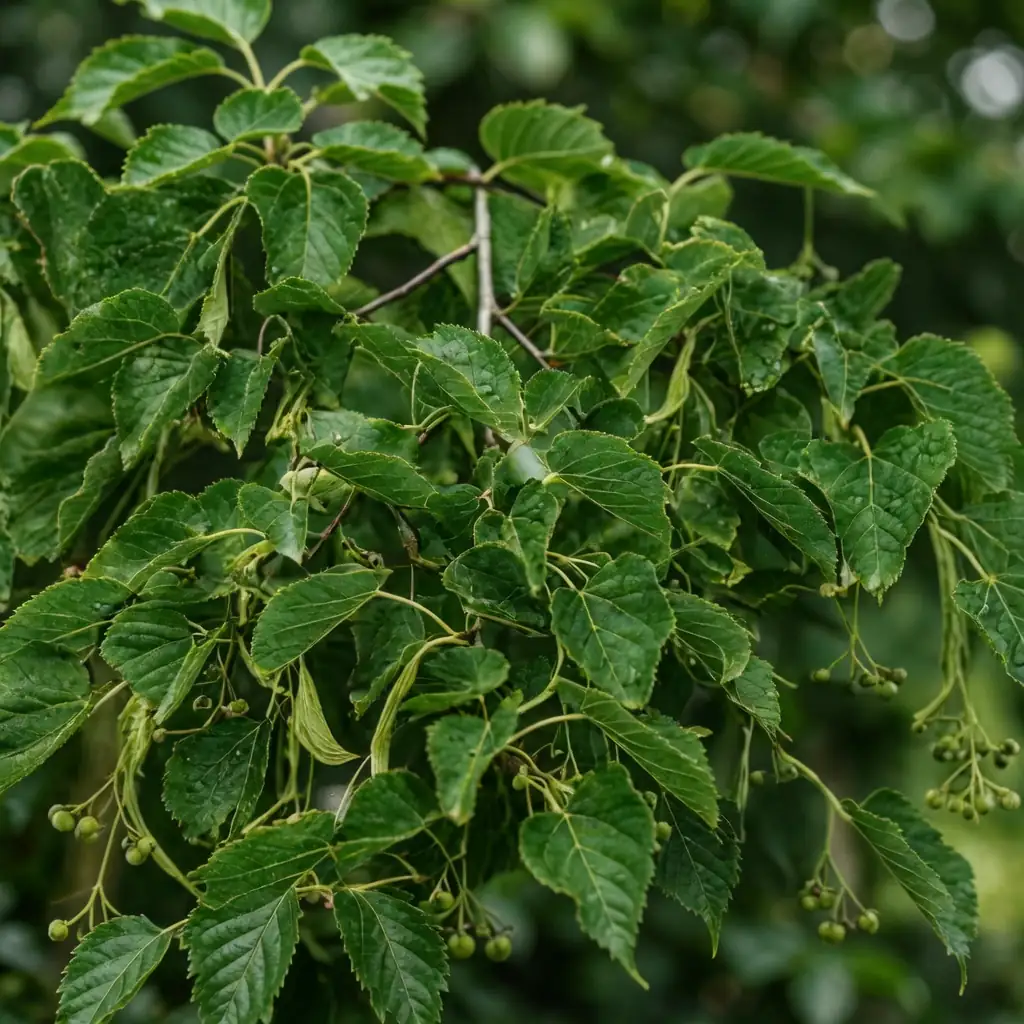
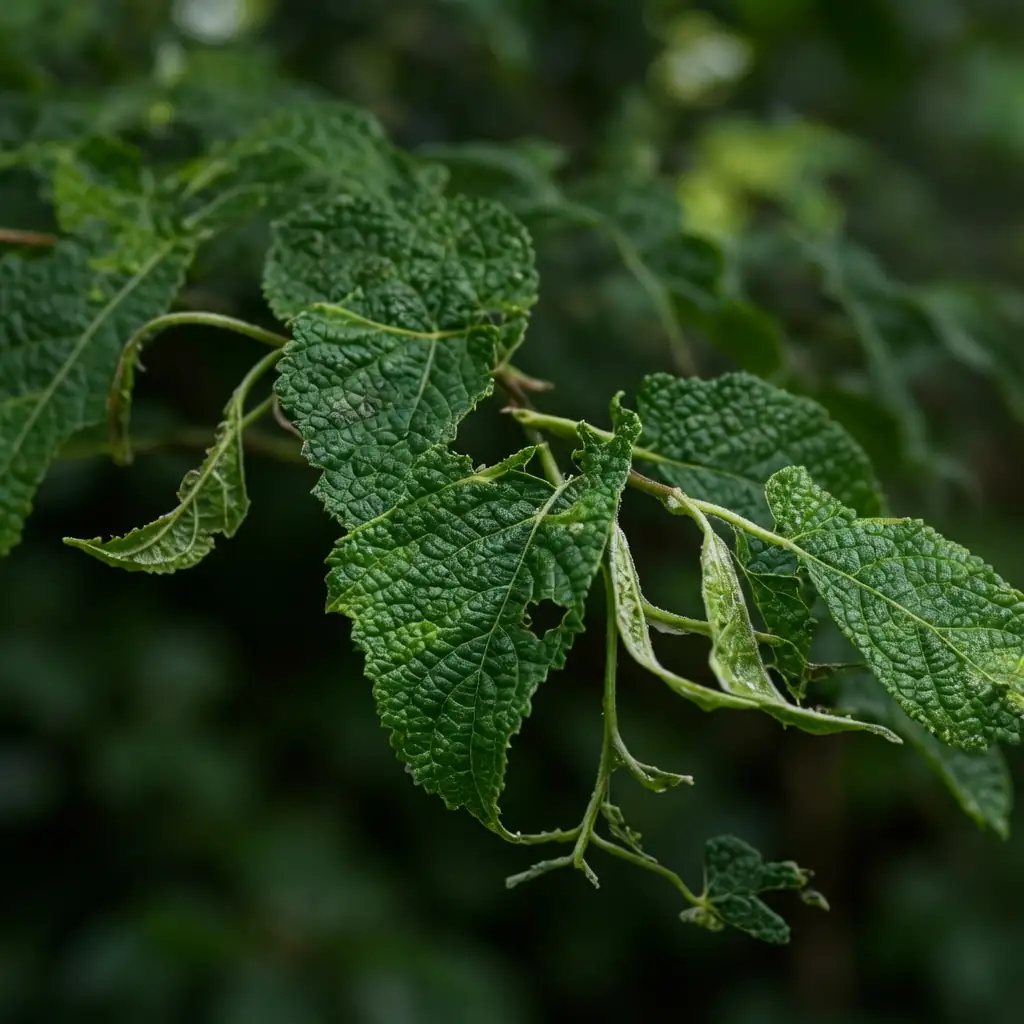
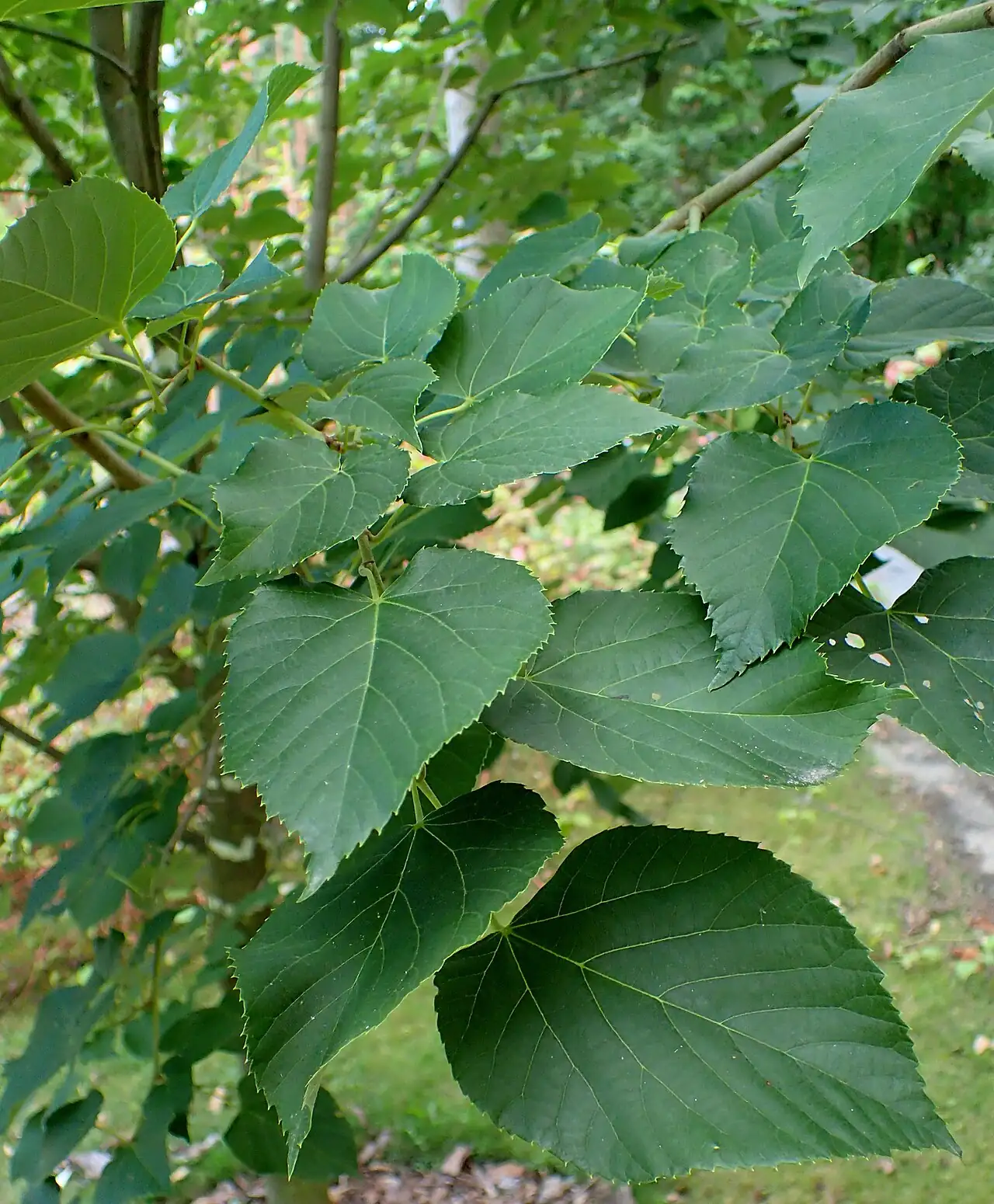
- Foliage: Leaves are broadly ovate with a distinct heart-shaped base and a short, sharp tip. Margins are neatly serrated, and the leaf shows about 6–8 pairs of lateral veins—giving it a classic linden look that reads as lush and cooling in summer.
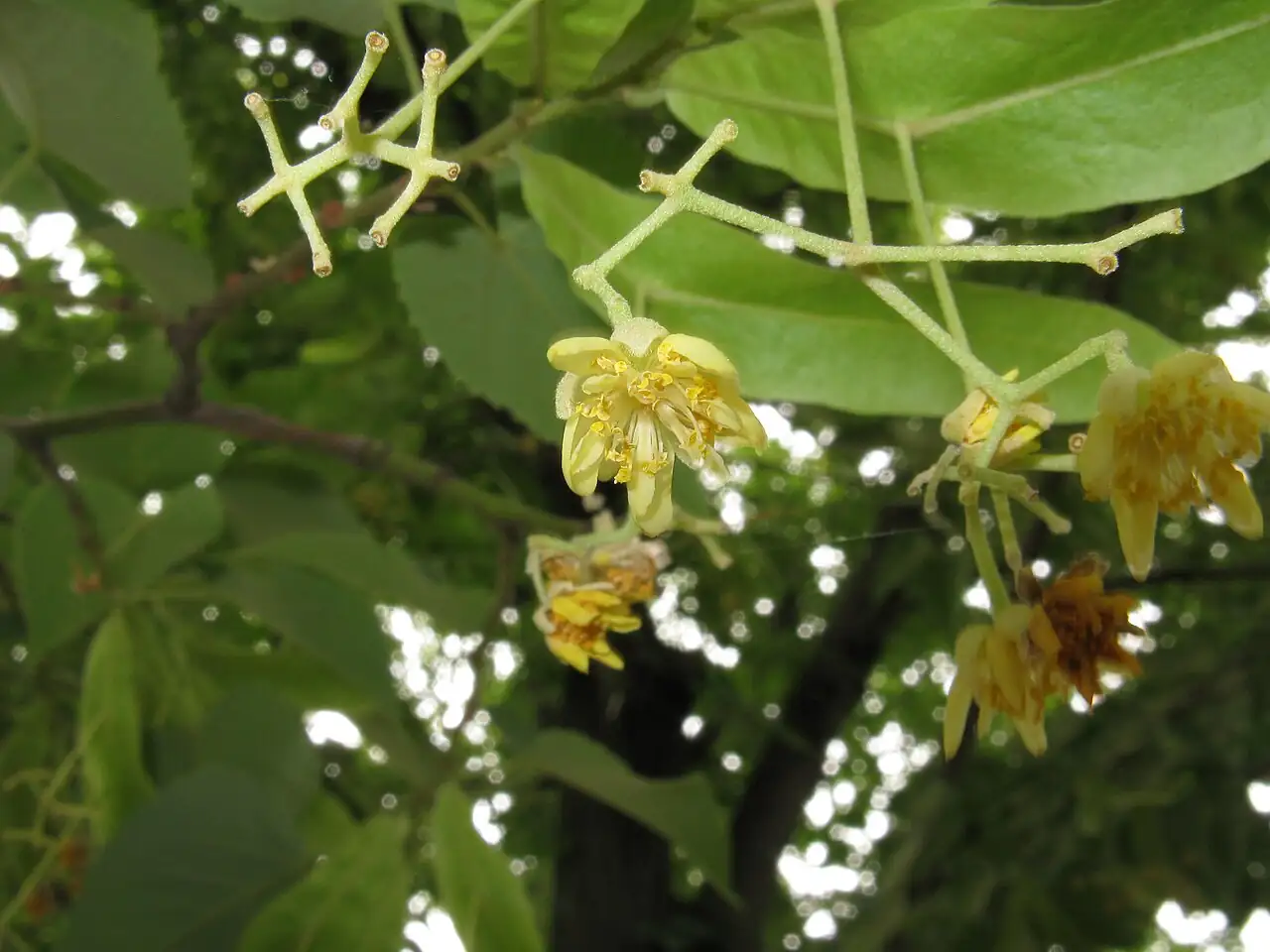
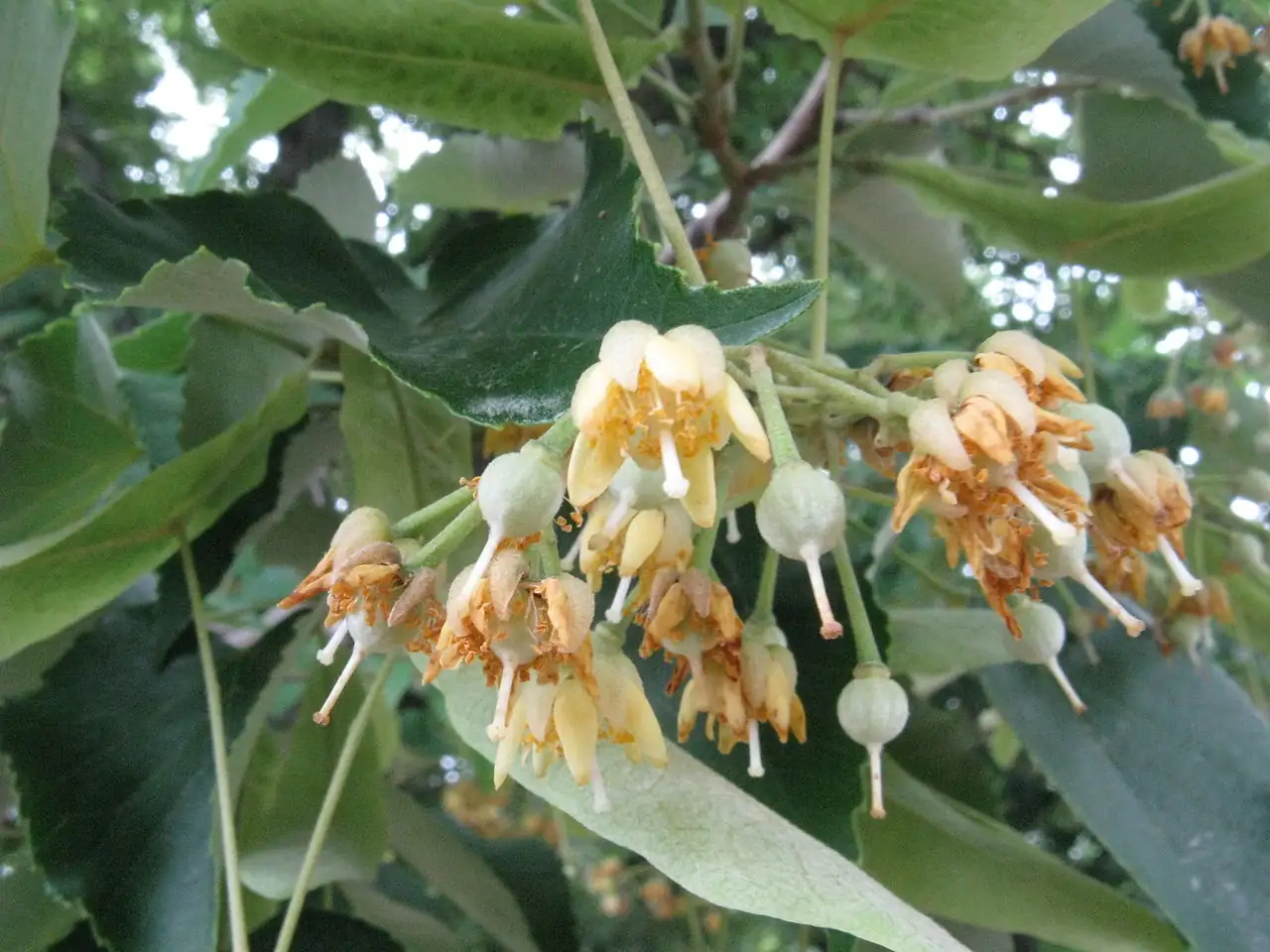
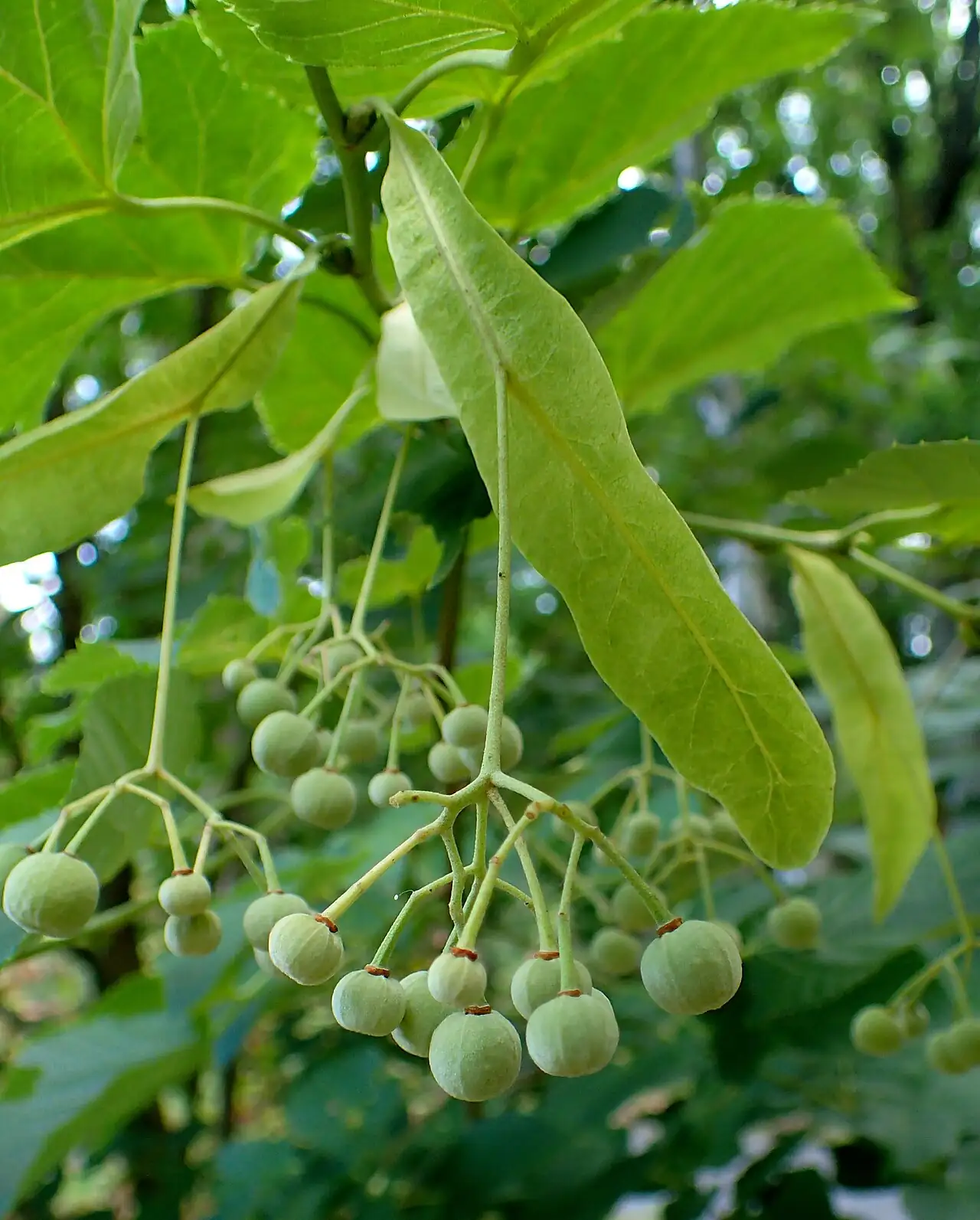
- Flower: In summer it produces clusters (cymes) of roughly 3–12 strongly fragrant flowers, each cluster paired with a narrow, strap-like bract typical of lindens. The fruits are small, round nutlets with a fine, starry hair covering and slight surface bumps.
- Flowering Season: July
- Growth Habit: Large, upright deciduous tree with a strong, shade-tree form. Bark is grayish-white; young shoots are covered with yellow-brown, downy hairs.
Environment
Sunlight
Full sun to partial shade; flowers best and grows most strongly in full sun.
Temperature
Prefers a warm, humid climate. Young shoots may be damaged by severe winter cold; protect young trees where winter lows fall below about -10°C (14°F).
Humidity
Moderate to high humidity is ideal, though it adapts to normal outdoor humidity once well-rooted.
Soil
Adaptable to a range of soils. It tolerates relatively dry, lean conditions and may gradually improve soil over time, but performs best in well-drained loam with consistent moisture during establishment.
Placement
Outdoor planting only: excellent as a park specimen, shade tree, or street/avenue tree; also useful for urban and industrial greening where dust and air pollutants are concerns.
Hardiness
Hardiness improves with age. Typically suitable for temperate regions; young trees may need protection in colder sites—roughly USDA Zone 6–9 depending on local provenance and microclimate.
Care Guide
Difficulty
Easy—especially once established. Adaptable, resilient in urban settings, and relatively drought-tolerant on poorer soils after the first years.
Buying Guide
Pick a tree with a straight central leader, evenly spaced scaffold branches, and no trunk wounds. Avoid pot-bound stock with circling roots. In colder-winter regions, check that buds and young shoots look healthy and undamaged before planting.
Watering
Water regularly for the first 1–2 growing seasons to build a deep root system. After establishment, water during prolonged dry spells. Aim for deep, infrequent watering rather than frequent light sprinkling.
Fertilization
Usually needs little feeding. If growth is weak, use a balanced slow-release fertilizer in spring. Avoid heavy nitrogen, which can push soft growth that’s more likely to be winter-damaged.
Pruning
Prune in late winter to early spring to remove dead, crossing, or poorly placed branches and to maintain a strong structure. Avoid heavy pruning during active growth.
Propagation
Most often propagated from seed (commonly needing cold stratification). In cultivation it may also be grafted or budded; semi-hardwood cuttings can work but results may vary.
Repotting
Not applicable as a landscape tree. If temporarily container-grown, up-pot in early spring, but avoid long-term containers due to its eventual large size.
📅 Seasonal Care Calendar
Spring: plant, mulch, and feed lightly only if needed. Summer: keep young trees evenly moist and enjoy peak fragrance and pollinator activity. Autumn: reduce watering and tidy fallen leaves in high-traffic areas if desired. Winter: protect young trees in exposed/cold sites with wrap or windbreaks; avoid late-season nitrogen to reduce winter shoot damage.
Pests, Diseases & Safety
Common Pests & Diseases
Usually low-problem. Stressed trees can attract aphids or develop leaf spots/cankers, so focus on prevention: mulch, water during establishment and droughts, and avoid wounding the trunk.
Toxicity
No well-known toxicity to people or pets is commonly reported for Tilia species. Still, discourage chewing or ingestion; contact a professional if a pet eats a large amount.
Culture & Symbolism
Symbolism: Often associated with gentleness, comforting shade, community gathering, and sweet fragrance—very much a “rest-under-my-branches” kind of tree.
History & Legends: A linden native to China, valued locally as a summer-flowering shade tree. Like other Tilia, it’s cherished wherever people want a pollinator-friendly tree that perfumes the air when it blooms.
Uses: Grown mainly as an ornamental shade and avenue tree with a dense canopy and long service life. Its fragrant flowers are excellent bee forage (a strong honey plant). Frequently recommended for urban and industrial planting due to tolerance of dust and some air pollutants, and it can cope with comparatively dry, nutrient-poor soils once established.
FAQ
Is Miquel’s linden a good street tree?
Yes—its strong structure, dense shade, fragrant summer bloom, and general tolerance of urban conditions (including dust and some pollutants) make it a solid choice, provided it has enough rooting space and water during its first couple of years.
Why does it need extra care when young in cold climates?
Young shoots can be damaged by harsh winter cold. Giving young trees wind protection, avoiding late-season high-nitrogen fertilizer, and choosing a sheltered site helps them mature into a more cold-tolerant tree.
Fun Facts
- At maturity it can reach about 20 m (66 ft), so give it room—this is a true shade-maker, not a small garden tree.
- The intensely fragrant July flowers are a magnet for bees and other pollinators.
- It often performs better in drier, poorer soils than many ornamental shade trees once established.
- Hardiness tends to improve as the tree ages, even if young shoots sometimes suffer in severe winters.