

Plant Features
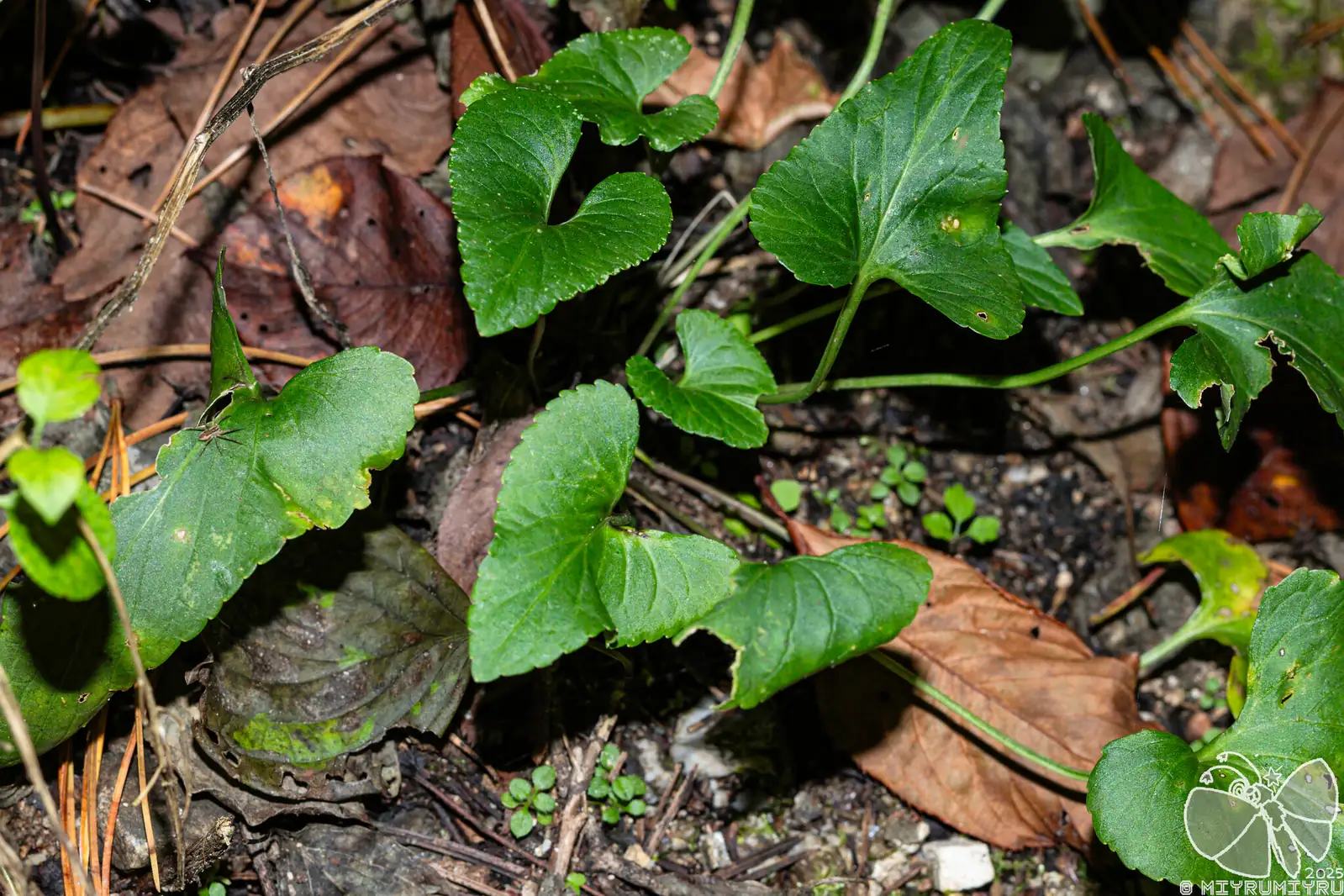
- Size:7–20 cm (2.8–7.9 in) tall; typically spreads as a low clump/groundcover rather than forming an upright stem.
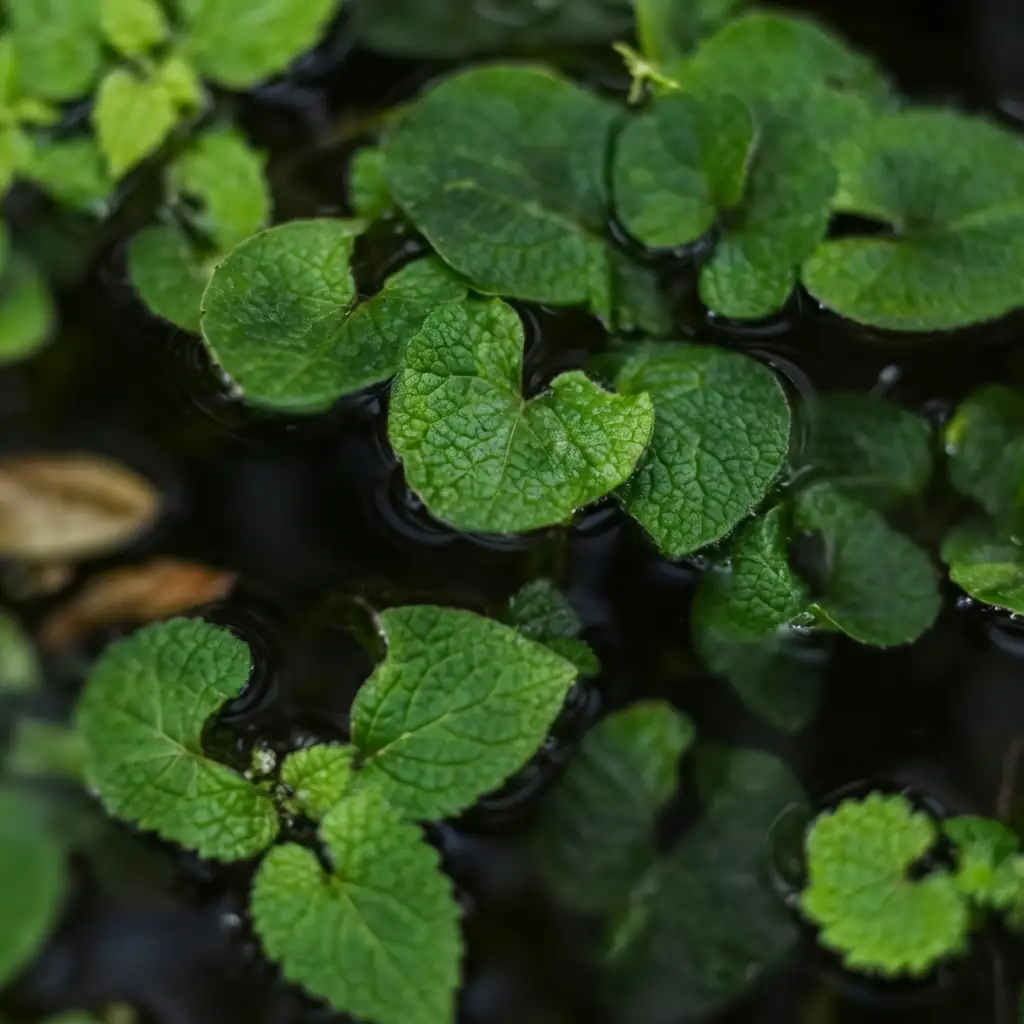
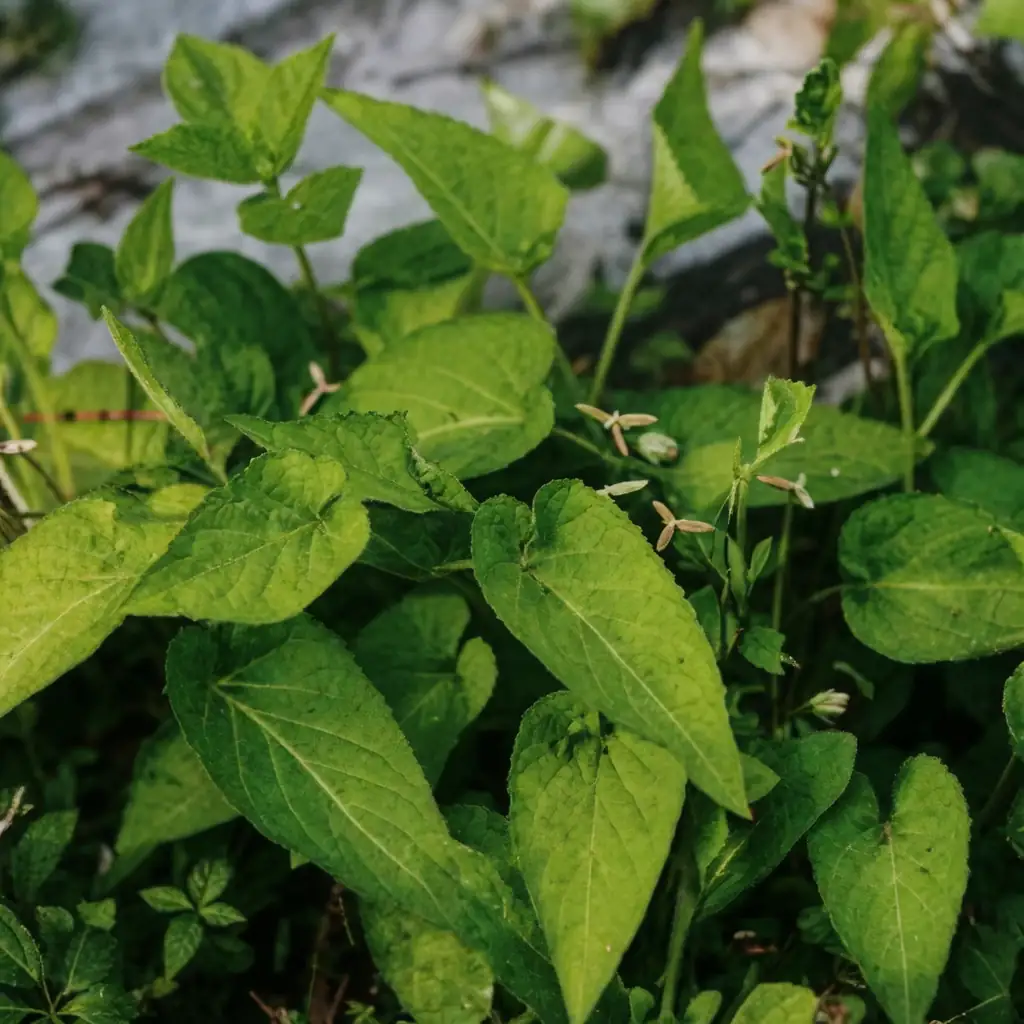
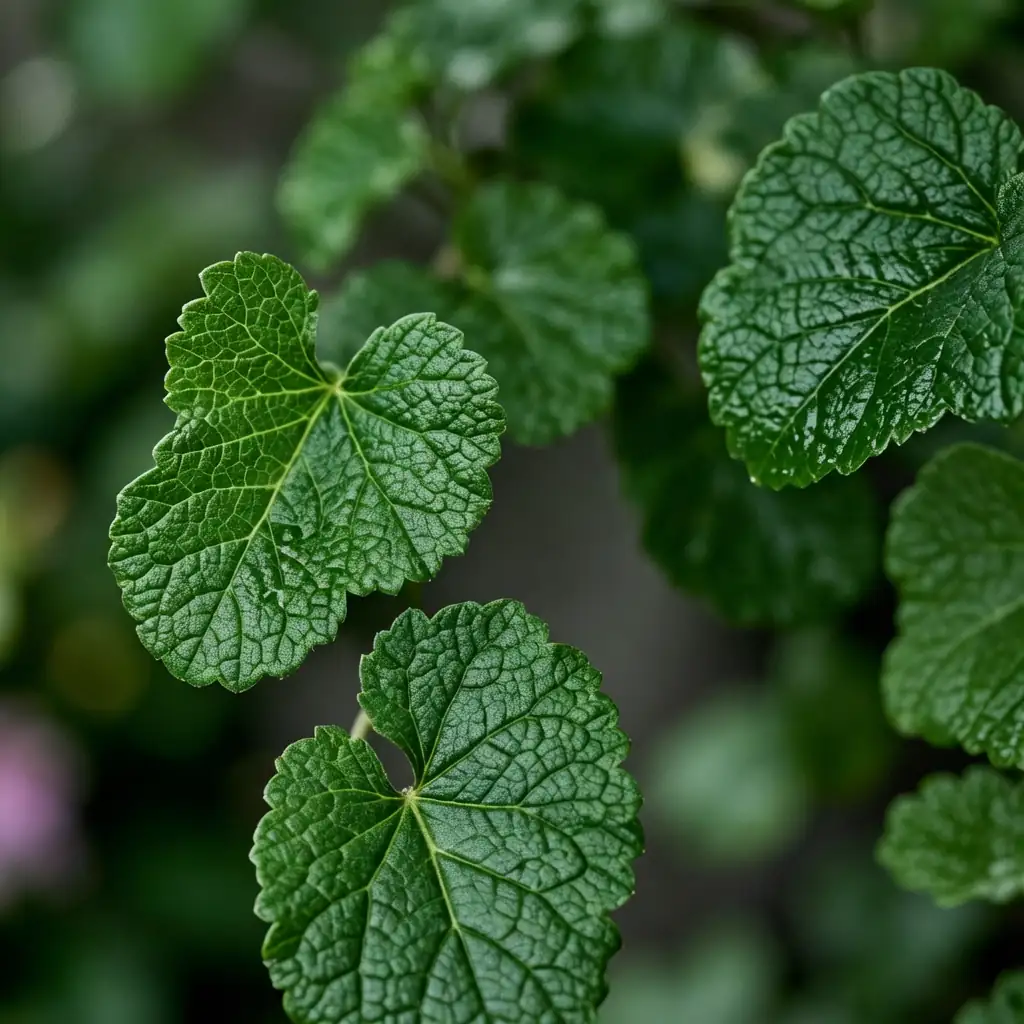
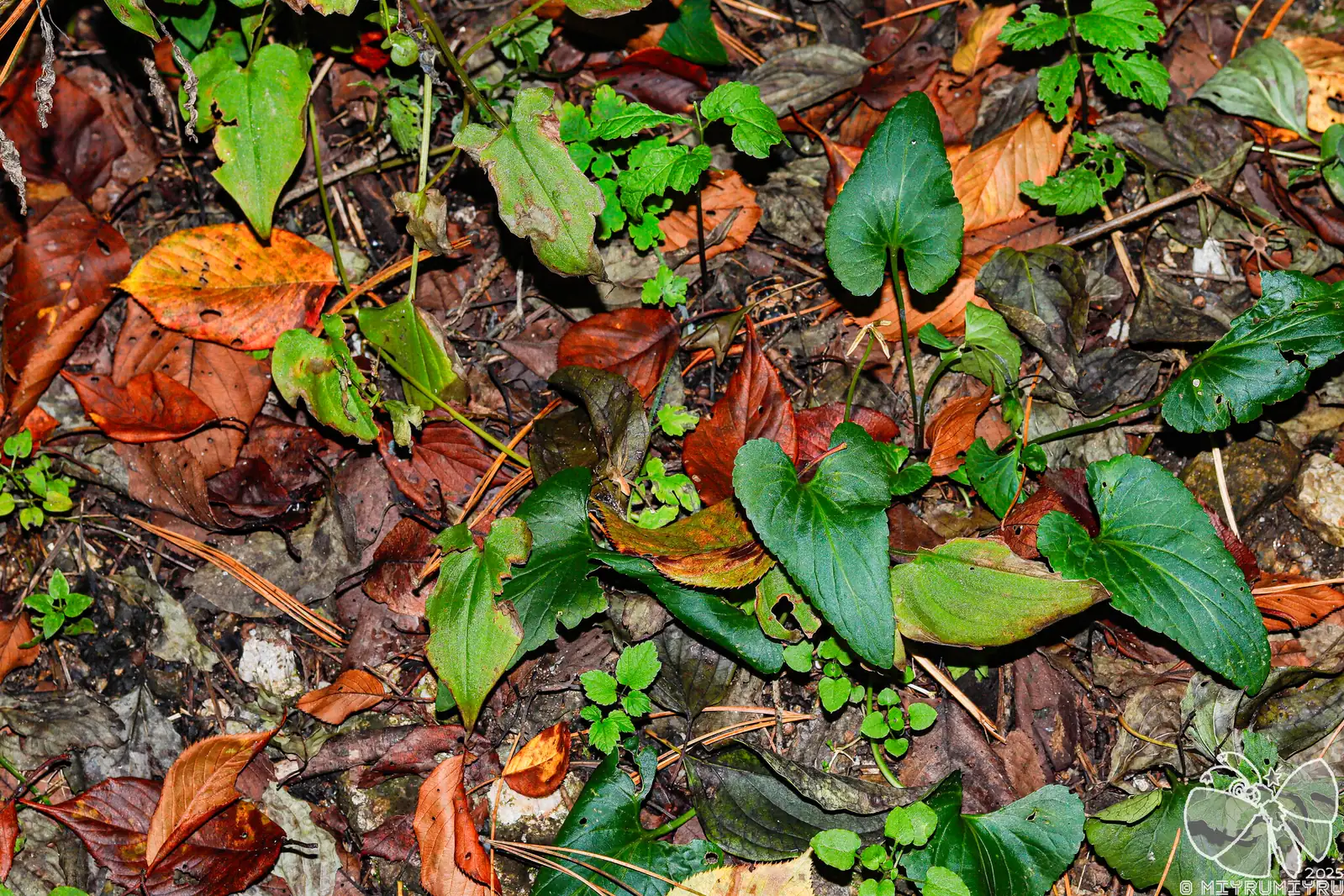
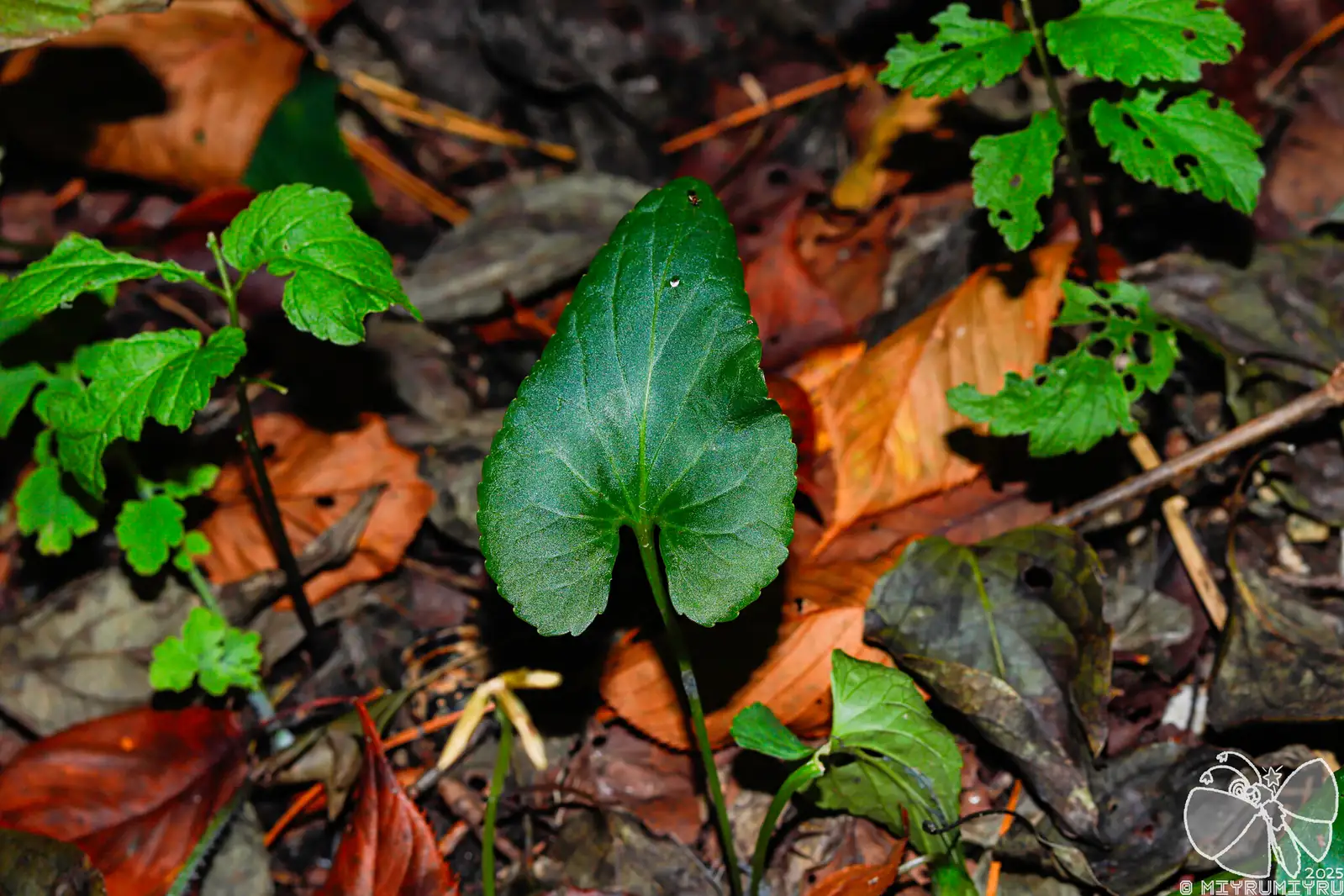
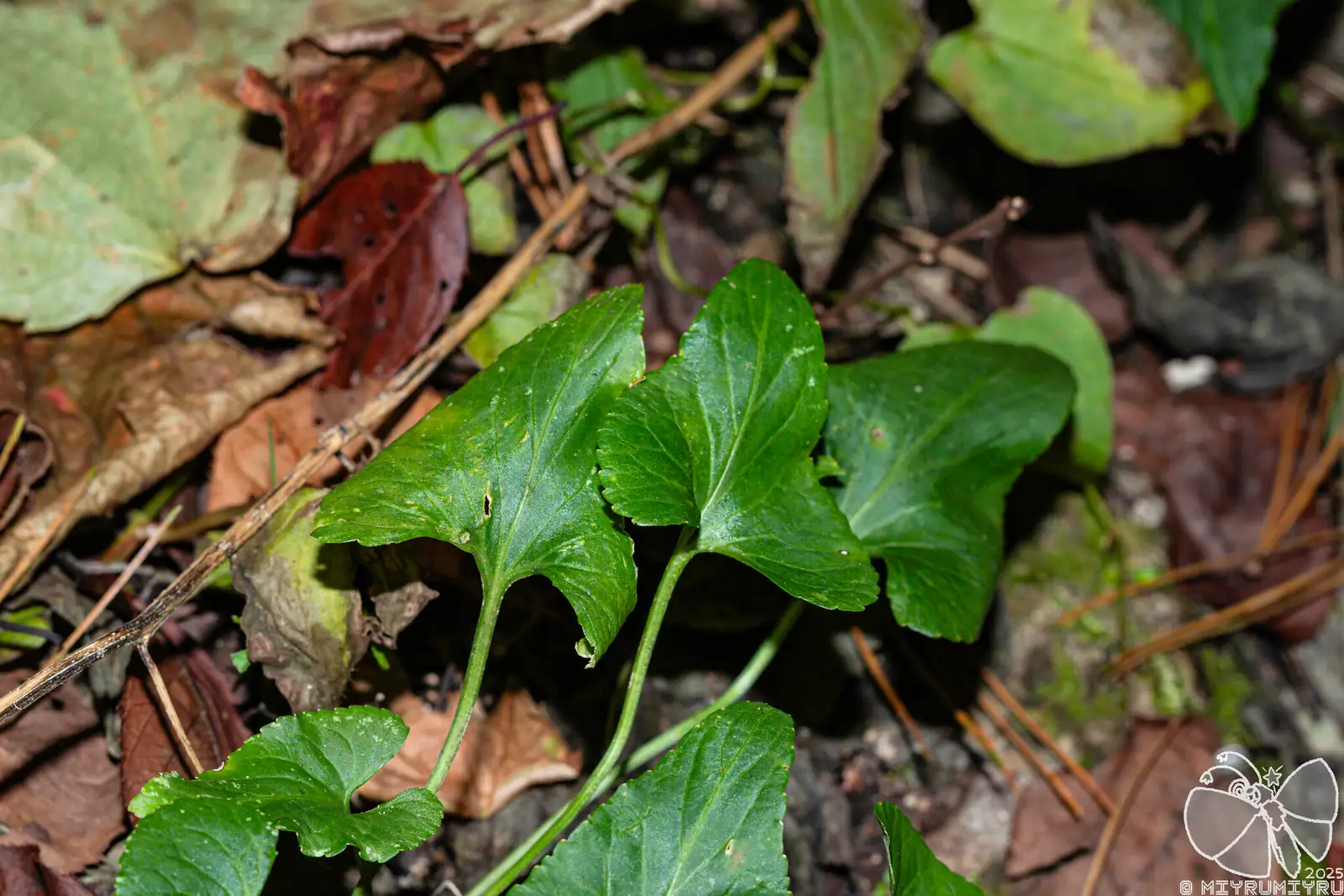
- Foliage: Leaves are mostly basal, with several per plant (often 3–5 or more), creating a tidy, low rosette-like clump. The plant grows from a short, slightly thickened rhizome that is dark brown to nearly black.
- Flower: Medium-sized violet flowers with clean white petals marked by delicate pale-lilac to light purple veins, giving the blooms a soft, refined look.
- Flowering Season: May–September
- Growth Habit: Low, clump-forming perennial herb with little to no obvious above-ground stem; grows from a short, stout rhizome.
Environment
Sunlight
Full sun to partial shade; shade-tolerant, though it usually flowers best with brighter light and cooler conditions.
Temperature
Cold-hardy and well-suited to cool-temperate climates. For best growth, aim for about 5–25°C (41–77°F); protect from prolonged heat and drought stress.
Humidity
Prefers consistently moist air and soil; average to higher humidity is especially helpful for potted plants.
Soil
Moisture-retentive, humus-rich soil that still drains well. It’s adaptable, but performs poorly if allowed to dry out for long periods or if kept in stagnant, waterlogged conditions.
Placement
Moist garden beds, woodland edges, shrub margins, rain-garden margins, and along streams/pond edges; also excellent in small pots or miniature container plantings where soil can be kept evenly moist.
Hardiness
Cold-hardy (exact USDA zone can vary with local provenance). In containers, shelter from repeated freeze–thaw cycles to prevent root damage.
Care Guide
Difficulty
Easy and flexible, as long as you meet its main request: steady moisture. It tolerates partial shade and cold well, and isn’t picky about soil texture if it doesn’t dry out for long.
Buying Guide
Pick compact plants with fresh, unblemished basal leaves and a firm crown (no mushy or darkened tissue). For potted plants, the mix should be evenly moist—not sour-smelling, slimy, or waterlogged.
Watering
Keep evenly moist. In the ground, water during dry spells so the root zone stays lightly moist. In containers, water when the surface just begins to dry, then soak thoroughly and let excess drain—avoid both prolonged drought and standing water.
Fertilization
Light feeder. In spring, top-dress with compost; or use a balanced liquid fertilizer at 1/4–1/2 strength every 3–4 weeks during active growth. Stop feeding from late summer into autumn so growth can slow naturally.
Pruning
Deadhead spent flowers and remove yellowing leaves to keep the clump neat and encourage repeat blooming. After flowering, you can trim tired-looking foliage to refresh the plant’s appearance.
Propagation
Divide clumps in spring or early autumn. Also grows from seed: sow fresh seed on the surface of a moist seed mix, keep cool, and maintain even moisture until germination.
Repotting
Repot every 1–2 years in spring, or whenever the clump becomes crowded. Use a moisture-holding but free-draining mix and a pot with drainage holes.
📅 Seasonal Care Calendar
Spring: refresh soil/compost, divide if needed, begin light feeding. Summer: keep consistently moist; deadhead for longer flowering; provide afternoon shade in hot spells. Autumn: reduce feeding and keep soil slightly moist. Winter: don’t let pots dry out completely; shelter containers from extreme freeze–thaw cycles.
Pests, Diseases & Safety
Common Pests & Diseases
Most issues come from overly wet, stagnant conditions: crown/root rot can occur if drainage and airflow are poor. Slugs and snails may chew leaves and flowers, and aphids can appear on tender new growth. Improve airflow, avoid waterlogging, and use practical controls (hand-picking, barriers, or targeted treatments) as needed.
Toxicity
Species-specific toxicity is not clearly documented in the source. Many Viola species are generally considered low-toxicity, but eating any ornamental plant can still cause mild stomach upset in people or pets. Treat as non-edible unless you have a confirmed food-safe identification and source.
Culture & Symbolism
Symbolism: Like many violets, it’s commonly associated with modest beauty, gentleness, and quiet resilience—small flowers with a surprisingly steady spirit.
History & Legends: No specific legends were provided; it is best known as a wild violet from the moist landscapes of northern China.
Uses: Ornamental groundcover for moist sites and woodland-style plantings; also a charming choice for small pots or miniature container displays where its fine pale veining can be appreciated up close.
FAQ
When does Milky-Flowered Violet bloom?
Typically from May to September, especially when kept evenly moist.
How big does it get?
Around 7–20 cm (2.8–7.9 in) tall, forming a low clump that spreads as groundcover rather than growing upright.
Where is it native to?
Northeastern and northern China, including Heilongjiang, Jilin, Liaoning, Inner Mongolia, and Hebei.
What kind of spot does it like in the garden?
Moist, humus-rich soil in sun to partial shade—woodland edges, damp meadows-style beds, and rain-garden margins are ideal.
What’s the most common care mistake?
Letting it dry out for long stretches (which stresses the plant) or keeping it in stagnant, waterlogged soil (which can cause rot). Aim for evenly moist, well-drained conditions.
Fun Facts
- It stays low and clump-forming with mostly basal leaves, so the flowers seem to float just above the foliage.
- The white petals often show fine pale-lilac veins—subtle up close, but striking in a mass planting.
- In nature it’s a plant of damp places: marshy meadows, wet riverbanks, and moist woodland edges.
- It can be grown both as a naturalistic groundcover and as a neat little “mini pot” feature plant.


