Plant Features
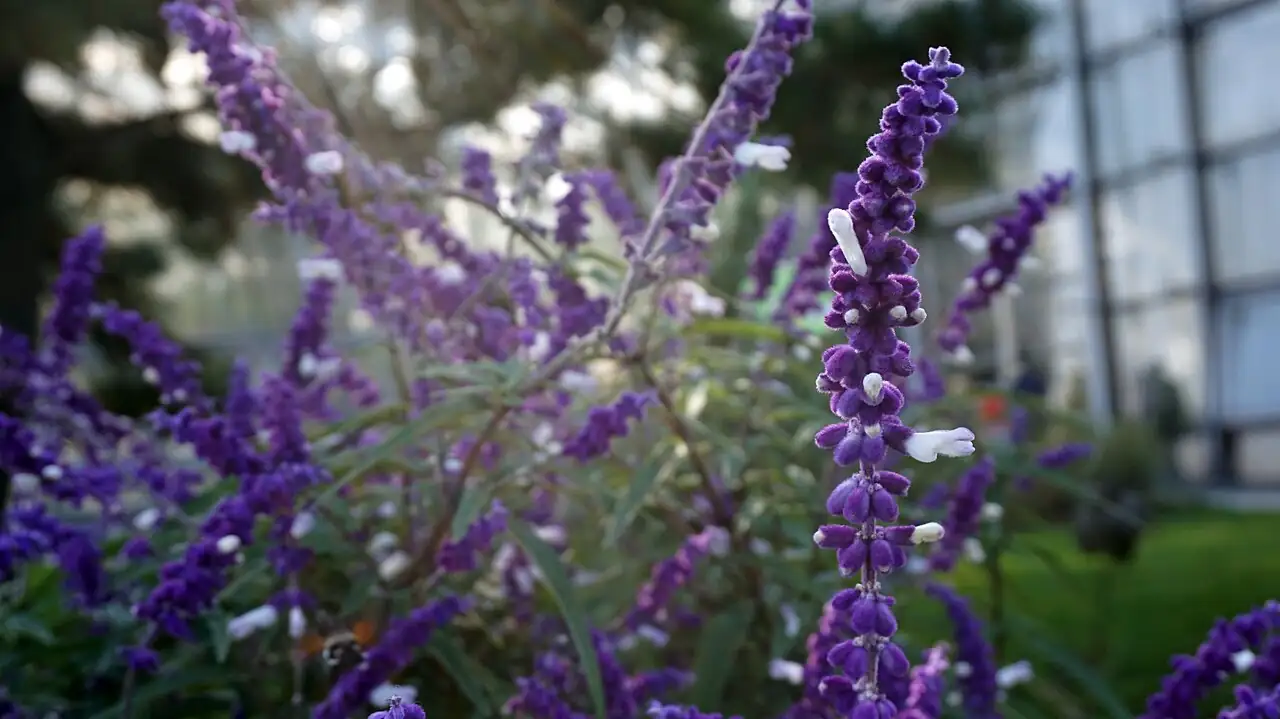
- Size: Typically 80–160 cm (31–63 in) tall; flower spikes about 20–40 cm (8–16 in) long.
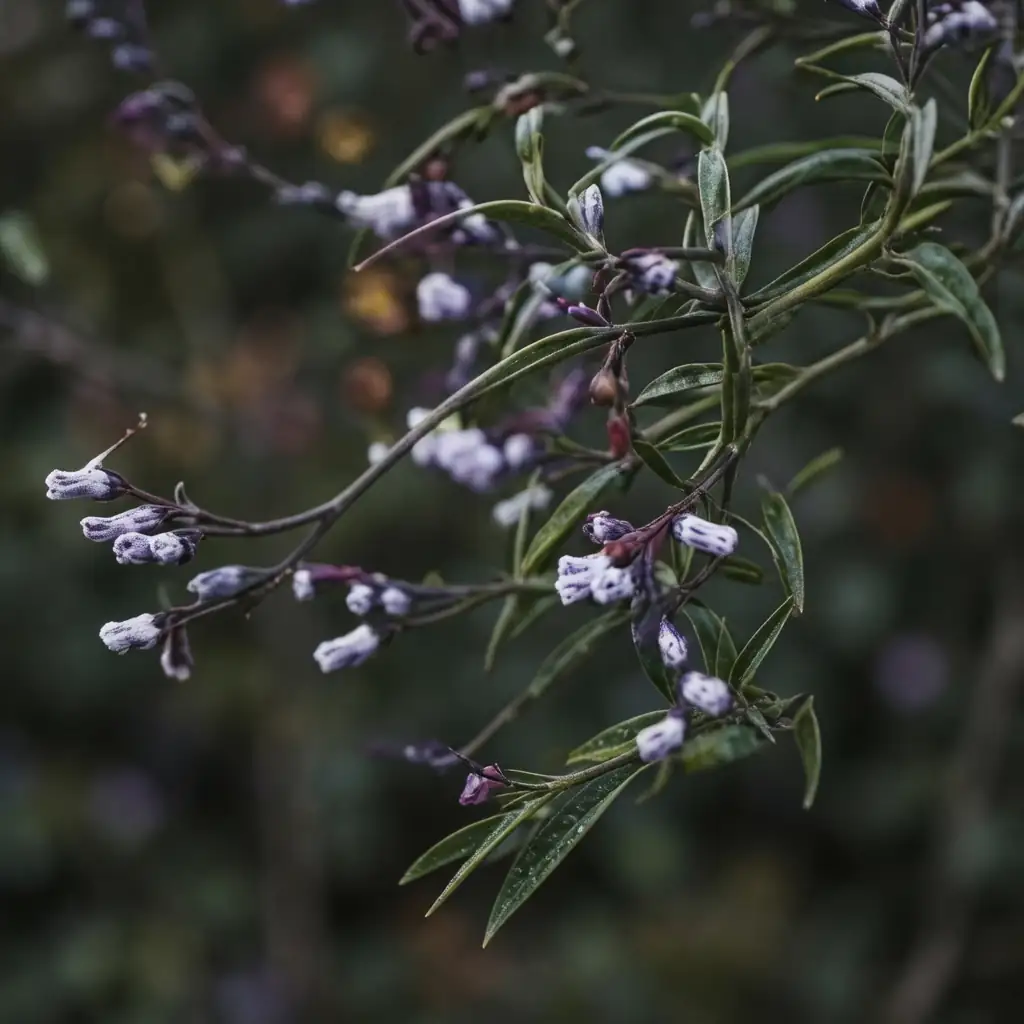
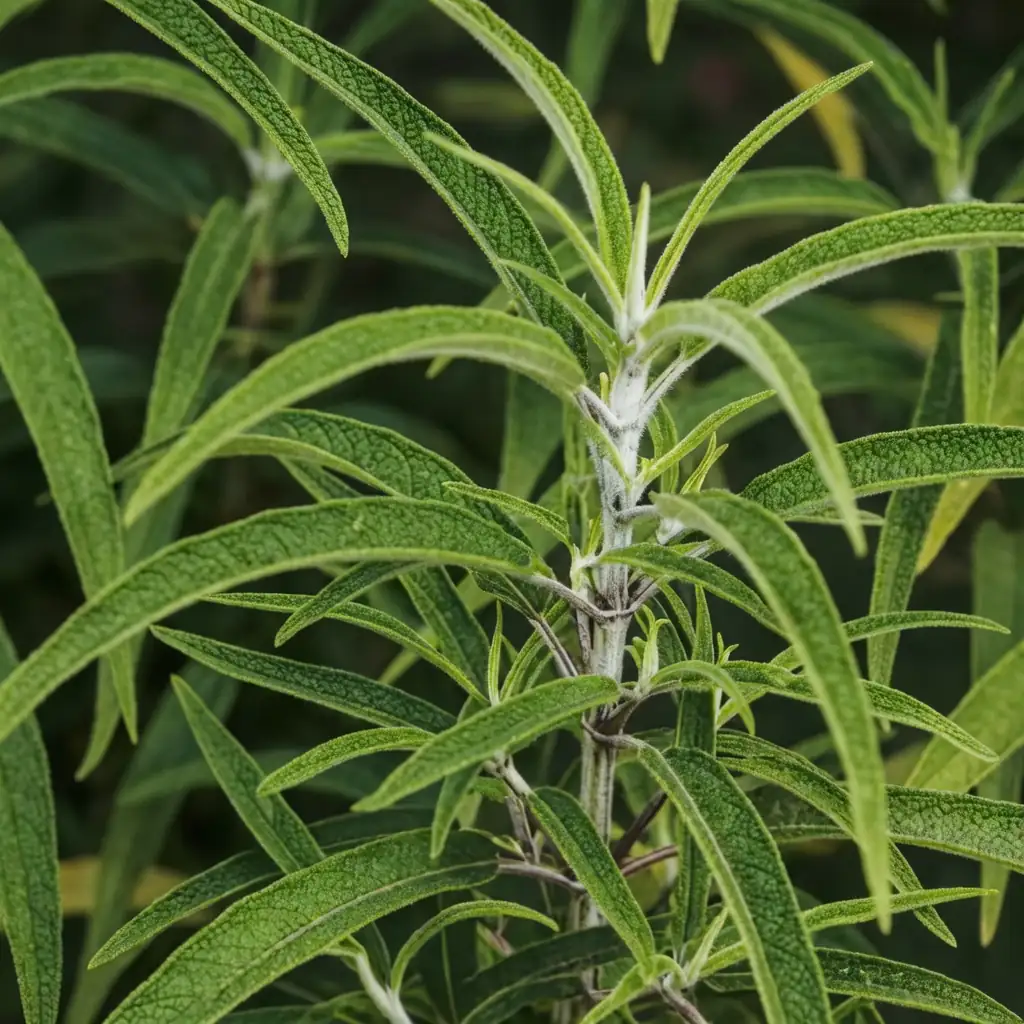
- Foliage: Leaves are opposite and stalked, lance-shaped with fine serrations, and softly hairy for a silvery-velvet look. The foliage is lightly aromatic, and the stems are square—classic mint-family traits—giving the whole plant a softly velvety texture.
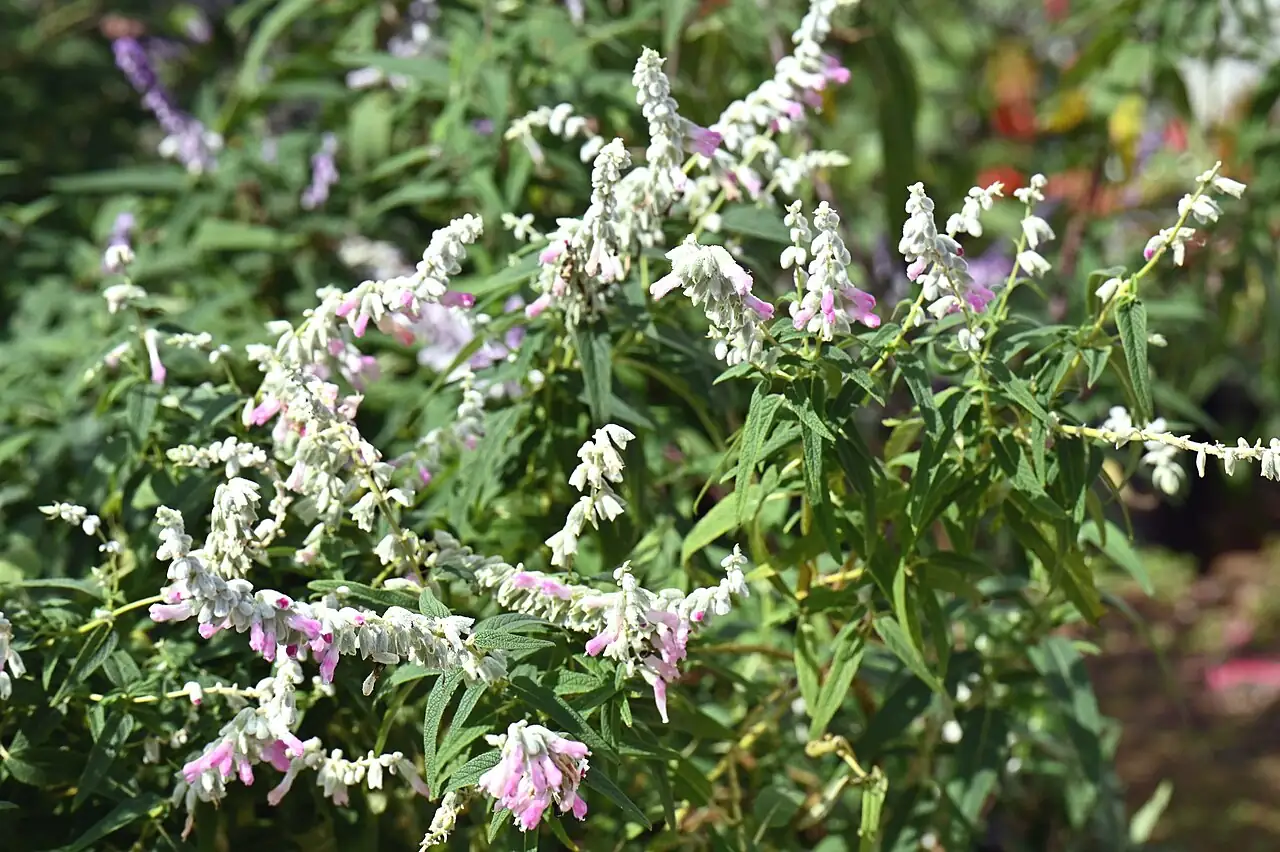
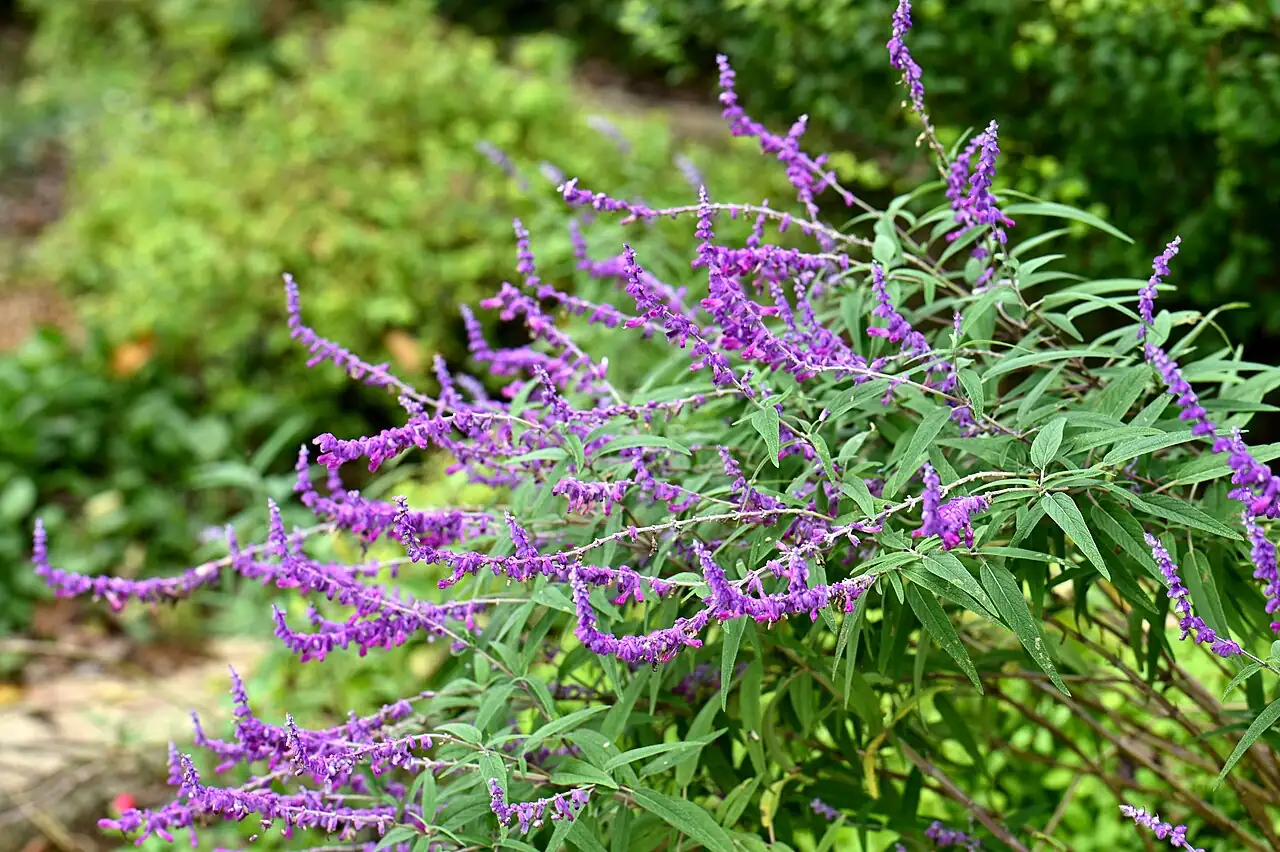
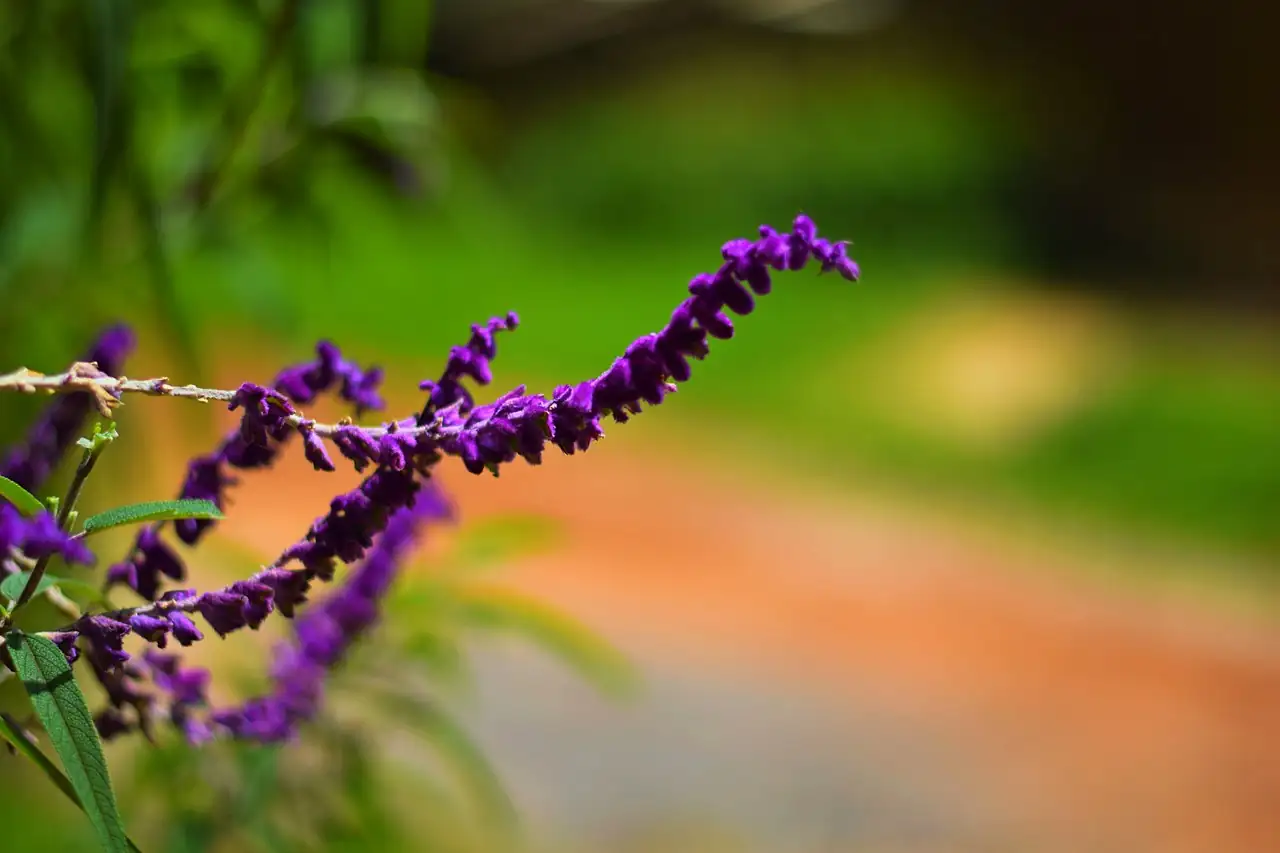
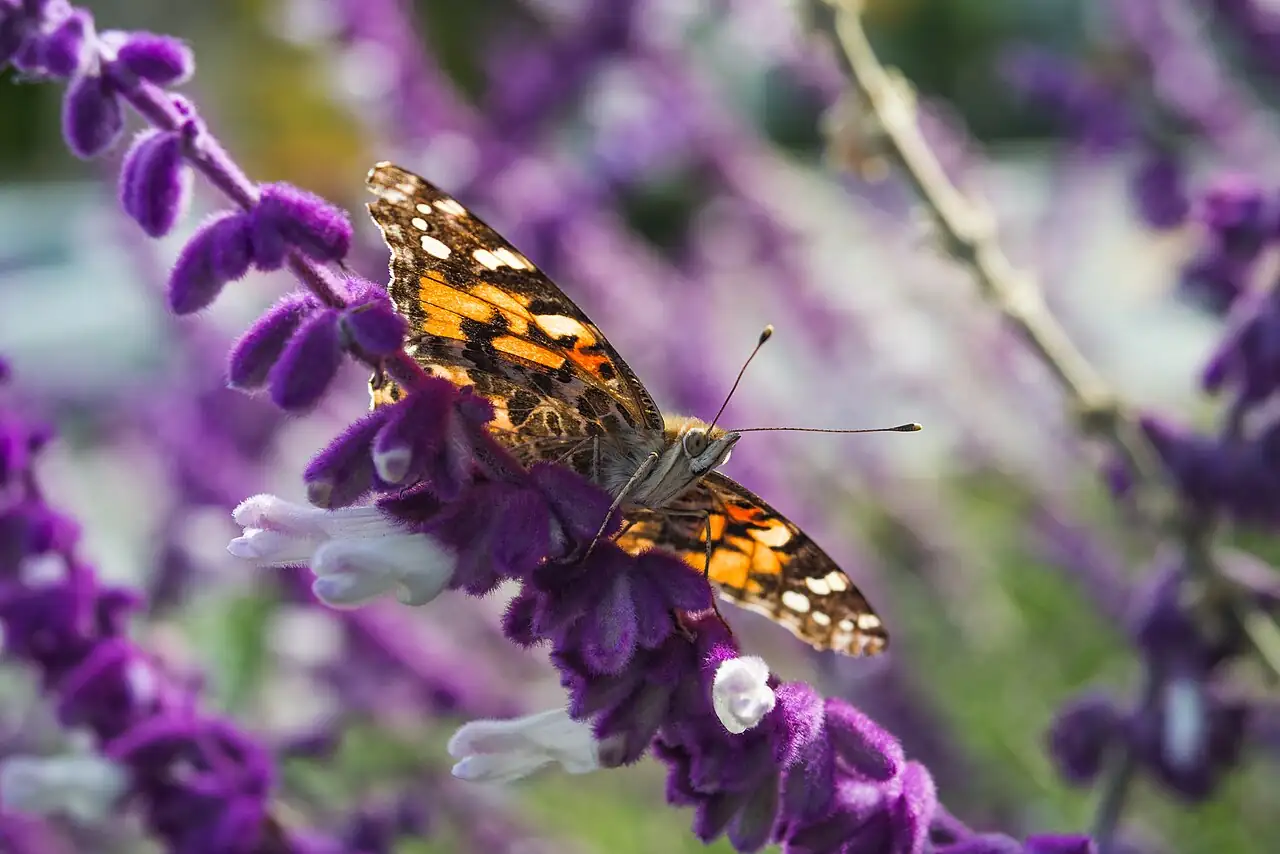
- Flower: Produces long, wand-like spikes densely coated in velvety purple to violet-blue hairs. Along each spike, small tubular, two-lipped flowers appear in whorls (often 2–6 at a point). The calyx is bell-shaped and similarly colored, adding to the rich “velvet” effect. Seeds/fruits mature in winter.
- Flowering Season: August–October (late summer to fall)
- Growth Habit: Upright, clump-forming, shrubby perennial herb; softly hairy throughout and often arching gracefully as the flower spikes lengthen.
Environment
Sunlight
Full sun to bright light; flowers best in full sun with at least 6+ hours per day.
Temperature
Grows best around 18–26°C (64–79°F). Frost-tender and not reliably cold-hardy without protection.
Humidity
Prefers warm conditions with moderate humidity; tolerates average garden humidity as long as soil drains well.
Soil
Loose, fertile, well-drained sandy or sandy-loam soil. Avoid heavy, waterlogged soils to prevent root problems.
Placement
Sunny borders, park beds, roadside plantings, and pollinator gardens; also excellent in herb gardens and large containers placed in bright, warm spots.
Hardiness
Typically USDA Zone 8–11. Often top-killed by frost but can regrow from the base in mild-winter areas; not truly frost-hardy.
Care Guide
Difficulty
Easy to moderate. Very straightforward in warm climates; in colder regions it benefits from winter protection or container growing so it can be kept frost-free.
Buying Guide
Look for sturdy, upright stems and dense, healthy silvery-green foliage. Avoid plants with blackened tips (possible cold damage) or sour-smelling, waterlogged potting mix. For the longest show, choose a plant with plenty of buds showing color rather than one that’s already finishing its bloom.
Watering
Water deeply after planting and keep evenly moist until established. Once established, water when the top 2–5 cm (1–2 in) of soil is dry. Never let the roots sit in water. Container plants dry faster—check more frequently during hot weather.
Fertilization
In spring, feed lightly with compost or a balanced slow-release fertilizer. Avoid heavy/high-nitrogen feeding, which can make lots of leafy growth at the expense of flowers. Container plants may appreciate light, occasional feeding during active growth.
Pruning
Shear off spent flower spikes after blooming to keep it tidy and potentially encourage more flowering where conditions allow. In frost-free or mild-winter climates, cut back in late winter/early spring to about 15–30 cm (6–12 in) to stimulate strong new growth.
Propagation
Best propagated by softwood or semi-ripe cuttings in late spring through summer. Established clumps can also be divided in spring. Seed is possible but can be less reliable for consistent garden performance.
Repotting
For container plants, repot in spring every 1–2 years into a fresh, free-draining mix. Increase only one pot size at a time and ensure excellent drainage.
📅 Seasonal Care Calendar
Spring: cut back, refresh soil/compost, and begin light feeding. Summer: water as needed and deadhead for tidiness and continued bloom. Late summer–fall: peak flowering—enjoy the display and trim spent spikes. Winter: protect from frost (mulch heavily outdoors in mild areas, or move containers to a bright, cool, frost-free place).
Pests, Diseases & Safety
Common Pests & Diseases
Usually quite trouble-free. Watch for aphids and whiteflies, and spider mites during hot, dry spells. Root rot can occur in poorly drained or overwatered conditions—improve drainage and airflow, and use insecticidal soap or horticultural oil if pests build up.
Toxicity
Not generally considered highly toxic, but chewing or ingestion may cause mild stomach upset in people or pets. Sap may irritate sensitive skin; keep away from pets that like to nibble.
Culture & Symbolism
Symbolism: Commonly linked with calm, healing, and protection—fitting for a “sage” that brings soothing color late in the season.
History & Legends: Native to Mexico and widely embraced in ornamental gardening worldwide for its plush, velvety flower spikes, long bloom season, and strong pollinator appeal.
Uses: Primarily grown as an ornamental for borders, park plantings, herb gardens, and containers. The long spikes are excellent for cut flowers and can be dried for arrangements.
FAQ
Why isn’t my Mexican bush sage flowering well?
Most often it needs more sun (full sun gives the best bloom), or it’s getting too much nitrogen, which pushes leafy growth instead of flowers. Move it to a brighter spot and feed lightly.
Will it survive winter outdoors?
It’s frost-tender. In milder areas (often USDA Zone 8–11), it may die back and return from the base. In colder regions, grow it in a pot and overwinter it in a bright, frost-free place.
Can I use it as a dried flower?
Yes. Cut stems when most florets are open, strip the lower leaves, and hang the spikes upside down in a dark, airy place until dry.
Fun Facts
- The luxurious “velvet” look comes from dense, colorful hairs that coat the flower spikes.
- It’s a classic late-season performer, often peaking from late summer into fall.
- In the wild, it can be found across varied habitats in Mexico, from hillsides and roadsides to scrub and stream edges.
- It’s both pollinator-friendly and florist-friendly—equally at home in a wildlife garden or a vase.