

Plant Features
- Size: Up to about 7 m × 7 m (23 ft × 23 ft) with support in warm conditions; typically much smaller in containers indoors.
- Foliage: Evergreen to semi-evergreen in consistently warm conditions, with glossy, leathery, deep green leaves that create a dense, tropical look.
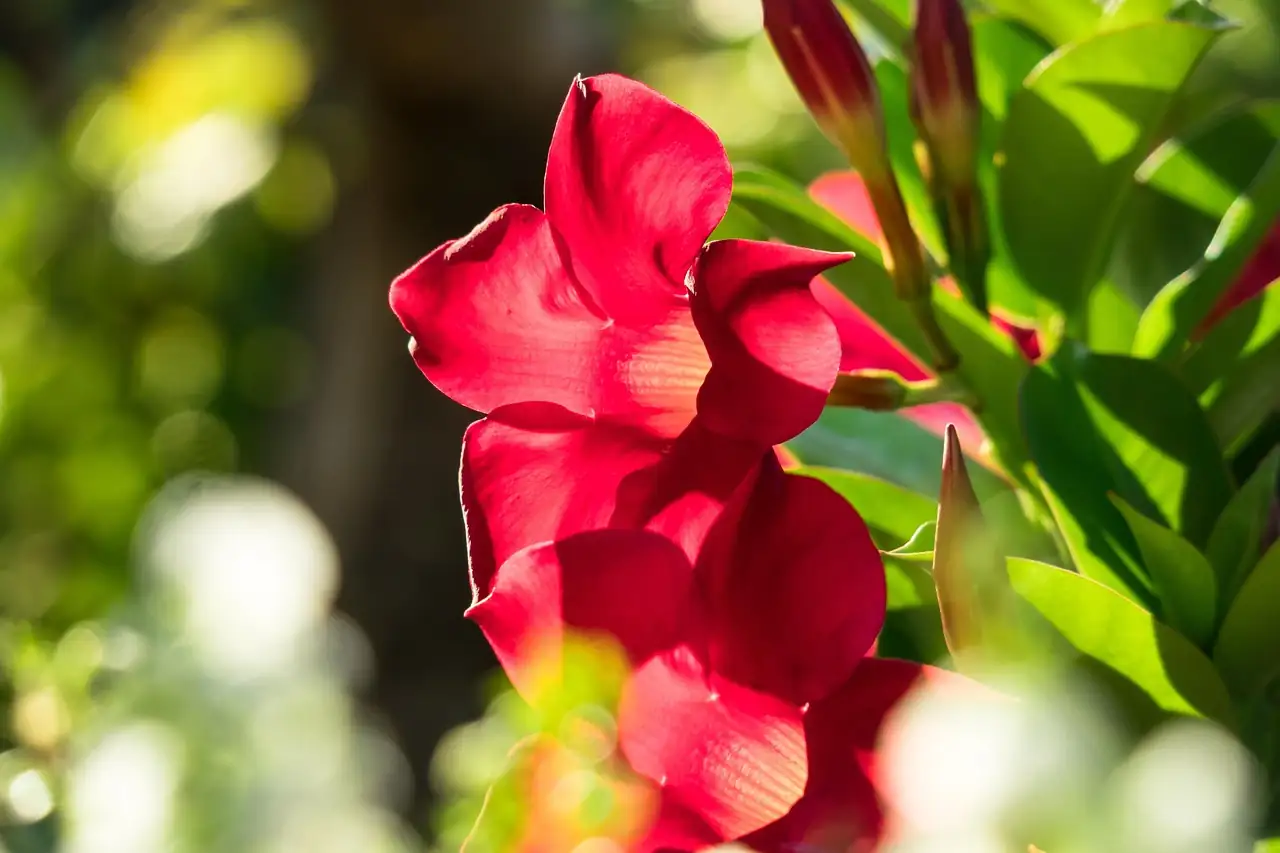
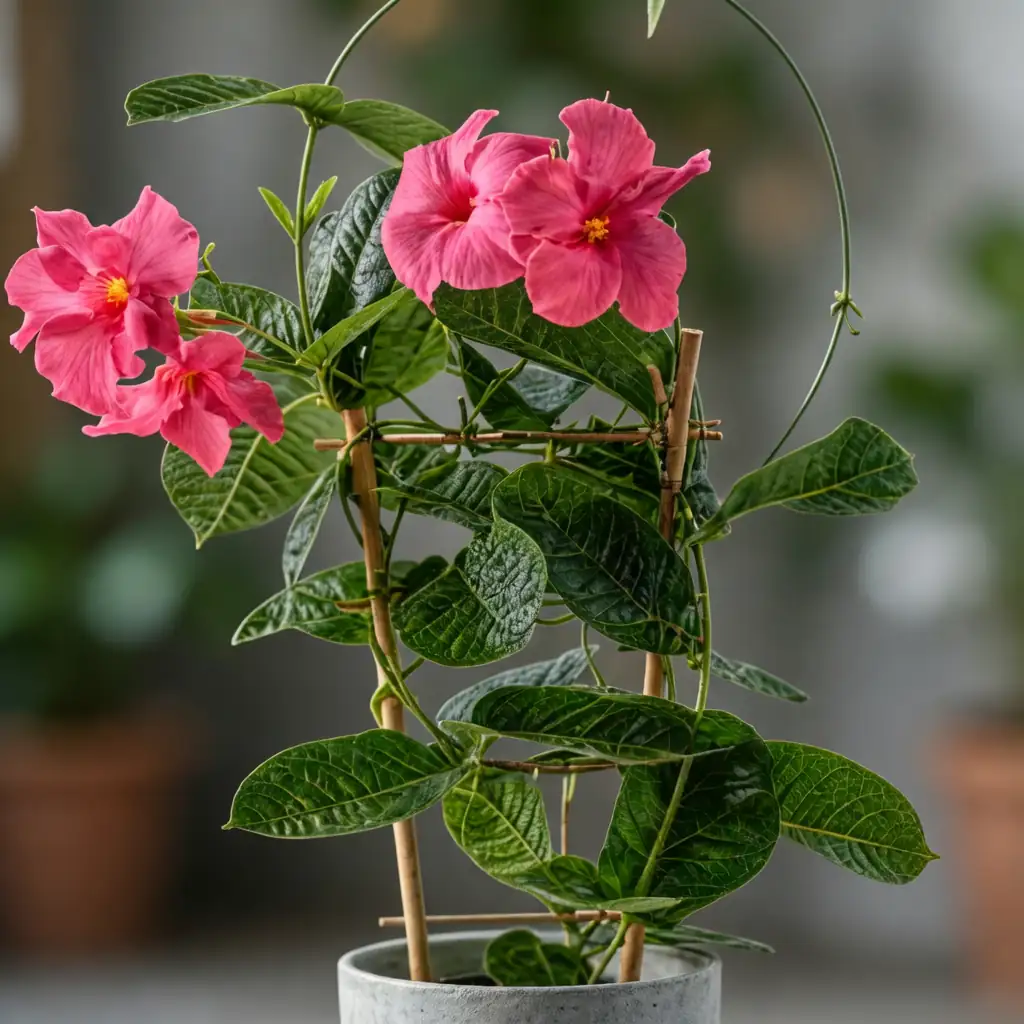
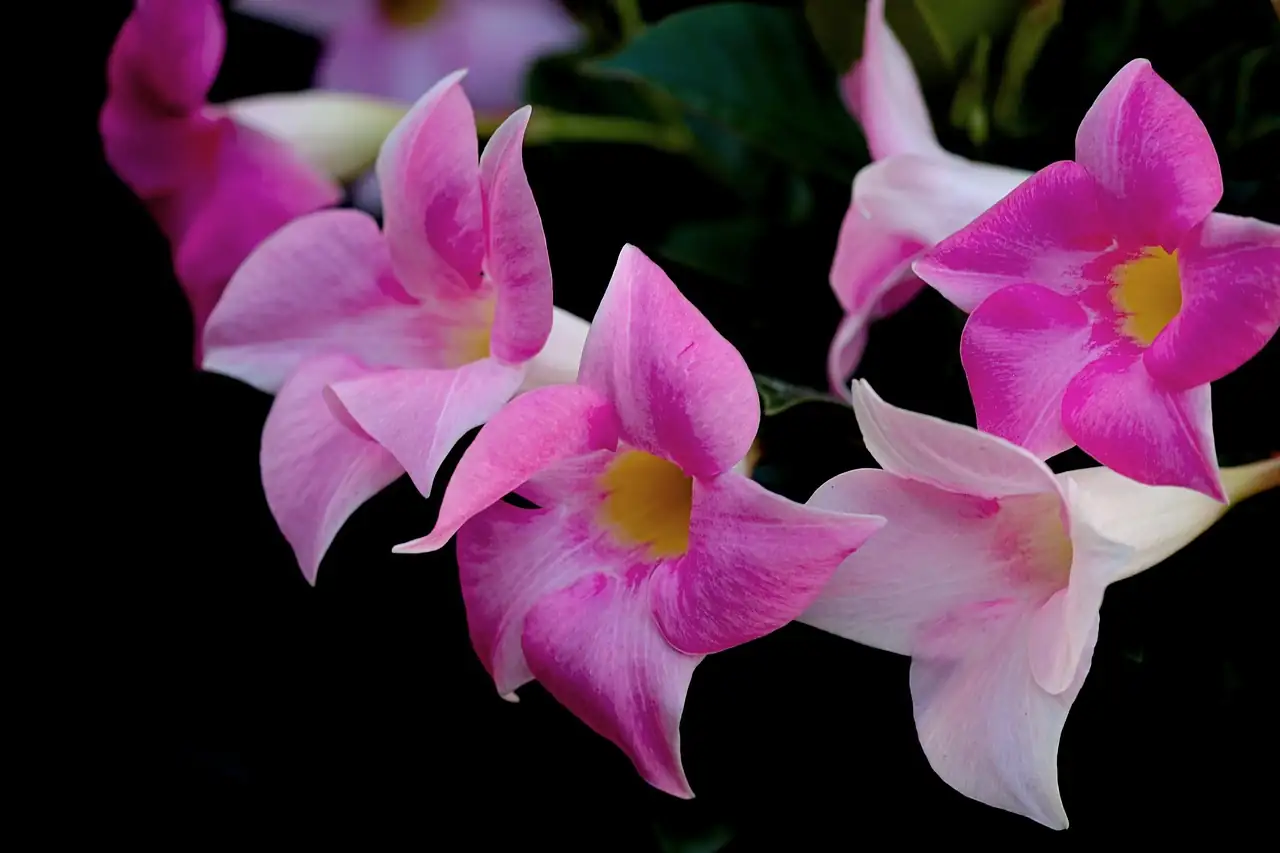
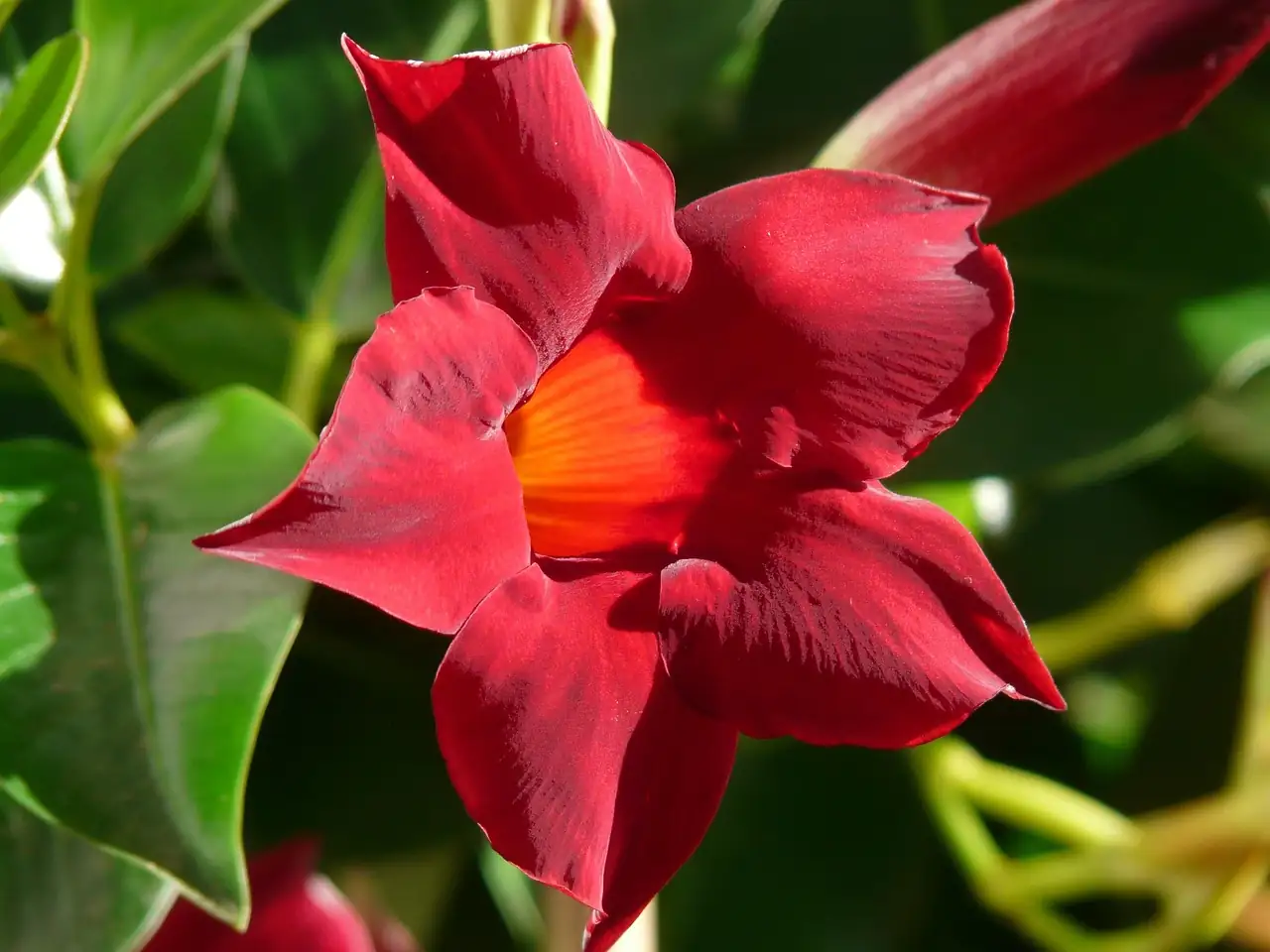
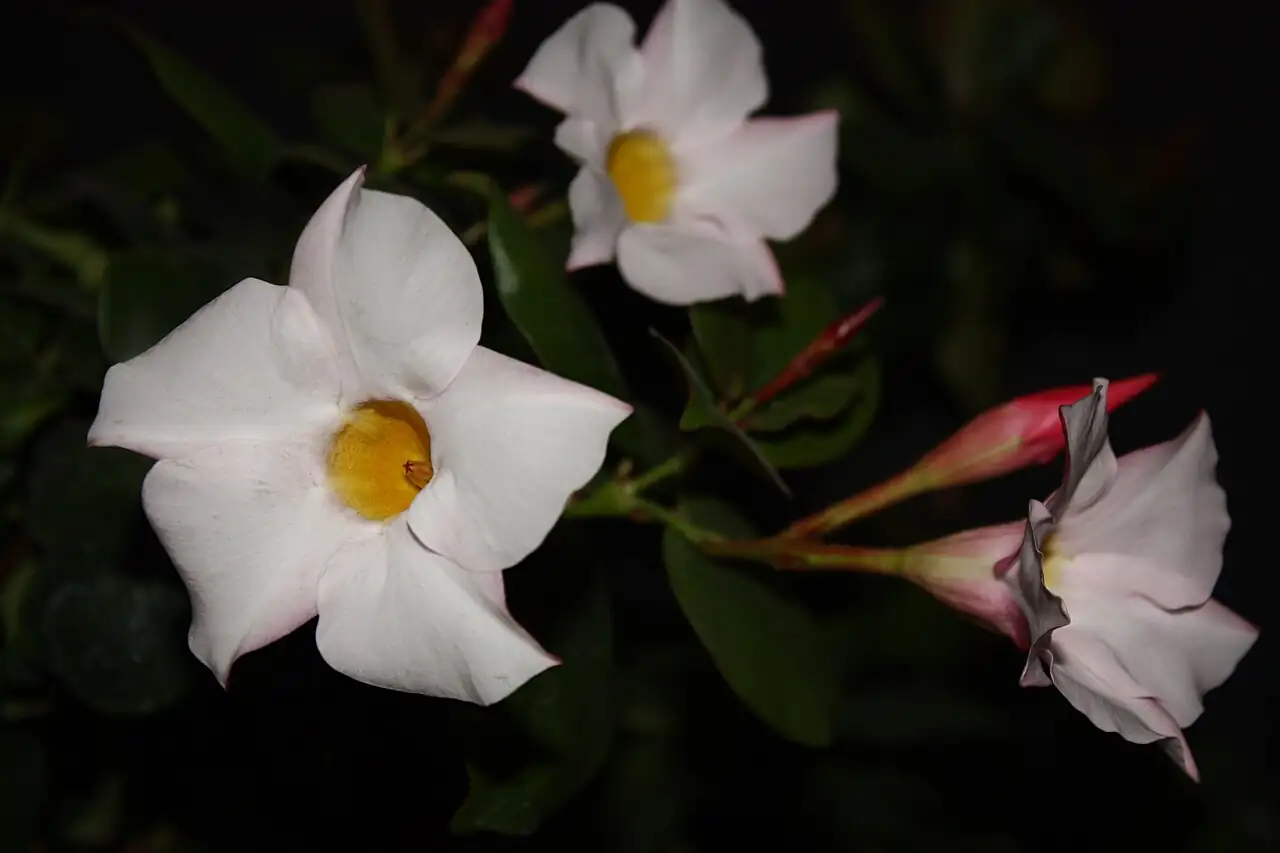
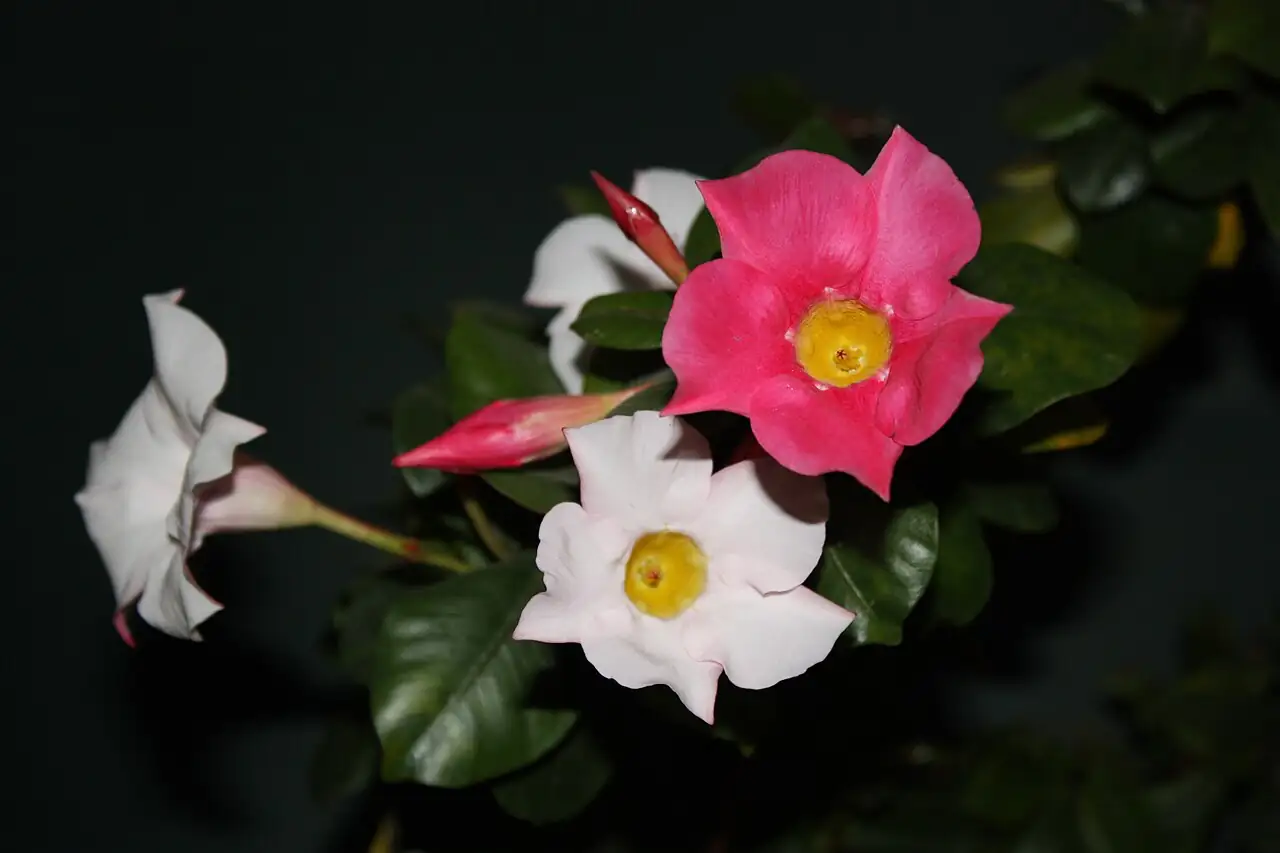
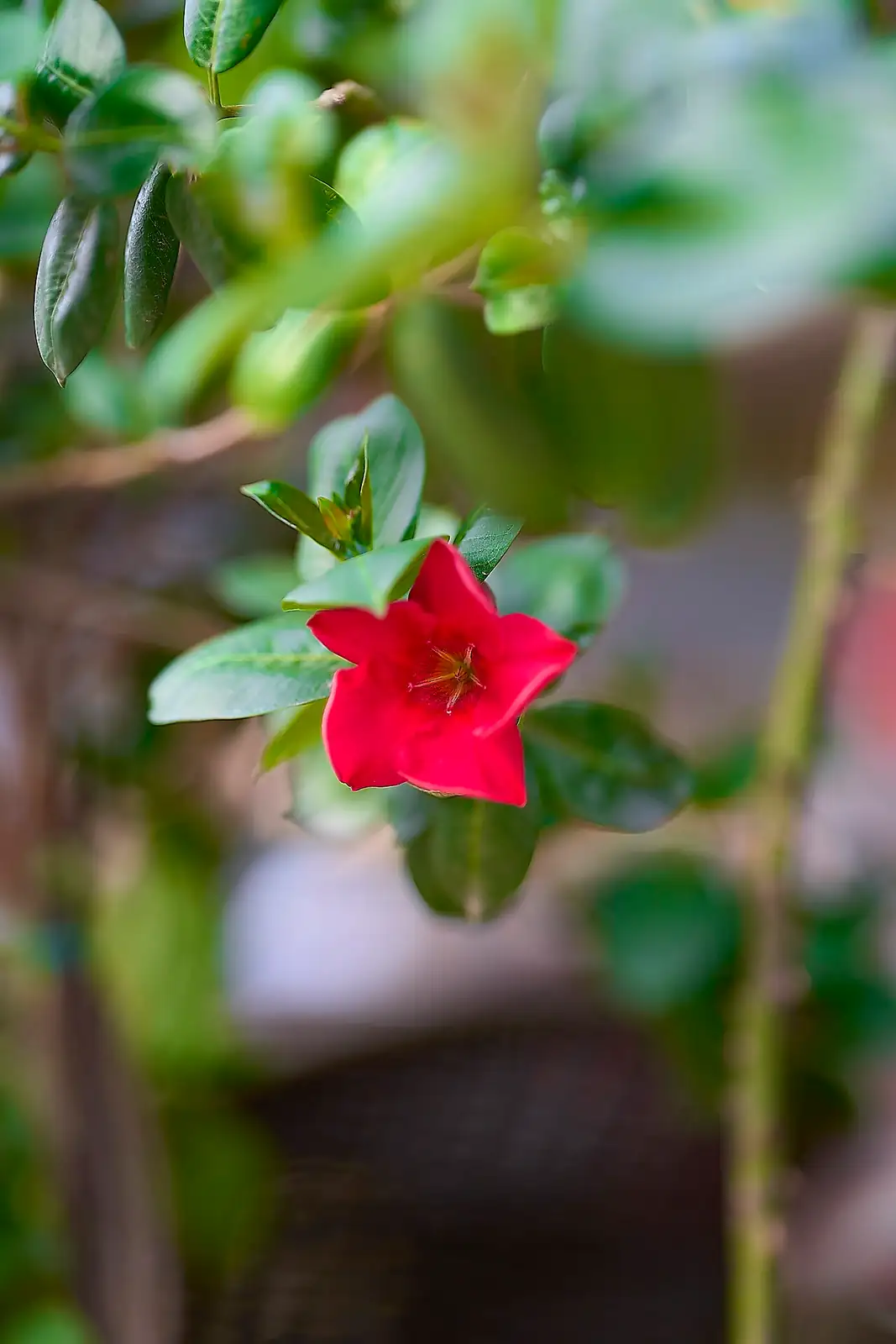
- Flower: Large, flared, trumpet-shaped flowers—most commonly bright pink—produced repeatedly through the warm season when light levels are high.
- Flowering Season: Late spring through autumn (approx. May–October); may bloom longer indoors if given enough light and warmth.
- Growth Habit: Twining, climbing vine; can also be kept bushier with pruning and support.
Environment
Sunlight
Bright light with some direct sun is ideal. Give partial sun or bright filtered light; in very hot summer conditions (especially behind glass), protect from harsh midday sun to prevent stress and leaf scorch.
Temperature
Best at 15–24°C (59–75°F). Keep above 10°C (50°F) in winter; it dislikes chills and will sulk or drop leaves if kept too cold.
Humidity
Medium humidity suits it, but it appreciates higher humidity in summer (misting or a humidifier), paired with good airflow to reduce pest problems.
Soil
Use a very free-draining mix (e.g., potting soil blended with grit/sand/perlite at about 3:1 by volume). A large container around 25–30 cm (10–12 in) wide with drainage holes helps support vigorous growth while preventing waterlogging.
Placement
Place where it can climb—provide a trellis/obelisk and elbow room. Best in a conservatory/sunroom, greenhouse, bright balcony in warm seasons, or a very bright indoor position (such as near a skylight).
Hardiness
Not frost hardy; outdoors year-round only in USDA Zone 10–11. In cooler regions, grow in a pot and overwinter indoors in bright, warm conditions.
Care Guide
Difficulty
Moderate to challenging: it rewards you with lots of blooms, but only if you can provide strong light, warmth, consistent watering during active growth, and physical support for climbing.
Buying Guide
Pick a plant with firm, glossy leaves and no widespread yellowing. Check leaf undersides for pests (especially spider mites and whitefly). Choose plants with multiple healthy shoots for easier training, and avoid severely pot-bound specimens with tightly circling roots.
Watering
Spring to autumn: keep the mix evenly moist—water thoroughly when the top 2–3 cm (about 1 in) dries. Winter: reduce watering and keep the mix only barely moist; never let it sit soggy. In hot, dry summer air, mist foliage regularly (often daily) if humidity is low.
Fertilization
Spring: feed monthly with a balanced liquid fertilizer. Summer: switch to a higher-potassium bloom feed to support continuous flowering.
Pruning
Prune in spring to shape and encourage branching. Aim to build a framework of 3–5 strong shoots. If there’s only one main stem, cut it back by about one-third to stimulate side shoots and a fuller plant.
Propagation
Most commonly from stem cuttings taken in late spring to summer. Root in a free-draining medium with warmth and higher humidity until established.
Repotting
Each spring, refresh the top layer of potting mix (top-dress) rather than fully repotting unless the plant is clearly root-bound.
📅 Seasonal Care Calendar
Spring: water evenly; feed monthly with a balanced fertilizer; prune to establish 3–5 main shoots; refresh the surface compost. Summer: keep bright, avoid harsh midday sun behind glass; mist in dry air; feed with a high-potassium bloom fertilizer. Autumn: continue even moisture while growth stays active. Winter: reduce watering to keep compost just slightly moist; keep warm and very bright.
Pests, Diseases & Safety
Common Pests & Diseases
Spider mites (especially in dry indoor air), whitefly, aphids, and mealybugs are common. Improve airflow, raise humidity to discourage mites, and treat early with insecticidal soap or horticultural oil. Root rot is a risk if the potting mix stays waterlogged or drainage is poor.
Toxicity
The sap may irritate skin. As a member of Apocynaceae (dogbane family), it should be treated as potentially toxic if ingested by people or pets—keep out of reach and wash hands after pruning.
Culture & Symbolism
Symbolism: Often linked with tropical romance, exuberant summer energy, and bold color.
History & Legends: A modern favorite as a patio and conservatory climber. In the plant trade it’s frequently sold under both “Mandevilla” and “Dipladenia,” which contributes to ongoing name confusion among gardeners.
Uses: Ornamental climber for trellises, arches, patios, balconies, and bright indoor spaces; especially valued for its tropical feel and long flowering season in containers.
Fun Facts
- Garden centers often label compact, bushier forms as “Dipladenia,” while reserving “Mandevilla” for more vigorous climbers—yet they’re closely related and commonly mixed up in the trade.
- More light usually means more flowers: strong brightness helps keep growth sturdy and boosts blooming.


