


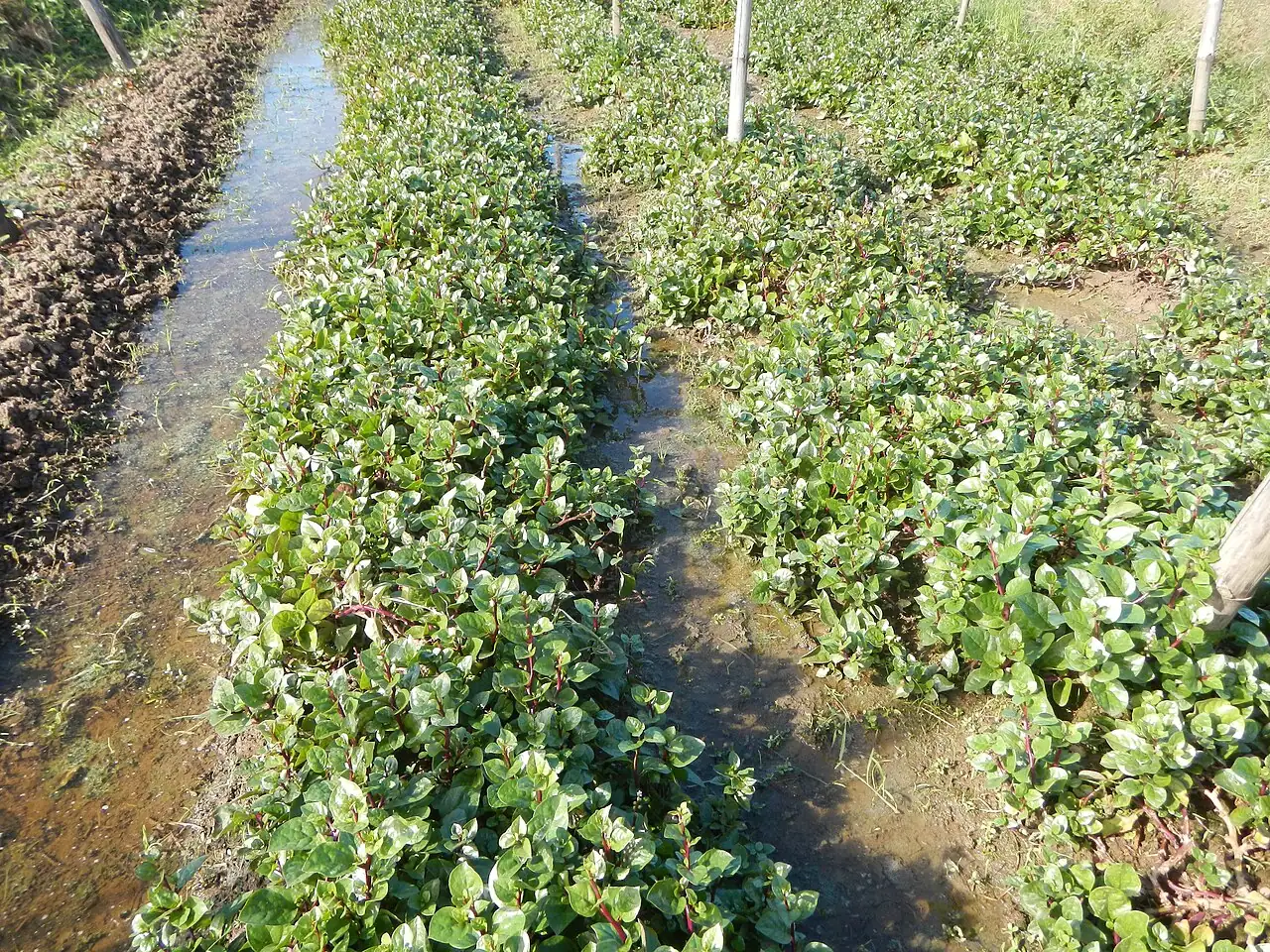
Plant Features
- Size: Vining stems commonly reach 2–5 m (6.6–16.4 ft) with support; often shorter in containers or during cool seasons.
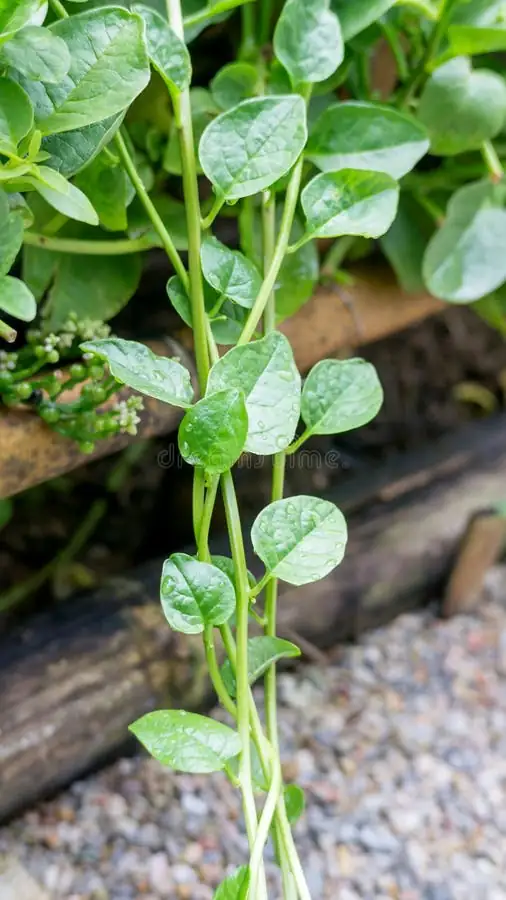
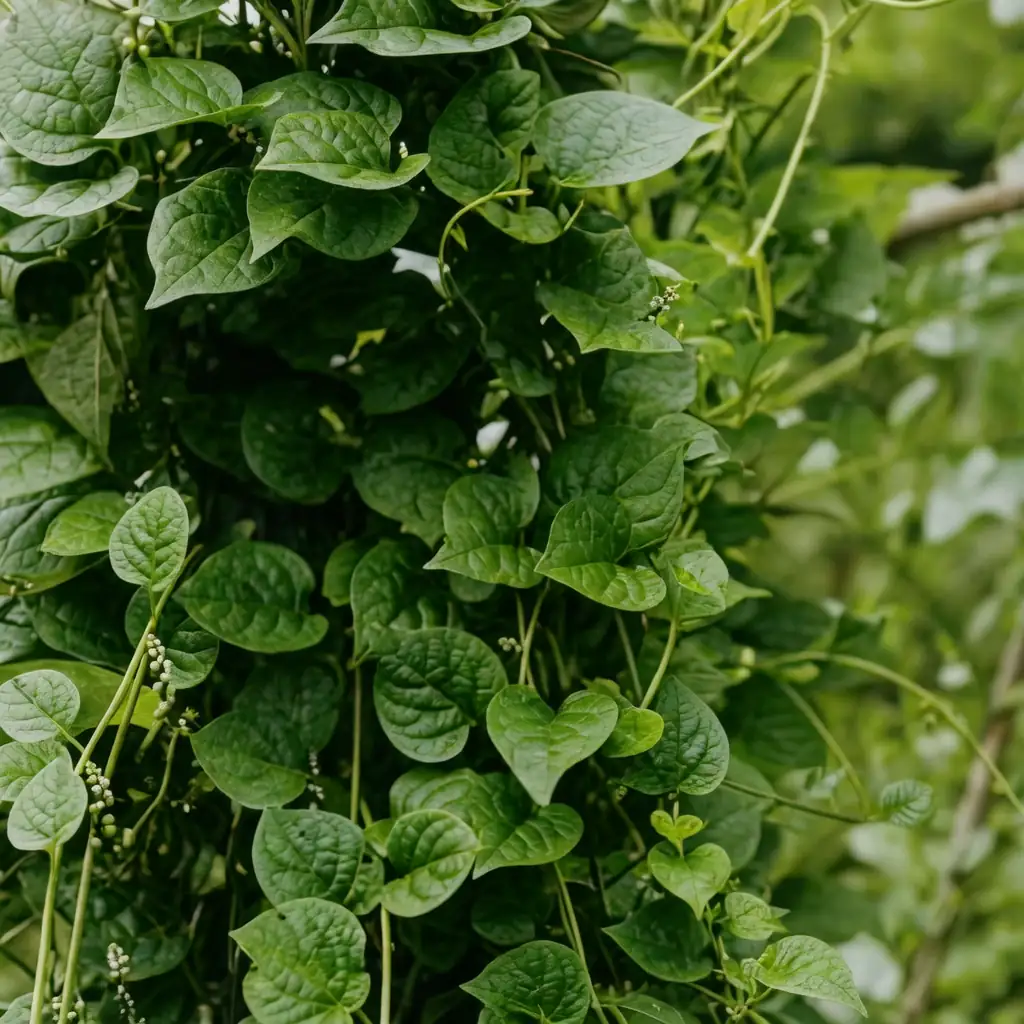
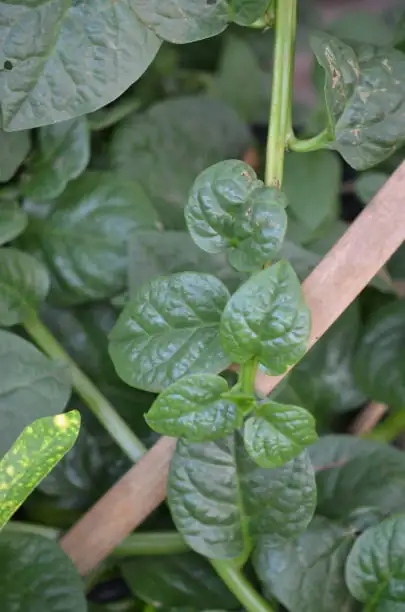
- Foliage: Leaves are thick and fleshy, broadly oval to nearly round with smooth margins; tips pointed, bases rounded to slightly heart-shaped. Veins are slightly raised on the underside, and the overall look is glossy and lush.
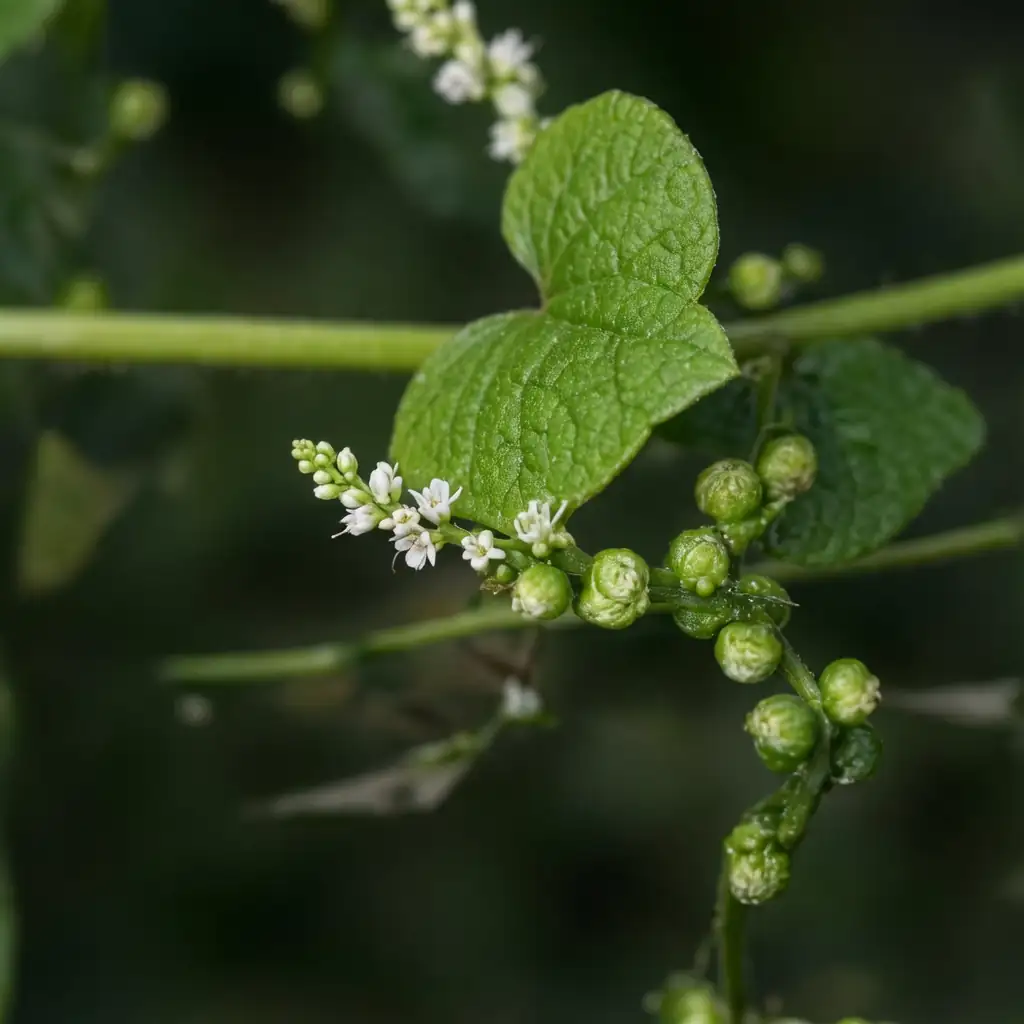
- Flower: Small white flowers are borne on axillary spikes, with pale yellow anthers. The fruits are round, extremely juicy berries that ripen from red to deep red or purple-black, with persistent bracts and floral parts surrounding them.
- Flowering Season: May–September (warm climates; typically later/shorter in cooler regions)
- Growth Habit: Twining, climbing, fleshy herbaceous vine; perennial in frost-free climates and commonly grown as an annual in temperate regions.
Environment
Sunlight
Full sun to partial shade. For the nicest, tenderest leaves, give bright light; in very hot summers, a bit of afternoon shade can help.
Temperature
Best growth at about 20–35°C (68–95°F). It can keep growing above 35°C (95°F) if soil moisture is steady. Frost-tender: foliage is typically killed at 0°C (32°F); protect plants once nights drop near 10°C (50°F).
Humidity
Prefers moderate to high humidity and handles humid summers well if airflow is decent.
Soil
Moisture-retentive yet well-drained, fertile soil rich in organic matter. Avoid waterlogging. Slightly acidic to neutral pH is ideal.
Placement
Vegetable beds, trellises, fences, balconies, patios, or large containers with a sturdy support; also works beautifully as an edible summer screen.
Hardiness
USDA Zone 10–11; not frost hardy.
Care Guide
Difficulty
Easy in warm weather—vigorous and forgiving. The main keys are warmth, consistent moisture, and protecting it from cold snaps.
Buying Guide
Pick plants with crisp, thick green leaves and firm, unblemished stems. Avoid yellowing or wilted growth and check tender tips for aphids/whiteflies. If buying seed, choose fresh seed for better germination.
Watering
Keep soil evenly moist, especially during heat. In temperatures above 35°C (95°F), don’t let it dry out—steady moisture keeps growth fast and leaves tender.
Fertilization
Mix compost into soil at planting. During active growth, feed lightly but regularly: use a balanced fertilizer at half strength every 2–4 weeks (or a slow-release product per label). Ease off in cooler weather.
Pruning
Pinch or tip-prune to encourage branching and lots of harvestable shoots. Trim back overly long or crowded stems, and harvest often to keep plants producing fresh, tender growth.
Propagation
Grown from seed or stem cuttings. Cuttings root readily in warmth; sow seeds once weather is reliably warm.
Repotting
In containers, up-pot when roots fill the pot (often once per growing season). Use a rich, well-draining mix, add a trellis, and refresh the top layer with compost mid-season if growth slows.
📅 Seasonal Care Calendar
Flowering is typically May–September; fruiting often July–October in warm climates. Growth peaks in hot weather with consistent watering. In frost-prone areas, treat it as a summer annual or bring pots indoors before nights fall below 10°C (50°F).
Pests, Diseases & Safety
Common Pests & Diseases
Common issues include aphids, whiteflies, spider mites (especially in dry indoor air), and occasional leaf-chewing insects. In stagnant, overly wet conditions, watch for leaf spots and stem/root rot. Improve airflow, avoid waterlogged soil, and use insecticidal soap for sap-suckers when needed.
Toxicity
Generally non-toxic and widely eaten. Like many leafy greens, it contains oxalates; people prone to kidney stones may prefer moderation.
Culture & Symbolism
Uses: Primarily grown as an edible leafy green (young leaves and shoots). It’s valued as a heat-season spinach substitute and is also used as an ornamental climber for lush summer coverage and its striking red-to-purple berries. The berries can also stain and have been used as a natural dye.
FAQ
When does Malabar spinach flower?
It usually flowers from May to September in warm climates, though timing can be shorter or later in cooler regions.
When does it set fruit?
Fruits often form from July to October, depending on warmth and day length.
Where is Malabar spinach native to?
It’s native to tropical Asia and is widely cultivated; in warm areas it can escape gardens and naturalize.
Is Malabar spinach edible?
Yes—its thick leaves and young shoots are commonly cooked and eaten as a vegetable.
Is it heat- or cold-tolerant?
It loves heat and can keep growing even above 35°C (95°F) if watered well, but it’s frost-tender and cold will stop or kill growth.
What is its growth habit?
A vigorous twining, climbing vine with fleshy stems—give it a trellis and it will quickly cover it in warm weather.
Fun Facts
- It isn’t a true spinach (Spinacia); it’s a tropical vine used as a summer spinach substitute.
- The berries can stain a deep red-purple and have been used as a natural dye.
- Unlike cool-season spinach that bolts in heat, Malabar spinach thrives in hot, humid summers.


