

Plant Features
- Size: Highly variable by species and cultivar: compact shrubs about 3–4.5 m (10–15 ft) tall to large trees around 18–24 m (60–80 ft) tall.
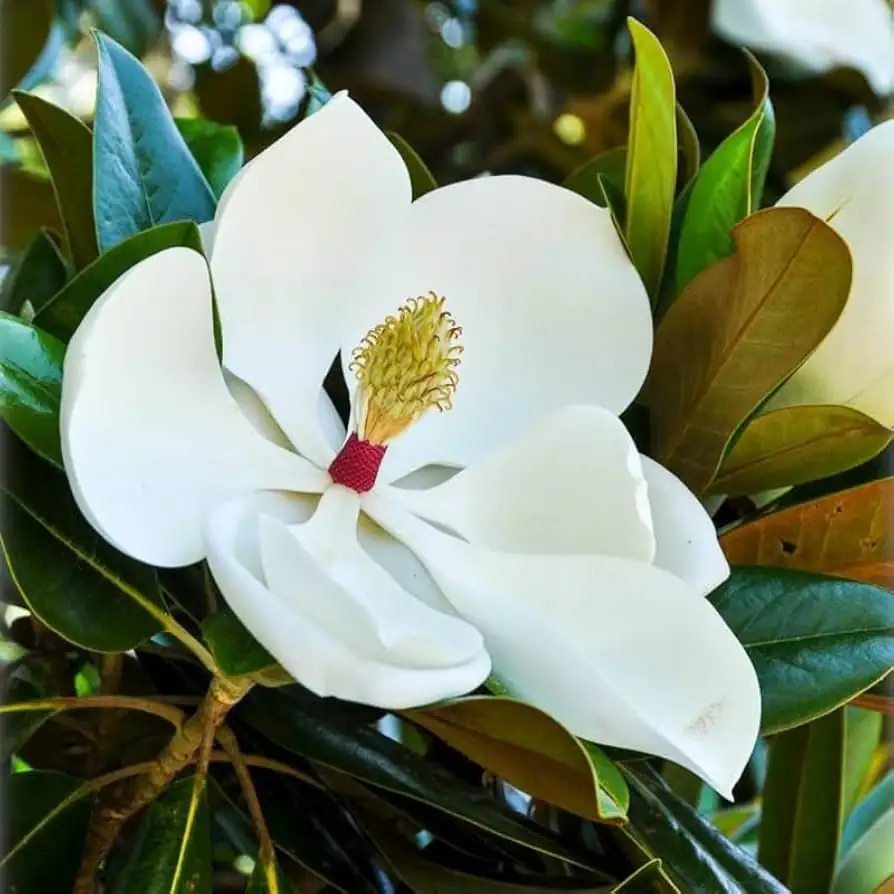
- Foliage: Leaves are simple and alternate, typically oblong to oval. Depending on the species they may be deciduous or evergreen. Many have a glossy, dark-green upper surface with a paler underside; leaf length often ranges about 15–35 cm (6–14 in).
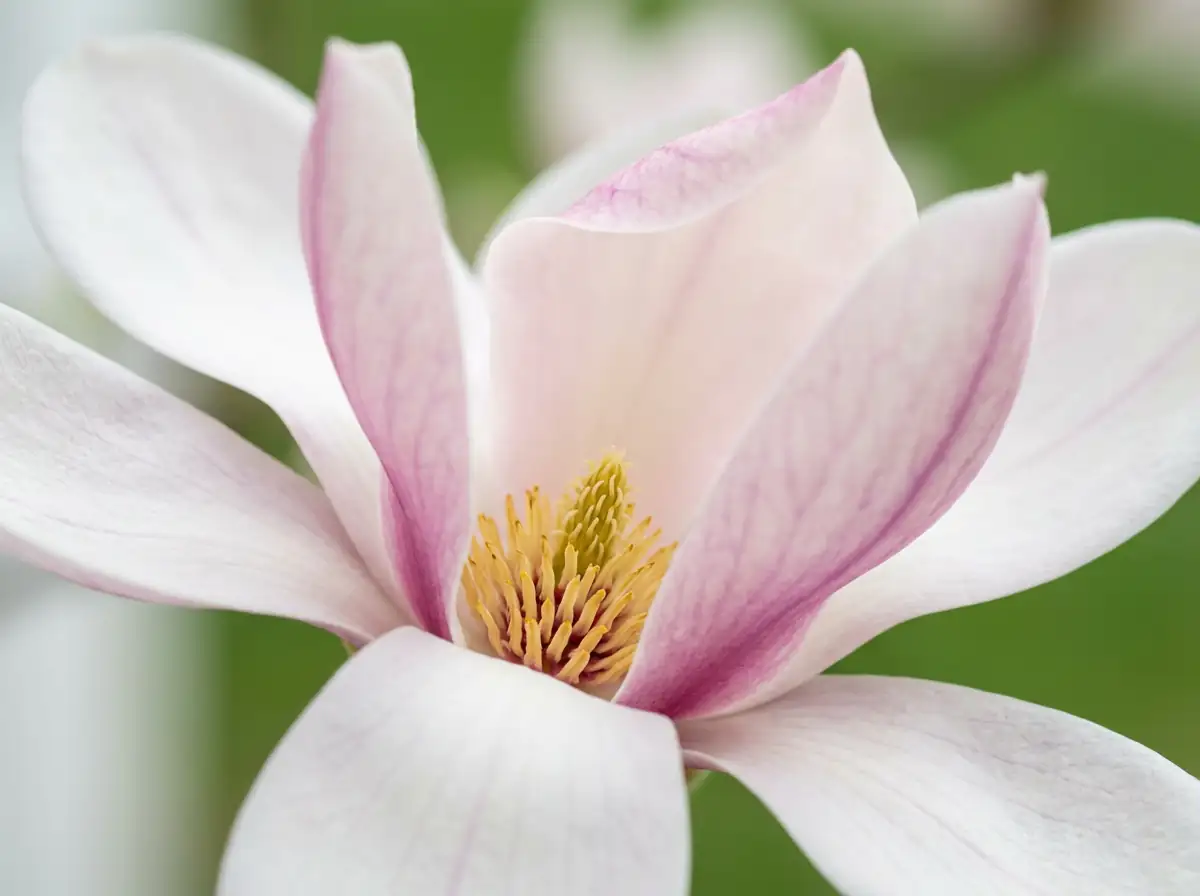
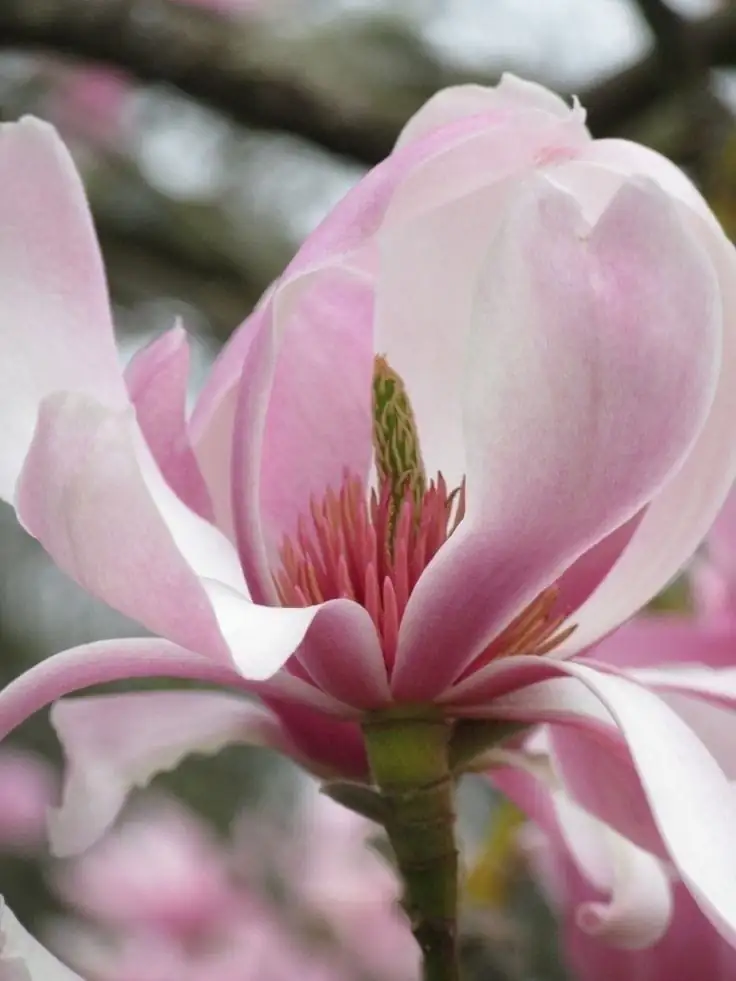
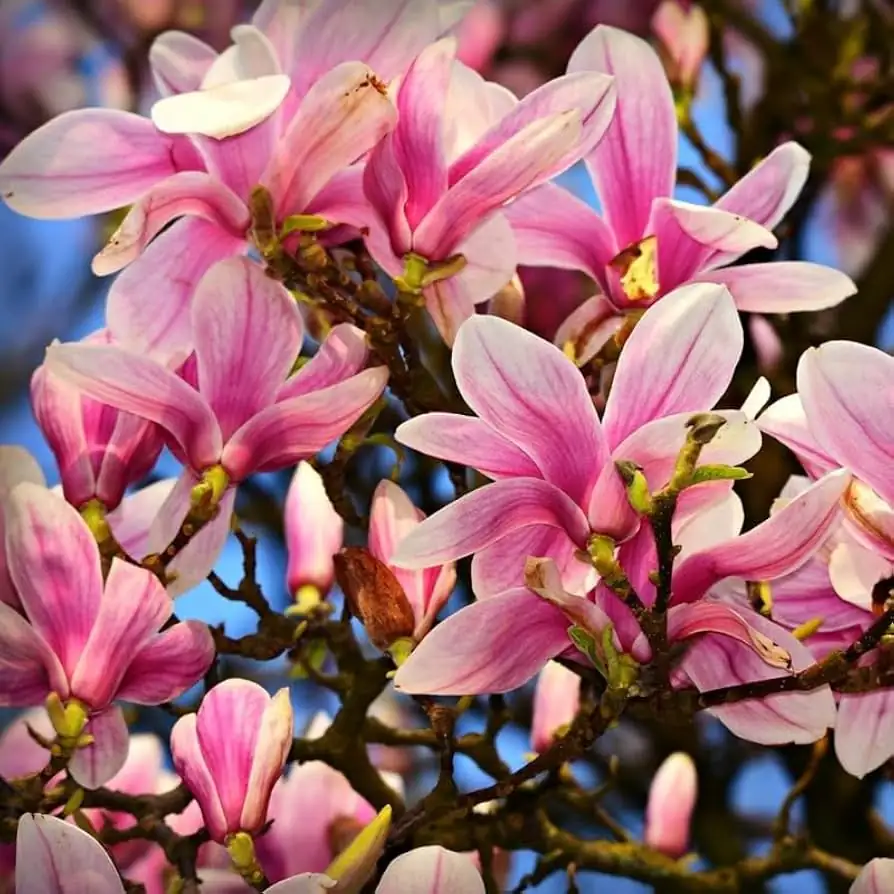
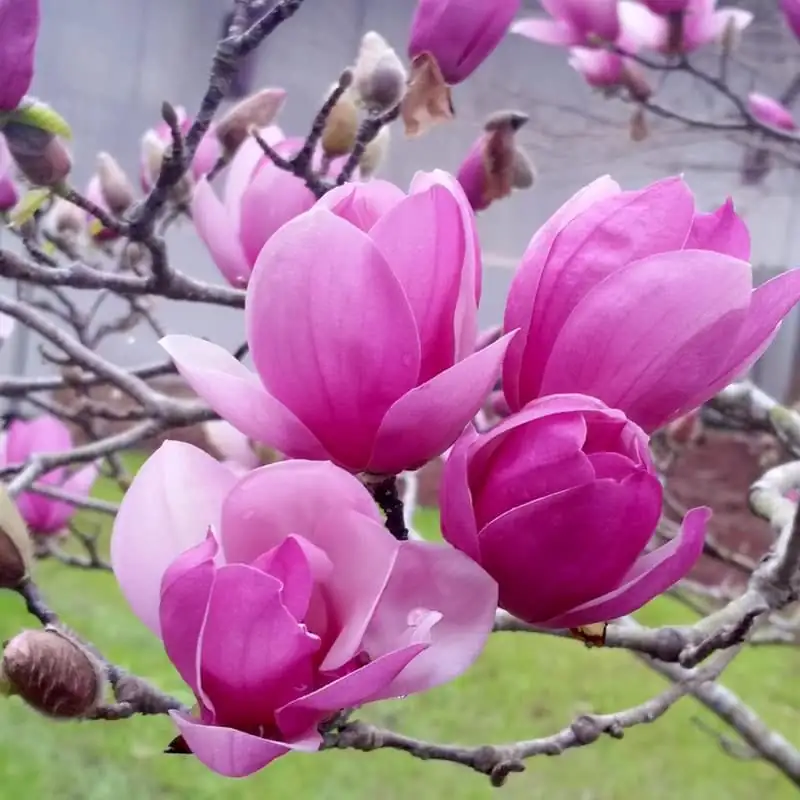
- Flower: Large, showy, cup- to bowl-shaped flowers made of 6–12 petal-like tepals, often with a noticeable perfume and prominent central stamens. Blooms commonly measure about 7.5–30 cm (3–12 in) across and can be white, cream, pink, purple, or yellow.
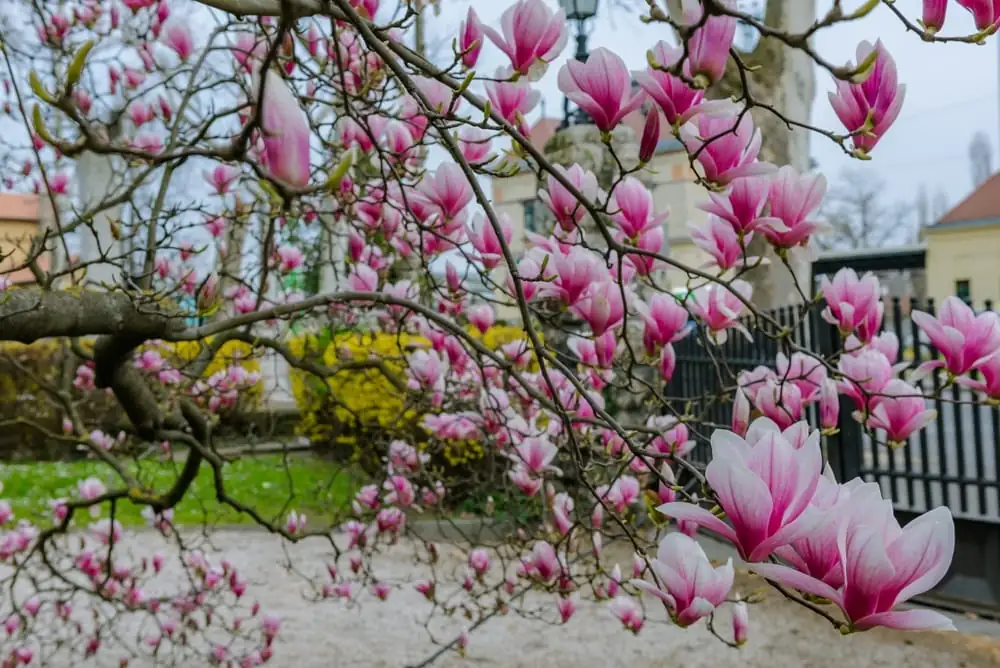
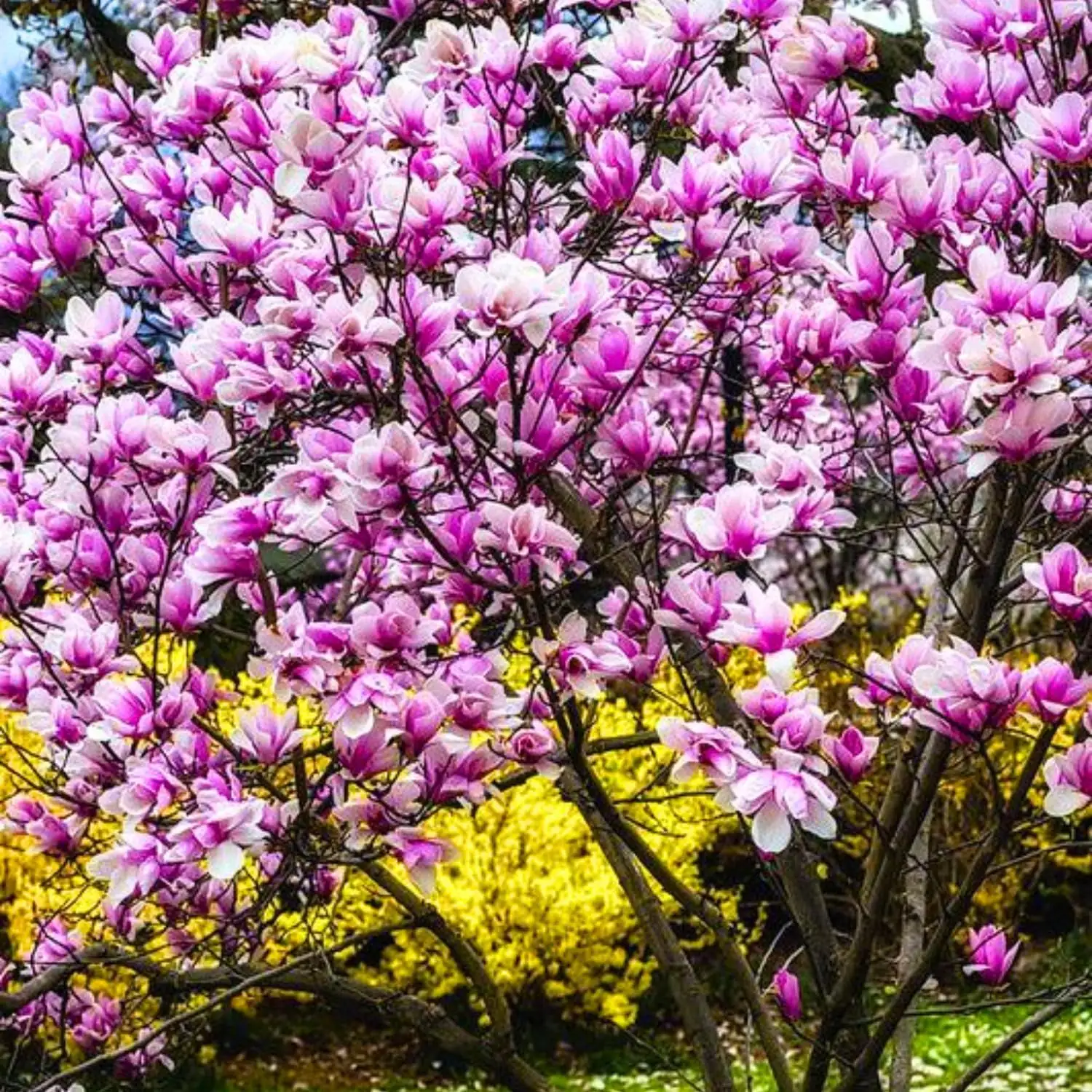
- Flowering Season: Early to mid-spring (March–May) for many types; some varieties can bloom into summer. Deciduous magnolias often flower before leaf-out.
- Growth Habit: Upright to spreading, with a slow to moderate growth rate depending on species/cultivar.
Environment
Sunlight
Full sun to partial shade; brighter light generally improves flowering. Shelter from strong winds helps protect blooms and buds.
Temperature
Best in temperate climates. Hardiness varies widely by species and cultivar (roughly USDA Zones 4–10). Early blooms and buds can be damaged by late spring frosts.
Humidity
Prefers moderate to fairly high humidity and even soil moisture; performs best when not allowed to swing between very dry and very wet conditions.
Soil
Fertile, moist, well-drained soil is ideal. Slightly acidic to neutral pH is preferred (about pH 5.5–6.8). Poor drainage can encourage root rot; highly alkaline soils may cause stress and poor performance.
Placement
A classic specimen tree/shrub for gardens, lawns, and mixed borders. Give it room to mature, and avoid planting too close to foundations—magnolias can have relatively shallow, spreading roots.
Hardiness
Varies by species/cultivar; many are moderately hardy, with young plants benefiting from winter protection in colder regions. Generally not fond of harsh, drying winter winds or repeated freeze-thaw stress.
Care Guide
Difficulty
Moderate; magnolias aren’t fussy once settled, but they reward gardeners who provide steady moisture, good siting, and gentle pruning.
Buying Guide
Pick a vigorous plant with clean leaves, healthy buds, and a well-shaped framework of branches (no obvious wounds, dieback, or heavy pest residue). Container-grown or balled-and-burlapped plants generally establish more reliably than bare-root magnolias.
Watering
During establishment (first 1–2 years), water deeply about once per week, adjusting for heat and rainfall. Afterward, mature plants mainly need extra water during drought. Aim for consistently moist soil—never soggy, but also avoid letting the root zone bake dry.
Fertilization
Light feeders overall. A slow-release balanced fertilizer (e.g., 10-10-10) in early spring can help young plants for the first 2–3 years. Mature, well-sited magnolias often need little or no fertilizer; an annual compost top-dress is usually enough. If feeding for bloom performance, a gentle spring feeding (and sometimes a second after flowering) is commonly suggested—avoid heavy nitrogen, which can push leafy growth at the expense of flowers.
Pruning
Prune sparingly—magnolias don’t love heavy cutting and can be slow to heal. For deciduous magnolias, prune right after flowering through mid-summer; for evergreen types, late spring to mid-summer is typically best. Focus on removing dead, damaged, diseased, or rubbing/crossing branches; avoid late winter/early spring pruning (sap flow) and late fall pruning (frost risk).
Propagation
Often propagated by semi-hardwood cuttings in mid-to-late summer, layering (air or ground), or grafting for named cultivars. Seeds are possible but can take a long time to flower (often 7–10+ years). Cuttings typically root best with rooting hormone and bottom heat, and may take about 8–12+ weeks to form roots.
Repotting
Transplant in early spring before flowering or in fall (when conditions are mild). Magnolias dislike root disturbance—move with as large and intact a root ball as possible and avoid rough handling. For container plants, step up gradually to a larger pot with excellent drainage.
📅 Seasonal Care Calendar
Spring: plant (if appropriate for your climate), water steadily, apply light fertilizer/compost, enjoy bloom; protect buds from late frosts if possible. Summer: mulch to conserve moisture, water during dry spells, prune (if needed) after flowering in the recommended window. Fall: plant in mild climates, refresh mulch, keep soil lightly moist going into winter. Winter: reduce watering (especially in cold/wet periods), protect young plants from harsh winds and severe freezes.
Pests, Diseases & Safety
Common Pests & Diseases
Common pests include magnolia scale, aphids, and mealybugs; their honeydew can lead to sticky leaves and sooty mold. Disease issues include leaf spot (often cosmetic), powdery mildew in humid/shady settings, root rot in poorly drained soils, and cankers following stress or wounds. Buds can brown after late frosts on early-blooming varieties. Prevention tips: prioritize well-drained soil, avoid overwatering, maintain mulch for even moisture, ensure decent air circulation, and avoid overhead watering when possible.
Toxicity
Generally considered non-toxic to people and pets, though ingestion of plant parts may still cause mild stomach upset in some cases. Some sources note mildly irritating compounds in certain species’ roots. Magnolia bark and flower buds are also used in traditional medicine, so they’re biologically active even if not typically considered dangerously poisonous.
Culture & Symbolism
Symbolism: Magnolias are often linked with nobility, dignity, perseverance, and purity. In Chinese culture they’re associated with feminine sweetness, beauty, and enduring love; in the American South, magnolias have become an emblem of hospitality and graceful charm. Color meanings are often shared as: white for purity and eternal love, pink for fondness, and purple for passion.
History & Legends: Magnolias have been cultivated in China for well over two millennia and were later named for the French botanist Pierre Magnol. In the Victorian “language of flowers,” magnolias carried messages of nobility, poise, and pride. Over time, magnolias also became deeply woven into Southern U.S. identity, symbolizing elegance and welcome, while in Japan they’re commonly associated with perseverance and dignity.
Uses: Best known as ornamentals—magnolias are beloved specimen trees and shrubs for gardens and parks. In traditional medicine, magnolia flower buds (often referred to as Xin Yi) have been used for nasal/sinus discomfort, and bark preparations have been associated with anti-inflammatory uses. The wood is used for woodworking and crafts, and some species’ flowers are used as edible garnishes or in regional cuisine.
FAQ
Why isn’t my magnolia flowering?
Common culprits include not enough sun, pruning at the wrong time (accidentally removing next year’s buds), youth (grafted plants may need 2–3 years; seedlings often 7–10+ years), late frost damage to buds, too much nitrogen fertilizer, or drought stress.
When should I prune my magnolia?
Prune lightly and at the right time: deciduous magnolias are best pruned right after flowering through mid-summer; evergreen magnolias are typically pruned late spring to mid-summer. Avoid late winter/early spring and late fall pruning.
Can magnolias grow in containers?
Yes—choose compact varieties (for example, Star Magnolia and dwarf Southern Magnolia cultivars). Use a very large pot about 46–61 cm (18–24 in) wide or larger with excellent drainage, and protect the container in winter (a potted plant often experiences cold like it’s in a zone colder).
Why are the flower buds turning brown?
Late spring frost is a classic reason. Plant out of frost pockets, consider later-blooming varieties, and cover plants with breathable fabric on freezing nights if practical.
Fun Facts
- Magnolias evolved before bees and were originally pollinated largely by beetles.
- They’re among the oldest flowering plant lineages, dating back roughly 100 million years.
- Magnolia is the state flower of both Mississippi and Louisiana.
- Some magnolia trees can live for more than a century.
- On deciduous magnolias, flowers often open before leaves, making the bloom display especially dramatic.
- There are 340+ magnolia species worldwide (numbers vary a bit depending on classification).


