Plant Features
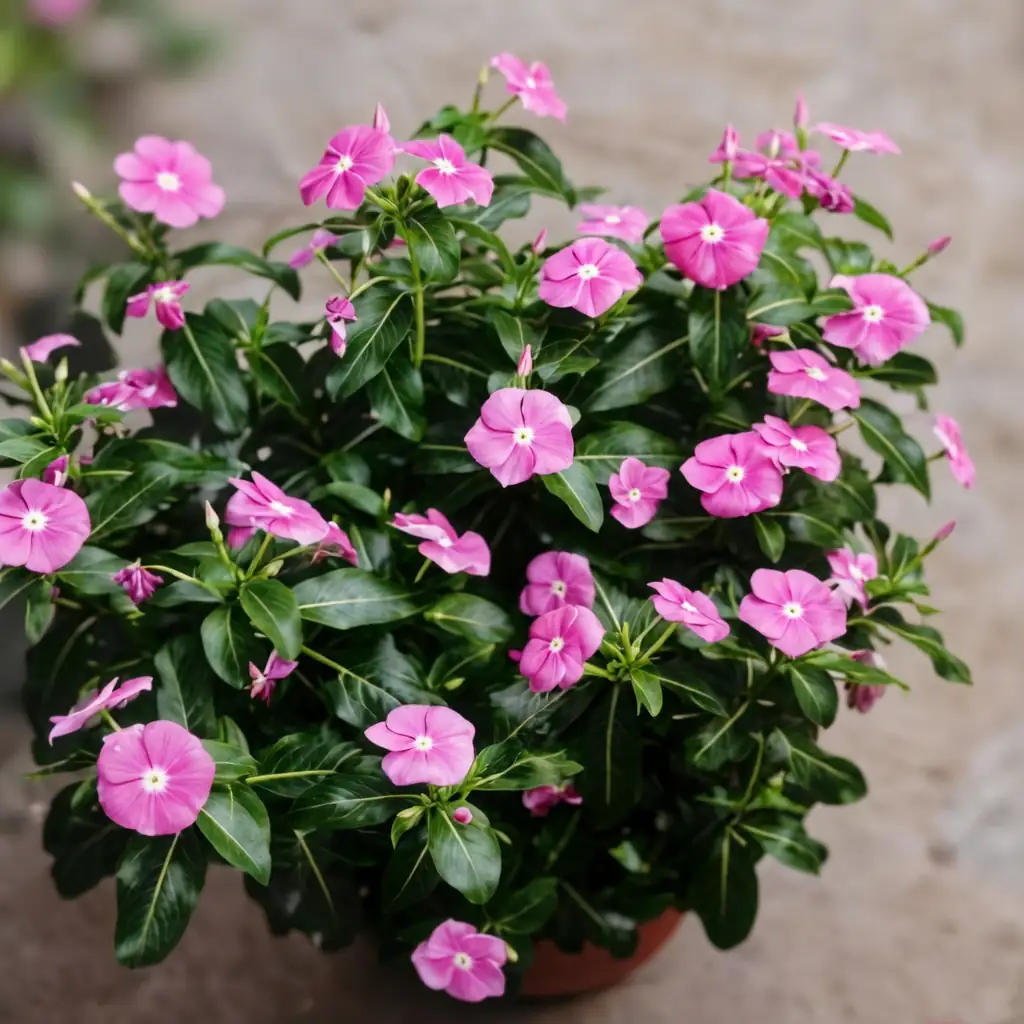
- Size: Typically 20–45 cm (8–18 in) tall with a similar spread; compact/dwarf forms may stay around 15–25 cm (6–10 in). Often sold for containers (a common nursery pot is about 12–15 cm (4.7–5.9 in) across).
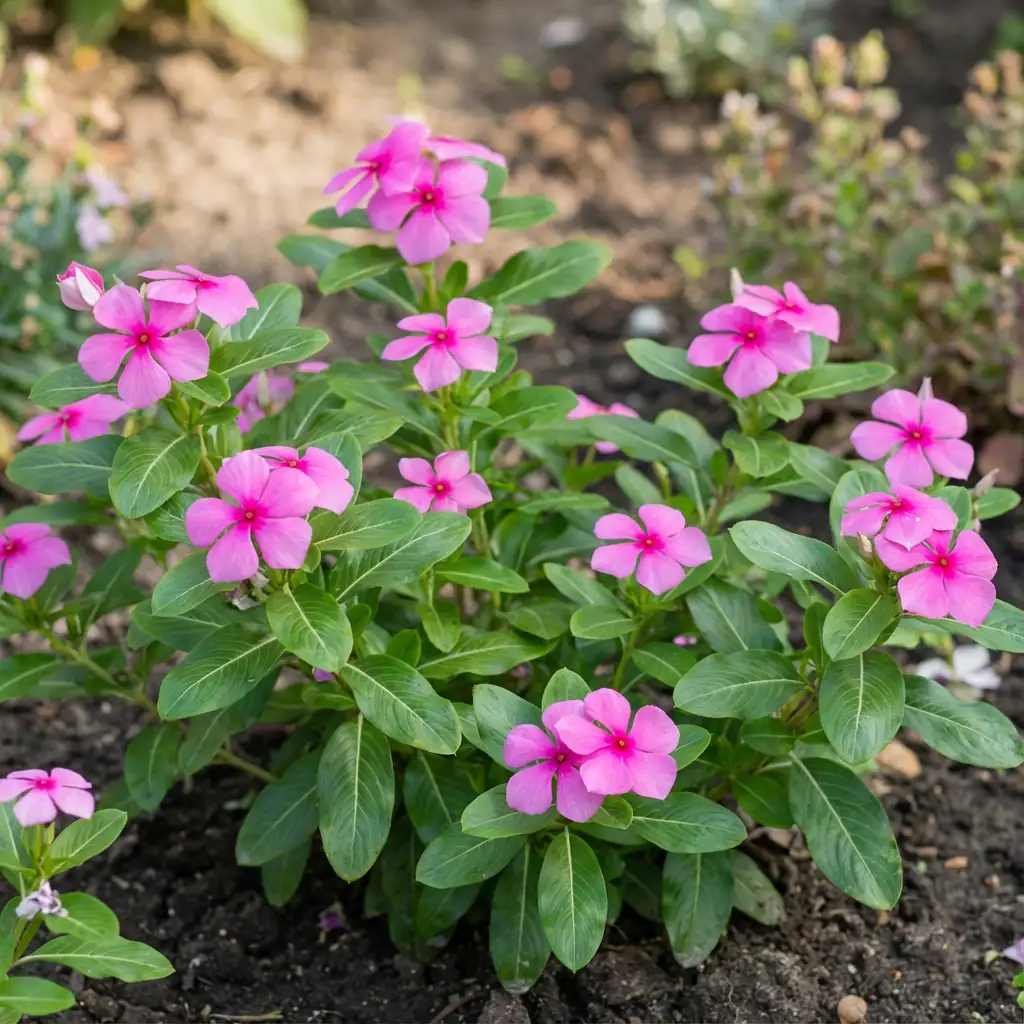
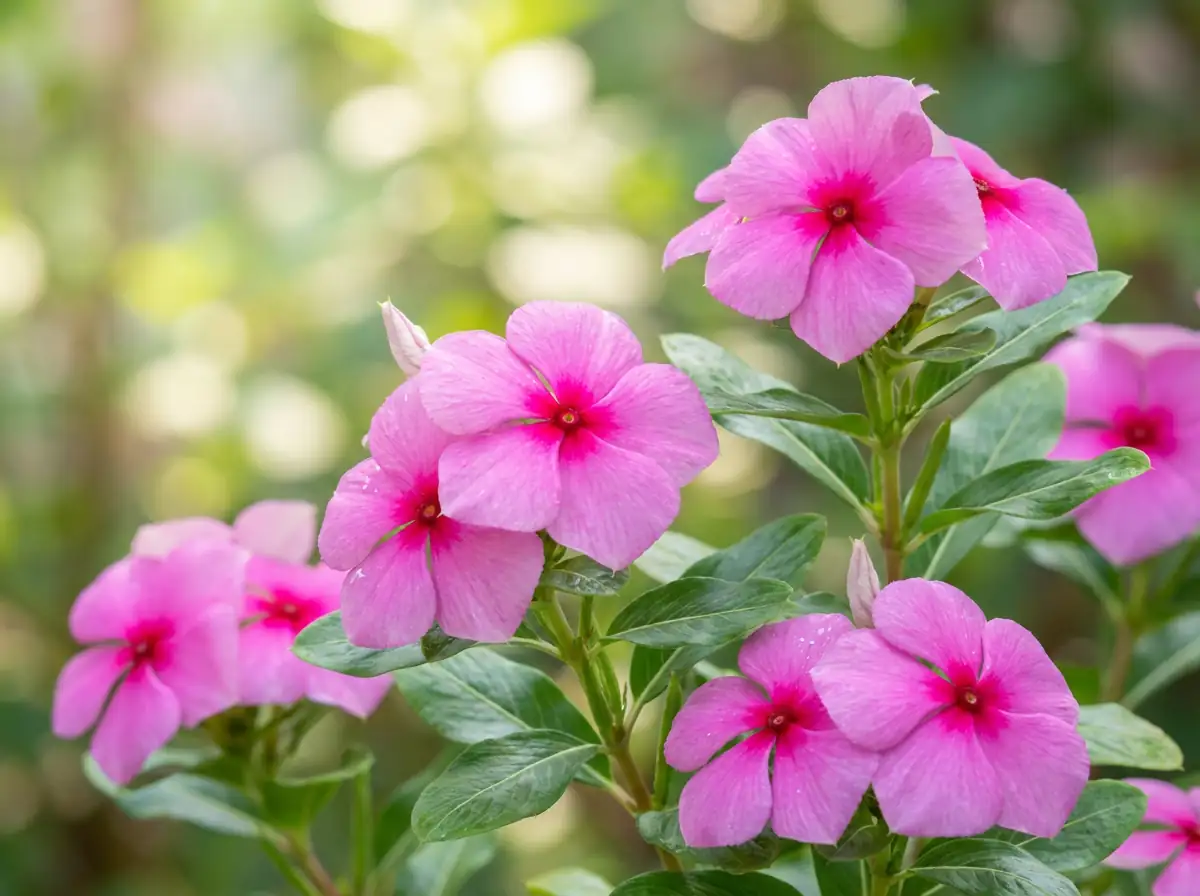
- Foliage: Dense, glossy, deep to dark green leaves that look clean and leathery when healthy. Leaves are oblong to oval, about 3.8–7.6 cm (1.5–3 in) long, usually arranged in opposite pairs along the stems.
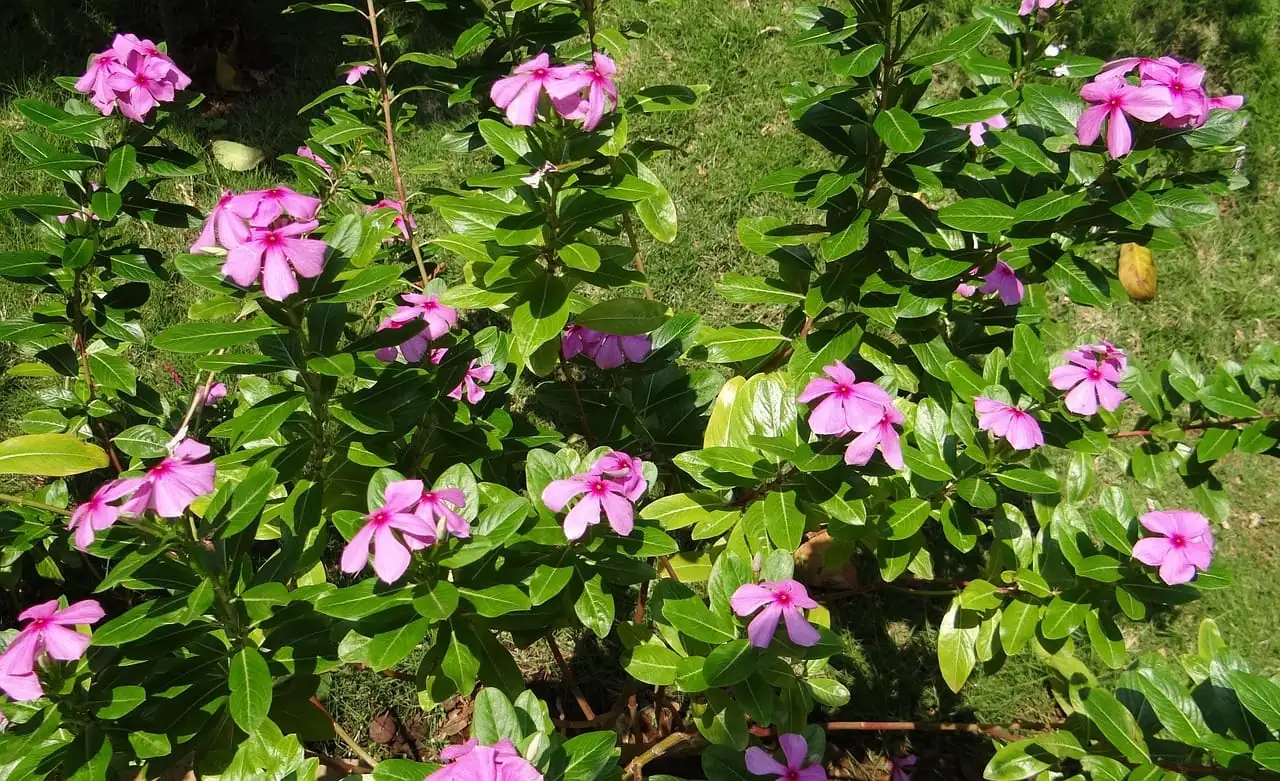
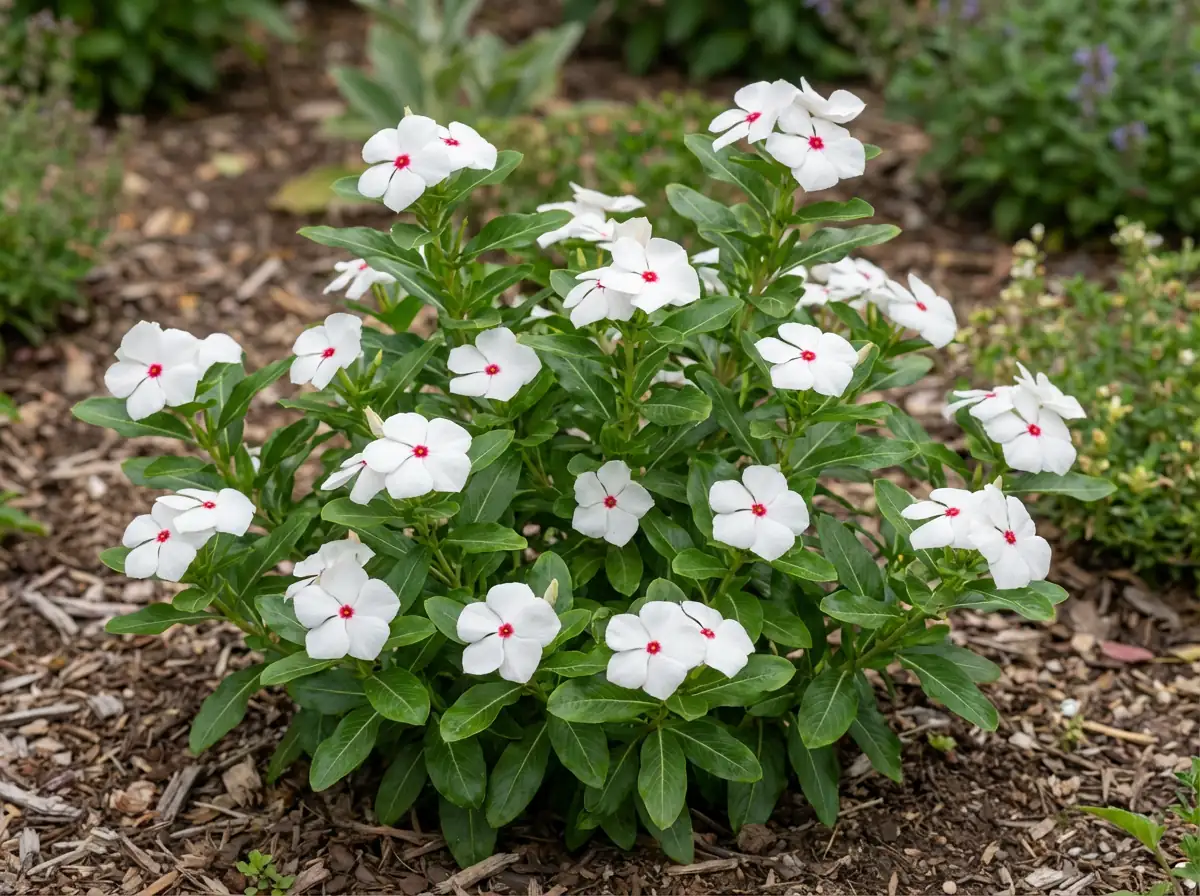
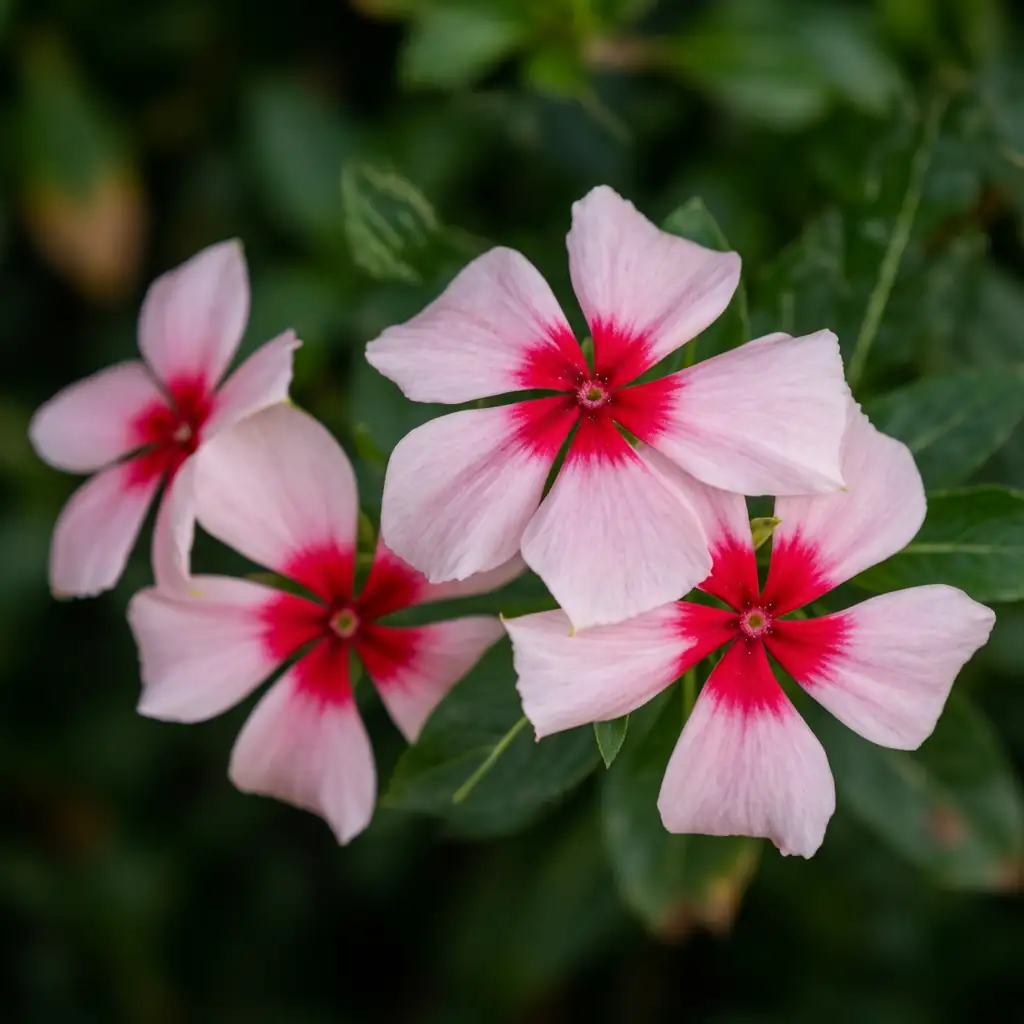
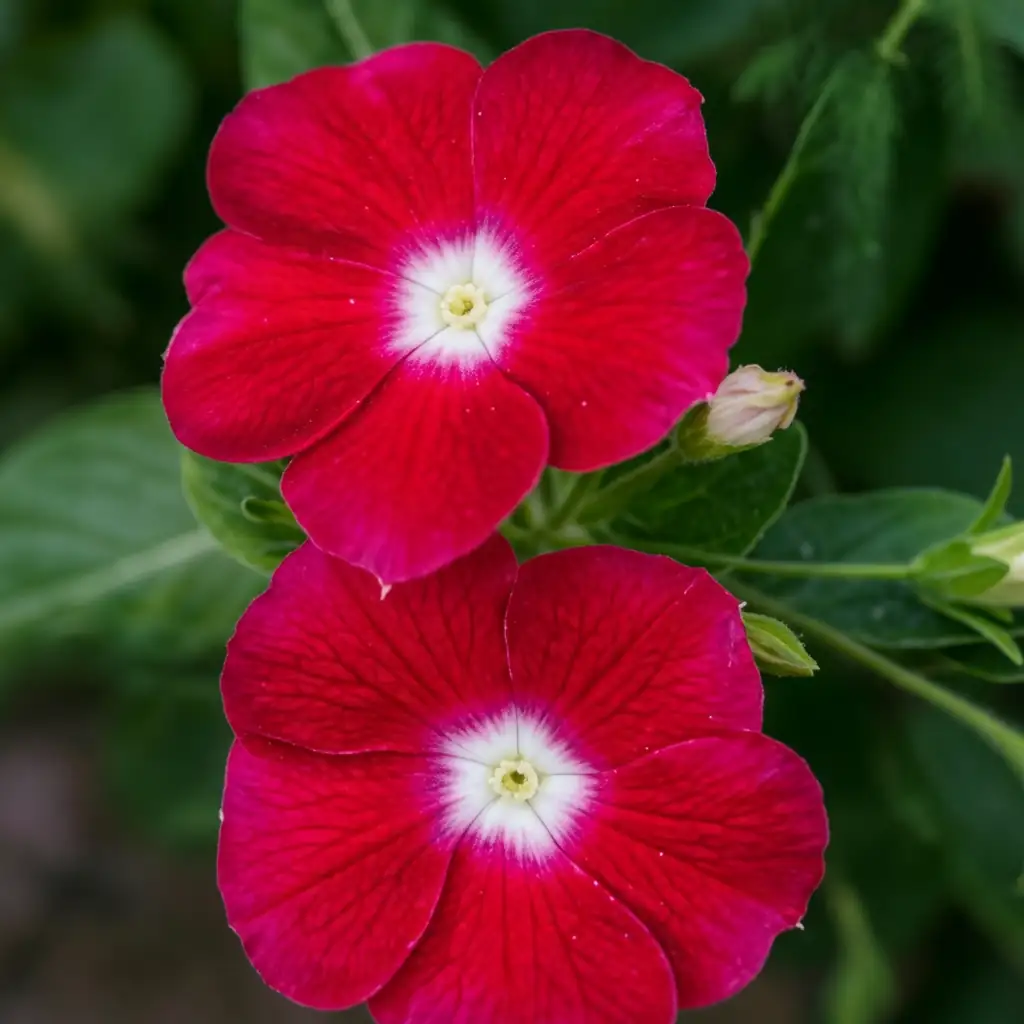
- Flower: Showy, five-petaled, pinwheel-like flowers about 2.5–5 cm (1–2 in) wide, held above the foliage. Colors range from white to pink, rose, red, and sometimes purplish tones, often with a contrasting darker “eye” in the center; many bicolored cultivars exist.
- Flowering Season: Spring through summer, often continuing into fall (roughly July to frost outdoors); can bloom for much longer—nearly year-round—in frost-free, bright, warm conditions.
- Growth Habit: Bushy and well-branched with an upright mounding form; also widely available in trailing forms for baskets. Stems become somewhat semi-woody with age; some taller selections are grown for cut flowers.
Environment
Sunlight
Full sun to light shade. For the most flowers, aim for full sun (about 6+ hours of direct light). Indoors, keep it in very bright light such as an east- or south-facing window; avoid dim corners long-term.
Temperature
Warmth-loving and not frost tolerant. Best growth roughly 16–24°C (61–75°F), and it can thrive in hotter weather up to about 35°C (95°F) when watered correctly. Keep above 10°C (50°F) to overwinter; below about 6°C (43°F) growth may stop and plants can decline.
Humidity
Adaptable—handles average to dry air well. The biggest key is avoiding constantly wet, stagnant conditions; good airflow helps prevent mold and leaf diseases.
Soil
Very well-draining soil is essential. Use a fertile, free-draining mix (e.g., quality potting mix with added coarse sand/perlite). Slightly acidic to neutral pH around 6.0–7.0 is ideal; it tolerates poorer soils if drainage is good.
Placement
Sunny garden beds and borders, containers, and hanging baskets. Indoors: bright windowsills. Outdoors: move pots outside in early summer once nights are reliably warm; protect from cold snaps and soggy rainy spells.
Hardiness
Perennial in USDA Zones 9–11 (more reliably 10–11), often grown as a warm-season annual elsewhere; frost tender.
Care Guide
Difficulty
Easy and beginner-friendly in warm, bright conditions; most problems come from low light, cold, or soggy soil.
Buying Guide
Pick plants that are compact and well-branched with short internodes, sturdy stems, and glossy deep-green leaves without spots, chewing, or yellowing. Choose ones that are just starting to bloom and still have lots of buds. If buying trailing vs. upright types, match the habit to your spot (baskets vs. beds). After bringing it home, place it in the brightest, sunniest location you have rather than a dim indoor area.
Watering
Water moderately and prioritize drainage. Let the top 2.5 cm (1 in) of mix dry before watering again, then water thoroughly and empty any saucer/cachepot water. In cool spring conditions this may be about weekly; in summer heat, containers may need 2–3 waterings per week. Avoid the “bone dry, then soaking wet” cycle. Yellowing leaves and leaf drop commonly signal the soil is staying too wet (root stress/rot).
Fertilization
Light to moderate feeder. At planting, a slow-release fertilizer works well. For potted plants during active growth (roughly March–October), feed about every 2 weeks with a balanced or bloom-leaning fertilizer (for example, a formula similar to 15-15-30). If using liquid feed, don’t overdo it—too much nitrogen can mean lush leaves but fewer flowers. Stop or greatly reduce feeding in winter.
Pruning
Pinch young plants to encourage branching and a fuller shape. Many modern varieties are fairly self-cleaning, but removing spent flowers can keep the plant tidy and reduce the chance of gray mold on old petals—especially in humid or crowded conditions. A light mid-season trim can refresh leggy plants and spark new growth.
Propagation
Seed: sow in spring; seeds germinate best lightly covered because they prefer darkness. Typical germination temperature is about 18–24°C (64–75°F) or warmer (up to ~26°C/78°F is commonly used), with seedlings appearing in ~2–3 weeks (sometimes 14–21 days). Cuttings: take soft tip cuttings in late spring or semi-ripe cuttings in summer; about 8–10 cm (3.1–3.9 in) long, remove lower leaves, keep 2–3 pairs at the top, and root warm—often in ~2–3 weeks.
Repotting
Repot/pot-on seedlings once they have around 3 pairs of true leaves. A common approach is moving into a 10 cm (4 in) pot and planting 3 seedlings together for a fuller look. Handle roots gently; plants can be a bit fussy about rough transplanting, so avoid disturbing the root ball more than necessary.
📅 Seasonal Care Calendar
Spring: start seeds, pinch tips for bushiness, water about weekly as growth resumes, and pot up seedlings once established. March–October: feed every 2 weeks; as weather warms, increase watering (often 2–3× weekly for containers). Summer: thrives in heat; watch for aphids/spider mites and avoid soggy soil; take cuttings (late spring through summer). Fall: continues blooming until cool weather; reduce watering as temperatures drop; bring containers indoors before cold nights. Winter: stop feeding, keep in bright light above 10°C (50°F), and water sparingly.
Pests, Diseases & Safety
Common Pests & Diseases
Generally tough, but can get aphids and spider mites (especially in hot, dry indoor air) and occasionally slugs/snails outdoors. Disease problems usually trace back to wet, crowded conditions: damping-off in seedlings, stem/root rot in poorly draining soil, leaf spot, and gray mold on old petals. Prevention: sharp drainage, avoid late-day overhead watering, and give good airflow; treat pests early with insecticidal soap/oil or other labeled controls.
Toxicity
Toxic if ingested by humans or pets—this plant contains potent alkaloids used in medicine. Keep it away from children and animals that chew plants. Sap may irritate sensitive skin, so wash hands after pruning and consider gloves if you’re prone to irritation.
Culture & Symbolism
Symbolism: Often associated with pleasant memories, lasting friendship, youthful love, affection, happiness, and resilience—fitting for a plant that keeps blooming through heat.
History & Legends: Long valued in traditional medicine in various regions, Madagascar periwinkle became globally famous in the mid-20th century when researchers investigating folk uses helped lead to the isolation of important anticancer compounds (notably vincristine and vinblastine) in the 1950s. It’s a striking example of how an everyday garden flower can also be a medically significant plant.
Uses: Ornamental: a top choice for sunny bedding displays, borders, pots, and hanging baskets, with both compact and trailing cultivars (and some taller types used as cut flowers). Medicinal: a critically important source of plant alkaloids, including vincristine and vinblastine used in modern cancer treatment (handled industrially/pharmaceutically—not for home use).
FAQ
Why are my Madagascar periwinkle leaves turning yellow?
Most often it’s from soil staying too wet or poor drainage, which stresses the roots and leads to yellowing and leaf drop. Make sure the pot drains freely, empty standing water, and let the top 2.5 cm (1 in) dry before watering again. Low light and cold snaps can also contribute.
Do I need to deadhead Madagascar periwinkle?
Many varieties are largely self-cleaning, so deadheading isn’t strictly necessary. That said, in humid conditions, removing spent blooms can keep the plant looking neat and help prevent gray mold on old petals.
Can it handle full sun and heat?
Yes—full sun is ideal for heavy flowering, and it’s famously heat-tolerant. In containers, just watch watering during heat waves so it doesn’t swing between drought and waterlogging.
Will it come back next year?
It’s perennial only in frost-free or near-frost-free climates (about USDA Zones 9–11, most reliably 10–11). In colder regions it’s grown as an annual and will die at the first frost unless overwintered indoors in bright light and warmth.
How do I choose a good plant at the shop?
Look for a compact, well-branched plant with glossy deep-green leaves and lots of buds, with minimal yellowing or spotting. Choose the growth habit you want (upright for beds, trailing for baskets), and place it in bright sun as soon as you get home.
Fun Facts
- Despite the common name “periwinkle,” Madagascar periwinkle isn’t the same genus as true periwinkles (Vinca), which are hardy groundcovers.
- It produces important medicinal alkaloids, including vincristine and vinblastine—two globally important plant-derived anticancer drugs.
- Seeds germinate best when lightly covered because they prefer darkness; at about 18–24°C (64–75°F), seedlings often appear in roughly 2–3 weeks.
- Trailing cultivars are especially popular for hanging baskets, where the blooms spill over the rim for months.
- In its native range, wild populations have faced pressure, while cultivated forms thrive worldwide in gardens and containers.