

Plant Features
- Size: Typically 4–6 m (13–20 ft) tall, forming a rounded to oval crown.
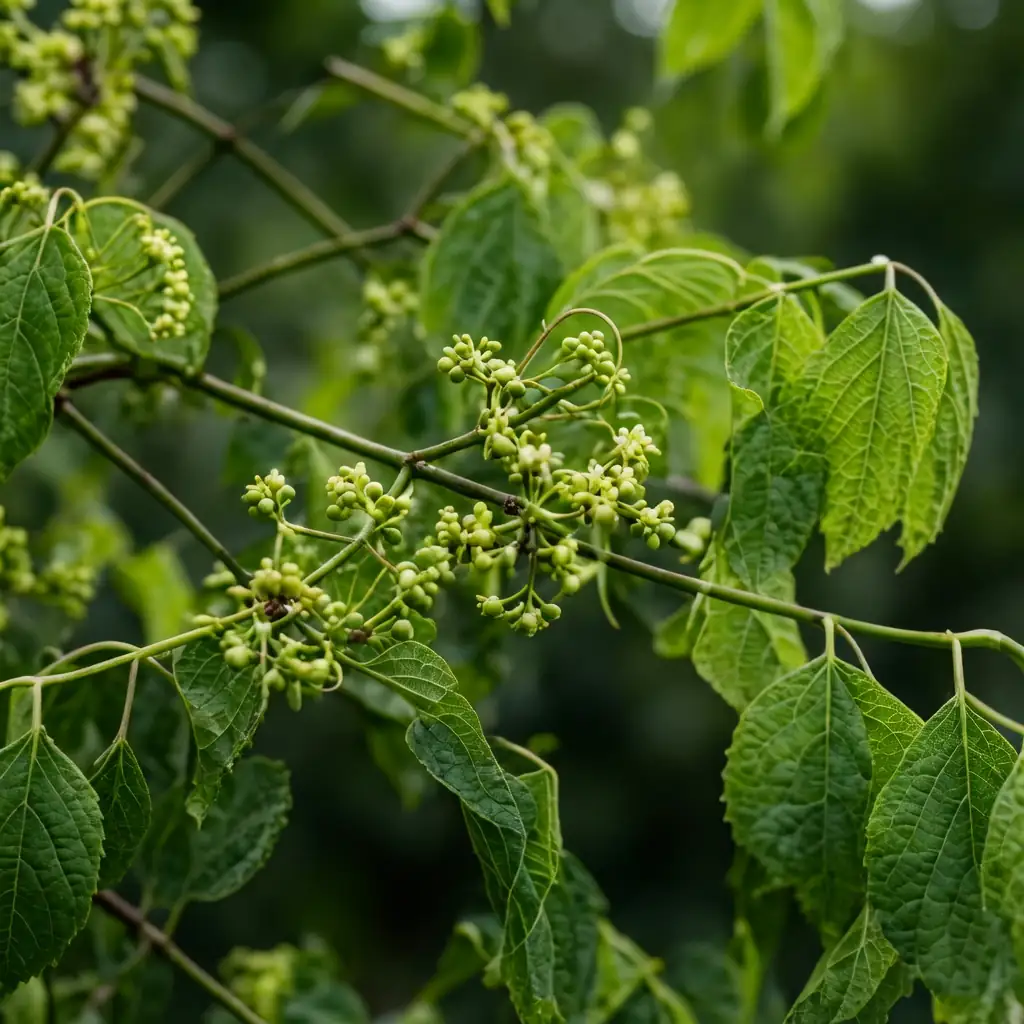
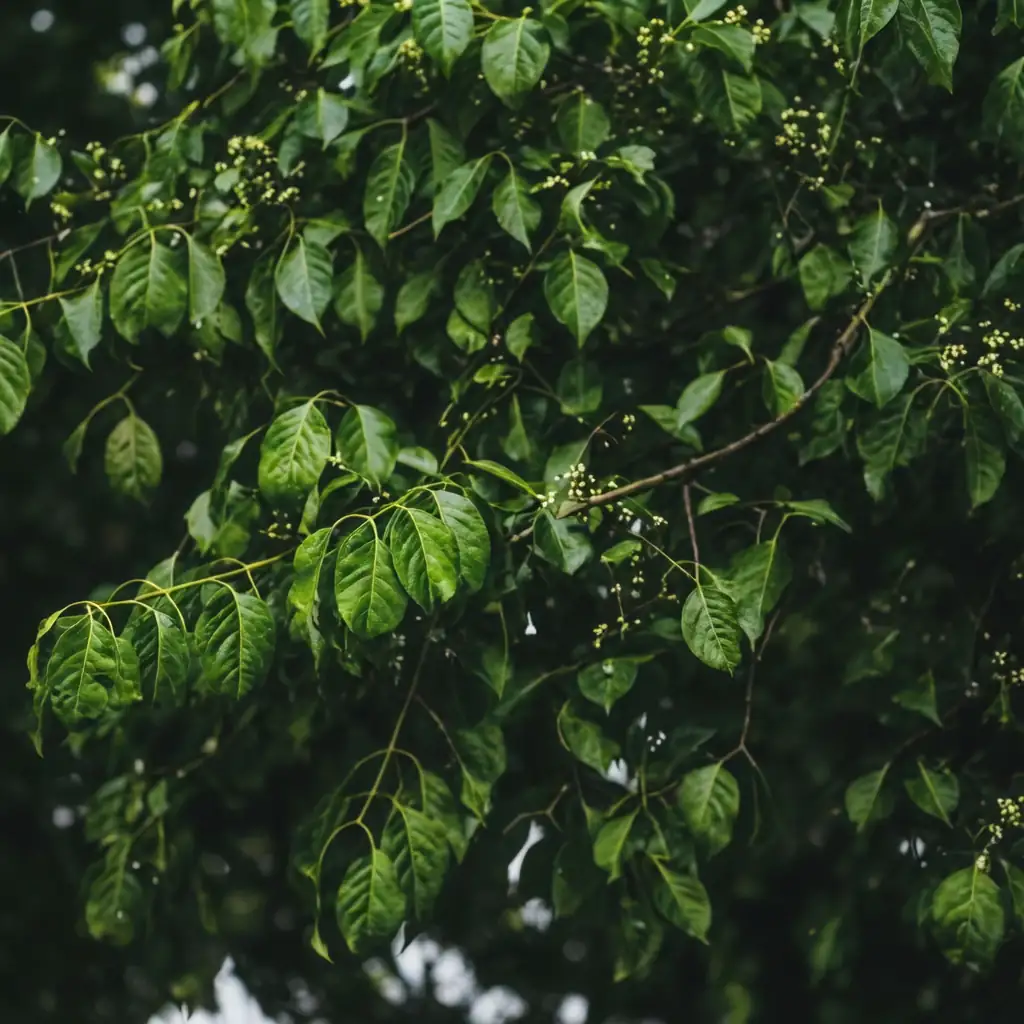
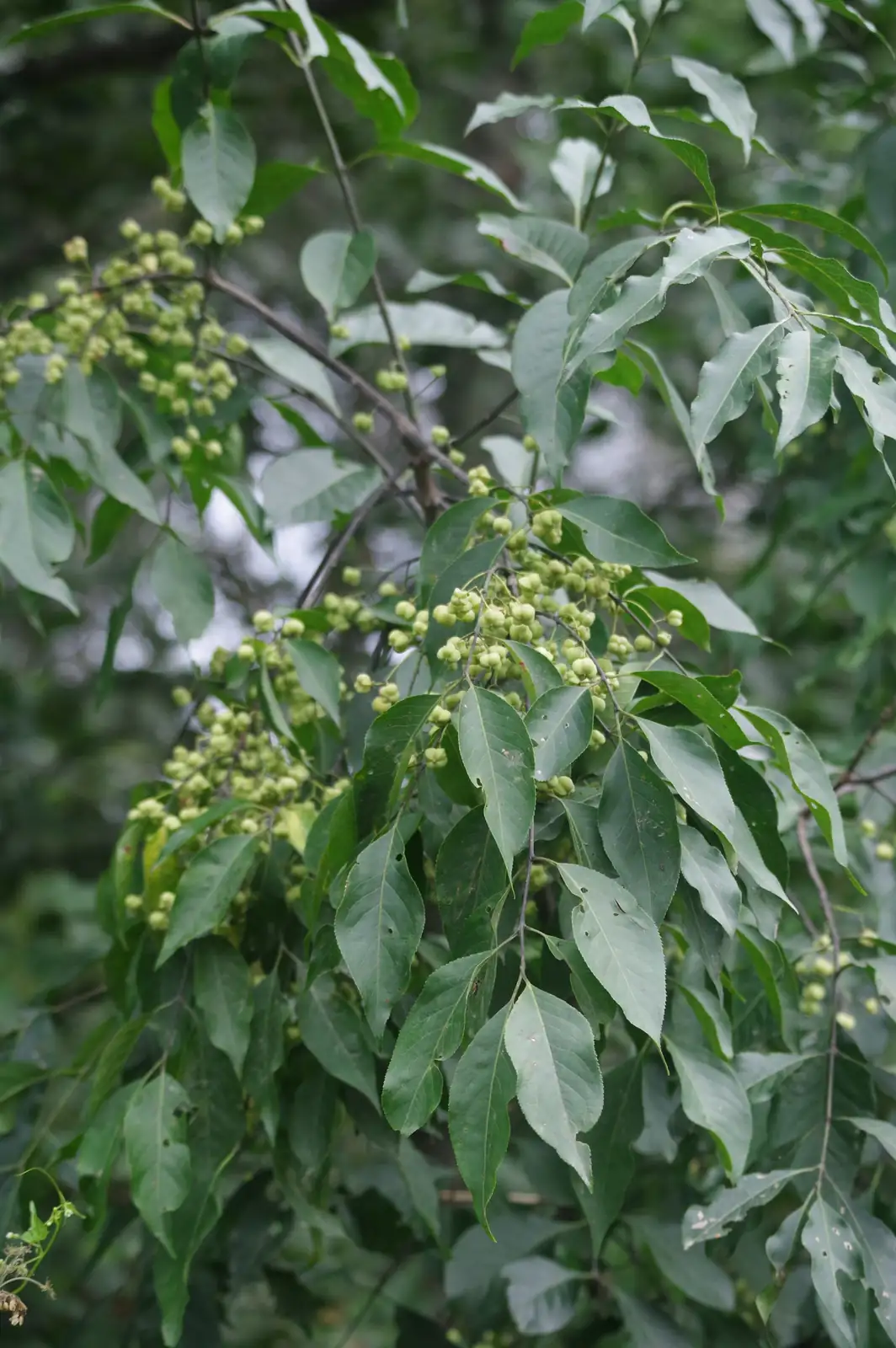
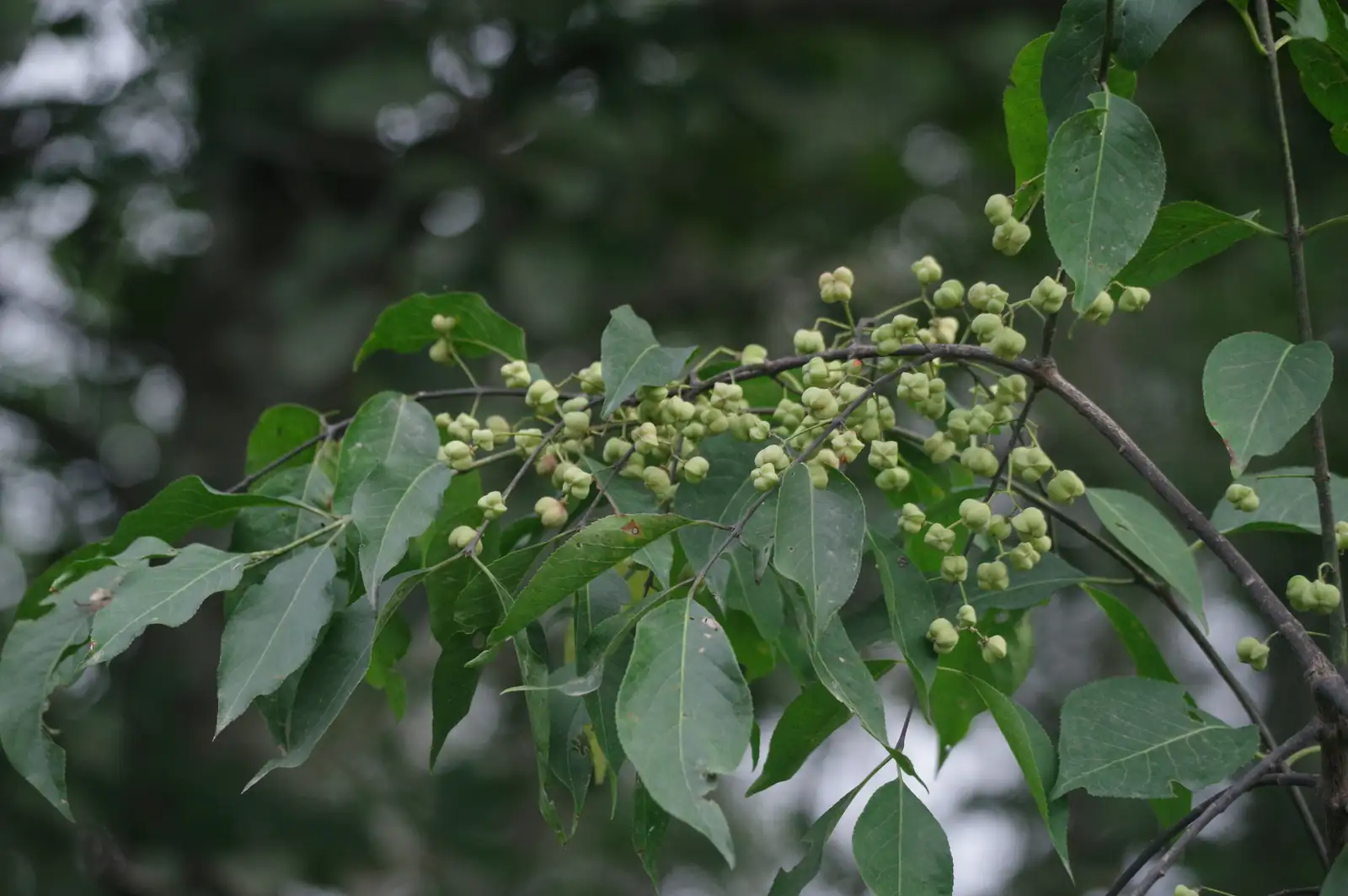
- Foliage: Leaves are broadly ovate to ovate-elliptic with a gradually pointed tip and a nearly rounded base. Margins have fine serrations, giving the canopy a crisp, tidy texture. Petioles are about 2–3.5 cm (0.8–1.4 in).
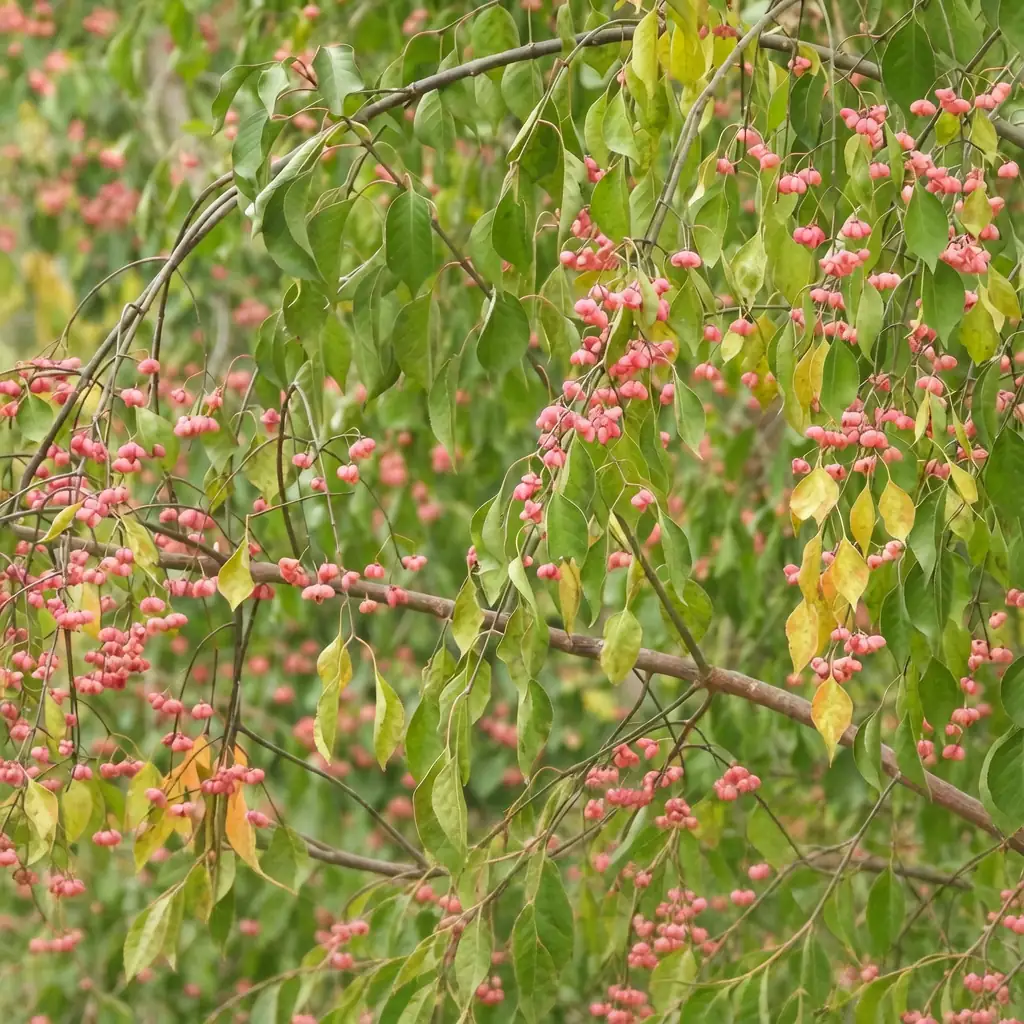
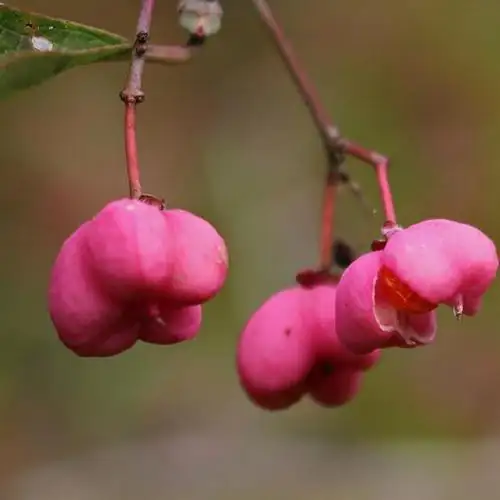
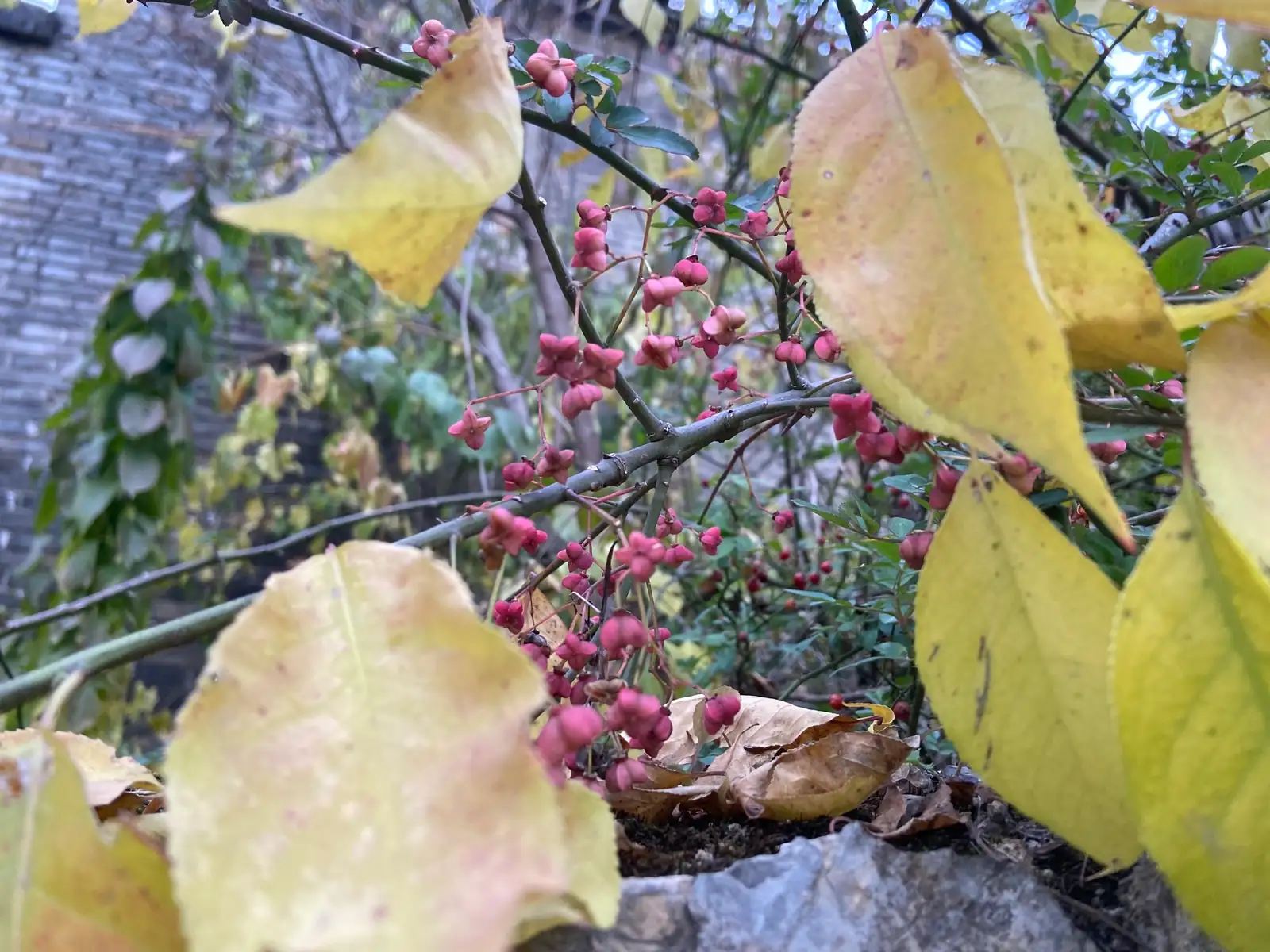
- Flower: Flowers are small and pale pink, carried in clusters of roughly 3–7 in late spring. Fruits mature into pink to pink-yellow capsules that split into four valves, revealing bright orange arils around the seeds—highly ornamental in autumn.
- Flowering Season: May–June (late spring to early summer)
- Growth Habit: Deciduous small tree with a rounded/ovoid crown. Develops a strong root system and is notably wind-tolerant. It resprouts vigorously after pruning, making it easy to shape and reliable in tough, urban conditions (including dust/smoke exposure).
Environment
Sunlight
Full sun to partial shade; flowering and fruiting are typically best in full sun.
Temperature
Cold-hardy and well-suited to temperate climates. Approximate preferred growing range: 10–25°C (50–77°F), with good tolerance of winter cold once established.
Humidity
Adaptable—handles dry periods as well as moisture, but avoid prolonged waterlogging.
Soil
Adaptable to most average garden soils as long as drainage is reasonable; tolerates a range of textures.
Placement
Great as a small shade tree in gardens, near water features or rock gardens, and in mixed borders. Also widely used for shelterbelts and demanding urban/industrial sites (including mine-site greening) thanks to wind and pollution tolerance.
Hardiness
Generally suitable for USDA Zone 3–7 (approx.) / RHS H6 (approx.), depending on local conditions.
Care Guide
Difficulty
Easy. A flexible, forgiving tree that tolerates cold, wind, urban pollution, and both droughty and periodically moist soils. Sun improves flowering and fruit color, but light shade is acceptable. Responds very well to pruning due to strong resprouting.
Buying Guide
Look for a plant with a straight main stem (if you want a tree form), evenly spaced branches, and plump, healthy buds. Avoid specimens that are pot-bound, show dieback or cankers, or have obvious scale infestations.
Watering
Water regularly during the first growing season to establish a deep root system. Once established, water during extended dry spells; use deep, thorough watering rather than frequent light sprinkling. Avoid soil that stays constantly saturated.
Fertilization
Usually needs little feeding in decent soil. If growth is weak, apply a balanced slow-release fertilizer in spring. Avoid heavy nitrogen late in the season so new growth can harden off before winter.
Pruning
Prune in late winter to early spring to shape the crown and remove dead, damaged, or crossing branches. It tolerates pruning very well and can be lightly trimmed after flowering if needed. Remove basal suckers if you prefer a single-stem tree form.
Propagation
By seed (best sown fresh or after cold stratification) or by semi-ripe cuttings in summer. Seedlings can vary; cuttings help keep plants uniform.
Repotting
Primarily an outdoor landscape tree rather than a long-term container plant. If grown in a large container, move to a slightly larger pot every 2–3 years in early spring and refresh the top layer of soil annually.
📅 Seasonal Care Calendar
Flowering: May–June. Fruit display: September–October (early to mid-autumn).
Pests, Diseases & Safety
Common Pests & Diseases
May face classic euonymus problems such as euonymus scale, aphids, and spider mites. Leaf spot and powdery mildew can appear in humid, crowded sites. Improve airflow, avoid overhead watering, and treat scale early with horticultural oil when appropriate.
Toxicity
Fruits and foliage are generally considered poisonous if eaten and may cause gastrointestinal upset. Keep away from children and pets; do not ingest.
Culture & Symbolism
Symbolism: Often associated with resilience and multi-season beauty—gentle spring bloom followed by a bright autumn fruit show.
History & Legends: A native Chinese euonymus valued in landscaping for its toughness and decorative fruit. It has been widely used as a practical greening and shelter plant in challenging environments.
Uses: Ornamental planting as a small shade tree for spring flowers and especially for autumn capsules and orange arils. Useful in mixed plantings near streams, ponds, and rock features; also used for shelterbelts and tough urban/industrial greening (including mining areas).
FAQ
Why does it flower but set little fruit?
Fruit set is usually best in full sun with active pollinators. Too much shade, drought stress during flowering, or pruning at the wrong time can reduce fruiting.
Is it suitable for cold winters?
Yes. Euonymus maackii is notably cold-hardy for a small ornamental tree and performs well across many temperate regions once established.
Fun Facts
- In early to mid-autumn (September–October), the capsules split neatly into four parts, showing off bright orange arils—its signature “surprise” display.
- In the wild it often grows along woodland edges, foothills, and streamside roads in hilly areas of China.
- Its strong roots and tolerance of wind, dust, and smoke make it a dependable choice for shelter plantings and difficult sites.


