Plant Features
- Size: Overall plant height/spread not stated in the source. Fruit (berry) diameter about 8 mm (0.31 in); seed diameter about 1.5 mm (0.06 in).
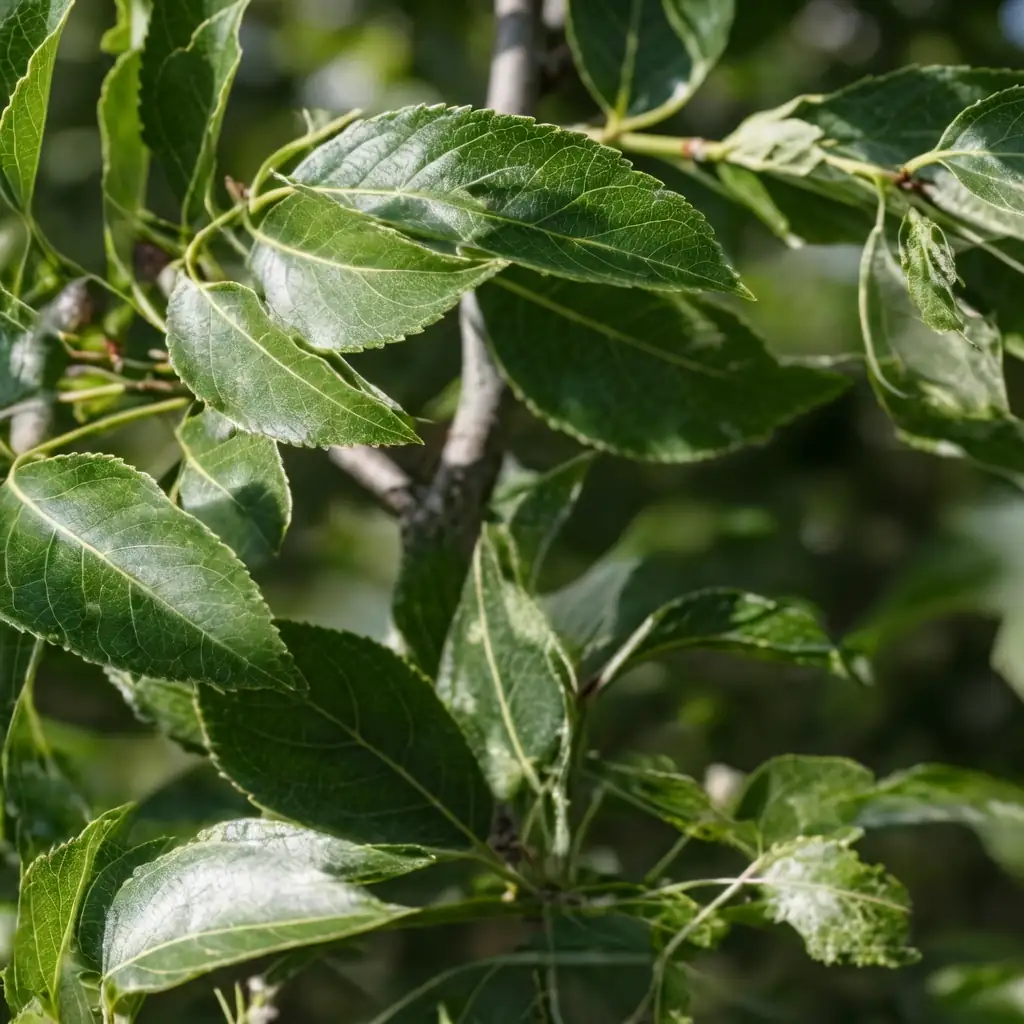
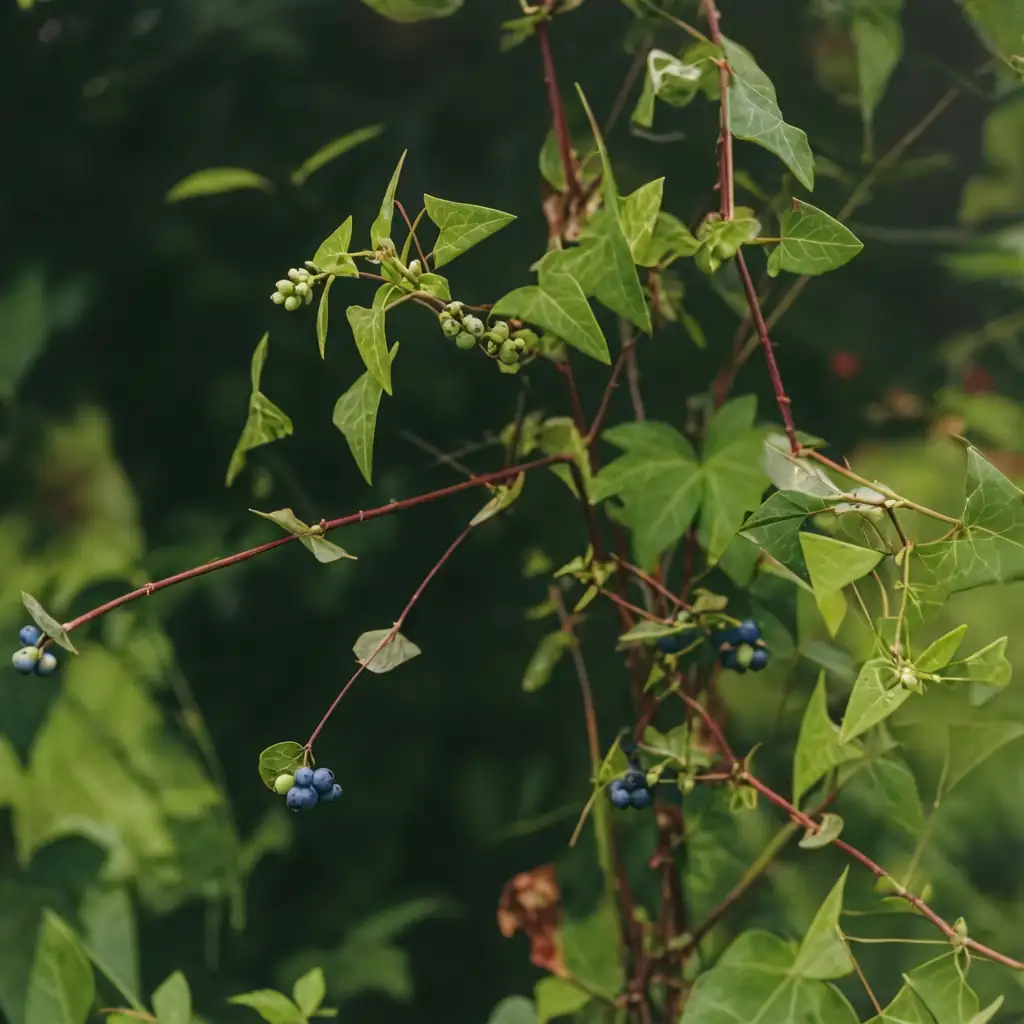
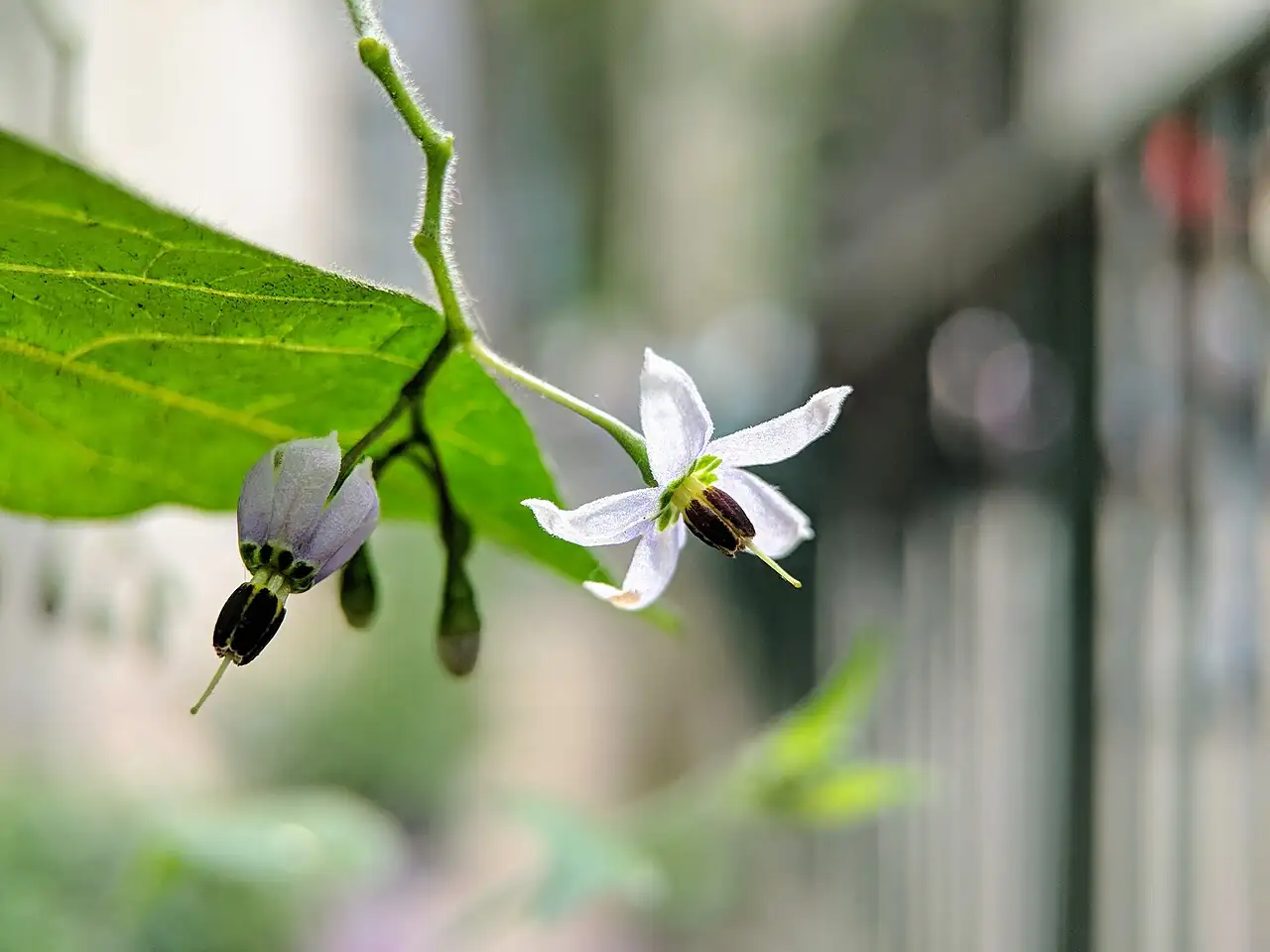
- Foliage: Leaves are alternate and often characteristically lyre-shaped (with a larger terminal lobe and smaller side lobes). Stems and young branchlets are densely covered with long, soft hairs, giving the plant a slightly fuzzy look and feel.
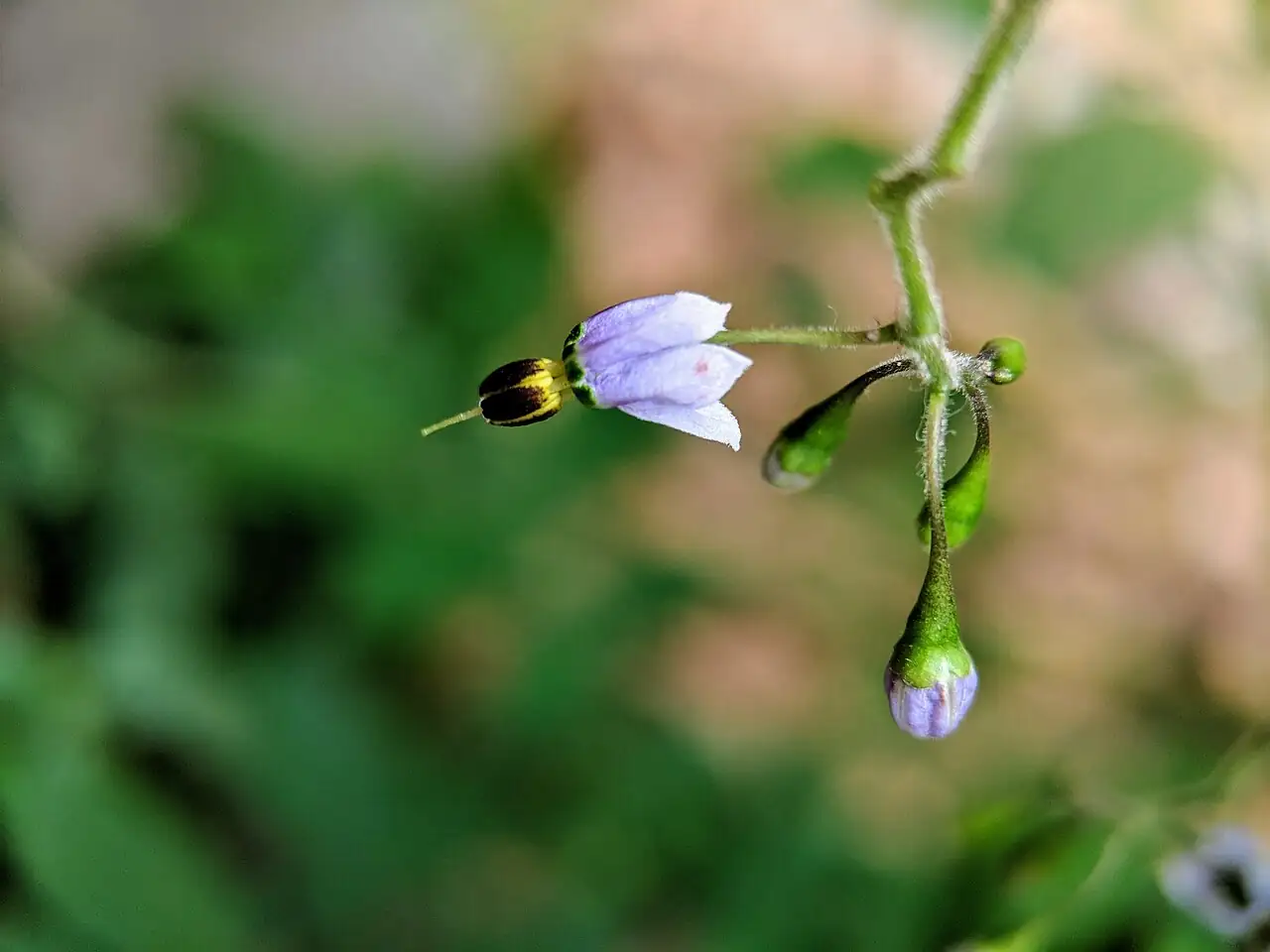
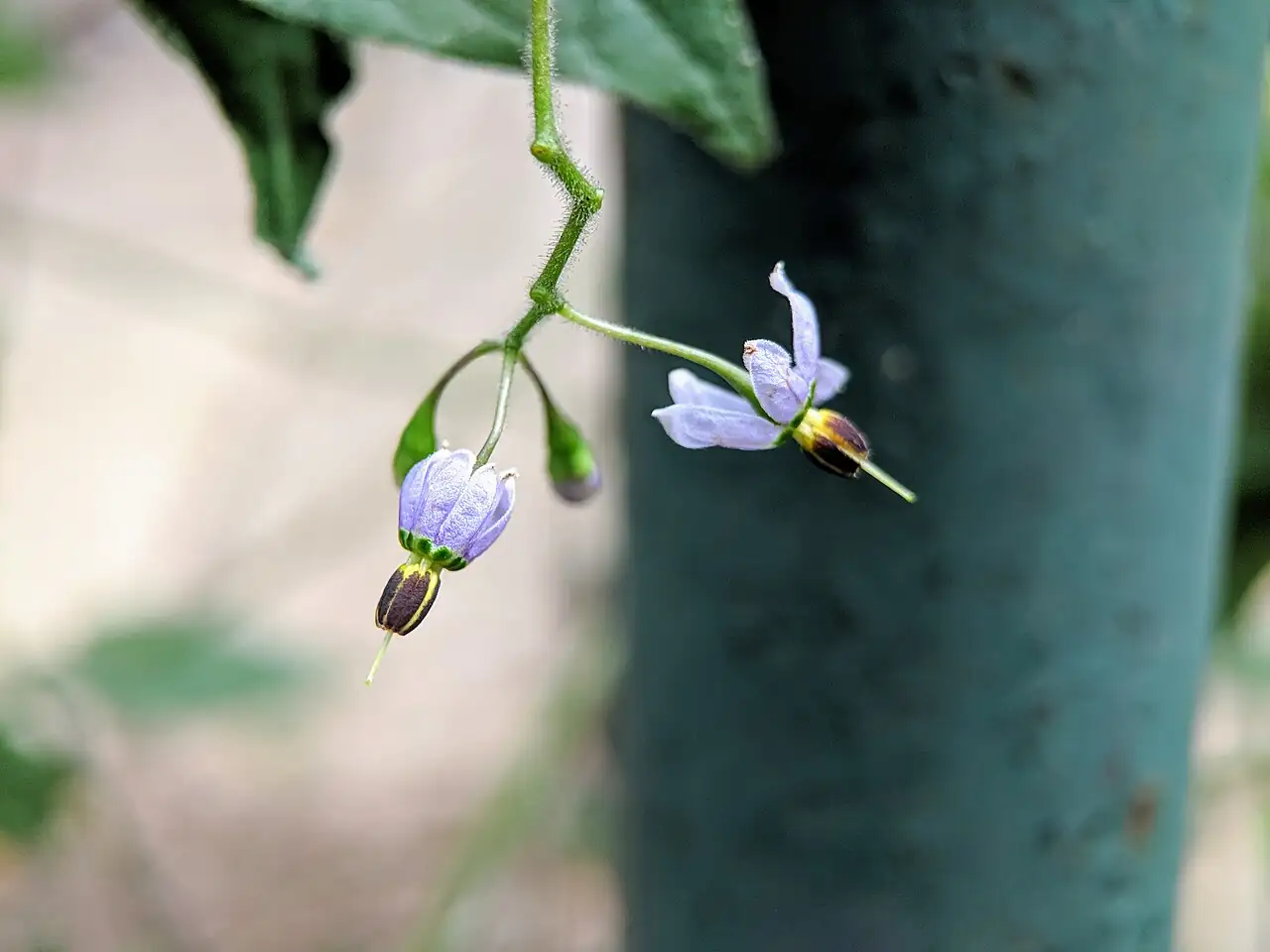
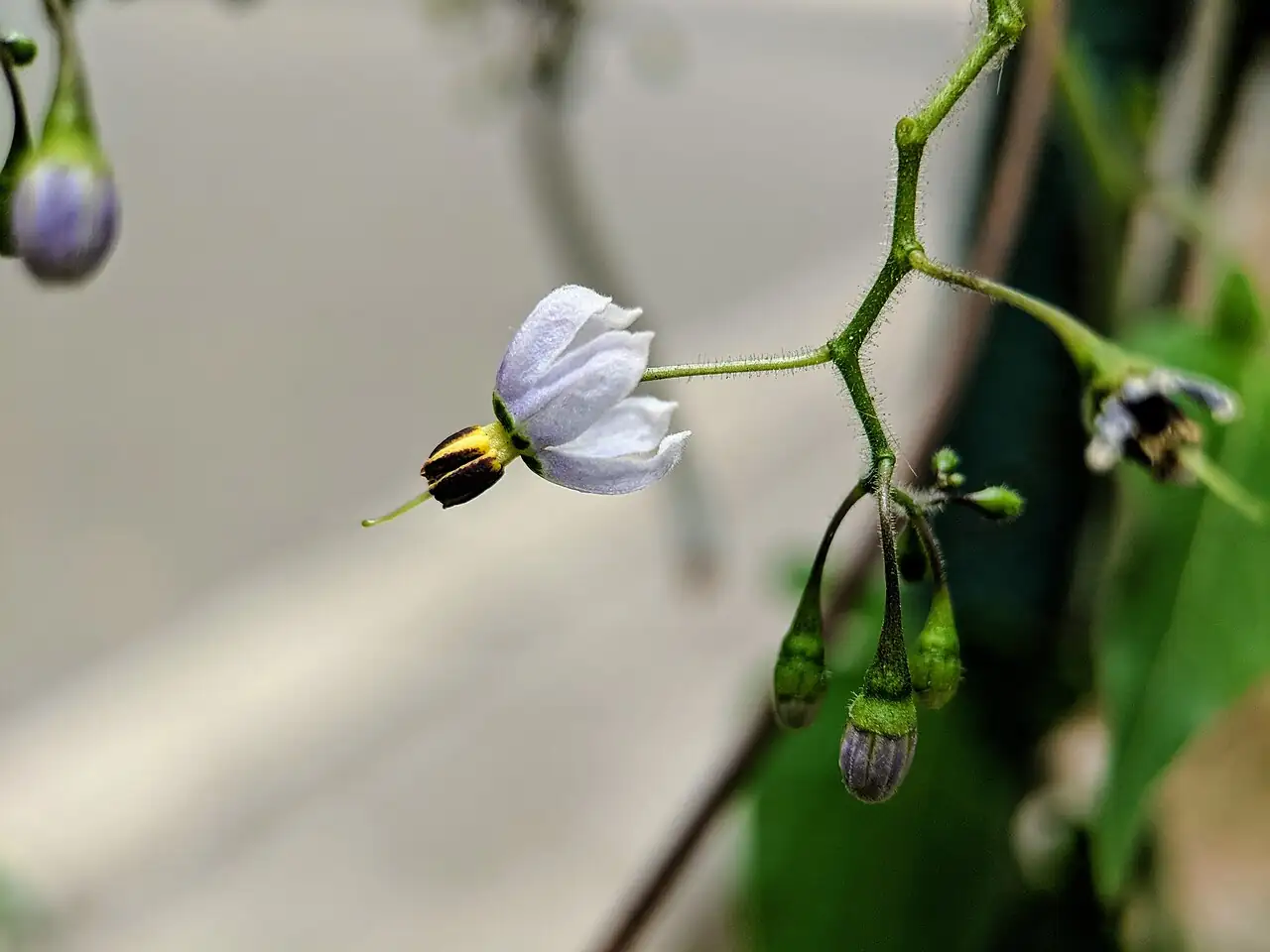
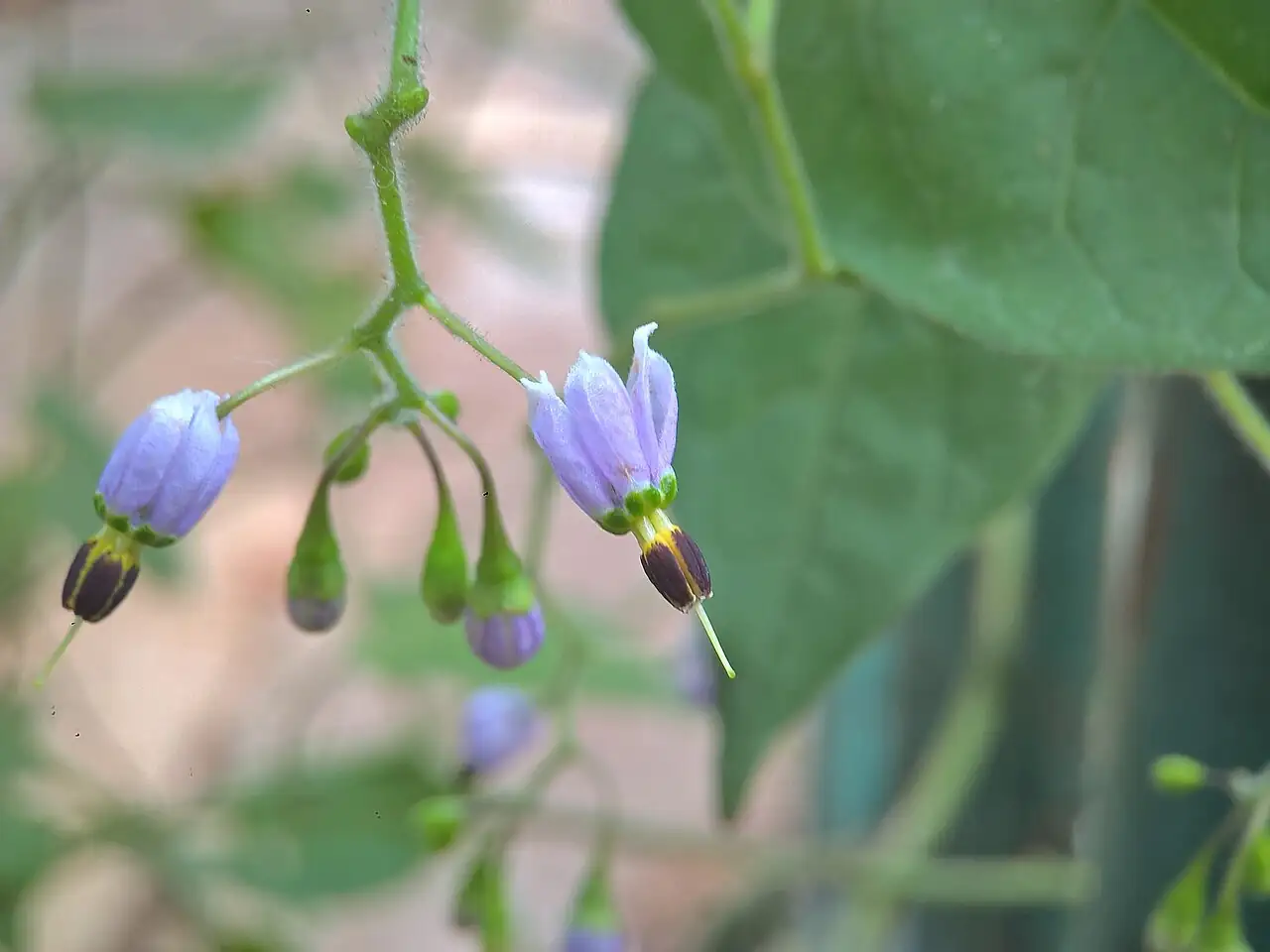
- Flower: Flowers are borne in loose cymes (clusters) at branch tips or from leaf axils. Individual flower details (shape/color) were not specified in the source, but the overall effect is light, airy, and not densely packed.
- Flowering Season: June–October
- Growth Habit: Herbaceous climbing/trailing vine that threads through supports such as shrubs, fences, or trellises. Adaptable and relatively tough; the biggest weakness is poorly drained, waterlogged soil.
Environment
Sunlight
Not specified directly; based on its natural habitats (roadsides and valley grasslands), it generally performs best in full sun to partial shade.
Temperature
Prefers warm, moist growing conditions but is tolerant of drought and some cold. Avoid prolonged cold + wet conditions and especially waterlogged soil. (No exact temperature range given.)
Humidity
Prefers moderate humidity but tolerates some dryness once established.
Soil
Adaptable, but best in deep, loose, fertile, organic-rich sandy loam with excellent drainage. Avoid heavy clay, saline-alkaline soils, and low-lying areas where water stands.
Placement
Outdoors where it can scramble—on a trellis or fence, or allowed to weave through shrubs in a naturalistic planting. Choose a spot with good drainage (raised beds and slopes work well).
Hardiness
Cold-tolerant for a temperate Chinese native, but not tolerant of waterlogging. (USDA zone not stated; performance depends on local winter conditions and drainage.)
Care Guide
Difficulty
Moderate. It’s resilient and adaptable (handles some drought and cold), but it can fail quickly in poorly drained conditions—think “easy plant, picky about soggy soil.”
Buying Guide
Choose plants with firm, healthy stems and clean foliage. Avoid containers with sour-smelling, constantly wet media or signs of blackened/rotting roots, because this species strongly dislikes standing water.
Watering
Water regularly while establishing. After that, let the top layer of soil dry slightly between waterings. Keep it evenly moist during active growth, but never soggy. Reduce watering in cool weather and prioritize fast drainage year-round.
Fertilization
Not specified in the source. For ornamental growth, a light feed in spring and early summer with a balanced fertilizer is plenty; avoid heavy feeding, which can push soft leafy growth at the expense of flowers and berries.
Pruning
Not specified in the source. Tidy by trimming back tangled or overly straggly stems after flowering/fruiting to encourage fresh growth; remove weak, damaged, or dead stems whenever noticed.
Propagation
Not specified in the source. Common practical options include sowing seed from fully ripe berries and taking softwood or semi-ripe cuttings during the growing season (typical for many Solanum vines).
Repotting
Not specified in the source. If grown in a container, repot in spring into a free-draining mix and a pot with drainage holes; avoid oversized pots that stay wet for too long.
📅 Seasonal Care Calendar
Flowering: June–October. Fruiting: October–November. In cooler/wetter parts of the year, reduce watering and ensure drainage to prevent root problems.
Pests, Diseases & Safety
Common Pests & Diseases
Not specified in the source. Like many Solanum, it may attract aphids, spider mites, and whiteflies; poorly drained conditions can lead to root rot. Improve airflow, avoid soggy soil, and treat pests with insecticidal soap or horticultural oil if needed.
Toxicity
Not stated in the source. Because many Solanum species contain toxic compounds (especially in foliage and unripe fruit), treat this plant as potentially poisonous to people and pets unless a trusted local reference confirms otherwise. Traditional herbal use is noted, but self-medication is not recommended.
Culture & Symbolism
Symbolism: Not provided in the source.
History & Legends: Not provided in the source.
Uses: Ornamental: a naturalistic climber with unusual leaf shapes and decorative darkening berries. Traditional use: the whole plant and roots have been used in Chinese herbal contexts, described traditionally as helping to ‘clear heat’, promote urination, and reduce swelling (traditional descriptions).
FAQ
Why is my plant declining even though I water it often?
Lyrate-leaved nightshade dislikes waterlogging. Constantly wet soil stresses roots and can trigger rot. Improve drainage, let the surface dry slightly between waterings, and avoid low spots where water collects.
When does it flower and set fruit?
It typically flowers from June to October, with fruiting mainly from October to November.
Fun Facts
- In China it’s often found naturally in valley grasslands and along roadsides.
- The berries are round and about 8 mm (0.31 in) across, turning dark red to nearly black when ripe.
- The seeds are flattened and about 1.5 mm (0.06 in) across.
- Stems and young branchlets are densely covered with long, soft hairs.
- The whole plant and roots have a history of use in traditional herbal contexts.