Plant Features
- Size: Typically 60–150 cm (24–59 in) tall above the water; vigorous cultivars can reach about 150 cm (5 ft) or more. Spread commonly 90–180 cm (35–71 in) or wider depending on cultivar and space; rhizomes can run up to about 3 m (10 ft) horizontally in ideal conditions. Leaves are often 25–90 cm (10–35 in) across (commonly around 60 cm / 24 in). Flowers are usually 10–20 cm (4–8 in) across.
- Foliage: Leaves are large, round, and peltate (shield-like), with a waxy, super water-repellent surface (the famous “lotus effect”). They may float when young and later stand well above the water on stout, hollow stalks that can be about 1–2 m (3–6 ft) long; the underside is often gray-green. For a tidy look, let aging leaves yellow naturally, then remove fully yellowed leaves above the waterline (avoid cutting stems below water).
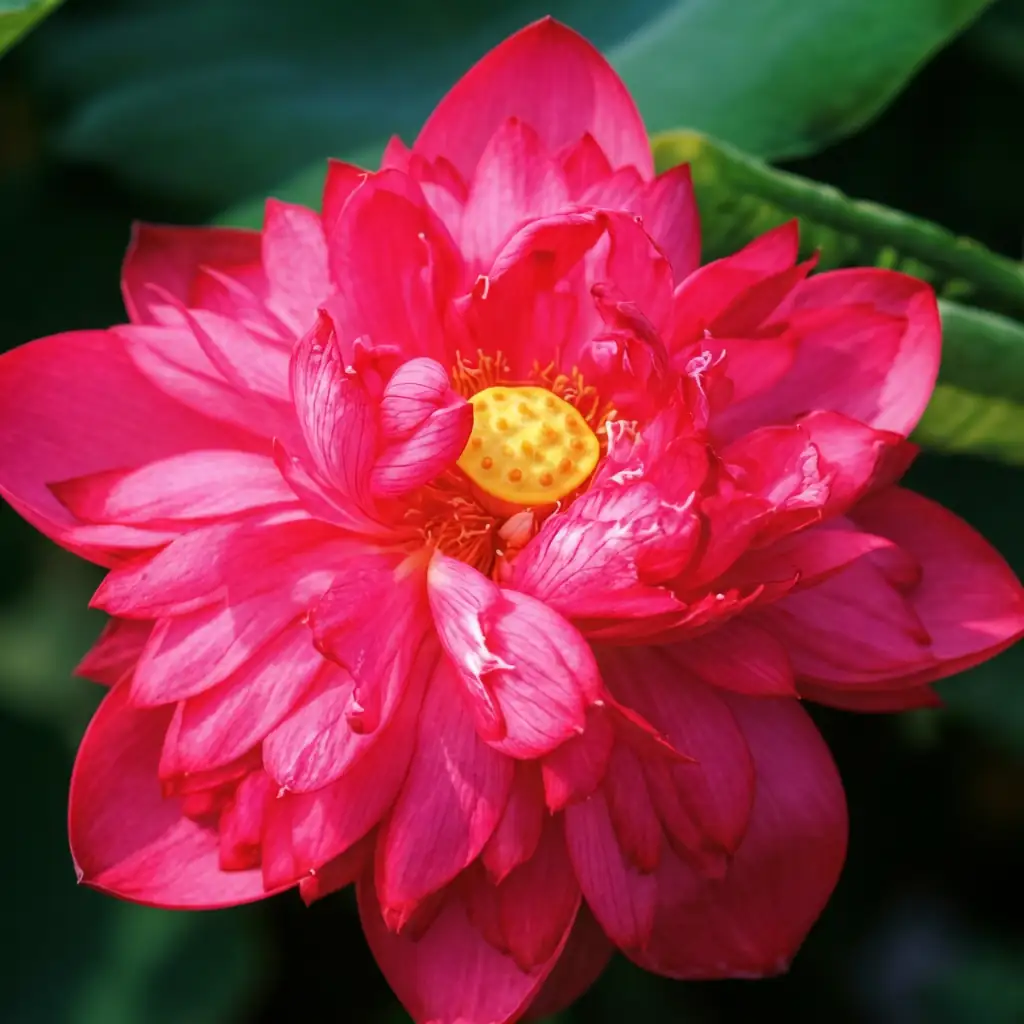
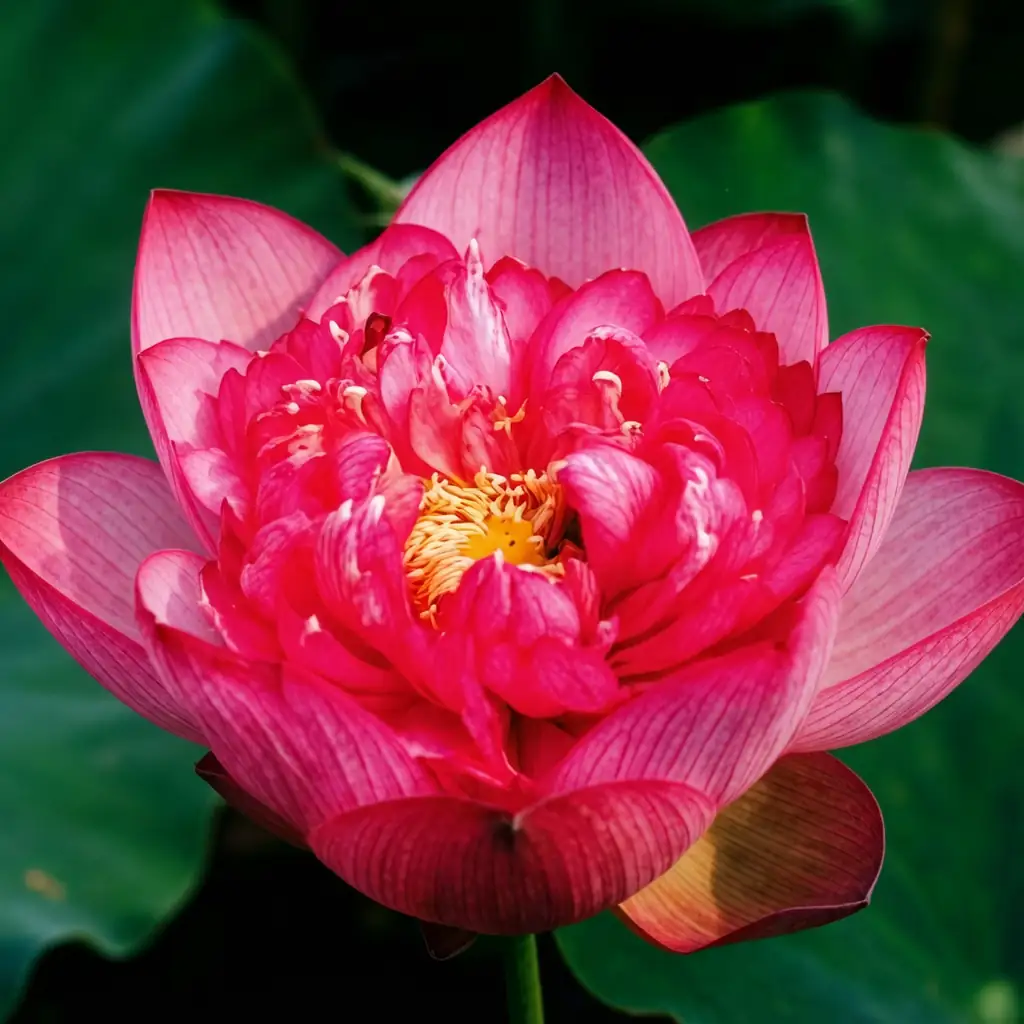
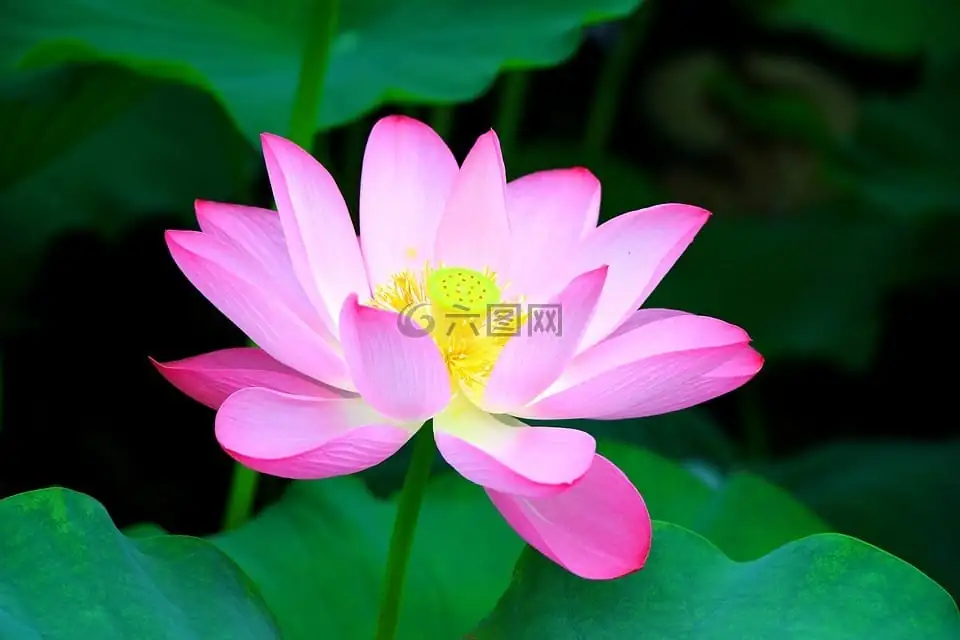
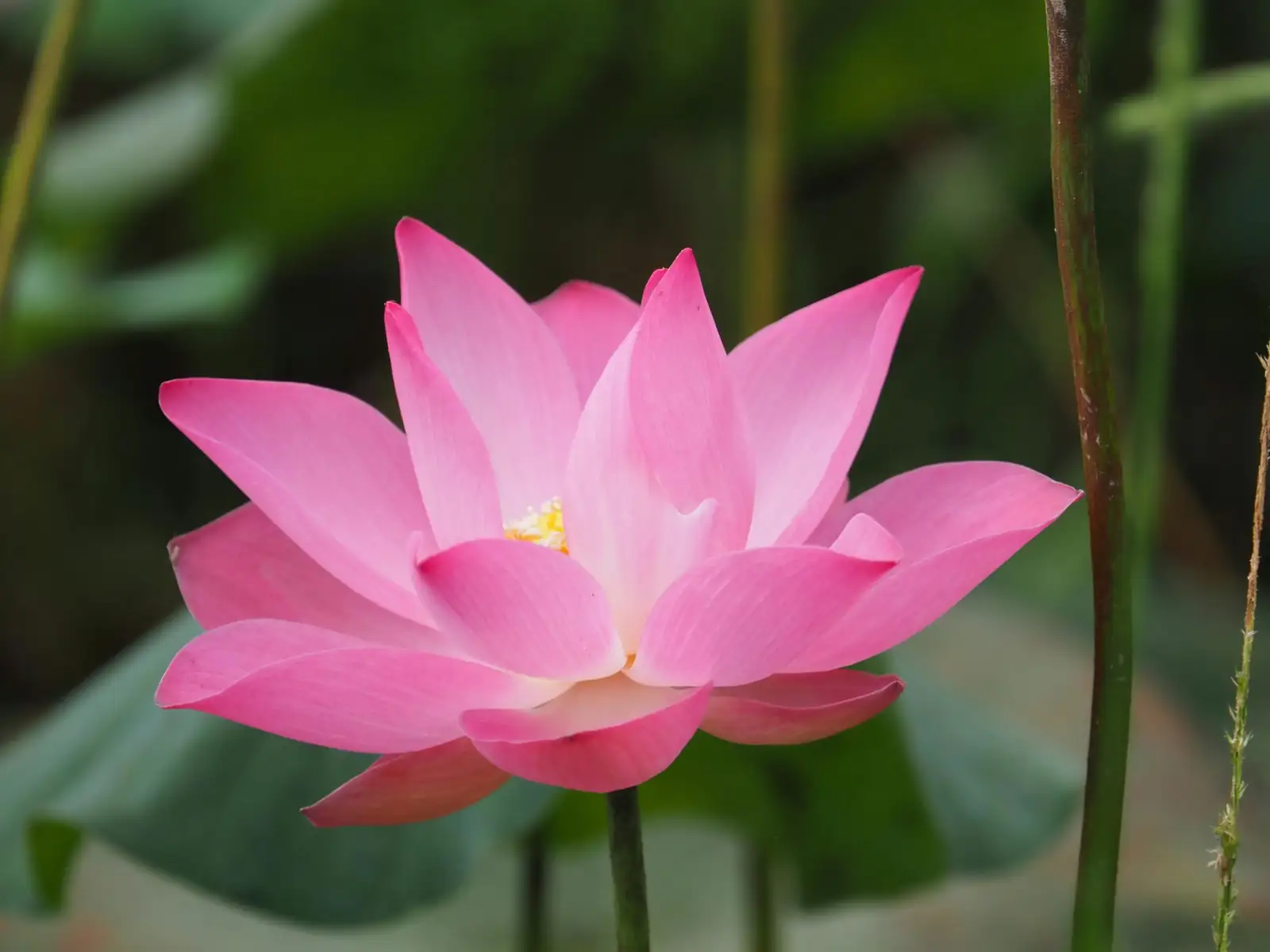
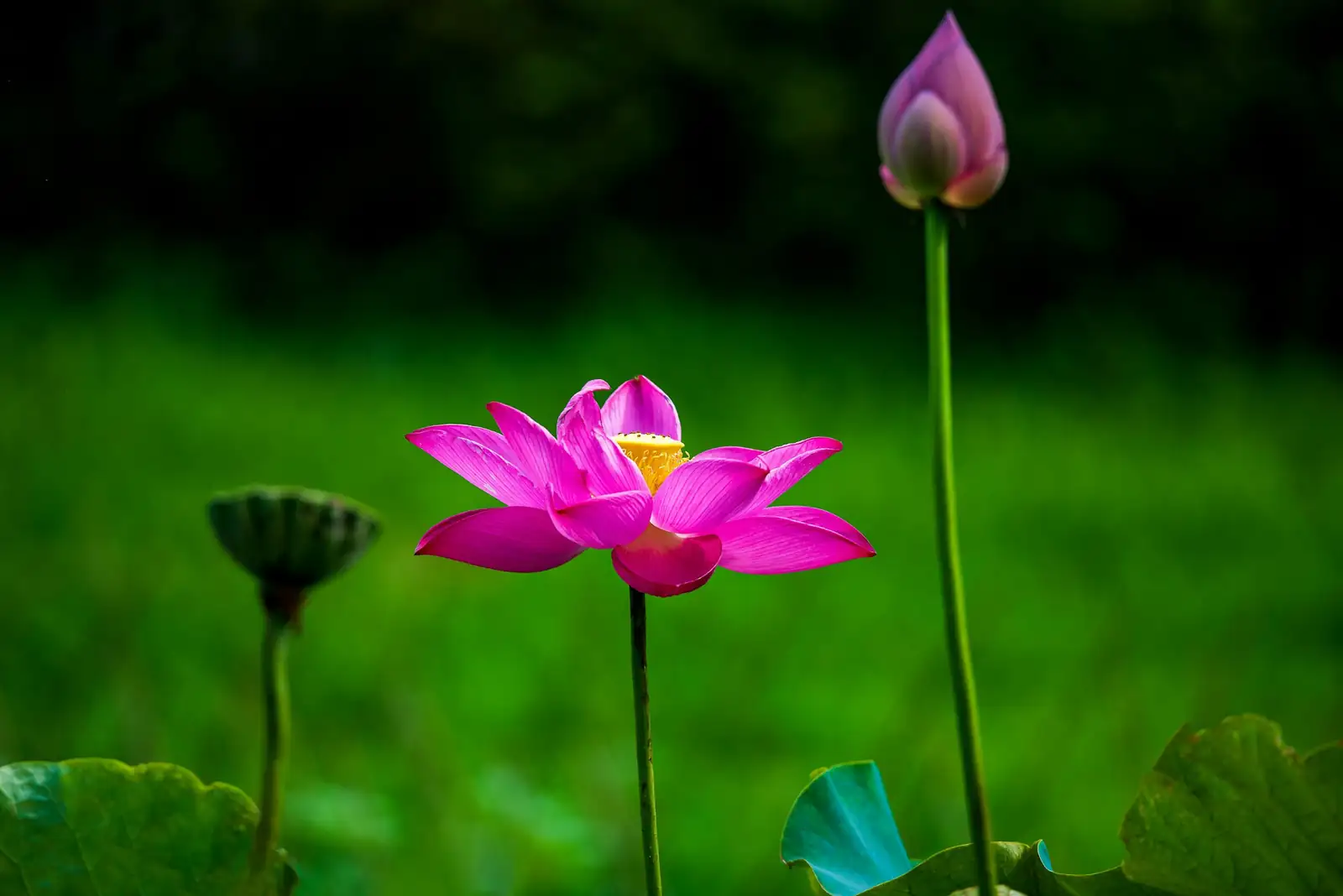
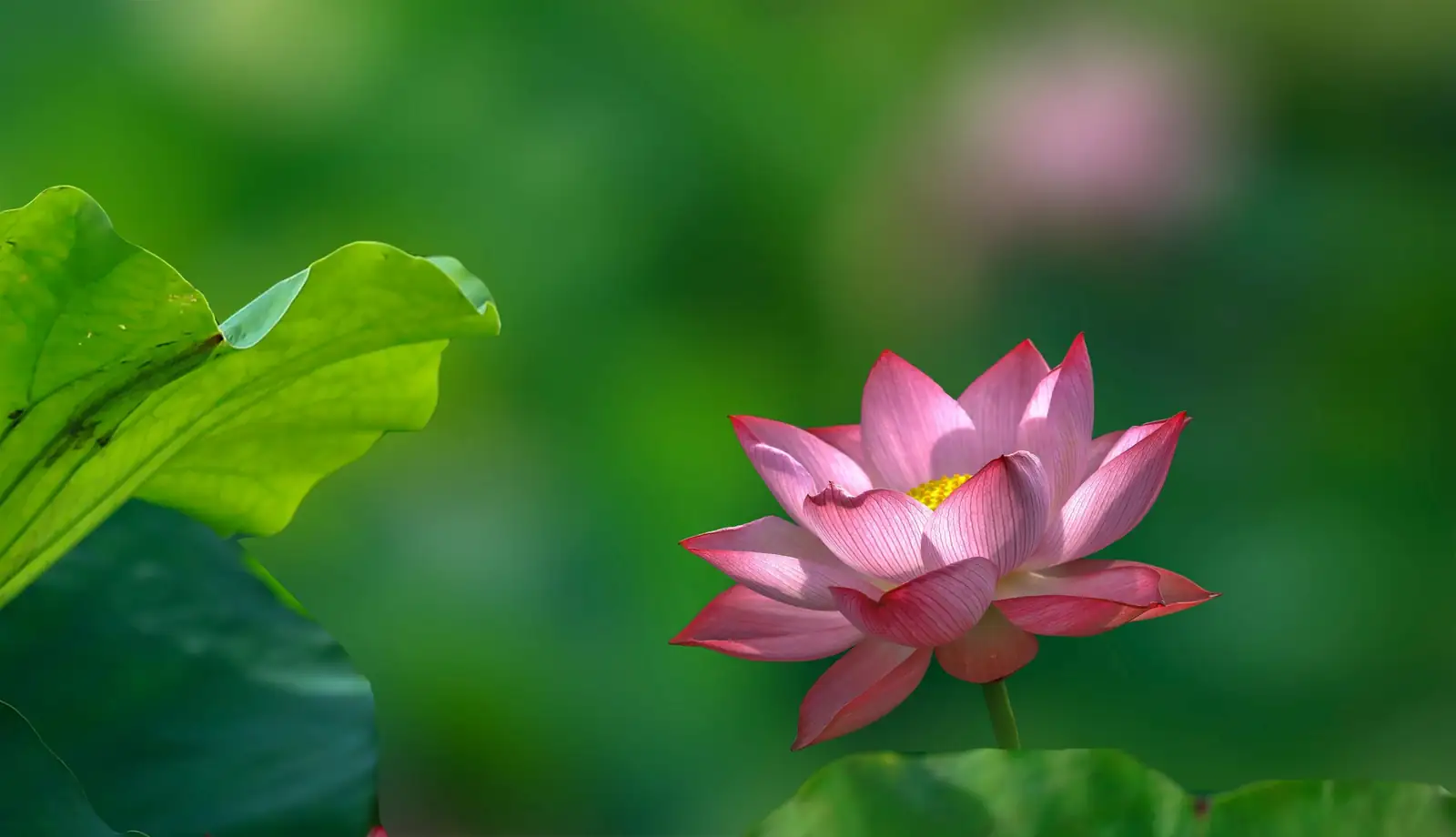
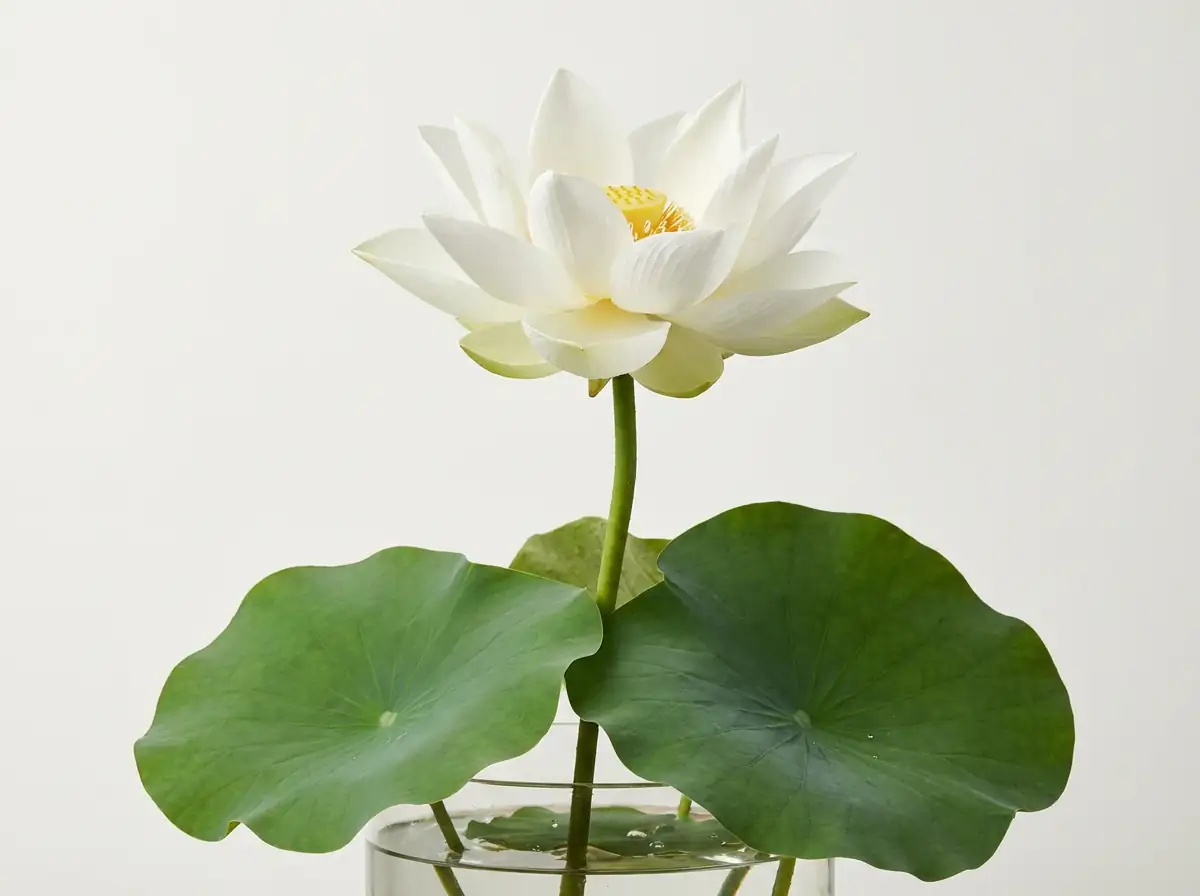
- Flower: Solitary, sweetly fragrant blooms rise above the water on strong stalks. Flowers range from simple single forms to semi-double and fully double varieties, most often in pink or white (cultivars can vary). After flowering, lotus forms its unmistakable seed pod—like a little showerhead with honeycomb-like holes—where the seeds mature.
- Flowering Season: Summer, typically June–September (often June–August in many climates). Individual flowers commonly open in the morning and close by evening, lasting about 3–4 days.
- Growth Habit: Rhizomatous aquatic perennial rooted in mud with an emergent habit: underground rhizomes creep through the substrate, while leaves and flowers rise above the water. It loves warmth and calm, shallow-to-moderate water and dislikes drying out, deep/turbulent flooding, or heavy shade.
Environment
Sunlight
Full sun is best and usually essential—aim for at least 6–8 hours/day. It may tolerate a touch of light shade in extreme heat, but too little sun leads to weak growth and few (or no) flowers.
Temperature
A warm-season plant. Best growth and blooming typically occur around 20–30°C (68–86°F), with especially strong rhizome growth around 24–26°C (75–79°F). For reliable flowering, it generally needs a long warm spell in summer (often roughly 24°C / 75°F or higher for months). In cooler regions it dies back to dormant rhizomes in winter.
Humidity
As an aquatic plant, consistent water is the key “humidity.” Keep it steadily wet/submerged—lotus is very sensitive to drying out. Also avoid prolonged submergence of leaves from overly deep water or strong turbulence.
Soil
Heavy, mud-like soil is ideal: clay or dense loam (often with moderate fertility). Avoid light commercial potting mixes that float. In containers, a heavy substrate with a basal fertilizer works well; soil depth can be modest (about 10 cm / 4 in is often sufficient in tubs).
Placement
Sunny ponds, water gardens, and large patio tubs/containers with a controllable, stable water level. Choose the brightest spot you have; avoid shaded, wind-whipped, or strongly disturbed water features. For small varieties, a wide container around 26 cm (10 in) across can work; avoid narrow or pointed-bottom pots that cramp rhizomes.
Hardiness
Generally hardy with the rhizomes protected from freezing, commonly cited around USDA Zones 4–11 depending on cultivar and how the rhizomes overwinter. In cold winters, keep rhizomes below the freeze line (sink tubs deeper in a pond) or store in a cool, frost-free place; container-grown lotus is more vulnerable to freezing than in-ground pond plantings.
Care Guide
Difficulty
Moderate: lotus is easy once its basics are met (strong sun, warmth, heavy soil, steady water). The main “gotcha” is water management—never let it dry out—and being gentle with fragile growing tips on rhizomes.
Buying Guide
Rhizomes (tubers) are the fastest, most reliable start: choose firm, fresh pieces with plump nodes and an intact, undamaged growing tip (very fragile). If buying an actively growing plant, pick one with healthy upright leaves (minimal tearing/yellowing) and no clear pest or disease damage. Seeds should be hard, dark, and plump; spring is a common time to buy dormant rhizomes.
Watering
Think in water depth rather than “watering.” Keep water covering the soil at all times. In containers, spring depth is often about 6–10 cm (2.4–3.9 in) above the soil, then gradually increase as growth strengthens. Many growers keep standard lotus roughly 15–45 cm (6–18 in) of water above the soil, while dwarf/mini types can be shallower (about 5–30 cm / 2–12 in). Avoid sudden deep, turbulent water that submerges leaves for long periods—and never let the pot dry out.
Fertilization
Feed during active growth with pond/aquatic fertilizer (tablets or granules) or a suitable basal fertilizer in the pot. Start once standing (upright) leaves appear. Continue about every 2–4 weeks through the growing season; many growers increase feeding for lotus compared with hardy waterlilies because lotus is vigorous. Before and during budding, a phosphorus-leaning feed can help (examples from container culture include small, regular doses such as monopotassium phosphate applied on a schedule). Stop fertilizing in autumn so the plant can ease into dormancy.
Pruning
Remove spent flowers and fully yellowed leaves for cleanliness, but avoid cutting stems below the waterline—old stems help move oxygen to the rhizomes. Also avoid picking or injuring healthy leaves in peak growth, since strong foliage drives rhizome development and next year’s performance.
Propagation
Division and seed. Division is usually done in spring as growth begins: carefully separate rhizomes so each piece has an intact growing tip (breaking the tip can delay growth/flowering). Seed propagation is fun but slower: scarify the hard seed coat (file/sand one end), soak in warm water (change daily), and keep around 25–28°C (77–82°F). Seeds often sprout in about a week; under very warm, ideal conditions, seed-grown plants can sometimes flower in their first year.
Repotting
Commonly repotted every 1–3 years (often annually for container lotus) in spring when growth is just starting, especially if the pot is overcrowded or the soil is exhausted. Use a wide, stable container rather than a narrow or pointed-bottom one, and handle new shoots gently.
📅 Seasonal Care Calendar
Spring: floating leaves appear first, then upright leaves; repot/divide and begin fertilizing once upright leaves show; keep water modestly above soil. Summer: peak growth and flowering—full sun, warm water, steady levels, regular feeding, and deadhead spent blooms. Autumn: seed pods may ripen; stop fertilizing; keep water a bit shallower and protect from cold winds/cold snaps. Winter: foliage dies back; rhizomes rest—prevent freezing by keeping rhizomes below the freeze line or overwintering containers in a frost-free location (often above 10°C / 50°F for container culture).
Pests, Diseases & Safety
Common Pests & Diseases
Common pests include aphids, whiteflies, spider mites, and moth/caterpillars (including China mark moth in some regions). Slugs/snails can chew leaves, and fish such as koi may disturb soil or nibble tender growth. Leaf spot/blight can occur, especially in crowded, poorly ventilated setups. Management: keep plants uncrowded, remove badly affected leaves, maintain good water quality, and use controls labeled safe for aquatic/pond use. For caterpillars, Bt products are commonly used; avoid harsh sprays that can harm aquatic life or damage lotus leaves.
Toxicity
Generally non-toxic and widely eaten. Rhizomes (lotus root), seeds, young leaves (often as wrappers), and other parts are used in cooking and traditional preparations. As always, confirm identification and avoid eating any plant that may have been treated with non-food-safe pesticides.
Culture & Symbolism
Symbolism: A classic symbol of purity and inner strength: lotus rises clean and beautiful from muddy water. In Buddhism and Hinduism it’s tied to enlightenment, rebirth, and spiritual awakening; in Chinese culture it also represents integrity and self-discipline.
History & Legends: Lotus has been cultivated across Asia for thousands of years and appears constantly in art, poetry, gardens, and religious imagery. It’s often described as a “living fossil,” with ancient lineages stretching far back in time, and it’s famous for extraordinary seed longevity—some historically recovered seeds have germinated after centuries.
Uses: Ornamental: a centerpiece plant for ponds and container water gardens. Culinary: rhizomes (lotus root) are cooked in stir-fries, braises, and soups; seeds are used fresh or dried in desserts, soups, and lotus paste; leaves can wrap foods; petals are sometimes eaten. Traditional uses: different parts (seeds, seed embryo, leaves, stamens, rhizomes) feature in various traditional preparations.
FAQ
What’s the difference between lotus and water lily?
Lotus leaves are round without a notch and are often held well above the water; lotus flowers also rise above the surface. Water lily leaves usually float and have a distinct notch, and the flowers sit on or near the surface.
Can I grow lotus in a container on a patio?
Yes—especially dwarf and “bowl lotus” types. Use a wide container (often around 26 cm / 10 in or larger depending on the variety), heavy soil that won’t float, full sun, and keep water consistently above the soil.
Why do lotus leaves repel water so well?
The leaf surface has microscopic waxy structures that make it superhydrophobic. Water beads up and rolls off, often taking dust with it—this is the famous “lotus effect.”
Will my lotus die in winter?
The top growth usually dies back, but the rhizomes go dormant and can regrow in spring. The key is preventing the rhizomes from freezing solid—sink the container below the freeze line or overwinter it in a frost-free place.
Fun Facts
- Lotus leaves inspired modern “self-cleaning” materials thanks to the famous lotus effect.
- The seed pod’s showerhead-like shape is so decorative it’s often used in dried arrangements.
- Lotus flowers typically open in the morning and close toward evening for several days.
- Lotus seeds are legendary for long viability—some documented finds have sprouted after centuries.
- Air channels in the stems and rhizomes help move oxygen down to underwater tissues.