Plant Features
- Size: Typically 3–5 m (10–16 ft) tall; can reach about 10 m (33 ft) in favorable conditions.
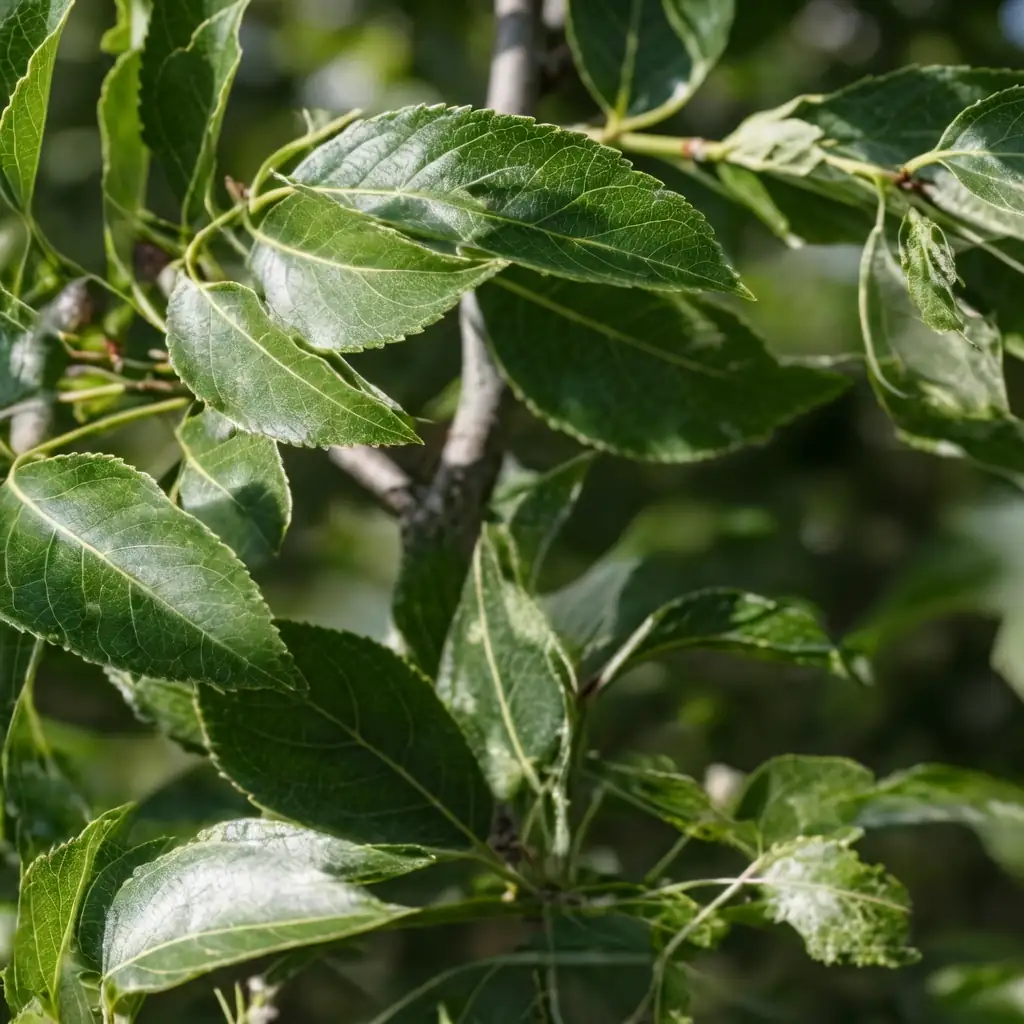
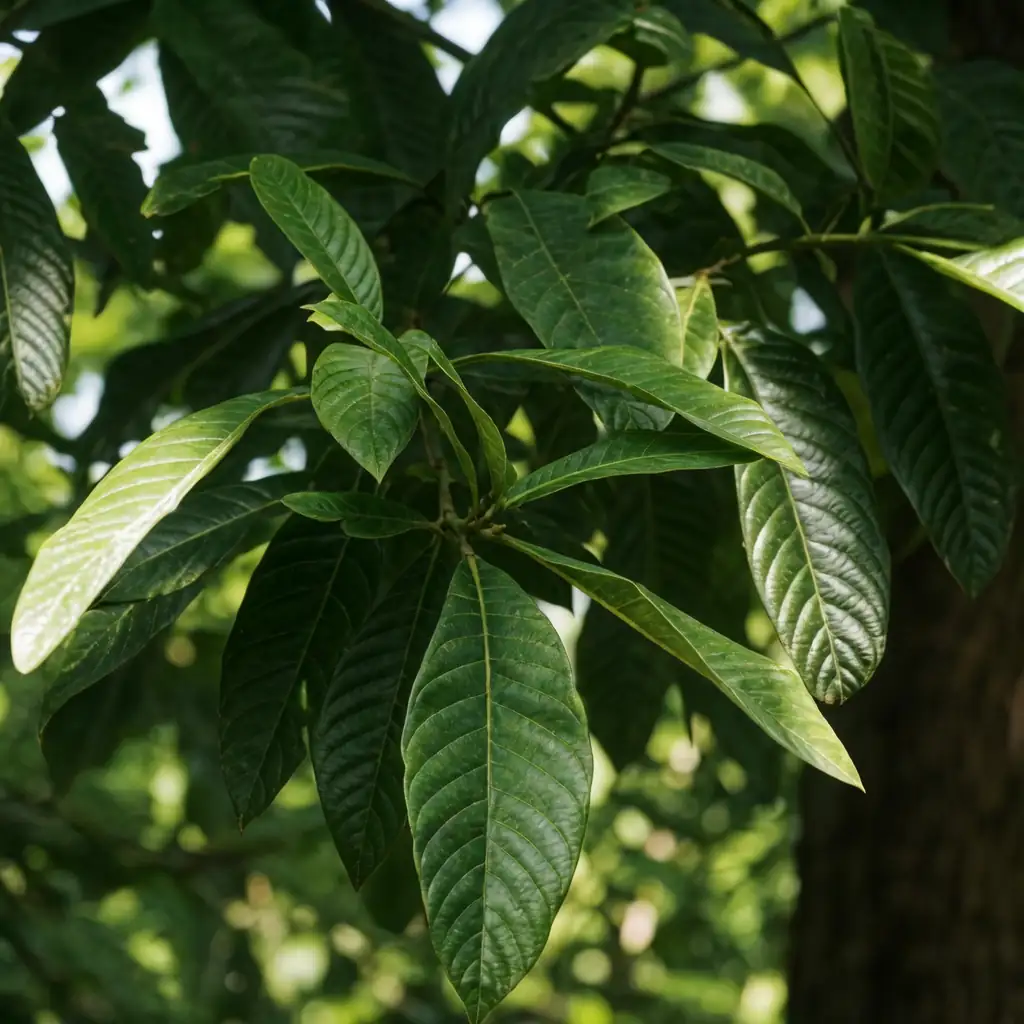
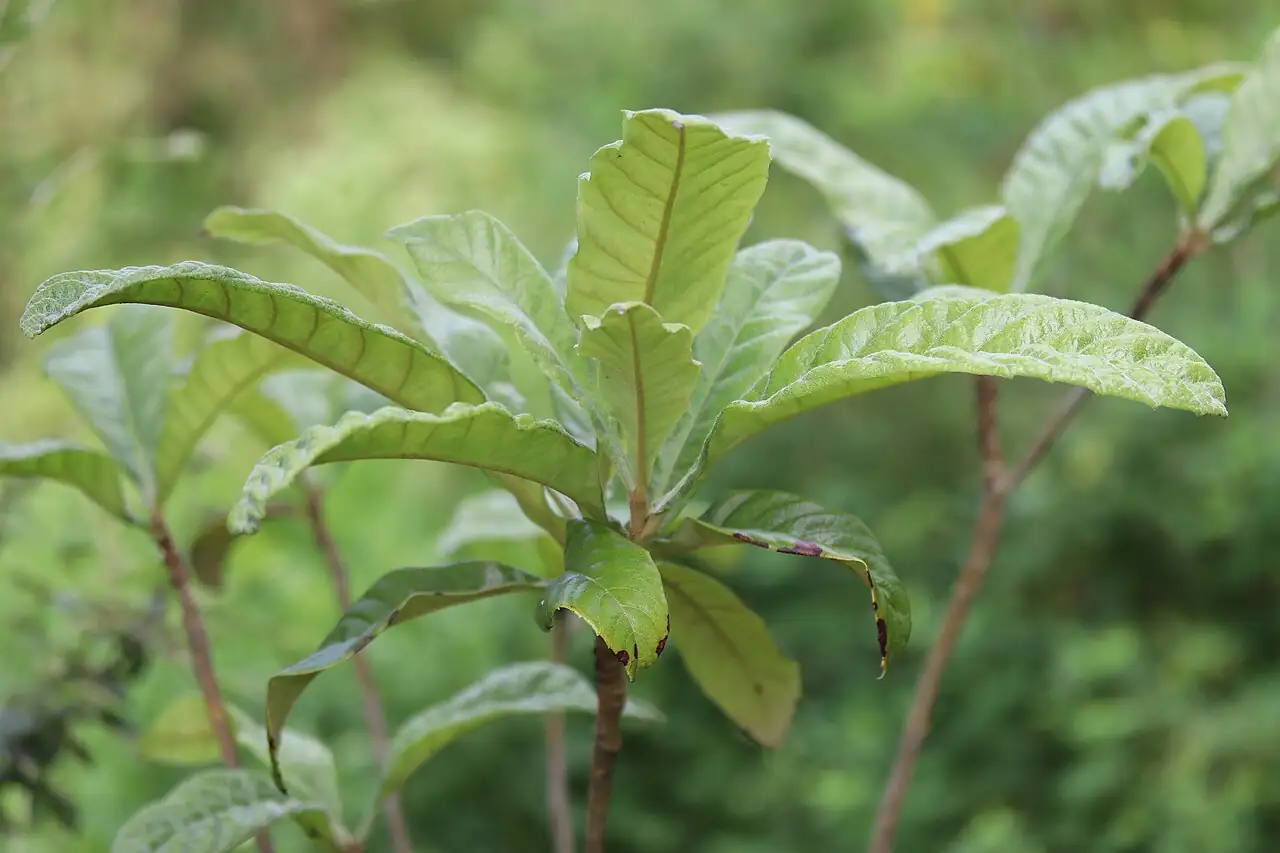
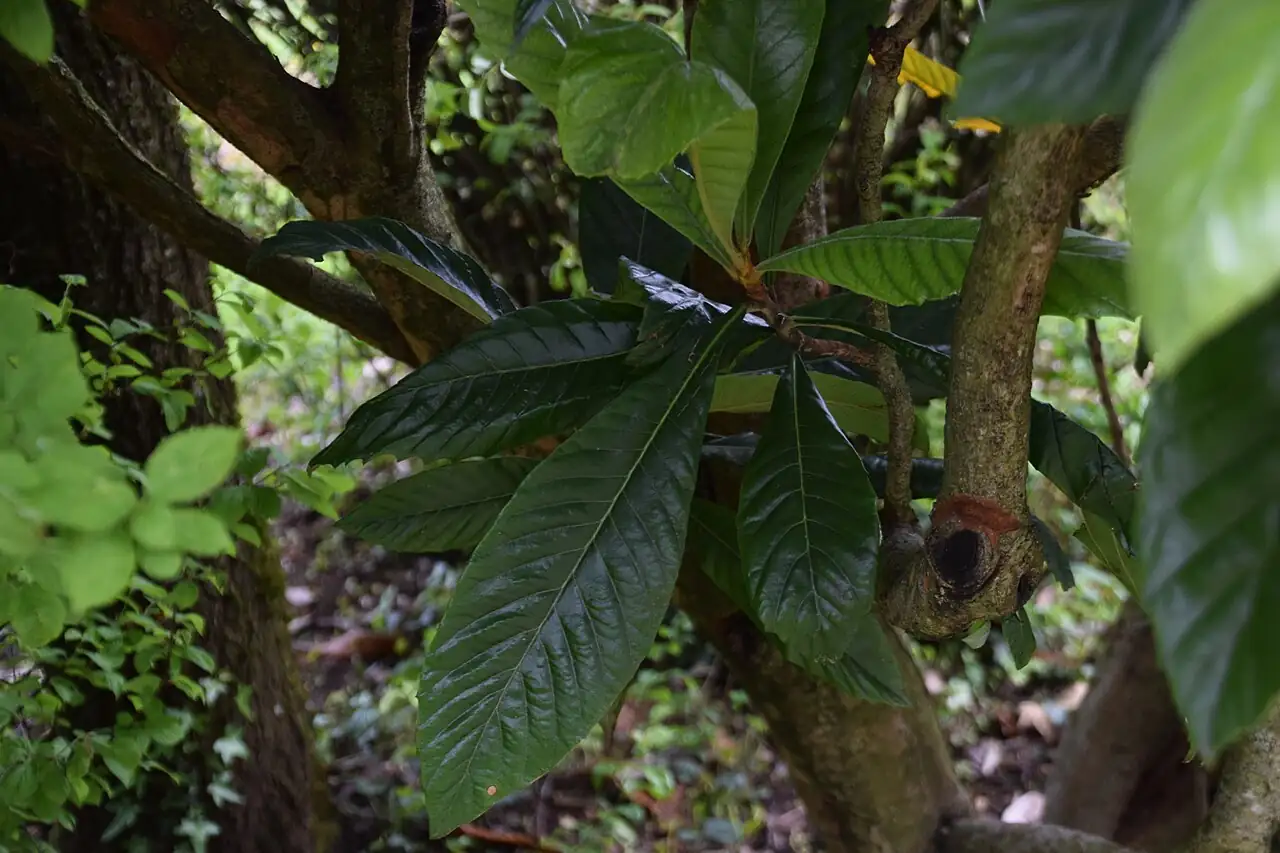
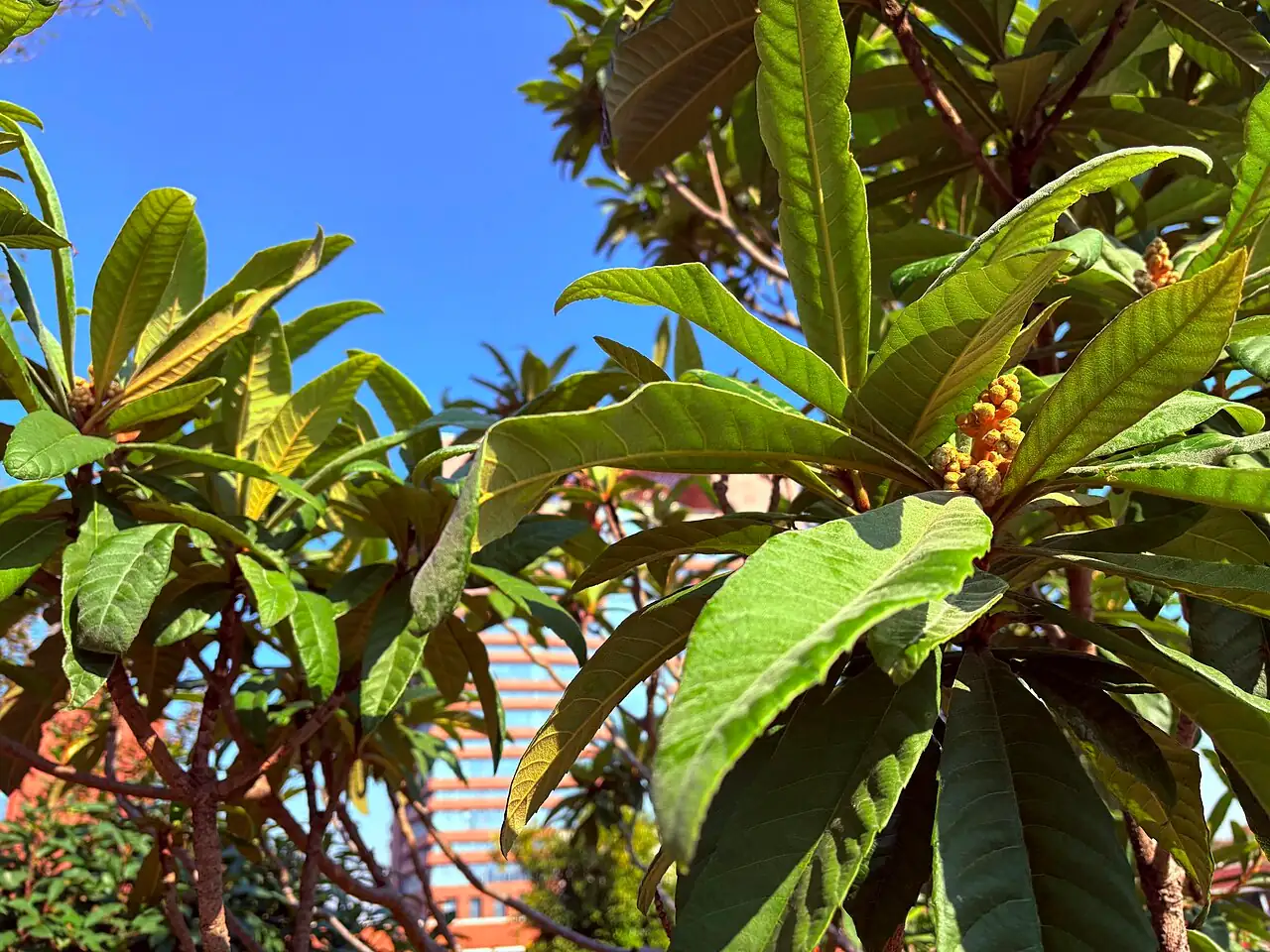
- Foliage: Leaves are thick and leathery, long and lance-shaped, with a glossy, strongly wrinkled/veined upper surface. The margins are sparsely toothed toward the tip and more entire toward the base. Leaf undersides are densely covered with gray-brown felt. Young shoots are stout and yellow-brown, coated in rusty to gray-brown fuzz.
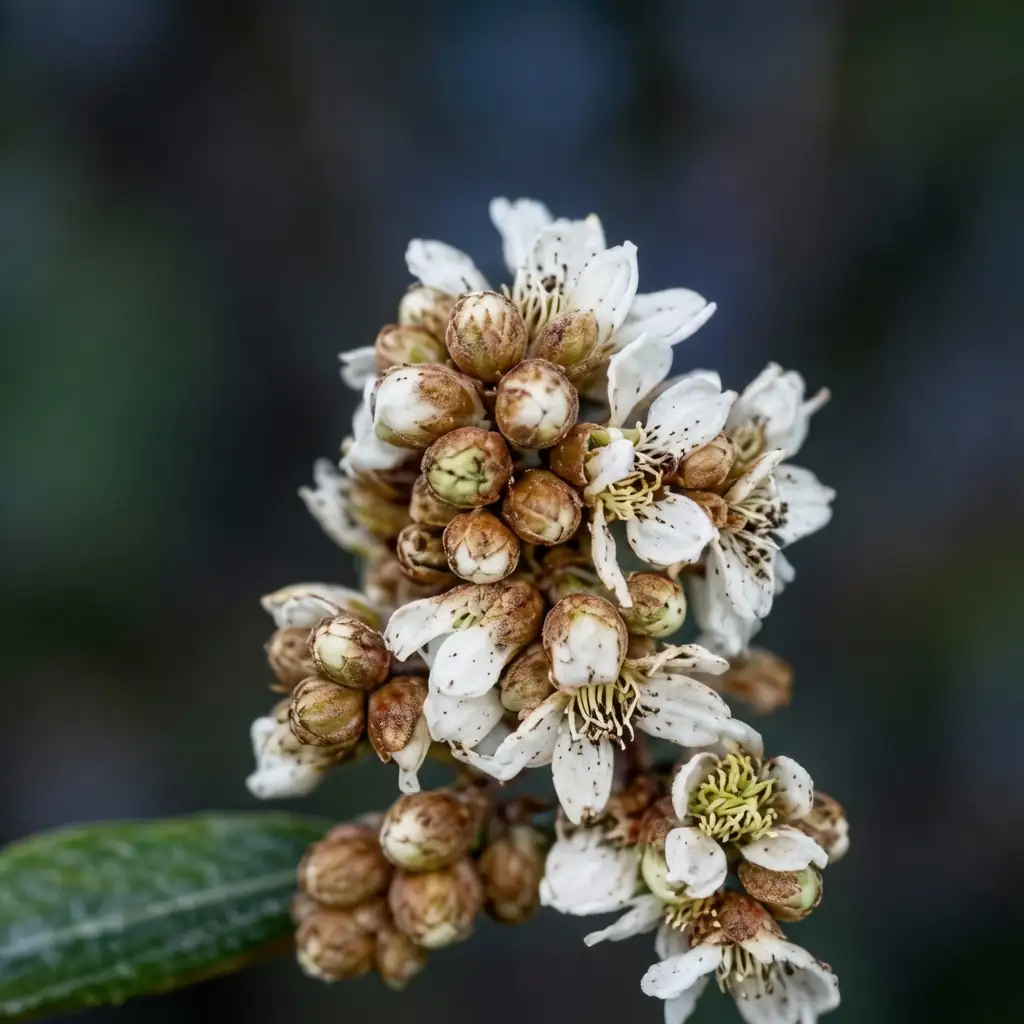
- Flower: Many small, pale flowers appear in dense terminal panicles; flower stalks are heavily covered with rusty felt.
- Flowering Season: October–December
- Growth Habit: Evergreen tree
Environment
Sunlight
Full sun to light shade; fruiting and flowering are best in full sun.
Temperature
Grows best in mild, warm conditions; an average of about 12–15°C (54–59°F) is suitable. It is cold-sensitive: winter lows ideally stay above about -5°C (23°F). During bloom and early fruit set, temperatures preferably remain above 0°C (32°F) to avoid flower/young fruit damage.
Humidity
Prefers warm, humid to moderately humid air. Protect from very dry, hot winds—especially during flowering and fruit set.
Soil
Fertile, well-drained loam is ideal. It tolerates many soil types as long as drainage is good; avoid waterlogged ground.
Placement
Best outdoors in gardens and orchards. In cooler areas, choose a sunny, sheltered site such as a south-facing wall, courtyard, or other frost-protected spot.
Hardiness
Cold-sensitive; damage can occur below about -5°C (23°F), and flowers/young fruit are vulnerable around 0°C (32°F). Commonly grown in mild-winter regions (roughly USDA Zone 8b–10; cultivar and microclimate matter).
Care Guide
Difficulty
Moderate. Straightforward in mild climates, but can be tricky where late frosts regularly hit during winter bloom.
Buying Guide
If you want good fruit, choose a healthy grafted plant rather than a seedling. Look for clean, firm foliage, no scale insects (check stems and leaf undersides), and a nicely branched framework. In cooler regions, buy locally grown stock and select early-ripening or more cold-tolerant cultivars when available.
Watering
Water deeply while establishing. Afterward, keep soil evenly moist but never soggy—especially from flowering through fruit swelling. Let the top few centimeters of soil dry slightly between waterings. Reduce watering in cool winter weather and avoid waterlogging.
Fertilization
Feed in spring with compost or a balanced fertilizer, then feed again after harvest to support next season’s buds. Avoid too much nitrogen, which can encourage leafy growth at the expense of flowers and fruit.
Pruning
Prune lightly after harvest: remove dead, crossing, and crowded branches and keep the canopy open for light and airflow. Avoid heavy autumn pruning, as it can reduce flowering.
Propagation
Most commonly propagated by grafting or budding onto suitable rootstocks for dependable fruit quality. Seed propagation is mainly used for rootstocks or ornamental plants and may not come true to type.
Repotting
For container-grown loquat, repot every 2–3 years in spring into a free-draining mix, stepping up pot size gradually. Refresh the top layer of soil annually; potted trees typically need more frequent watering and feeding than in-ground trees.
📅 Seasonal Care Calendar
Autumn–winter: protect blooms from frost where possible. Spring: thin heavy fruit clusters for larger fruit; keep moisture consistent. Late spring–early summer: harvest when fruits color and soften. Summer: light post-harvest pruning and feeding; monitor for pests.
Pests, Diseases & Safety
Common Pests & Diseases
Watch for scale insects, aphids, and mealybugs; treat with horticultural oil or insecticidal soap and improve airflow. In humid conditions, fungal issues can appear—avoid overhead watering and remove infected leaves/fruit. In some areas, fire blight can be a serious problem; prune out infected shoots well below symptoms and disinfect tools between cuts.
Toxicity
The fruit flesh is edible. Seeds contain cyanogenic compounds and should not be eaten—keep seeds away from children and pets. Leaves are not generally consumed as food (though they have traditional tea/herbal uses after processing).
Culture & Symbolism
Symbolism: Often linked with abundance and a good harvest—an evergreen tree that rewards you with fruit as spring turns to summer.
History & Legends: Cultivated in China for centuries, loquat later spread to many warm-temperate and subtropical regions worldwide as both a fruit tree and an ornamental evergreen.
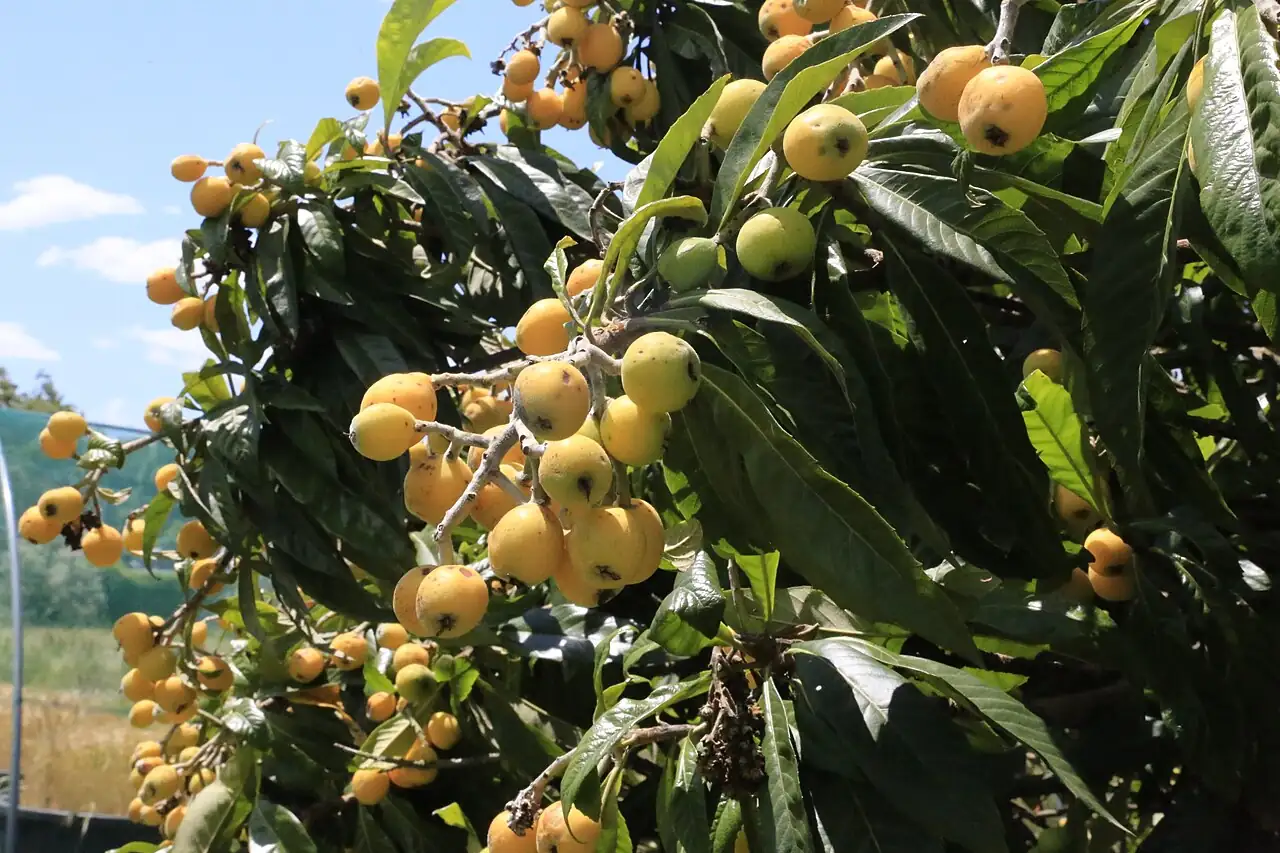
Uses: Fruits are enjoyed fresh and also made into jams, preserves, candied fruit, and fermented drinks. The leaves, once dried and de-fuzzed, have a long history of traditional use—often brewed as teas or used in formulas for soothing cough and phlegm and supporting digestion (traditional use; not a substitute for medical care).
FAQ
Why does my loquat flower but not produce fruit?
The most common reason is cold damage: loquat blooms in late autumn to winter, and temperatures around freezing (0°C/32°F) can injure flowers or tiny developing fruits. Planting in a sunny, sheltered microclimate and protecting blooms during cold snaps can make a big difference.
Can I grow loquat in a pot?
Yes. Use a large container with a free-draining mix, give full sun, and water a bit more often than an in-ground tree. Repot every 2–3 years (spring is ideal) and feed in spring and after harvest.
Are loquat seeds safe to eat?
No. The seeds contain cyanogenic compounds and should not be eaten. Enjoy the fruit flesh and discard the seeds safely.
Fun Facts
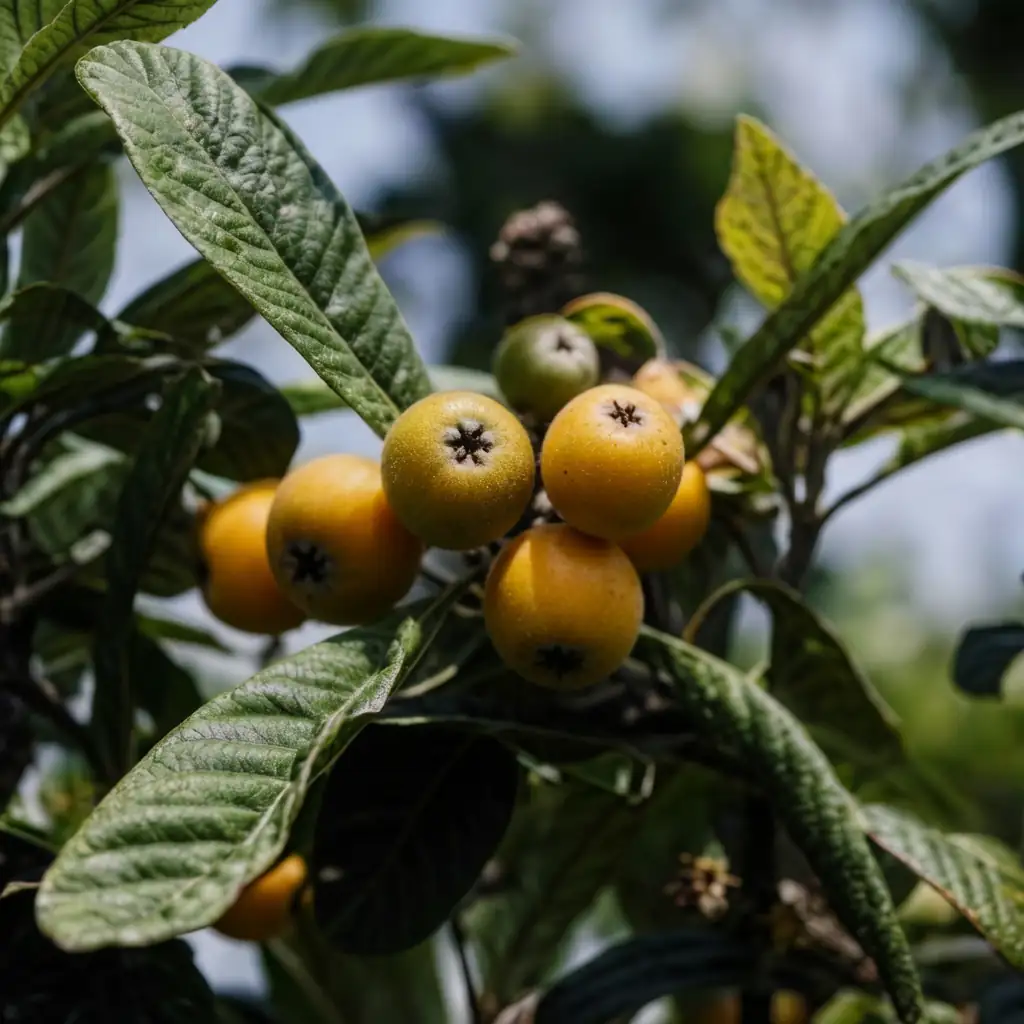
- Loquat is unusual among fruit trees because it flowers in the cool season (often October–December) and ripens in late spring to early summer (often May–June).
- The velvety, felted underside of the leaves helps reduce water loss and shields the leaf from sun and wind.
- Most garden trees stay around 3–5 m (10–16 ft), but old specimens can reach about 10 m (33 ft).
- A healthy loquat that never fruits is often a “frost story,” not a “fertilizer story”—winter bloom is the vulnerable stage.
- Native to China, loquat is now grown widely in warm-temperate and subtropical regions around the world.