

Plant Features
- Size: Typically about 30 cm tall × 45 cm wide (12 in × 18 in), depending on cultivar.
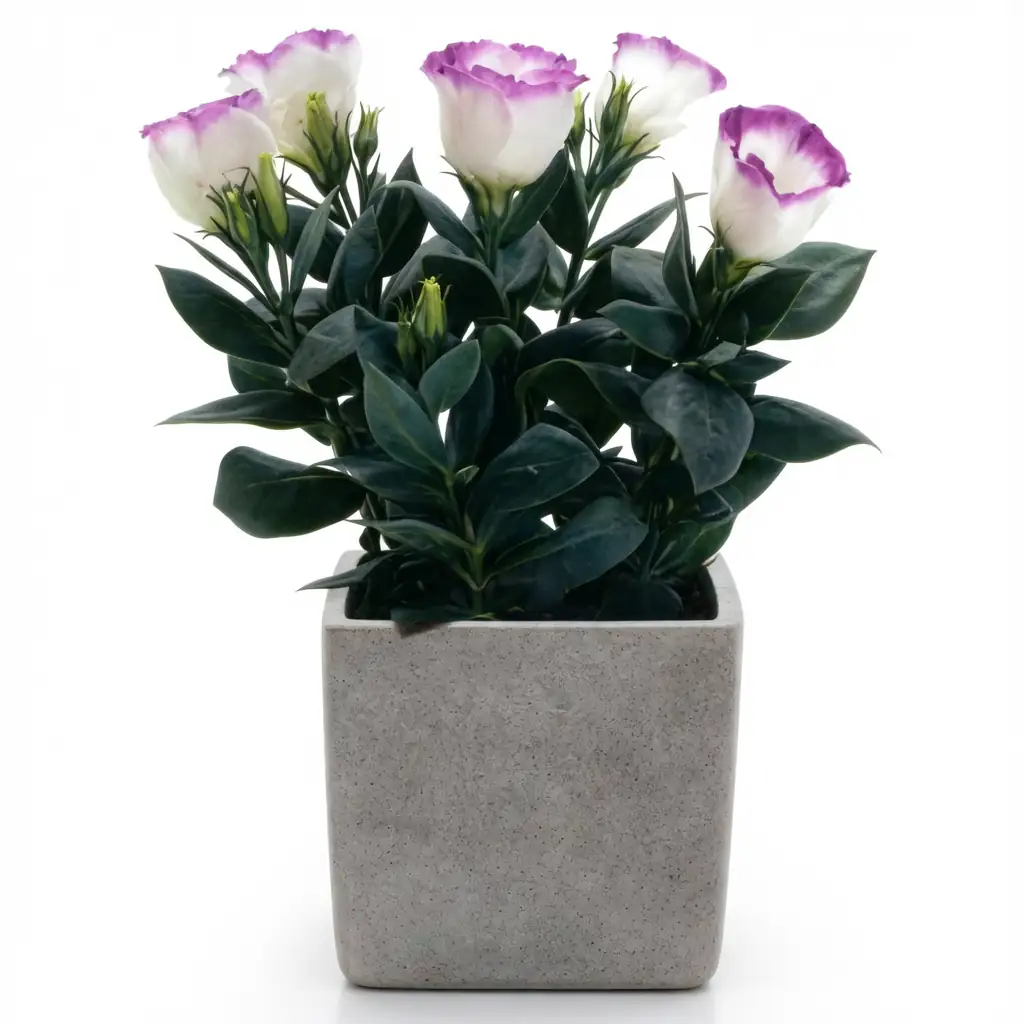
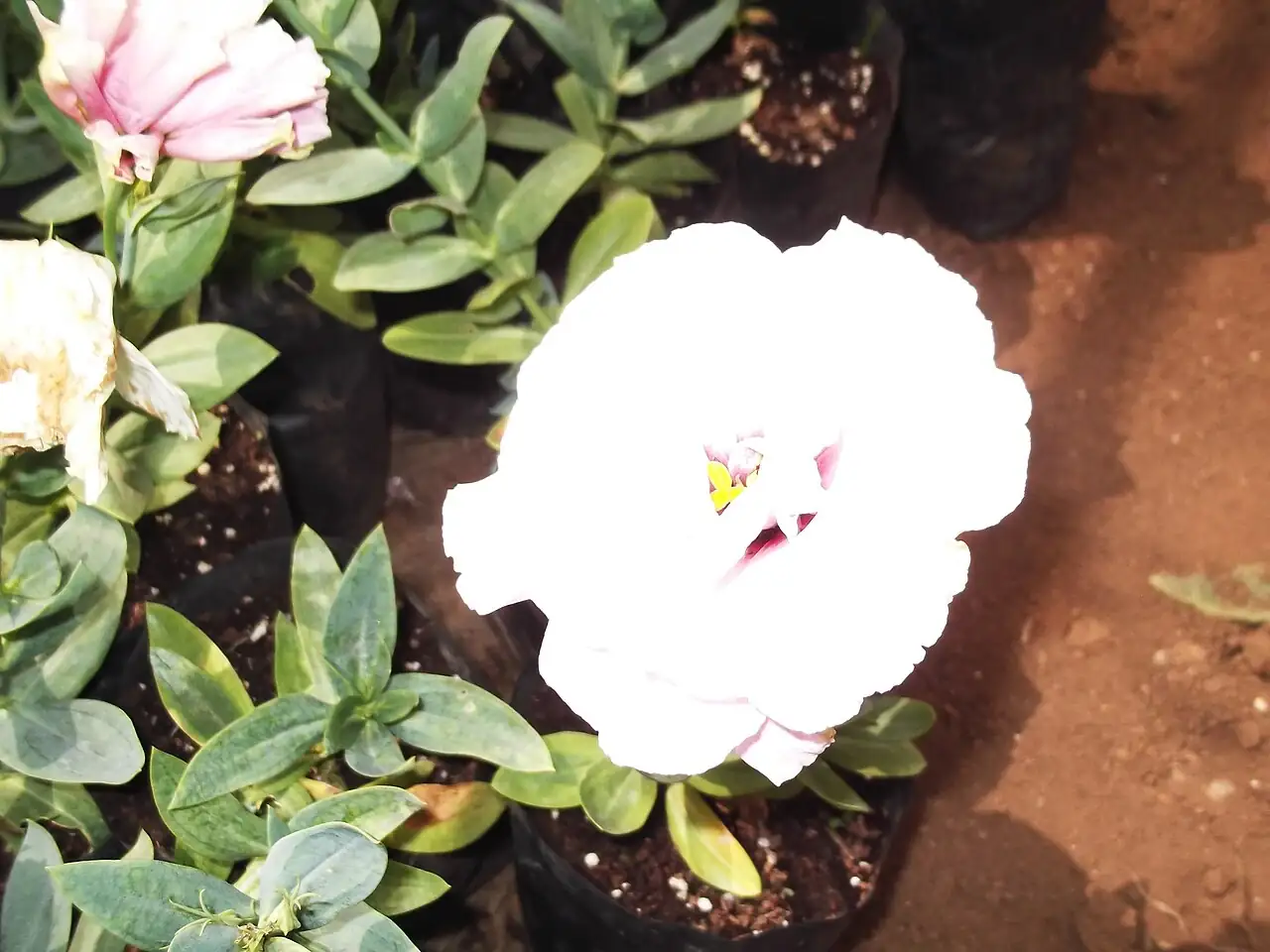
- Foliage: Leaves are smooth and waxy-looking, bluish-green to gray-green, usually oval to lance-shaped, and arranged in opposite pairs along upright stems—handsome even before the buds open.
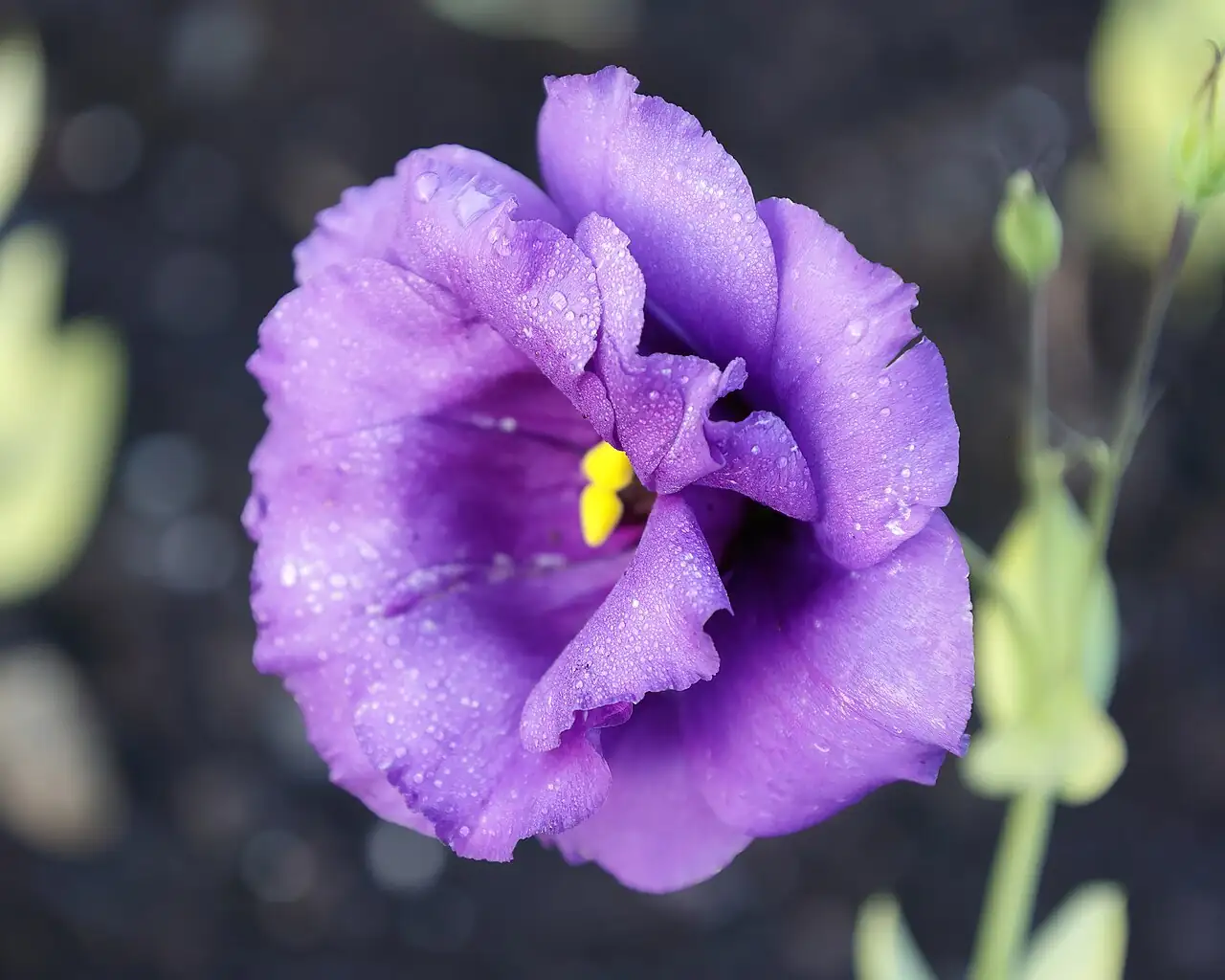
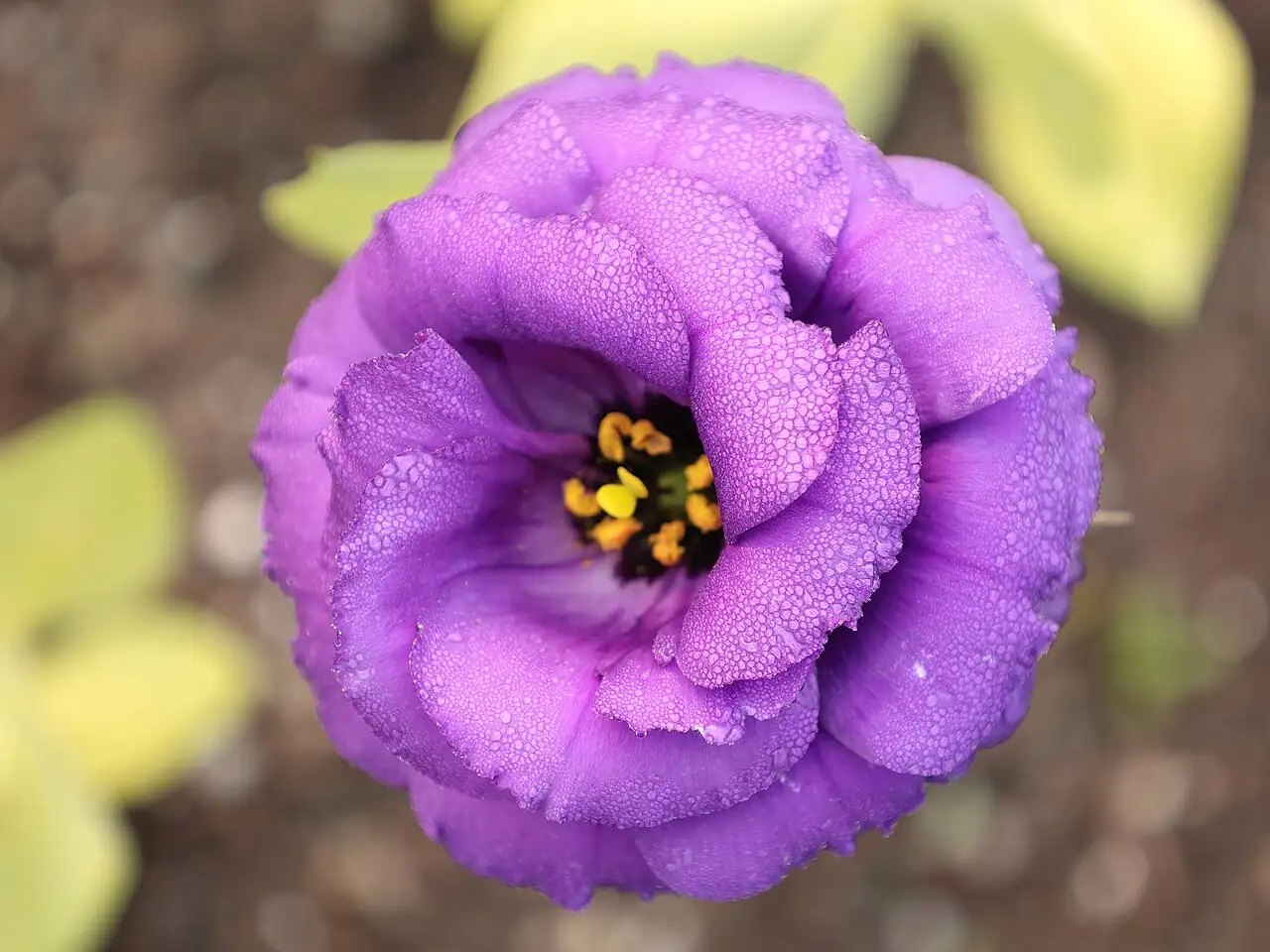
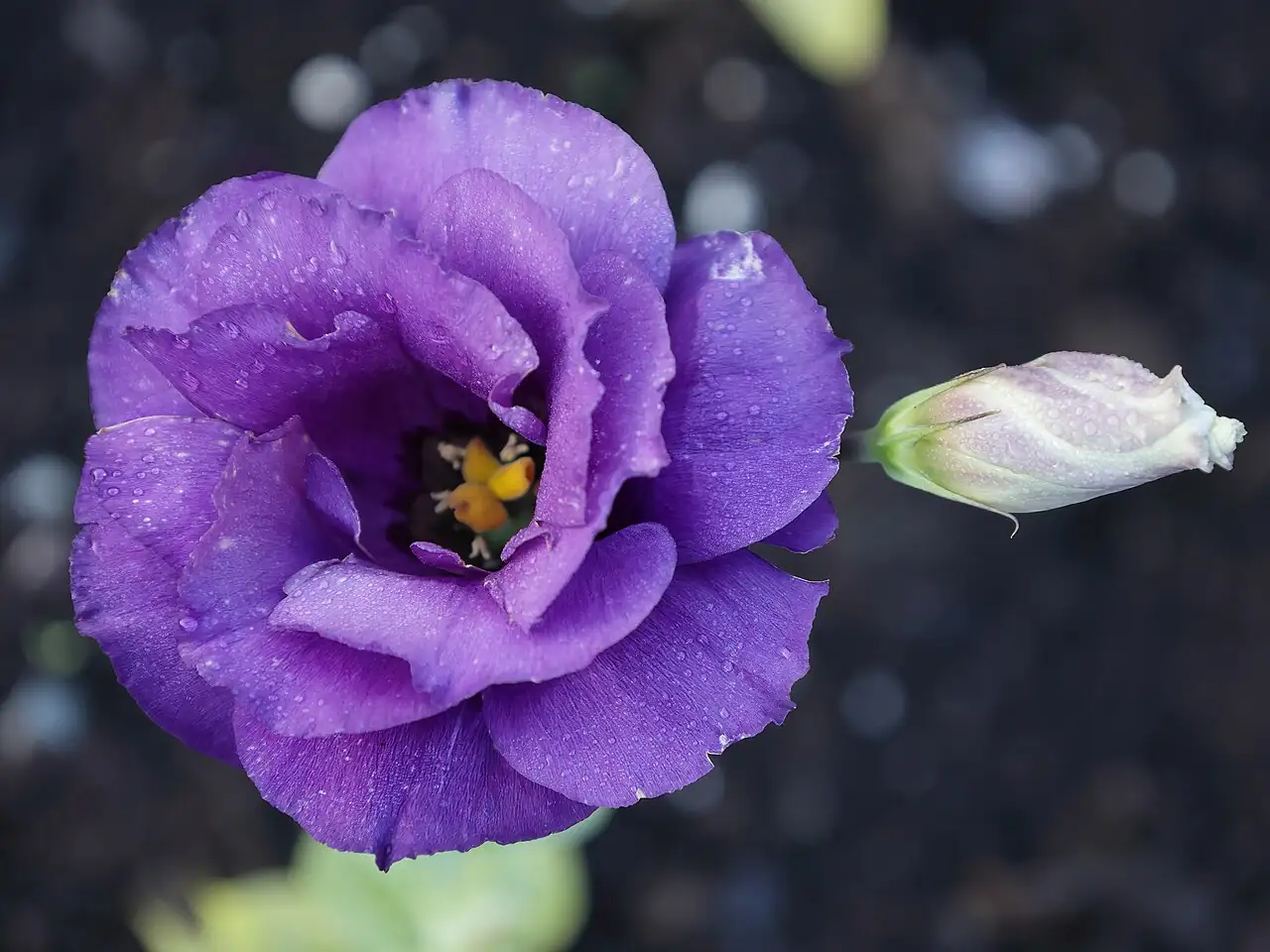
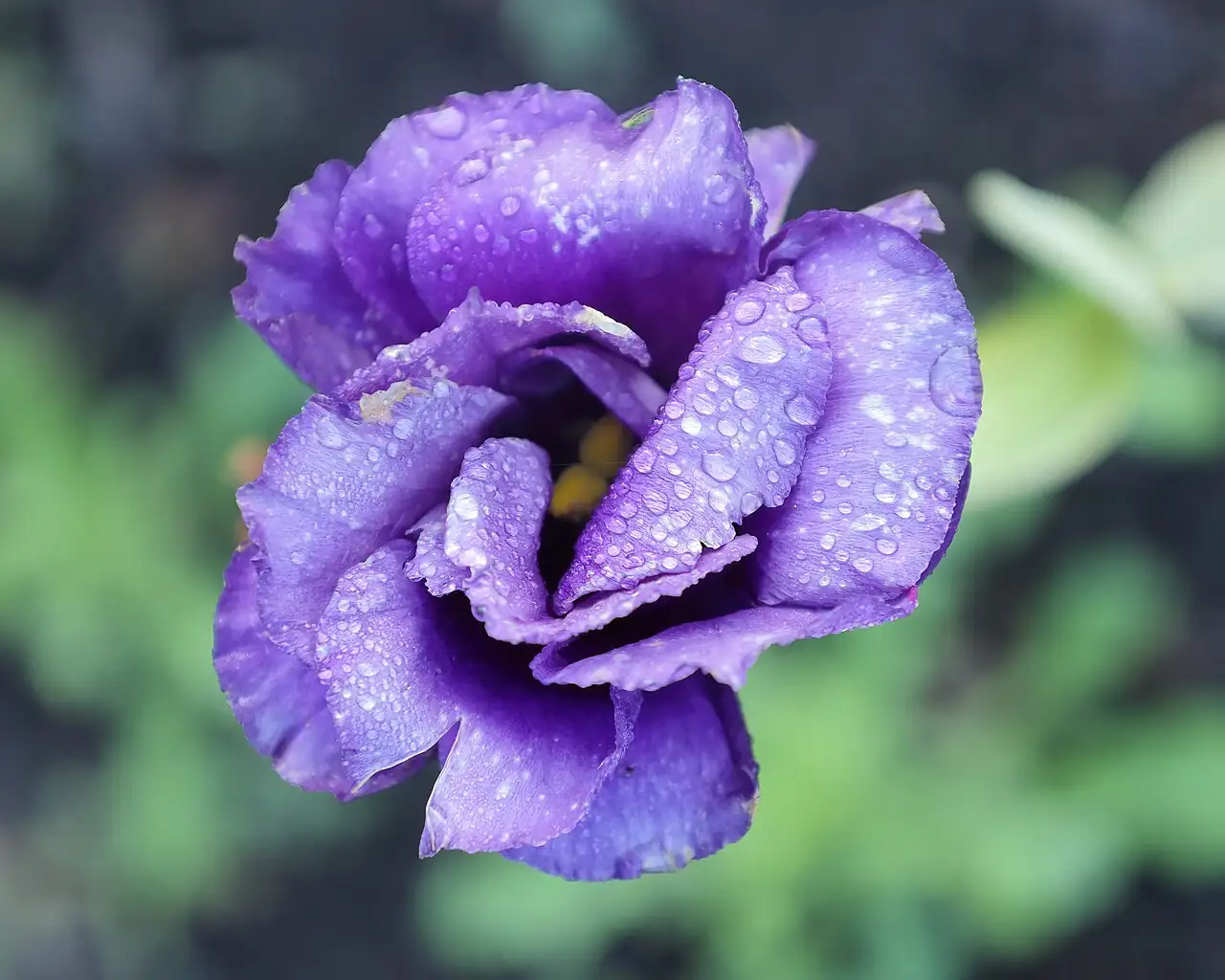
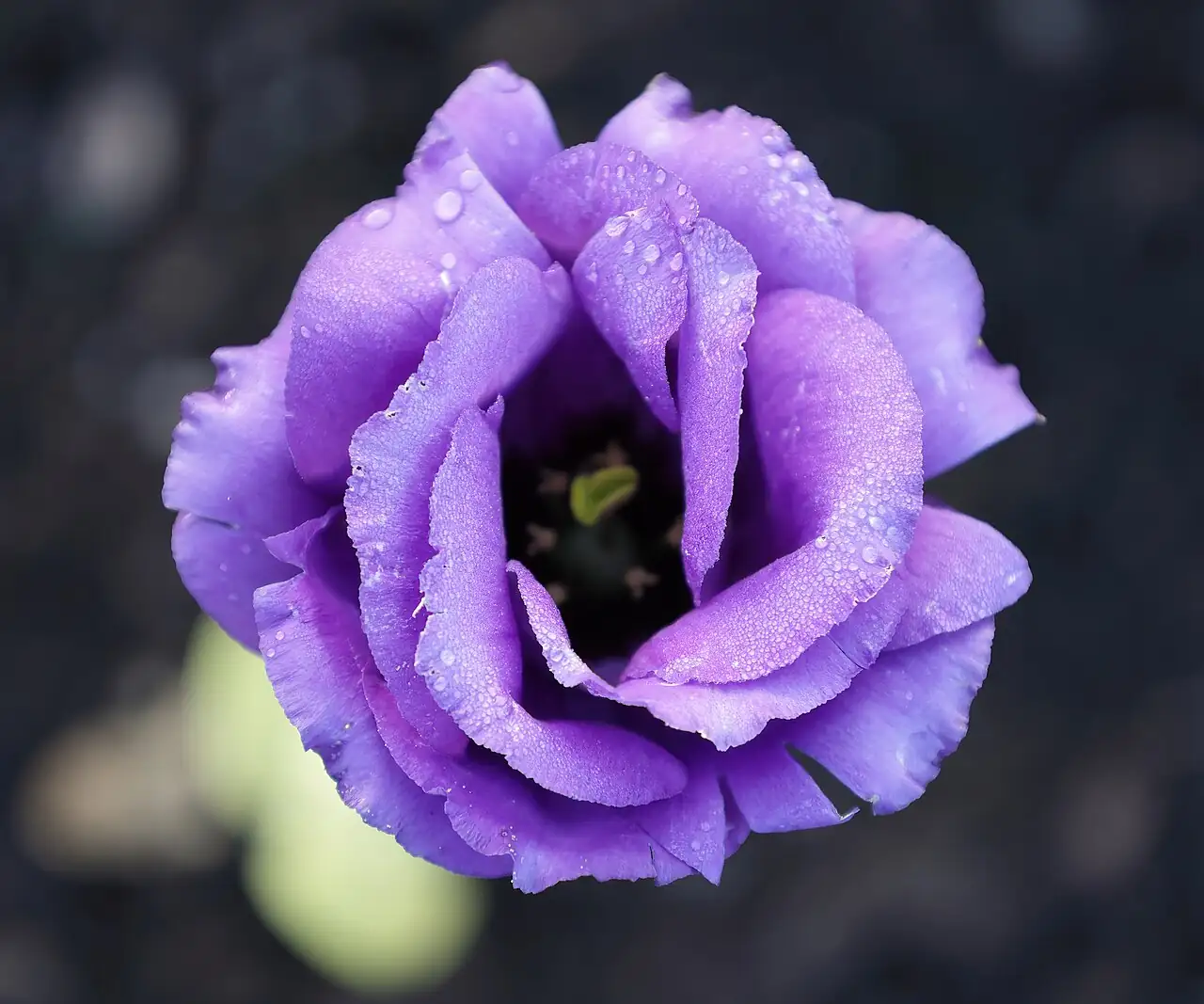
- Flower: Showy, satiny flowers with a cup- to rose-like form; single or double depending on cultivar. Common colors include purple, pink, white, and bicolors. A long-lasting bloom style makes it especially valuable for arrangements.
- Flowering Season: Spring to summer
- Growth Habit: Upright, clump-forming plant; compact cultivars are especially well-suited to containers and can be used for bedding in mild climates.
Environment
Sunlight
Full sun to partial sun. In hot summers, give bright light with some protection from harsh midday sun to keep flowers and foliage looking fresh.
Temperature
Best growth and flowering at 12–24°C (54–75°F).
Humidity
Prefers low to moderate humidity with good air circulation; stagnant, humid conditions can invite pests and disease.
Soil
Free-draining, all-purpose potting mix. Aim for steady moisture—never soggy or waterlogged—to reduce the risk of root/stem rots.
Placement
A very bright indoor spot, or outdoors on a sunny patio/balcony. For containers, a pot about 15–20 cm (6–8 in) wide suits compact plants well.
Hardiness
Commonly grown as an annual. Can be a short-lived perennial in mild climates (about USDA Zone 8–10) but is not reliably frost-hardy.
Care Guide
Difficulty
Easy, especially when treated as a seasonal potted plant for spring–summer display.
Buying Guide
Pick compact, well-branched plants with firm, healthy blue-green foliage and lots of unopened buds (more buds usually means a longer show). Compact cultivars are sometimes sold for outdoor bedding. For the strongest display, many gardeners simply buy fresh plants each year.
Watering
From spring through autumn, keep the mix evenly moist. Water thoroughly, then let the surface dry slightly before watering again. Avoid constantly wet soil, which can trigger fungus gnats and rot problems.
Fertilization
From spring through autumn, feed every 2 weeks with a high-potassium (bloom) fertilizer to support continuous flowering.
Pruning
Pinch out shoot tips in spring to encourage bushier growth and more flowering stems. Deadhead regularly (remove spent blooms) to prolong the flowering period and keep plants tidy.
Propagation
Most home growers treat lisianthus as seasonal and replace it annually. Propagation is typically by seed (or commercial plugs). Seed raising can be slow and usually needs warmth and light for best results.
Repotting
Grow in an all-purpose potting mix in a 15–20 cm (6–8 in) pot. Repot only if rootbound, and keep root disturbance minimal.
📅 Seasonal Care Calendar
Spring: pinch tips, begin regular feeding, and keep evenly moist. Spring–autumn: maintain steady moisture (not waterlogged) and feed every 2 weeks with a high-potassium fertilizer. Summer: protect from intense midday sun, continue watering and deadheading. While in bloom: remove faded flowers promptly; many people replace plants annually for the best performance.
Pests, Diseases & Safety
Common Pests & Diseases
May attract aphids, thrips, and spider mites; fungus gnats can appear if the potting mix stays too wet. Root and stem rots are the main disease concern when drainage is poor. Provide airflow, avoid overwatering, and promptly remove faded blooms to help prevent problems.
Toxicity
Generally regarded as non-toxic to people and pets, though nibbling may still cause mild stomach upset in sensitive individuals.
Culture & Symbolism
Symbolism: Often linked with appreciation, gratitude, and elegance—perfectly matching its refined, rose-like blooms and popularity in bouquets.
History & Legends: Native to warm regions and prairies of the Americas, lisianthus has been intensively bred into modern florist varieties with bigger, longer-lasting blooms and a broad color range—helping it become a cut-flower staple worldwide.
Uses: Primarily grown as a high-end cut flower for floral design. Also enjoyed as a bright seasonal houseplant or patio/container plant; compact forms can provide spring and summer color in mild-climate gardens.
Fun Facts
- Despite the common name “Prairie Gentian,” lisianthus isn’t a true gentian—though it does belong to the gentian family (Gentianaceae).
- Double-flowered cultivars often resemble small roses, yet they typically last longer in a vase than many rose varieties.


