

Plant Features
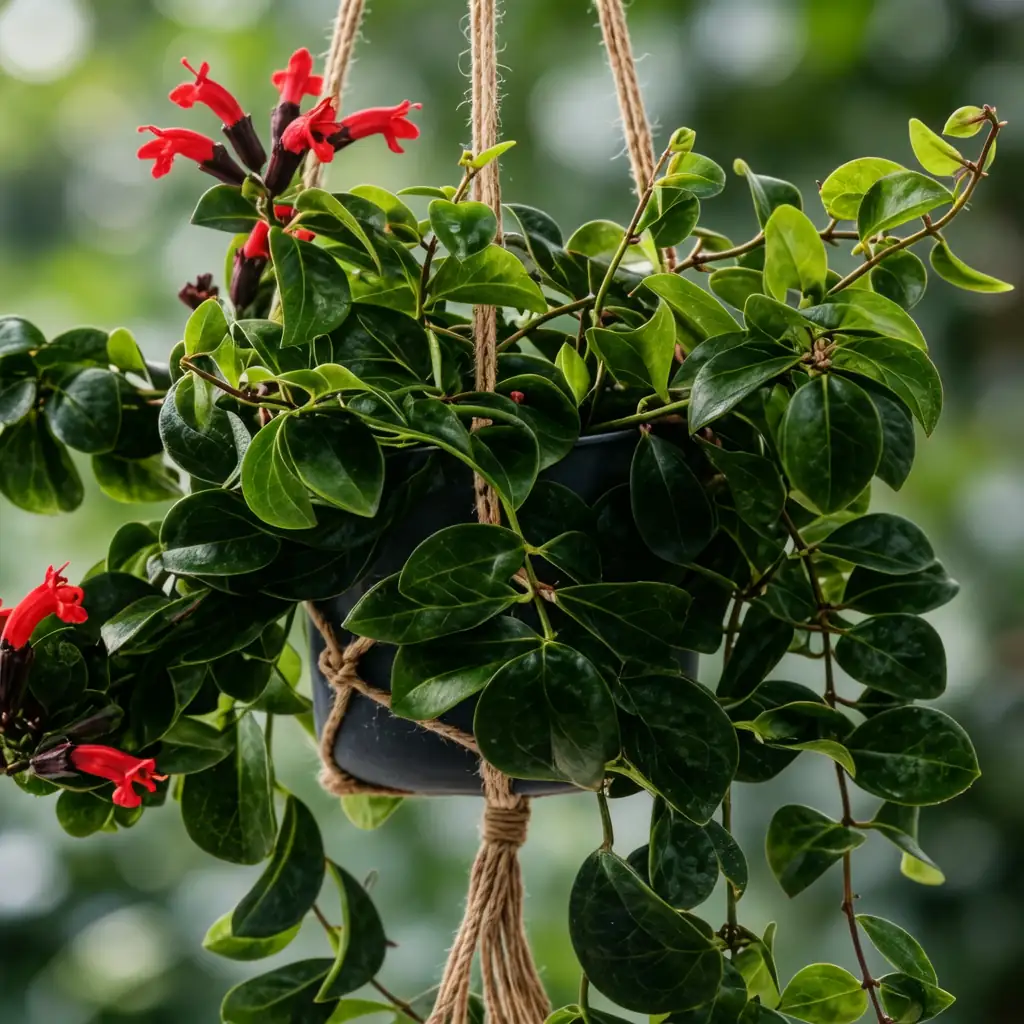
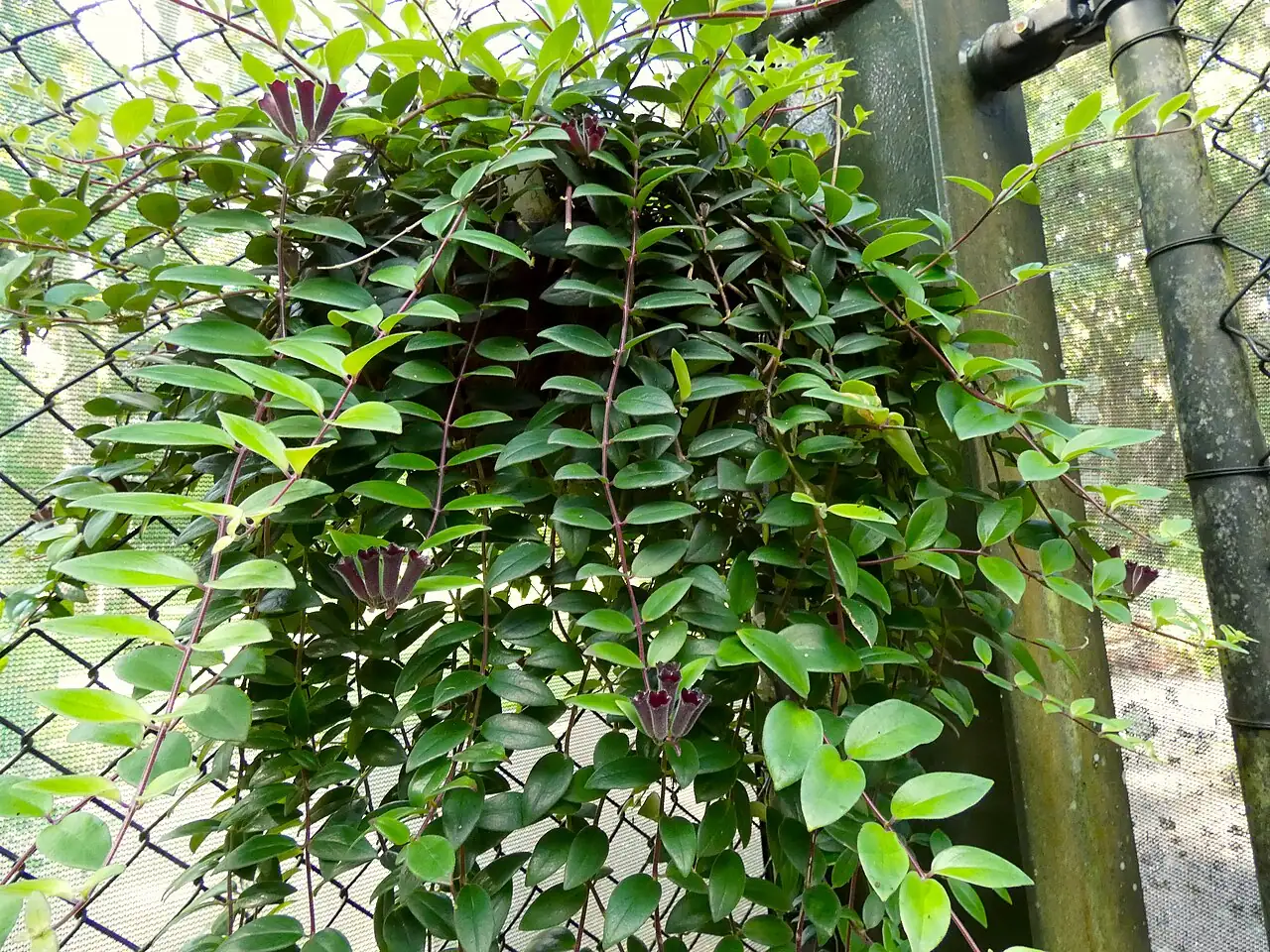
- Size: Typically about 20 cm (8 in) tall, with trailing stems reaching around 70 cm (28 in) long.
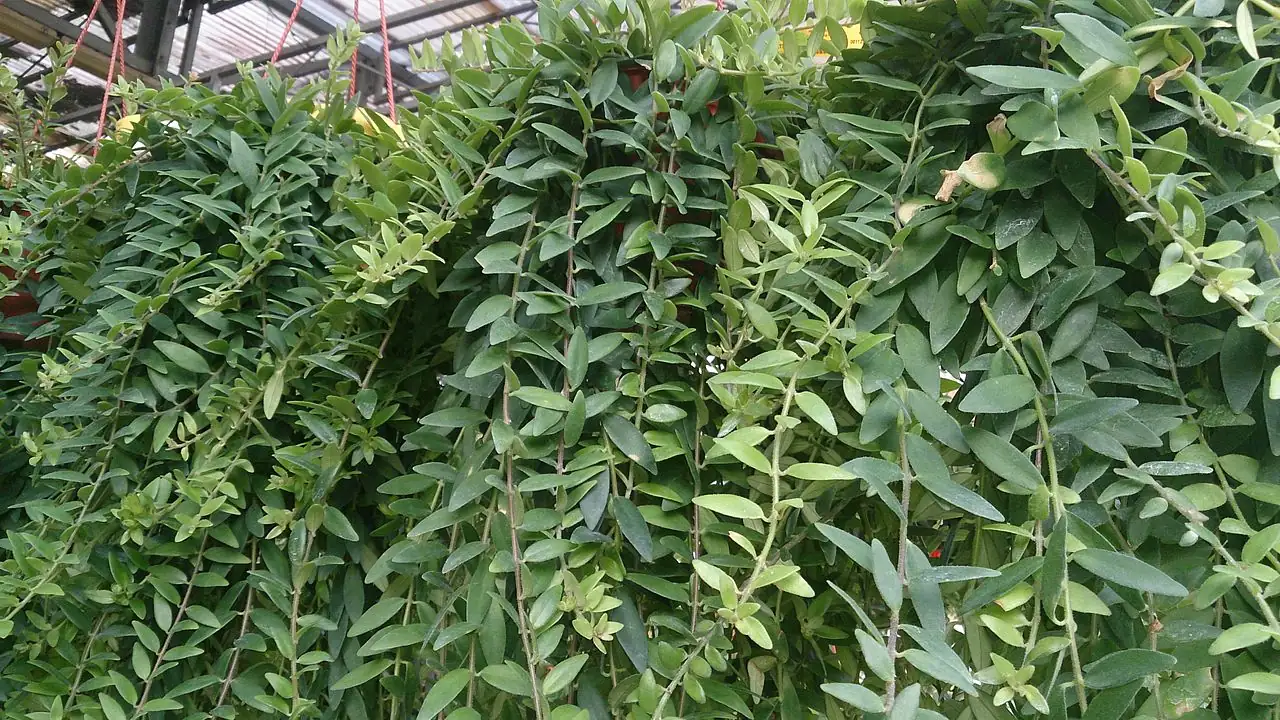
- Foliage: Cascading, vining stems densely lined with fleshy, glossy green leaves that stay attractive year-round and give the plant a slightly succulent look.
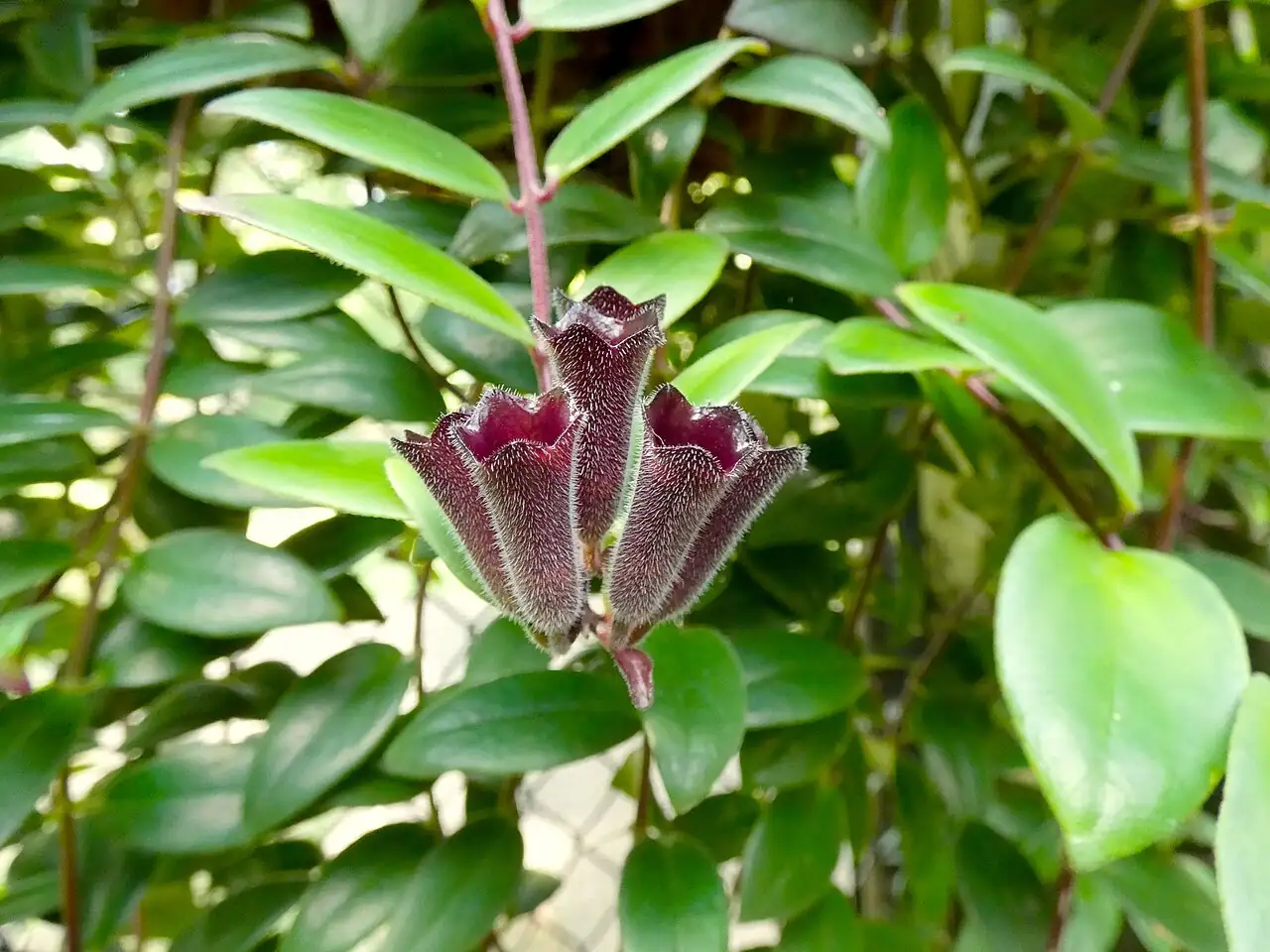
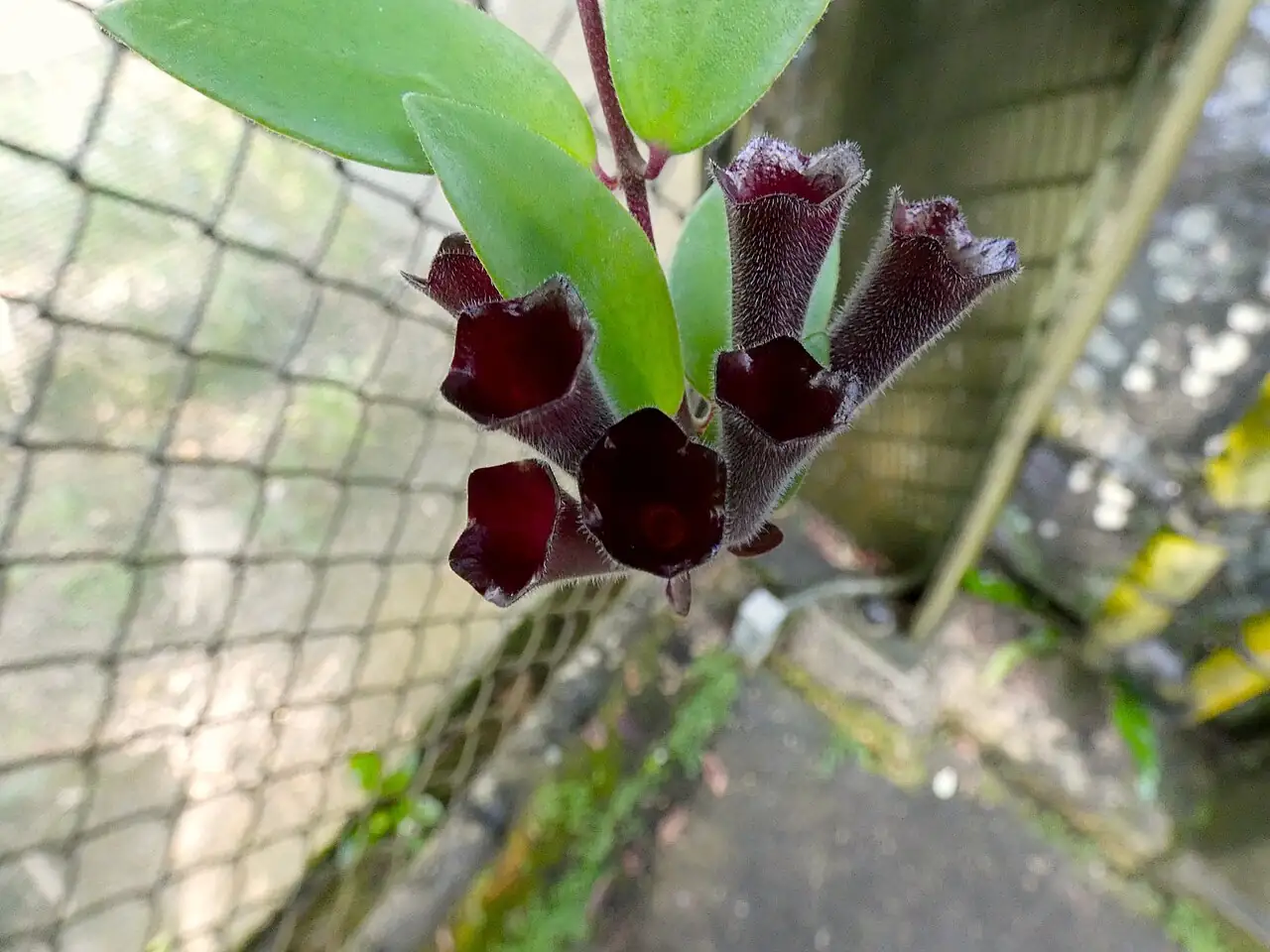
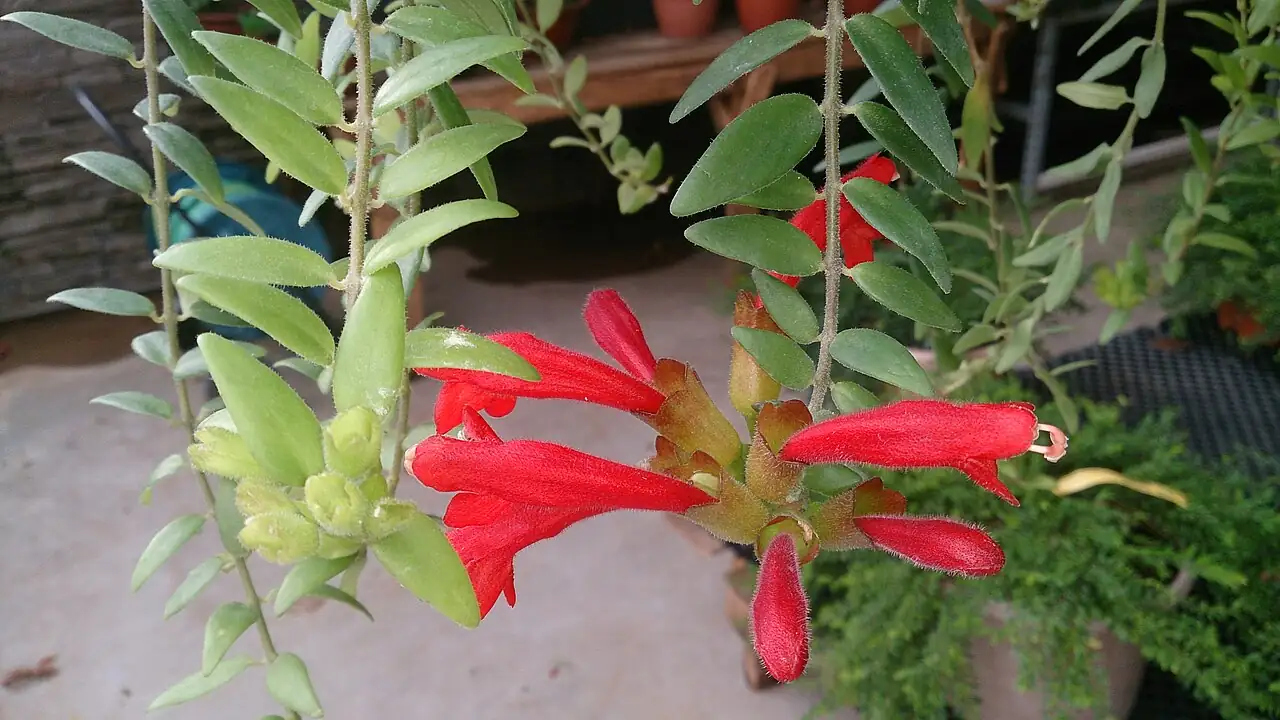
- Flower: Showy, bright red tubular flowers that emerge from deeper-colored tubular calyces, creating the classic “lipstick” effect.
- Flowering Season: Summer (often late spring through summer indoors with good light).
- Growth Habit: Trailing/vining; naturally hangs and drapes, making it ideal for baskets, shelves, and elevated planters.
Environment
Sunlight
Bright, indirect light is best. It can take a little gentle sun, but avoid harsh direct midday sun (especially through glass), which can scorch leaves and reduce bloom quality.
Temperature
18–27°C (64–81°F) is ideal. Avoid prolonged temperatures below about 15°C (59°F).
Humidity
Moderate to high humidity; around 50–70% is ideal, especially in heated or air-conditioned homes.
Soil
Use an airy, fast-draining mix to mimic its epiphytic lifestyle (for example, a peat/coco-based potting mix amended with sand and perlite at about 4:1:1). Always use a pot with drainage holes and avoid heavy, water-holding soils.
Placement
Hanging basket near an east-facing window, or a few feet back from a bright south/west window. Keep out of strong, direct sun and away from cold drafts.
Hardiness
Not frost-hardy; best as a houseplant. Outdoors only in warm climates (roughly USDA Zone 11–12) or as a protected container plant.
Care Guide
Difficulty
Easy—especially if you get the light and drainage right. It’s forgiving, but it strongly dislikes sitting wet.
Buying Guide
Pick a plant with firm, glossy leaves and healthy, green stems. Avoid any with blackened stem bases, limp foliage, or a sour smell from the pot (often a sign of soggy soil). Check leaf undersides and stem joints for pests before purchasing.
Watering
Spring to autumn: water when the surface of the mix feels dry, using lukewarm rainwater or distilled water if possible. Winter: reduce watering and keep it slightly drier, never letting the pot stay wet. If indoor air is dry, mist lightly every 1–2 days or use a humidity tray/humidifier (aiming for steady humidity rather than soaking the leaves).
Fertilization
Spring and summer: feed about once a month with a balanced liquid fertilizer at half strength to support leafy growth and flowering.
Pruning
After flowering, pinch or trim back long stems to encourage branching and a fuller, denser cascade. Remove weak, bare, or damaged growth to keep the plant tidy and vigorous.
Propagation
Very easy from stem cuttings. Take 8–12 cm (3–5 in) cuttings, strip the lower leaves, and root in water or in a moist, airy mix. Keep warm and humid until roots form, then pot up gently.
Repotting
Prefers being slightly root-bound. Repot in spring only when clearly root-restricted, moving up just one pot size (about 2–5 cm (1–2 in) wider) and refreshing the airy mix.
📅 Seasonal Care Calendar
Spring–autumn: keep warm and in bright indirect light; water when the surface dries. Spring: repot only if tightly root-bound. Spring & summer: fertilize monthly at half strength. Winter: reduce watering and keep slightly drier. Year-round: maintain moderate humidity and good airflow, and avoid waterlogged soil.
Pests, Diseases & Safety
Common Pests & Diseases
Most common issues are mealybugs, aphids, and spider mites—especially when indoor air is dry. Overwatering and poor drainage can cause stem/root rot (often seen as blackening near the base). Improve airflow, let the mix dry slightly between waterings, and treat pests with insecticidal soap or horticultural oil as needed.
Toxicity
Generally considered non-toxic to cats and dogs. Still, chewing any houseplant may cause mild stomach upset, so it’s best to keep it away from persistent nibblers.
Culture & Symbolism
Symbolism: A cheerful “pop of color” plant—often associated with warm affection and bringing brightness to the home thanks to its lipstick-like blooms.
History & Legends: Because it naturally lives as an epiphyte in humid forests, it adapted perfectly to life in pots and hanging baskets. It has been a longtime indoor favorite, with many cultivated forms grown for fuller growth or heavier flowering.
Uses: Primarily ornamental—grown as a trailing, flowering houseplant for hanging baskets, shelves, and warm conservatories.
FAQ
Why isn’t my lipstick plant flowering?
Insufficient light is the most common reason. Move it to brighter indirect light, keep it consistently warm (18–27°C (64–81°F)), avoid overwatering, and feed monthly in spring and summer. Pruning after blooming can also encourage more flowering points next season.
Why are the leaves dropping or turning black at the base?
This usually points to overwatering and poor drainage leading to stem/root rot. Let the mix dry a bit between waterings, switch to a very airy, fast-draining mix, and make sure the pot drains freely. Remove affected stems and re-root healthy cuttings if needed.
Fun Facts
- In the wild it often grows as an epiphyte on trees, where water drains quickly and roots get lots of air.
- The famous “lipstick” look comes from the flower emerging out of a darker tubular calyx.


