Plant Features
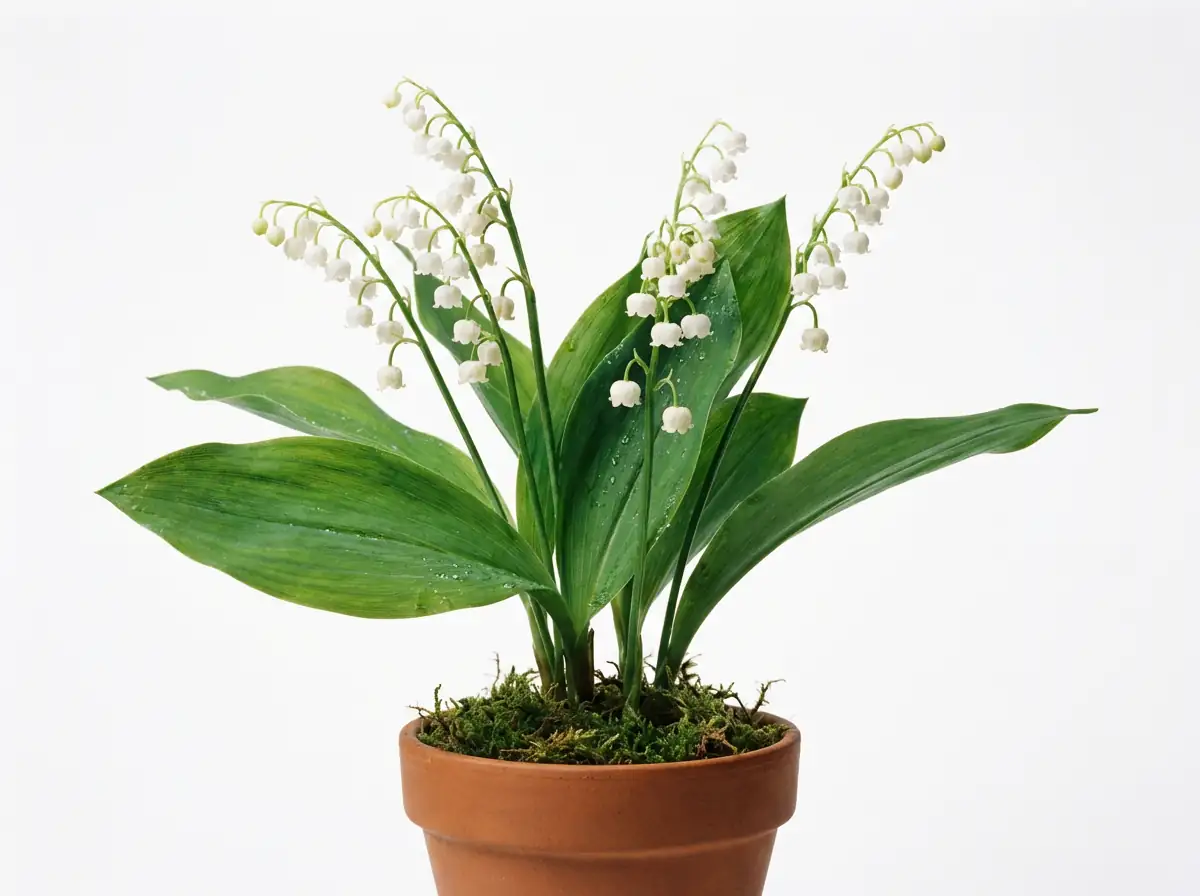
- Size: Typically 15–30 cm (6–12 in) tall; spreads about 30–60 cm (12–24 in) over time via rhizomes (often forms colonies).
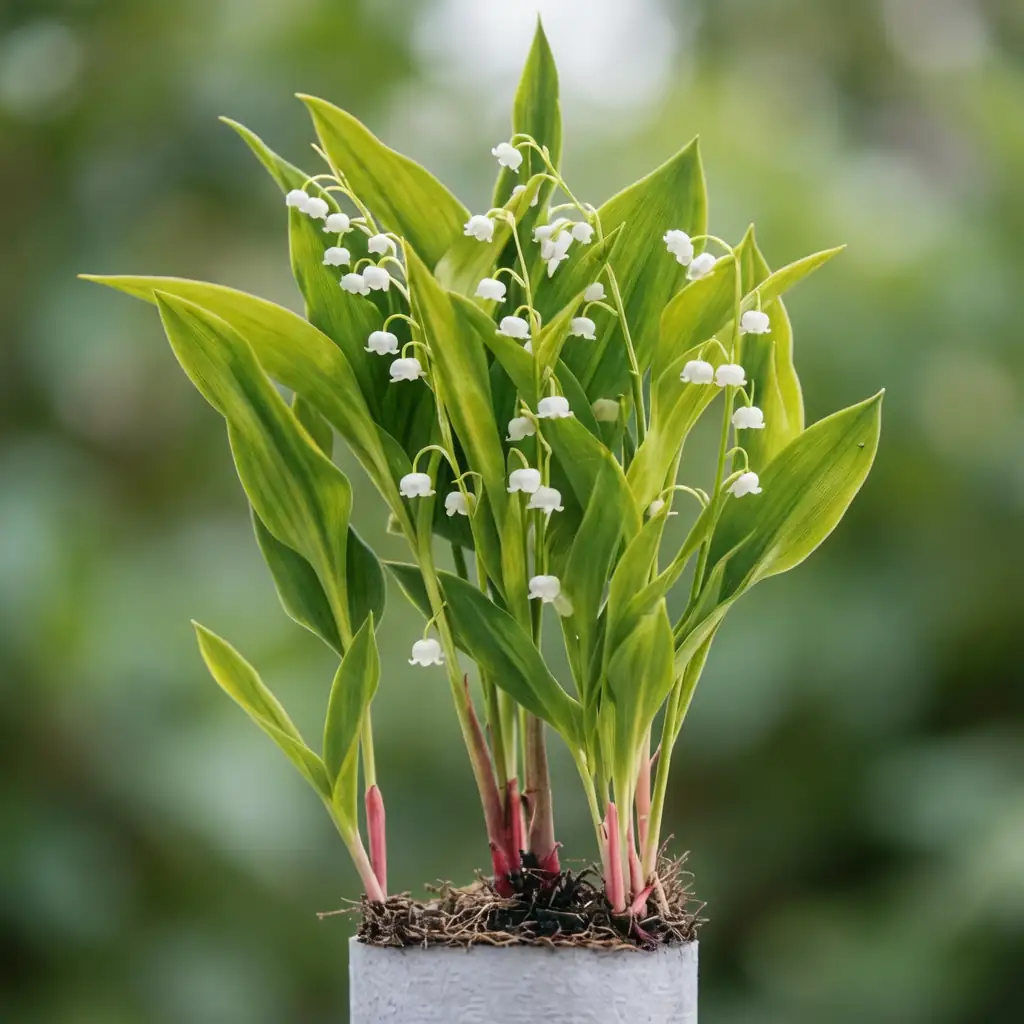
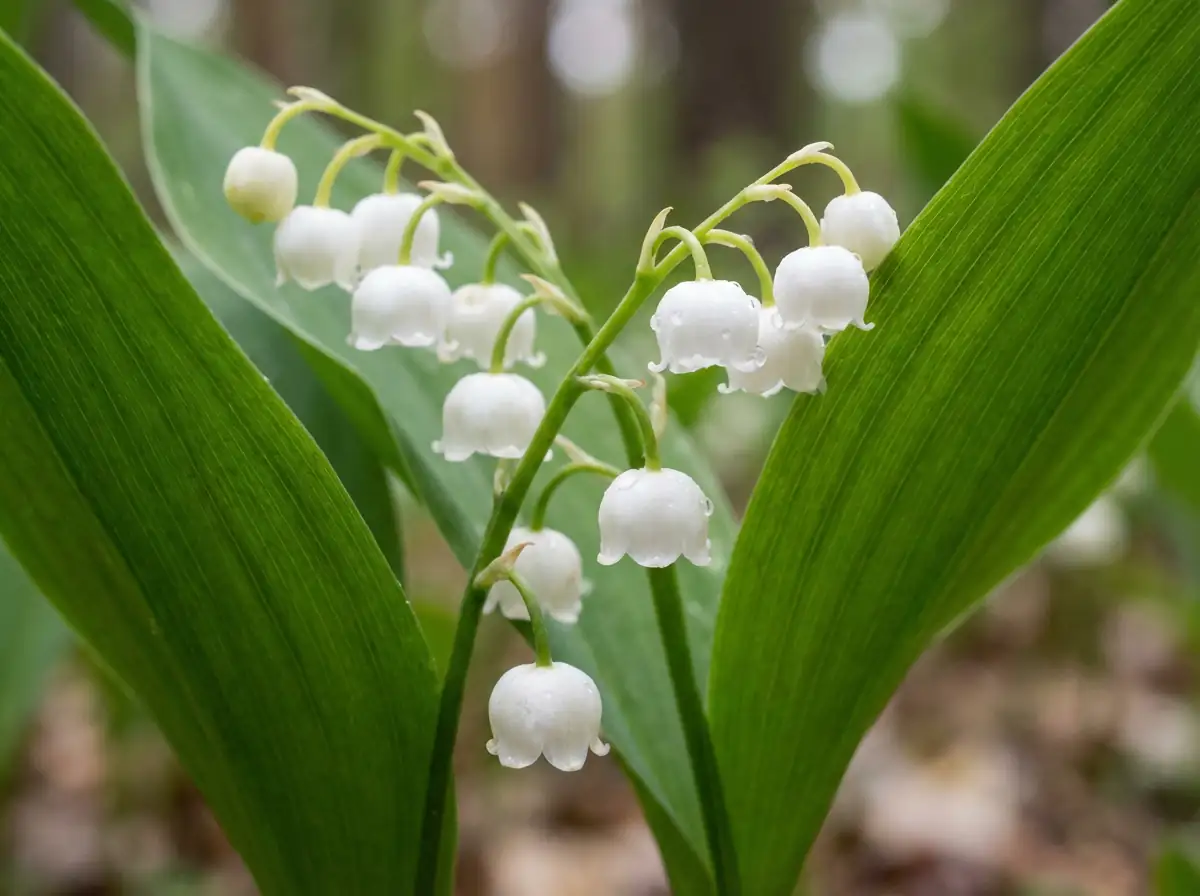
- Foliage: Leaves emerge from the base in neat clumps, usually in pairs (sometimes 2–3). They’re smooth and glossy, bright to dark green, and elliptical to lance-shaped—about 10–20 cm (4–8 in) long and 2.5–7.5 cm (1–3 in) wide—creating a lush backdrop for the flowers.
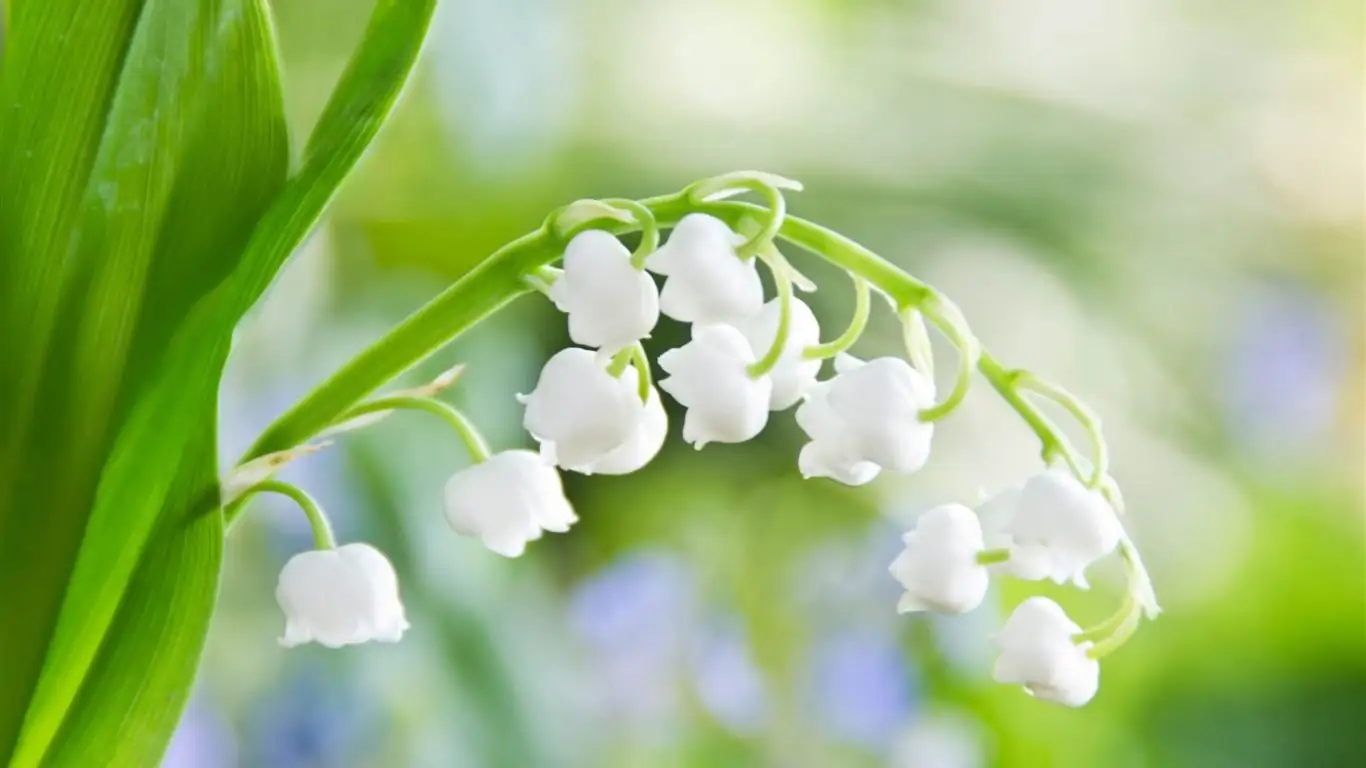
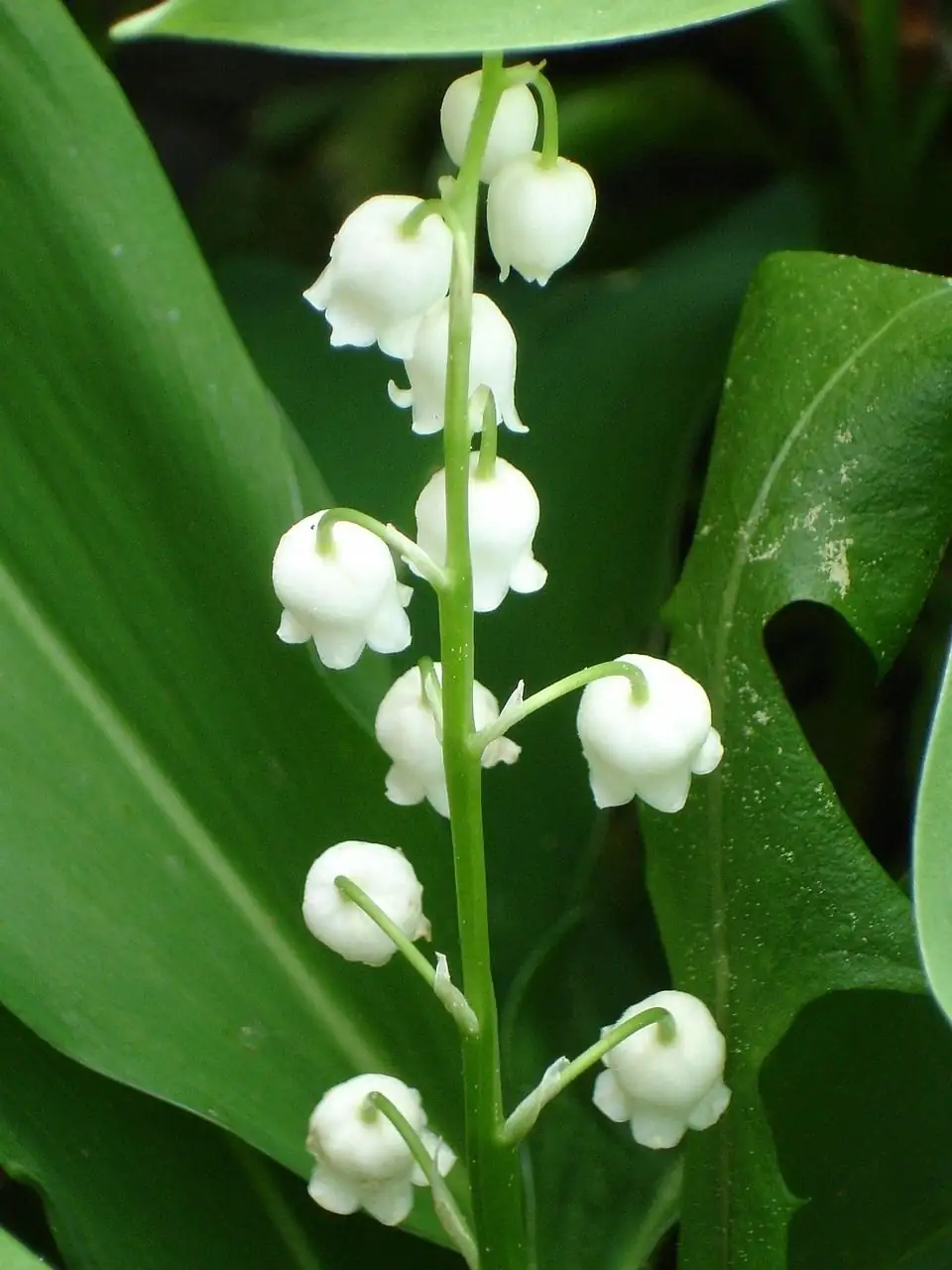
- Flower: Small, nodding, waxy bells with an intensely sweet fragrance, carried along one side of an arching stem in a one-sided raceme (often 5–15 flowers). The classic form is white; pink forms exist but are less common. Flowers are roughly 5–8 mm across, and after pollination the plant can set small round berries that turn bright red when ripe.
- Flowering Season: Spring—most often April–May (can range March to June depending on climate).
- Growth Habit: Herbaceous, mat-forming rhizomatous perennial that spreads steadily underground and can develop dense, long-lived groundcover colonies in ideal conditions.
Environment
Sunlight
Partial shade to full shade. Best in bright, dappled light (especially under deciduous trees). Tolerates morning sun, but hot afternoon sun can scorch leaves and reduce flowering.
Temperature
Prefers cool conditions. Active growth is happiest around 8–24°C (46–75°F), with an often-cited sweet spot near 15–24°C (60–75°F). For reliable repeat flowering, it typically needs a winter chilling period for several weeks below about 7°C (45°F) (varies by clone and climate). It is very cold-hardy and can tolerate severe winter cold (reports down to about -40°C/-40°F), but may struggle in prolonged hot summers above ~30°C (86°F).
Humidity
Moderate humidity is ideal. Average garden/household humidity is usually fine, but avoid very hot, dry air during active growth; consistent moisture and some ambient humidity help it look its best.
Soil
Moist but well-drained, humus-rich soil with plenty of organic matter. Slightly acidic to neutral is ideal (about pH 5.5–6.5). Avoid waterlogged conditions and don’t let containers sit in water; strongly alkaline soils can reduce vigor.
Placement
Perfect for woodland gardens, shaded borders, under shrubs and trees, and along slopes where it can help with erosion control. Also works in containers kept in a cool, bright, shaded spot during growth; after foliage dies back, move pots outdoors (in shade) or to a cold frame so plants can experience winter chilling.
Hardiness
Generally hardy in USDA Zones 2–9 (commonly listed as 3–7, with some forms to 8). In frost-free climates it may grow but often won’t rebloom well without a proper winter chill.
Care Guide
Difficulty
Easy outdoors in the right climate and soil—once established it’s fairly self-sufficient. Moderate in containers or warm regions, mainly because it needs a cool dormant/chilling period to flower well year after year.
Buying Guide
Buy healthy rhizomes (“pips”) that feel firm and plump with intact buds/growing tips. Avoid any that are soft, moldy, mushy, or shriveled. For pot-growing and indoor forcing, fresh dormant pips purchased in late fall to late winter tend to perform best.
Watering
Aim for consistently moist soil during active growth and flowering—moist, not soggy. Outdoors, this often means watering during dry spells; in pots, check more frequently. During dormancy (after foliage yellows and dies back in late summer through early winter), water much more sparingly and let the mix dry a bit more between waterings—never leave the pot sitting in water.
Fertilization
In the ground, a yearly top-dress of compost is often enough. If feeding, use a balanced fertilizer in early spring as growth starts (e.g., a slow-release general-purpose feed), or a balanced liquid fertilizer monthly at half strength from late winter through early summer. Stop feeding during dormancy; avoid pushing lots of nitrogen once flowering is underway.
Pruning
Remove spent flower stems after blooming if you want a tidier look and to reduce seed/berry formation. Keep the leaves until they naturally yellow and die back—those leaves recharge the rhizomes for next year. Cut away dead foliage once it has fully collapsed.
Propagation
Division is the go-to method: lift and split rhizomes in autumn after die-back or in early spring before growth takes off. Replant with roots down and buds up, covering so buds sit just beneath the soil surface (roughly 2.5–5 cm / 1–2 in of cover), spacing divisions about 7.5–10 cm (3–4 in) apart. Seed is possible but slow and can take several years to flower.
Repotting
For containers, repot or divide when crowded—often after flowering or during dormancy. Use fresh, humus-rich mix and a relatively deep pot about 15–20 cm (6–8 in) deep, positioning rhizomes so buds are just covered. After foliage dies back, overwinter pots outdoors in shade (or in a cold frame) for chilling.
📅 Seasonal Care Calendar
Late winter–spring: growth starts; keep evenly moist; feed lightly (compost or balanced fertilizer). Spring: enjoy the fragrant bloom; deadhead if desired. Summer: maintain moisture, protect from heat and harsh sun; foliage may begin yellowing by late summer. Late summer–early winter: dormancy—water sparingly. Fall: great time to divide and replant; apply a light mulch in cold climates. Winter: dormant underground; chilling supports next season’s flowering.
Pests, Diseases & Safety
Common Pests & Diseases
Usually quite trouble-free. Outdoors, slugs/snails and occasional aphids may appear; in damp, stagnant conditions leaf spot, anthracnose, or stem/root rot can occur. Improve airflow, avoid overhead watering, remove affected leaves, and keep soil well-drained. Not typically browsed by deer or rabbits thanks to its toxicity.
Toxicity
Highly toxic to humans and pets—every part of the plant is poisonous, including the berries and even the water from a vase of cut flowers. It contains cardiac glycosides (including convallatoxin and related compounds) that can cause nausea, vomiting, abdominal pain, weakness, blurred vision, and dangerous irregular heartbeat; severe cases can be life-threatening. Keep away from children and animals, and consider wearing gloves when handling.
Culture & Symbolism
Symbolism: Often given as a message of purity, humility, sweetness, and—most famously—“the return of happiness.” It’s a traditional wedding flower for its scent and hopeful meaning.
History & Legends: Celebrated for centuries in European gardens and perfumery. In parts of Europe, especially France, May 1st is known as Lily of the Valley Day (La Fête du Muguet), when sprigs are exchanged for good luck. Folklore ties it to tears—most notably “Our Lady’s Tears” in Christian tradition—and it has also been woven into classical myths that place it in enchanted woodland settings. It has appeared in high-profile royal wedding bouquets, helping cement its reputation as a fragrant symbol of spring.
Uses: A top choice for ornamental shade groundcover and for fragrant spring bouquets. In perfumery, the signature “lily of the valley” note is iconic—though the scent is often recreated because the flowers yield very little extract. Historically it was used medicinally for heart-related preparations, but this is dangerous and should never be attempted at home due to toxicity.
FAQ
Is Lily of the Valley safe to plant at home?
Yes to plant, but treat it with respect: it’s highly poisonous. Grow it where kids and pets can’t reach it, avoid tasting any part (including berries), and wash hands (or wear gloves) after handling.
Why isn’t my Lily of the Valley blooming?
The most common culprits are not enough winter chilling, too much deep shade, overcrowded rhizomes, or hot summers. Give it bright dappled light, keep soil evenly moist in spring, divide dense clumps every few years, and make sure it experiences a proper cold dormant period.
Can Lily of the Valley grow in full sun?
It can handle a little morning sun in cool climates, but full sun—especially hot afternoon sun—usually causes leaf scorch and weaker flowering. Partial shade to shade is the happy place.
How do I keep it from spreading too much?
It spreads by rhizomes, so physical edging or a rhizome barrier helps. You can also lift and remove wandering rhizomes and divide clumps regularly; deadheading reduces self-seeding where berries form.
How do I plant pips in a pot?
Use a humus-rich mix and a deep pot about 15–20 cm (6–8 in). Set rhizomes roots-down, buds-up, and cover so the buds sit just under the surface. Keep cool and evenly moist during growth; provide winter chilling for rebloom.
Fun Facts
- Despite its name, Lily of the Valley isn’t a true lily—it belongs to the asparagus family (Asparagaceae).
- It’s a classic May Day gift in France, where “muguet” sprigs are given for good luck on May 1st.
- The famous “lily of the valley” perfume smell is often created with aroma molecules because the real flowers produce very little extract.
- The plant can form dense, long-lived colonies thanks to its creeping underground rhizomes.
- The bright red berries are attractive but especially dangerous—one more reason to keep it away from curious kids and pets.