

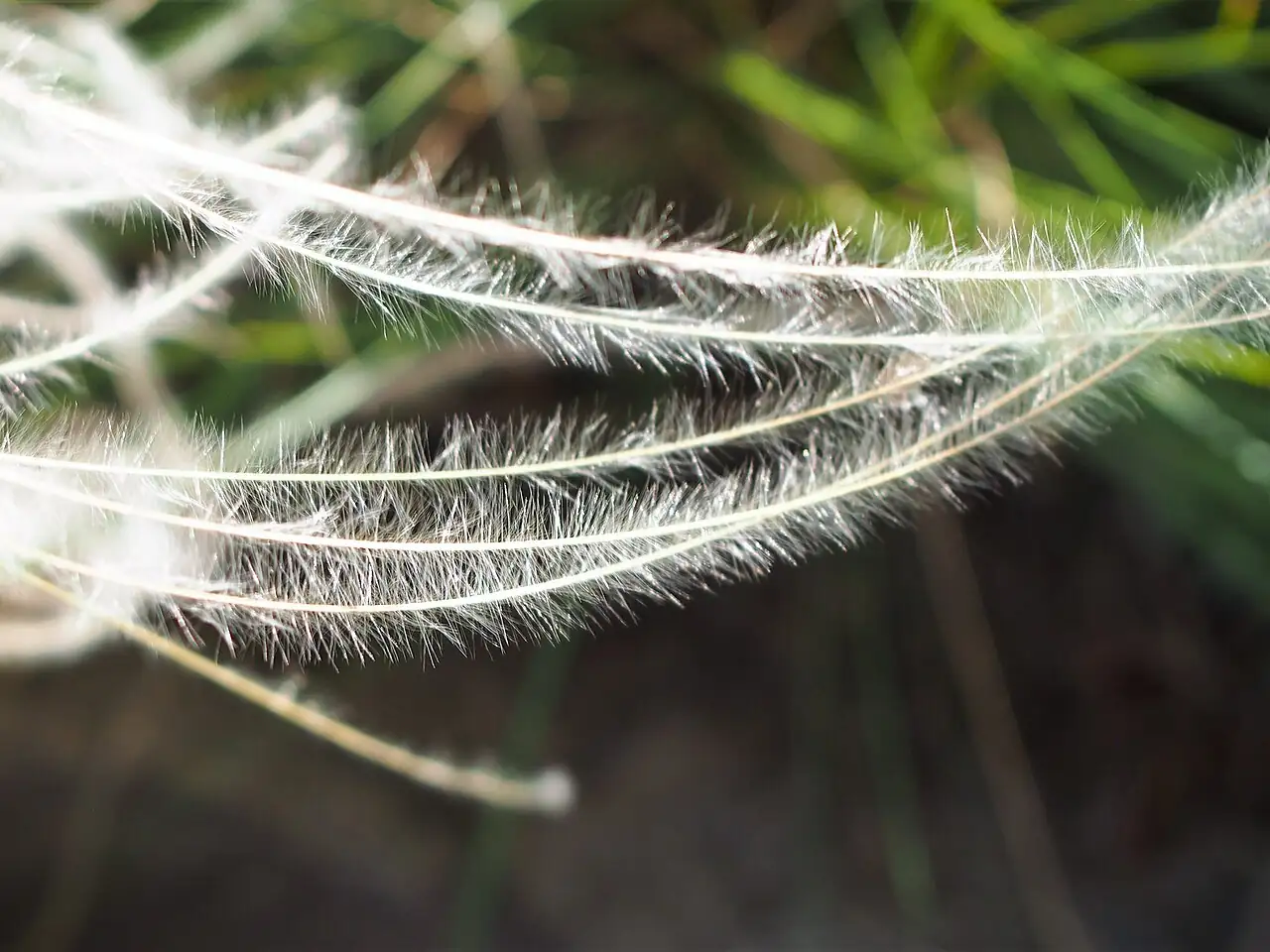
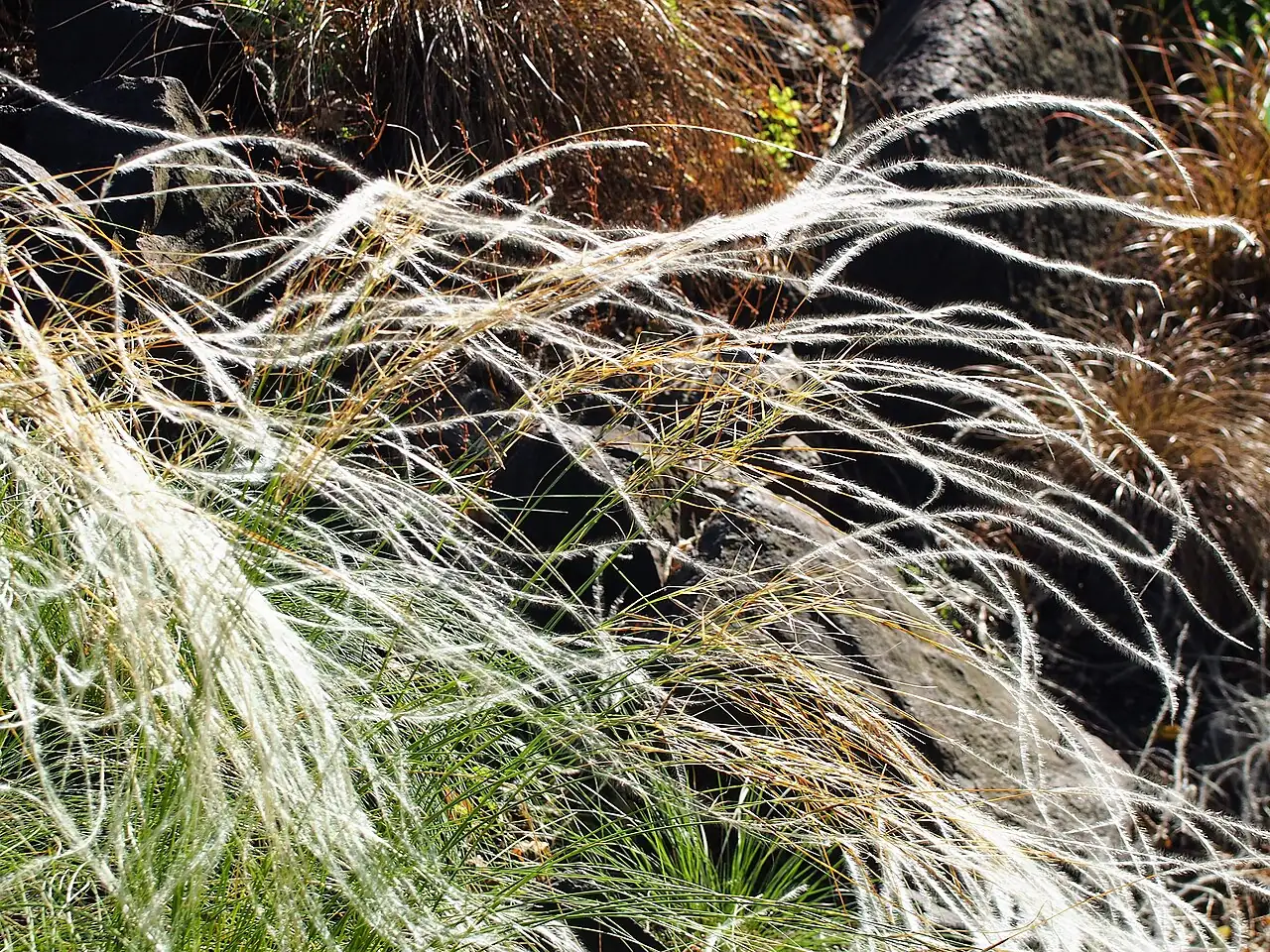
Plant Features
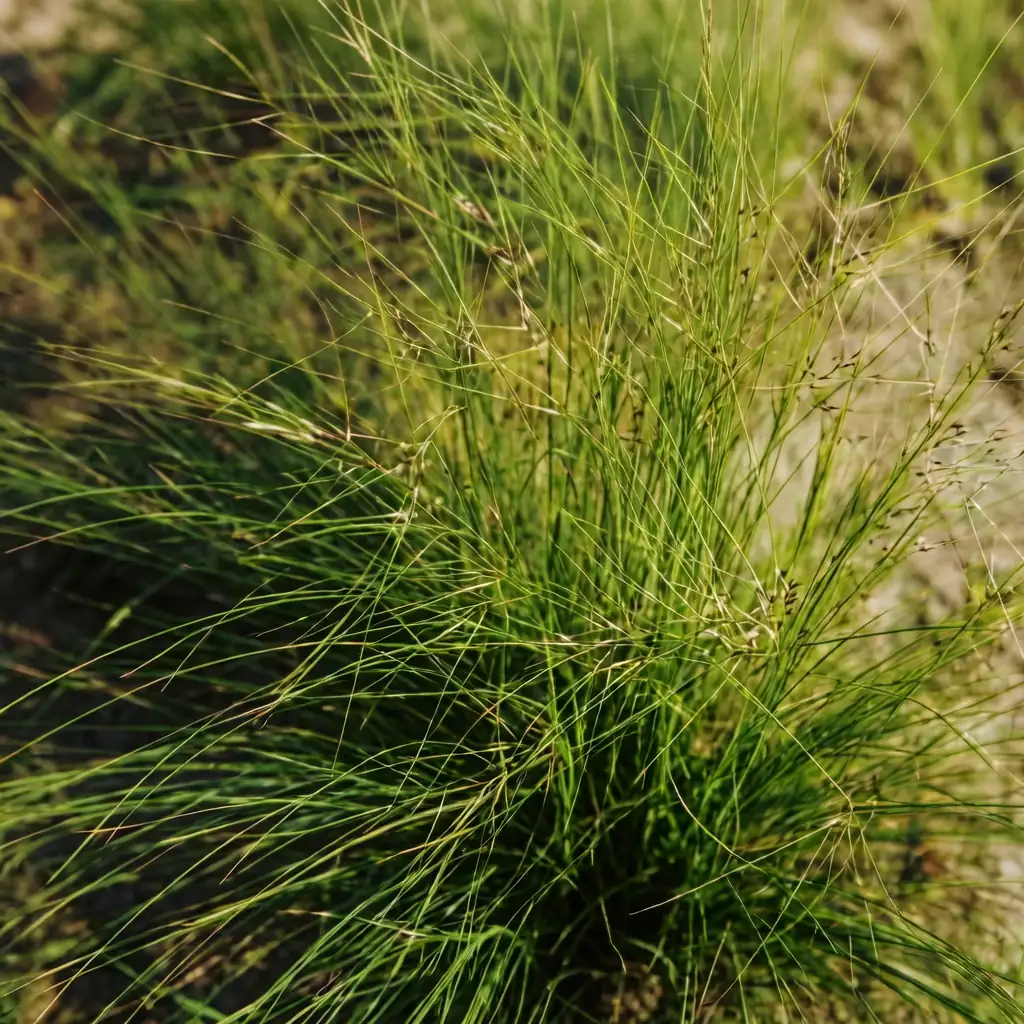
- Size: Typically 30–60 cm (12–24 in) tall; grows as a dense clump (tuft-forming) rather than spreading by runners.
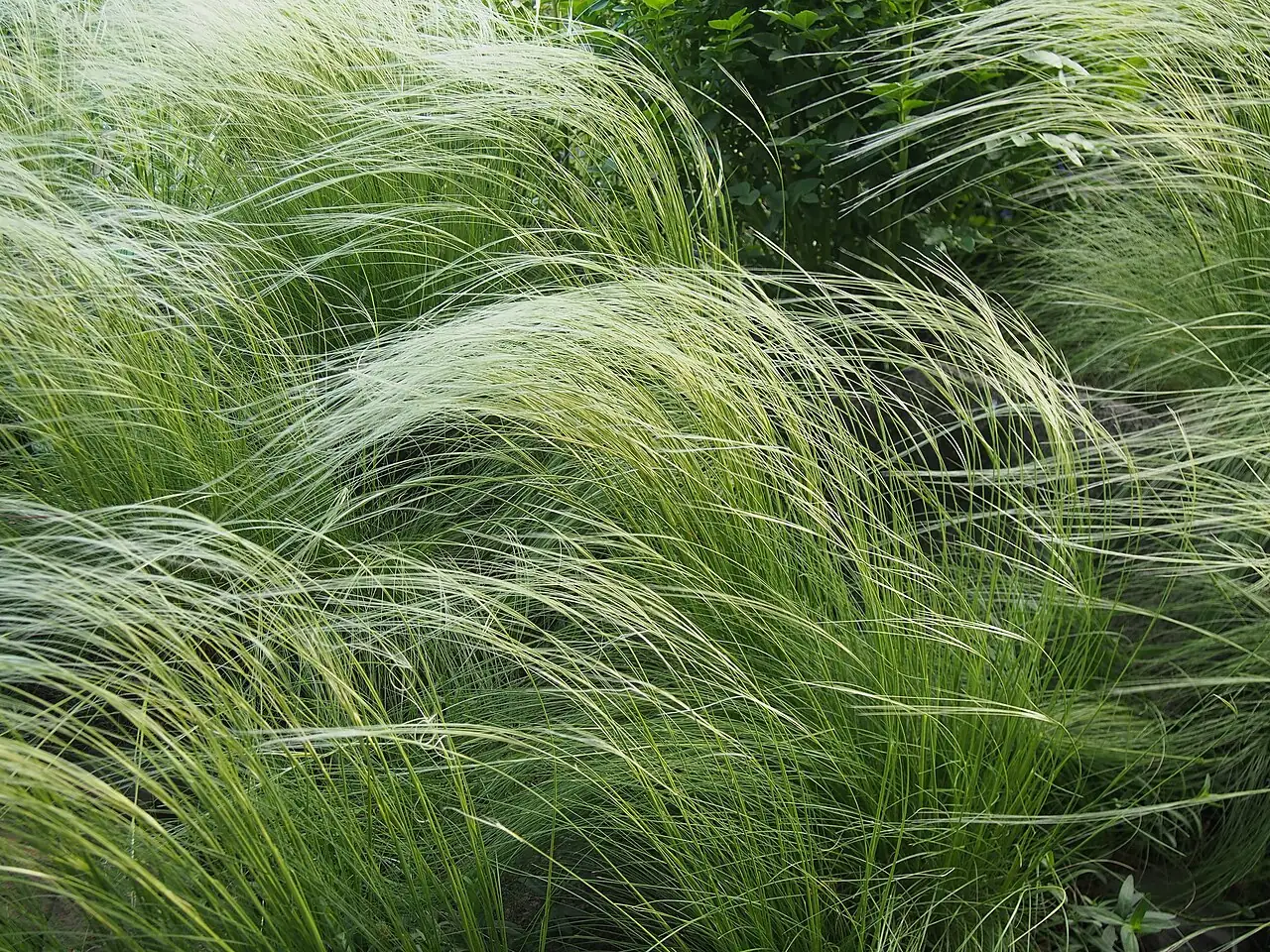
- Foliage: Leaves are very fine and narrow, giving the plant a light, hair-like texture. It forms a tough fibrous root system. Culms (stems) are smooth and hairless with about 2–3 nodes, and old basal leaf sheaths often linger at the base as dry, papery remnants.
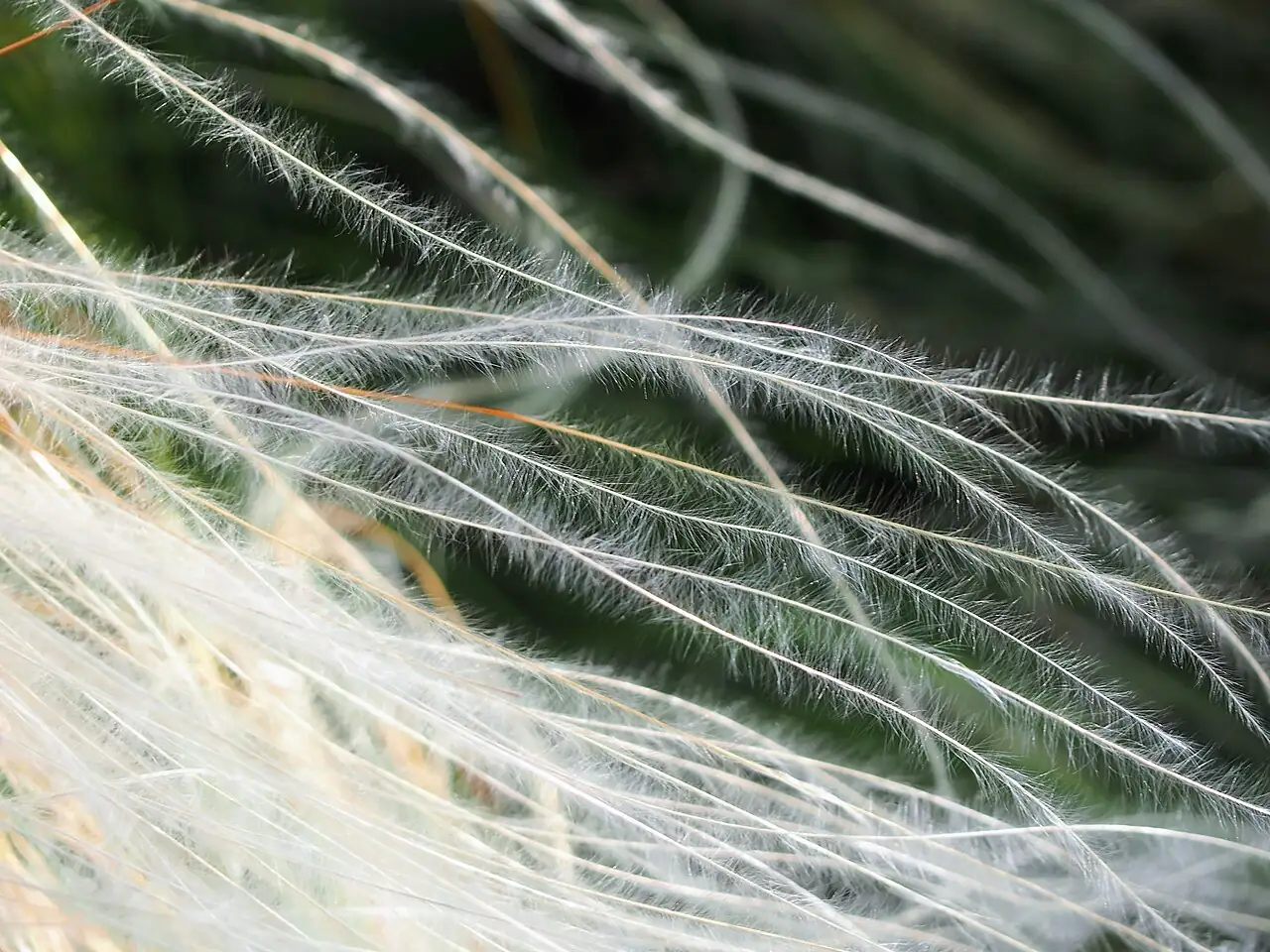
- Flower: Produces a narrow, contracted (slim) panicle with pale yellow to grass-yellow spikelets. The lower back of the glumes has sparse hairs, adding subtle texture up close.
- Flowering Season: May–July
- Growth Habit: Upright, tuft-forming perennial grass adapted to open, dry, rocky foothills and low mountains; holds its shape best in sun and lean soils.
Environment
Sunlight
Full sun; it looks tidiest and flowers best in open, unshaded sites.
Temperature
Temperate-steppe perennial with good winter hardiness; broadly suited to USDA Zone 4–8 (approx. −34 to −7°C / −30 to 20°F), depending on local conditions and drainage.
Humidity
Prefers dry to moderately dry air and good airflow. Avoid persistently humid, stagnant conditions; drought-tolerant once established, but appreciates occasional deep watering during long dry spells.
Soil
Very well-drained, gritty/sandy soil; happy in rocky, low-fertility ground. Avoid heavy clay and waterlogged soils to prevent crown/root issues.
Placement
Sunny borders, gravel gardens, prairie/steppe-style plantings, slopes, and restoration or forage plantings—anywhere you want movement and a natural, wind-brushed look.
Hardiness
Cold-hardy; generally USDA Zone 4–8 (approx. −34 to −7°C / −30 to 20°F).
Care Guide
Difficulty
Easy to moderate: give it sun and sharp drainage and it’s typically low-fuss; most problems trace back to shade, rich feeding, or wet soil.
Buying Guide
Pick plants with a dense, firm clump and a healthy crown (no blackening or mushiness). Avoid containers that stay soggy or smell sour—often a sign of poor drainage and early rot.
Watering
Water regularly during establishment (first growing season), then keep on the dry side. Let the top 5–8 cm (2–3 in) of soil dry between waterings; in-ground clumps usually only need extra water during extended drought.
Fertilization
Minimal feeding is best. If growth seems weak, use a light, balanced slow-release fertilizer in spring at about half strength; avoid high nitrogen, which can cause floppy, lush growth.
Pruning
Cut back old foliage in late winter to early spring, trimming to about 5–10 cm (2–4 in) before fresh growth starts. Remove spent flower stems if you want to reduce self-seeding.
Propagation
Division is easiest and most reliable in early spring or early autumn. You can also grow from seed—sow in a free-draining mix and keep lightly moist until germination.
Repotting
In containers, repot every 2–3 years in spring into a gritty, fast-draining mix. Divide if the center becomes thin or crowded.
📅 Seasonal Care Calendar
Spring: cut back; divide if needed; optional light feed. Summer: full sun; water deeply only during heat waves/extended drought. Autumn: enjoy the seedheads; divide in early autumn if desired. Winter: keep the crown on the dry side and prioritize drainage (especially in pots).
Pests, Diseases & Safety
Common Pests & Diseases
Usually trouble-free. Crown/root rot can occur in wet, poorly drained soils. Aphids may appear on tender new growth—improve airflow and rinse off or treat if infestations are heavy.
Toxicity
Not known to be toxic to people or pets. Like many grasses, dried blades can have sharp edges—gloves are helpful when cutting back.
Culture & Symbolism
Symbolism: Often associated with resilience, simplicity, and the wide-open feeling of steppe landscapes—tough at the base, delicate in motion above.
History & Legends: A characteristic species of Eurasian steppe and dry foothill habitats, frequently mentioned as an important rangeland and habitat grass in regions where open, wind-swept landscapes dominate.
Uses: Ornamental: naturalistic borders, gravel gardens, and movement-focused plantings. Practical: erosion-friendly clumping roots on slopes and use as valuable forage grass in rangelands.
FAQ
Does Lessing’s feather grass need a lot of water?
No—after it’s established it prefers a lean, drier routine. Water consistently in the first season, then switch to occasional deep watering during prolonged drought. Wet soil is a bigger risk than brief dryness.
Why is my plant flopping or thinning in the middle?
Flopping is most often caused by too much shade or too much nitrogen. A hollowing center usually means the clump is aging. Move it to fuller sun, avoid rich fertilizer, and divide the clump in early spring or early autumn.
Fun Facts
- It naturally grows on stony low mountains and foothill slopes in northwestern China (including Xinjiang).
- Its narrow panicles carry pale yellowish spikelets, with subtle sparse hairs on the glumes.
- Old basal leaf sheaths often persist as dry, papery layers at the plant’s base—like built-in mulch.
- Peak flowering and seed set typically runs from May to July.


