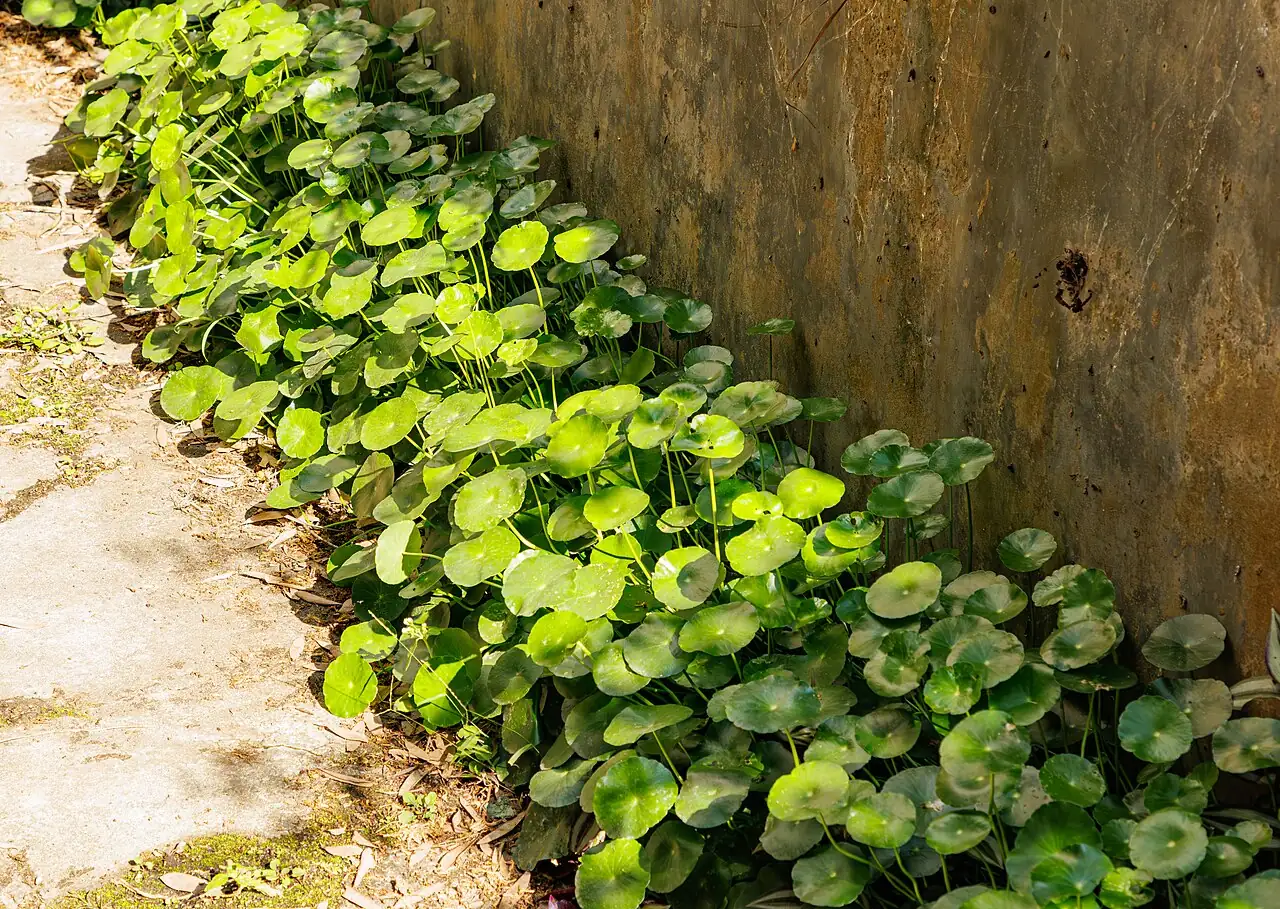
Plant Features
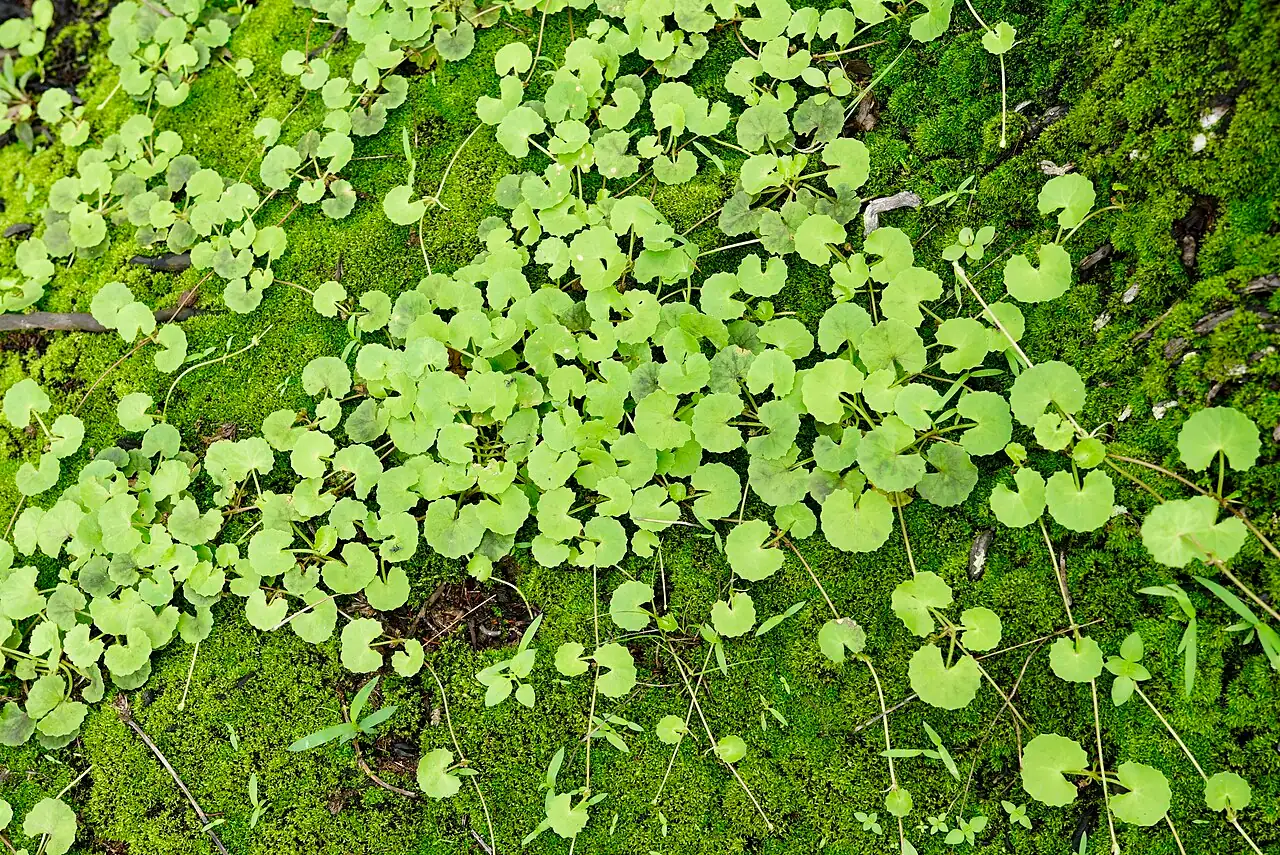
- Size: Typically 5–15 cm (2–6 in) tall; spreads outward to form a low, mat-like carpet.
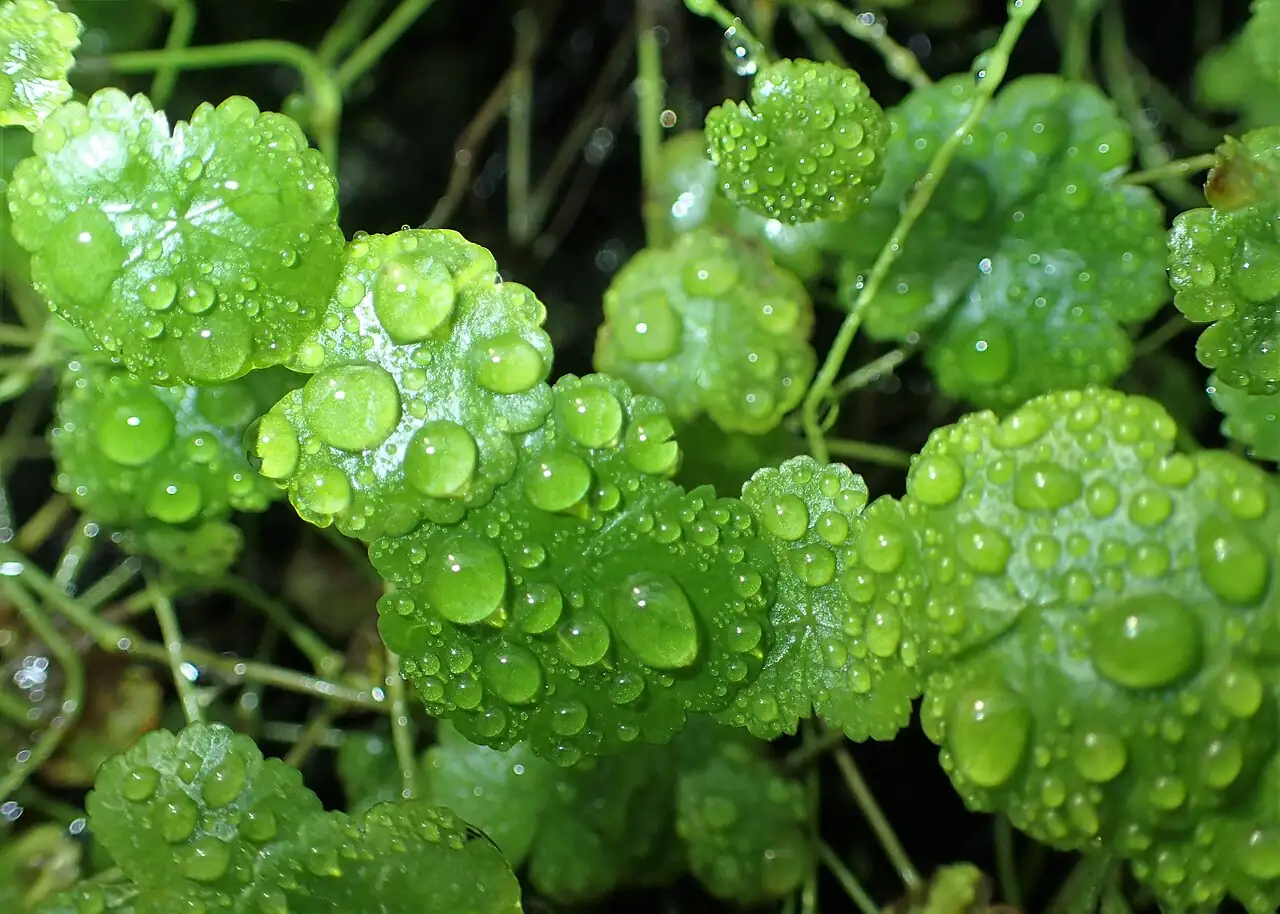
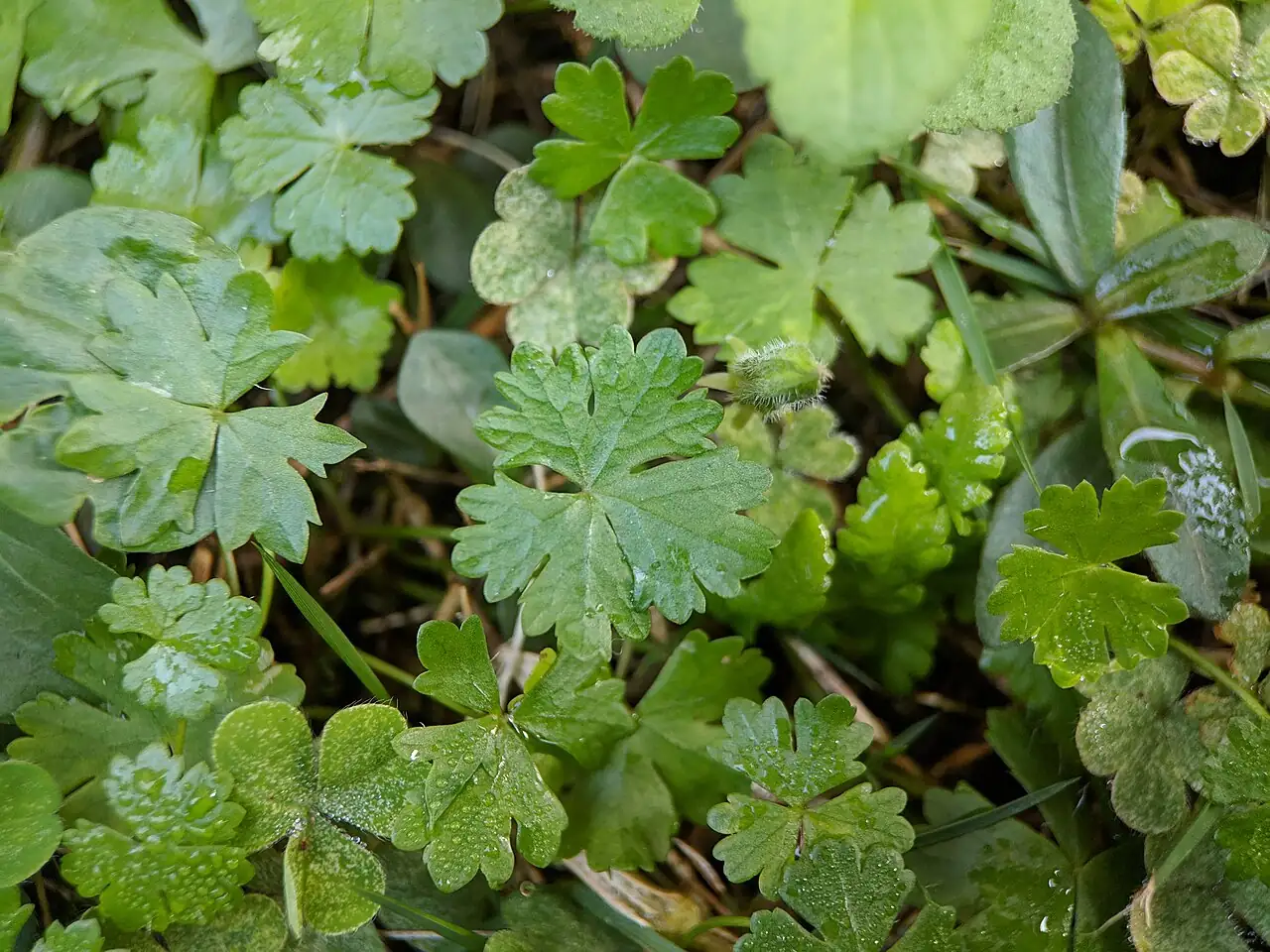
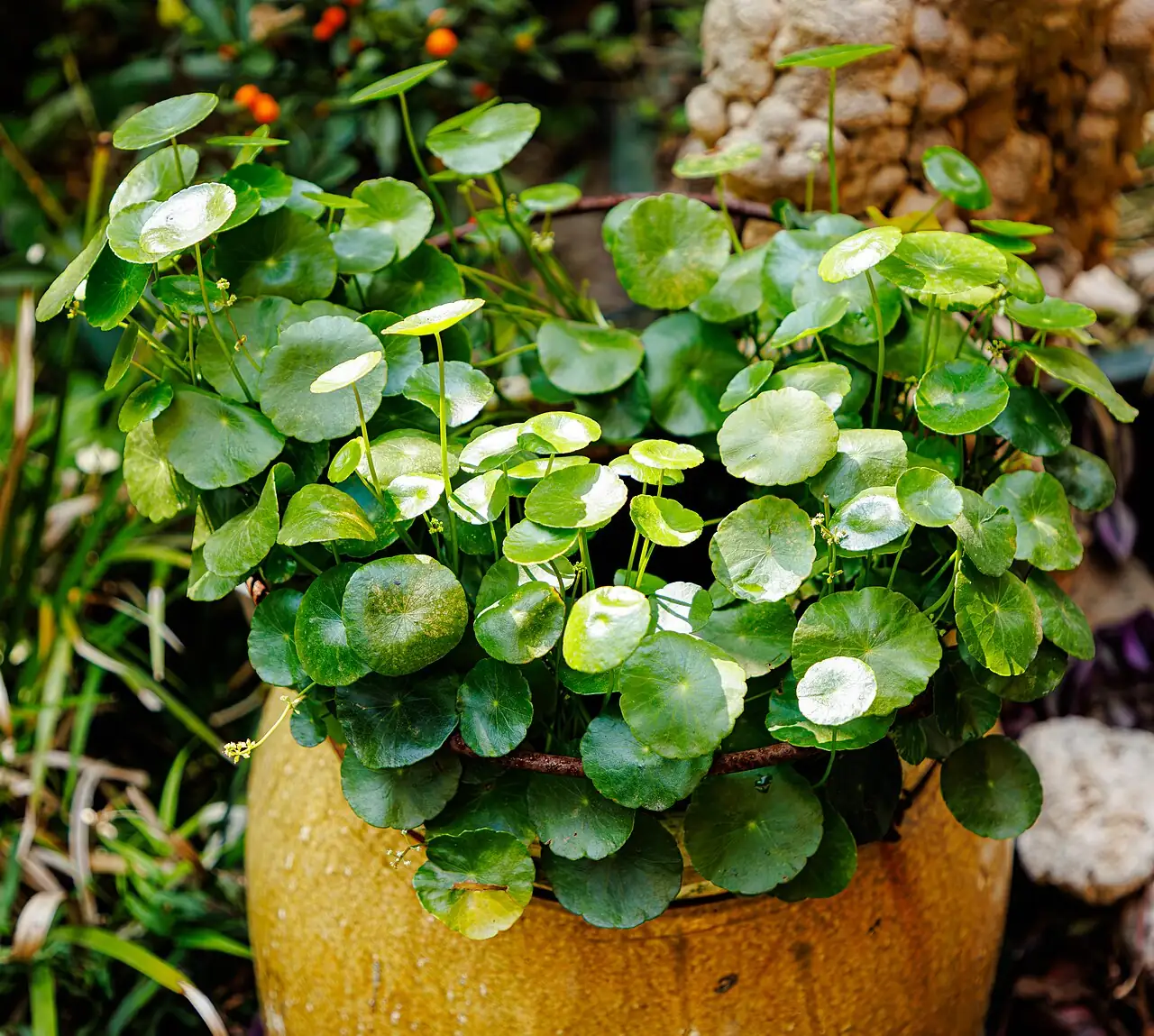
- Foliage: Leaves are round to kidney-shaped with a heart-shaped base and a thin, delicate texture; foliage often releases a noticeable herbal scent when crushed.
- Flower: Flowers are very small and inconspicuous, greenish-white, carried on very short stalks. Fruits are nearly heart-shaped and slightly flattened at the sides.
- Flowering Season: April–September (Apr–Sep)
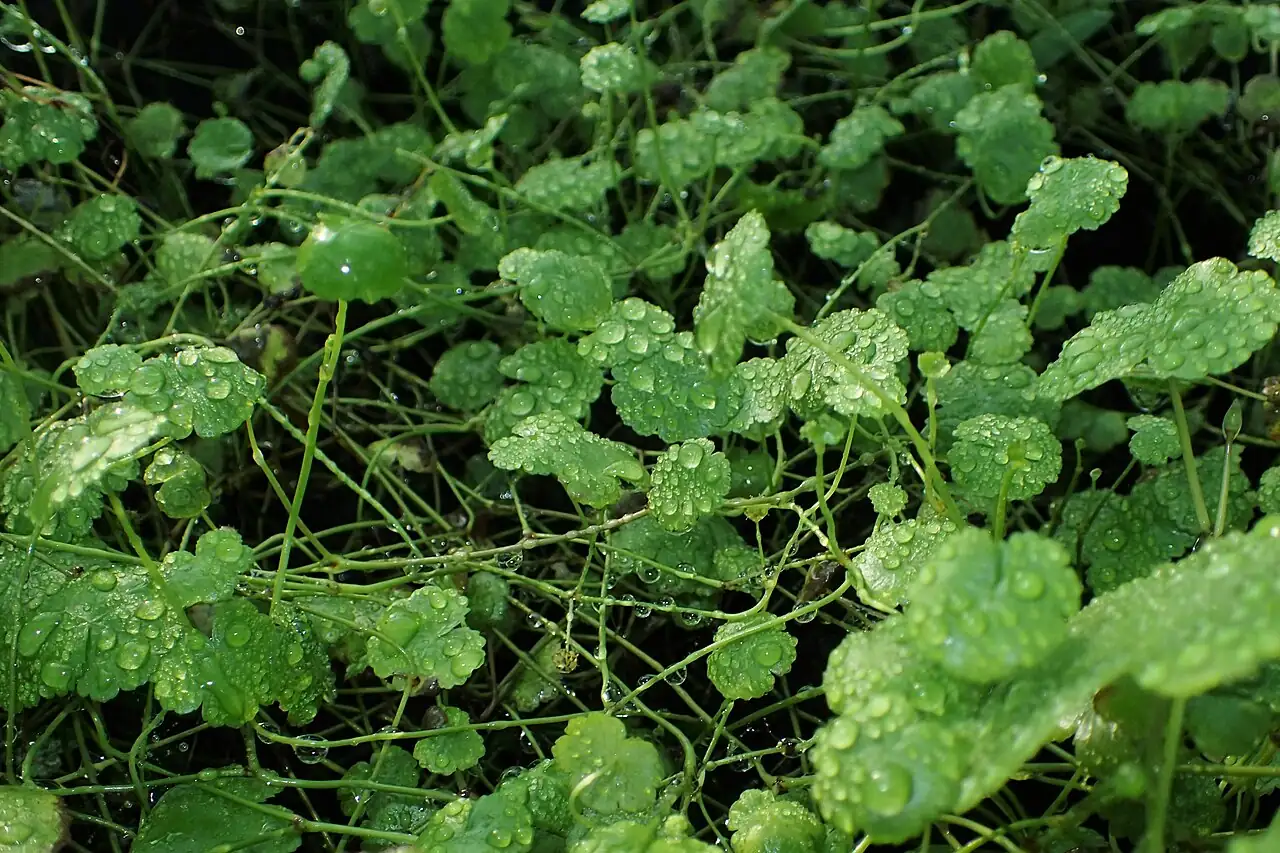
- Growth Habit: Low-growing, creeping perennial herb that runs along the ground and roots as it spreads, forming a dense mat in reliably moist areas.
Environment
Sunlight
Part shade to bright, dappled/filtered light; avoid harsh all-day direct sun, especially in hot summers.
Temperature
Prefers mild to warm conditions; protect from prolonged heat, particularly above about 30°C (86°F).
Humidity
Enjoys humid air and consistently moist surroundings; performs best when the root zone never fully dries out.
Soil
Moist, fertile, organic-rich, well-drained soil; can tolerate heavier soils as long as moisture is steady and not stagnant.
Placement
Outdoors: moist, partially shaded ground (ditch/stream edges, pond margins, shaded lawns, woodland gardens). Indoors: a bright spot with filtered light where soil can be kept evenly moist.
Hardiness
Warm-temperate to subtropical climates; outdoor hardiness varies by region. It dislikes extreme heat when exposed and may decline if baked in hot sun.
Care Guide
Difficulty
Easy to moderate: it’s straightforward if you keep it evenly moist and out of harsh sun. It can struggle if allowed to dry repeatedly or if exposed to intense heat.
Buying Guide
Pick plants with fresh, evenly green leaves and firm creeping stems. Avoid pots that smell sour or look waterlogged, and skip plants with widespread yellowing (often a sign of stress, poor drainage, or poor light).
Watering
Keep soil consistently moist rather than letting it fully dry. Water when the surface just begins to dry slightly; in warm weather this can be frequent. Avoid leaving containers sitting in stagnant water for long periods to reduce rot risk.
Fertilization
Enjoys regular, gentle feeding during active growth: a balanced fertilizer at 1/4–1/2 strength every 2–4 weeks, or periodic compost top-dressing. Ease off during cool seasons or when growth slows.
Pruning
Trim or pinch tips to encourage a thicker, denser mat and remove yellowing leaves. If it wanders beyond its space, simply cut back runners.
Propagation
Very easy from division or by replanting rooted runners/stem segments. Keep new divisions evenly moist and lightly shaded until they re-establish.
Repotting
Repot in spring or when crowded. Use a moisture-retentive but airy mix (for example, quality potting mix enriched with compost and loosened with perlite).
📅 Seasonal Care Calendar
April–September (Apr–Sep) is its main flowering/fruiting window. Through this period, prioritize steady moisture, filtered light, and light feeding for best vigor.
Pests, Diseases & Safety
Common Pests & Diseases
May attract aphids; spider mites can appear indoors if air is too dry. Overly soggy soil can cause rot. Improve airflow, keep moisture even (moist but not swampy), and treat early outbreaks with rinsing or insecticidal soap.
Toxicity
Generally considered non-toxic and is eaten as a wild herb in some places. If harvesting to eat, confirm identification and avoid collecting from polluted waterways, roadsides, or pesticide-treated areas.
Culture & Symbolism
Uses: A charming, low groundcover for moist, partly shaded spots (especially near water features or in woodland-style plantings). In some regions it’s also used traditionally and collected as a fragrant wild green/herb.
Fun Facts
- Even at just 5–15 cm (2–6 in) tall, it can knit together into a surprisingly dense green carpet when it stays moist.
- Crush a leaf and you’ll often notice a distinct herbal scent—one reason it’s sometimes gathered as a fragrant wild herb.
- Its blooms are tiny and subtle, but it can flower over a long stretch from April to September (Apr–Sep).
- Finding it in the wild along ditches or under light woodland shade is a great hint: give it moisture and filtered light, and it’s usually happy.