

Plant Features
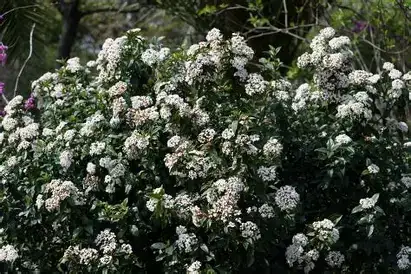
- Size: Typically 2–7 m (6.6–23 ft) tall with a rounded crown; spread up to about 3 m (10 ft).
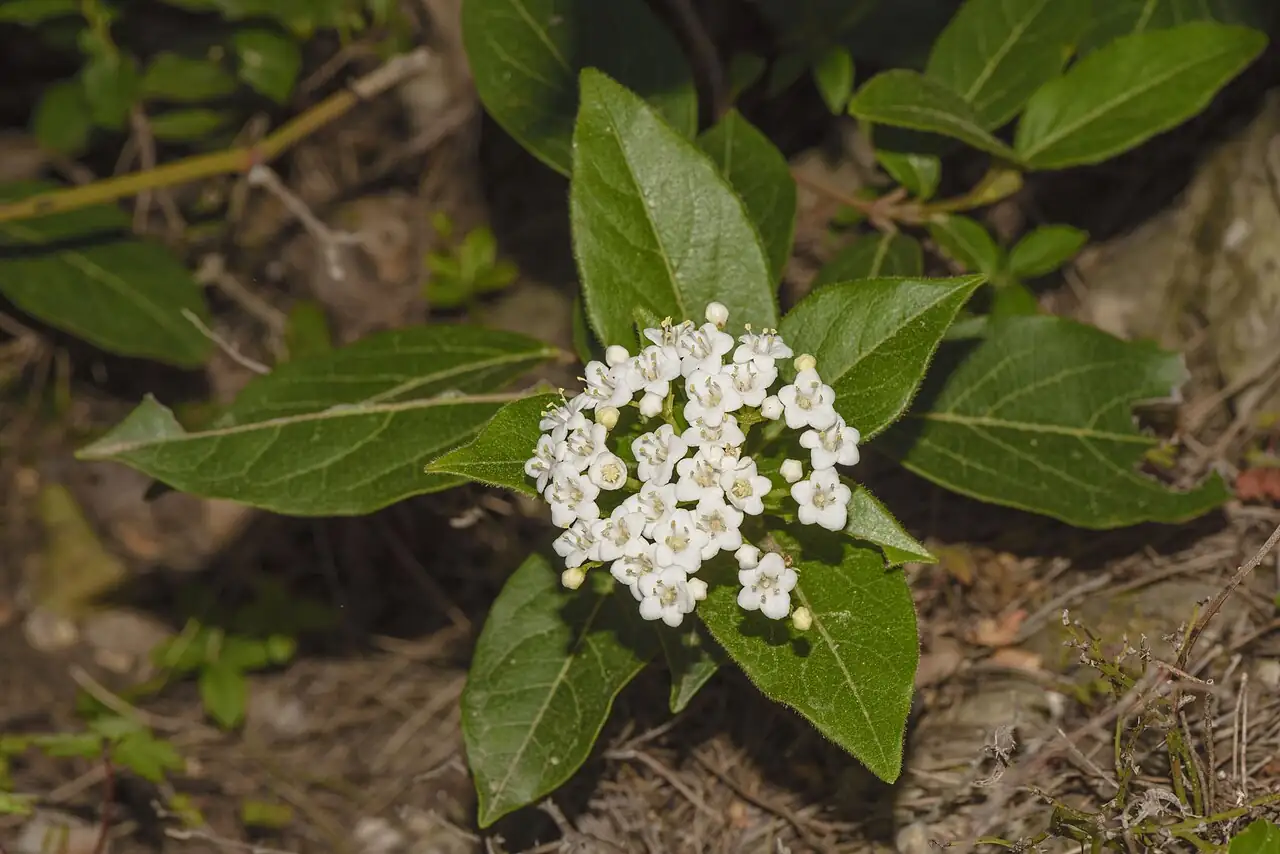
- Foliage: Evergreen foliage with oval leaves that are deep green and slightly leathery, giving the shrub a dense, tidy look year-round.
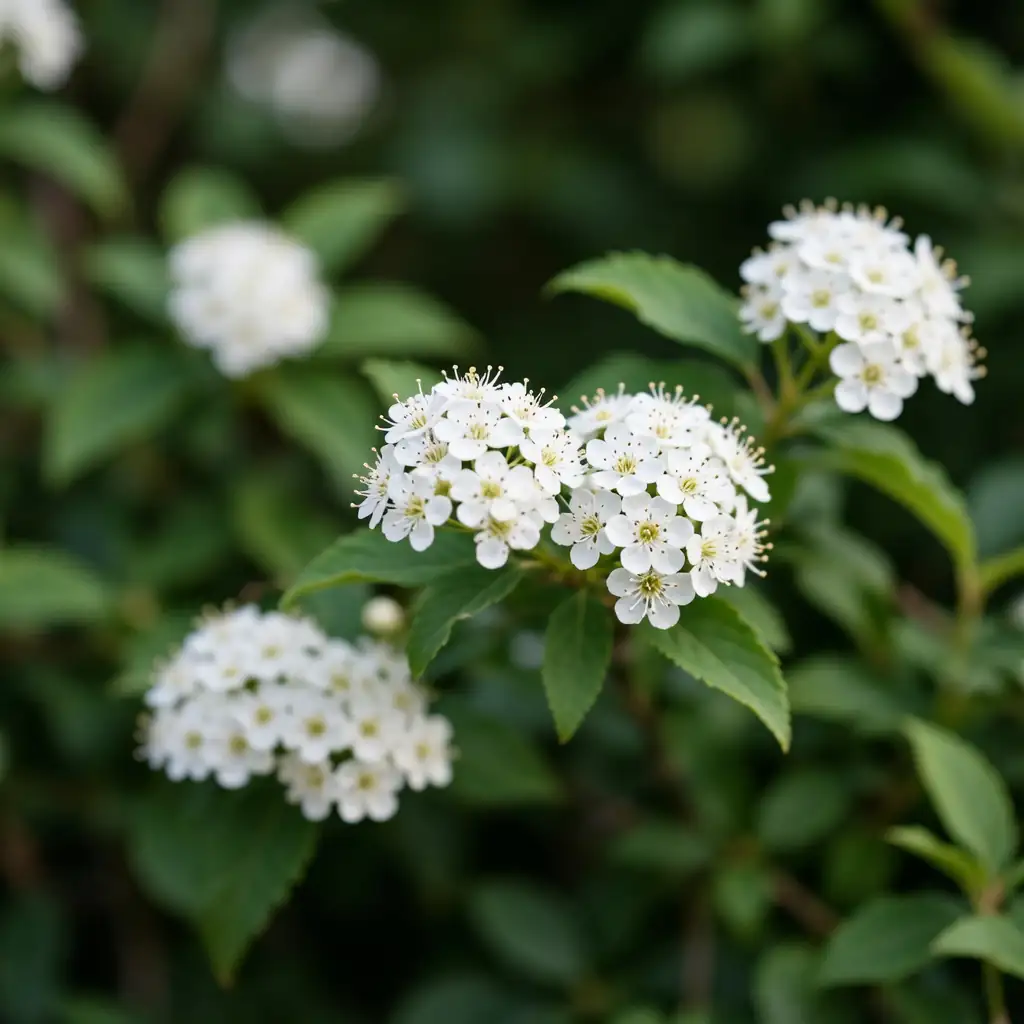
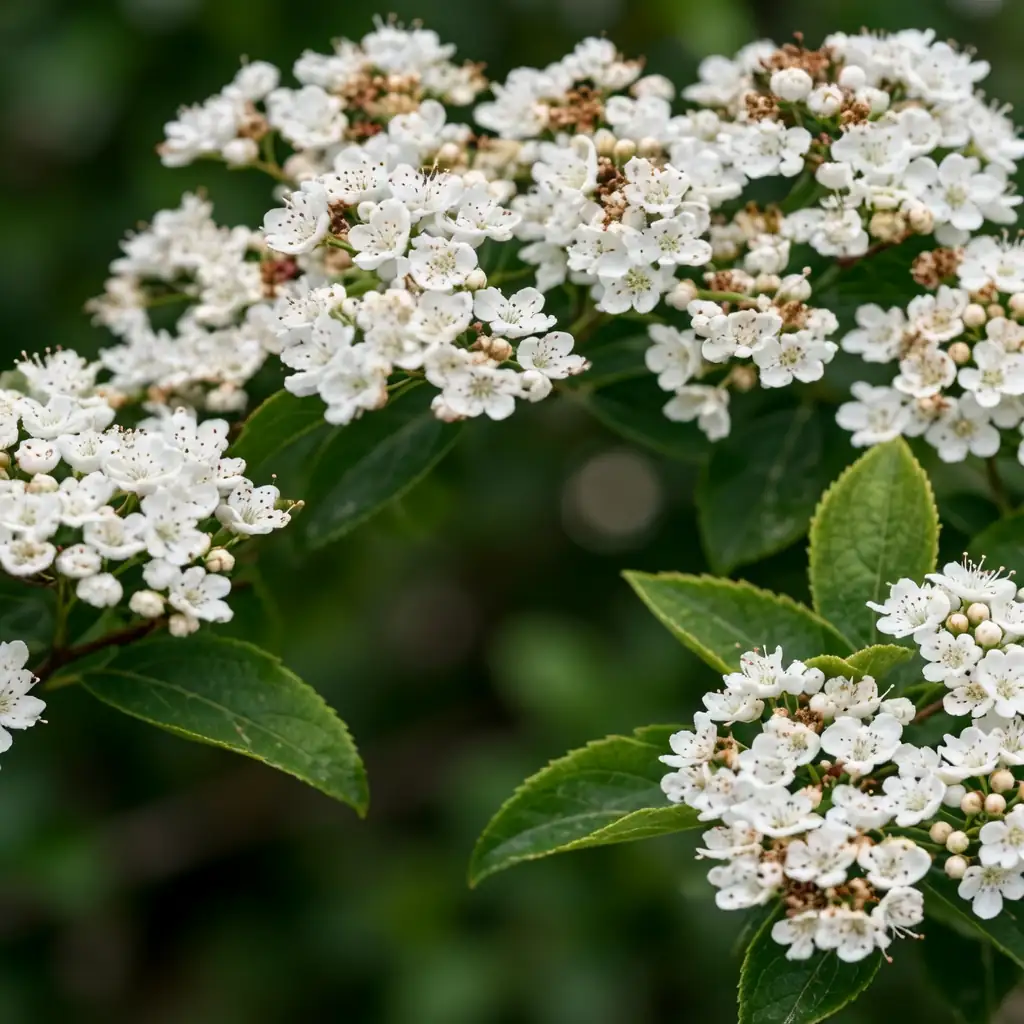
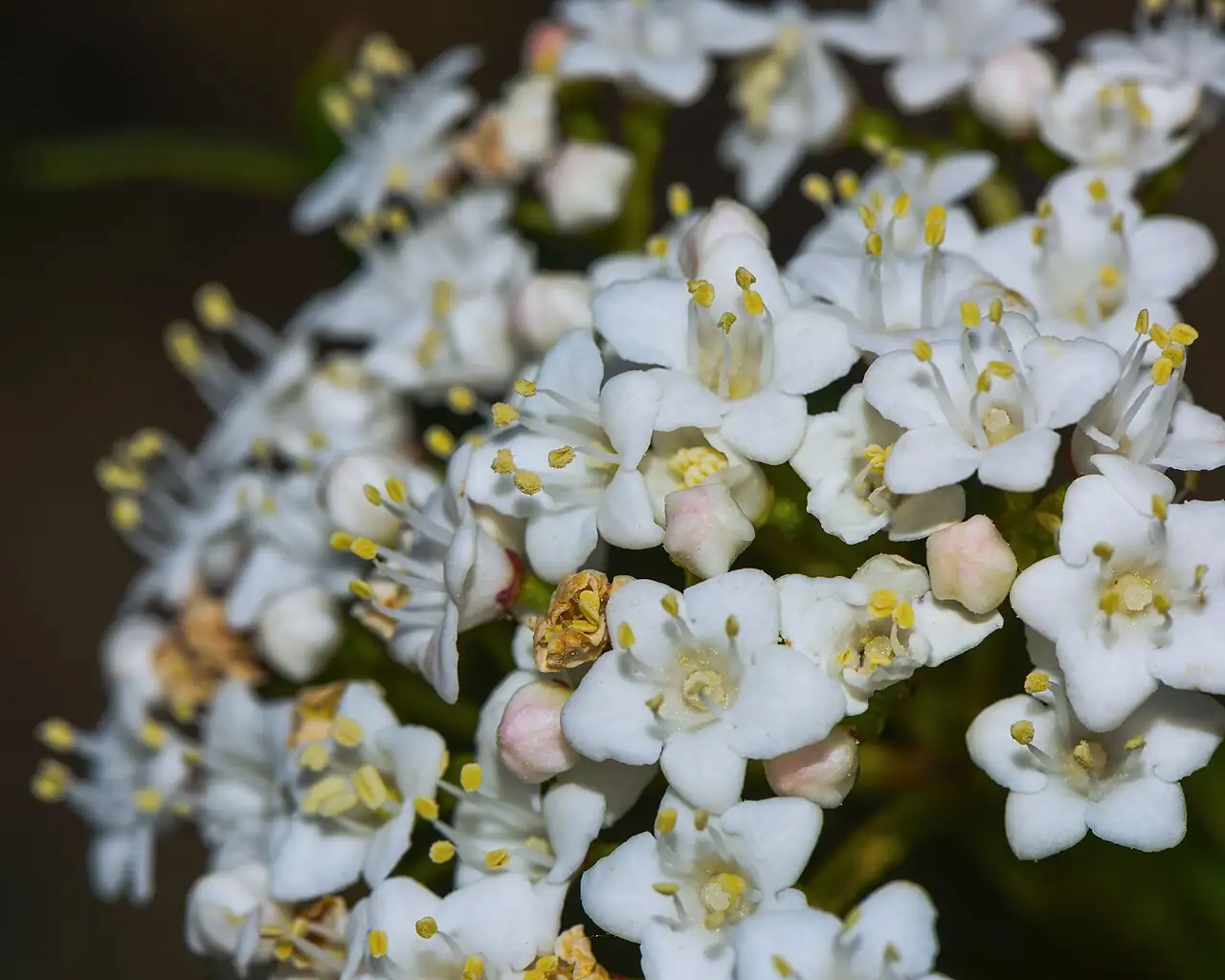
- Flower: Flat-topped clusters made up of many small flowers. Buds are commonly pinkish, opening to white blossoms for a bright winter display.
- Flowering Season: November to April
- Growth Habit: Evergreen, dense, rounded shrub; responds well to light trimming and can be trained or clipped into a ball-like, topiary-style form.
Environment
Sunlight
Full sun to partial shade; flowering is typically strongest with more sun.
Temperature
Tolerates cold down to about -15 to -10°C (5 to 14°F).
Humidity
Adaptable to average outdoor humidity; appreciates good air circulation, especially in damp climates.
Soil
Adaptable to many soil types as long as they are well-drained. Waterlogging and constantly wet ground can cause problems; once established it is fairly drought tolerant.
Placement
Great for courtyards and gardens as a specimen or mass planting; also excellent for hedges and for shaping into rounded forms.
Hardiness
Generally suited to USDA Zone 8–10 (local exposure, wind, and winter wetness can affect performance).
Care Guide
Difficulty
Easy to moderate. It’s a resilient shrub once established, but it strongly prefers good drainage; shape with light pruning after flowering if you want a neater, rounded form.
Buying Guide
Look for plants with dense, deep-green foliage and no widespread spotting. Avoid pots that feel waterlogged or smell sour, and check for healthy buds in late autumn/winter if you’re buying specifically for winter bloom.
Watering
Water regularly during the first growing season to establish roots. After that, water deeply during prolonged dry spells rather than little-and-often. Avoid overwatering and don’t let the root zone stay soggy.
Fertilization
Often optional. Feed in spring with a balanced slow-release shrub fertilizer or top-dress with compost. Avoid heavy feeding late in the season, which can encourage soft growth that’s more vulnerable to frost.
Pruning
Prune lightly after flowering to maintain shape. Remove dead, damaged, or crossing stems. Avoid hard pruning in late autumn/winter if you want maximum winter bloom.
Propagation
Best propagated by semi-ripe cuttings in summer. It can also be grown from seed, though this is slower and seedlings may vary.
Repotting
Most often grown in the ground. If grown in containers, repot every 2–3 years into a slightly larger pot with a free-draining mix, and refresh the top layer of potting mix annually.
📅 Seasonal Care Calendar
Flowering: November–April. Fruiting: October–November. Prune for shape soon after flowering. In wet seasons, pay extra attention to drainage to prevent root stress.
Pests, Diseases & Safety
Common Pests & Diseases
Generally robust. Watch for aphids on soft new growth, scale insects, and occasional leaf spot in damp, stagnant conditions. Improve airflow, avoid frequent overhead watering, and treat early with horticultural soap or oil if needed.
Toxicity
Not typically considered highly toxic, but it is not an edible plant; the berries and foliage should not be eaten. Keep away from small children and pets and avoid ingestion.
Culture & Symbolism
Symbolism: Often linked with steadfastness and winter resilience—evergreen leaves and reliable cold-season flowers make it a classic “winter interest” shrub.
History & Legends: A long-loved shrub in traditional Mediterranean and European gardens, valued for dependable winter bloom and dense evergreen structure.
Uses: Ornamental shrub for winter flowers and evergreen screening. Works beautifully as a specimen, in groups, as an informal hedge, or clipped into rounded, topiary-like shapes for courtyards.
FAQ
When does laurustinus flower?
Usually from November to April (winter into early spring), though timing can shift a bit depending on local climate.
When does it set fruit?
Berries are often seen from October to November, ripening to a deep blue-black.
How cold-hardy is it?
It can handle around -15 to -10°C (5 to 14°F), but cold winds and wet soil can increase winter damage.
Where should I plant it for best effect?
Place it in full sun to partial shade in a garden or courtyard—use it as a specimen, in groups, or as a hedge. It also takes well to gentle shaping into rounded forms.
Fun Facts
- It’s native to the Mediterranean region of Europe.
- The buds can look pink, but the open flowers are white—creating a lovely two-tone effect in winter.
- Its berries are oval and mature to a rich blue-black.
- With consistent light pruning, it can be maintained as a naturally rounded shrub or shaped into a near-spherical feature.


