

Plant Features
- Size: Height 10–80 cm (4–31 in)
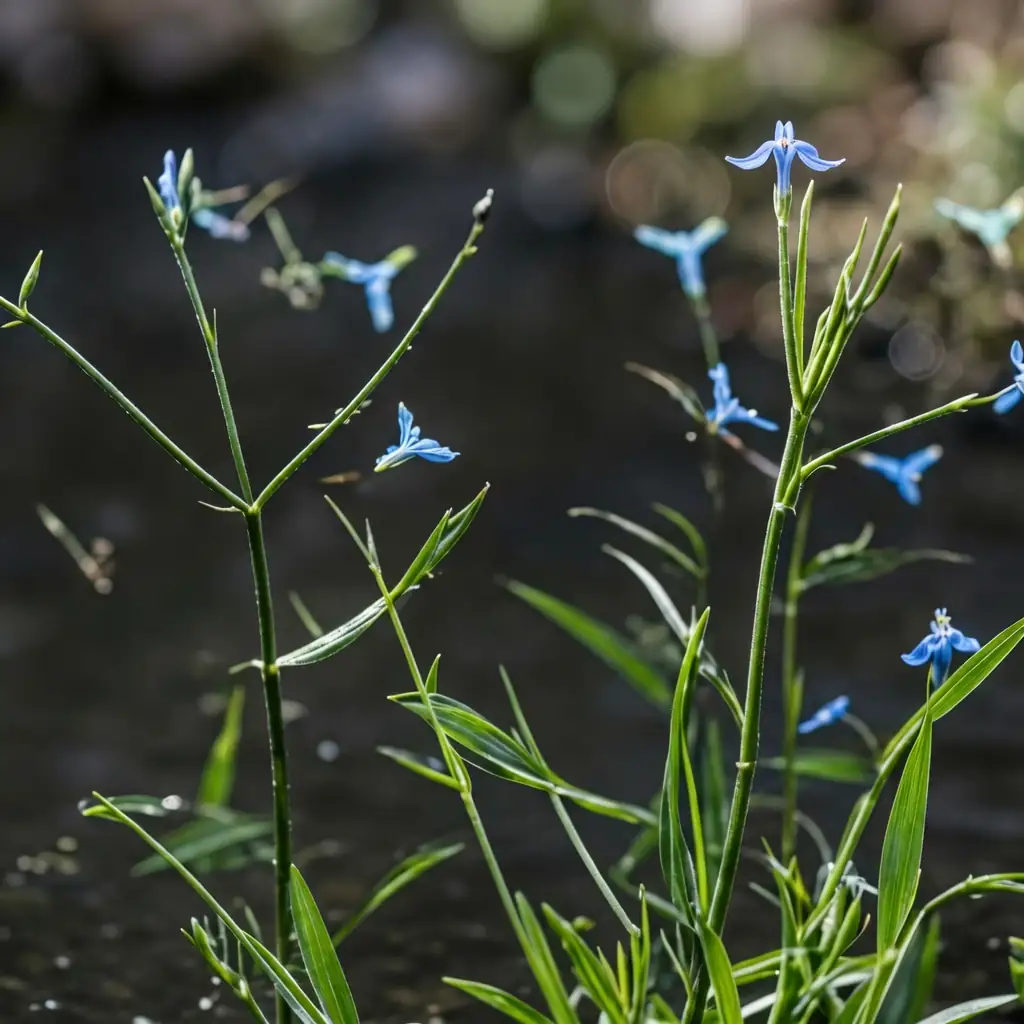
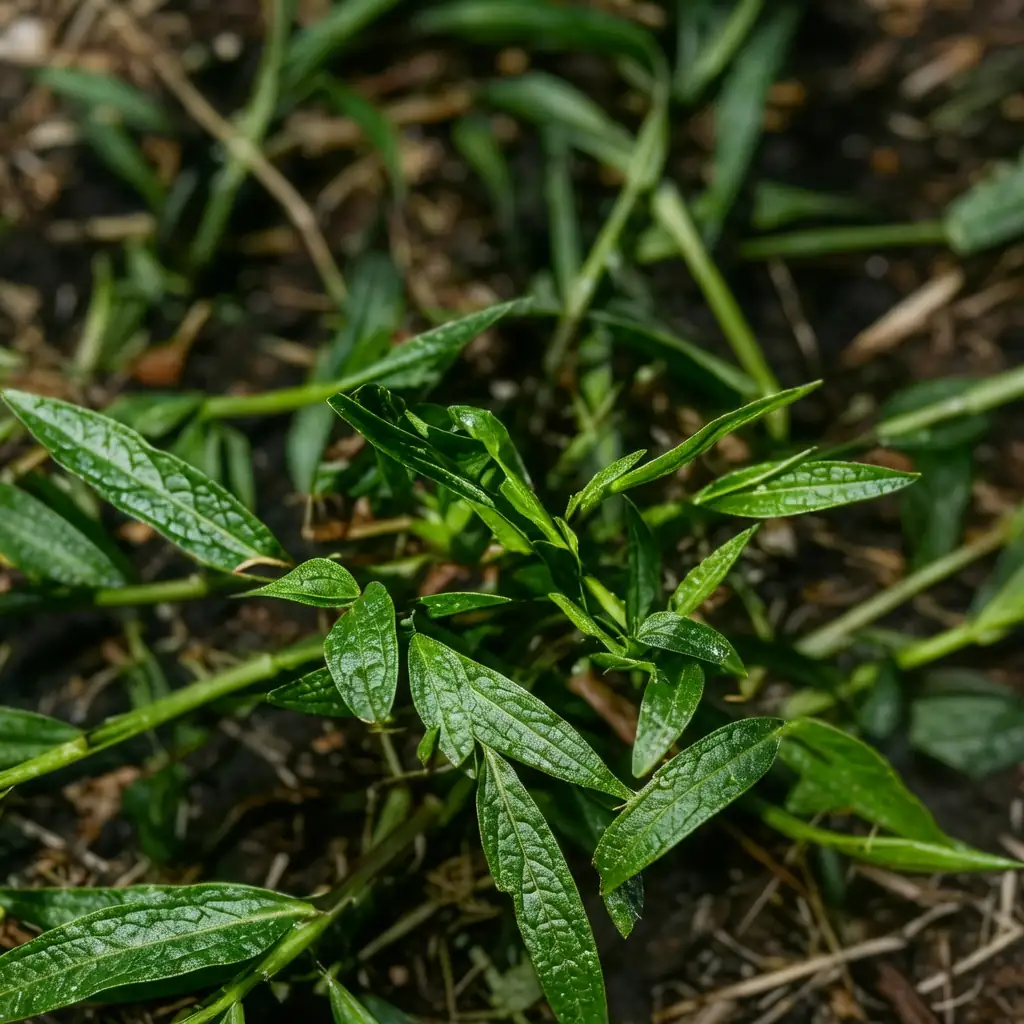
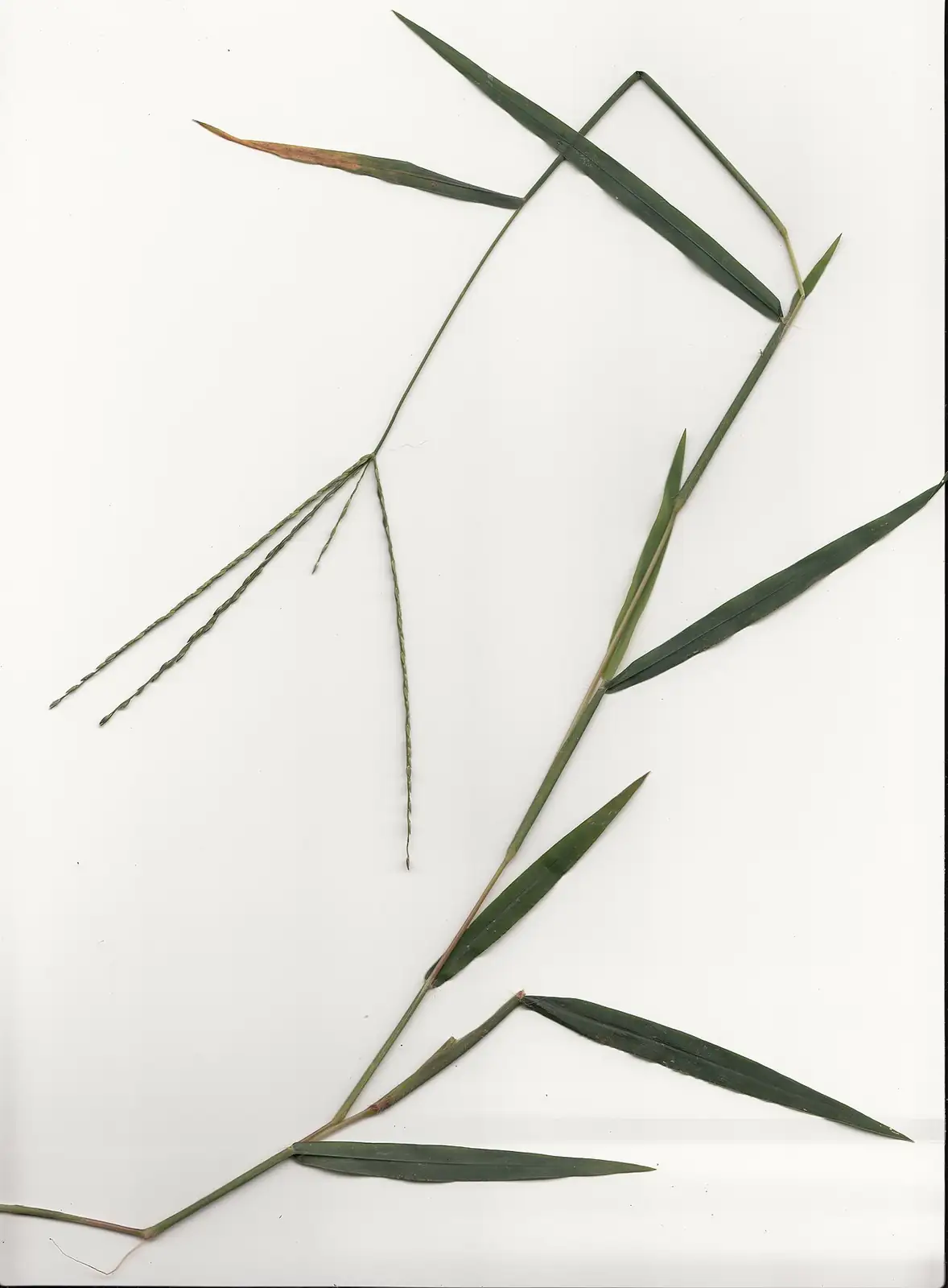
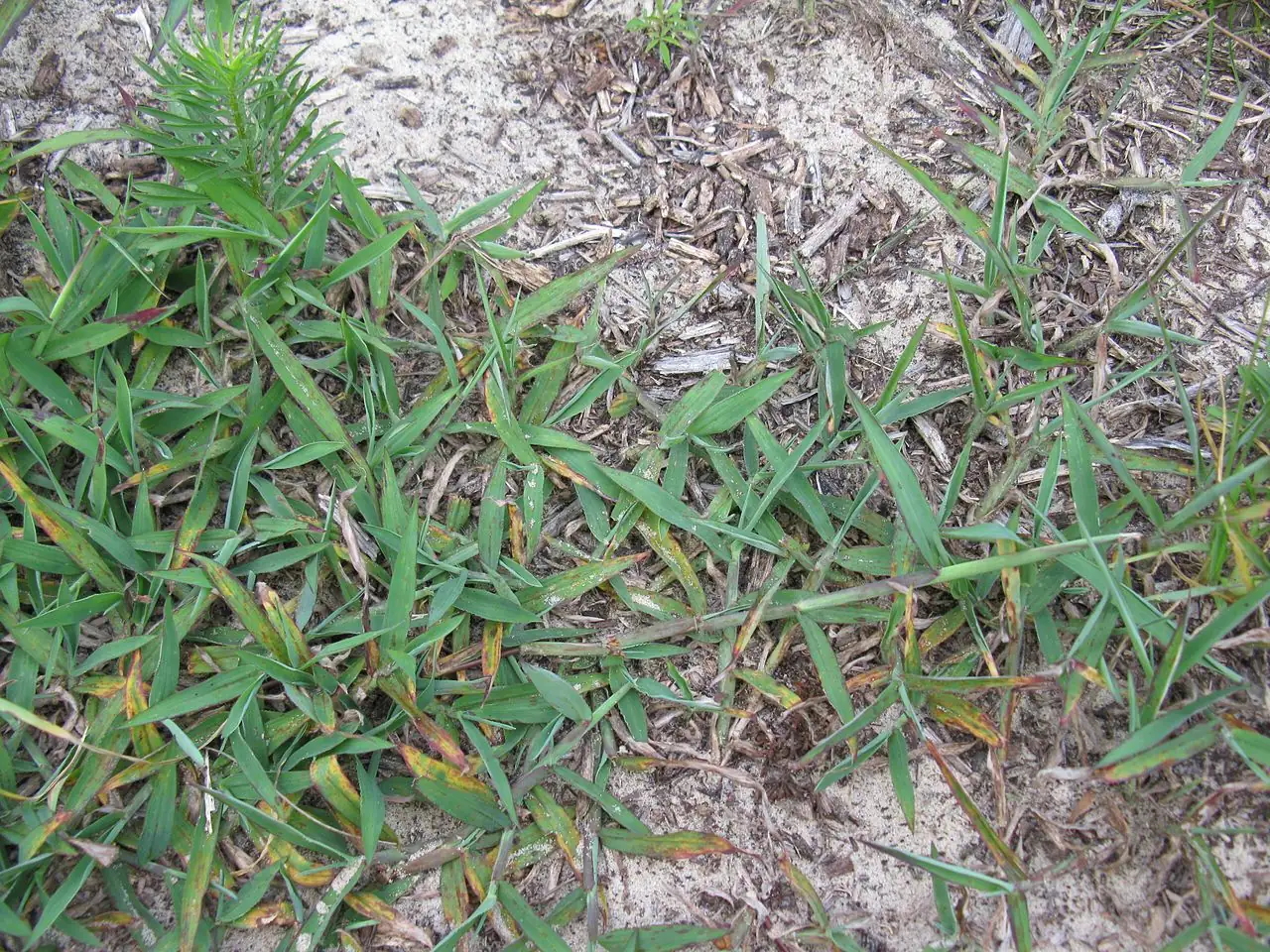
- Foliage: Leaves are narrow, linear to lance-shaped, creating a coarse-textured, spreading tuft typical of crabgrasses.
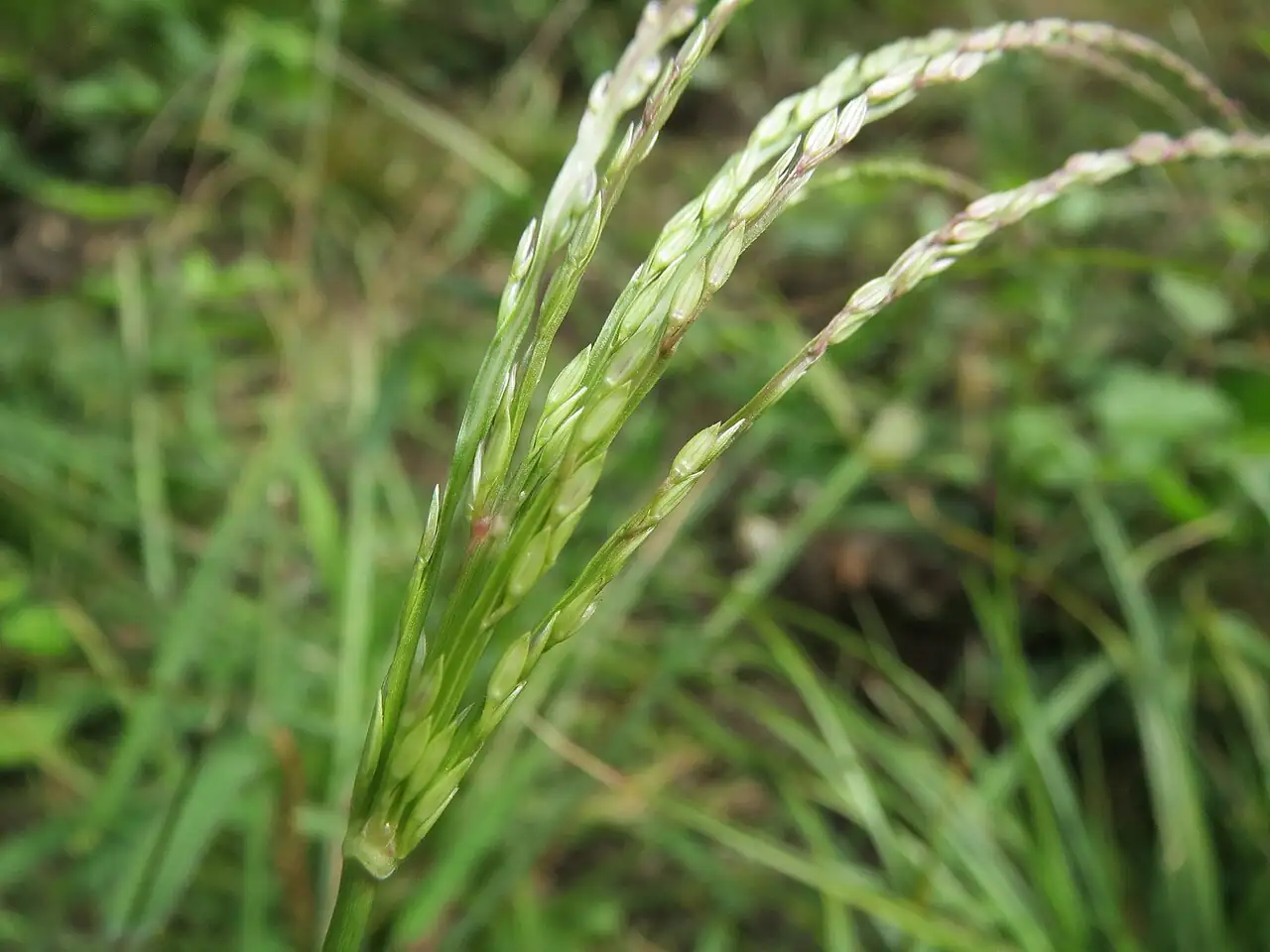
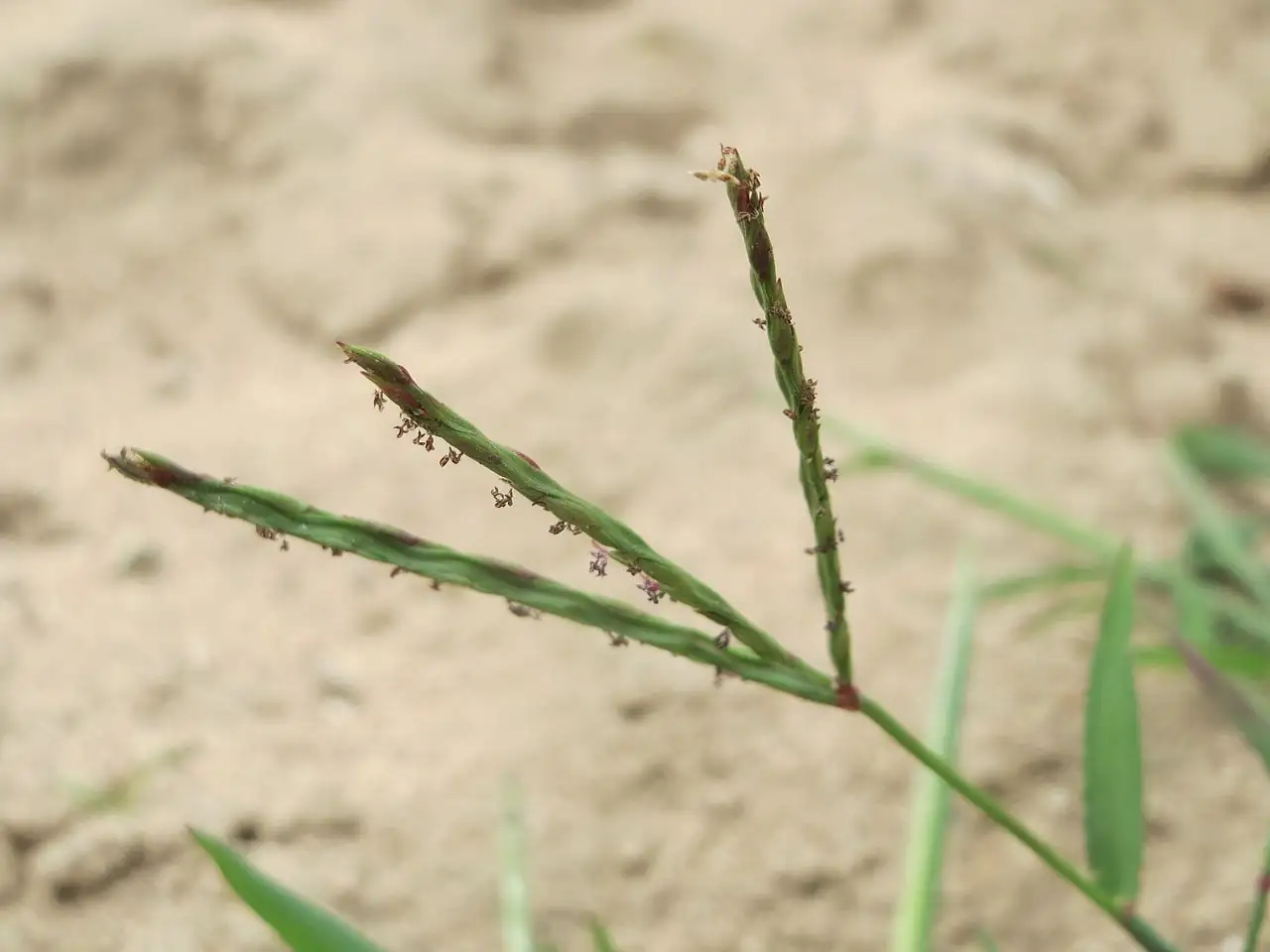
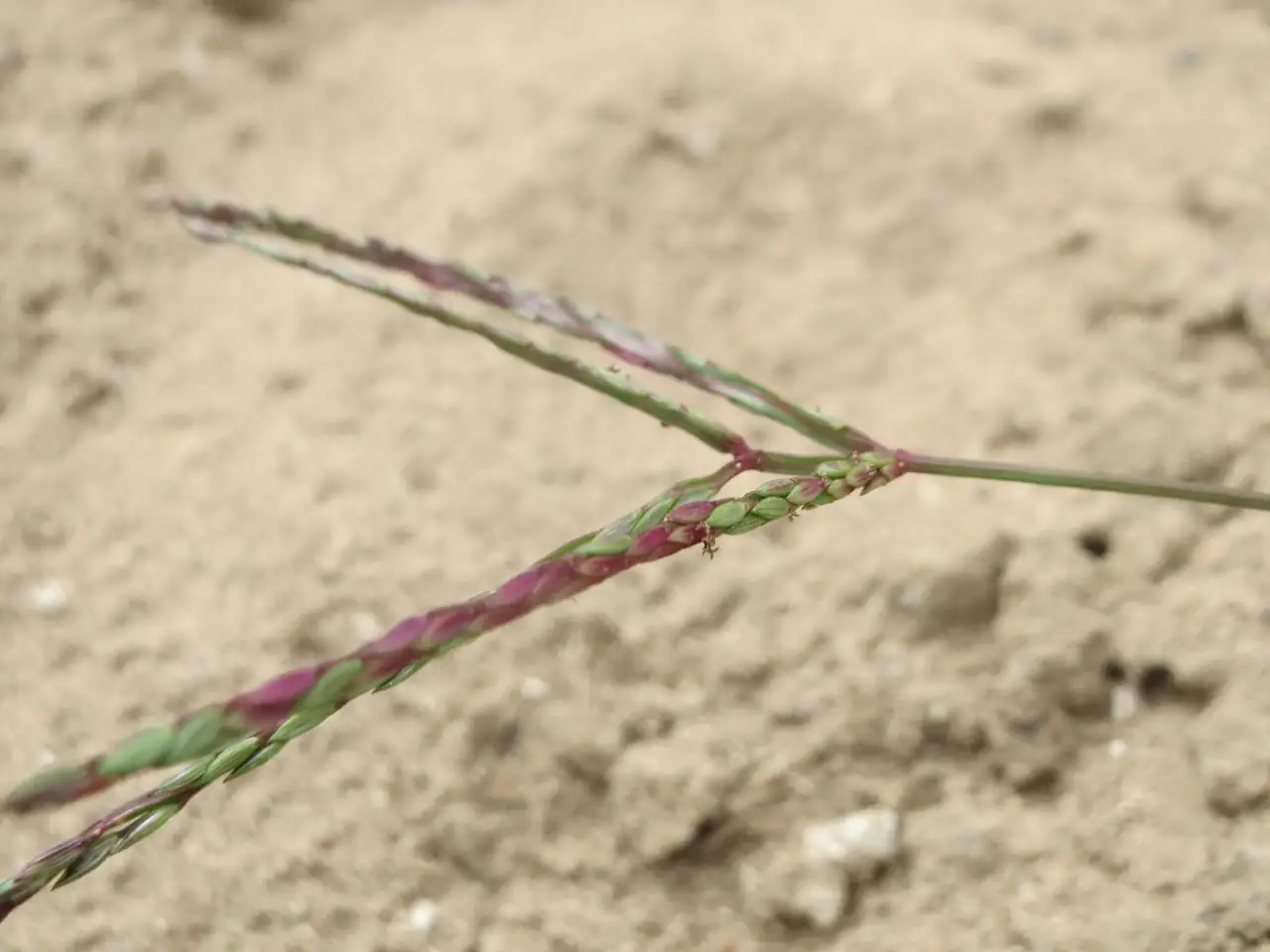
- Flower: Seed heads consist of several finger-like racemes clustered near the stem tip. The small, lance-shaped spikelets set abundant seed, which is the main way the plant spreads.
- Flowering Season: June–September
- Growth Habit: Annual, tufted-to-spreading grass with stems that often bend at the nodes and then rise; nodes may root when they contact the ground.
Environment
Sunlight
Full sun is best; tolerates light shade.
Temperature
Prefers warmth; most active growth is typically around 20–35°C (68–95°F).
Humidity
Adaptable; handles average outdoor humidity and short dry spells once established.
Soil
Very tolerant of different soils, including poor or compacted ground; performs best in well-drained soil and does not like prolonged waterlogging.
Placement
Most suitable for rough margins, banks, and wild/naturalized edges where quick cover is helpful. Avoid intentionally introducing it to cropland, orchards, or manicured lawns because it can become a persistent, heavy-seeding weed.
Hardiness
Annual in cultivation; widespread in temperate to subtropical climates. Not frost-tolerant—hard frost kills plants.
Care Guide
Difficulty
Very easy outdoors in warm seasons. It thrives in sun and heat and doesn’t demand rich soil—though fertility makes it even more vigorous.
Buying Guide
Typically not sold as an ornamental plant; it usually shows up on its own from seed in lawns and disturbed soil. If you’re considering it for forage or restoration-style mixes, confirm local legality and appropriateness—some regions treat it as a noxious or invasive weed.
Watering
Low to moderate. Water to help establishment if you sow it deliberately; after that, rainfall is often enough. Regular moisture increases growth, but avoid soggy, waterlogged conditions.
Fertilization
Optional. Nitrogen and fertile soil increase vigor (useful for forage production), but avoid fertilizing if you’re trying to limit spread or keep it out of lawns and beds.
Pruning
Not required. Mowing or cutting before seed heads mature is the simplest way to reduce self-seeding and spread.
Propagation
By seed; readily self-sows and can spread quickly where soil is bare or disturbed.
Repotting
Not applicable; usually grows in-ground or appears as a volunteer plant.
📅 Seasonal Care Calendar
Spring: seedlings emerge as temperatures rise. Summer (June–September): flowering and heavy seed production—mow/cut before seed set if you want to limit spread. Autumn: growth slows and plants decline; frost typically ends the season.
Pests, Diseases & Safety
Common Pests & Diseases
Generally trouble-free. In lawns or dense stands it can occasionally show common grass problems such as leaf spots or rusts; good airflow and avoiding excessive nitrogen can help reduce issues.
Toxicity
Not known to be toxic to people or pets under normal conditions, and it is commonly grazed. Dry stems and seed heads may cause minor mechanical irritation in sensitive animals.
Culture & Symbolism
Uses: Useful as quick, self-seeding cover in rough or naturalistic spaces and sometimes managed as forage. More commonly, it’s treated as a weed because it seeds heavily and competes strongly in lawns, gardens, and cultivated fields—so deliberate planting is usually discouraged in managed landscapes.
FAQ
Is large crabgrass good or bad?
It depends on your goals. It can be handy for fast groundcover and forage in rough, wild areas, but it’s a notorious weed in lawns and cultivated ground because it spreads quickly by seed.
How can I stop it from spreading?
Cut or mow before the seed heads mature (typically mid-to-late summer). Keeping turf dense and reducing bare soil also prevents new seedlings from getting established.
Fun Facts
- It’s a world traveler, thriving in disturbed places like roadsides, ditches, riverbanks, and field edges across many temperate and subtropical regions.
- Its biggest strength—easy self-seeding—makes it both a fast cover plant and a persistent weed, depending on where it grows.
- It typically flowers and sets seed in summer (June–September) and can range from 10–80 cm (4–31 in) tall.


