

Plant Features
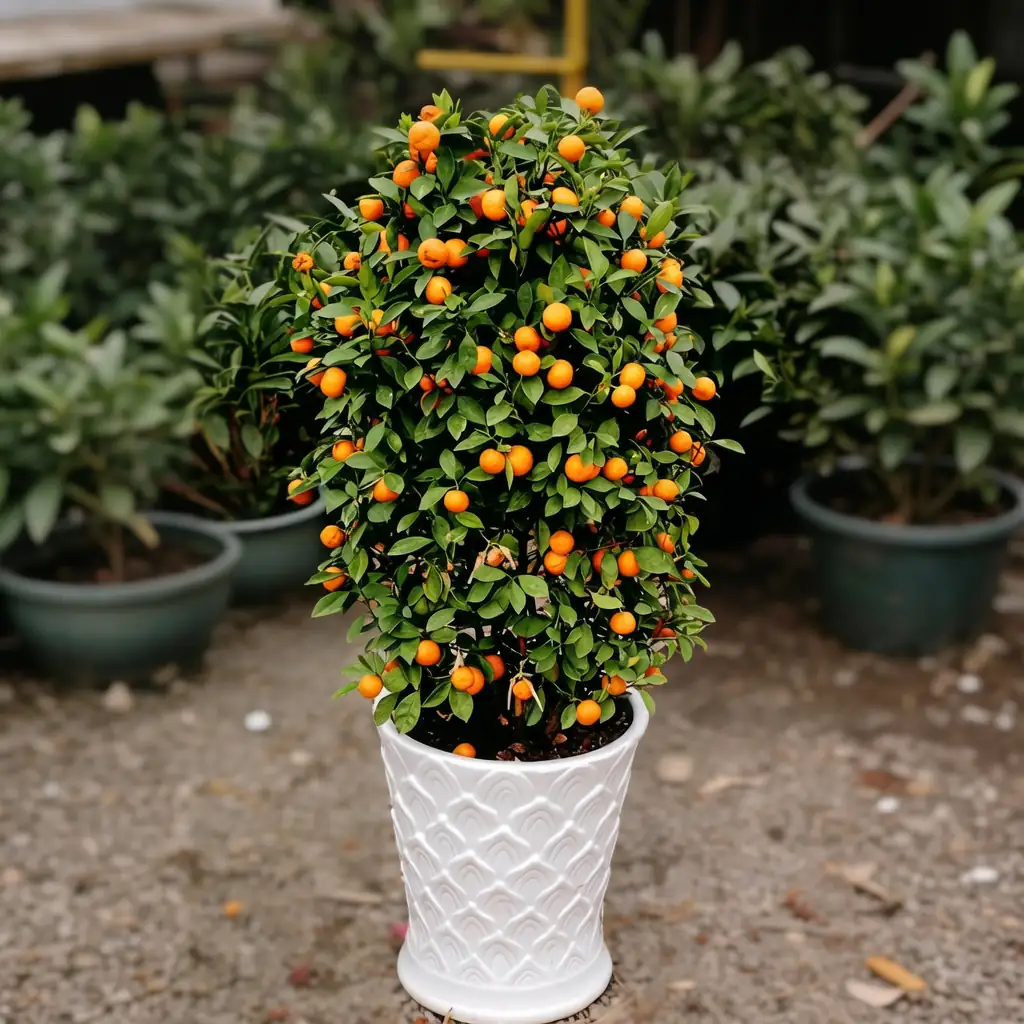
- Size: Typically grows as a compact evergreen shrub/small tree about 1–3 m (3–10 ft) in the ground. In containers it’s usually kept pruned to about 0.6–1.5 m (2–5 ft). Display plants are often grown in pots around 20–25 cm (8–10 in) in diameter.
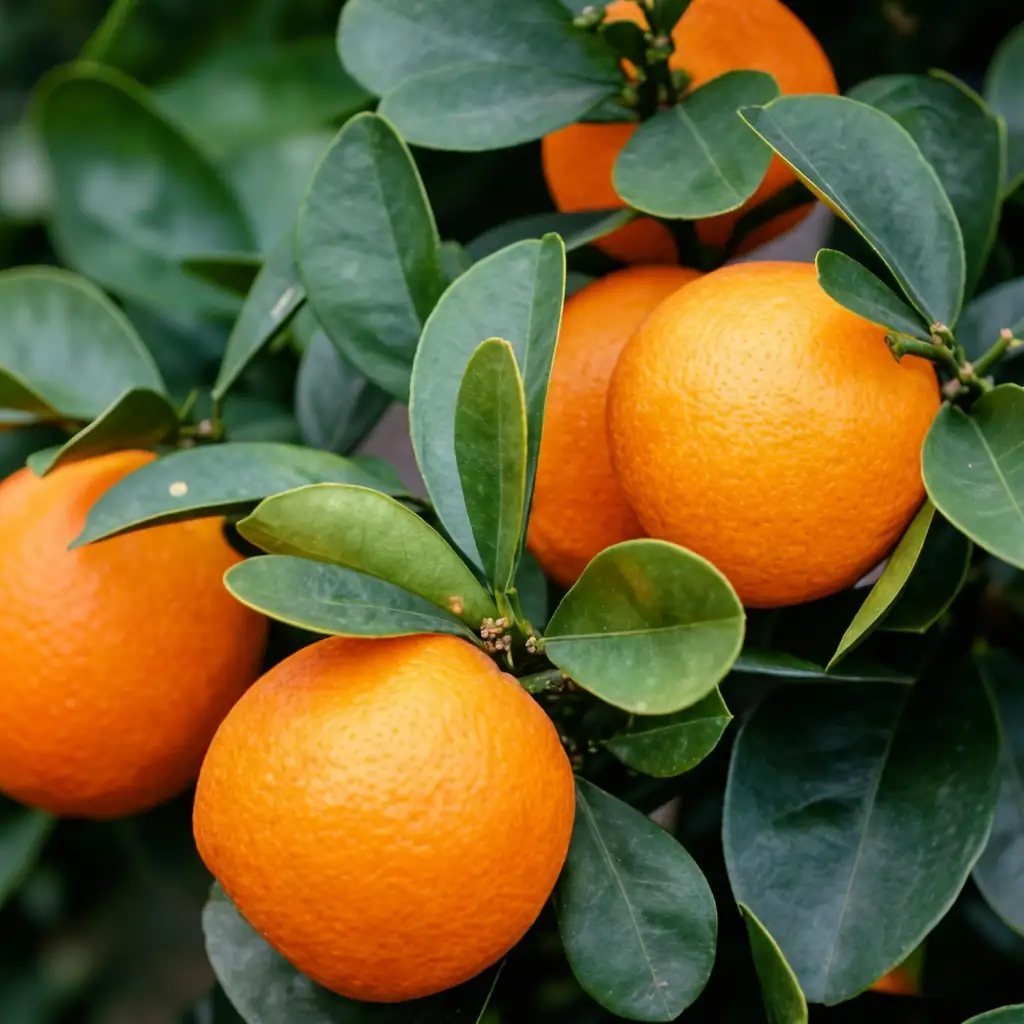
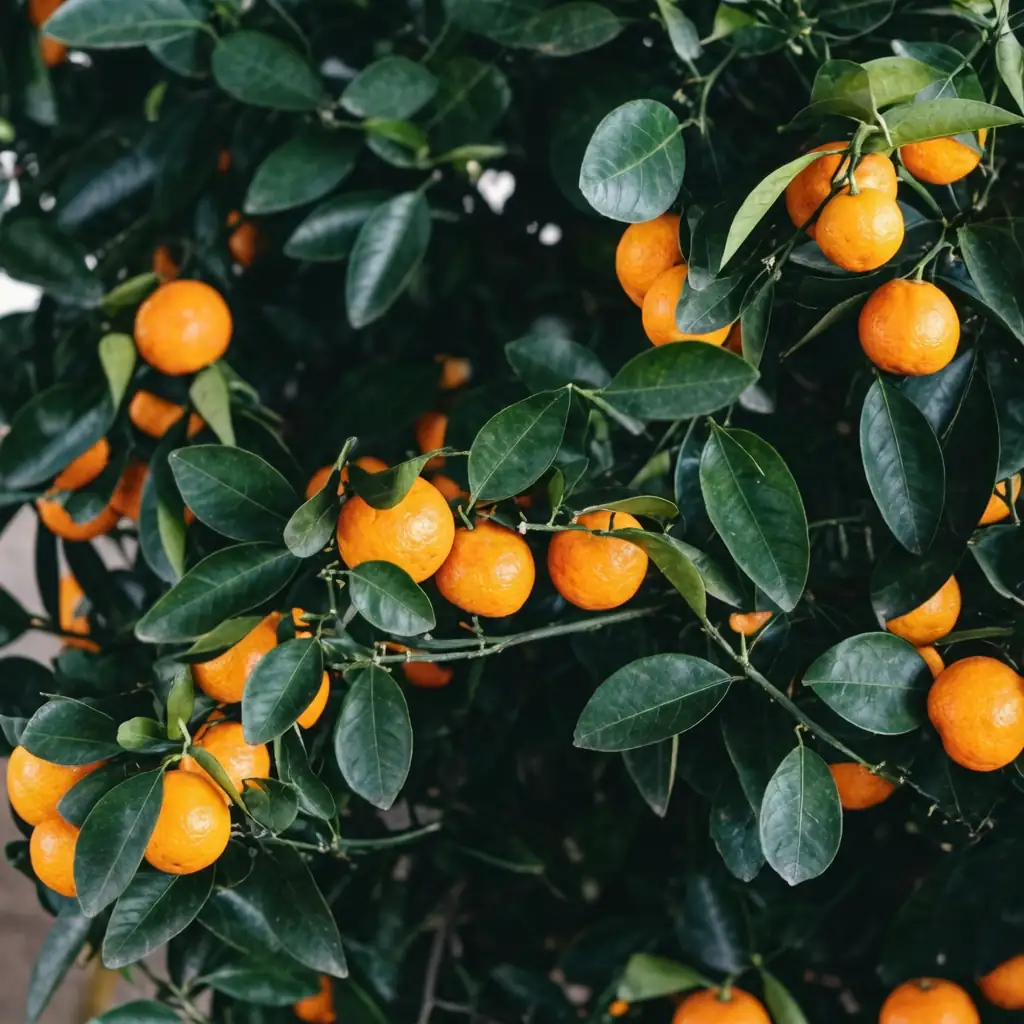
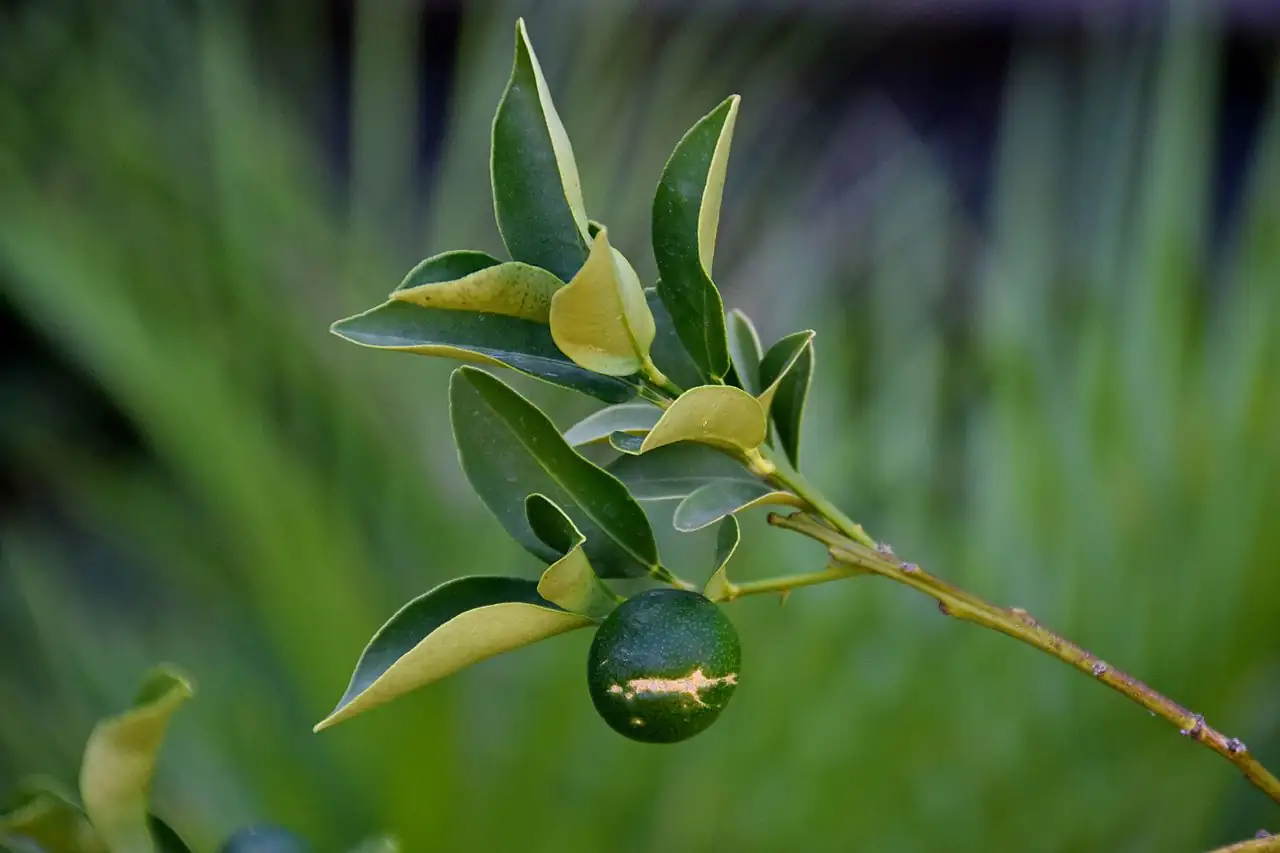
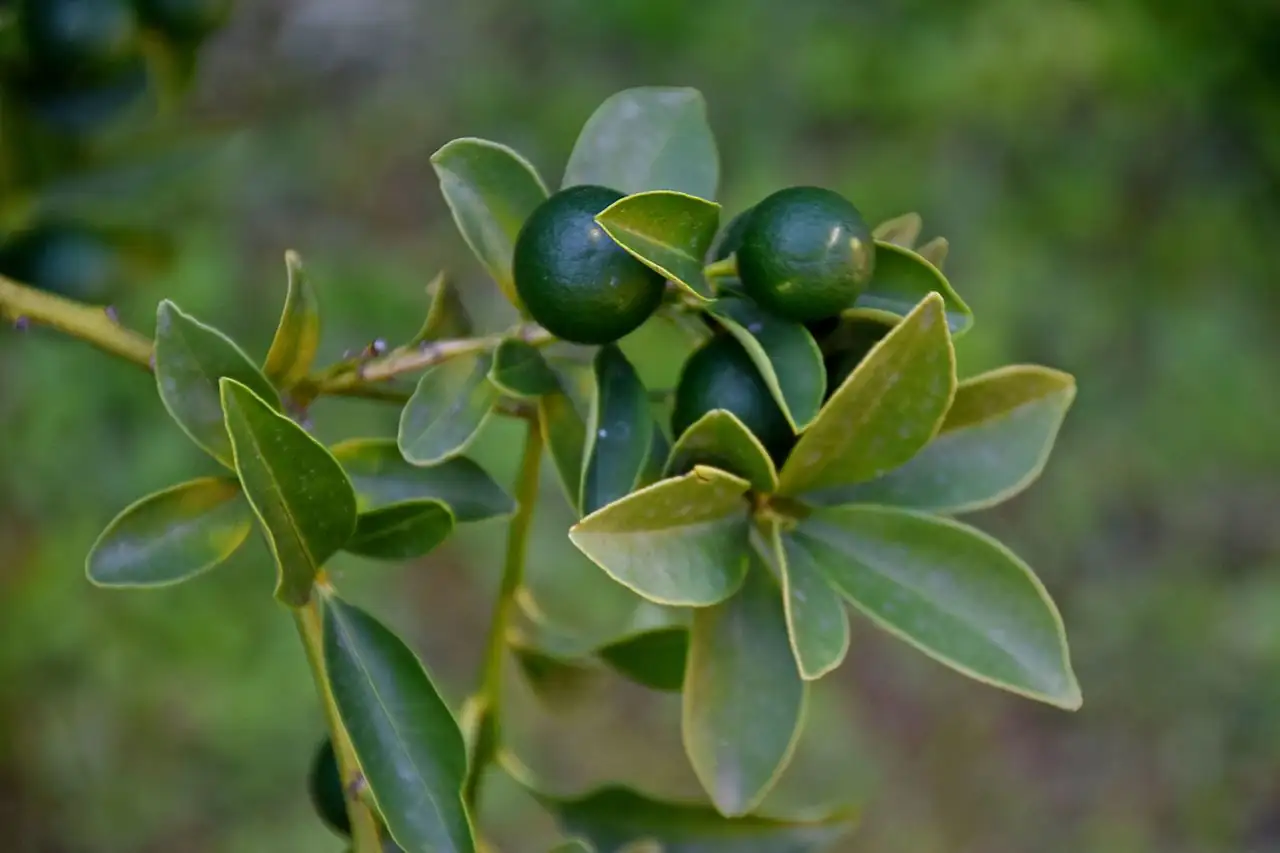
- Foliage: Dense, glossy, deep-green evergreen leaves with a tidy, elegant crown. Strong light keeps foliage compact and healthy. In very hot weather, protect leaves and young fruits from intense midday sun to prevent scorch.
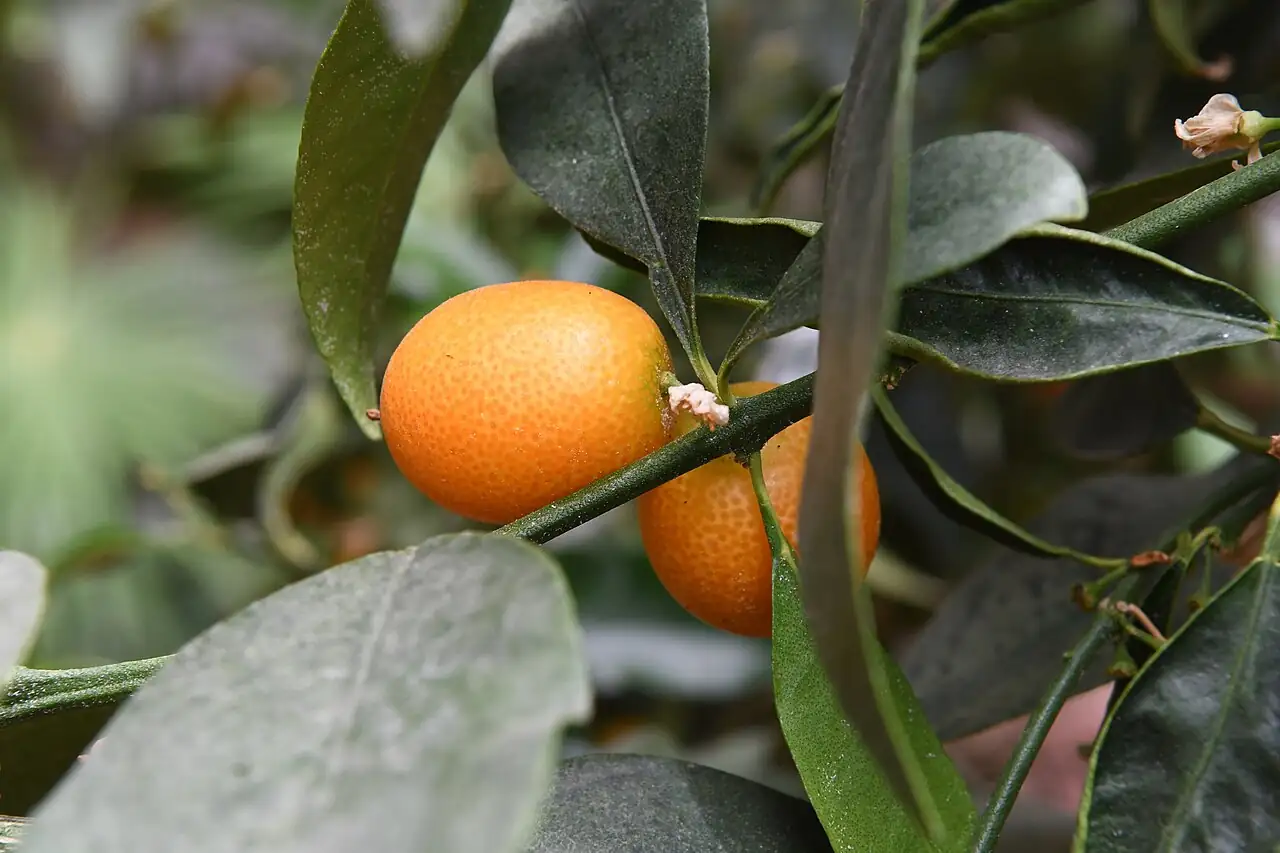
- Flower: Small, starry white citrus blossoms with a sweet fragrance. Flowering is often followed by abundant oval kumquats. Indoors, hand pollination during bloom can improve fruit set. Many growers use a short, controlled dry-down in early summer to encourage flower-bud formation, then resume normal watering as buds swell.
- Flowering Season: Typically flowers spring to summer; fruits color and persist from autumn to winter (often into mid-winter).
- Growth Habit: Evergreen, naturally bushy and branching; responds well to pruning and pinching for a compact canopy and is easily trained as a potted specimen.
Environment
Sunlight
Bright light to full sun; tolerates light shade. Best fruiting happens in strong sun (a sunny east- or south-facing window, balcony, patio, or conservatory). In hot summers, provide a little midday protection to prevent leaf/young-fruit sunburn.
Temperature
Best growth at 20–25°C (68–77°F). For potted plants in winter, keep above 7°C (45°F). Below 0°C (32°F) can cause freeze damage; in-ground plants in sheltered spots may briefly tolerate about -2°C (28°F), but protection is still recommended.
Humidity
Enjoys warm, moderately humid air, especially during flowering and fruit display. Indoor dryness can stress plants, so occasional misting (or using a humidity tray) can help. Despite liking humidity, established plants can tolerate short dry spells better than soggy roots.
Soil
Fertile, free-draining, airy citrus mix that holds some moisture but never stays waterlogged—e.g., loam/compost or leaf mold blended with peat/coir and coarse sand for drainage and aeration.
Placement
Brightest available spot indoors during the fruit display season (east/south window). Outdoors, a sunny balcony/patio works well; shelter from cold drafts, winter frost, and harsh midday sun in heatwaves.
Hardiness
Frost-tender; roughly comparable to USDA Zone 9–11 outdoors, depending on exposure and duration of cold. In colder regions, overwinter indoors or in a frost-free greenhouse.
Care Guide
Difficulty
Moderate. The plant is straightforward once settled, but it rewards growers who adjust care with the seasons—steady light and careful moisture management are especially important while it’s flowering and holding fruit.
Buying Guide
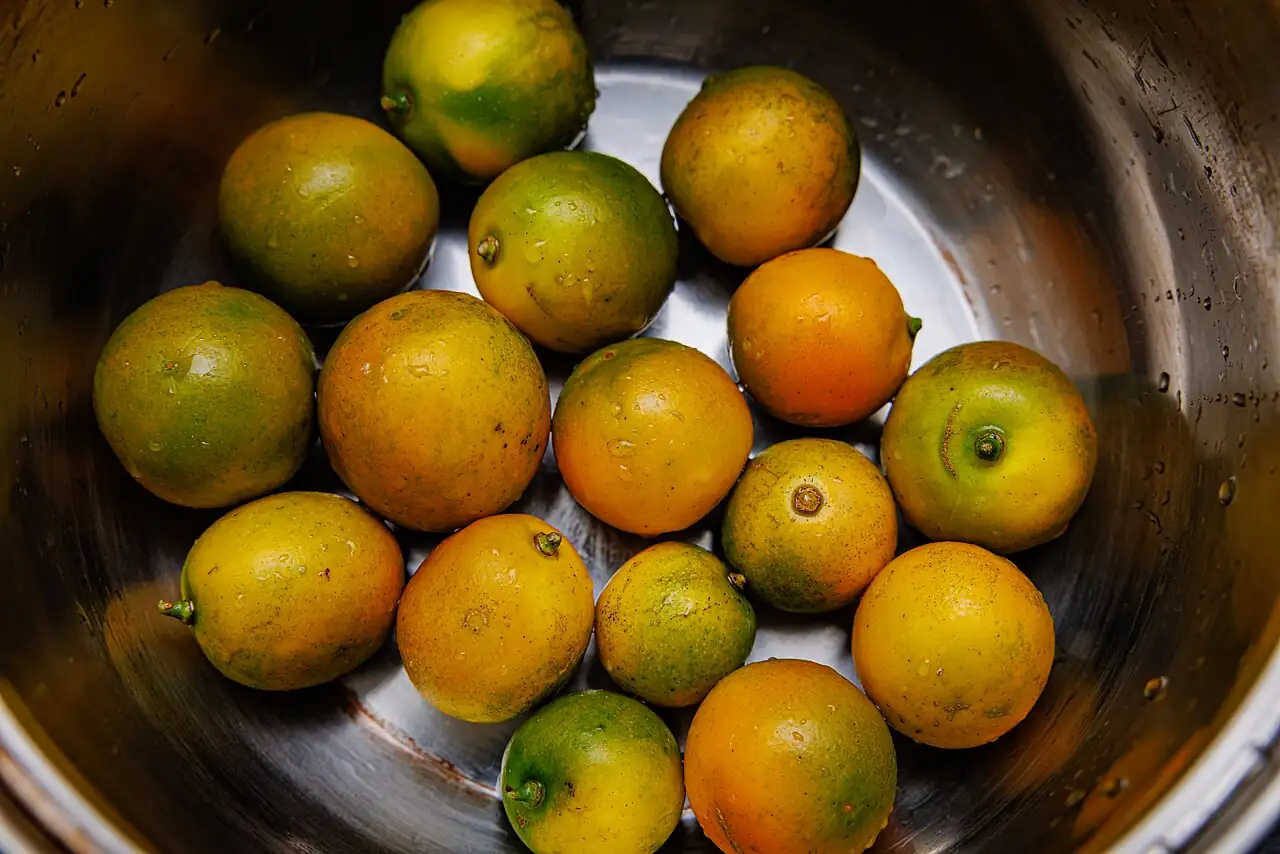
Choose a plant with a well-balanced shape and fruits that are evenly distributed, plump, and brightly colored. Avoid specimens that appear very freshly potted in loose, new mix (a “too clean” soil surface with no settling), since they often drop leaves and fruit after purchase and may not hold their display as long.
Watering
Aim for evenly moist soil during active growth—never let it sit in water, but don’t let it go bone-dry either. During the ornamental fruiting period, avoid dramatic swings between very dry and very wet, as this commonly triggers fruit drop. Spring: keep moisture steady. Early summer: a short, controlled dry-down (“water withholding”) can help stop soft, leafy shoot growth and encourage flower-bud formation; once buds swell and lighten in color, return to normal watering. Autumn: keep moisture consistent and raise humidity (misting can help). Winter: keep the mix slightly drier, provide maximum light, and avoid cold, wet soil.
Fertilization
Start feeding when buds break and new shoots/leaves begin—about every 2 weeks is typical. In late summer to early autumn, give a stronger pre-bloom feed to support flowering and fruit set. As fruits enlarge, feed about every 10 days, favoring a fertilizer higher in phosphorus and potassium to support fruit sizing and color. Feed after pruning/pinching. Stop fertilizing as fruits reach full color and begin to ripen.
Pruning
Prune in early spring before the main flush. Maintain about 3 strong framework branches; on each, keep 3–4 plump buds near the base to push sturdy, fruitful growth. Pinch tips when new shoots reach about 20 cm (8 in). Pinch again once a shoot has 5–6 leaves to encourage branching and fruiting wood. Remove dead, weak, or unwanted shoots promptly—especially out-of-season autumn shoots that sap energy.
Propagation
Most commonly propagated by grafting to maintain cultivar traits and get earlier fruiting. Common rootstocks include trifoliate orange, sour orange/sour citrus types, and seedling kumquat/citrus. Typical timing: cleft/branch grafting in March–April; approach grafting around June; bud grafting June–September. Seed propagation is possible but not preferred because seedlings can vary and usually take longer to fruit.
Repotting
Repot about every 2 years. Many display plants are grown in 20–25 cm (8–10 in) pots; step up only as needed to avoid excess wet soil. After the fruit display, remove remaining fruits in early spring, then repot into fresh, fertile, well-drained mix. When potting up after a successful graft, keep as much of the original root ball intact as possible to reduce stress.
📅 Seasonal Care Calendar
Autumn–winter (main display): keep light high and watering steady; protect from cold and drafts; avoid dry/wet swings to prevent fruit drop. Early spring: remove remaining fruits, repot, and prune before the spring flush. Spring: feed every ~2 weeks as growth starts; pinch shoots for shape. Early summer: brief controlled dry-down can encourage bud formation; resume normal watering when buds swell. Late summer–early autumn: feed well before bloom. Fruit enlargement: feed about every 10 days with higher P/K; stop feeding as fruits fully color and ripen. Grafting windows: March–April (branch/cleft), June (approach), June–September (bud grafting).
Pests, Diseases & Safety
Common Pests & Diseases
Watch for citrus canker and citrus scab. Good airflow, clean-up of infected leaves/twigs, and avoiding late-day wet foliage help prevent spread. Copper-based sprays (such as Bordeaux mixture) are traditionally used for prevention where permitted; if disease appears, use a labeled fungicide according to local regulations and directions. Common pests include spider mites and scale insects—treat early with horticultural oil or insecticidal soap and repeat as needed; escalate to a labeled insecticide only for severe infestations.
Toxicity
Generally considered non-toxic for typical household exposure, and the fruits are edible. However, citrus oils in leaves and peel can cause mild skin irritation in sensitive people, and pets that chew a lot of foliage/peel may experience mild stomach upset.
Culture & Symbolism
Symbolism: A classic Lunar New Year “good luck” plant: clusters of golden fruits symbolize prosperity, fortune, and wealth, bringing a bright, celebratory feeling to the home.
History & Legends: In China, kumquat has long been cherished as an ornamental fruit plant for the home. Because its best fruit display often coincides with Lunar New Year, it became a staple of seasonal flower markets and holiday decorations across many regions.
Uses: Primarily grown as an ornamental potted fruit tree for festive indoor/outdoor display (especially around Lunar New Year). The fruits are also eaten fresh and are popular candied or made into preserves and jams.
FAQ
How do I choose a good kumquat plant to buy?
Look for a balanced, well-shaped plant with lots of evenly distributed fruits that are bright and uniform. Skip plants that look very freshly potted in loose, new mix—those often drop leaves and fruit soon after you bring them home.
How can I get a kumquat to fruit every year?
Prune and shape in spring, use a short controlled dry-down in early summer to encourage flower buds, hand-pollinate during bloom if grown indoors, feed regularly (especially before flowering and during fruit enlargement with higher phosphorus/potassium), and keep watering consistent—avoid waterlogging, harsh dry/wet swings, sudden temperature changes, and scorching sun.
Fun Facts
- Kumquats are often eaten whole—sweet peel and tangy flesh together—unlike many other citrus fruits.
- You may still see the old genus name Fortunella in books and plant tags; many modern references place kumquats within Citrus as Citrus japonica.
- A brief “water withholding” period is a traditional trick used by growers to help potted kumquats form flower buds.
- Container kumquats are much more cold-sensitive than in-ground plants and usually need frost protection.


