

Plant Features
- Size:1–3 m (3.3–9.8 ft) tall; often forms thickets with arching to upright canes
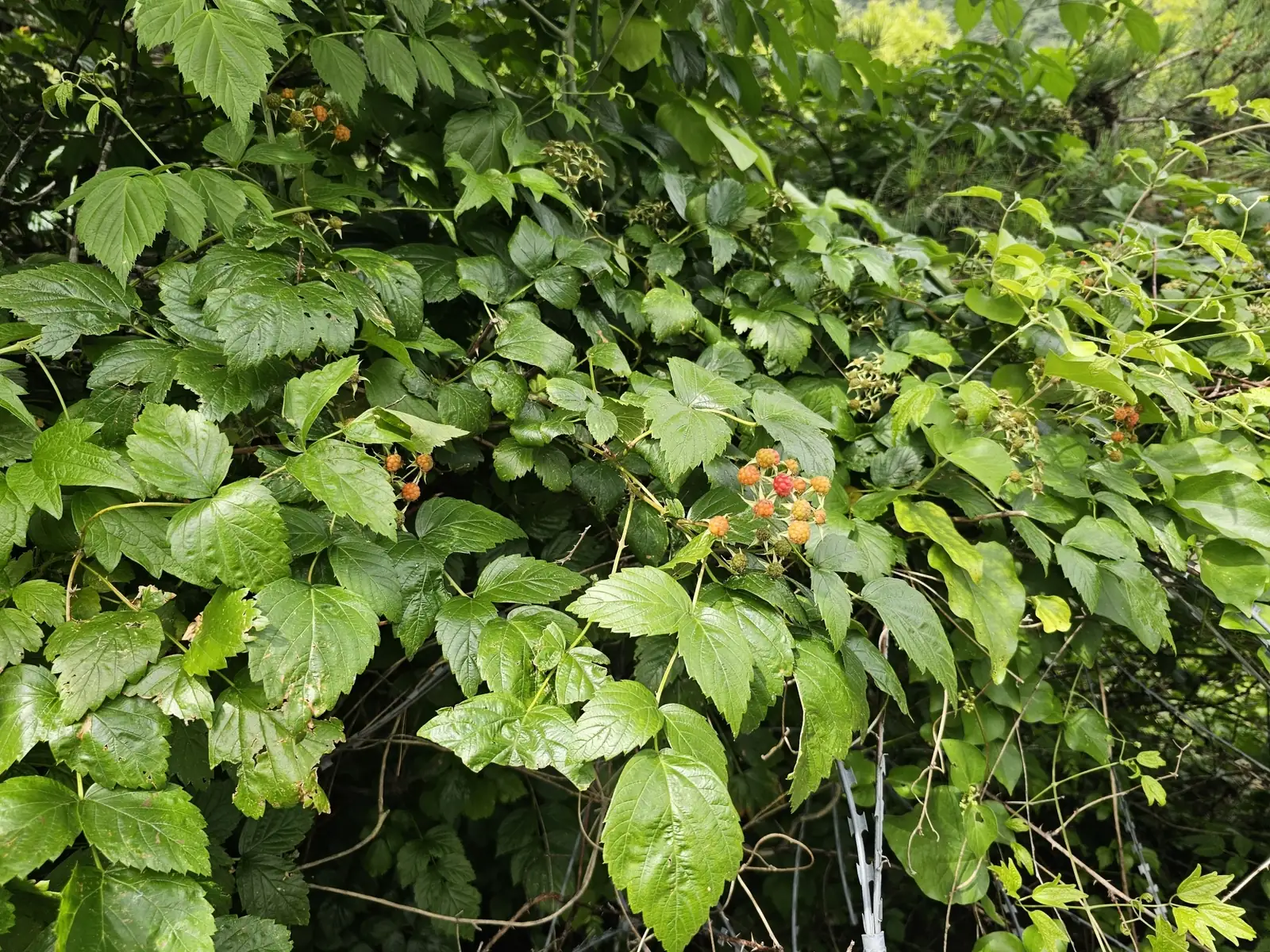
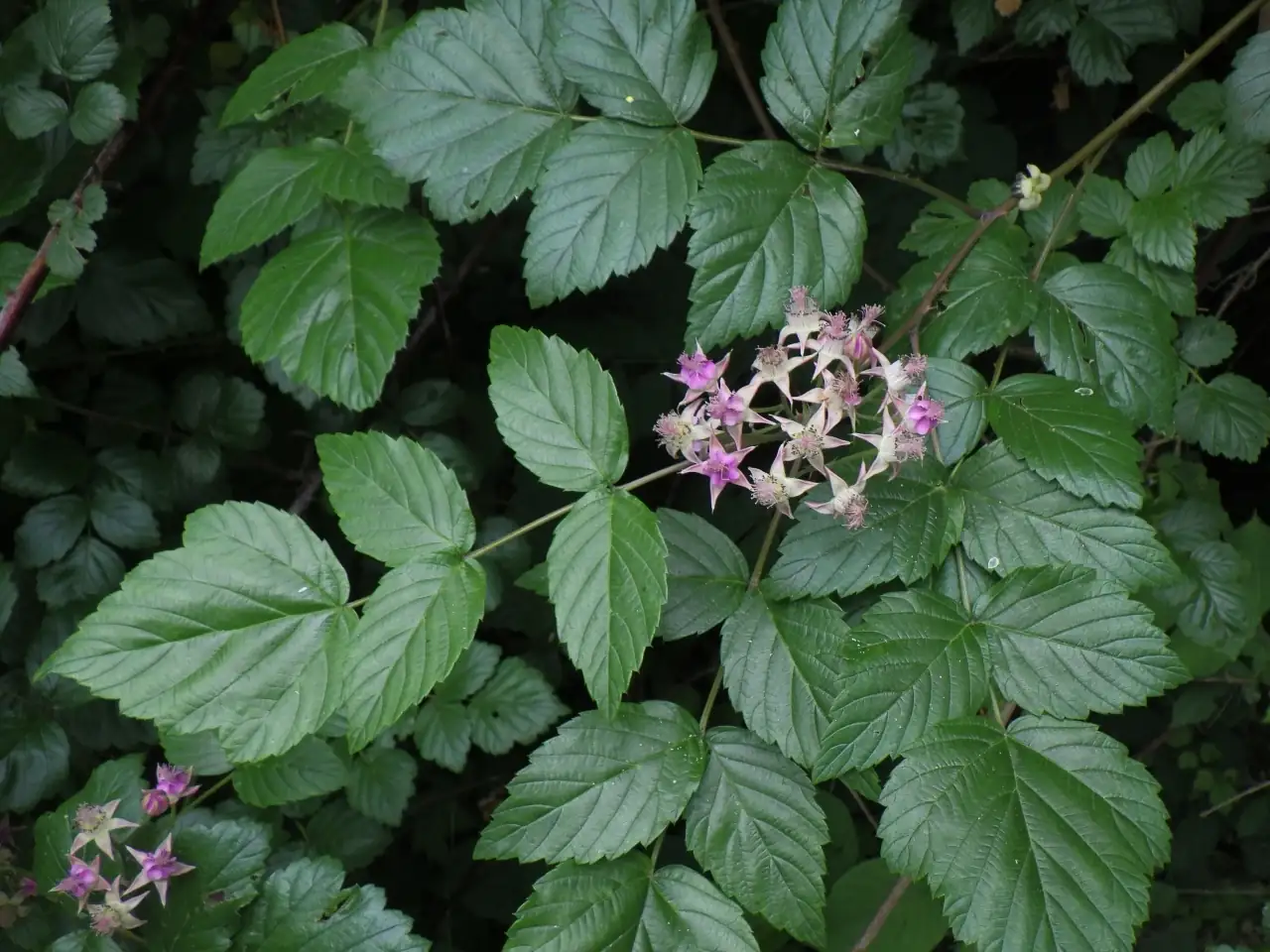
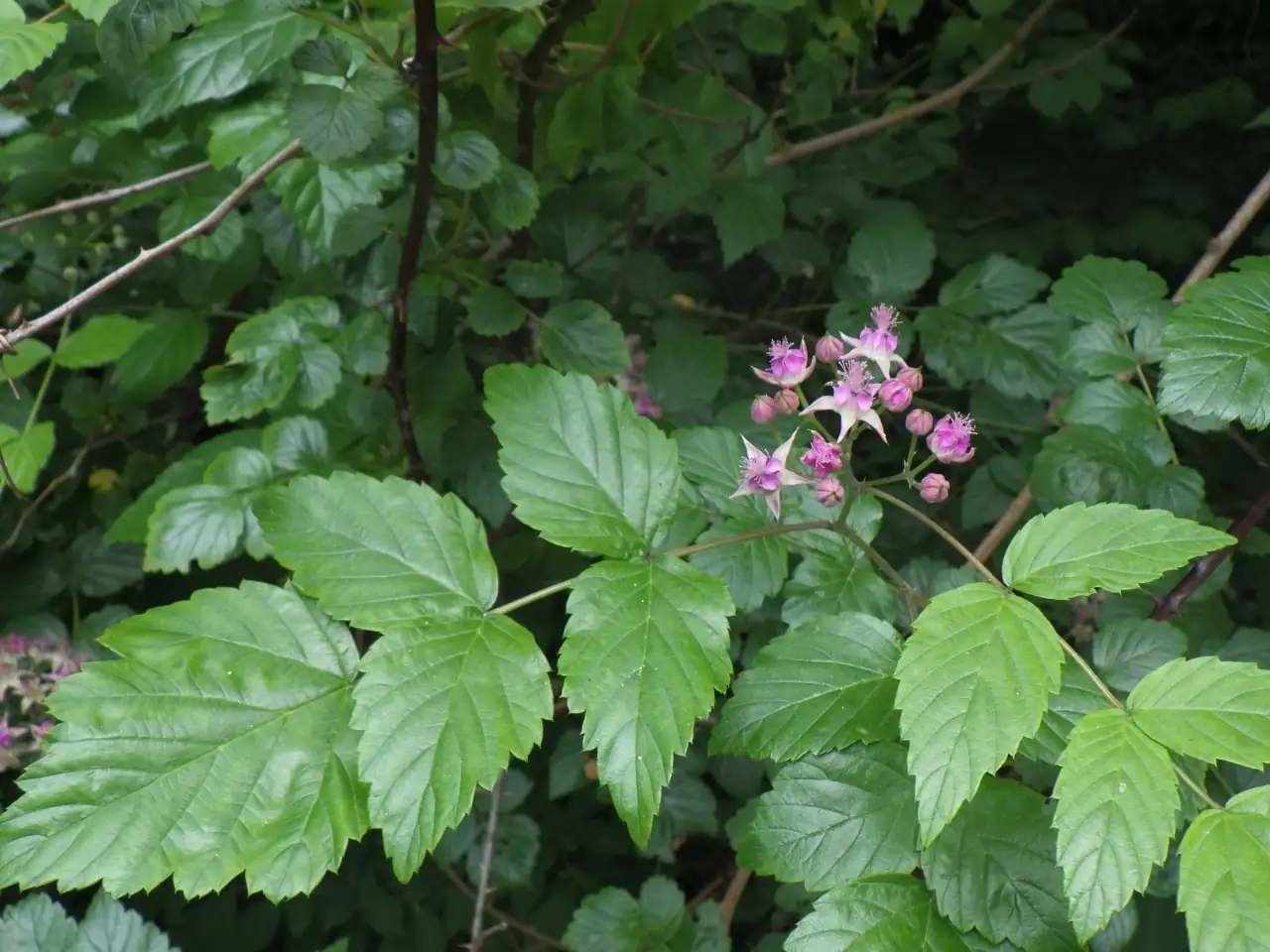
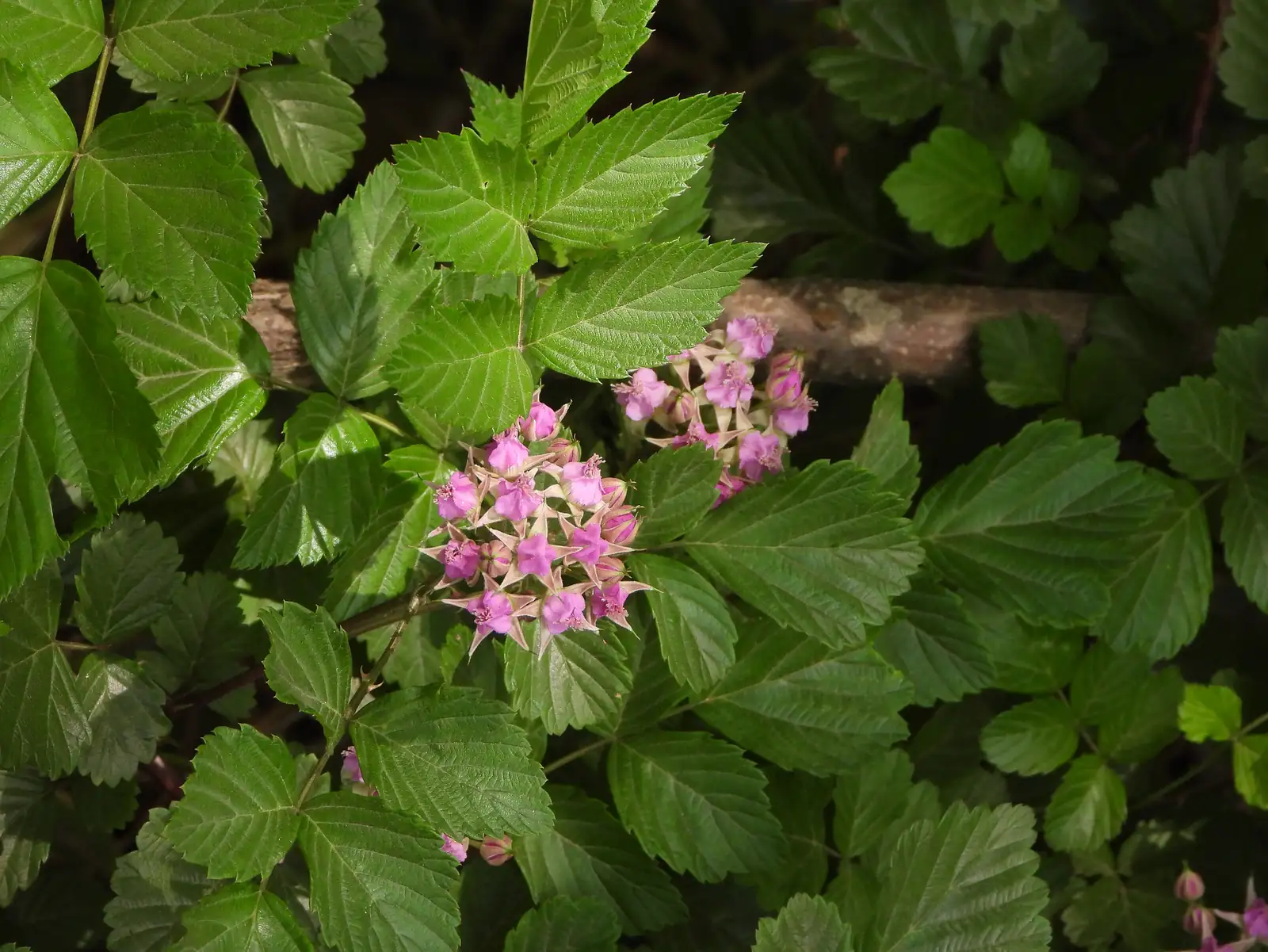
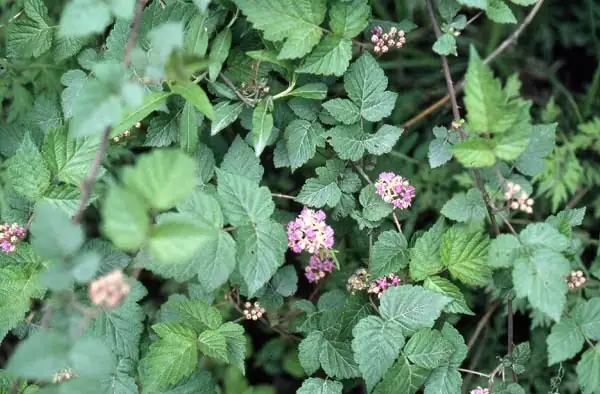
- Foliage: Canes are stout and often coated with a whitish, powdery bloom; prickles are flattened and may be nearly upright or hooked. Leaves are usually compound with 5 leaflets (sometimes 3); leaflets are ovate (egg-shaped).
- Flower: Small, typically white flowers held in corymb-like clusters at the ends of lateral shoots. Clusters may have just a few flowers or many dozens; flower stalks are covered with short grayish hairs.
- Flowering Season: April–June (Apr–Jun)
- Growth Habit: Deciduous, prickly bramble shrub; vigorous and adaptable, spreading by canes and forming colonies in favorable sites.
Environment
Sunlight
Full sun to partial shade; best fruiting in full sun (about 6+ hours/day).
Temperature
Cool to warm temperate conditions; roughly 10–30°C (50–86°F) during active growth.
Humidity
Average outdoor humidity is suitable; prioritize good airflow, especially in humid summers, to reduce fungal problems.
Soil
Adaptable, but happiest in well-drained, slightly acidic loam. Avoid waterlogged or constantly soggy soil.
Placement
Outdoors in gardens, hedgerows, slopes, and edge plantings; useful for naturalized banks or margins where it has room to spread (or use containment/root barriers).
Hardiness
Approximately USDA Zone 5–9 (about -29 to -1°C / -20 to 30°F, depending on local conditions and cultivar).
Care Guide
Difficulty
Easy to moderate: generally robust and forgiving, but the prickles and its vigorous spread mean pruning/training makes it much more pleasant (and more productive).
Buying Guide
Pick plants with firm, healthy canes and no signs of cane dieback, heavy pest activity, or leaf spotting. For bare-root plants, look for a well-developed root system and plump buds; for potted plants, avoid severely rootbound specimens.
Watering
Water regularly while establishing. After that, water deeply during dry spells—especially from flowering through fruit ripening—then let the top of the soil dry slightly between waterings. Consistently wet soil can encourage root and cane problems.
Fertilization
In early spring, top-dress with compost or use a balanced slow-release fertilizer. Don’t overdo nitrogen, which can push lots of leafy growth with fewer flowers and berries. A light feeding after harvest can support next year’s canes.
Pruning
After fruiting, cut out spent fruiting canes at ground level. Thin crowded new canes, keeping the strongest and best-placed stems, and tie to supports/trellising for easier harvesting and better airflow. Wear gloves and long sleeves to avoid scratches.
Propagation
Easily propagated by tip layering, root suckers, division, and hardwood or softwood cuttings. Seed is possible but offspring may vary and fruit quality is less predictable.
Repotting
Most often grown in the ground. If kept in containers, repot every 1–2 years into a fresh, well-draining mix and upsize the pot as needed, keeping the crown at the same planting depth.
📅 Seasonal Care Calendar
Spring: light feeding, train/space new canes, watch for early pests. Summer: maintain even moisture during flowering and fruiting; harvest when berries fully color. Late summer–autumn: remove spent canes after harvest; thin and tidy. Winter: dormant season—do structural pruning and mulch in colder areas.
Pests, Diseases & Safety
Common Pests & Diseases
May attract aphids, spider mites, cane borers, and fruit flies. Common diseases include gray mold (Botrytis), powdery mildew, anthracnose, and cane blight. Reduce issues with good airflow, removing old canes, keeping weeds down, avoiding overhead watering near harvest, and cleaning up fallen fruit and debris.
Toxicity
Generally non-toxic and grown for edible fruit. Main hazard is mechanical: sharp prickles can scratch skin—wear gloves and consider siting away from narrow paths or play areas.
Culture & Symbolism
Symbolism: Often linked with abundance and the joy of foraging, thanks to its generous berry clusters and energetic growth.
History & Legends: In Korea the fruit is famous as “bokbunja,” long used in traditional foods and drinks and especially known for fruit wines and liqueurs, as well as herbal preparations.
Uses: Edible fruit for fresh eating, jams, syrups, desserts, and fermentation (wine/liqueur); also used in traditional herbal contexts.
FAQ
When does Korean blackberry flower and fruit?
It usually flowers from April to June (Apr–Jun) and fruits from June to August (Jun–Aug), depending on climate and site.
Does it need full sun to produce fruit?
It will grow in partial shade, but full sun typically gives heavier flowering and better-quality berries.
How do I stop it from spreading everywhere?
Remove spent fruiting canes after harvest, thin new canes, and regularly pull or cut unwanted suckers. If needed, use a root barrier or plant in a contained bed.
Fun Facts
- The berries often shift from deep red to purple-black as they ripen, and they’re popular for making sweet-tart wines.
- Leaves commonly have 5 leaflets (sometimes 3), a classic bramble trait.
- The canes can look lightly “frosted” due to a pale powdery bloom and have distinctive flattened prickles.
- A single flower cluster can carry just a few blooms—or several dozen.
- In the wild it commonly shows up on slopes, in valleys, along rivers, and beside roads across East Asia.


