Plant Features
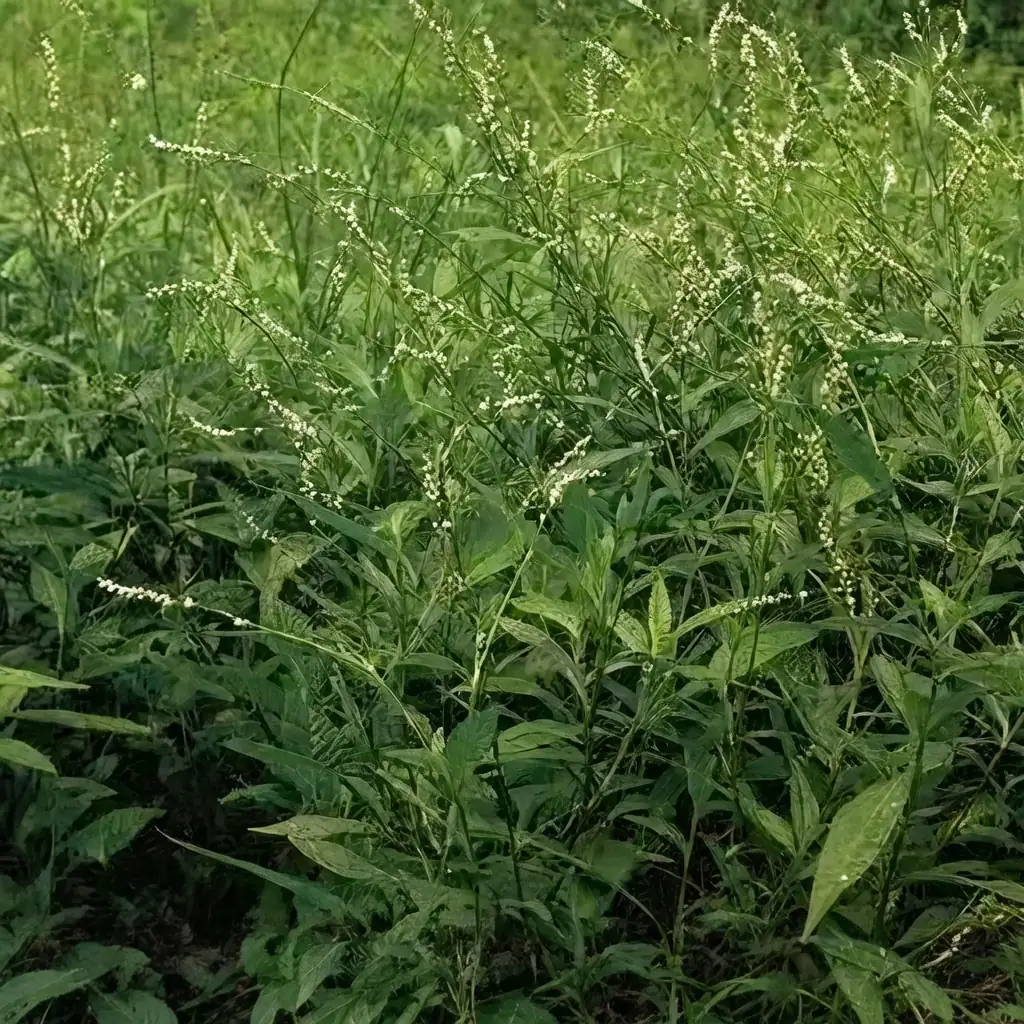
- Size: Typically 30–70 cm (12–28 in) tall; forms a light, open groundcover rather than a dense mound.
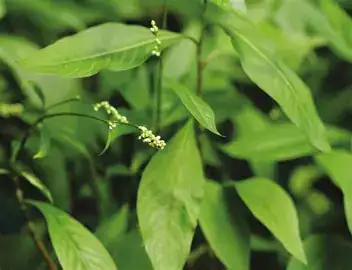
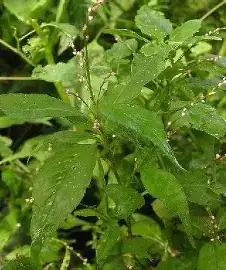
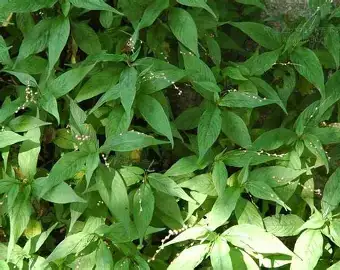
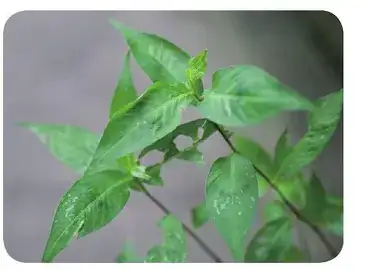
- Foliage: Leaves are ovate-lanceolate with a noticeably long, tapering tip and a broadly wedge-shaped base. The leaf texture is papery. Surfaces range from sparsely hairy to nearly hairless, with a slightly raised midrib on the underside and fine hairs along the margins.
- Flower: Flowers appear in slender, spike-like racemes at stem tips or from leaf axils. The lower part of the spike can be interrupted, so blooms may look a bit spaced out rather than tightly packed. Pale green, funnel-shaped bracts each usually hold 3–4 tiny flowers. The perianth is pale pink and deeply split into 5 lobes. Fruits are ovoid achenes with three sharp angles, dark brown to nearly black, and distinctly glossy.
- Flowering Season: June–September
- Growth Habit: Annual herb with thin, weak, ridged stems that are generally hairless; tends to lean and weave among nearby plants in a natural setting.
Environment
Sunlight
Partial shade to shade; prefers dappled light and will struggle in harsh, direct sun—especially if the site dries out.
Temperature
Grows best in mild to warm weather around 15–30°C (59–86°F). As an annual, it does not tolerate hard frost for long.
Humidity
Likes consistently moist conditions and does well in medium to high humidity (about 50%+).
Soil
Moist, humus-rich, well-drained soil. Tolerates loam and even light clay as long as it isn’t waterlogged and stagnant.
Placement
Best for shaded, damp corners of a garden, woodland-edge plantings, or along streams/pond margins where the soil stays evenly moist.
Hardiness
Annual; not frost-hardy. In temperate climates it completes its life cycle in one season and dies after hard frost.
Care Guide
Difficulty
Easy—provided it gets the two things it loves most: shade and steady moisture. The main failure point is heat + dryness + full sun.
Buying Guide
More often seen as a wild or naturalized plant than a standard nursery ornamental. If purchasing or potting up a volunteer, look for fresh green leaves with no drought scorch, and avoid plants that have been kept bone-dry or are severely root-bound.
Watering
Keep evenly moist. Water when the top 2–3 cm (0.8–1.2 in) of soil begins to dry. Don’t allow long dry spells. In containers, expect to water more often during warm weather.
Fertilization
Usually unnecessary in decent garden soil. In containers or very poor soil, feed lightly with a balanced fertilizer at 1/4–1/2 strength every 4–6 weeks during active growth.
Pruning
Minimal. Remove tired or spent stems for tidiness, and cut off flower/fruit spikes if you’d like to reduce self-seeding.
Propagation
Primarily by seed. Let fruits mature, collect seed, sow on the soil surface, and keep consistently moist. In the right habitat it often self-seeds naturally.
Repotting
As an annual, repotting is rarely needed. For container culture, refresh the top layer of soil or move to a slightly larger pot early in the season if roots have filled the container.
📅 Seasonal Care Calendar
Spring: sow seed or let volunteers emerge; keep soil moist. Summer: maintain moisture; light feeding only if container-grown; enjoy blooms. Autumn: fruits mature—collect seed or deadhead to limit spread. Winter: plants die back after frost.
Pests, Diseases & Safety
Common Pests & Diseases
Generally trouble-free. Plants may wilt in overly dry conditions. In stagnant, waterlogged soil, roots can weaken and decline. Occasional aphids may show up on tender growth—rinse off with water or use insecticidal soap if needed.
Toxicity
No reliable, well-documented toxicity information is available for this exact name in common household plant safety references. Treat as non-edible unless positively identified and confirmed safe, and keep wild-collected plant material away from pets and children.
Culture & Symbolism
Symbolism: Often appreciated as a symbol of quiet resilience—thriving in shady, damp places where many ornamentals won’t.
History & Legends: No specific legends were provided in the sources; like many knotweeds, it is more commonly known as a humble wild plant of streamsides and woodland edges than as a storied garden ornamental.
Uses: Primarily ornamental in naturalistic plantings: a gentle groundcover for moist shade, valued for its textured foliage, airy pink flower spikes, and attractive glossy, three-angled fruits. Useful for a “wild garden” look along water features or woodland gardens.
FAQ
Can it grow in full sun?
It can handle some sun if the soil never dries out, but it looks and grows best in partial shade to shade. In hot, dry full sun it commonly scorches and declines.
Does it spread aggressively?
It can self-seed freely in damp, shady sites. If you want to keep it in bounds, remove the flower/fruit spikes before seeds mature.
Fun Facts
- It naturally favors shady, damp habitats such as woodland slopes and streamside valleys, and is widely distributed across China.
- Each pale green bract typically shelters 3–4 tiny flowers—small details that are surprisingly helpful for identification.
- Its glossy, dark, distinctly three-angled fruits are a classic knotweed clue.