

Plant Features
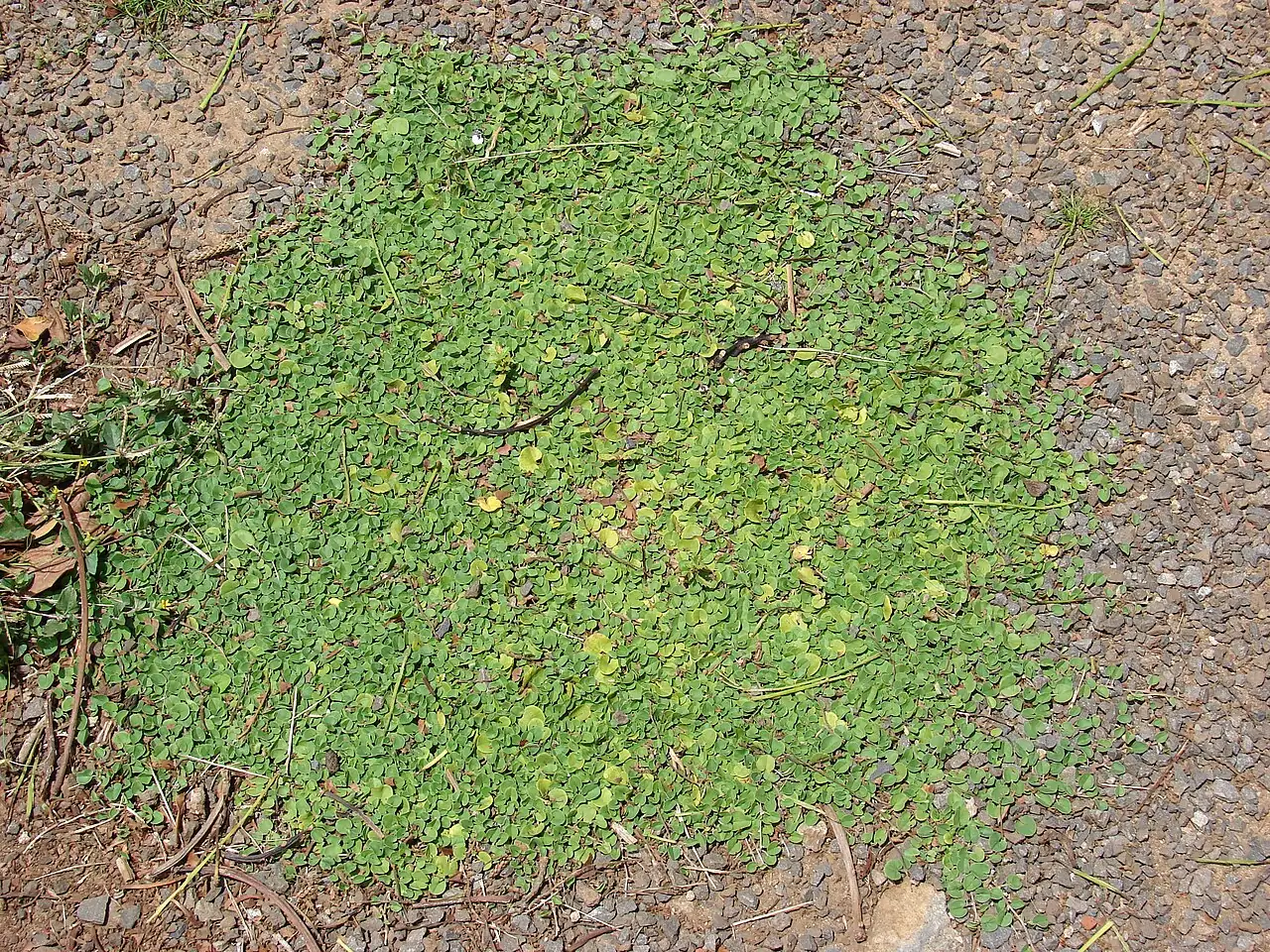
- Size: Typically forms a low mat up to about 30 cm (12 in) tall, spreading outward as a groundcover.
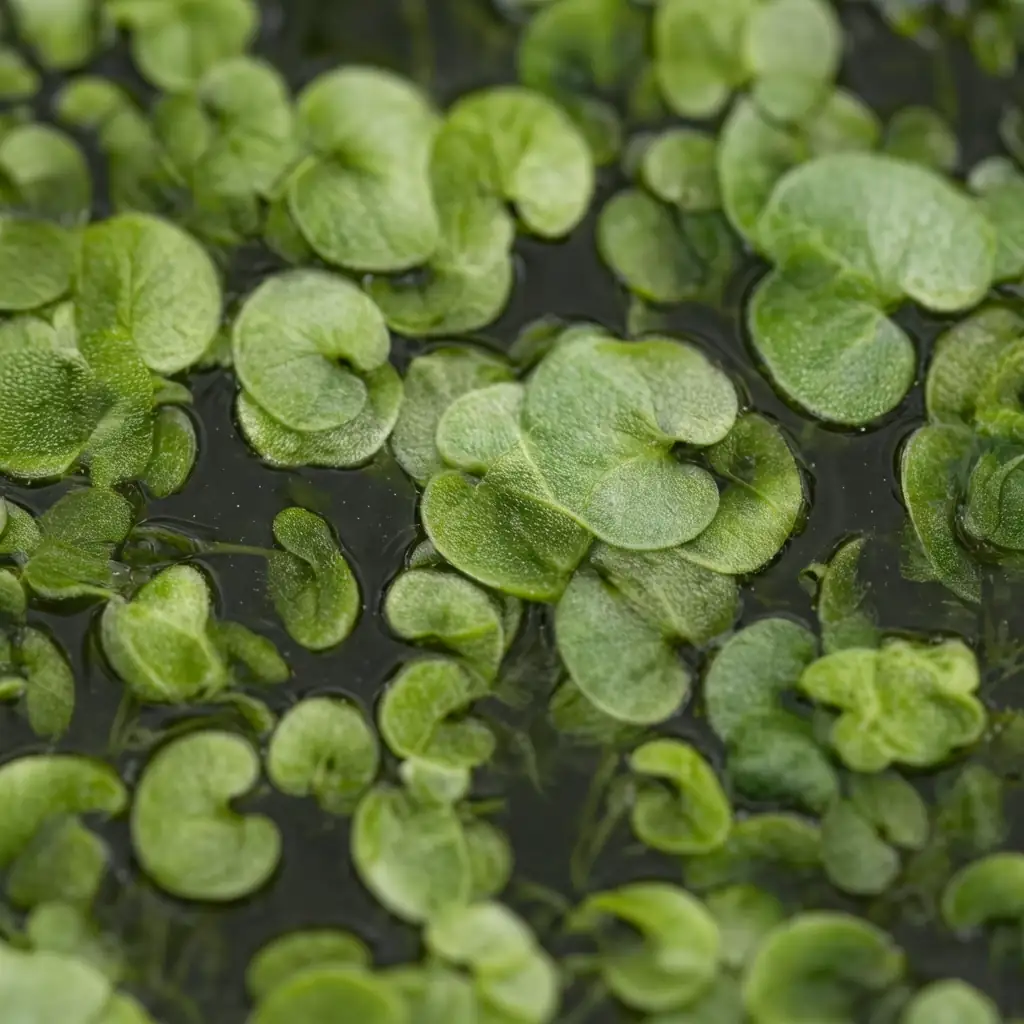
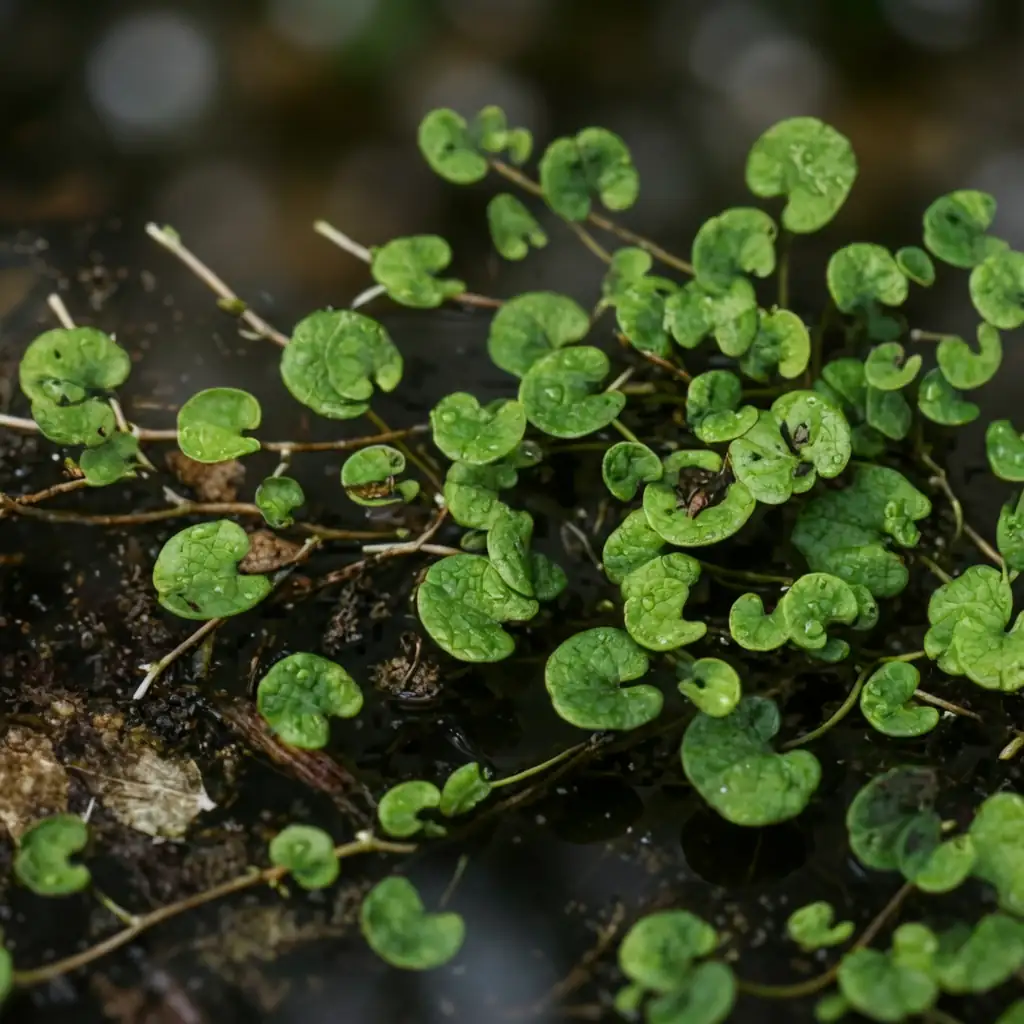
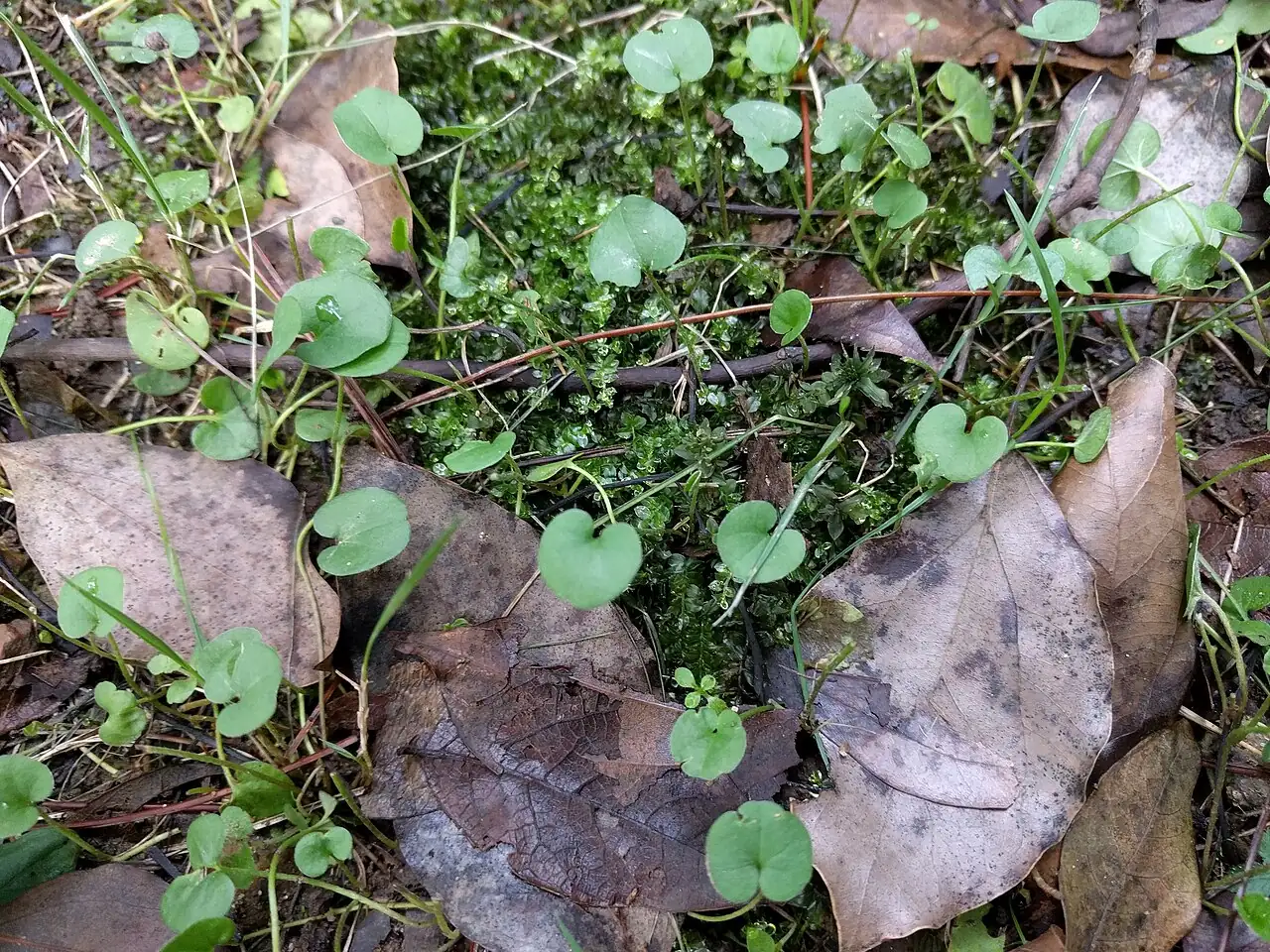
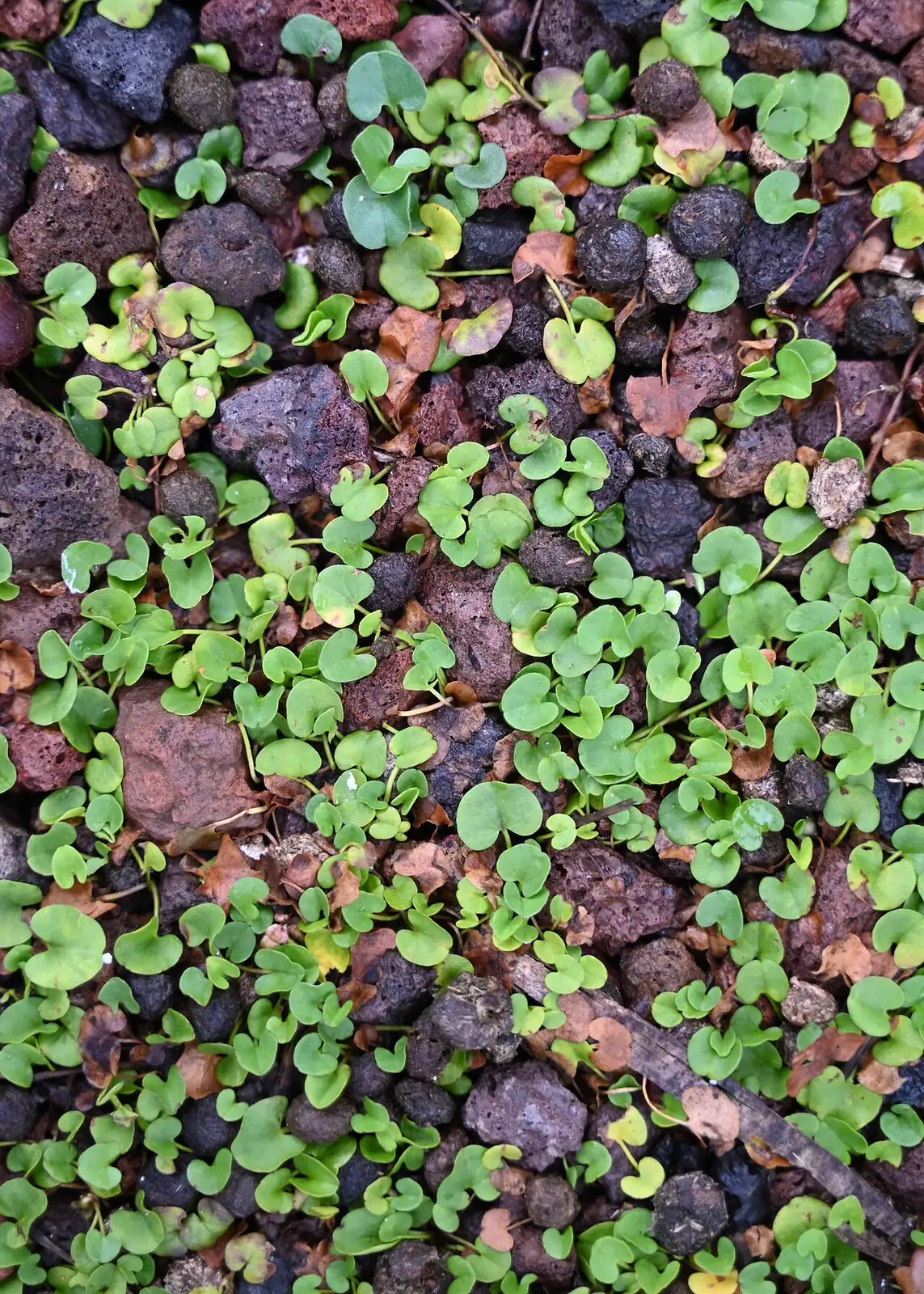
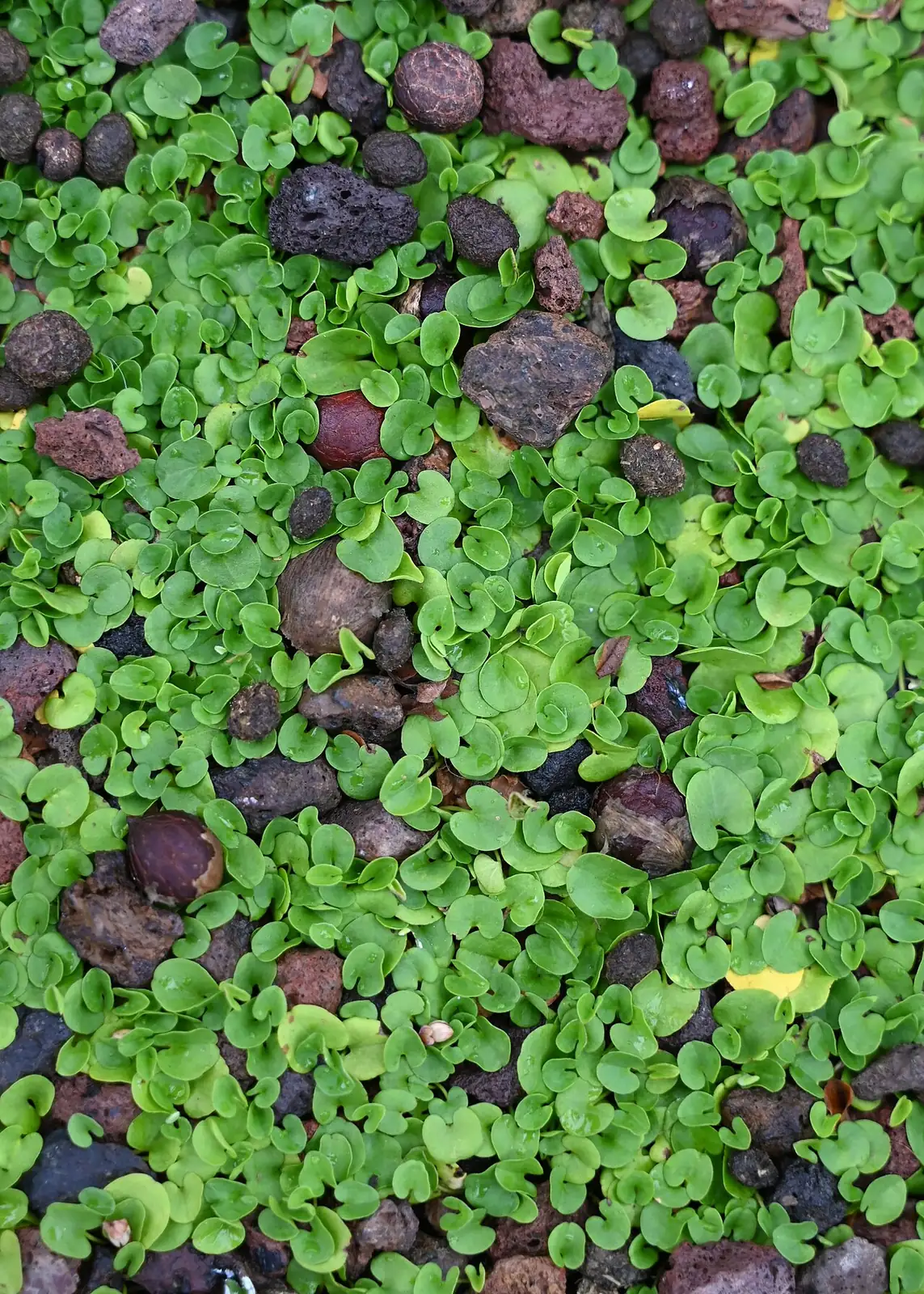
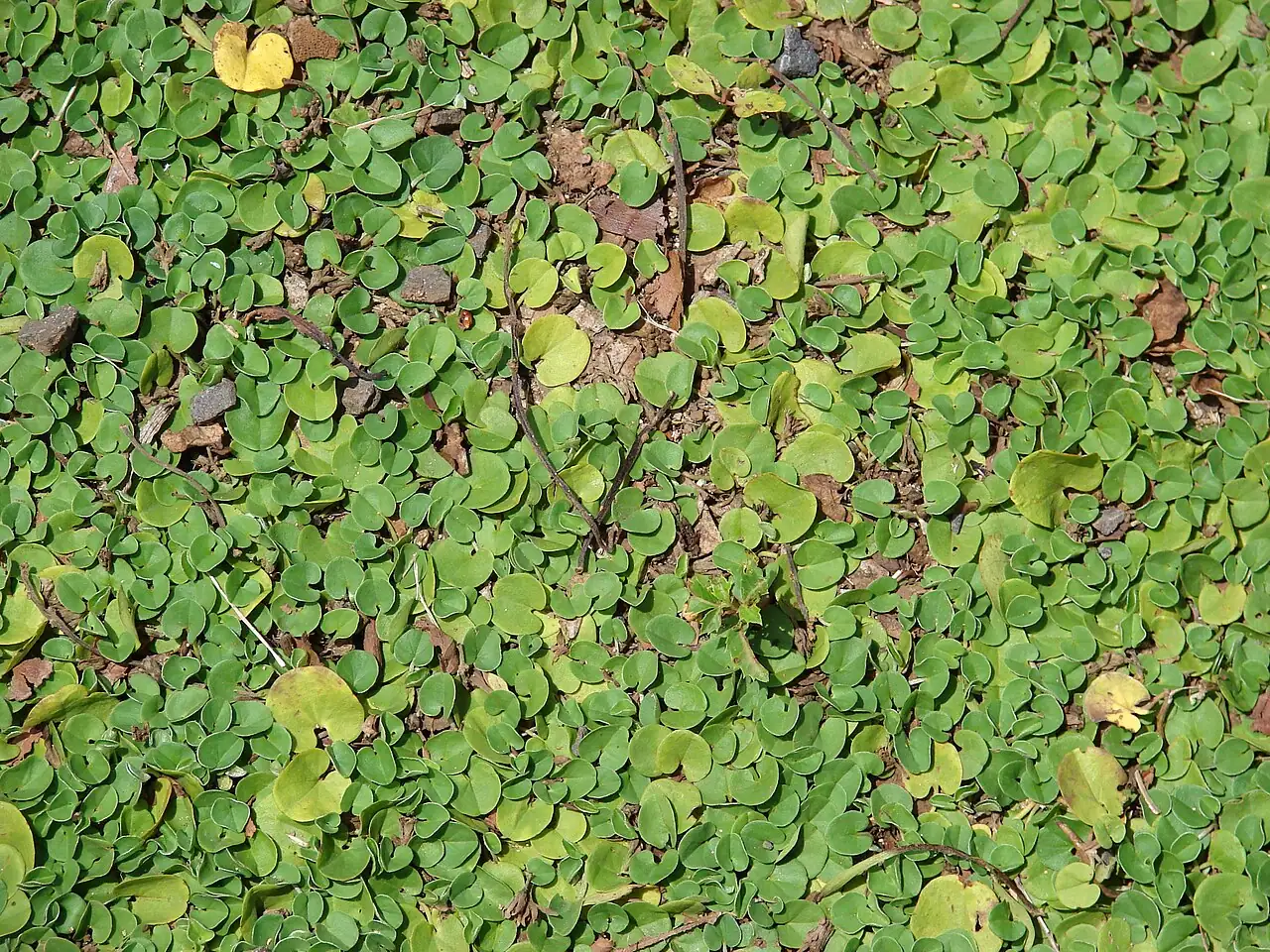
- Foliage: Leaves are round to kidney-shaped with a rounded or slightly notched tip and a heart-shaped base; foliage forms a dense, coin-like carpet.
- Flower: Tiny, solitary flowers arise from the leaf axils; the corolla is yellow and 5-lobed to about the middle. The fruit is a nearly spherical capsule.
- Flowering Season: April
- Growth Habit: Perennial creeping herb with slender stems that root at the nodes, forming a dense mat. Tolerates shade and moisture, handles short dry spells once established, and generally only tolerates light foot traffic.
Environment
Sunlight
Shade-tolerant; best in partial shade to bright, indirect light (can take some sun in mild climates if kept evenly moist).
Temperature
Warm-growing; best around 18-30°C (64-86°F). Protect from frost; growth slows below about 10°C (50°F).
Humidity
Prefers evenly moist conditions; adapts to average humidity but looks best with consistent moisture and decent airflow.
Soil
Moist, well-drained soil; loam or sandy loam works well. Avoid waterlogged sites for long periods to prevent rot.
Placement
Great for garden groundcover in shaded beds, slopes, and path edges (where traffic is light). Also works in pots, hanging edges, and planters where it can trail.
Hardiness
Not frost-hardy; best in mild-winter areas (roughly USDA Zone 9-11). In cooler regions it’s often used as a warm-season groundcover or kept protected in winter.
Care Guide
Difficulty
Easy overall—especially if you can offer steady moisture and don’t expect it to handle heavy trampling.
Buying Guide
Choose plants with dense, bright green leaves and actively creeping stems. Avoid yellowing foliage, mushy stems, or sour-smelling, waterlogged potting media.
Watering
Keep evenly moist while it establishes. Once rooted, water when the top 2-3 cm (0.8-1.2 in) begins to dry. Avoid prolonged sogginess, which can lead to rot.
Fertilization
Light feeder: during active growth, use a balanced fertilizer at 1/4–1/2 strength every 4-6 weeks, or a slow-release fertilizer as directed. Overdoing nitrogen can make growth soft and less resilient.
Pruning
Trim edges to keep it within bounds and to encourage branching. Remove thin, leggy, or damaged runners to help the mat fill in more densely.
Propagation
Very easy by division or stem cuttings. Pin a runner onto moist soil so nodes touch the surface; once rooted, cut it free and transplant.
Repotting
In spring, repot or refresh the top layer of mix if the plant is crowded or the soil has broken down. Use a well-draining mix and a pot with drainage holes.
📅 Seasonal Care Calendar
Spring: restart growth—light feeding, tidy-up trims, and pin runners to fill bare patches. Summer: keep moisture even, trim as needed. Autumn: reduce feeding and let the top layer dry slightly more between waterings as growth slows. Winter: protect from cold; indoors, keep in bright shade and avoid overwatering.
Pests, Diseases & Safety
Common Pests & Diseases
Usually trouble-free. In overly wet conditions, watch for root/stem rot. Indoors or in sheltered plantings, occasional aphids, mealybugs, or spider mites may show up; improve airflow and treat with insecticidal soap if needed.
Toxicity
No well-documented toxicity to people or pets for Dichondra micrantha. Still, discourage pets from eating large amounts and wash hands after handling if you have sensitive skin.
Culture & Symbolism
Symbolism: Often linked with good fortune—its coin-like leaves make it feel like a little carpet of “green money.”
History & Legends: The Chinese name “马蹄金” reflects how the leaves resemble tiny horse hooves and old-style coins, tying the plant’s look to familiar everyday imagery.
Uses: Primarily used as an ornamental groundcover—especially in shaded or moist areas, on slopes, and along garden edges—where it forms a soft, low, green mat.
FAQ
What is its scientific name?
Dichondra micrantha.
When does it flower?
Typically around April, though timing varies with climate and growing conditions.
When does it fruit?
Usually July to August, depending on local climate.
How tall does it get?
Up to about 30 cm (12 in), but it’s usually much lower as a mat-forming groundcover.
What is its growth habit?
A creeping perennial that roots at the nodes, forming a dense carpet. It’s shade- and moisture-tolerant, somewhat drought-tolerant once established, and best with light foot traffic only.
Fun Facts
- Its leaf shape inspires comparisons to tiny horse hooves and old coins—hence many of its traditional names.
- Because it roots wherever its stems touch soil, you can repair bare patches simply by pinning runners down until they take.
- It’s naturally widespread in tropical and subtropical regions across both hemispheres.


