Plant Features
- Size: Typically 30–100 cm (12–39 in) tall.
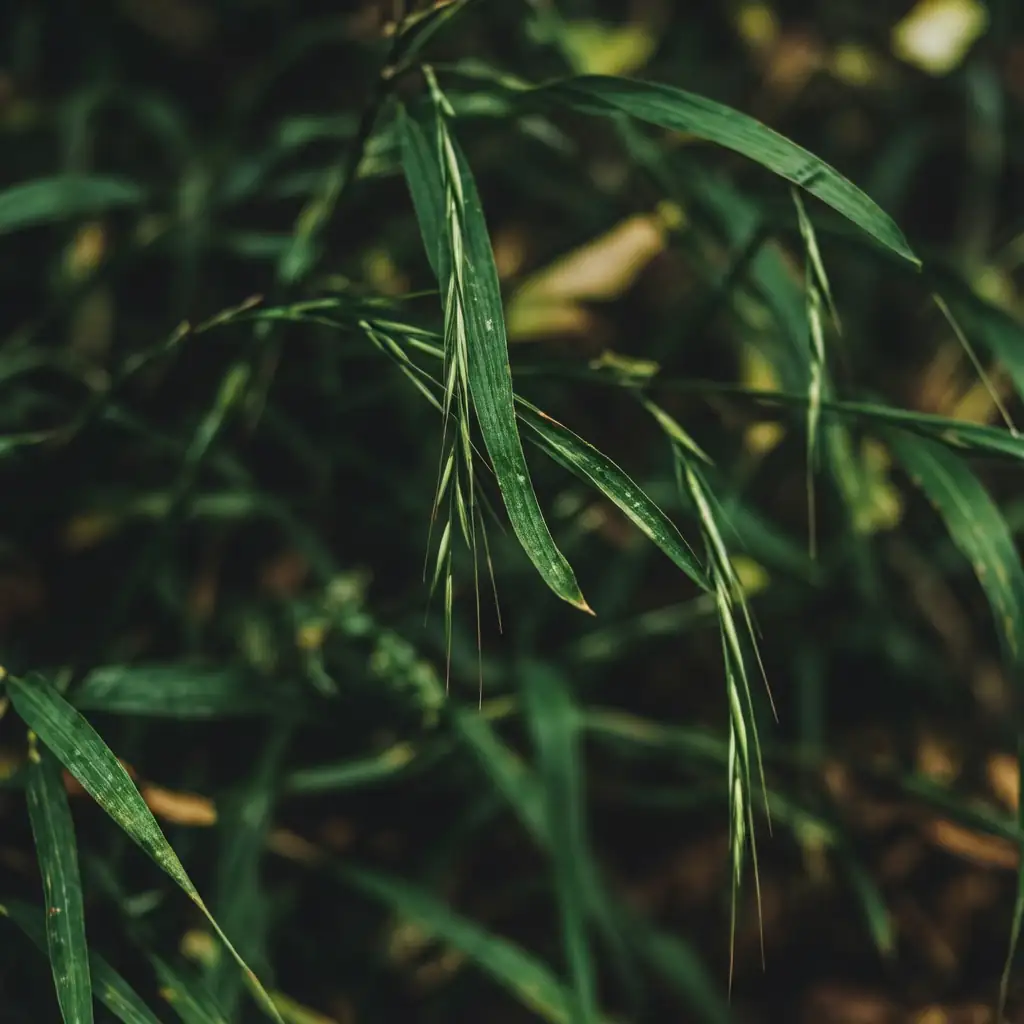
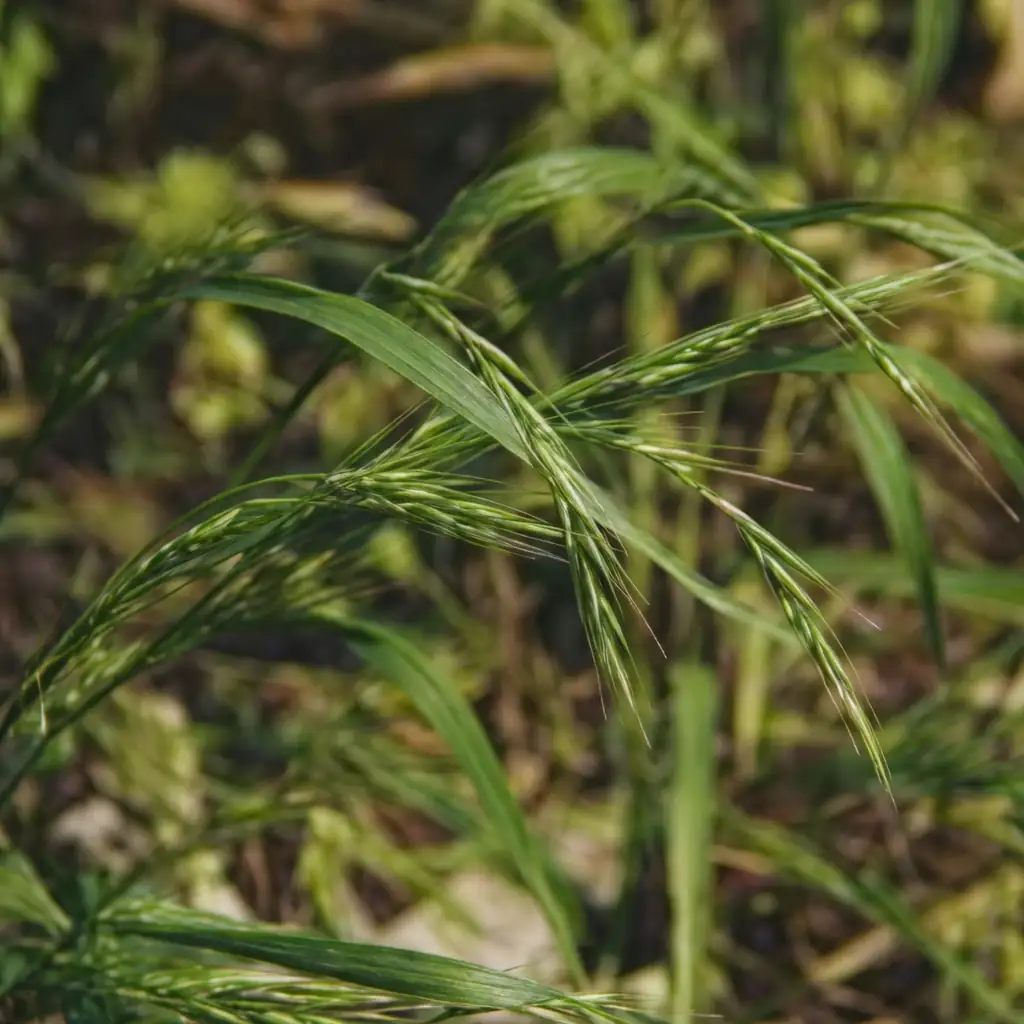
- Foliage: Leaves are flat. The outer margin of the leaf sheath is often finely hairy (ciliate), a small detail that can help with identification.
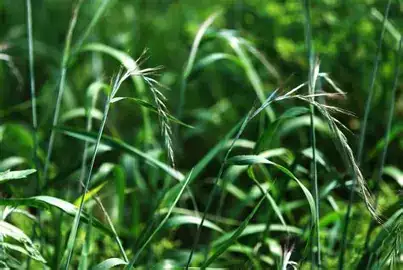
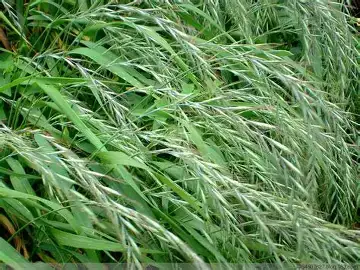
- Flower: Produces spike-like inflorescences that often curve or droop for a soft, flowing effect. Spikelets are green to purplish and hold multiple florets.
- Flowering Season: July–August
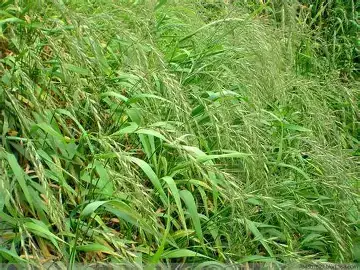
- Growth Habit: Perennial, upright, clump-forming (bunchgrass) habit; can self-seed and gradually create a naturalized, meadowy patch.
Environment
Sunlight
Full sun to light shade; aim for at least 4–6 hours of sun per day for best growth and flowering.
Temperature
Grows well in typical warm-season conditions; about 15–30°C (59–86°F) during active growth is a good general range. As a temperate grass, it tolerates cooler seasons well.
Humidity
Moderate to fairly high humidity is fine, especially where soil moisture stays even.
Soil
Moist, well-drained loam or meadow-style soils. Tolerates hillside grassland conditions, but avoid prolonged waterlogging (good drainage matters even for ‘moisture-loving’ grasses).
Placement
Naturalistic meadows, wildlife-friendly grassland borders, moist slopes (with drainage), and pasture/forage areas. Also suitable for larger containers if kept evenly moist.
Hardiness
Cold-hardy temperate grass. Exact USDA zone ratings are not consistently published for this species; treat as broadly hardy across many temperate regions, with extra protection in sites with extreme winter exposure outside its native range.
Care Guide
Difficulty
Easy, especially outdoors in a spot with sun and reliably moist (but not soggy) soil. Once settled, it’s adaptable and may self-sow.
Buying Guide
Pick plants with firm crowns and fresh green leaves; avoid any with mushy crowns or severely dried-out root balls. If buying seed, choose reputable native/forage suppliers and check the harvest year—fresher seed typically germinates better.
Watering
During establishment, keep soil evenly moist. After that, water during dry spells to avoid prolonged drought stress—think consistently moist, not waterlogged, especially through summer.
Fertilization
Often unnecessary in average garden soils. In lean soil, use a light, balanced slow-release fertilizer in spring. Avoid heavy nitrogen, which can encourage floppy, overly lush growth.
Pruning
To reduce self-seeding, cut back or shear stems after seed set. If you enjoy the natural look (and wildlife value), leave seedheads standing and cut everything back in late winter or early spring before new growth starts.
Propagation
Mostly by seed (including natural self-seeding). You can also divide established clumps in spring or early autumn to make more plants.
Repotting
Not usually a houseplant. If grown in containers, repot and/or divide every 2–3 years in spring, using a free-draining mix and a pot with excellent drainage.
📅 Seasonal Care Calendar
Spring: let new shoots emerge and keep soil evenly moist. Summer: maintain moisture; staking is only occasionally needed in very rich soil. July–August: flowering and seed set—choose whether to allow seed to drop for naturalizing or remove seedheads to control spread. Late winter/early spring: cut back old growth to refresh the clump.
Pests, Diseases & Safety
Common Pests & Diseases
Usually trouble-free. In overly wet or crowded conditions, fungal leaf spots or rust can appear—improve airflow and reduce overhead watering. Aphids may show up on tender growth; rinse off or use insecticidal soap if needed.
Toxicity
No notable toxicity is widely documented for this species; like many grasses it’s generally considered low risk. For forage use, follow local guidance and ensure grazing areas are clean and uncontaminated.
Culture & Symbolism
Symbolism: Not strongly tied to a classic ‘flower meaning,’ but it’s often loved for its calm, wild-meadow vibe and naturalistic beauty.
History & Legends: No widely recorded legends; it’s best known as a common, widespread native grass in China with practical forage value.
Uses: Ornamental grass for naturalistic or meadow plantings, a self-seeding groundcover effect on suitable sites, and a forage/pasture grass where appropriate.
Fun Facts
- Its arching, slightly drooping seedheads give it a soft, meadow-like movement in summer breezes.
- Spikelets may be green or develop a purple tinge depending on conditions.
- It’s reported to be widespread across most of China, especially on hillsides and in moist grasslands.
- It typically flowers and sets seed in midsummer (July–August).
- It can be both pretty and practical—used ornamentally and as forage.