

Plant Features
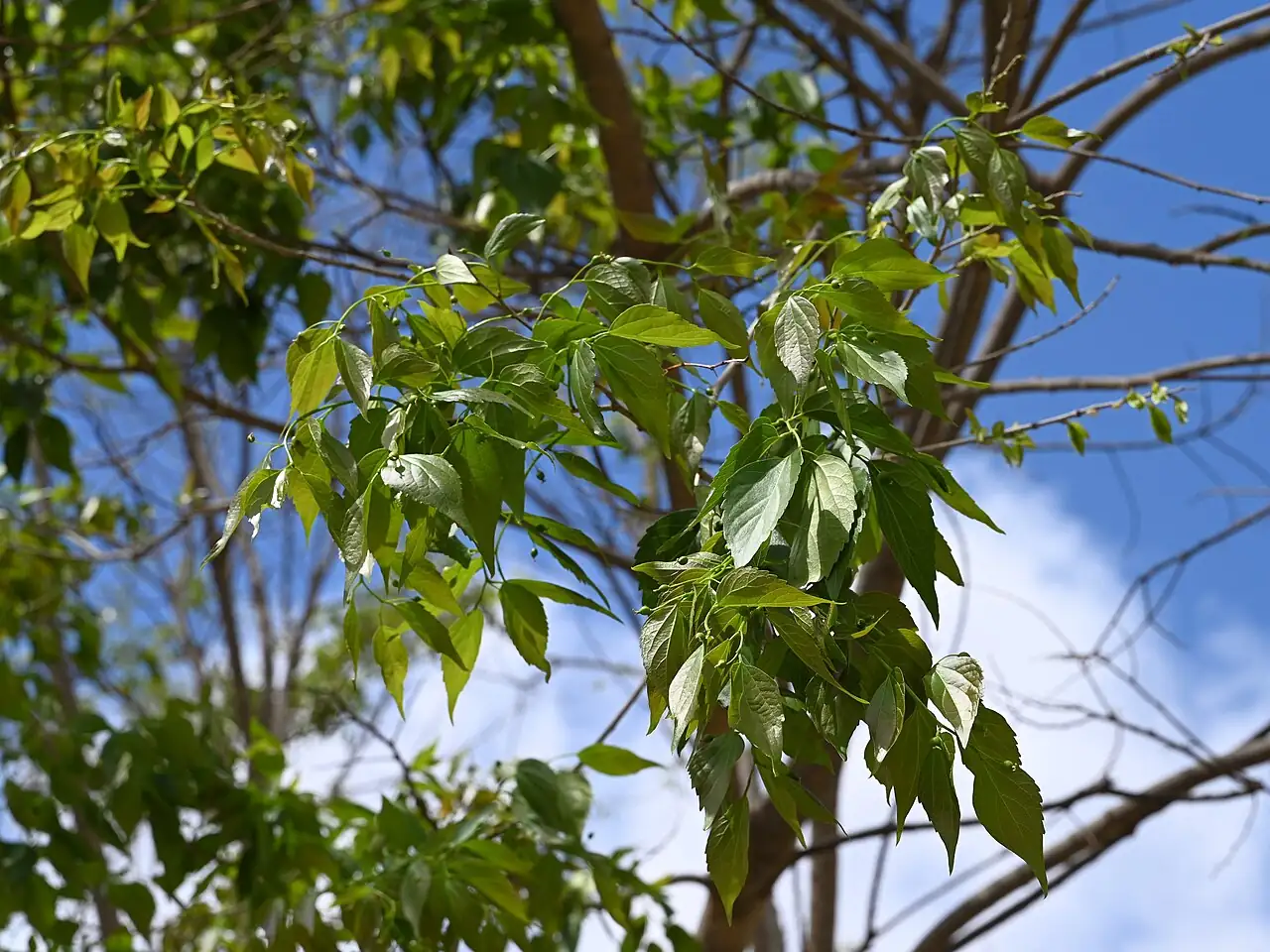
- Size: Up to about 30 m (98 ft) tall, forming a broad, spreading crown with age.
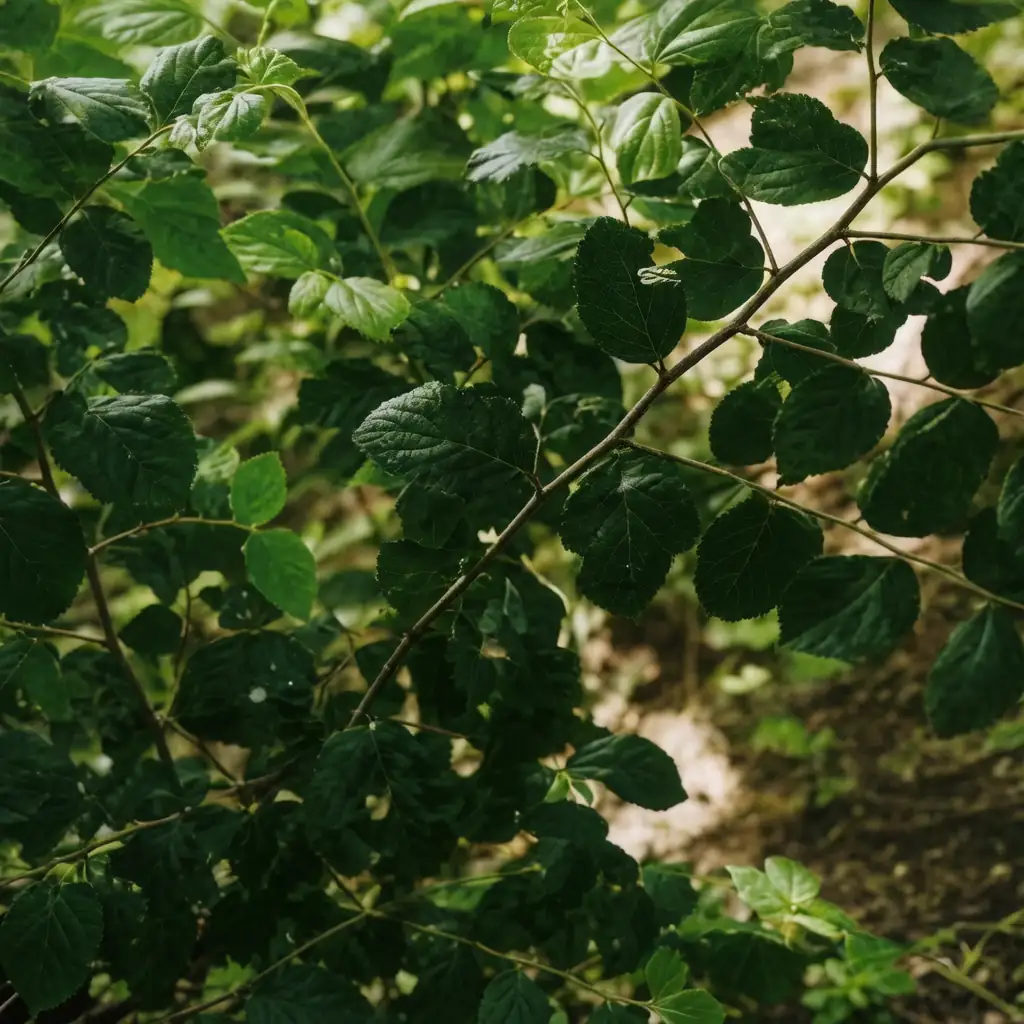
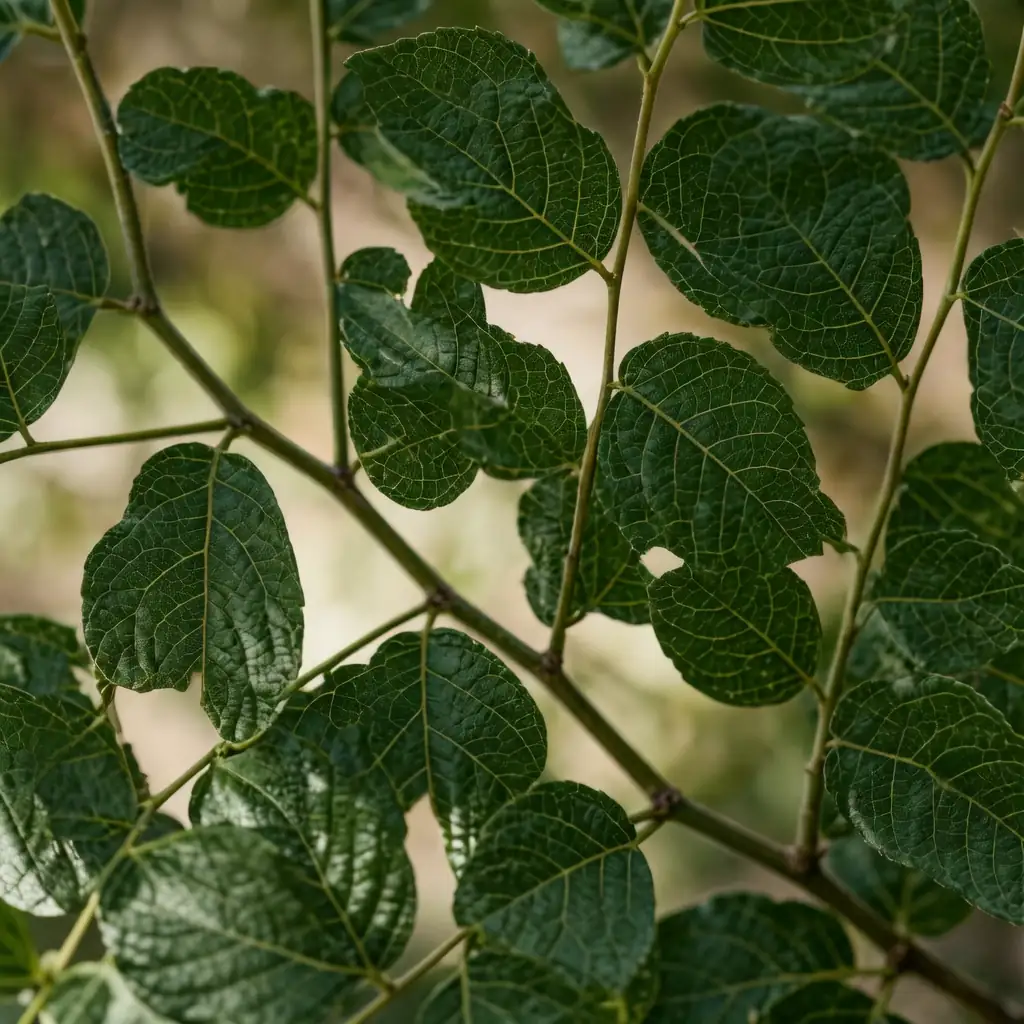
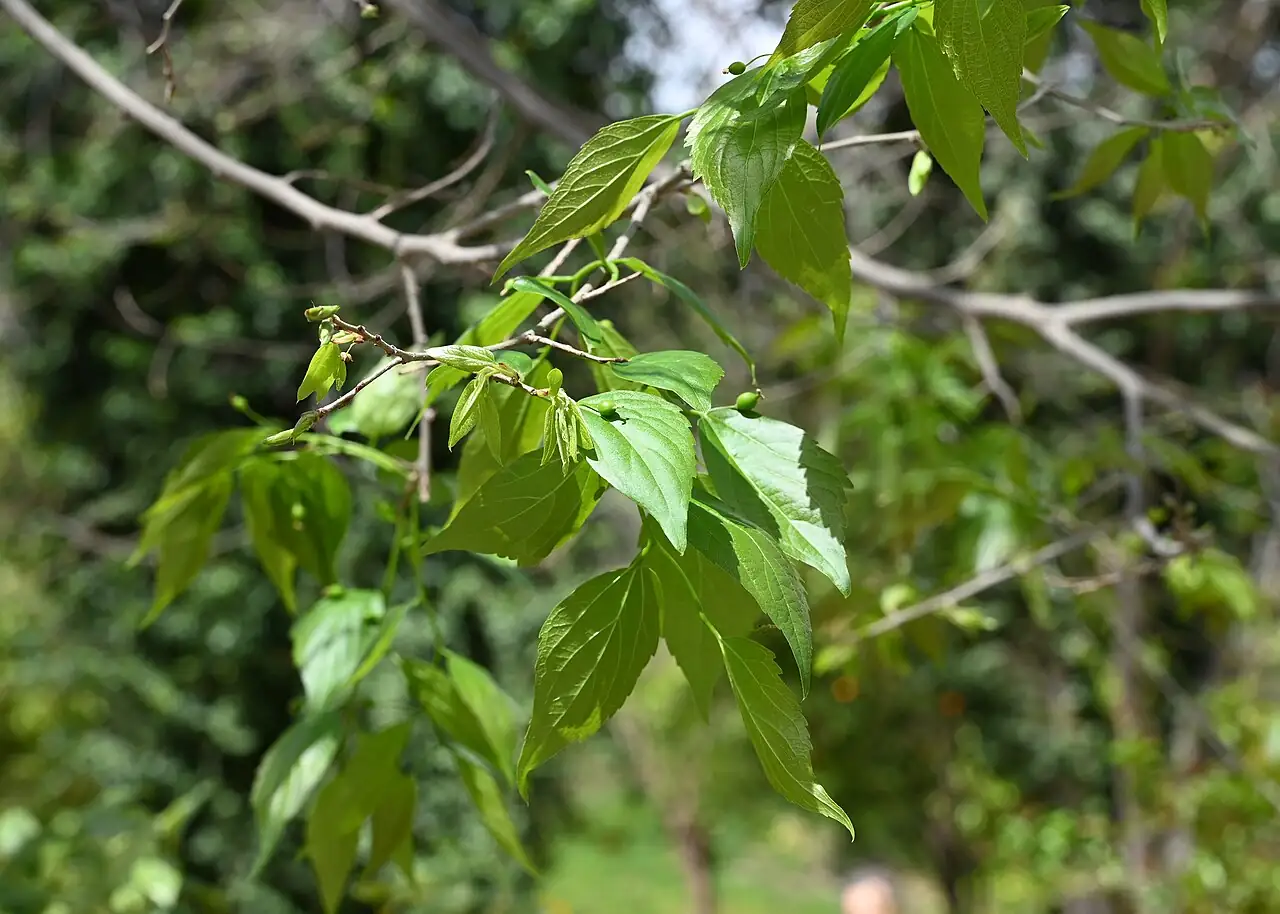
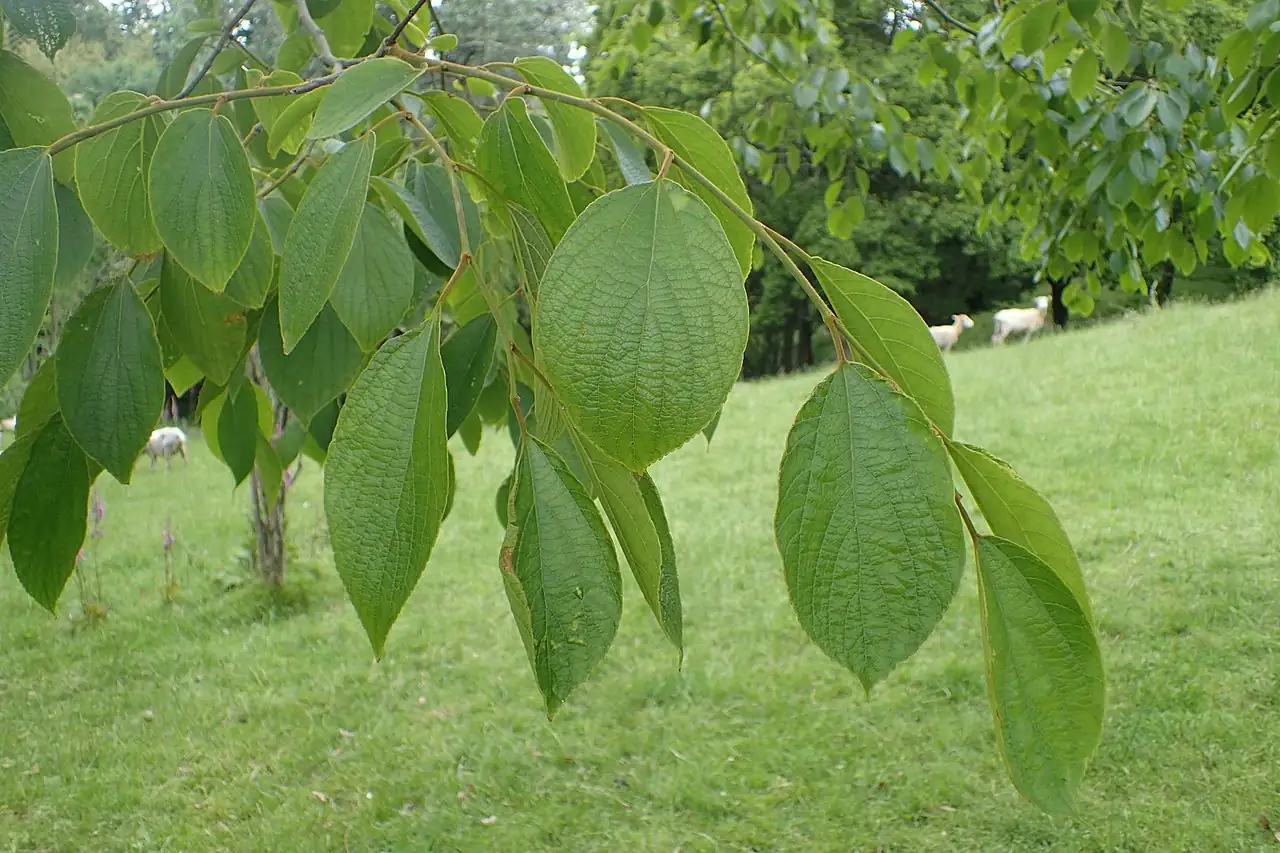
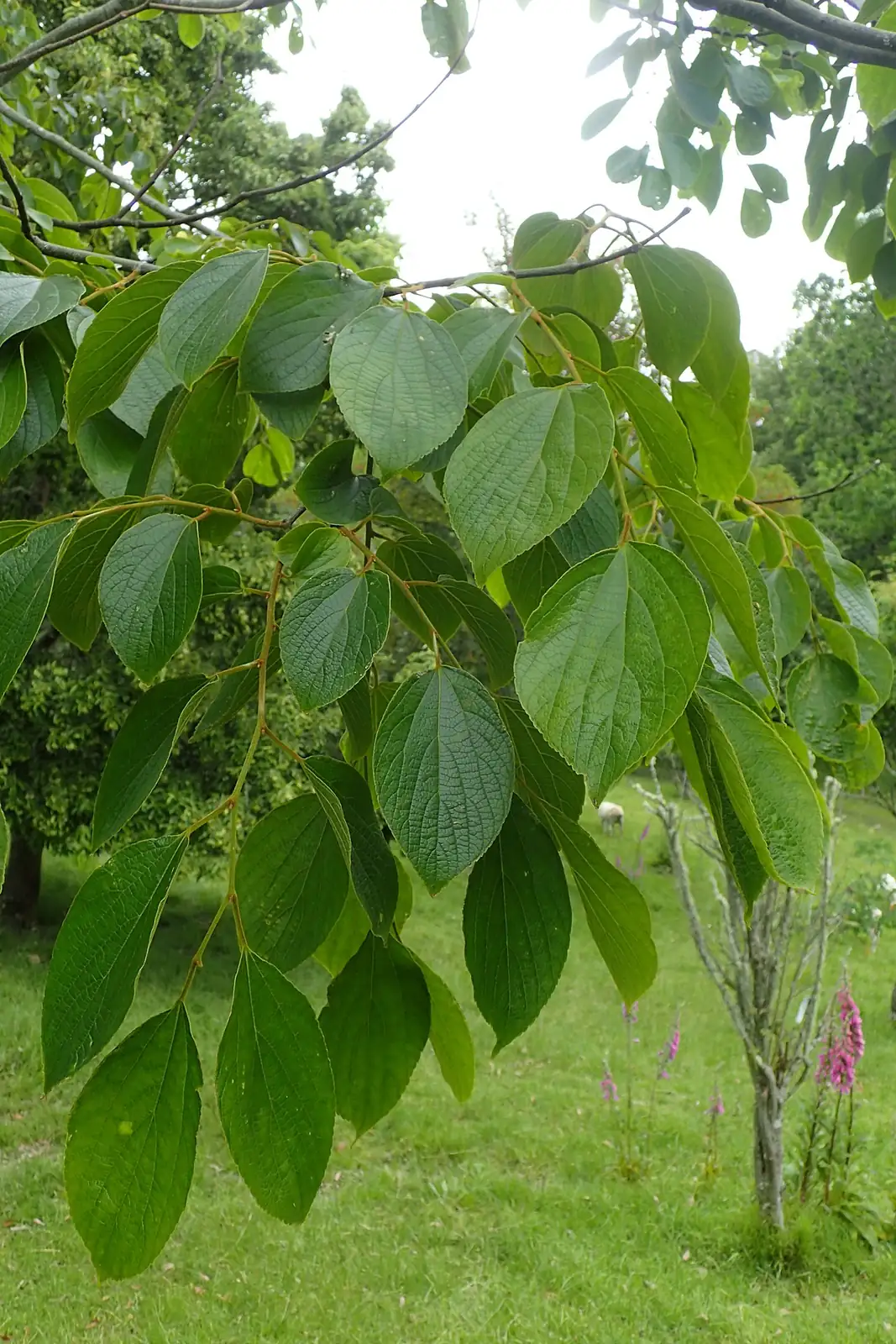
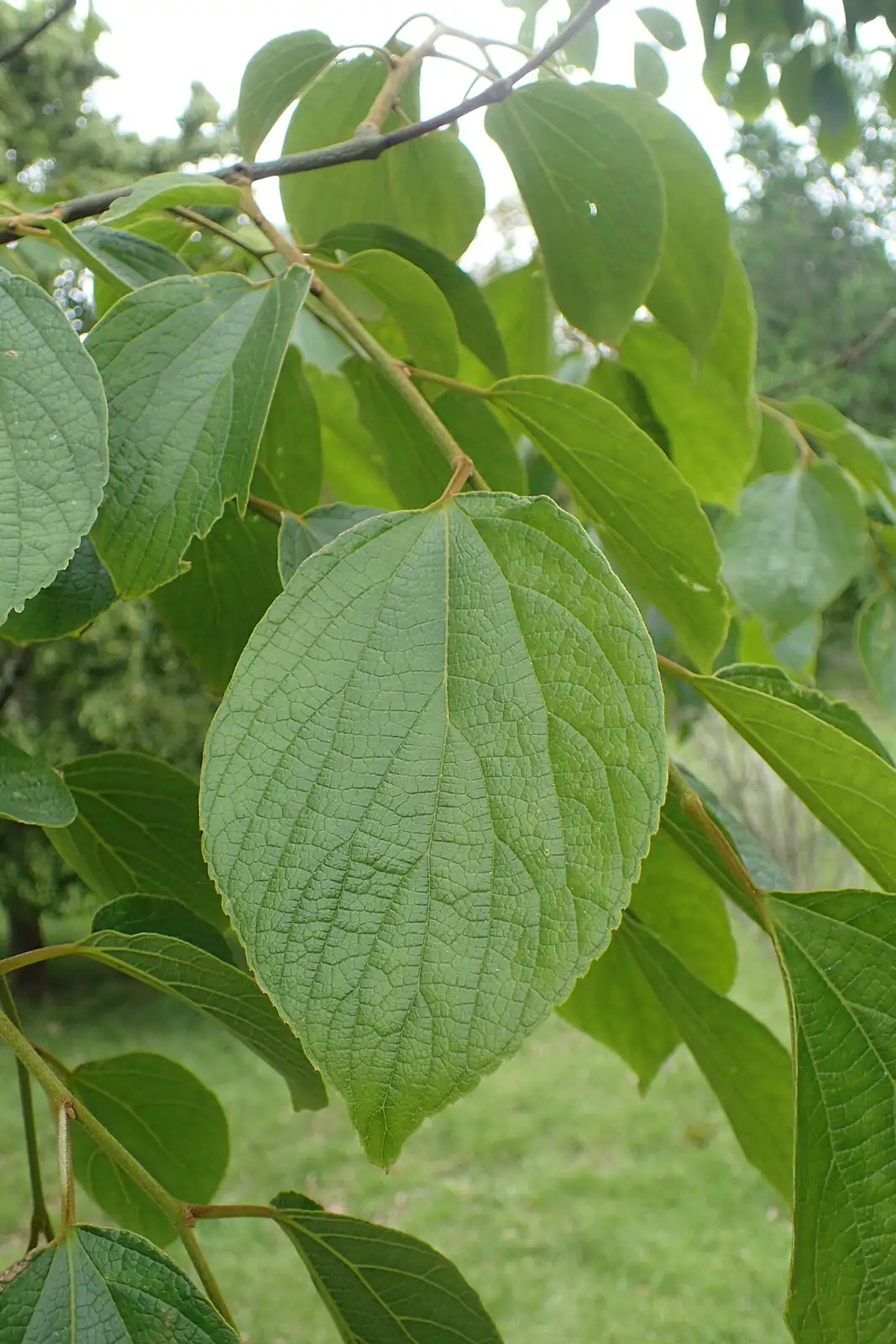
- Foliage: Deciduous leaves that are thick and papery, broadly ovate, and often slightly asymmetrical (with an oblique base). The upper surface feels rough to lightly sandpapery, while the underside is densely covered in short, soft hairs. Young shoots may look tawny to brownish and hairy.
- Flower: Flowers are small and inconspicuous, appearing in spring. Fruits are borne singly in the leaf axils; the drupes are oval to nearly spherical and ripen in autumn.
- Flowering Season: March–April
- Growth Habit: A large, upright-trunked deciduous tree that matures into a rounded, shade-casting canopy.
Environment
Sunlight
Full sun to partial shade; for the fullest crown and strongest growth, full sun is ideal.
Temperature
Temperate conditions; generally hardy to about -15 to -10°C (5 to 14°F) once established. Young trees are more vulnerable—avoid exposing them to prolonged severe freezes.
Humidity
Average outdoor humidity; handles the seasonal humidity patterns typical of temperate to subtropical East Asia.
Soil
Best in fertile, loose, well-drained soil, but adapts well to many garden loams as long as drainage is good.
Placement
Outdoor landscape tree for parks, streetscapes, and spacious gardens; especially fitting at woodland edges or in naturalistic plantings where its broad canopy can shine.
Hardiness
Approx. USDA Zone 7–9 (cold tolerance can vary by provenance and local site conditions).
Care Guide
Difficulty
Easy to moderate. Once established it’s fairly undemanding, but it needs room—plan for a large mature canopy.
Buying Guide
Choose a vigorous young tree with one strong central leader, clean bark (no wounds), and a healthy, well-developed root system. Avoid severely pot-bound plants. For best transplant success, use container-grown or properly root-balled stock and plant during cooler weather.
Watering
During the first 1–2 growing seasons, water regularly so the soil stays evenly moist (never soggy). After establishment, water mainly during extended dry spells. Deep, infrequent soaking encourages stronger roots than frequent light watering.
Fertilization
Usually light feeding is enough: apply compost or a balanced, slow-release fertilizer in spring. Avoid excessive nitrogen, which can push soft, weak growth.
Pruning
Prune in late winter to early spring while dormant. Remove dead, crossing, or poorly attached branches and aim for a strong structure. Avoid heavy pruning during active growth.
Propagation
Most commonly grown from seed. Clean and sow fresh seed; cold stratification often improves germination. Seedlings are frequently used for restoration and landscape planting.
Repotting
Not suited to long-term container culture due to its eventual size. If grown in a pot temporarily, up-pot as needed and transplant to the ground while still young.
📅 Seasonal Care Calendar
Spring: plant, mulch, and feed lightly; watch new growth. Summer: deep water in drought; keep a mulch ring to reduce stress. Autumn: fruits ripen; also a great planting season in mild climates. Winter: do structural pruning while the tree is dormant.
Pests, Diseases & Safety
Common Pests & Diseases
Generally a robust tree. Possible issues include aphids, scale insects, and occasional leaf spot in humid weather. Keep good airflow, avoid waterlogged soil, and remove heavily infected fallen leaves if spotting becomes persistent.
Toxicity
No widely recognized serious toxicity is documented for Celtis species. Still, it’s wise to discourage people and pets from eating large amounts of any plant material, and supervise small children around garden plants.
Culture & Symbolism
Symbolism: Often linked with resilience and shelter—fitting for a tough tree that provides generous shade.
History & Legends: A multipurpose native tree valued in China both for landscaping and for practical materials, reflecting a long tradition of using useful woodland species in everyday rural life.
Uses: Ornamental shade tree for parks and streets. The wood is used for furniture, farm tools, construction, and fuel. Bark fibers have been used for paper-making and other fiber products. Seed kernels can be pressed for oil used in soap-making and as an industrial lubricant.
Fun Facts
- Its leaves are famously rough-textured—almost like fine sandpaper—making it easy to recognize by touch.
- Bark fibers have historically been used as a raw material for paper-making and other fiber goods.
- Oil pressed from the seed kernels has been used in soap-making and as an industrial lubricant.
- In the wild, it naturally favors wooded mountain slopes, valley forests, and forest edges across multiple Chinese provinces.
- A mature tree can reach about 30 m (98 ft) tall and develop a broad, shade-filled crown.


