

Plant Features
- Size: Typically 1–3 m (3.3–9.8 ft) tall, usually with a similar spread of about 1–3 m (3.3–9.8 ft), depending on pruning and growing conditions.
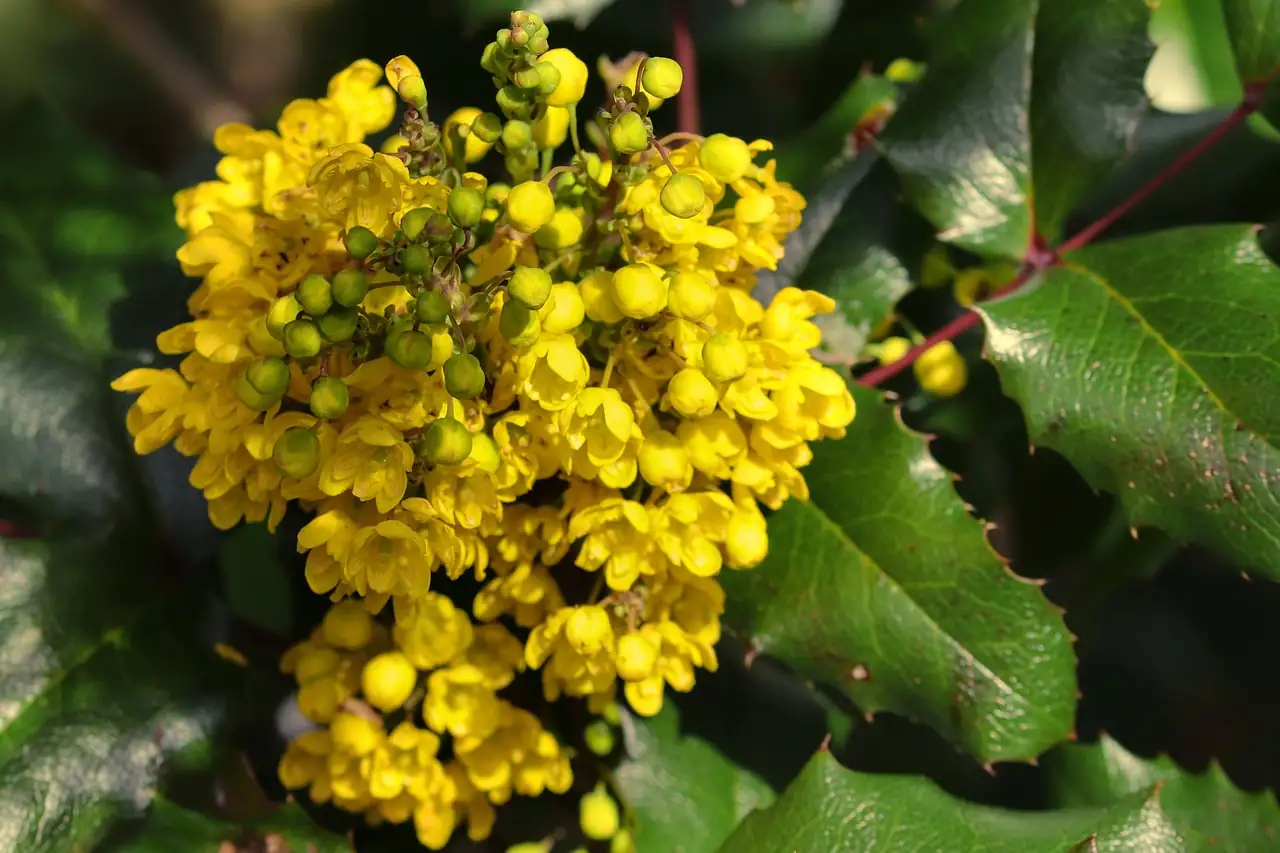
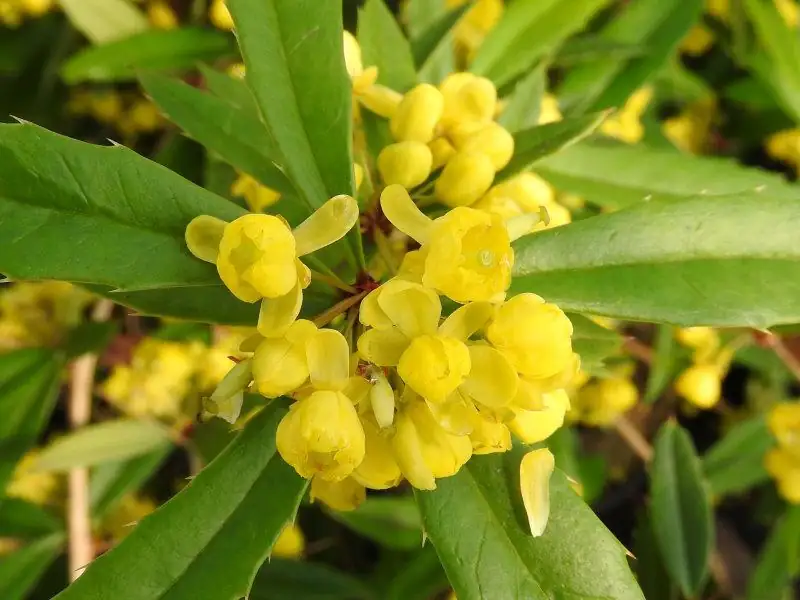
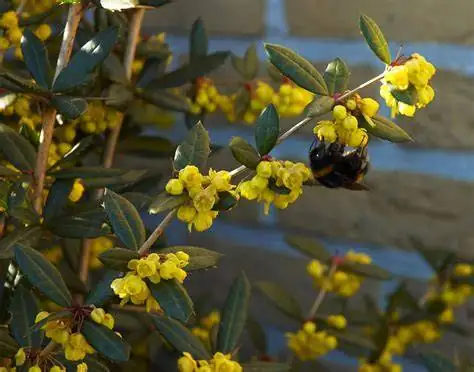
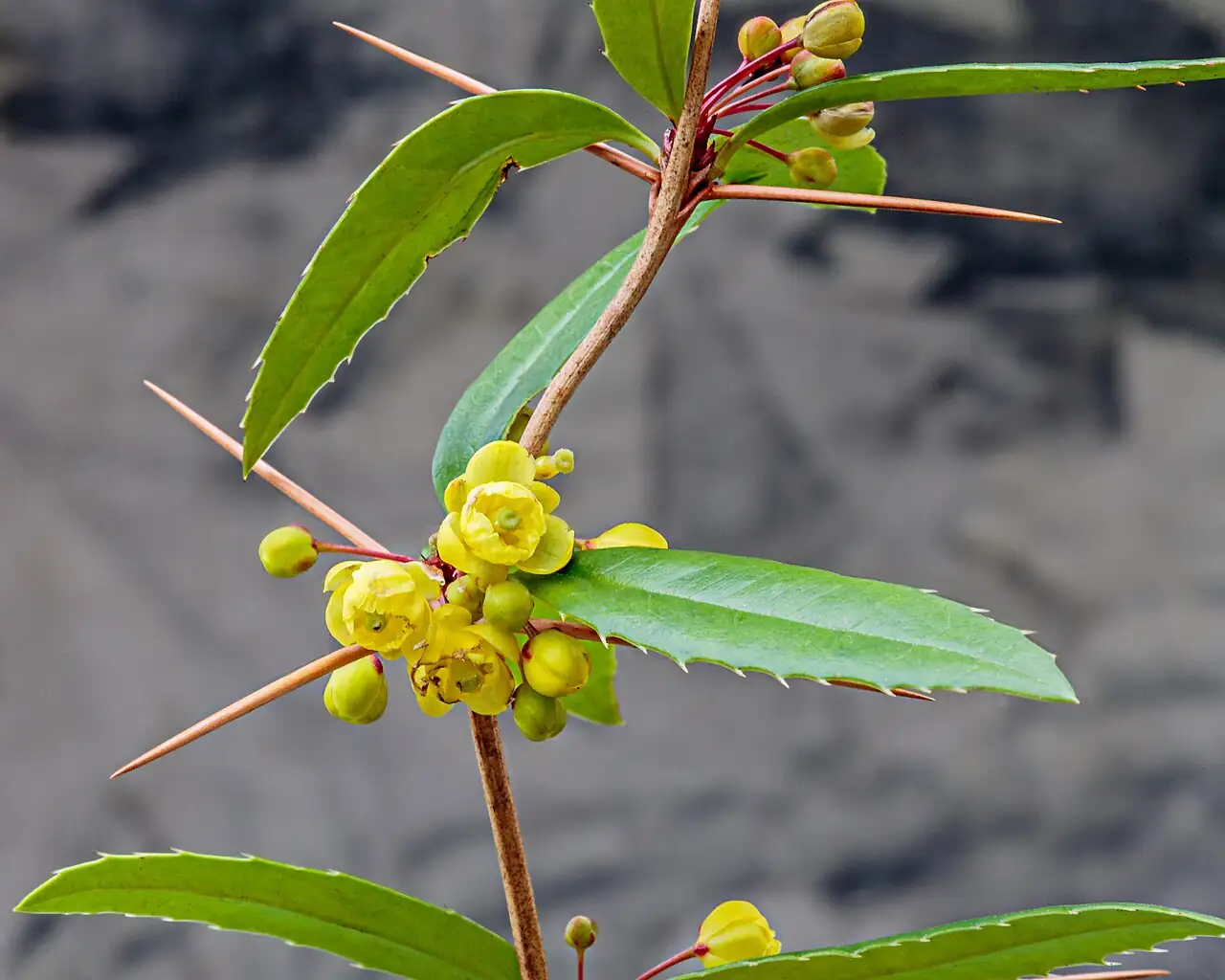
- Foliage: Evergreen, leathery elliptic leaves with pointed tips; glossy deep green on top and paler beneath. Leaf margins are armed with sharp, spine-like teeth (about 10–20 per side), giving the foliage a distinctly bristly texture up close.
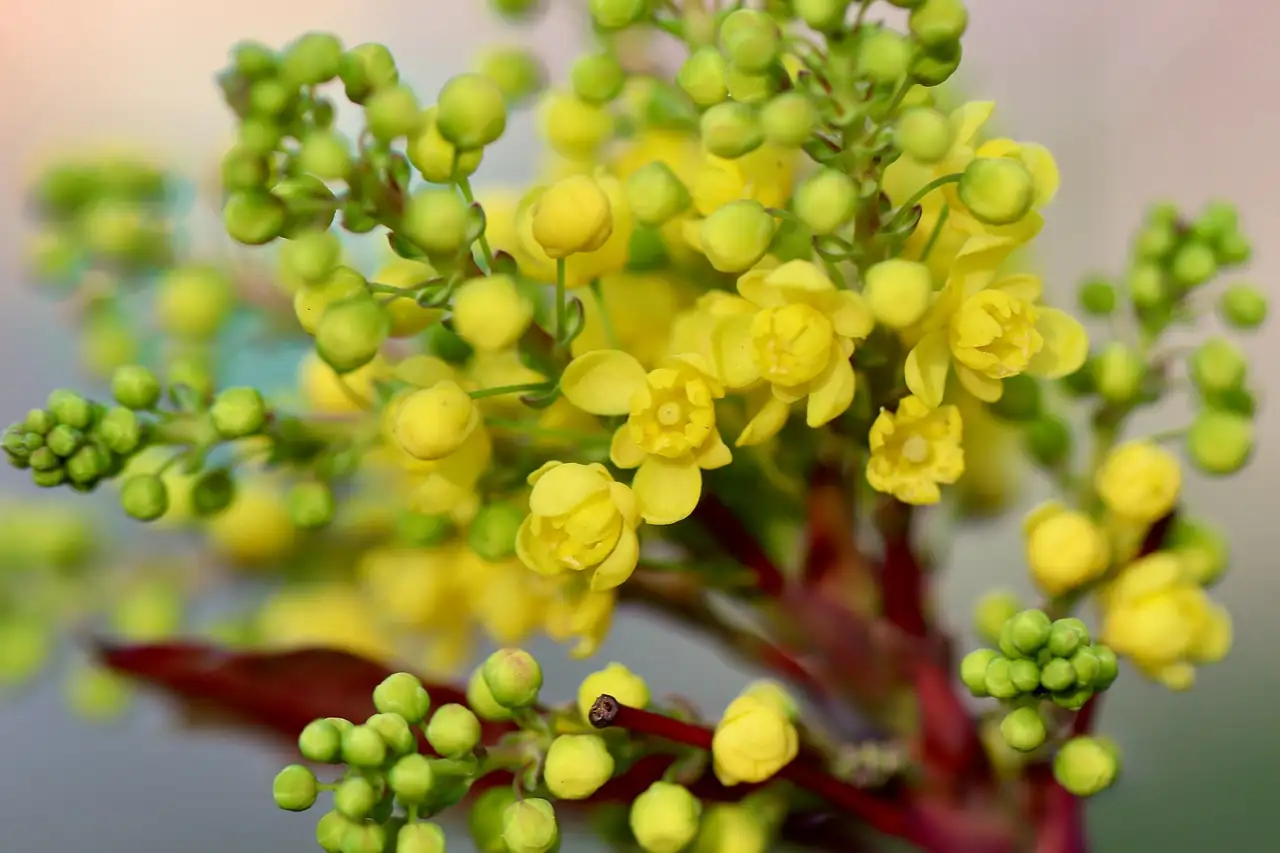
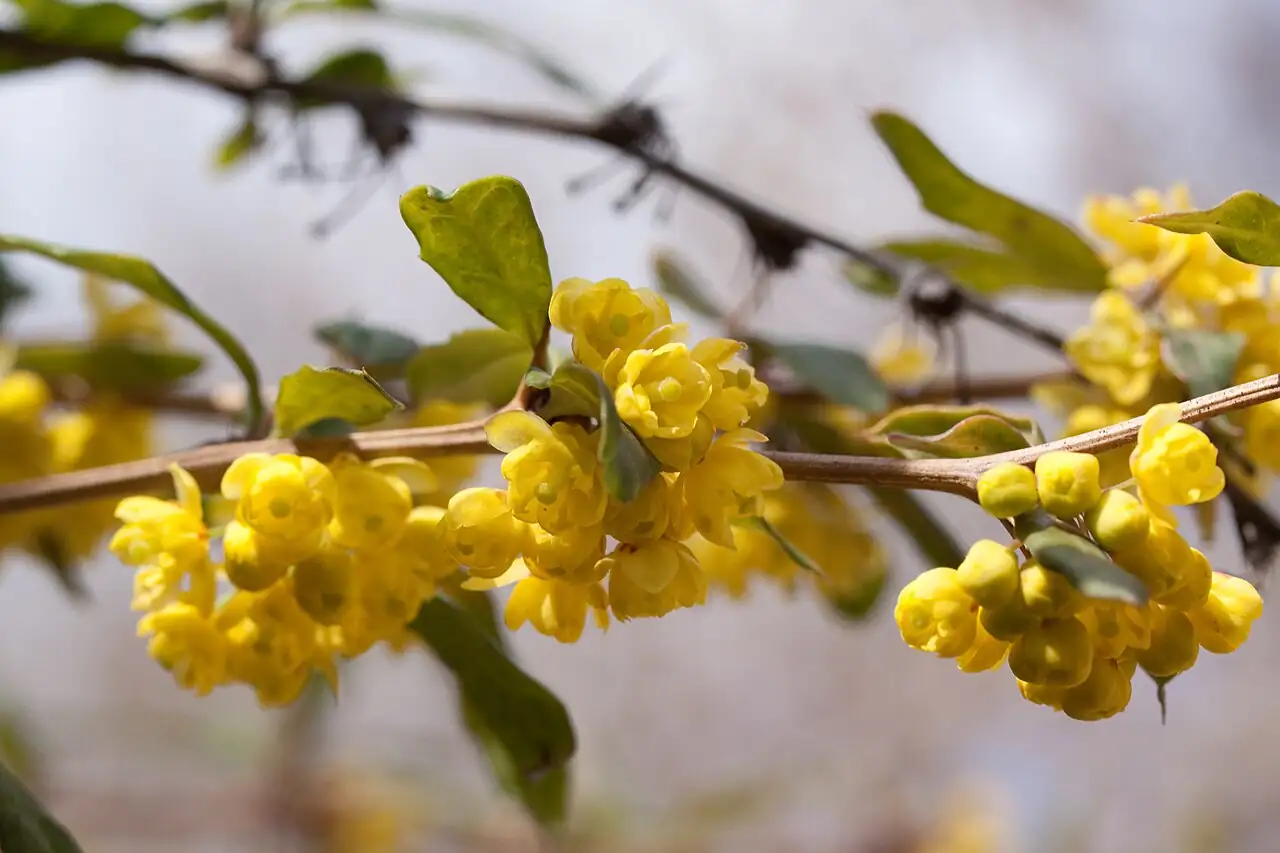
- Flower: Small, bright yellow flowers held in clusters (commonly around 10–25 per cluster). After flowering, it sets oblong blue-black berries with a whitish waxy bloom; the persistent style forms a noticeable little tip at the berry end.
- Flowering Season: Flowers: March. Fruit: May–November.
- Growth Habit: Dense, upright to arching evergreen shrub with stout, three-branched spines; naturally forms a barrier-like thicket and is often used as a security or boundary hedge.
Environment
Sunlight
Full sun to partial shade; flowering and fruiting are usually best with more sun.
Temperature
Very tolerant once established; roughly about -20 to 30°C (-4 to 86°F) as a practical guideline, though extremes depend on exposure, wind, and soil drainage.
Humidity
Adaptable; happiest in moderate humidity with good airflow, but tolerates drier air and periods of dryness after establishment.
Soil
Best in fertile, well-drained sandy loam, but generally tolerant of many soil types as long as drainage is good (avoid persistently soggy ground).
Placement
Outdoor gardens: excellent for boundaries, slopes, woodland edges, and defensive hedges. Keep it away from narrow paths and play areas due to the formidable spines.
Hardiness
USDA Zone 6–9 (approx.).
Care Guide
Difficulty
Easy to moderate—hardy and forgiving once established. The main “difficulty” is simply working around the sharp spines during pruning and maintenance.
Buying Guide
Look for plants with dense, evenly green foliage and no heavy leaf spotting. Avoid badly pot-bound plants with circling roots, and inspect stems and leaf undersides for scale insects.
Watering
Water regularly through the first growing season to establish roots. After that, water deeply only during extended dry spells; do not keep the soil constantly wet.
Fertilization
Top-dress with compost or use a balanced slow-release fertilizer in early spring. On very poor soils, a light second feed in early summer can help. Avoid heavy nitrogen late in the season to prevent soft growth going into cold weather.
Pruning
Prune after flowering to shape or maintain hedges. Remove dead, damaged, or crossing branches any time. Wear thick gloves (and consider eye protection) because the spines are strong and three-branched.
Propagation
Semi-ripe cuttings in summer are reliable. Seed propagation is possible but may require cold stratification. Layering can work well where low branches touch the ground.
Repotting
Most often grown in the ground. In containers, repot every 2–3 years into a slightly larger pot with a free-draining mix; handle with care due to spines.
📅 Seasonal Care Calendar
Spring: feed lightly, enjoy bloom, prune after flowering, watch for early pest activity. Summer: water only if dry; take semi-ripe cuttings. Autumn: berries color up; tidy lightly and mulch. Winter: minimal care—prioritize drainage, and protect containers from freezing solid.
Pests, Diseases & Safety
Common Pests & Diseases
Can attract aphids, scale insects, and spider mites; leaf spot or rust may appear in humid, poorly ventilated sites. Improve airflow, avoid overhead watering, and use horticultural soap or oil for pest outbreaks when needed.
Toxicity
Not generally considered highly toxic, but the spines can cause puncture injuries. As a general safety rule, don’t allow children or pets to chew plant parts, and avoid eating berries in quantity unless properly identified and prepared.
Culture & Symbolism
Symbolism: A classic symbol of protection and boundaries—those spines mean business—paired with the idea of endurance thanks to its hardy evergreen nature.
History & Legends: A Chinese native shrub recorded in regional floras across several provinces. Like many barberries, it has a history of local traditional use, especially involving the root and fruit.
Uses: Ornamental evergreen shrub for hedging, barrier planting, and wildlife-friendly gardens. Fruits are sometimes used locally for food or juice, and the fruit and root have been used in traditional medicine.
FAQ
Is Juliana barberry good for hedges?
Yes—it’s dense, evergreen, and takes pruning well, making a very effective hedge. Just place it where people won’t brush past it, and wear protective gloves when trimming.
Why is it not flowering or fruiting well?
Too much shade is a common reason, as is overfeeding with high-nitrogen fertilizer (which pushes leafy growth at the expense of blooms). Give it more sun if possible, use balanced feeding, and prune after flowering rather than before.
Fun Facts
- Its signature spines are commonly three-branched, giving it a distinctive “trident” defense.
- The berries often look dusted because of a pale waxy bloom, and the little persistent tip at the end is a handy identification clue.
- Flower clusters frequently contain around 10–25 tiny yellow blooms.
- Depending on climate, the fruiting display can last a long time—roughly May through November.
- For an evergreen shrub, it’s notably tough: both drought tolerant and impressively cold hardy once established.


