

Plant Features
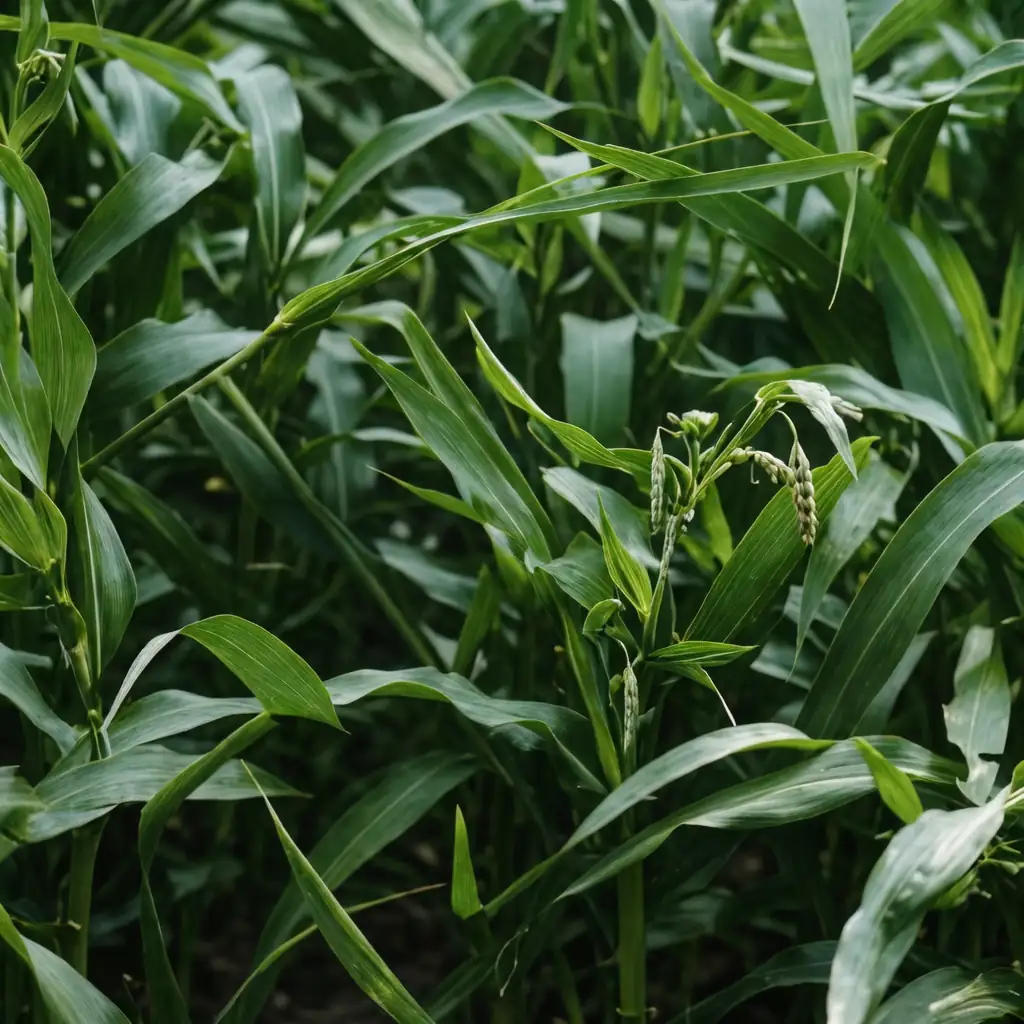
- Size: Typically 1–2 m (3.3–6.6 ft) tall; clump-forming with upright culms.
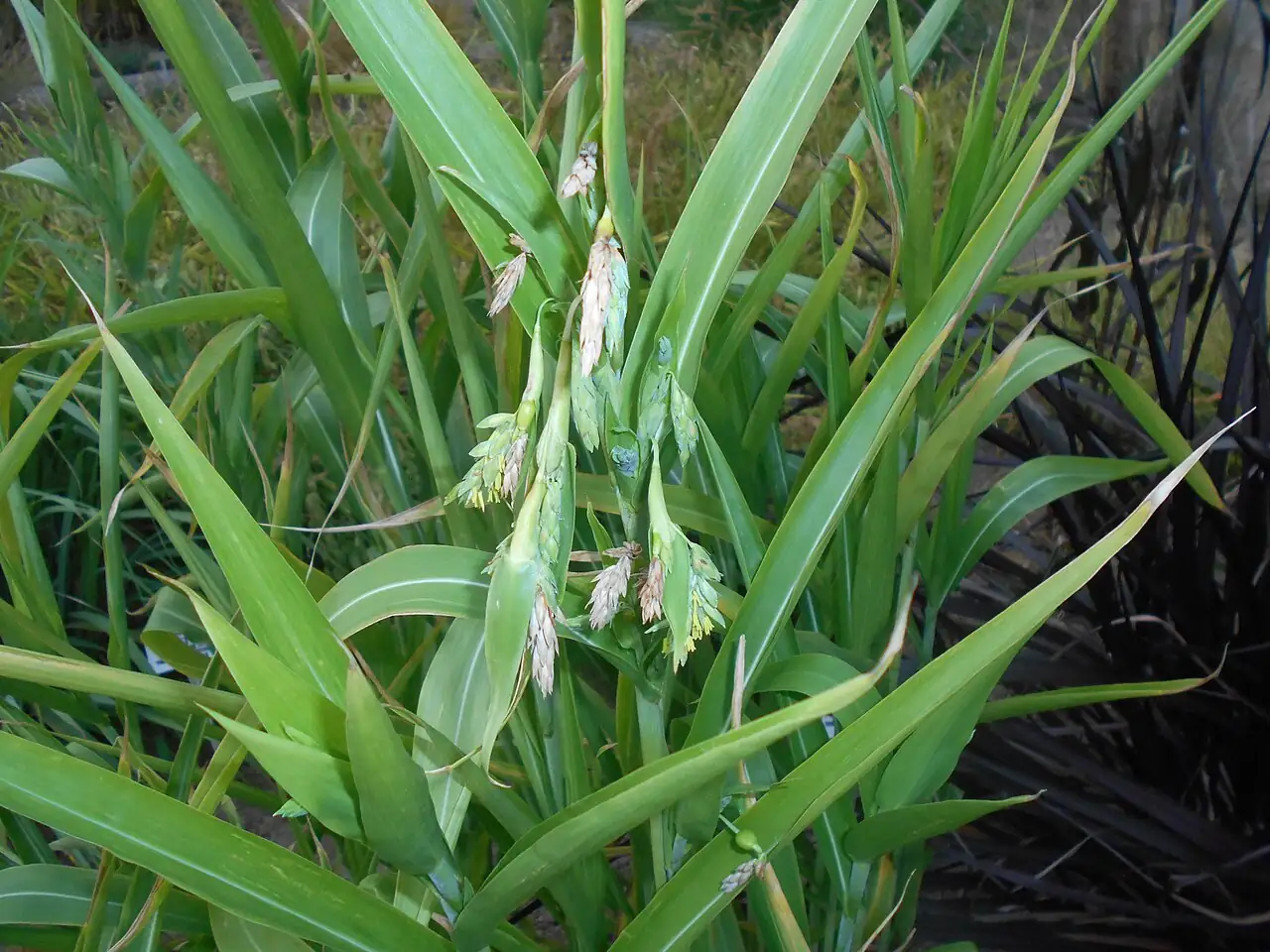
- Foliage: Broad, flat, strap-like leaves that arch outward; lush green and distinctly grass-like in texture.
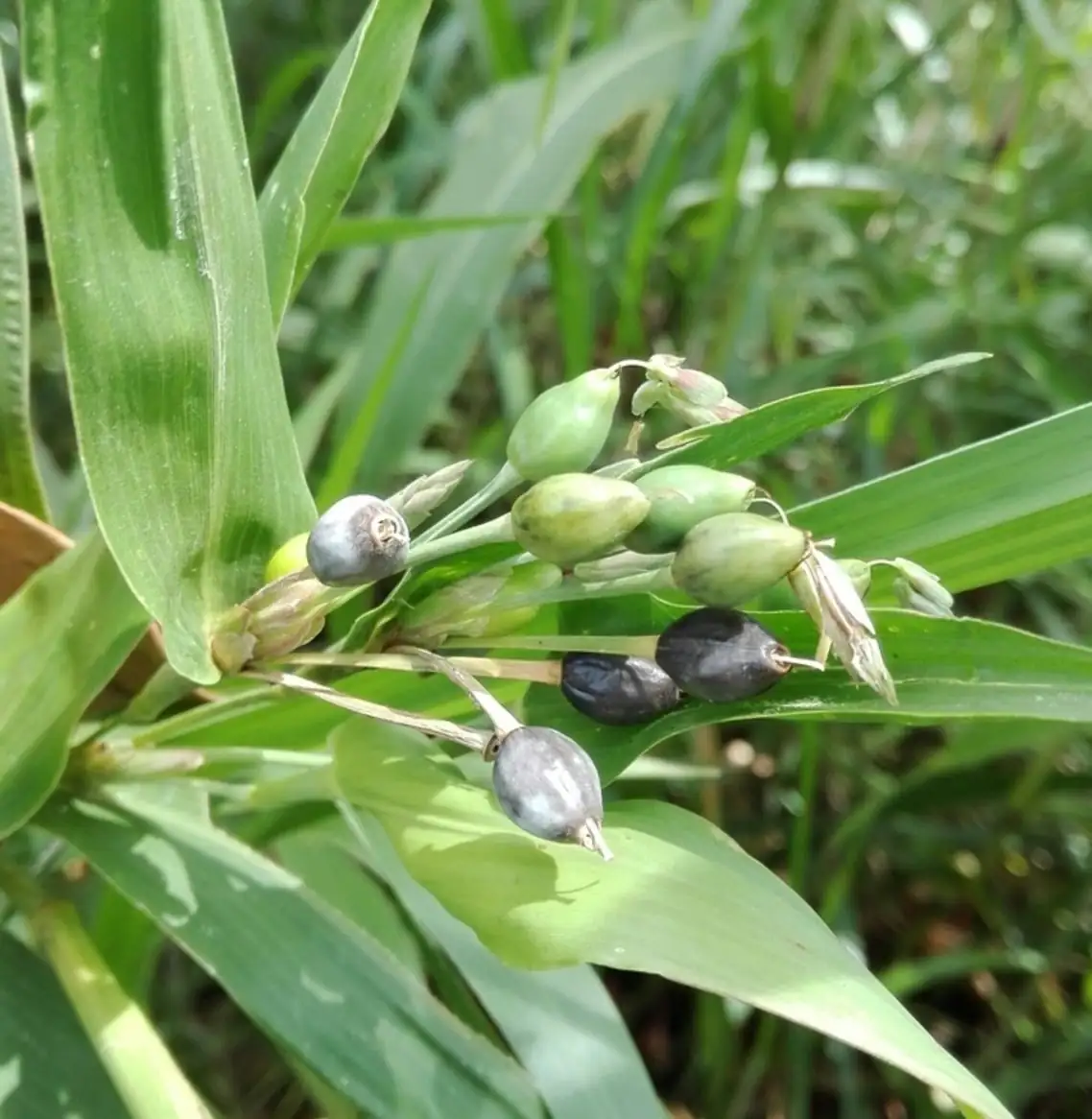
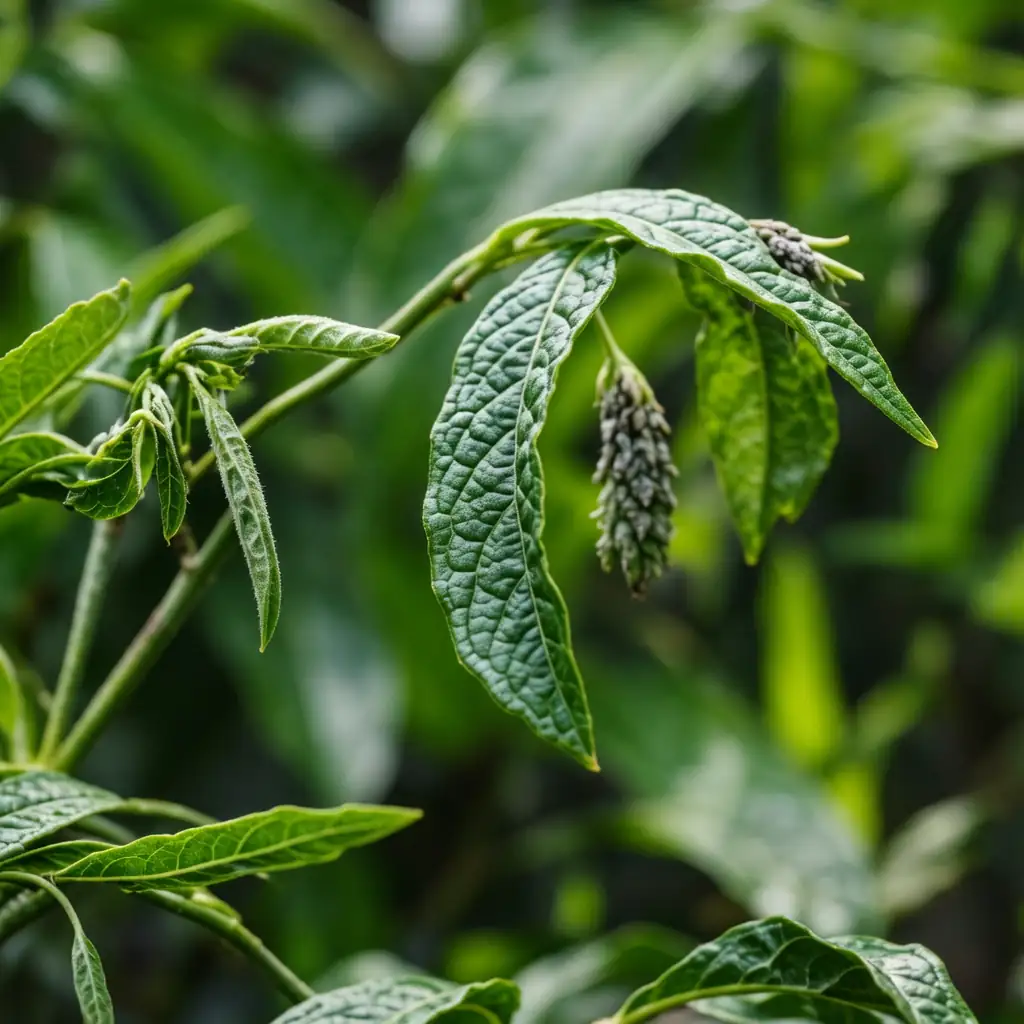
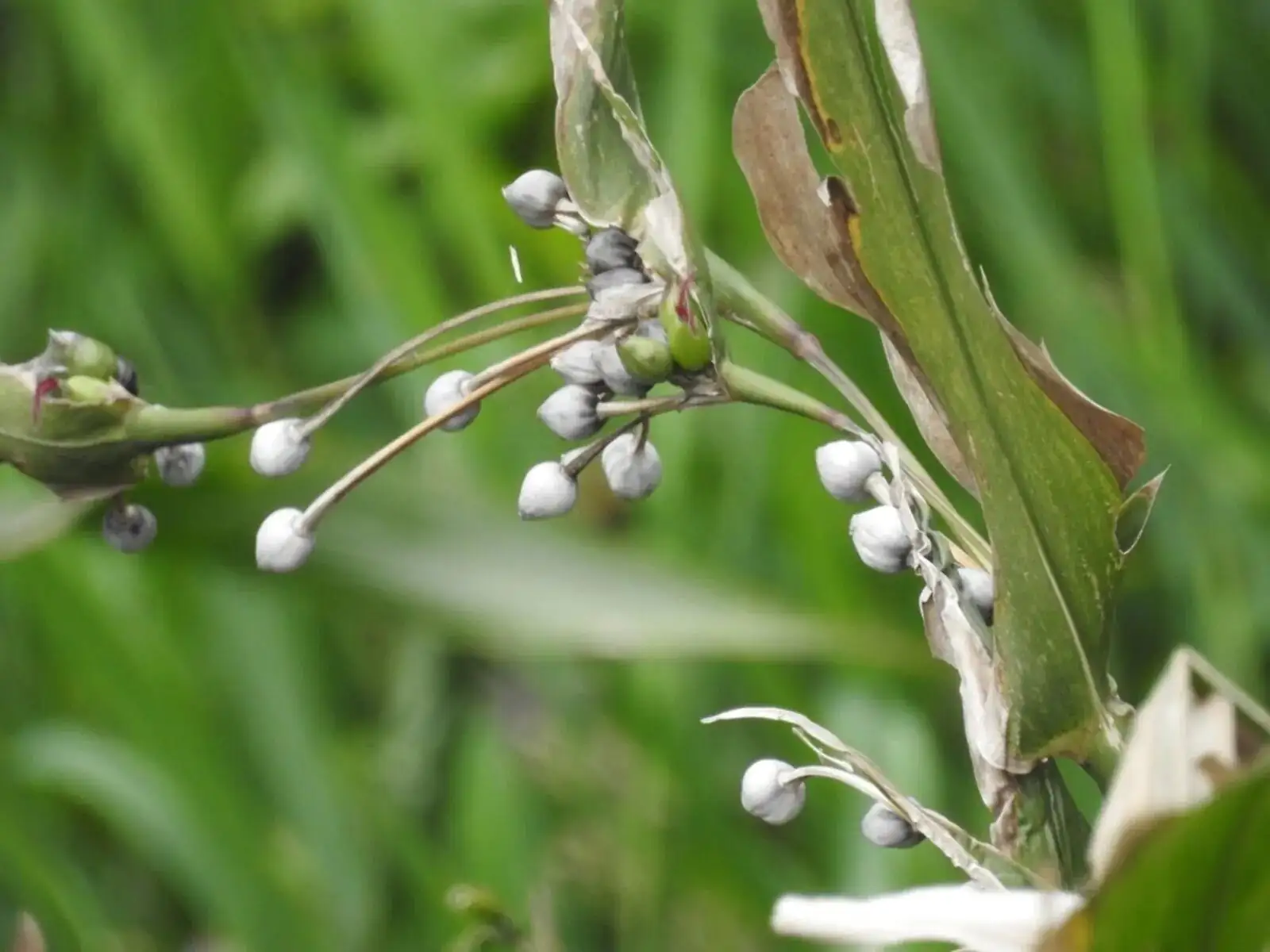
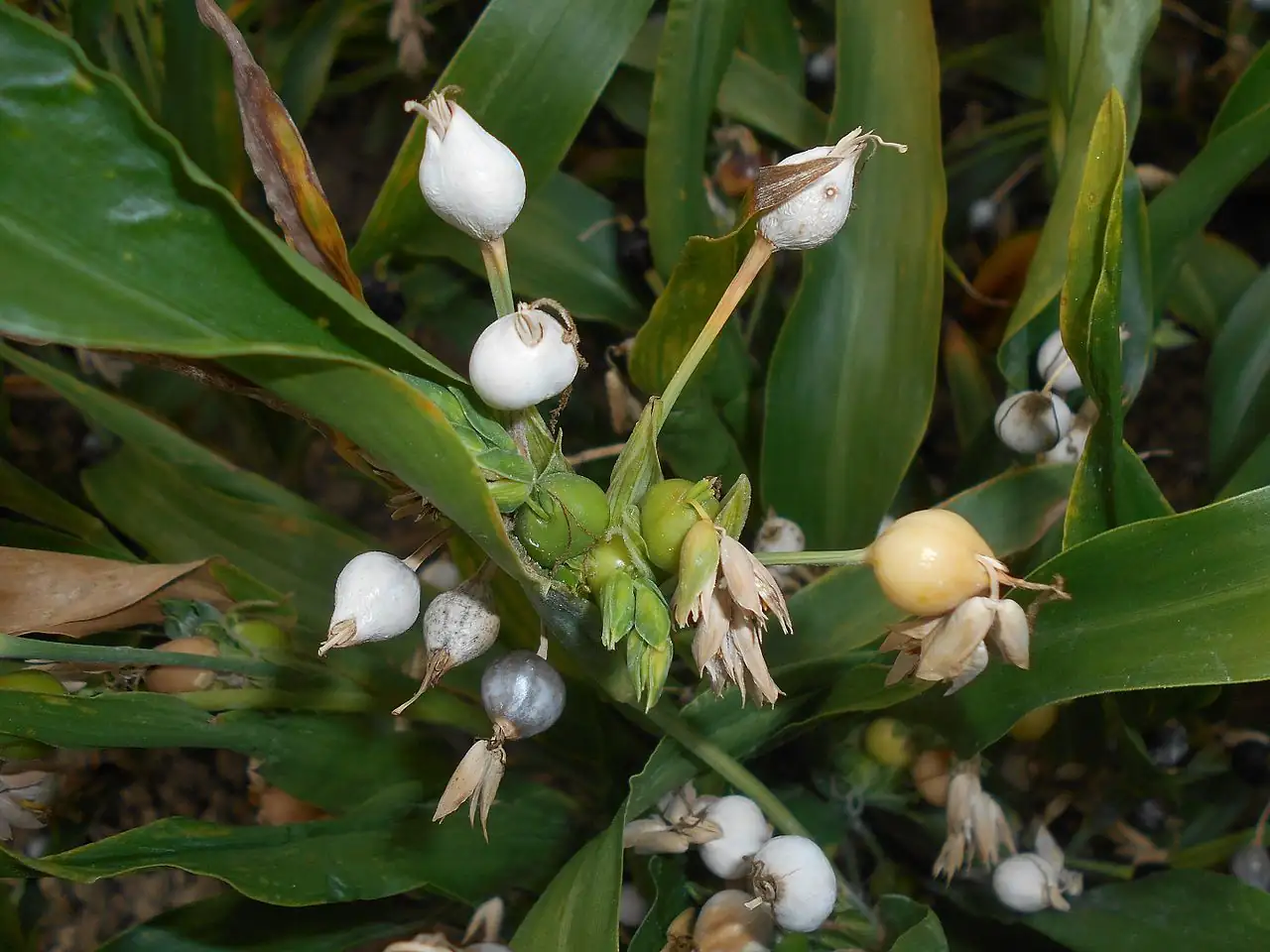
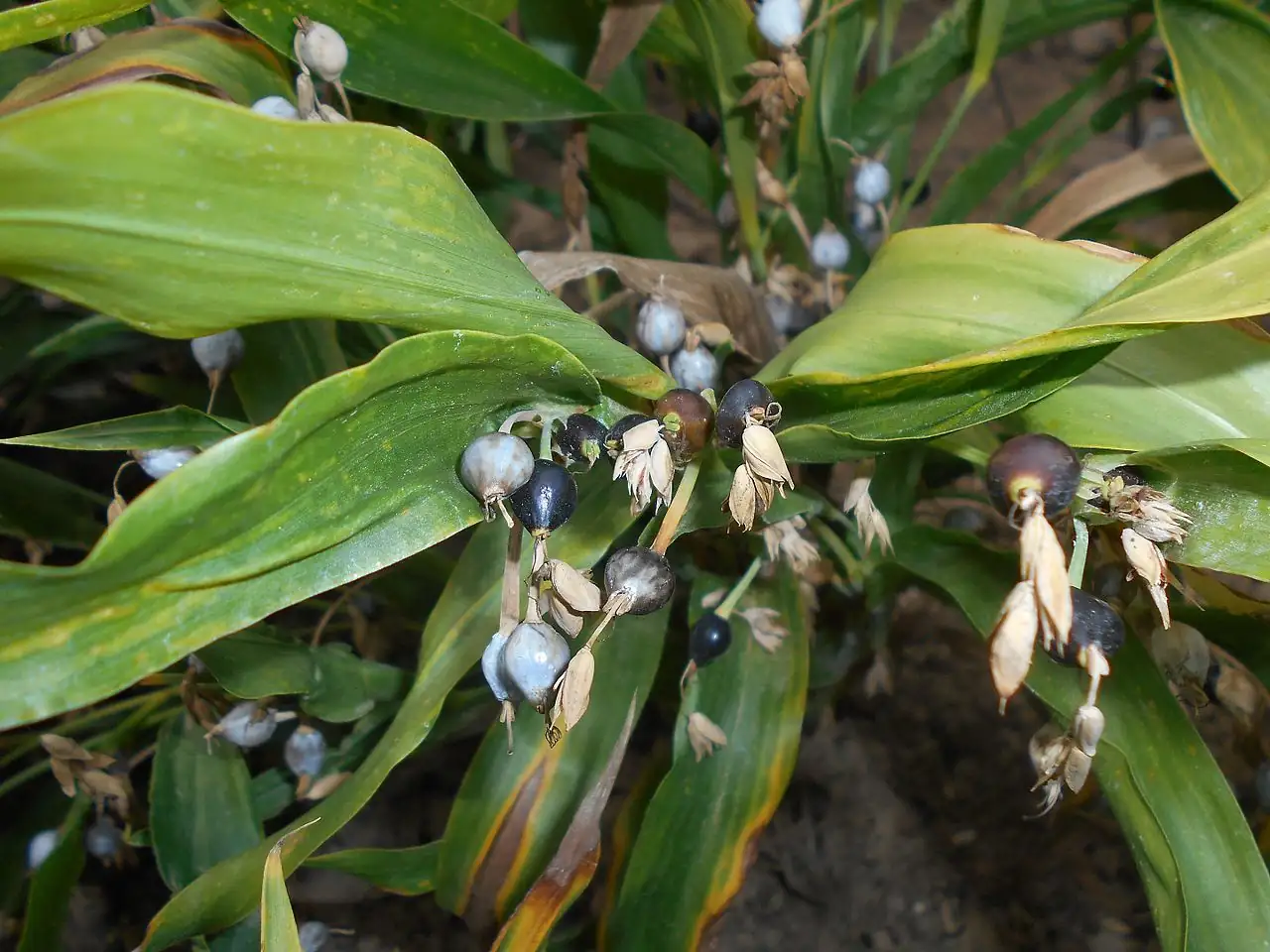
- Flower: Flowers appear in axillary, raceme-like clusters with separate male and female spikelets. The female spikelets are enclosed in a hard, shiny, bead-like involucre (often oval) that later hardens around the seed—this is the famous “bead” used for ornaments and crafts.
- Flowering Season: June–December (approx.)
- Growth Habit: Robust, upright, clump-forming annual grass.
Environment
Sunlight
Full sun to partial shade; strongest growth and best bead/seed development in full sun.
Temperature
Prefers warm conditions and is frost-tender. Best growth around 20–30°C (68–86°F); may suffer below about 10°C (50°F).
Humidity
Moisture-loving; does best with high humidity and consistently moist conditions. Avoid prolonged drought.
Soil
Adaptable if moisture is steady. Performs best in fertile, moisture-retentive loam or clay-loam, including seasonally waterlogged sites.
Placement
Outdoors in sunny, reliably moist spots—pond edges, rain gardens, ditches, low-lying ground, or irrigated/flood-prone fields. Also suitable for large containers as long as the mix is kept evenly moist.
Hardiness
Frost tender; typically grown as an annual in temperate regions. Approx. USDA Zone 9–11 in warm climates, or as a summer annual elsewhere.
Care Guide
Difficulty
Easy when kept warm and consistently moist. It’s adaptable, but growth and seed/bead production drop quickly if it dries out or gets chilled by frost.
Buying Guide
Buy fresh, viable seed from a reputable source. If you want beads for crafting, choose a hard-shelled Job’s tears type; some cultivated forms have softer hulls and are mainly grown for eating.
Watering
Keep soil consistently moist to wet. Water deeply and regularly (especially in heat) and avoid letting the root zone dry for long periods.
Fertilization
Mix in compost at planting for steady nutrition. During active growth, a balanced fertilizer can be applied about every 4–6 weeks; ease off later in the season.
Pruning
Very little needed. Remove damaged leaves as they appear, and cut plants down at season’s end after harvesting mature beads/seeds.
Propagation
Primarily by seed. Sow after the last frost when weather is reliably warm—direct sow or start in pots and transplant once nights stay mild.
Repotting
If grown in containers, start with a large pot and a rich mix. Repot only if root-bound, and transplant carefully—growth speeds up quickly once conditions are warm.
📅 Seasonal Care Calendar
Growth surges in warm weather. Flowering/fruiting commonly runs June–December (approx.), and bead/seed harvest happens as the involucres harden and fully mature during that same period.
Pests, Diseases & Safety
Common Pests & Diseases
Usually fairly trouble-free. Watch for aphids, caterpillars, and grasshoppers. Very wet, stagnant conditions can encourage fungal leaf spots—improve airflow, avoid overcrowding, and remove badly infected leaves.
Toxicity
Not known to be toxic to people when properly prepared as food (coixseed/adlay). Commonly used as feed for animals; as with any grain/seed, avoid moldy material and introduce new feeds gradually.
Culture & Symbolism
Symbolism: Often linked with simplicity and natural beauty—little “tears” that turn into wearable beads.
History & Legends: Across many cultures, the naturally polished, hard involucres have been strung into beads for adornment. In East Asia, selected edible forms have a long history as a food grain and in traditional health practices.
Uses: Ornamental and craft plant (natural beads); livestock fodder; seeds used as a food grain and in traditional medicine (commonly sold as adlay/coixseed).
FAQ
Is Job’s tears a flower or a grass?
It’s a grass (Poaceae). The flowers are small and typical of grasses, but the plant becomes showy when the bead-like coverings form around the seeds.
Does it need standing water?
Not necessarily. It grows best in consistently moist to wet soil, but it doesn’t require constant standing water—regular irrigation or a naturally damp site is usually enough.
Can I grow it in a pot?
Yes. Choose a large container, keep the potting mix evenly moist, and give it full sun and warmth for the strongest growth and best bead/seed development.
Fun Facts
- Those shiny “beads” are not the seeds themselves—they’re a hardened involucre that forms around the female flower/seed, which is why they can be strung like natural beads.
- It naturally thrives in damp places like pond edges, ditches, stream sides, and flood-prone fields.
- Different selections are grown for different goals: hard-shelled types for bead crafts, and softer-hulled types for eating as adlay/coixseed.


