Plant Features
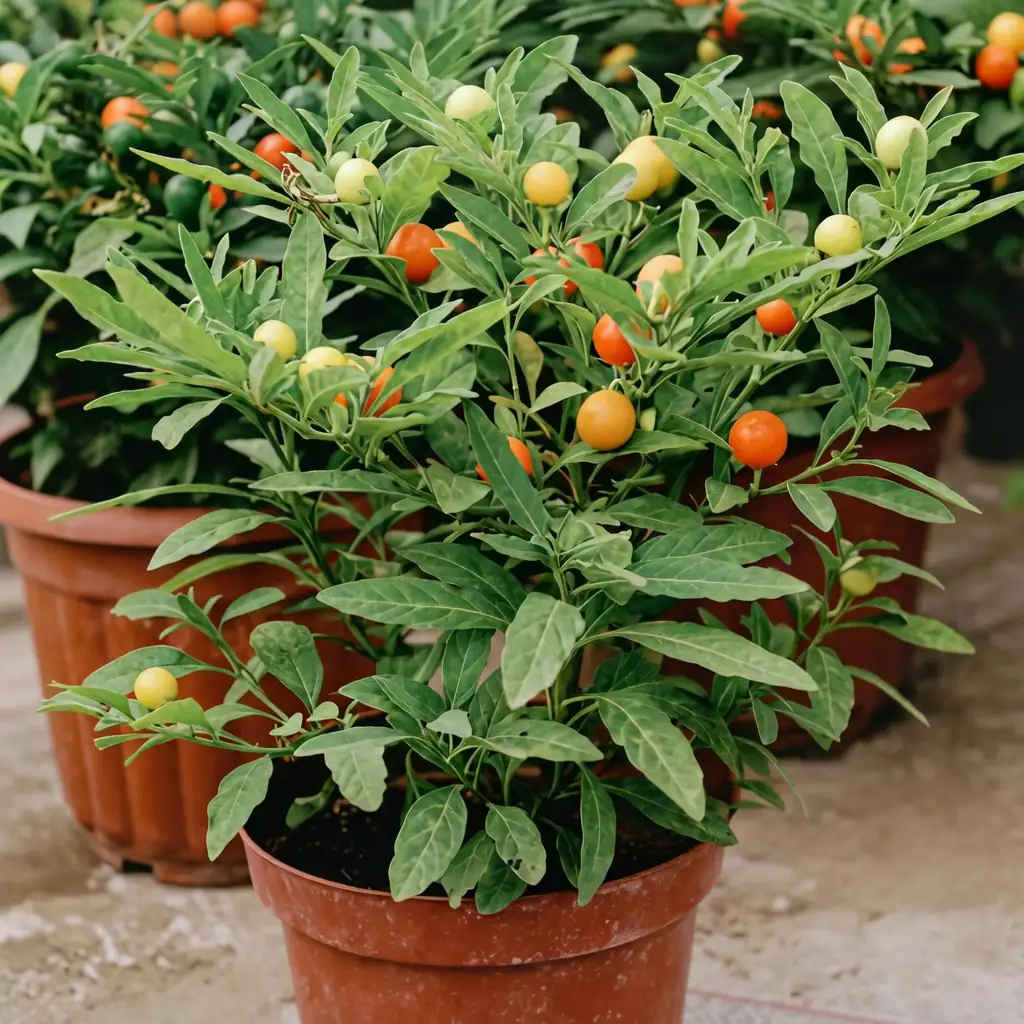
- Size: Typically 30–60 cm (12–24 in) tall and about 30–45 cm (12–18 in) wide in containers. Often pinched when seedlings reach 10–15 cm (4–6 in) to encourage a bushy shape. Common pot size: 10–15 cm (4–6 in) diameter.
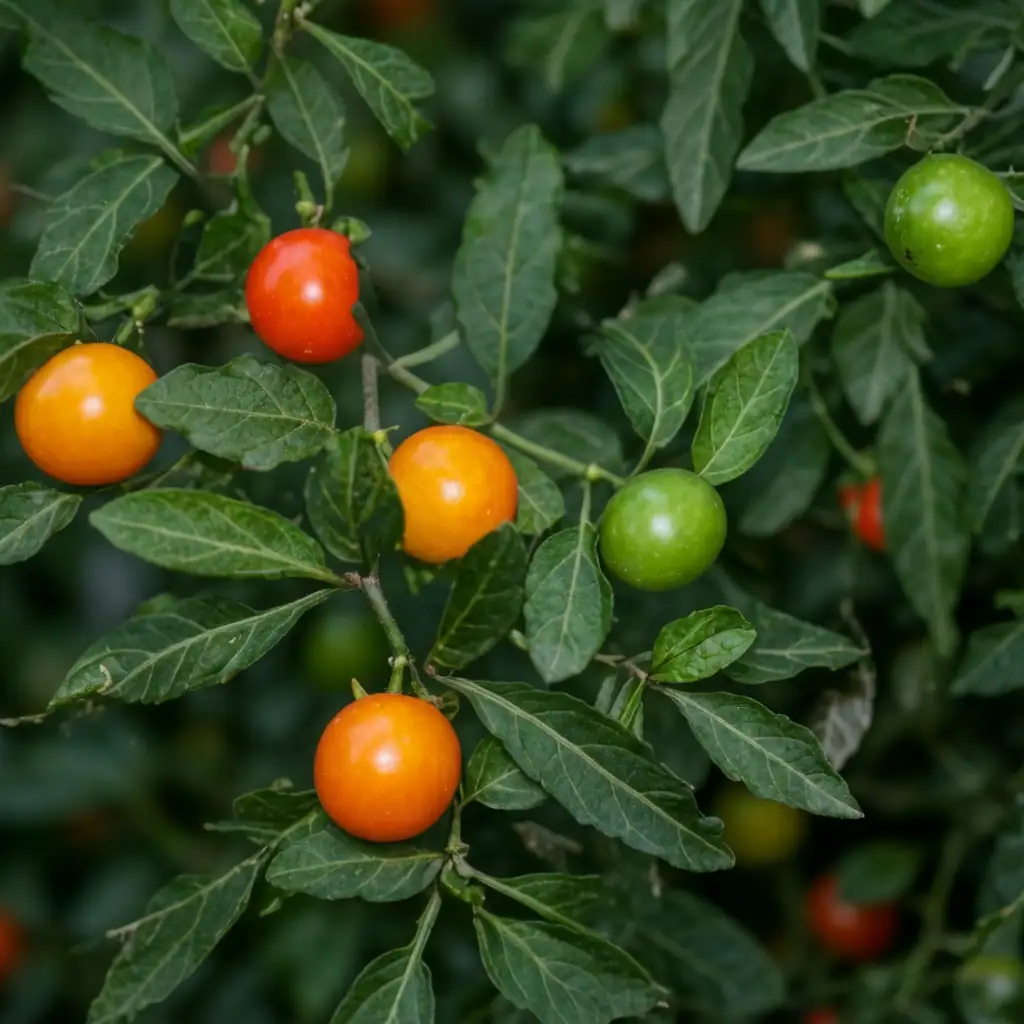
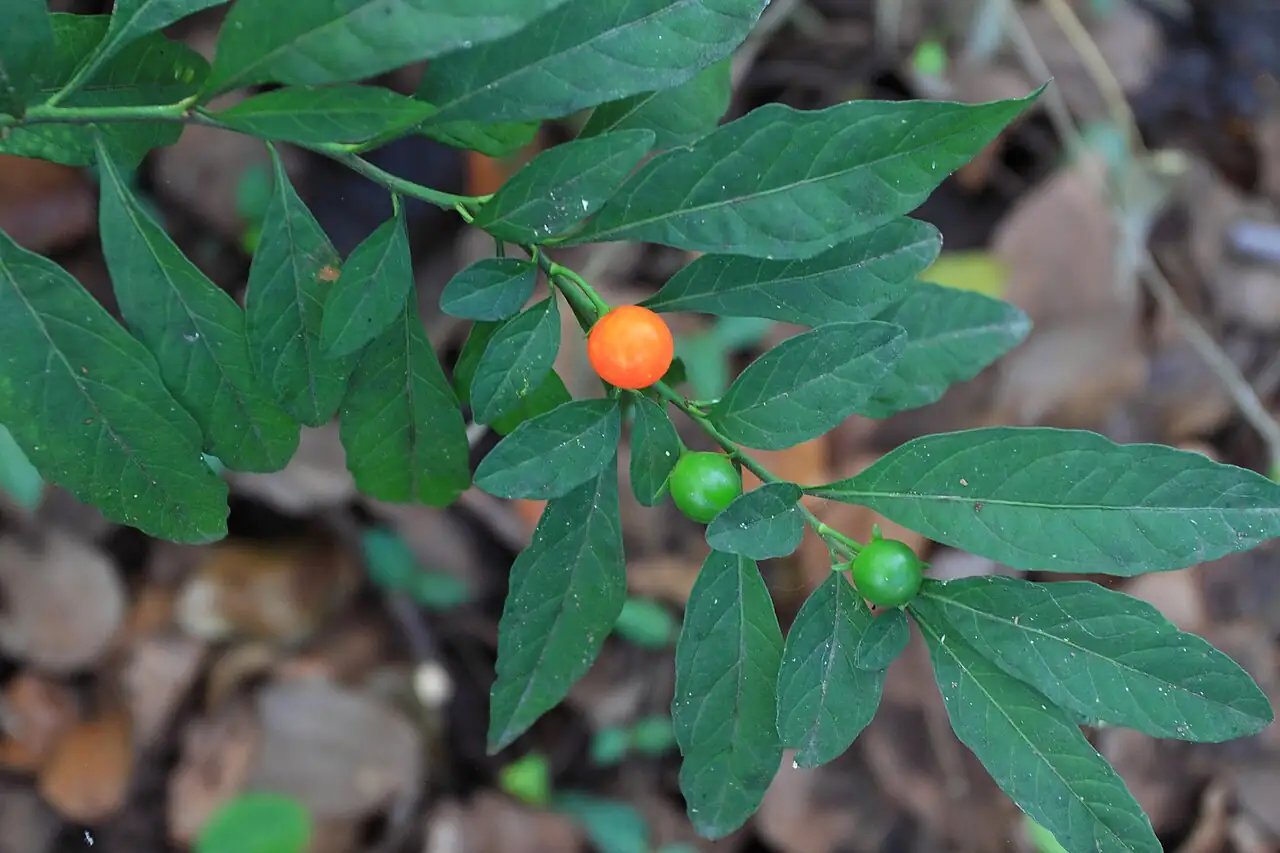
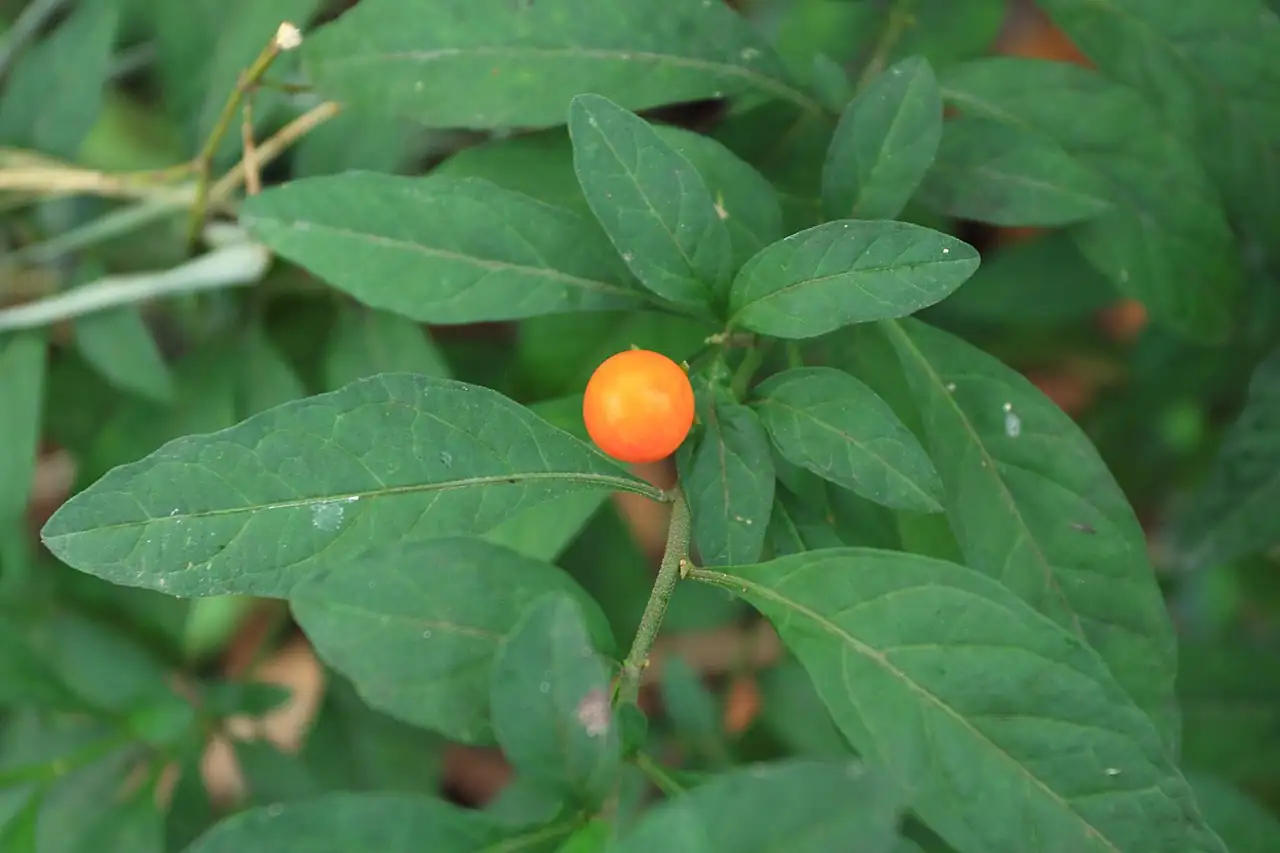
- Foliage: Dense, leafy, well-branched growth; leaves are narrow-oval to lance-shaped and medium green. Regular pinching helps it stay compact and nicely rounded rather than leggy.
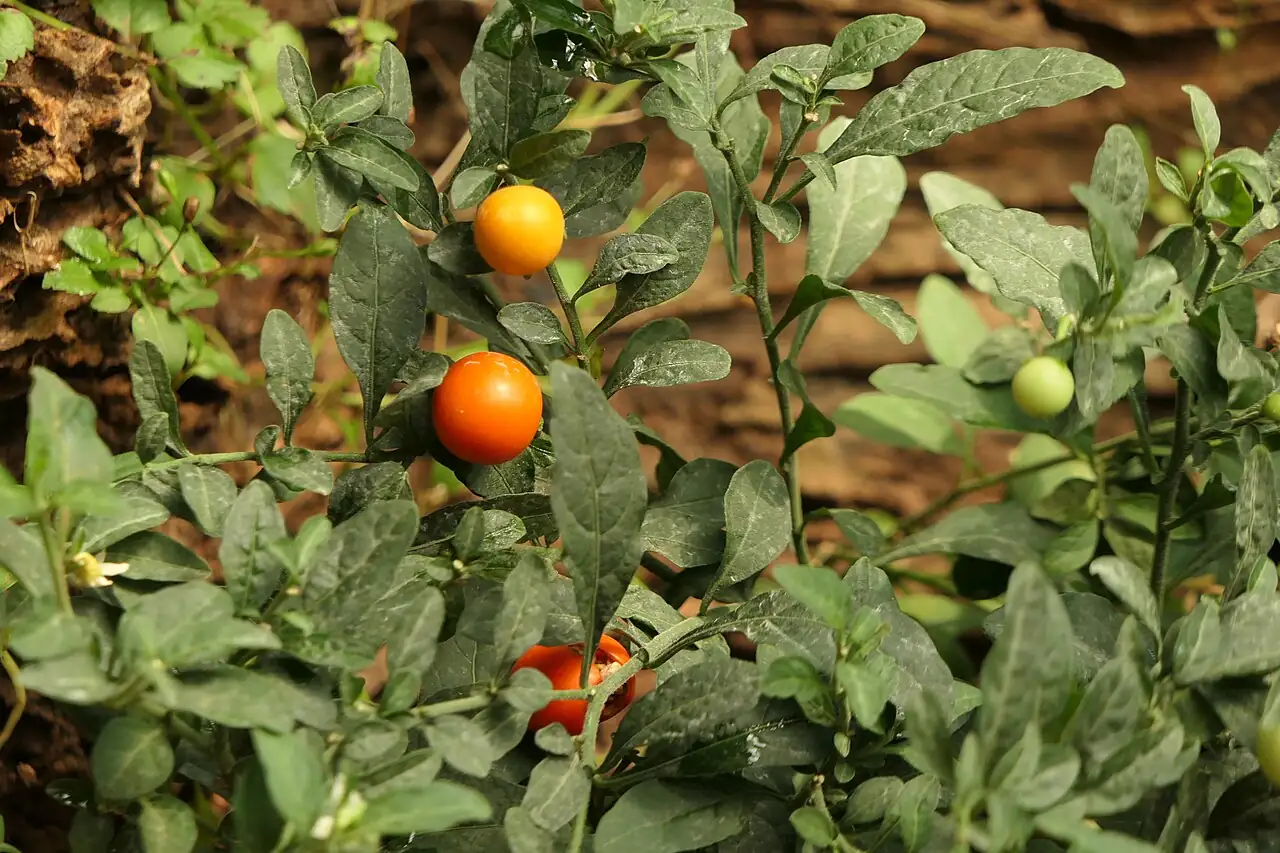
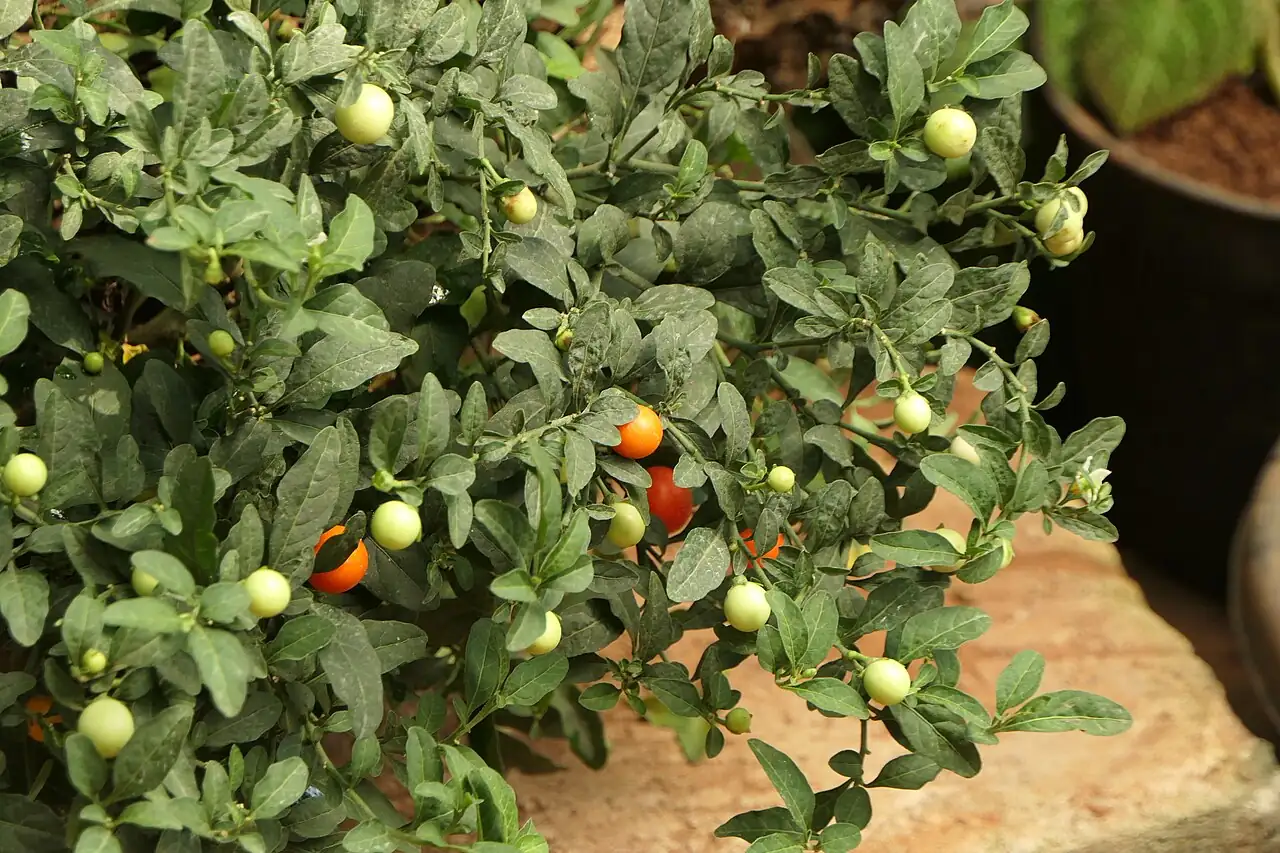
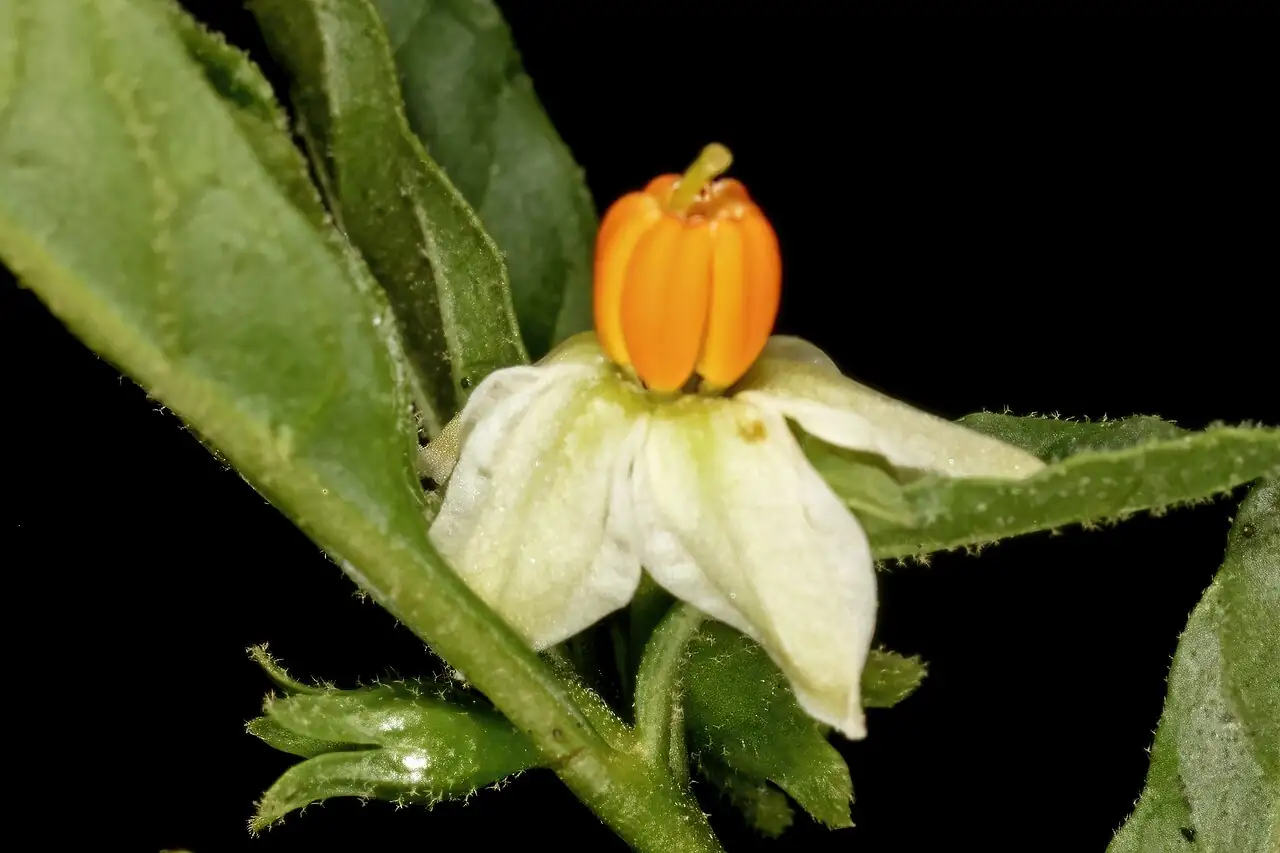
- Flower: Small, star-shaped white flowers appear in autumn. Afterward, round berries form and ripen from green to orange to bright red; the fruit is the main ornamental feature and is usually at its best through winter.
- Flowering Season: Autumn flowering; fruit display mainly in winter.
- Growth Habit: Evergreen, compact, bushy subshrub; commonly grown as a one- to two-year decorative potted plant for its colorful winter fruit.
Environment
Sunlight
Bright light to full sun; tolerates partial shade. Best on an east- or south-facing windowsill, or outdoors in a sunny, sheltered balcony/patio spot during warm weather.
Temperature
Grows best around 20–25°C (68–77°F). In winter, keep above 8–10°C (46–50°F) and away from frost and cold drafts; sudden temperature swings can trigger leaf and berry drop.
Humidity
Moderate humidity preferred, but typical home humidity is usually fine as long as watering is steady and the plant isn’t kept cold and wet.
Soil
Rich but well-draining potting mix—ideally a loam-based mix improved with peat/coco and coarse sand/perlite for airflow and drainage.
Placement
Indoors in autumn/winter near a very bright window for best berry color and retention; outdoors in warm seasons in sun with some shelter from harsh wind and heavy rain.
Hardiness
Frost-tender; outdoors year-round only in mild climates (approximately USDA Zone 10–11).
Care Guide
Difficulty
Moderate. It’s straightforward in strong light and steady warmth, but it can quickly drop leaves or fruit if conditions swing (too cold, too wet, or too dim).
Buying Guide
Choose a compact, well-branched plant with short internodes and dense foliage. Avoid yellowing leaves and any berries that look soft, bruised, or rotting. The best plants have many glossy fruits that are fairly even in size and ripeness. Handle gently during transport—ripe berries can drop easily and fruiting stems may snap. Once home, place it in a bright east- or south-facing window (or a sunny balcony). Water carefully without splashing the berries, keep the mix slightly on the dry side, and avoid rapid temperature changes to reduce leaf/fruit drop.
Watering
In active growth, water thoroughly when the top 2–3 cm (about 1 in) of mix dries. During flowering, reduce watering slightly to encourage fruit set. Once fruiting begins, keep the mix just slightly dry—never waterlogged—and avoid the “drought then drench” cycle. Don’t splash water onto the berries (it can spot them and encourage rot). In winter, water sparingly; in cool, cloudy periods, watering about every 4–5 days is often enough (adjust to your conditions), keeping the mix lightly moist to slightly dry.
Fertilization
Feed every 2 weeks during active growth with a balanced fertilizer. In autumn as buds and flowers appear, give 1–2 extra feeds with higher phosphorus and potassium to support flowering and fruiting (e.g., a bloom/fruit formula similar to NPK 15-15-30).
Pruning
Pinch once when young plants reach 10–15 cm (4–6 in) to promote branching and a fuller shape. After winter, older plants can be cut back; fresh shoots often form and may flower and fruit again under good light.
Propagation
Seed: sow indoors in spring; best germination at 18–20°C (64–68°F), typically sprouting in about 10–12 days. Cuttings: in summer, take 10 cm (4 in) semi-ripe stem cuttings; they usually root in about 2–3 weeks in warm, humid conditions.
Repotting
Usually happiest kept slightly pot-bound for a compact display. Grow in a 10–15 cm (4–6 in) pot with a fertile, free-draining mix; repot only as needed to avoid overpotting and soggy soil.
📅 Seasonal Care Calendar
Spring–summer: strong light, water as the surface dries, fertilize every 2 weeks; take cuttings in summer. Autumn: keep very bright light; water a little less during bloom; add 1–2 higher P/K feeds to boost fruiting. Autumn–winter display: keep above 8–10°C (46–50°F), avoid drafts and sudden temperature changes, water lightly (often every 4–5 days in cool/dim weather), and keep the mix slightly dry to help berries last and reduce drop.
Pests, Diseases & Safety
Common Pests & Diseases
Whiteflies can be an issue indoors; isolate the plant and treat with insecticidal soap or horticultural oil, repeating as needed. Leaf spot and anthracnose may appear in stagnant air or when foliage stays wet—improve airflow, avoid wetting leaves/berries, and remove affected parts promptly.
Toxicity
Toxic if eaten. The berries (and other parts) contain solanaceous alkaloids and can cause gastrointestinal upset; keep out of reach of children and pets.
Culture & Symbolism
Symbolism: Often associated with seasonal cheer and “good luck,” thanks to its bright berries during the darker months.
History & Legends: Long grown as a decorative winter-fruiting pot plant. Despite its common name, it’s not related to true cherries—its “cherries” are ornamental berries.
Uses: Primarily ornamental—kept as a potted accent plant for autumn-to-winter color indoors or on sheltered balconies.
FAQ
How do I choose a good Jerusalem cherry, and what should I do after bringing it home?
Pick a compact, bushy plant with dense foliage and no yellowing. Choose one with many glossy berries of similar size and ripeness, and avoid any with soft or damaged fruit. Carry it carefully because ripe berries can drop easily. Set it right away in a bright east- or south-facing window (or a sunny balcony), water without splashing the berries, keep the mix slightly on the dry side, and avoid sudden temperature changes.
How can I prevent leaf drop and berries falling off?
Most drop is caused by low light, cold temperatures, or wet soil. Keep it in strong light, maintain winter temperatures above 8–10°C (46–50°F), and water sparingly in winter so the soil stays lightly moist to slightly dry rather than wet.
Fun Facts
- Those bright winter berries can hold for weeks, which is why it’s often sold as a seasonal gift plant.
- The plant typically flowers in autumn, then colors up through winter as the berries ripen.
- From seed, it can sprout quickly—often in about 10–12 days when kept warm.