
Plant Features
- Size: Typically 45 cm tall × 60 cm wide (18 in × 24 in).
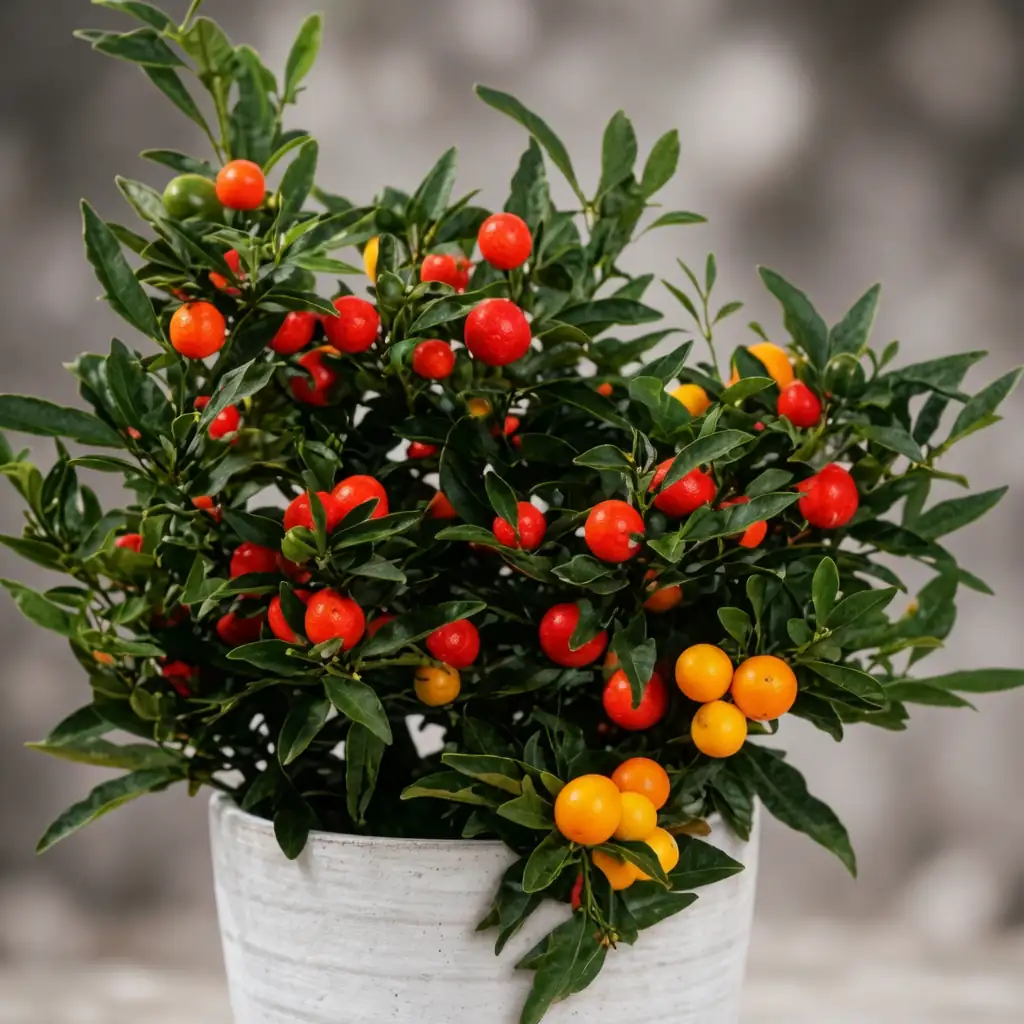
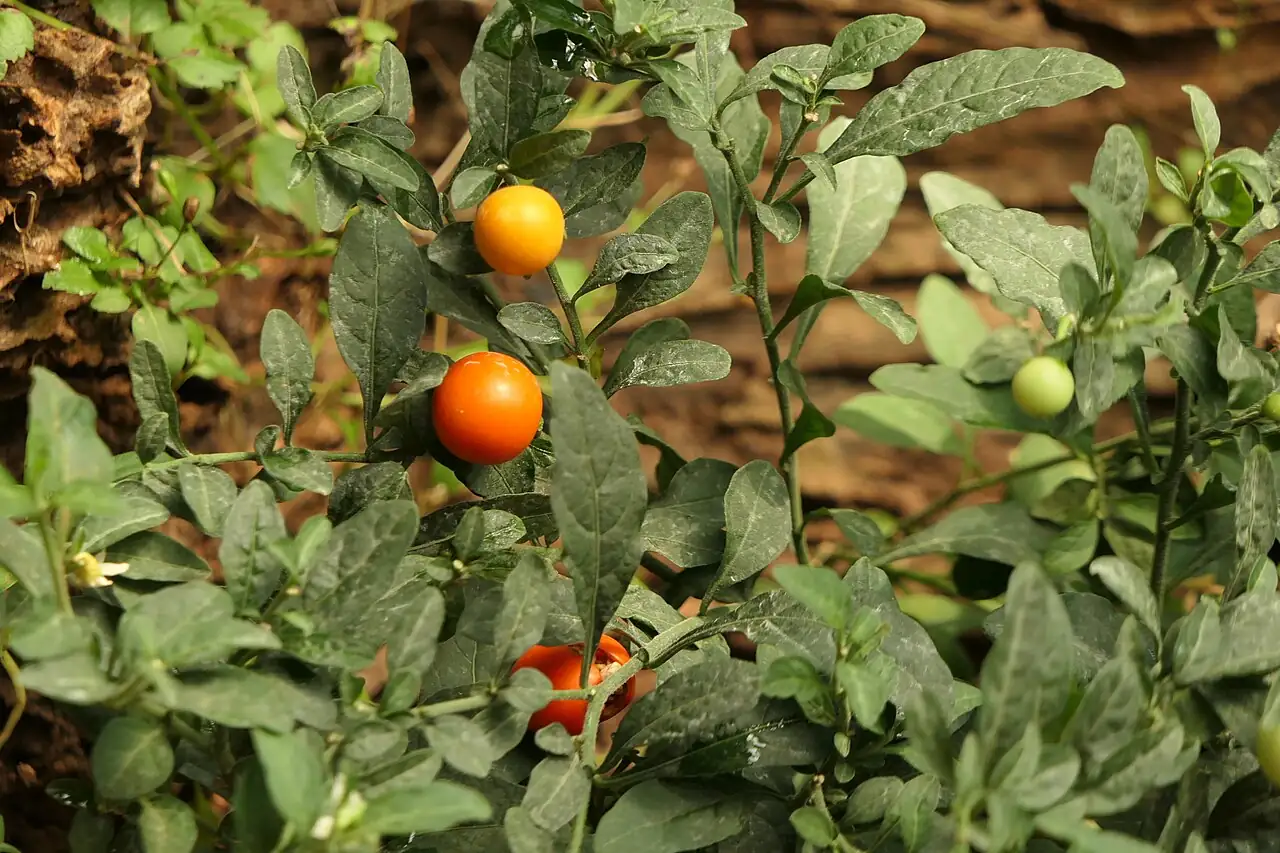
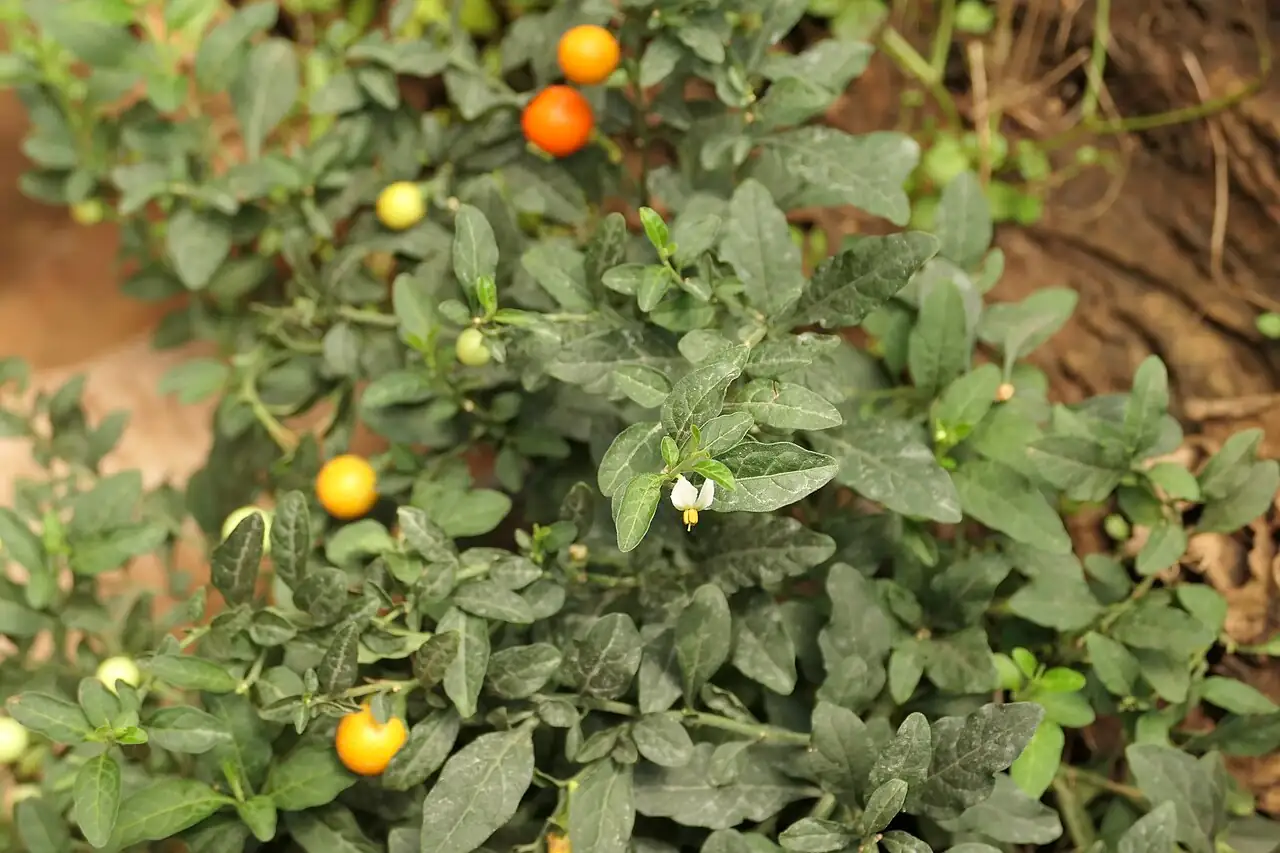
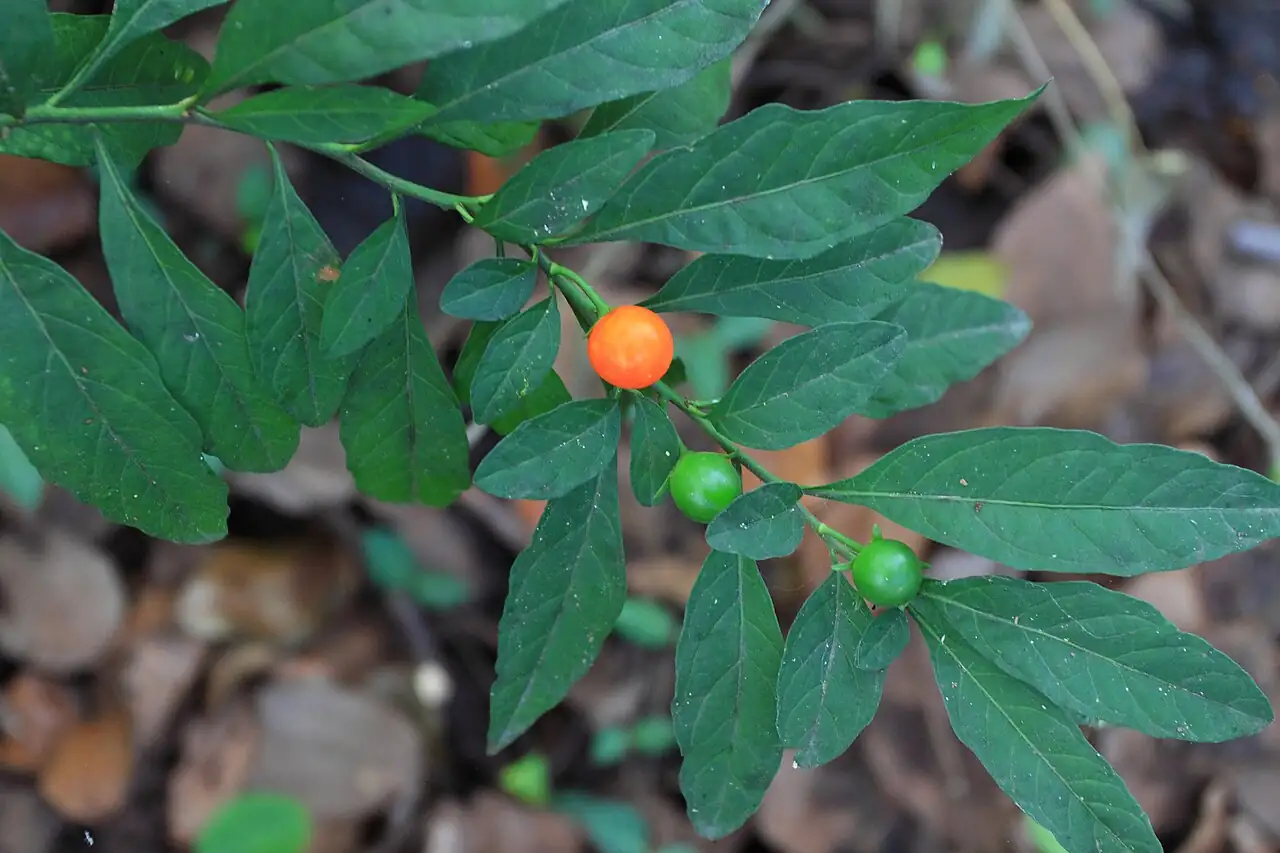
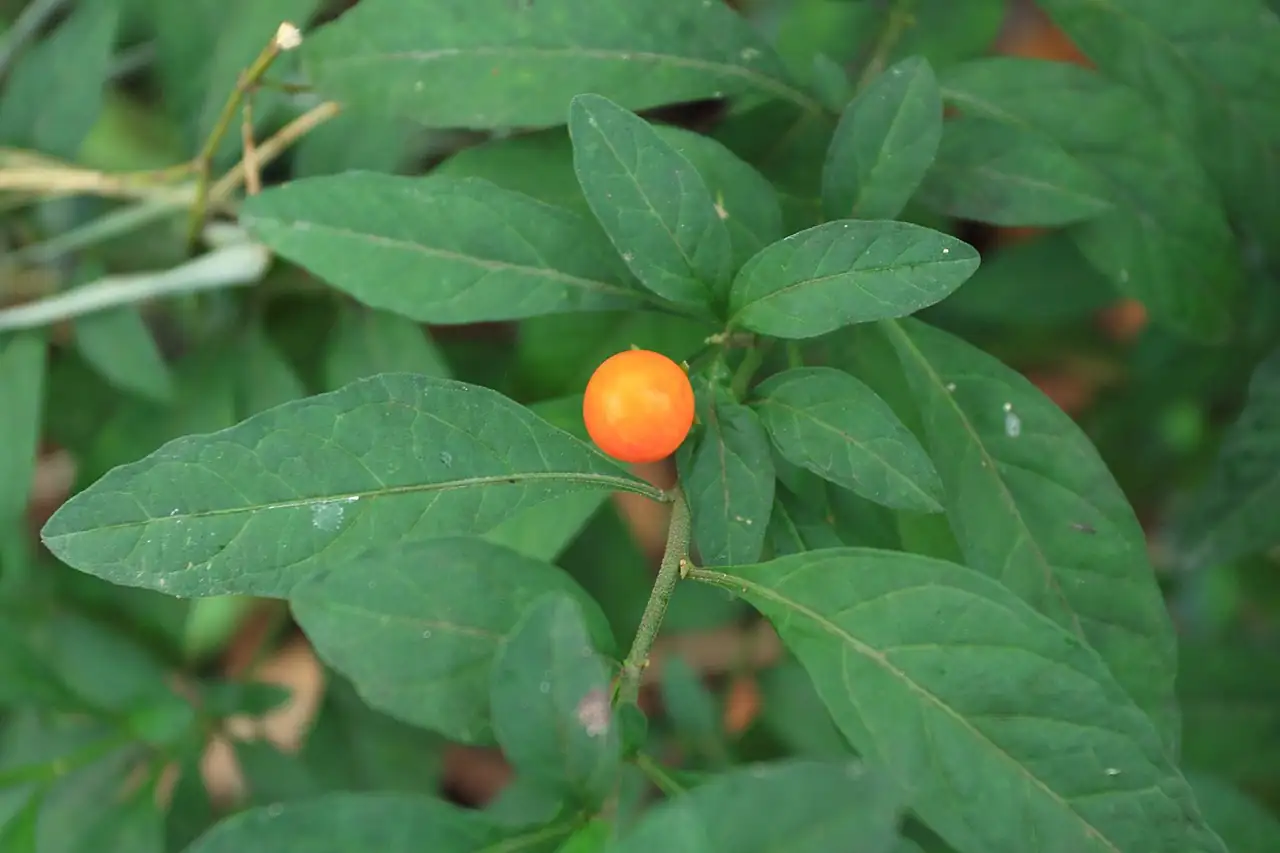
- Foliage: Glossy, deep-green leaves with gently wavy margins.
- Flower: Small, white, star-shaped flowers in summer; followed by round berries that ripen from green to orange and then bright red.
- Flowering Season: Summer
- Growth Habit: Compact, bushy, upright, shrub-like habit; often grown as a short-lived houseplant or seasonal pot plant.
Environment
Sunlight
Partial sun to bright indirect light. A few hours of gentle sun is ideal, especially to encourage flowering and fruiting.
Temperature
10–21°C (50–70°F). Not frost hardy—protect from frost. Keeping it cooler (but bright) helps the berries stay attractive longer.
Humidity
Low to average indoor humidity is fine; avoid constantly damp, stagnant air.
Soil
Free-draining potting mix. A practical blend is 1:1 soil-based compost and a general-purpose potting mix, aiming for good drainage and steady (not soggy) moisture during active growth.
Placement
Autumn to spring: a bright indoor spot is ideal for display. After the last frost: it can go outdoors in a sheltered place with light sun. In summer, avoid hot stuffy rooms—choose a cool, bright room or a lightly sunny, protected position.
Hardiness
Not frost hardy; outdoors only after the last frost. Approx. USDA Zone 10–11 (generally 10°C/50°F and above).
Care Guide
Difficulty
Easy. It performs best with bright light, cool conditions while the berries are on show, and evenly moist (never waterlogged) compost during active growth.
Buying Guide
Pick a plant with firm, glossy leaves and plenty of berries that look brightly colored and unshrivelled. Avoid yellowing leaves, soft stems, or potting mix that smells sour, which can point to overwatering and root trouble.
Watering
Late spring through mid-winter: keep the potting mix evenly moist. After the berries shrivel and drop: reduce watering—water only when the surface of the mix has dried.
Fertilization
From late spring until the first fruits appear, feed once a month with a balanced fertilizer. Once fruiting begins, pause feeding for a few weeks.
Pruning
After fruiting has finished, cut back the shoots by about half to encourage a bushier shape.
Propagation
Usually propagated from seed (sown warm and bright) or by softwood cuttings taken from late spring through summer.
Repotting
Typically grown in a 10–15 cm (4–6 in) pot or larger. Repot every 2–3 years in spring.
📅 Seasonal Care Calendar
Late spring to mid-winter: keep compost evenly moist; feed monthly until fruit set. Fruiting period: stop feeding for a few weeks. Autumn to spring: keep bright indoors for display. After last frost: move outdoors; in summer keep cool and bright. After fruits shrivel: reduce watering and prune back by half. Repot in spring every 2–3 years.
Pests, Diseases & Safety
Common Pests & Diseases
Indoors it may attract aphids, whitefly, spider mites, and mealybugs. Overwatering can cause root rot and yellowing leaves—improve drainage, avoid standing water, and after fruiting let the surface dry slightly before watering again.
Toxicity
Poisonous to people and pets. All parts are toxic, especially the berries—do not eat and keep away from children and animals.
Culture & Symbolism
Symbolism: Often linked with winter cheer and festive décor thanks to its long-lasting, bright red berries.
History & Legends: Despite the name, it isn’t from Jerusalem—“Jerusalem cherry” is a long-standing horticultural misnomer.
Uses: Primarily an ornamental pot plant for winter and holiday displays, grown for its colorful berries rather than for edible fruit.
FAQ
Is the whole plant poisonous?
Yes. All parts are poisonous, especially the berries. Keep it away from children and pets and never eat the fruit.
What temperature range is best?
About 10–21°C (50–70°F). Cooler, bright conditions help the berries last longer, and the plant must be protected from frost.
What light does it need?
Partial sun to bright indirect light. A few hours of gentle sun helps support flowering and fruiting.
How should I water it?
Keep the mix evenly moist from late spring through mid-winter. After the berries shrivel and drop, water only when the surface of the mix has dried.
When should I fertilize?
Feed monthly with a balanced fertilizer from late spring until fruits appear, then pause feeding for a few weeks once fruiting starts.
Fun Facts
- It’s in the nightshade family (Solanaceae), related to tomatoes and peppers—yet its berries are toxic.
- Berries generally stay attractive longer in cool, bright conditions than in warm rooms.