

Plant Features
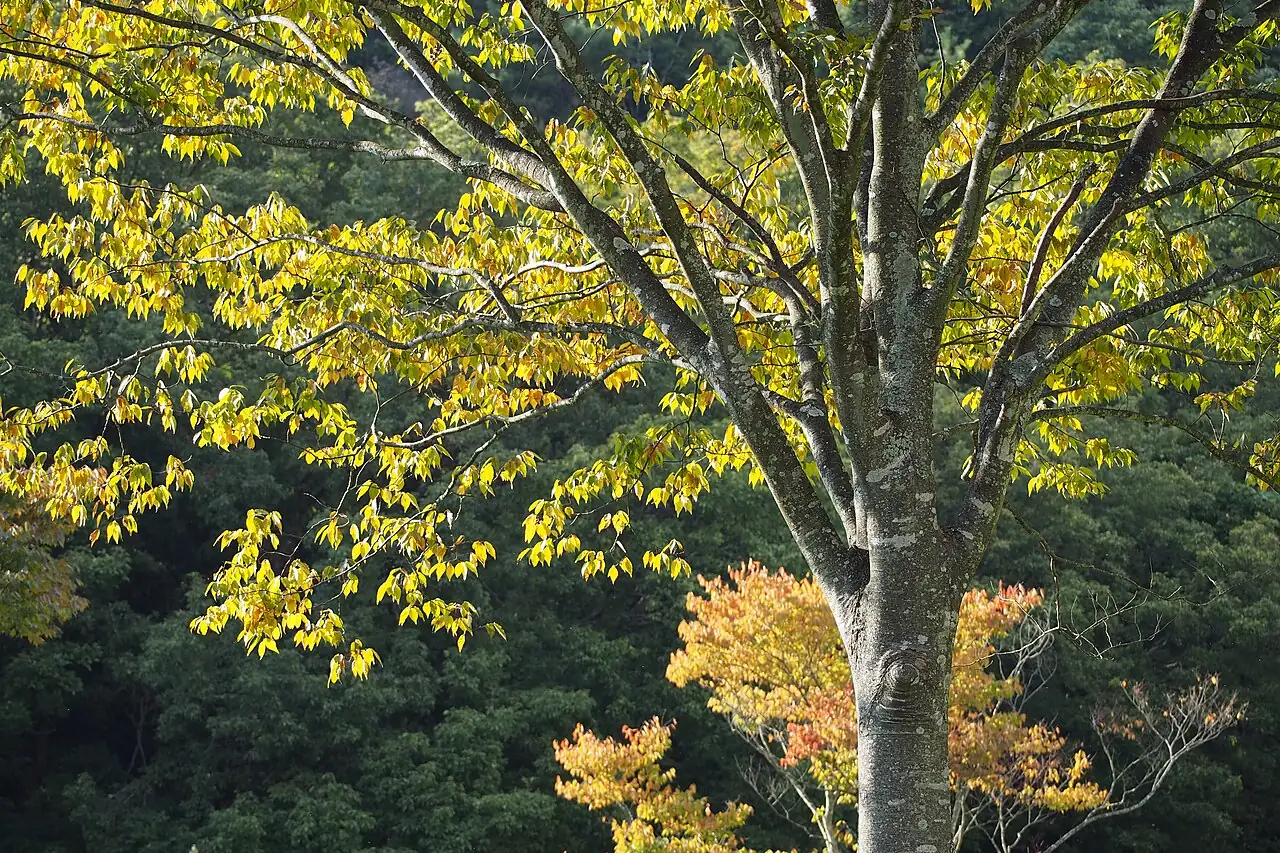
- Size: Typically 20–30 m (66–98 ft) tall with a broad crown; can reach about 30 m (98 ft) under good conditions.
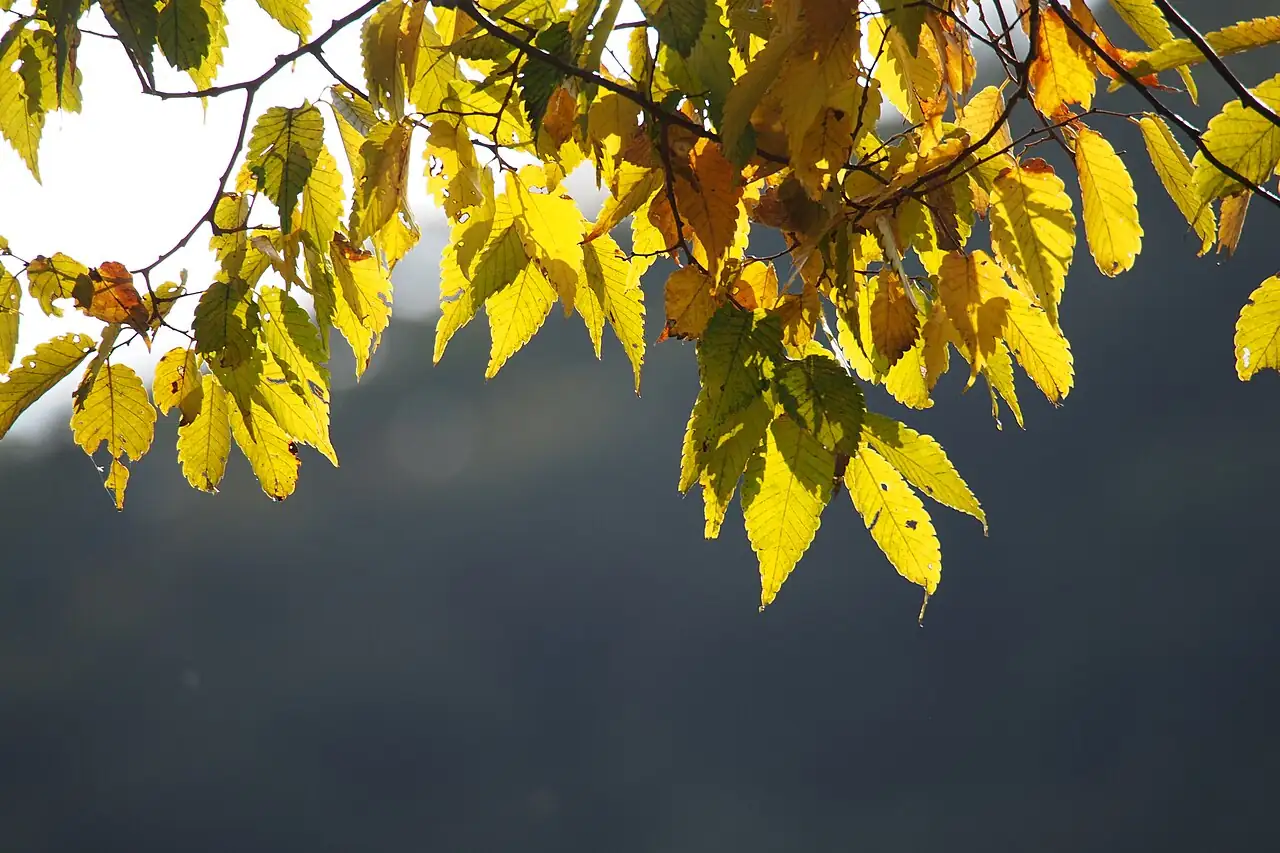
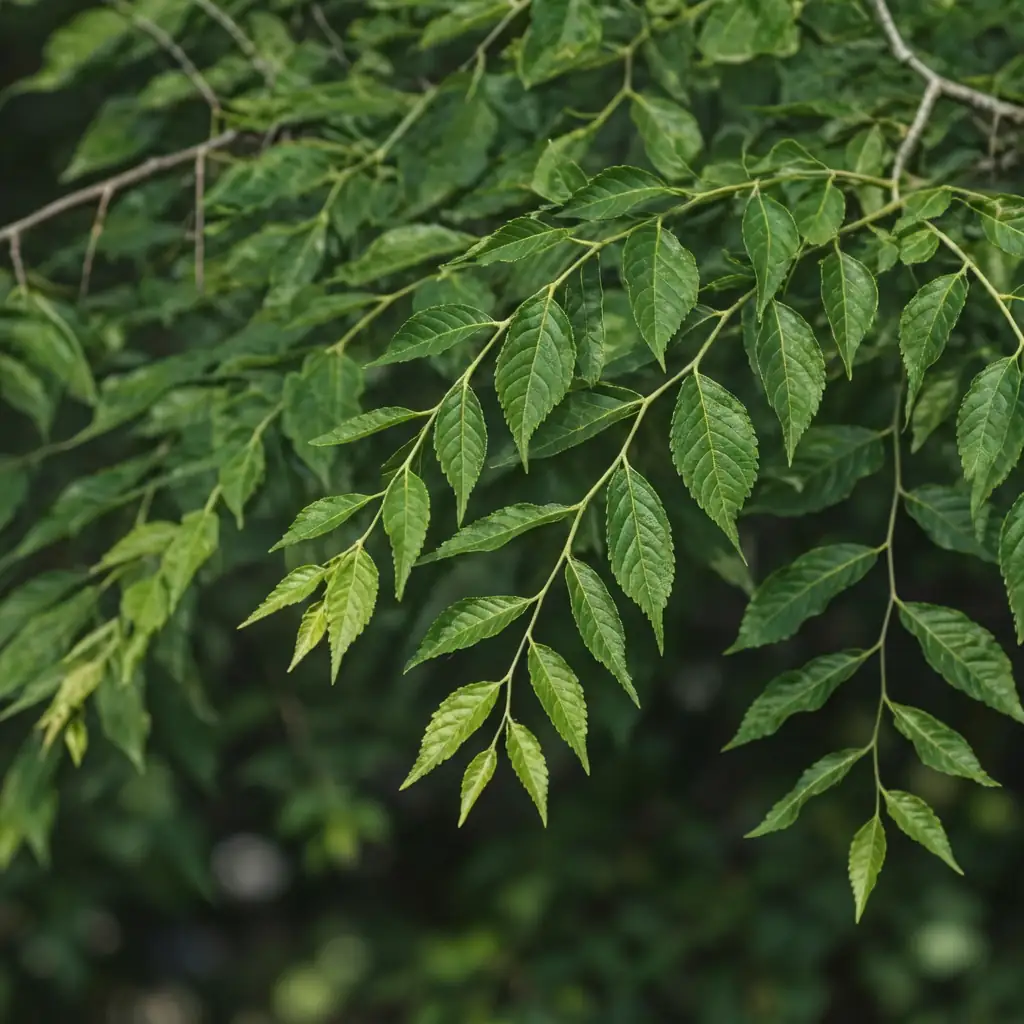
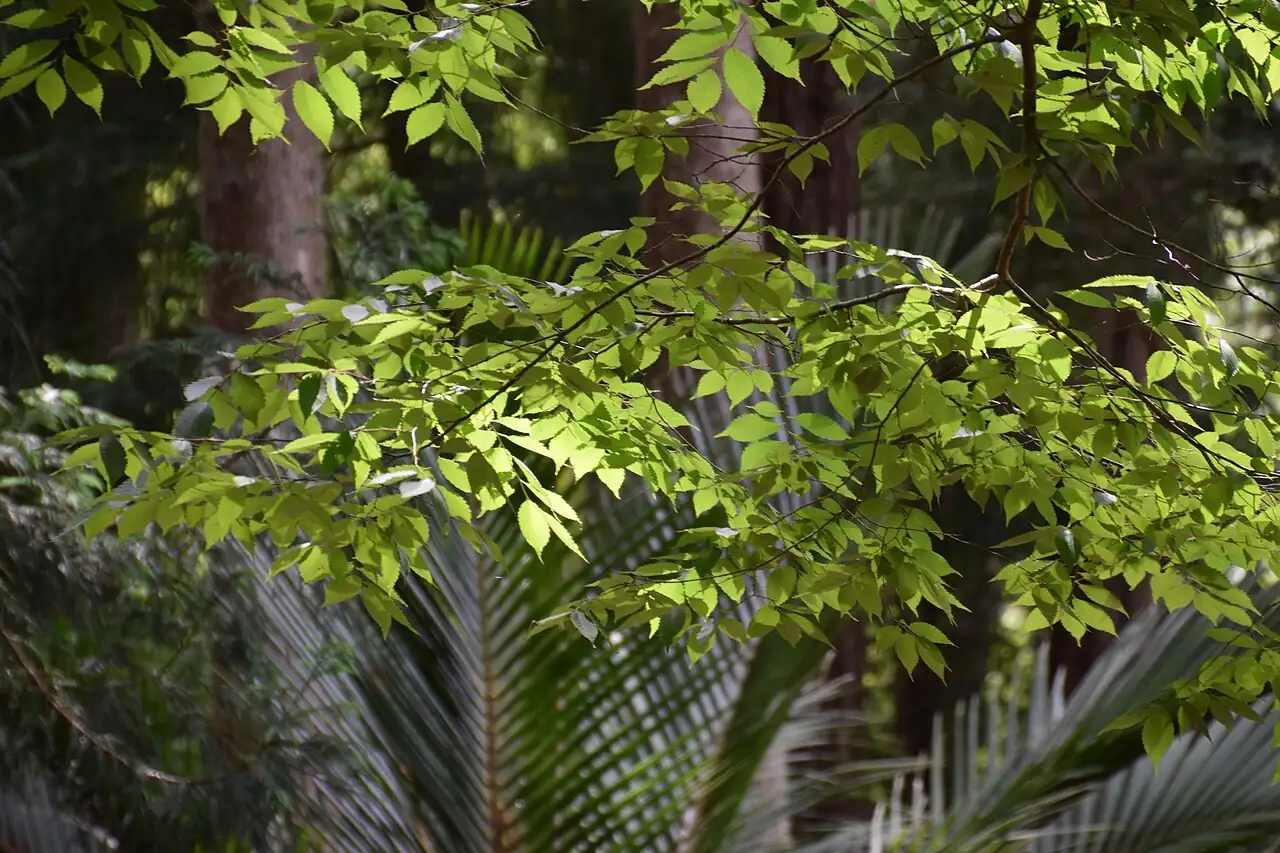
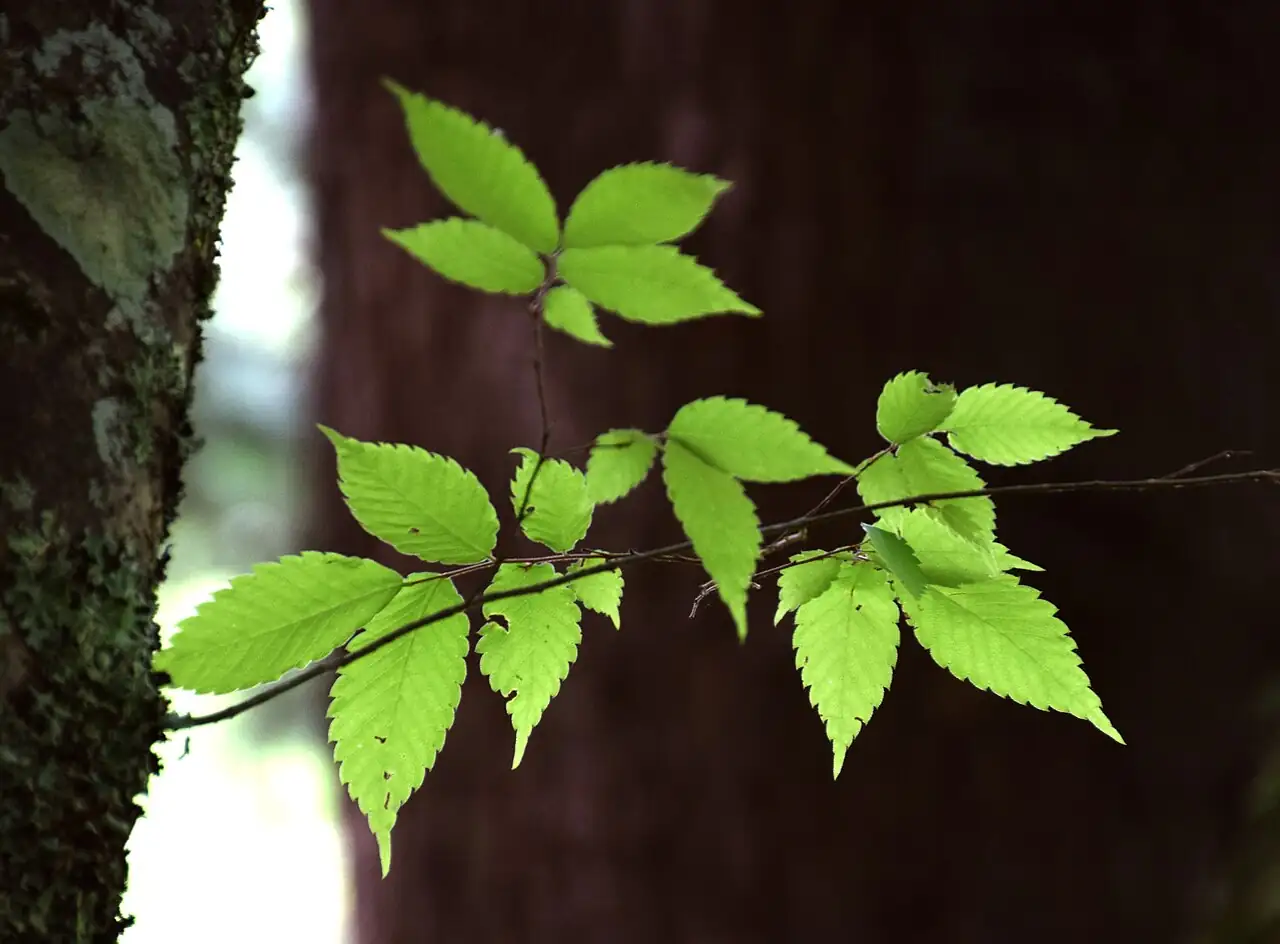
- Foliage: Leaves are oval to egg-shaped with a pointed tip and clean, sharp serrations. The upper surface is slightly rough to the touch, while the underside is paler and softly hairy; leaf stalks (petioles) are short.
- Flower: Flowers are small and inconspicuous in spring. The fruit is a tiny nutlet about 2.5–4 mm (0.10–0.16 in) across, slightly asymmetrical and becoming wrinkled at maturity.
- Flowering Season: March–April
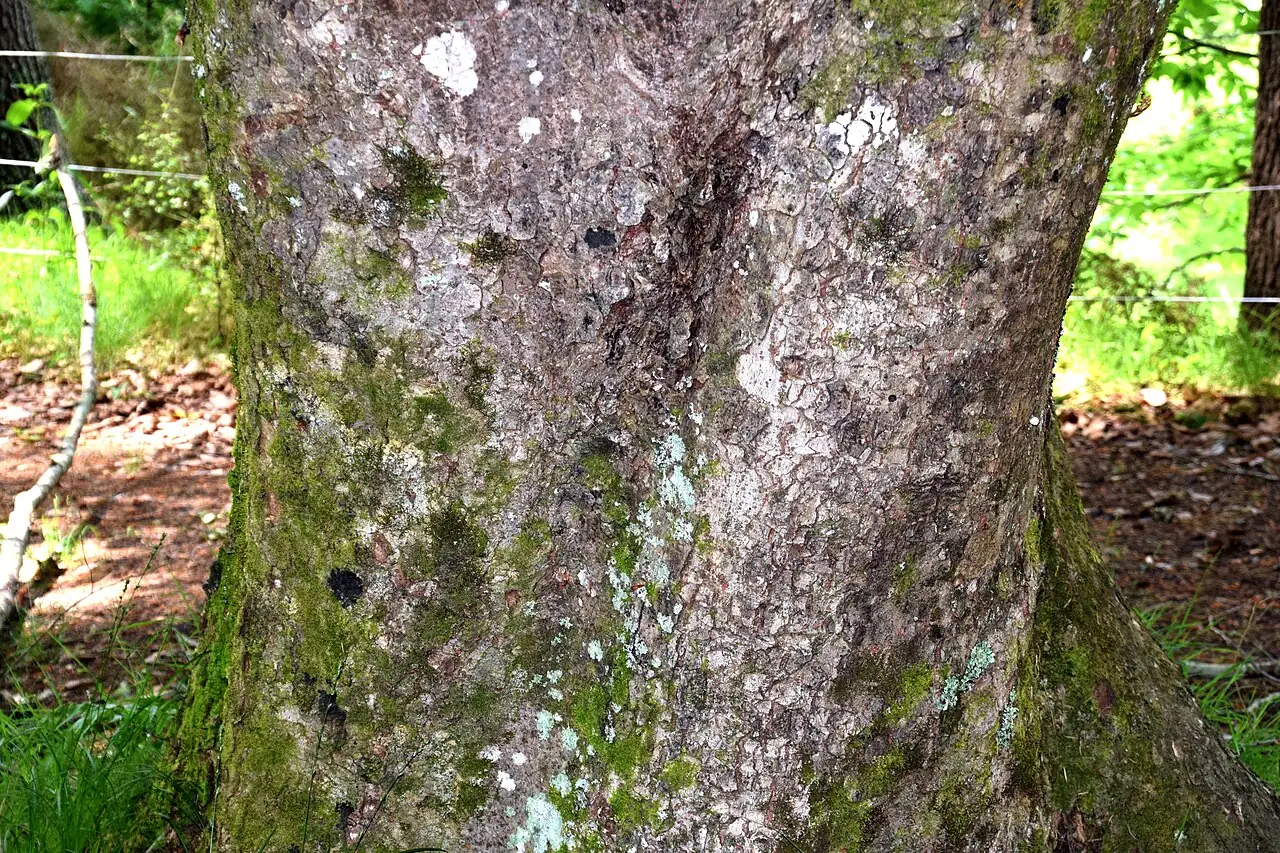
- Growth Habit: A large deciduous tree with an upright trunk and a broad, rounded to umbrella-like crown. It forms a deep root system over time and is notably wind-firm once established.
Environment
Sunlight
Full sun for best growth and strongest autumn color; tolerates light shade but may be less showy.
Temperature
Temperate to warm-temperate climates; best growth around 15–30°C (59–86°F). Established trees handle winter cold in suitable regions.
Humidity
Adaptable, but happiest where the soil stays reliably moist; doesn’t love prolonged drought conditions.
Soil
Prefers deep, fertile, moisture-retentive but well-drained loam. Tolerates mildly alkaline or slightly saline soils, but performs poorly in very dry or nutrient-poor ground.
Placement
Outdoors—ideal as a specimen or shade tree in parks, lawns, large courtyards, and along streets/avenues; also works well in mixed landscape plantings (including with evergreens) where there’s room to spread.
Hardiness
USDA Zone 5–8. Tolerates urban conditions (including smoke/air pollution) when given sufficient rooting space and moisture; not truly drought tolerant once soils become very dry.
Care Guide
Difficulty
Moderate: strong and vigorous once established, but needs space and regular moisture while settling in; avoid drought-prone sites.
Buying Guide
Pick a plant with a healthy trunk and no wounds, a well-shaped crown, and (if you want a classic street-tree form) a clear single leader. Avoid trees that are severely pot-bound; look for a visible, healthy root flare and roots that are evenly distributed rather than circling.
Watering
Water deeply during the first 1–2 years after planting, keeping the root zone evenly moist but not soggy. After establishment, water during extended dry spells—drought stress can reduce vigor and dull the fall color.
Fertilization
Often unnecessary in decent garden soils. If growth is weak, apply a balanced slow-release fertilizer in spring. Avoid overdoing nitrogen, which can push soft, overly lush growth.
Pruning
Prune in late winter to early spring. Remove dead, crossing, or crowded branches and aim for a strong branch structure. Young trees benefit from gentle structural pruning and gradual crown lifting for long-term stability (especially in street plantings).
Propagation
Usually grown from seed (commonly after a period of cold stratification). Named ornamental selections are typically grafted or propagated from cuttings under controlled conditions.
Repotting
Not applicable once planted in the ground. For container-grown nursery trees, plant out in the landscape in a timely way; it’s not suited to long-term pot culture due to eventual size.
📅 Seasonal Care Calendar
Flowers: March–April. Fruit: October–November.
Pests, Diseases & Safety
Common Pests & Diseases
Generally robust. Possible problems include aphids, scale insects, and leaf spots—issues are more likely when the tree is stressed (especially by drought). Keep it vigorous with good siting and watering during dry spells, and maintain airflow through sensible pruning. Treat outbreaks with horticultural oil or targeted controls when needed.
Toxicity
No well-documented toxicity to people or pets under normal landscape use.
Culture & Symbolism
Symbolism: Often linked with strength, endurance, and shelter—fitting for a tree that stands up to wind and offers deep summer shade.
History & Legends: Long valued and widely planted across East Asia and beyond as a durable ornamental and street tree, admired for its graceful silhouette and seasonal color.
Uses: Primarily used as an ornamental shade tree for parks, campuses, large gardens, and street plantings. Suitable as a specimen, in groups, or planted in avenues, and it can perform well in cities when given adequate space and moisture.
Fun Facts
- Its deep root system contributes to impressive wind resistance once the tree is established.
- It’s known for better tolerance of urban smoke and air pollution than many large deciduous trees.
- Consistent soil moisture is the secret to top performance—dry, poor soils can noticeably reduce vigor.
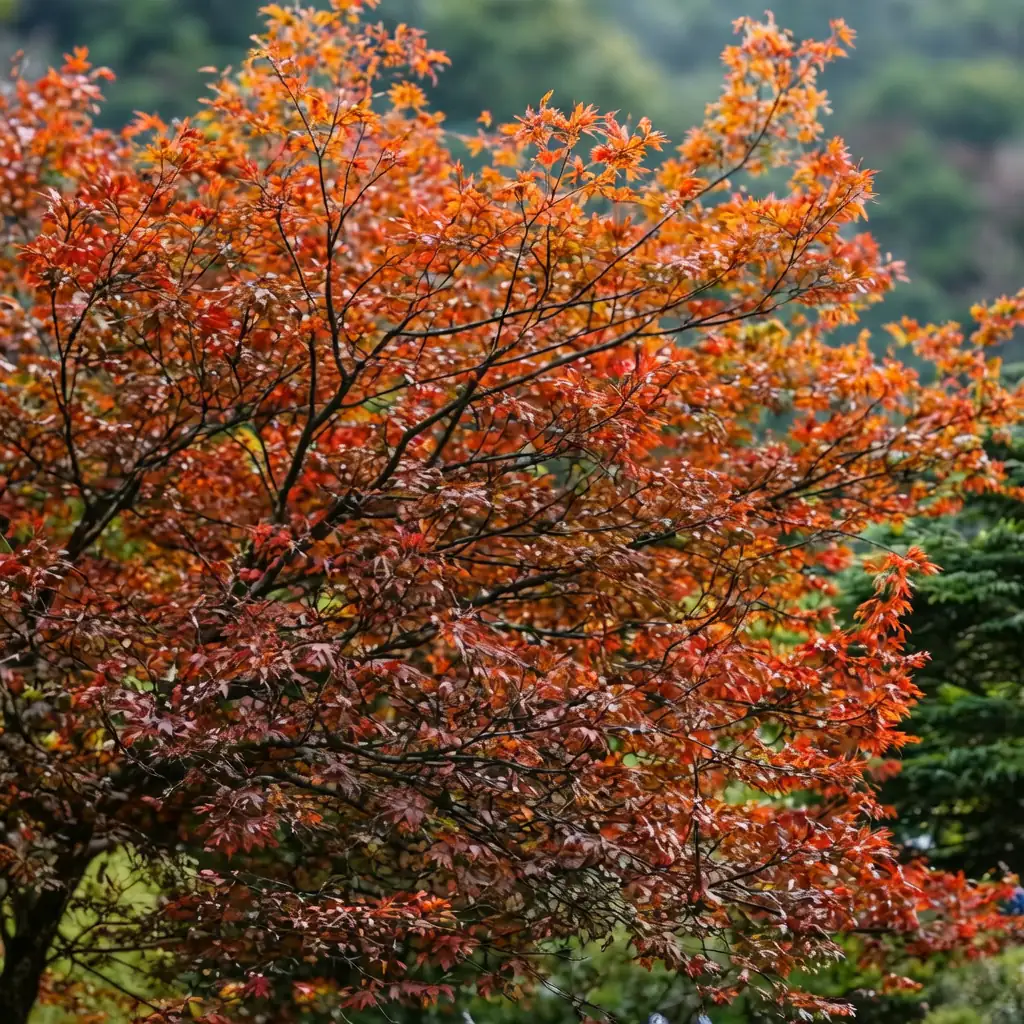
- In summer it provides dense shade; in autumn it can develop striking red foliage.
- It tolerates mildly alkaline or slightly saline soils, but isn’t a true drought-tough tree.


