

Plant Features
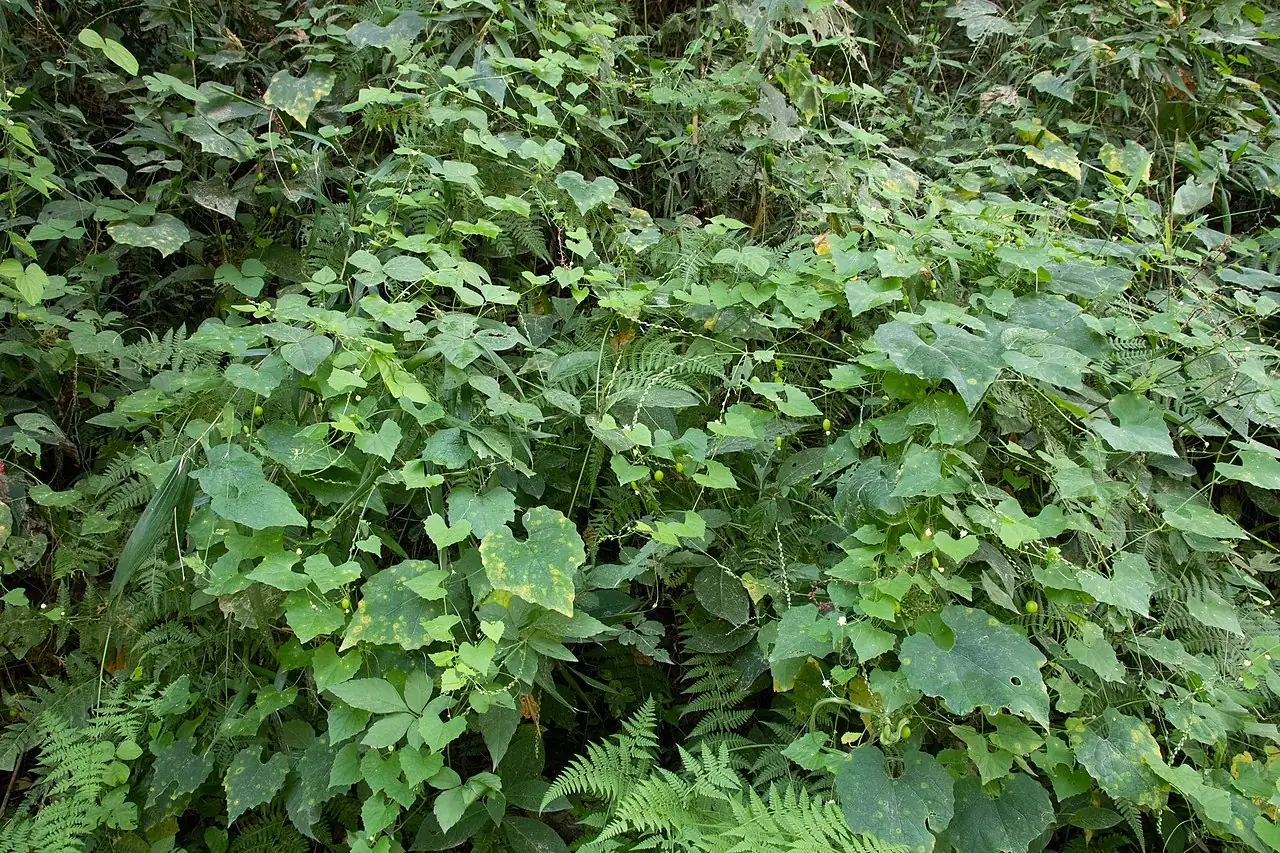
- Size: Herbaceous perennial vine; typically trails or climbs to about 1–3 m (3–10 ft) depending on support and conditions.
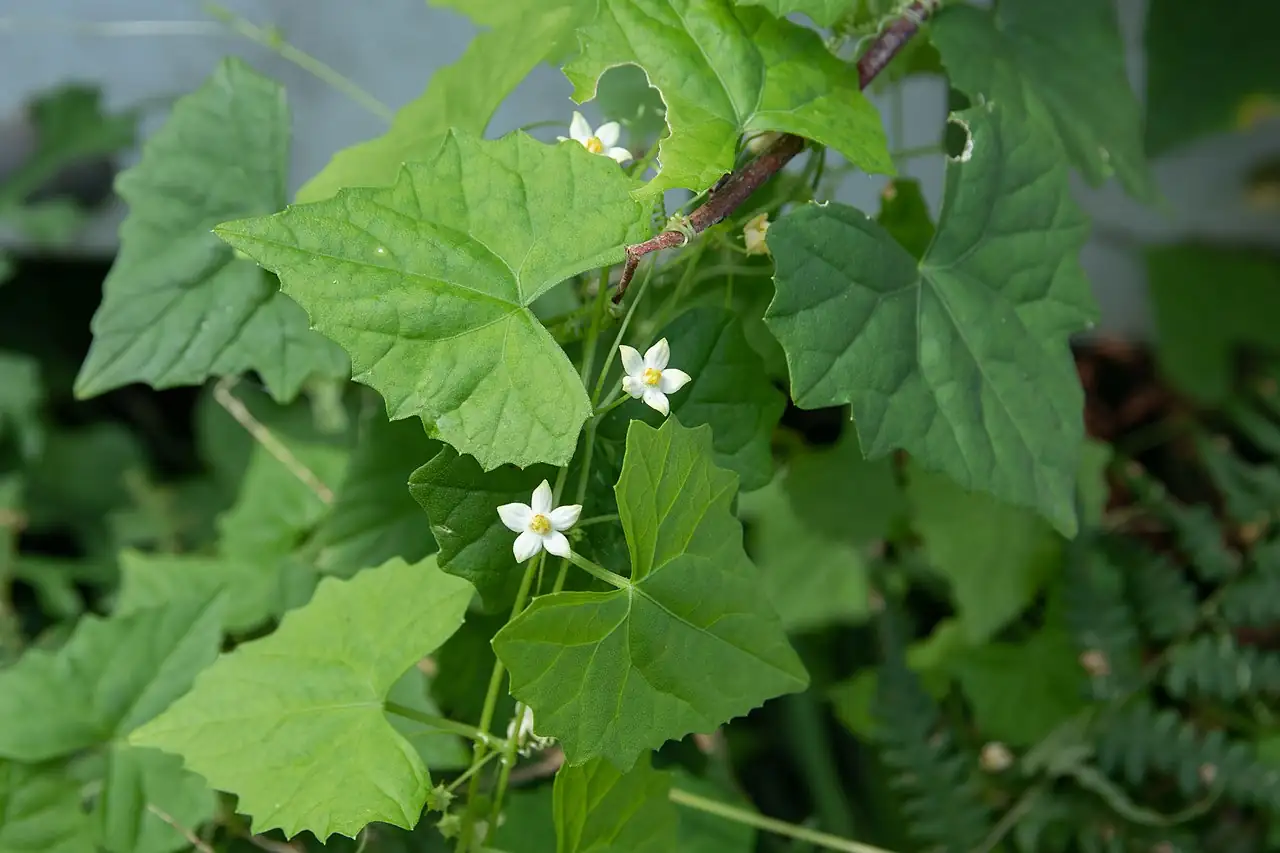
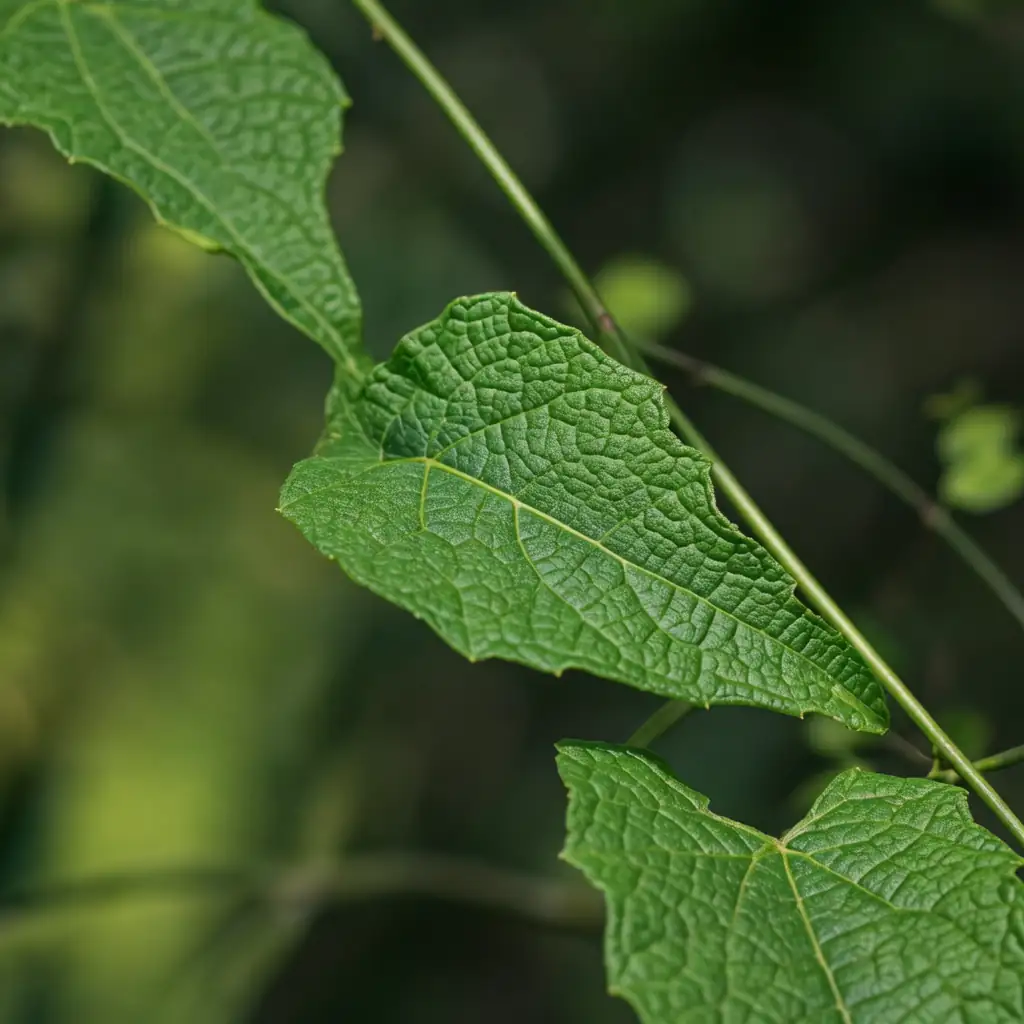
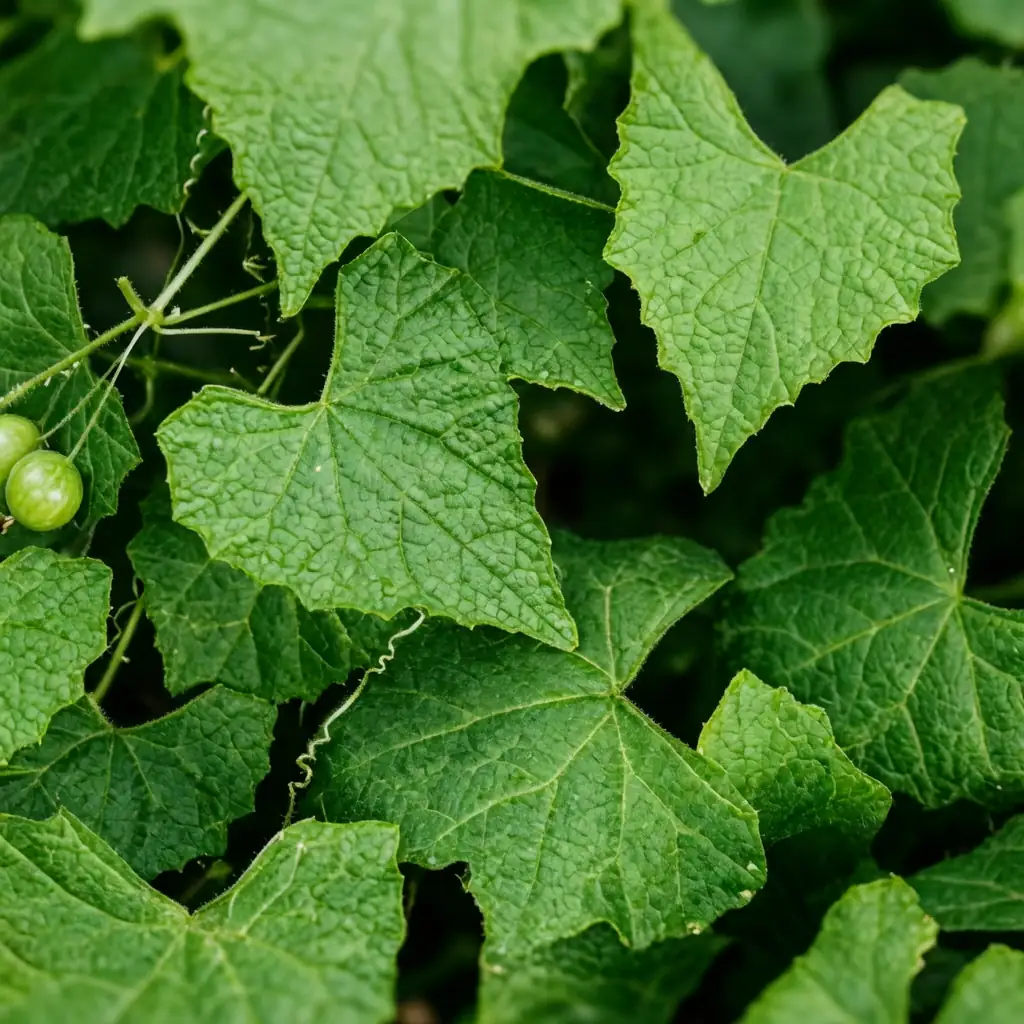
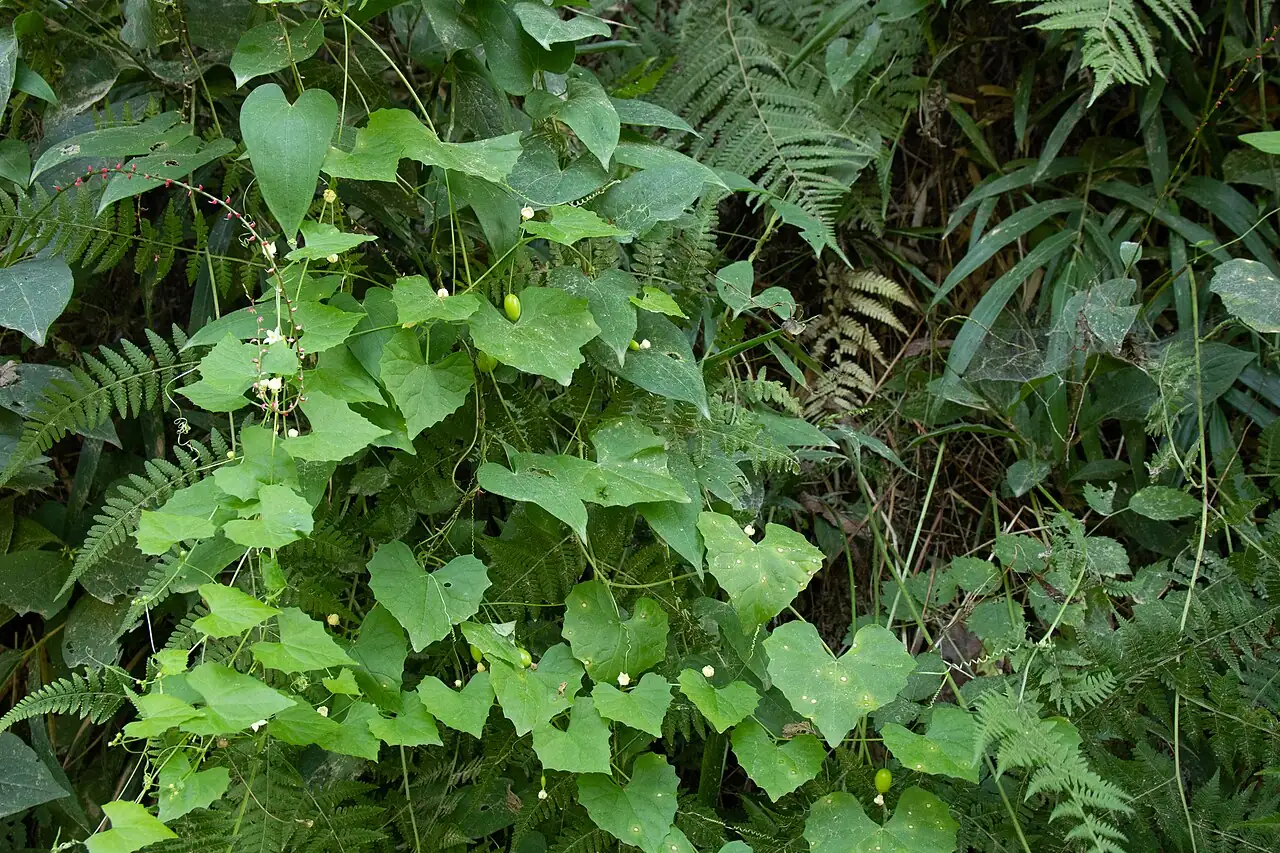
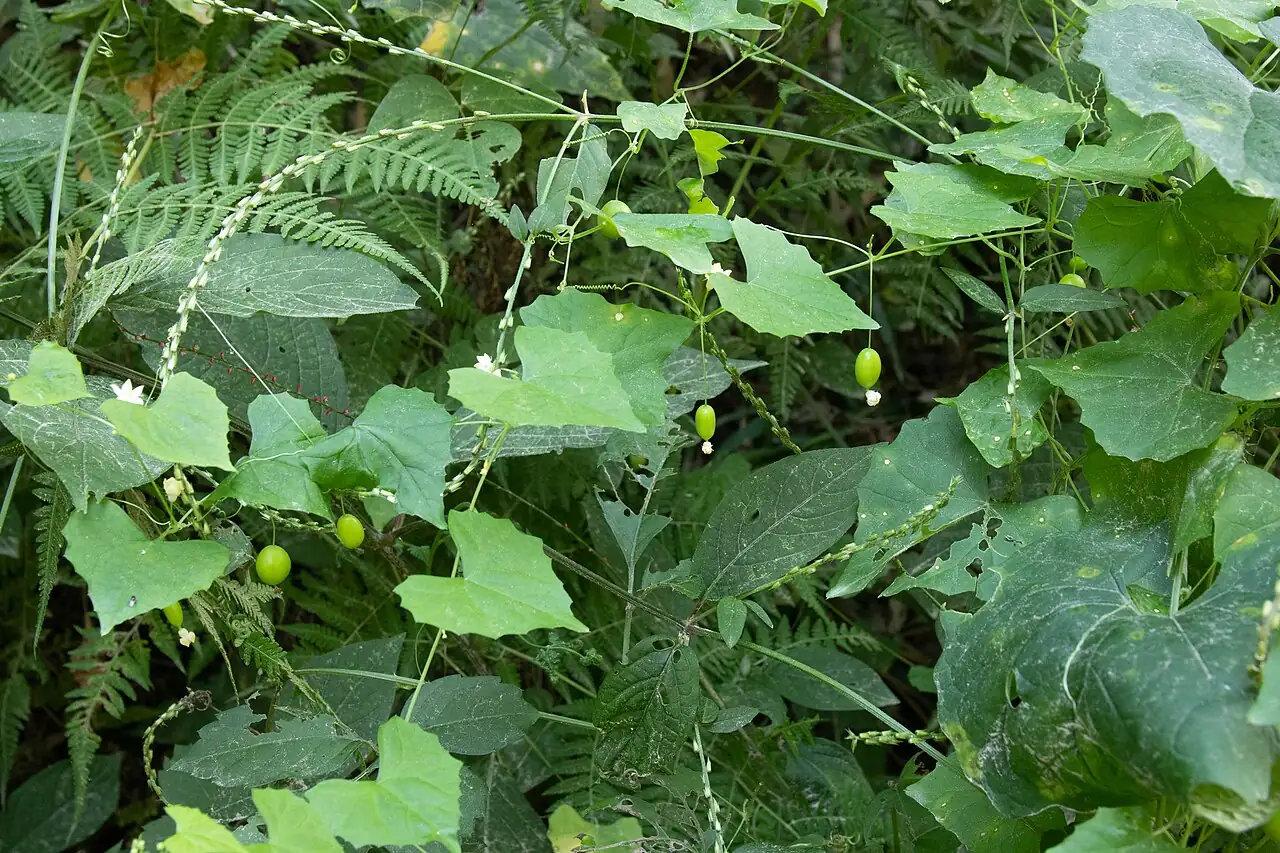
- Foliage: Leaves are thin and papery. They commonly range from triangular-ovate to heart-shaped, sometimes with a truncate base; they may be unlobed or shallowly 3–5 lobed.
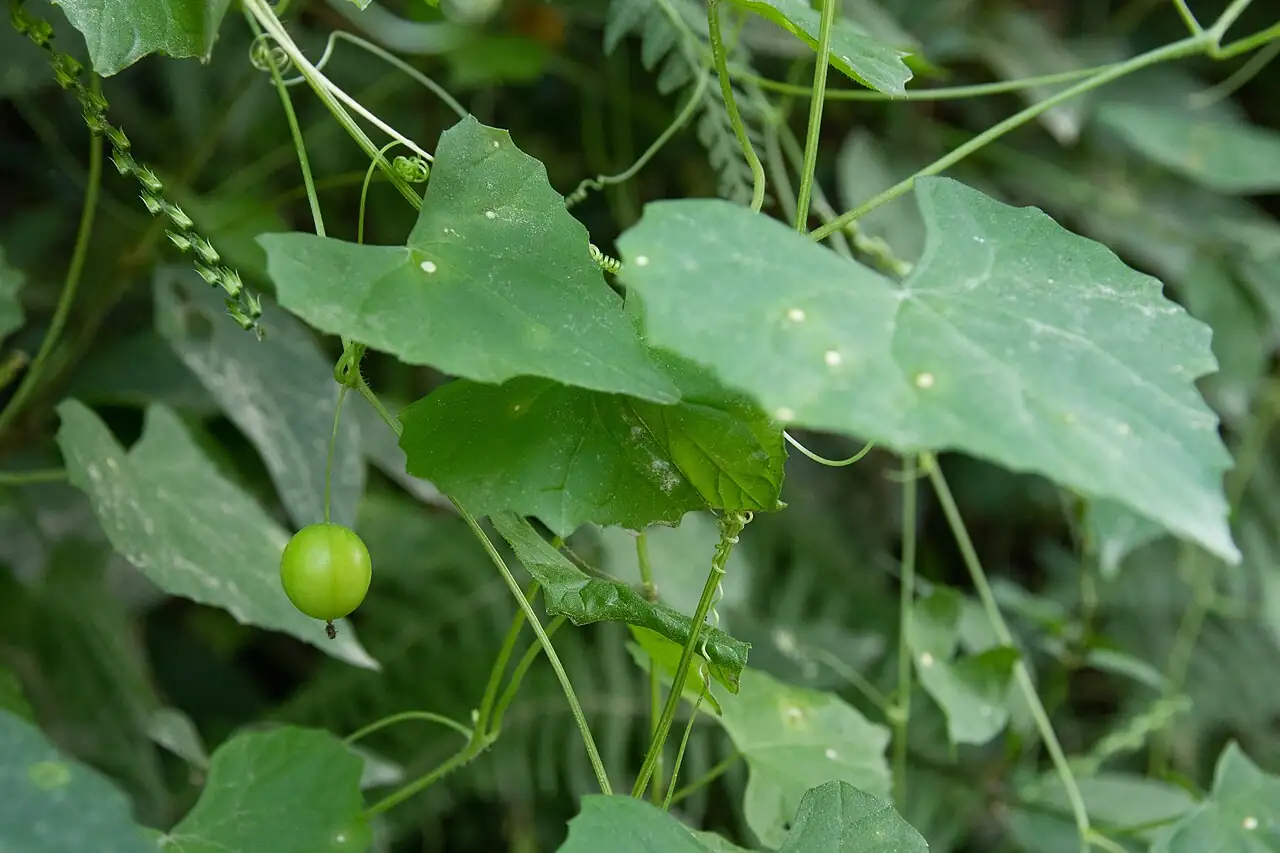
- Flower: Monoecious: separate male and female flowers occur on the same plant. Flowers are small and fairly inconspicuous from spring into summer. The main decorative feature is the fruit—oblong to narrowly egg-shaped, hanging and ripening to orange-red, occasionally pale/whitish.
- Flowering Season: April–July
- Growth Habit: Climbing or creeping vine with simple (unbranched) tendrils; can scramble through grass or be trained onto supports.
Environment
Sunlight
Full sun to partial shade. Brighter light usually improves flowering and fruit color; avoid deep shade if you want good fruiting.
Temperature
Prefers warm conditions; best growth around 18–30°C (64–86°F). Protect from frost; growth slows markedly below about 10°C (50°F).
Humidity
Average to moderately high humidity; generally fine in typical outdoor humidity in warm regions.
Soil
Adaptable, but happiest in moist, well-drained soil with organic matter. In nature it often shows up in grassy areas near water and on open slopes.
Placement
Train on small trellises, fences, and light garden structures; also works well in naturalistic plantings where it can ramble a bit.
Hardiness
Frost-tender; generally suited to warm-temperate to subtropical regions (approximately USDA Zone 9–11).
Care Guide
Difficulty
Easy in warm climates; generally adaptable and not demanding once established, especially when given a little support and decent light.
Buying Guide
Choose plants with firm stems and fresh, unspotted leaves. If you’re growing it mainly for the hanging fruits, picking a plant already showing buds/flowers (spring–summer) or early fruit set (late summer) improves your chances of a good autumn display.
Watering
Water regularly while establishing. After that, aim for evenly moist soil—never soggy. In containers, let the top 2–5 cm (1–2 in) dry slightly between waterings, and water more consistently during hot weather.
Fertilization
Light feeder. Use a balanced fertilizer at half strength every 4–6 weeks during active growth, or top-dress with compost in spring. Avoid heavy nitrogen feeding, which can push leafy growth at the expense of flowers and fruit.
Pruning
Trim back long, tangled runners to keep it on its support and to improve airflow. Remove weak or damaged stems anytime during the growing season.
Propagation
Propagate by seed (from fully ripe fruit) or by softwood cuttings in warm weather. Seeds germinate best with warmth and steady moisture.
Repotting
For potted plants, repot every 1–2 years in spring into a fresh, well-draining mix. Provide a small trellis and use a container at least 20–30 cm (8–12 in) wide for better moisture stability.
📅 Seasonal Care Calendar
Spring (Mar–May): sow seeds or plant out; add support and start light feeding. Summer (Jun–Aug): guide vines, water steadily, and check for pests. Autumn (Sep–Nov): enjoy the fruit display and collect seeds from fully ripe fruits. Winter (Dec–Feb): protect from frost; in colder regions treat as an annual or overwinter indoors in bright light.
Pests, Diseases & Safety
Common Pests & Diseases
Can attract typical cucurbit pests like aphids, spider mites, and whiteflies. Powdery mildew may appear in humid, still conditions. Improve airflow, avoid late-day overhead watering, and use insecticidal soap or horticultural oil when needed.
Toxicity
Household toxicity is not well documented. As a precaution (and because many wild cucurbits can be bitter or irritating), don’t eat the plant unless it’s reliably identified and confirmed edible; keep fruits and foliage away from pets and small children who might chew.
Culture & Symbolism
Symbolism: Loved for its cheerful autumn fruit display and lively, scrambling energy—often associated with vitality and a relaxed “wild garden” charm.
History & Legends: No widely recorded legends in English sources; it is mainly known as a common wild vine across warm parts of East Asia.
Uses: Often seen growing wild (and sometimes treated as a weedy vine), but it’s also useful ornamentally for quickly greening small fences and trellises—especially for its hanging fruits in autumn.
FAQ
Why does it make lots of leaves but few fruits?
The usual culprits are not enough light and/or too much nitrogen fertilizer. Move it to brighter conditions (full sun to partial shade) and ease up on nitrogen-heavy feeding to encourage more flowers and fruit.
Can it be grown in a container?
Yes. Use a pot at least 20–30 cm (8–12 in) wide, add a trellis, keep watering consistent, and provide bright light to improve flowering and fruit color.
Fun Facts
- It’s widespread in many parts of southern China and is often spotted growing wild in grassy places.
- It frequently turns up near water and on open slopes, showing it can adapt to a range of sites.
- Its standout feature is the autumn fruit display—tiny hanging fruits that look like little ornaments as they ripen orange-red (sometimes pale/whitish).
- Though often dismissed as a “weed,” it can be surprisingly decorative when trained neatly onto a fence or small trellis.


