Plant Features
- Size: Typically 10–30 m (33–98 ft) tall in the ground; much smaller when container-grown or trained as bonsai.
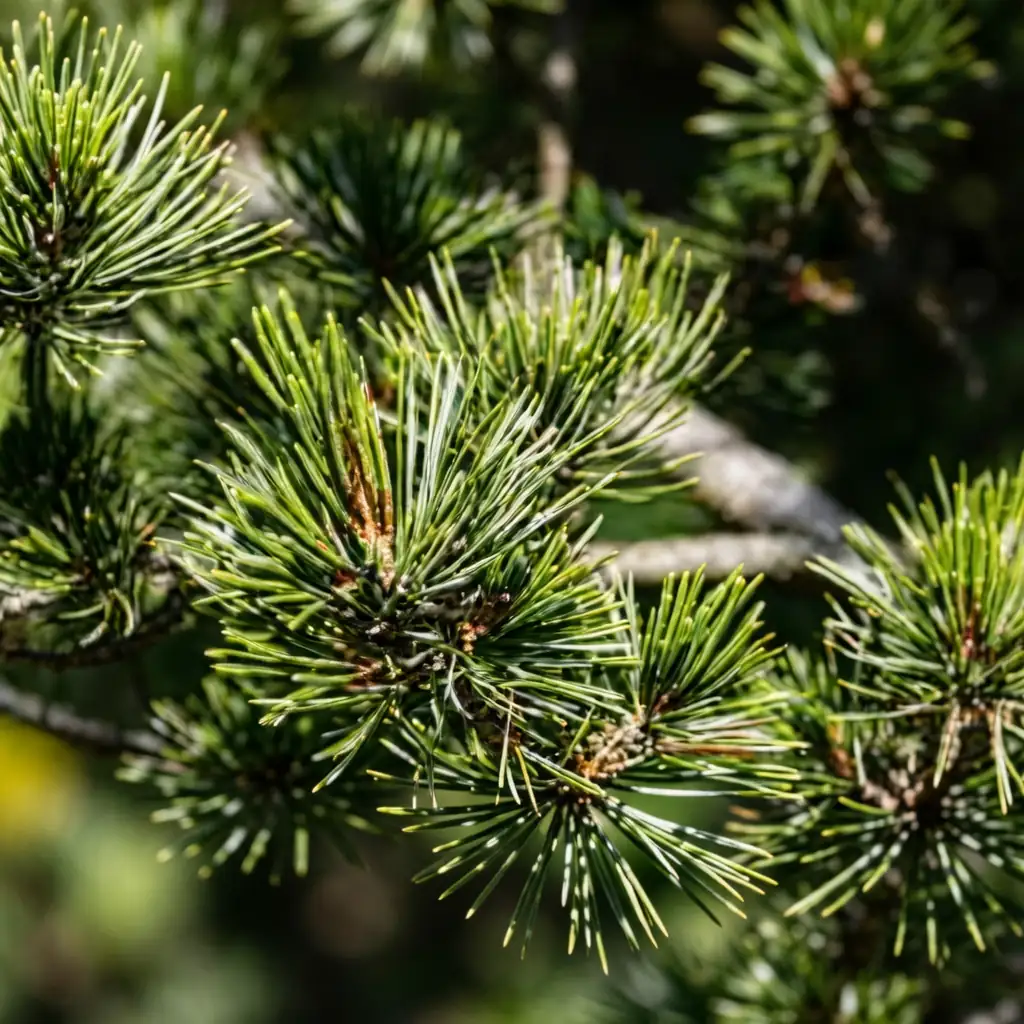
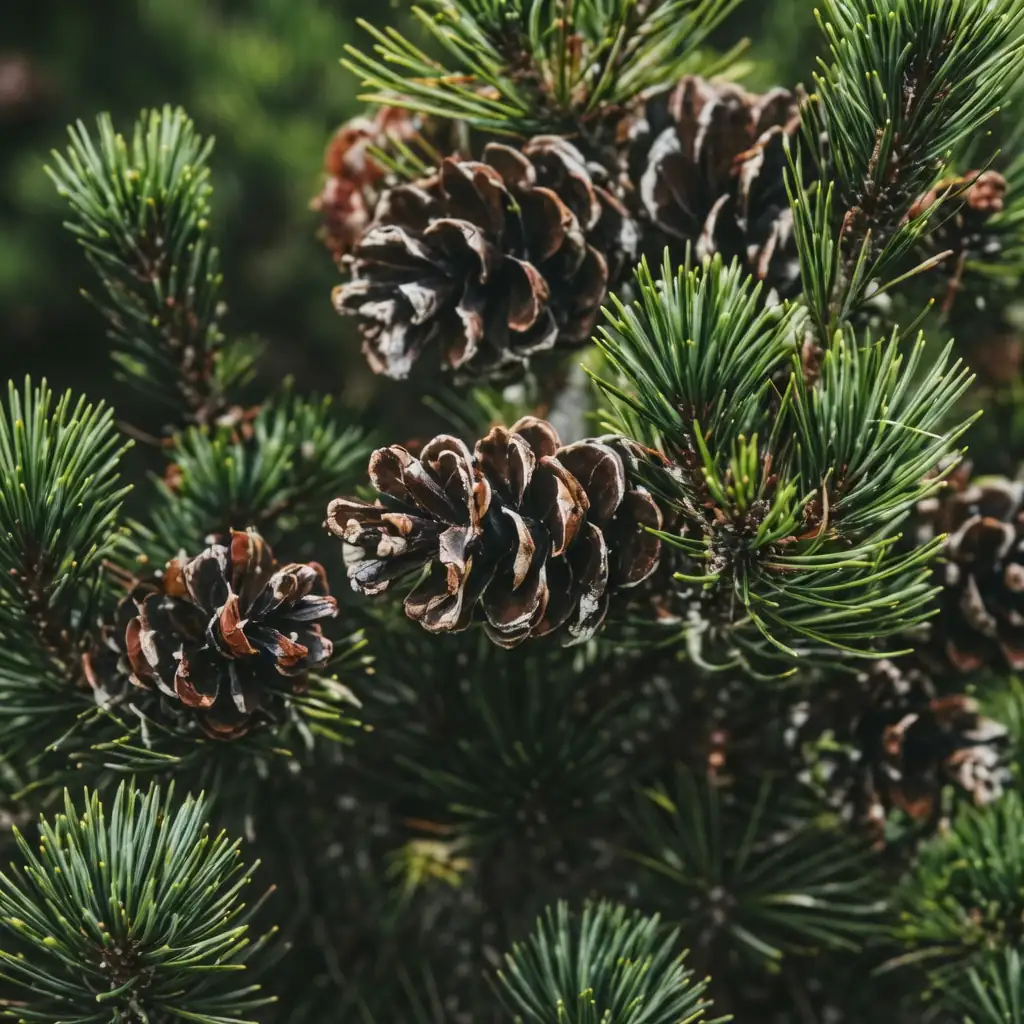
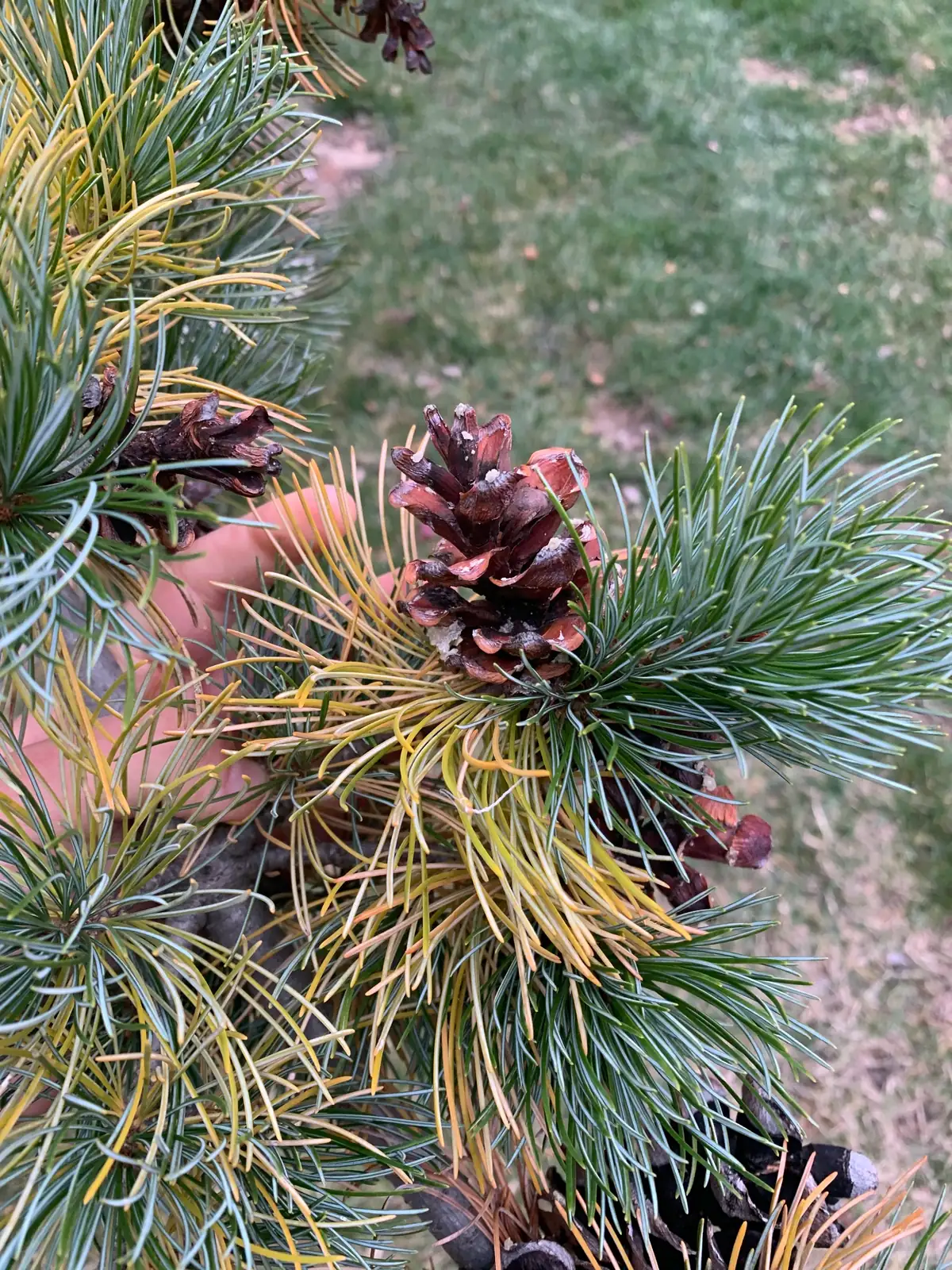
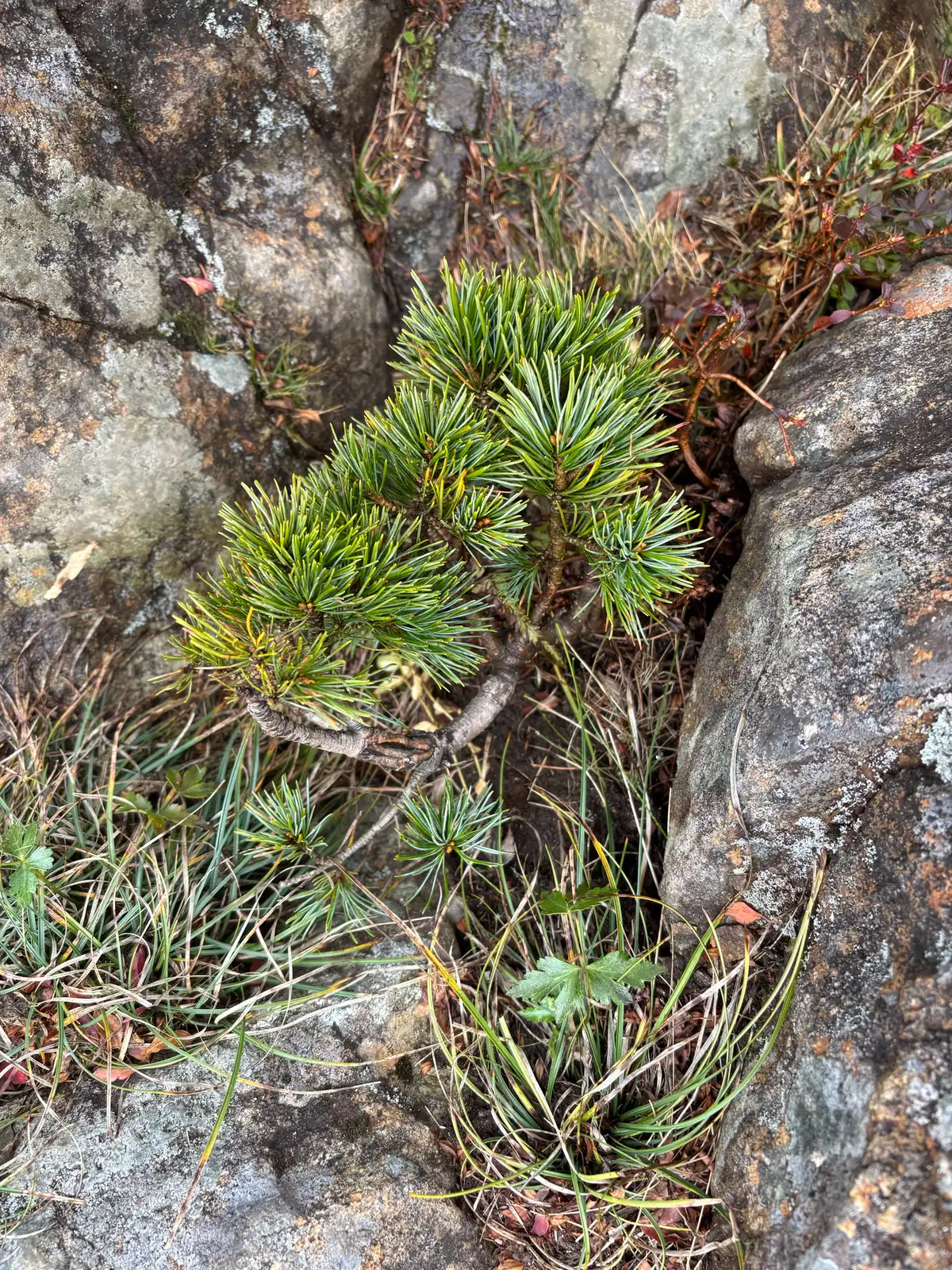
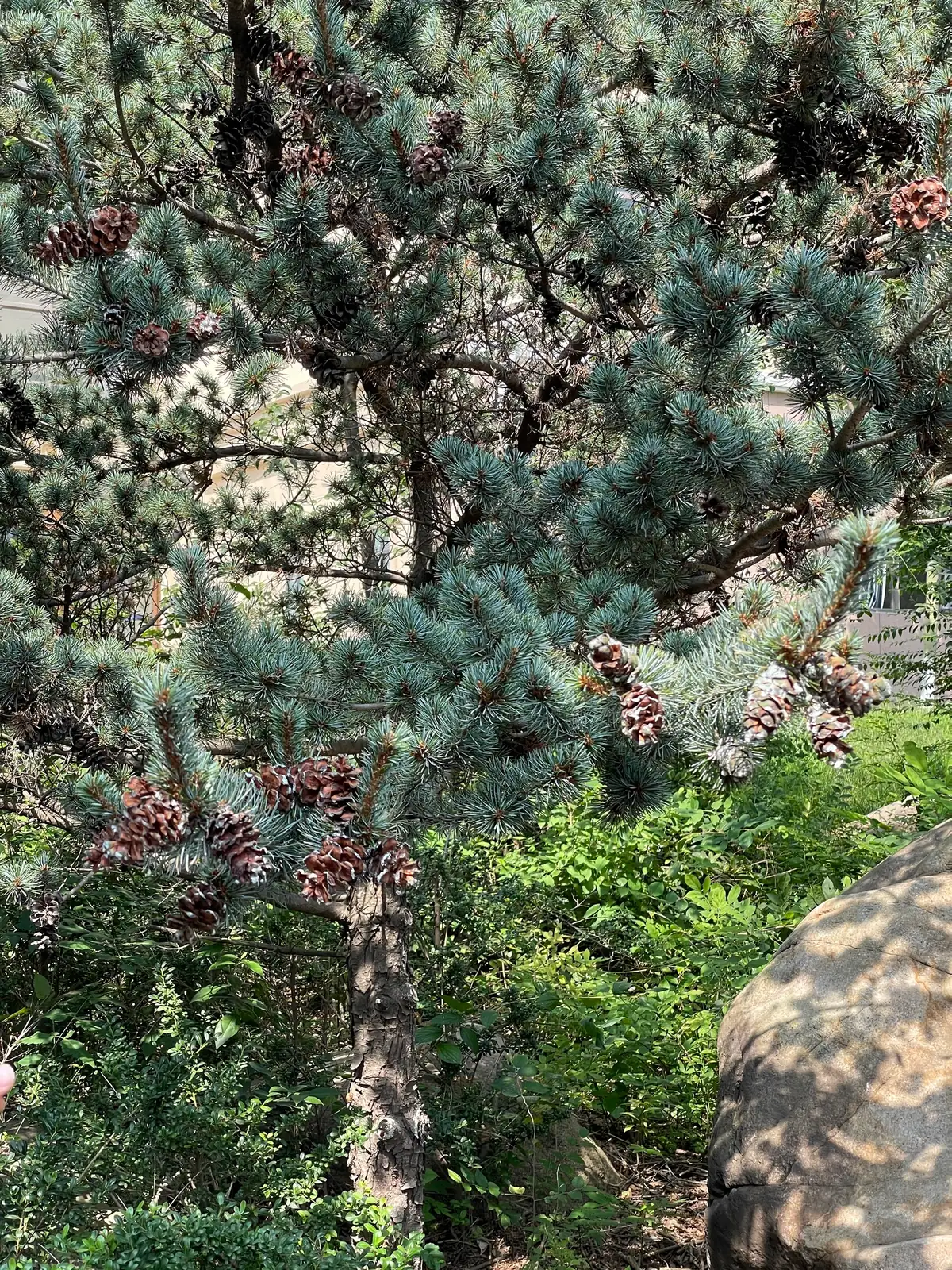
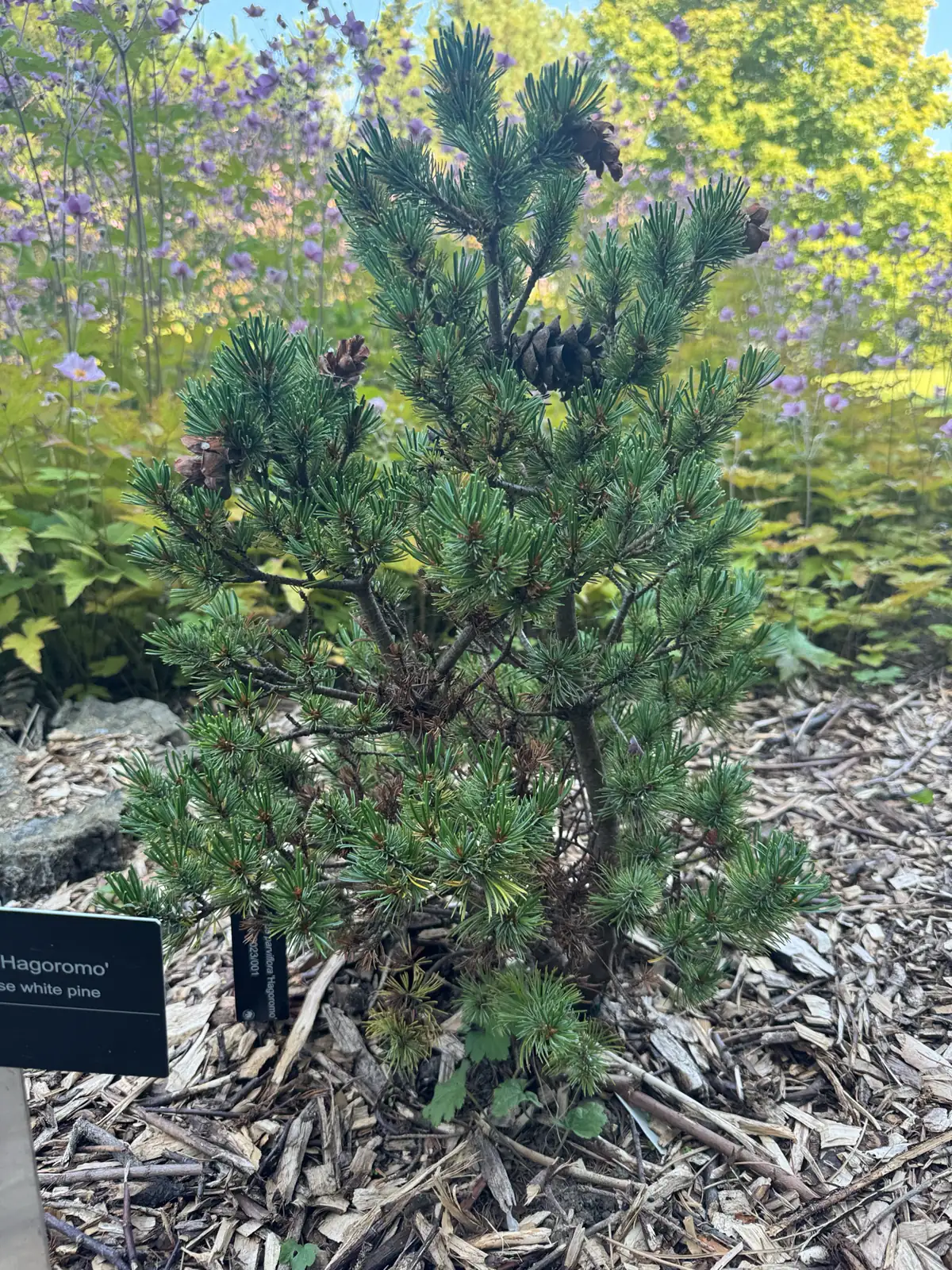
- Foliage: Needles are borne in bundles of five. They’re fine, relatively short, and slightly curved—about 3–6 cm (1.2–2.4 in) long. Pale stomatal lines on the inner faces give the foliage a distinctive blue-green cast, and the overall look is softer and more delicate than many other pines.
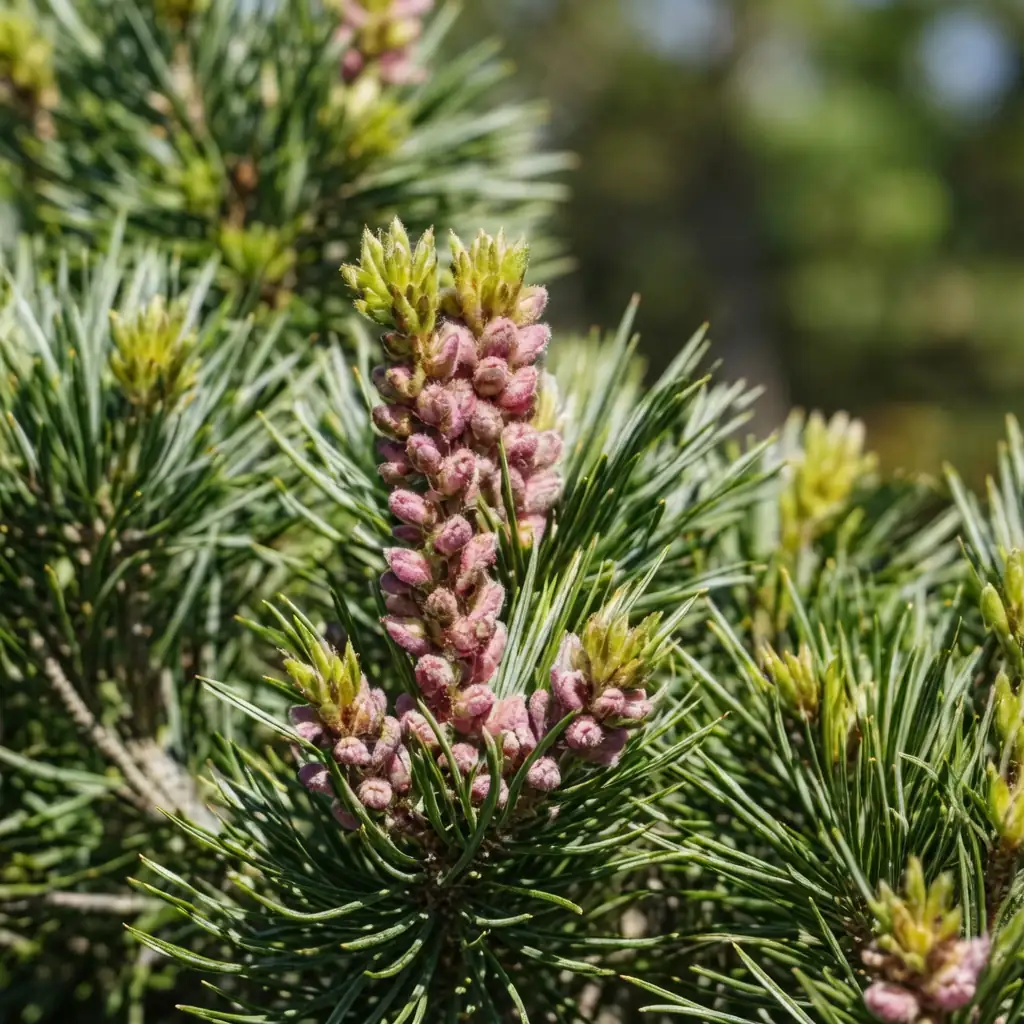
- Flower: A monoecious pine (male and female structures on the same plant). Cones develop after pollination; seed cones are ovoid to oval and mature to a pale brown. Seeds are relatively large with short wings.
- Flowering Season: May (cone pollination period); cones ripen October–November of the following year.
- Growth Habit: Slow-growing, evergreen tree with a neat conical crown. Performs best in airy, well-drained soils and can struggle in very sandy, droughty sites or in hot, wet conditions.
Environment
Sunlight
Full sun to light shade; strongest light generally gives the best needle density and overall form.
Temperature
Prefers cool to mild conditions with good air movement. Dislikes hot, humid heat and waterlogged conditions. A typical comfortable cultivated range is about 10–25°C (50–77°F); protect from extreme heat, especially in containers/bonsai pots.
Humidity
Moderate humidity is fine as long as there’s airflow. Avoid stagnant, constantly damp conditions that can encourage pests and root problems.
Soil
Well-drained yet moisture-retentive, airy soil. Avoid waterlogged media and avoid pure sand. In containers, use a free-draining bonsai/conifer mix designed to hold moisture without staying soggy.
Placement
Best grown outdoors in a sunny, breezy spot. Excellent as a specimen tree, striking in rock-and-tree landscape compositions, and especially suited to bonsai and container culture.
Hardiness
USDA Zone 5–8 (approx.).
Care Guide
Difficulty
Moderate. It’s not fussy once established, but it does demand excellent drainage and tends to suffer in hot, humid, wet conditions. Slow growth means shaping takes patience—especially for bonsai.
Buying Guide
Pick plants with dense, even blue-green needles and minimal browning at the tips. Check carefully for scale insects or sticky honeydew. Avoid plants with a sour-smelling or waterlogged rootball, or trees sitting in compacted, constantly wet soil.
Watering
Water thoroughly, then let the top layer dry slightly before watering again—aim for evenly moist, never soggy. In containers, water when the surface begins to dry. Reduce watering in winter, but don’t let the rootball become bone-dry for long periods.
Fertilization
Feed lightly from spring through early autumn using a balanced slow-release fertilizer or a dilute liquid feed. For bonsai, smaller doses more often work well. Reduce or pause feeding during heat stress and in winter.
Pruning
Keep pruning conservative. For bonsai or compact growth, use candle-pinching and selective thinning to refine density and structure. Avoid heavy pruning back into old wood all at once.
Propagation
Most commonly grown from seed, while named ornamental and bonsai cultivars are typically grafted onto suitable pine rootstocks to keep traits consistent.
Repotting
Repot container plants (especially bonsai) in early spring as buds begin to swell. Refresh the mix and trim roots conservatively, prioritizing strong drainage. Avoid repotting during peak summer heat.
📅 Seasonal Care Calendar
May: pollination/cone initiation. October–November of the following year: cones ripen.
Pests, Diseases & Safety
Common Pests & Diseases
Can be affected by pine needle scale, aphids, and spider mites (often worse during hot, dry spells), plus root decline from poor drainage. Prevention is mostly cultural: strong light, good airflow, and a well-drained medium. Treat early infestations with horticultural oil/soap as appropriate and correct any watering/soil issues.
Toxicity
Generally low-risk as an ornamental pine. However, needles/resin may cause mild stomach upset if chewed by pets or children, and sap can irritate sensitive skin.
Culture & Symbolism
Symbolism: Often linked with longevity, resilience, and quiet strength—one reason it feels so at home in traditional gardens and bonsai displays.
History & Legends: A cornerstone species in Japanese gardens and bonsai, treasured for its refined form and naturally short needles. Many prized selections are preserved through grafting to reliably maintain their distinctive traits.
Uses: Primarily ornamental: a graceful landscape specimen and a standout in rock-garden-style compositions. It is also one of the most important and beloved pines for bonsai and container growing.
FAQ
Can Japanese white pine be grown indoors?
Not long-term. It’s an outdoor conifer that needs strong light, airflow, and seasonal changes. Indoors it typically declines over time.
Why are the needles turning brown at the tips?
Common causes include heat stress, irregular watering, poor drainage/root stress, or spider mites. Improve drainage and airflow, keep moisture consistent (not soggy), and check closely for pests.
Fun Facts
- It’s native to southern Japan and is widely grown as a garden tree and bonsai subject.
- Needles come in bundles of five and are typically 3–6 cm (1.2–2.4 in) long.
- The blue-green color comes from pale stomatal bands along the needles.
- Older trees develop textured, plated bark—one of the features bonsai growers love most.
- Cones usually ripen in autumn of the year after pollination.