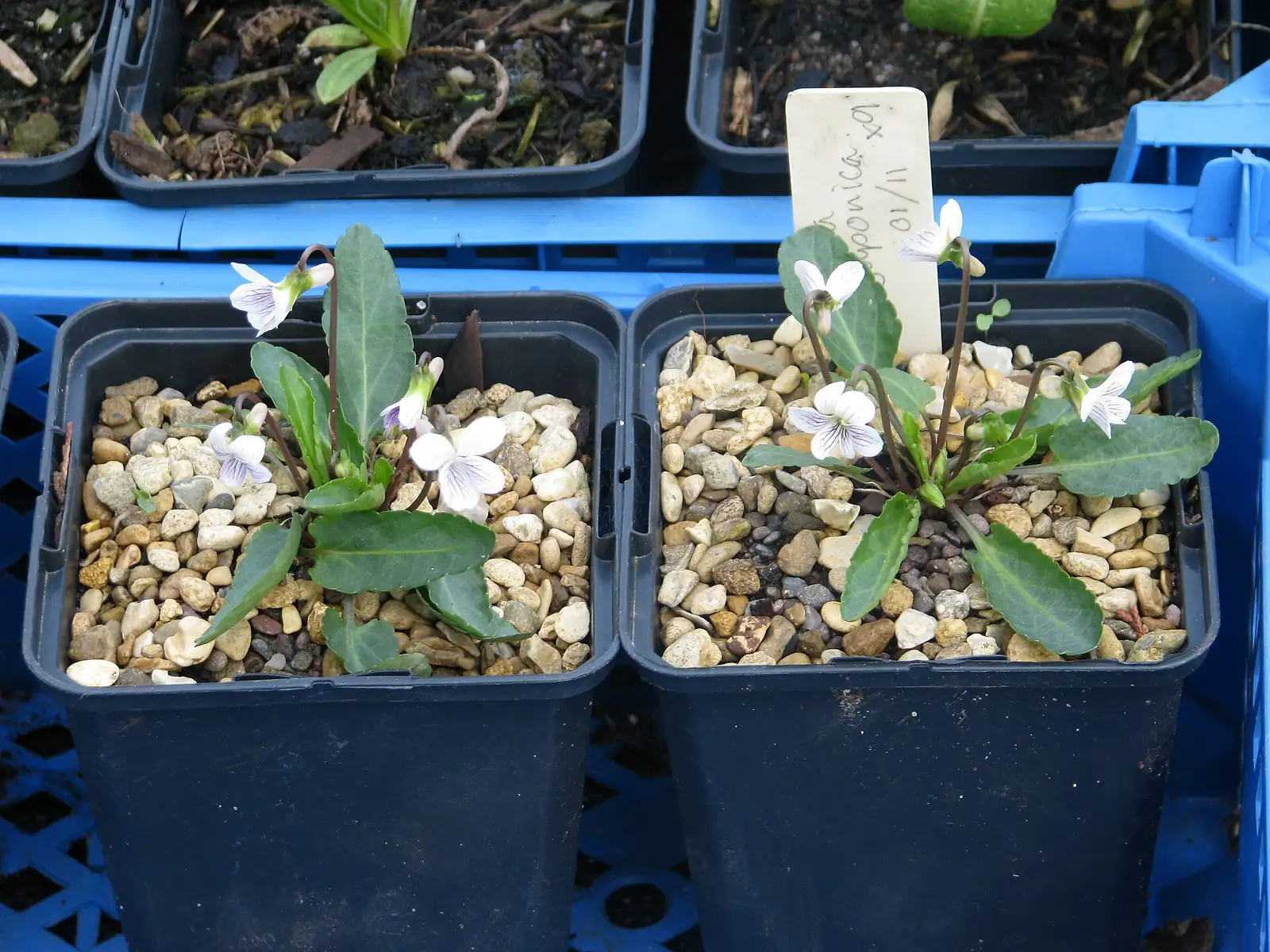
Plant Features
- Size: Typically under 20 cm (8 in) tall; forms low clumps and can spread into small patches.
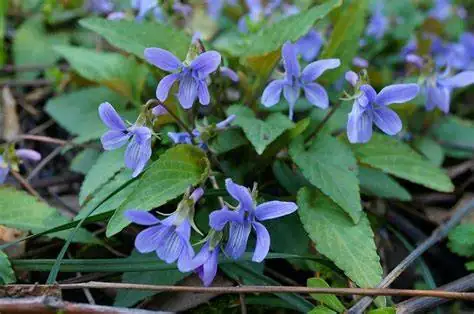
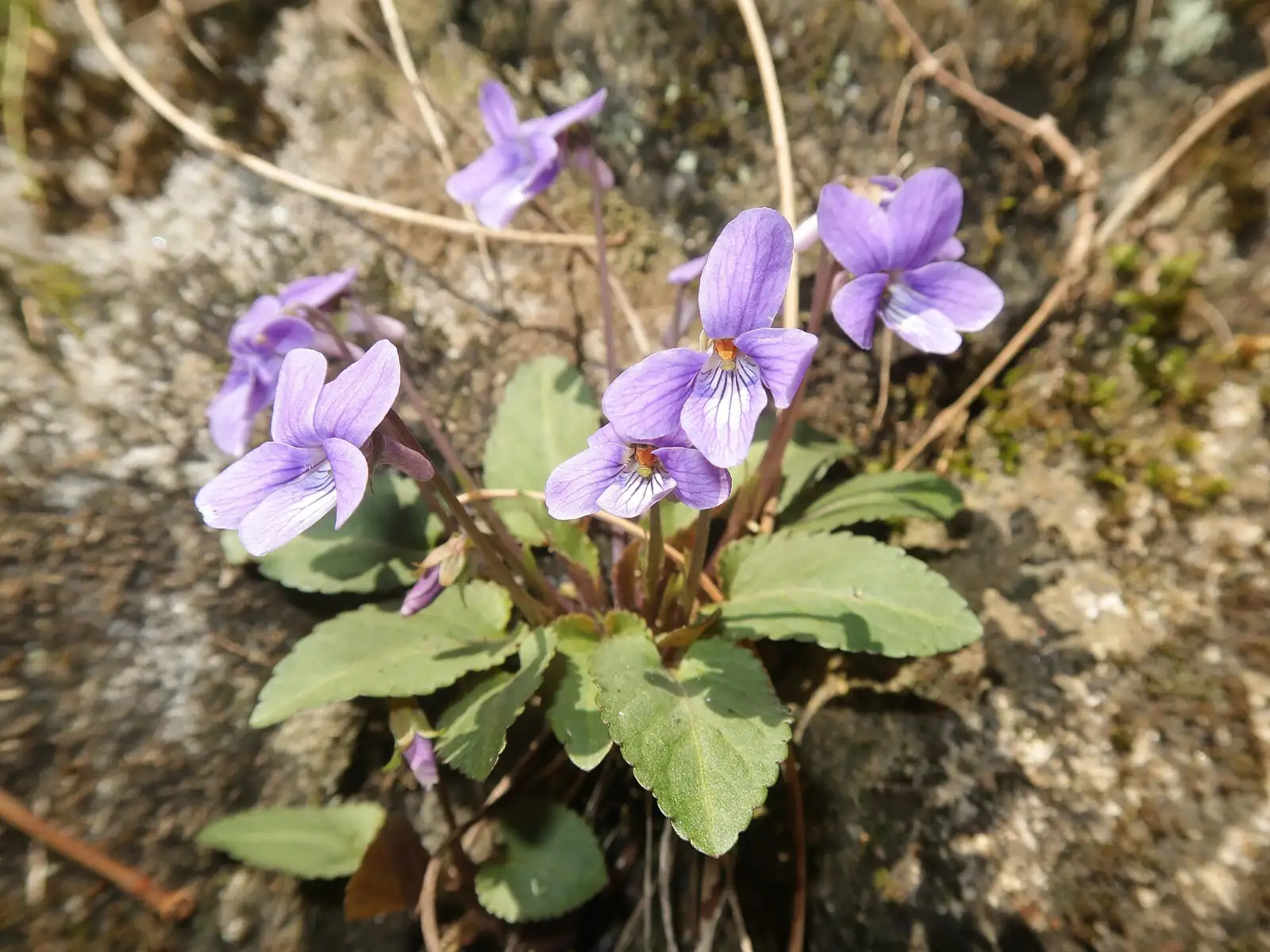
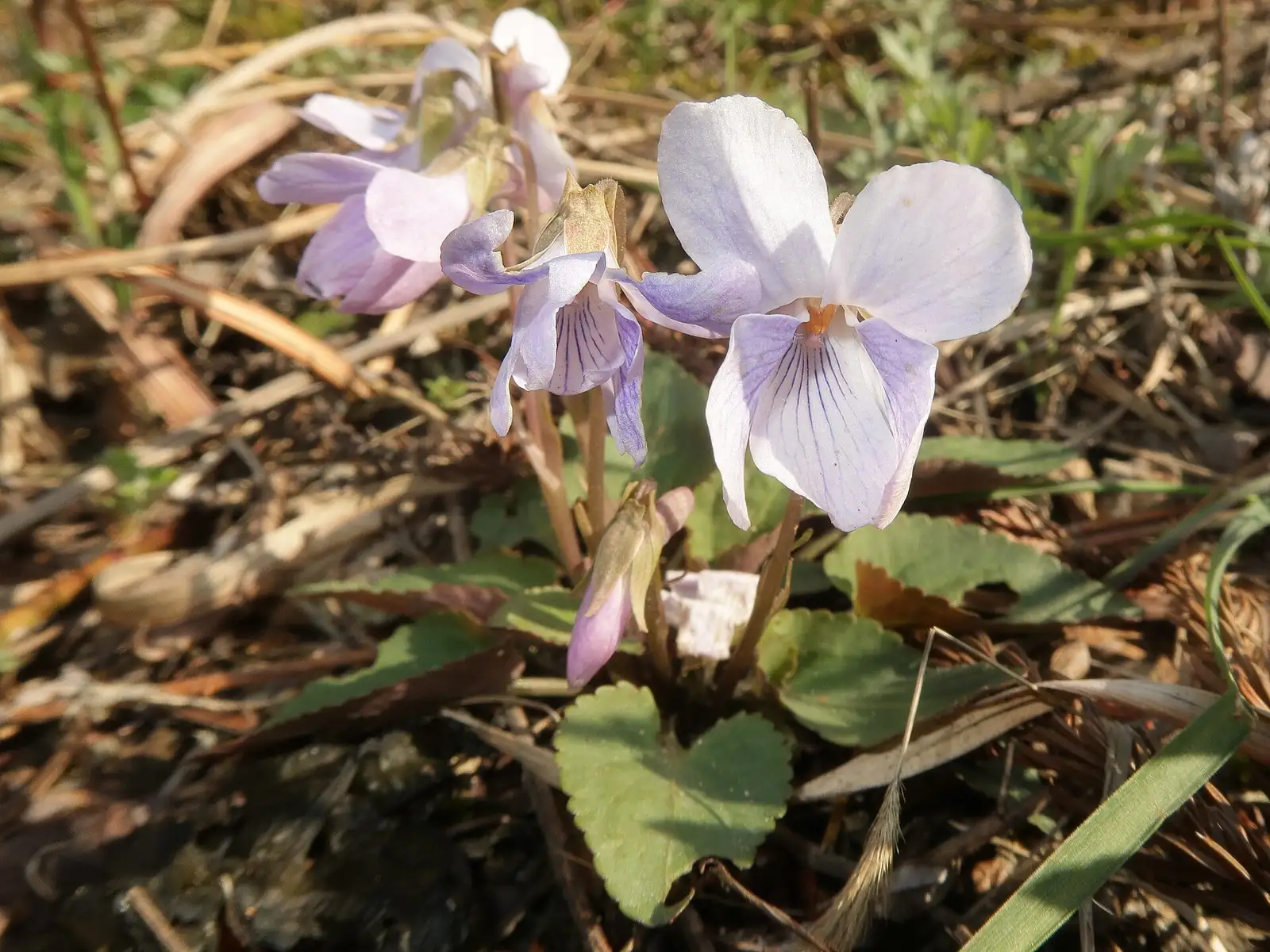
- Foliage: Leaves grow in a basal clump. Leaf blades are ovate to triangular-ovate with a blunt tip and a heart-shaped base, usually 2–6 cm (0.8–2.4 in) long and 1.5–4 cm (0.6–1.6 in) wide, with shallow rounded teeth along the edge. The underside can show a faint purplish tint; leaves and petioles are sparsely hairy to nearly hairless.
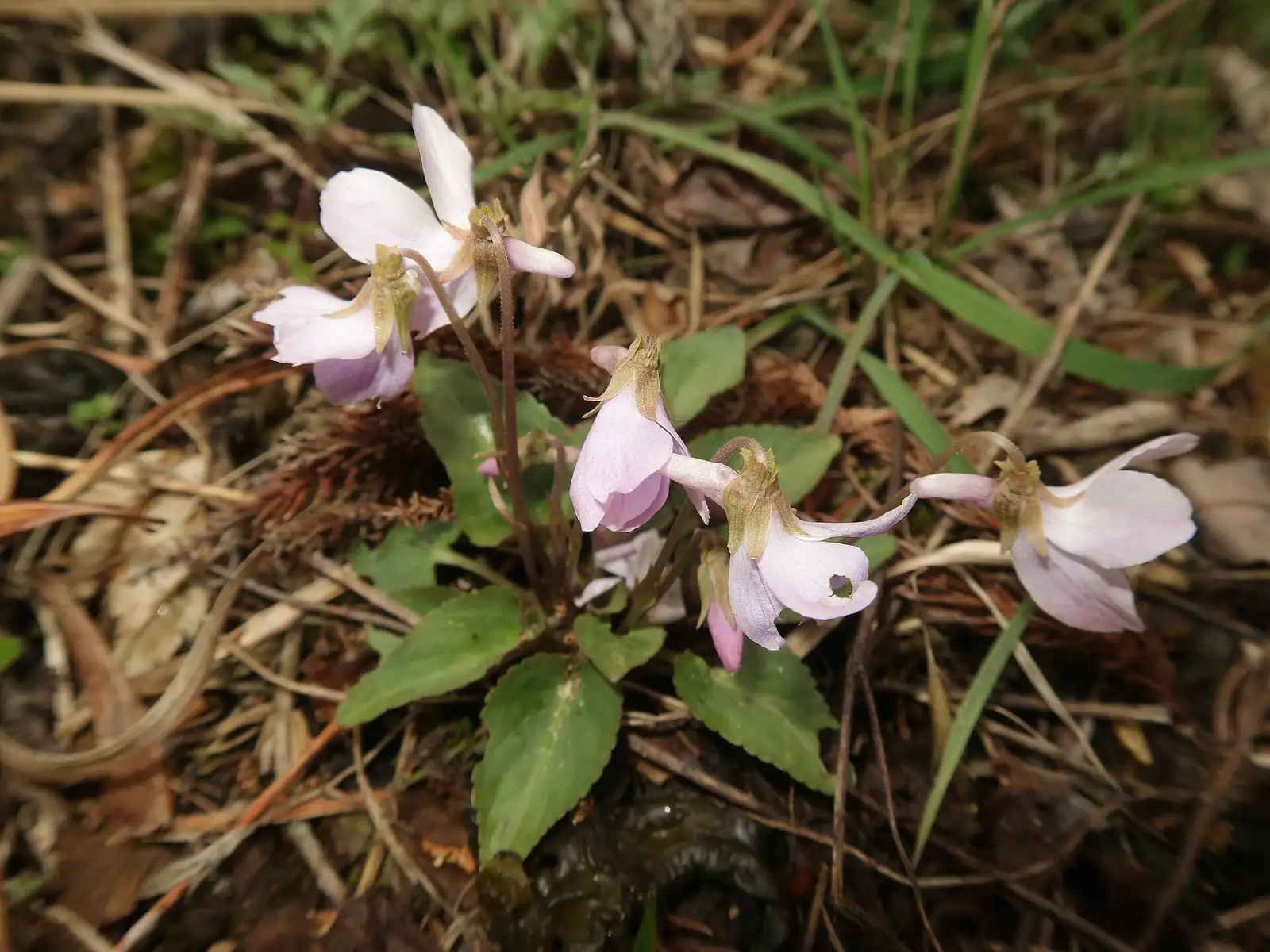
- Flower: Small violet-type flowers in pale lavender to light purple tones; after flowering it forms an oval seed capsule typical of violets.
- Flowering Season: May–July
- Growth Habit: Low, herbaceous perennial with a short, thickened white main root; clump-forming and often used as a naturalistic woodland groundcover.
Environment
Sunlight
Partial shade to dappled shade; tolerates gentle morning sun. In warm/hot summers, protect from strong midday and afternoon sun.
Temperature
Best growth around 10–25°C (50–77°F) in cool-to-warm temperate conditions.
Humidity
Prefers an evenly moist, woodland-like atmosphere and soil, but is generally adaptable once established (avoid extremes of prolonged drought or constant sogginess).
Soil
Well-drained, humus-rich soil is ideal (loam or sandy loam works well). Keep lightly and consistently moist during active growth and flowering, but avoid waterlogging.
Placement
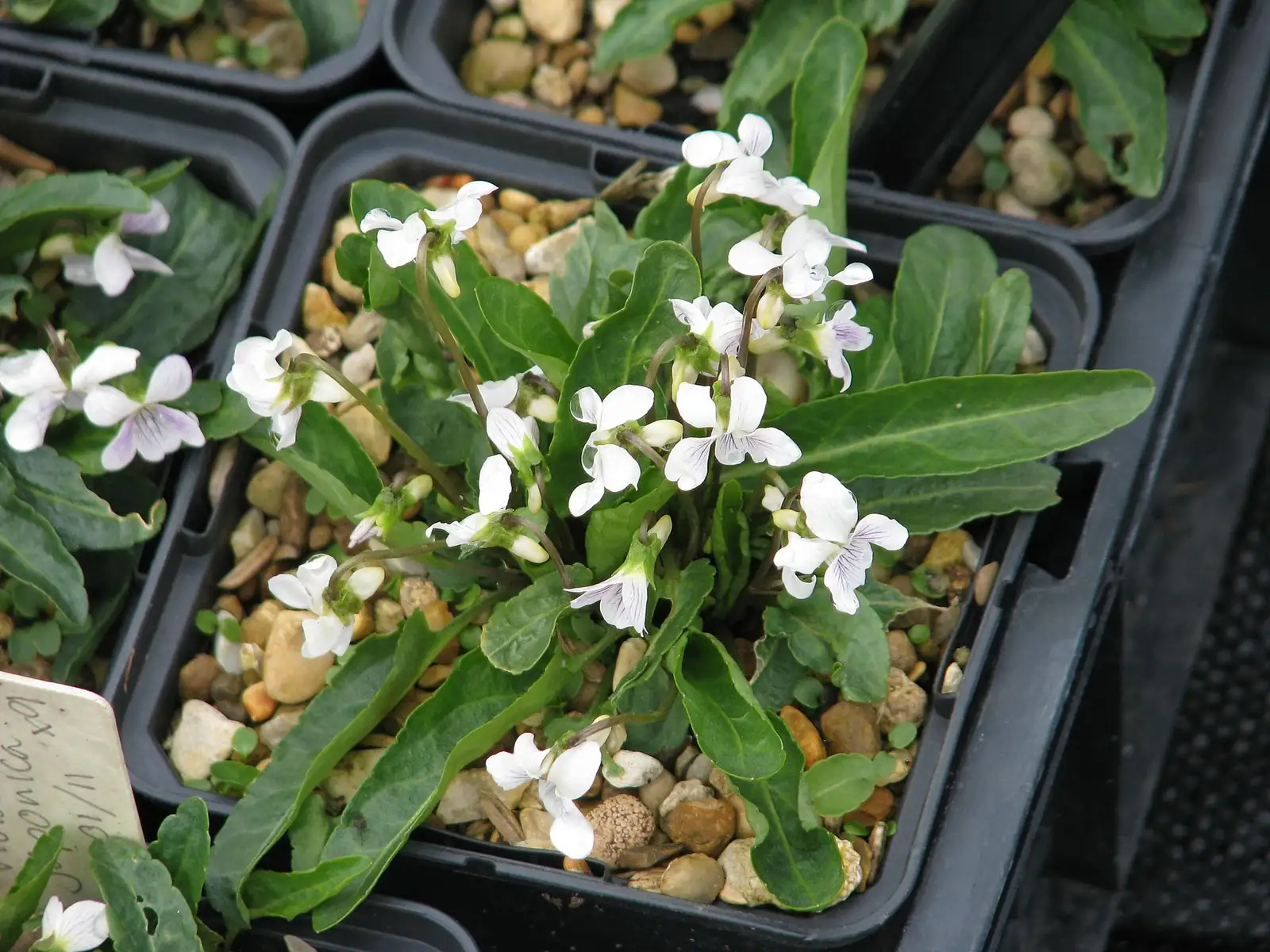
Woodland gardens, shaded borders, under deciduous trees, naturalistic streamside plantings, and lightly shaded rock gardens; also works in pots where the mix drains well.
Hardiness
Generally a cold-hardy temperate violet; commonly grown roughly in USDA Zone 5–9 (about −29 to −1°C / −20 to 30°F), with performance depending on local provenance plus adequate shade and moisture.
Care Guide
Difficulty
Easy—happy with light shade, decent drainage, and soil that doesn’t dry out completely for long periods.
Buying Guide
Look for plants with fresh, firm basal leaves and a solid (not mushy) crown. Avoid pots that smell sour or feel waterlogged. If purchasing in bloom, choose plants with multiple buds so the show lasts longer.
Watering
Aim for evenly moist soil, not soggy. In containers, let the top 1–2 cm (0.4–0.8 in) dry slightly between waterings; in the ground, water during dry spells—especially while flowering.
Fertilization
Light feeder. Top-dress with compost in spring, or use a balanced liquid fertilizer at 1/4–1/2 strength every 4–6 weeks during active growth.
Pruning
Deadhead spent flowers for a tidier look and to reduce self-seeding. Remove damaged or yellowing leaves to keep airflow moving through the clump.
Propagation
Divide clumps in early spring or early autumn. Also grows from seed: allow capsules to mature, then sow fresh seed on the surface and cover very lightly.
Repotting
Repot every 1–2 years, ideally in early spring or whenever the clump becomes crowded. Use an organic-rich, free-draining mix and a pot with drainage holes.
📅 Seasonal Care Calendar
Spring: resume regular watering, add compost, divide if needed. Late spring–summer: enjoy blooms; keep evenly moist. Late summer–autumn: allow some seed set or divide; reduce feeding. Winter: protect container plants from repeated freeze–thaw cycles and keep soil from staying waterlogged.
Pests, Diseases & Safety
Common Pests & Diseases
Slugs and snails may chew leaves; aphids can gather on tender new growth. Constantly wet conditions can lead to crown/root rot—improve drainage, avoid soggy soil, and water earlier in the day when possible.
Toxicity
Not known for serious toxicity in normal garden handling. Still, avoid intentional ingestion and discourage pets from chewing, since individual sensitivities can occur.
Culture & Symbolism
Symbolism: Violets are often linked with modesty, faithfulness, and gentle affection (exact meanings vary by culture).
History & Legends: No widely documented legend uniquely tied to Viola japonica; it’s mainly appreciated as a naturally occurring woodland violet in East Asia.
Uses: Primarily ornamental: a compact groundcover for woodland-style gardens and shaded borders, admired for delicate flowers and neat heart-shaped foliage.
FAQ
When does it flower?
Typically May–July.
When does it set fruit?
Seed capsules usually mature July–September.
How tall does it get?
Usually under 20 cm (8 in) tall.
What family and genus is it in?
Family Violaceae; genus Viola.
Where is it native and what habitat does it prefer?
Native to China (recorded from multiple provinces) and commonly found along woodland edges, open areas under trees, mountain grasslands, and beside streams or valleys.
Fun Facts
- It’s a true violet (Viola), staying low with a basal leaf clump rather than forming tall stems.
- The undersides of the leaves can look subtly purplish, especially in cooler conditions.
- Like many violets, it forms a small oval capsule that releases fine seeds when mature.
- In the wild it often thrives in “in-between” places—woodland margins and open patches under trees.
- Because it’s compact and shade-tolerant, it’s a natural fit for woodland-style groundcover planting.