Plant Features
- Size:3–8 m (10–26 ft) tall, often with a similar spread in open conditions
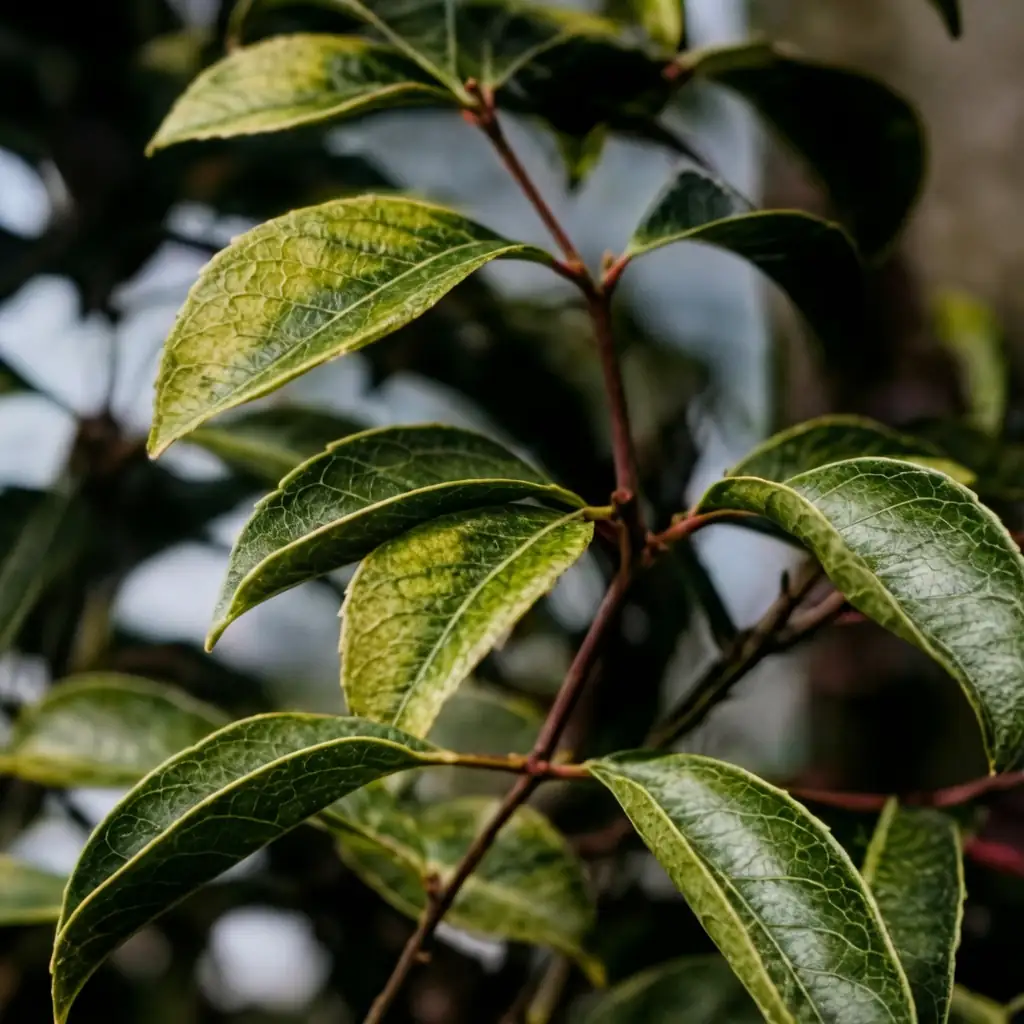
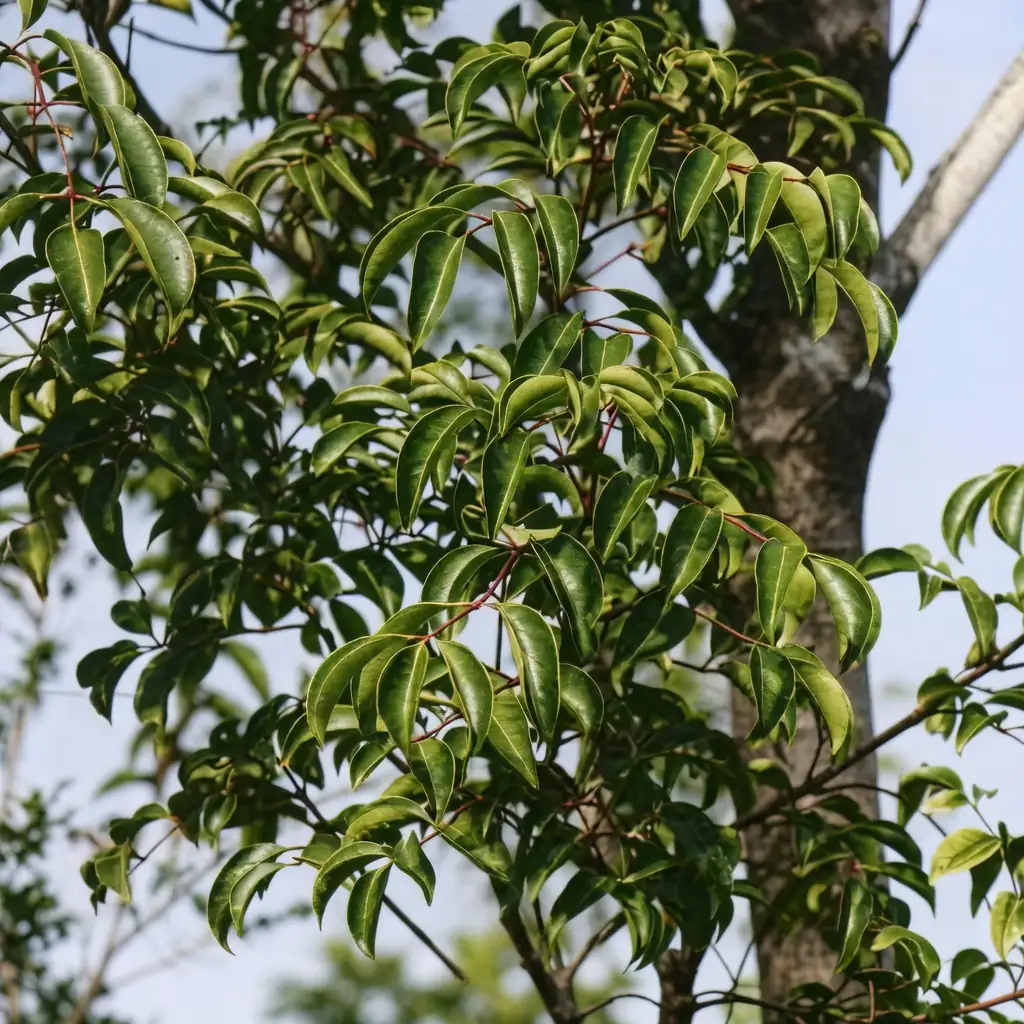
- Foliage: Leaves are odd-pinnate (compound), with leathery, smooth (generally hairless) leaflets that have fine serrations along the edges.
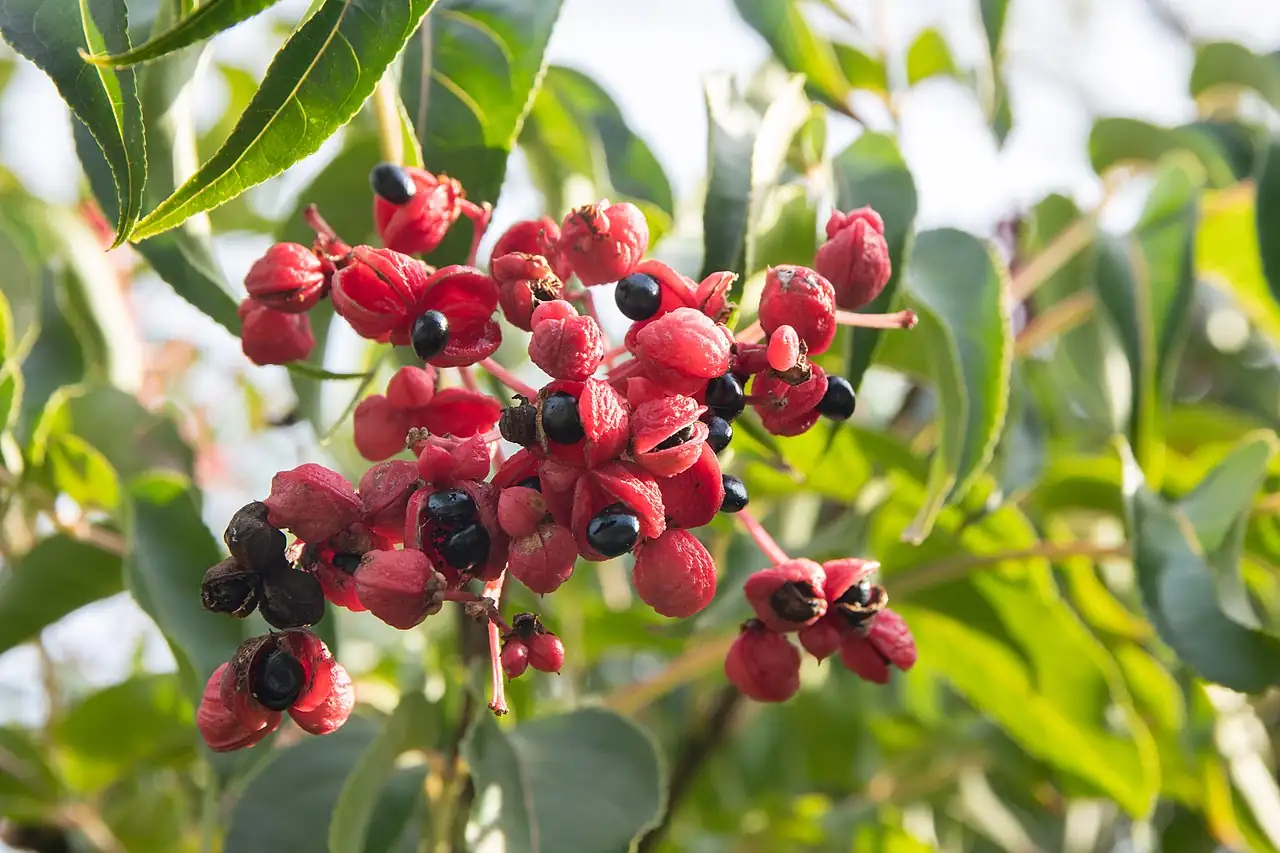
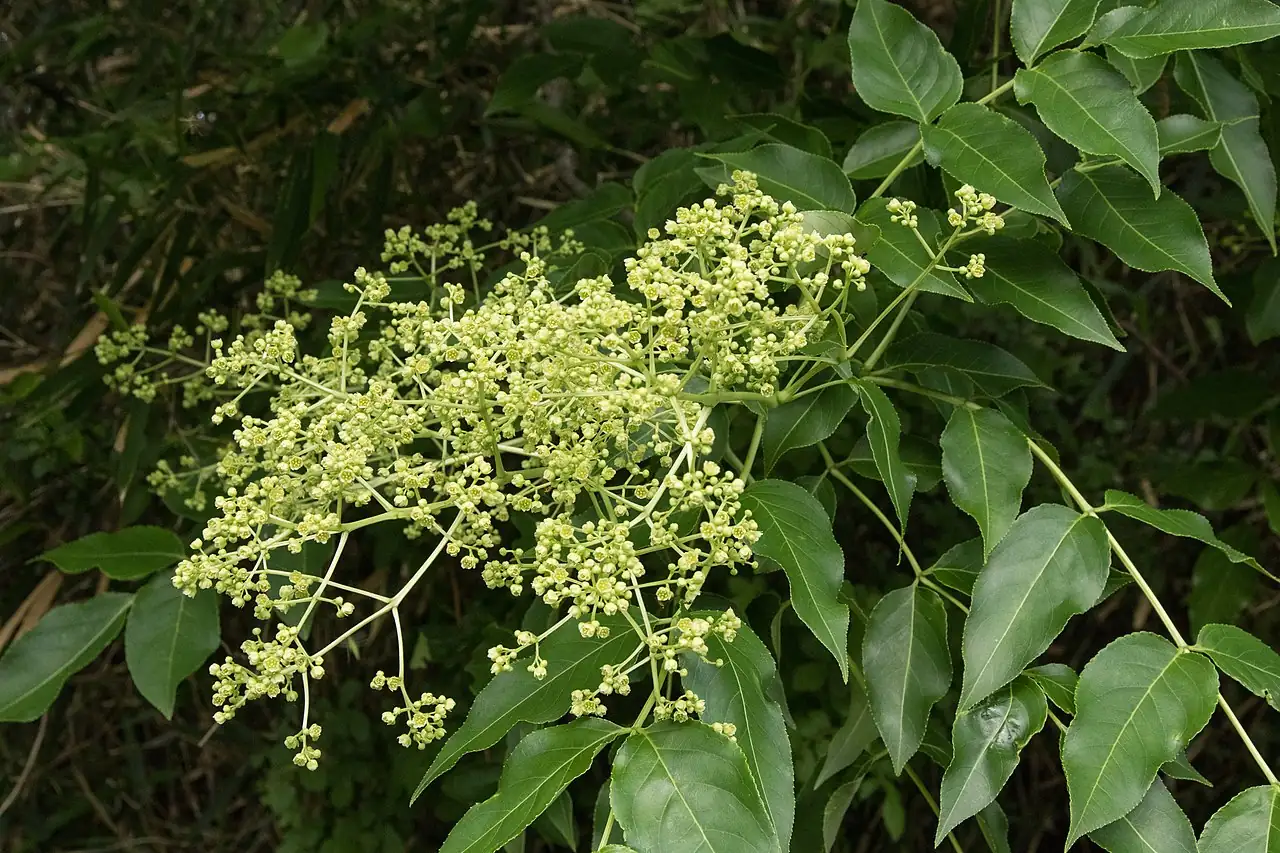
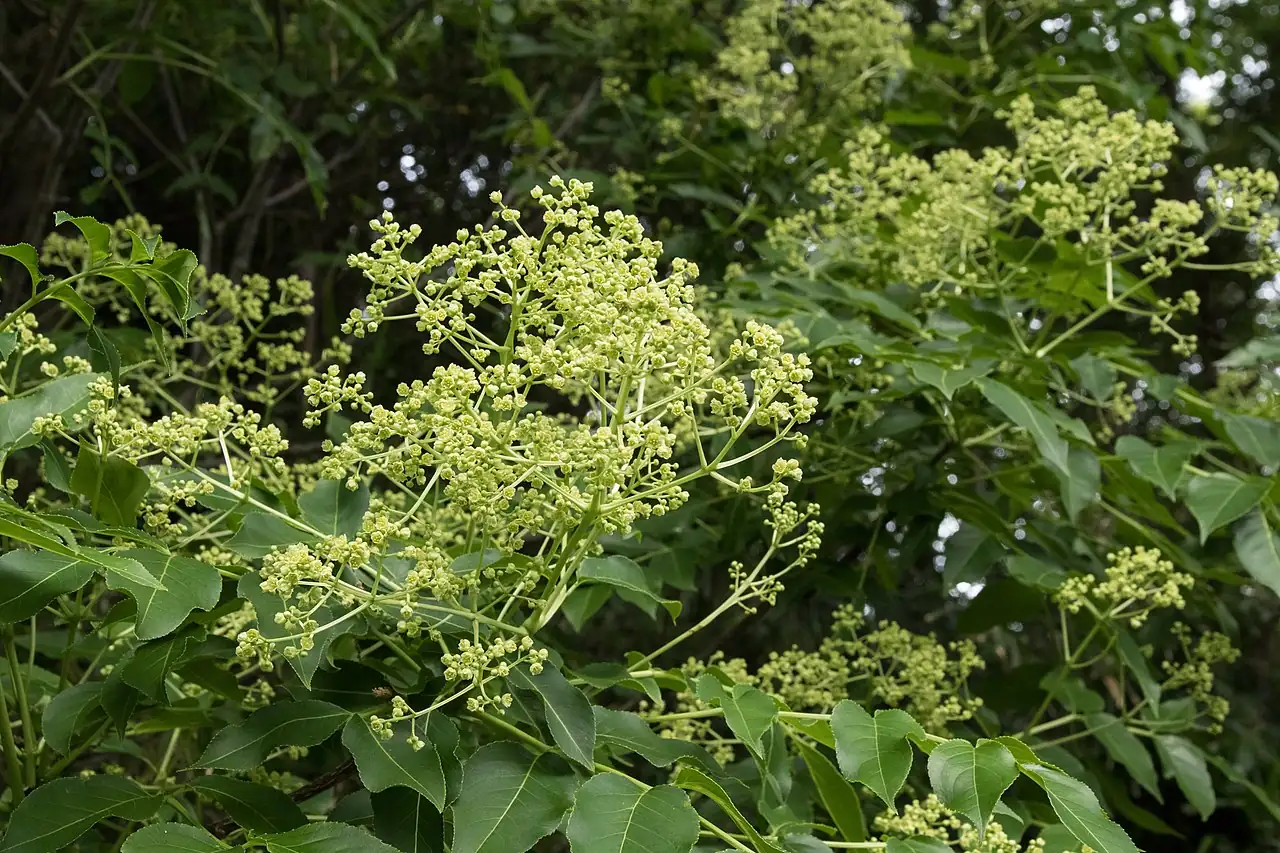
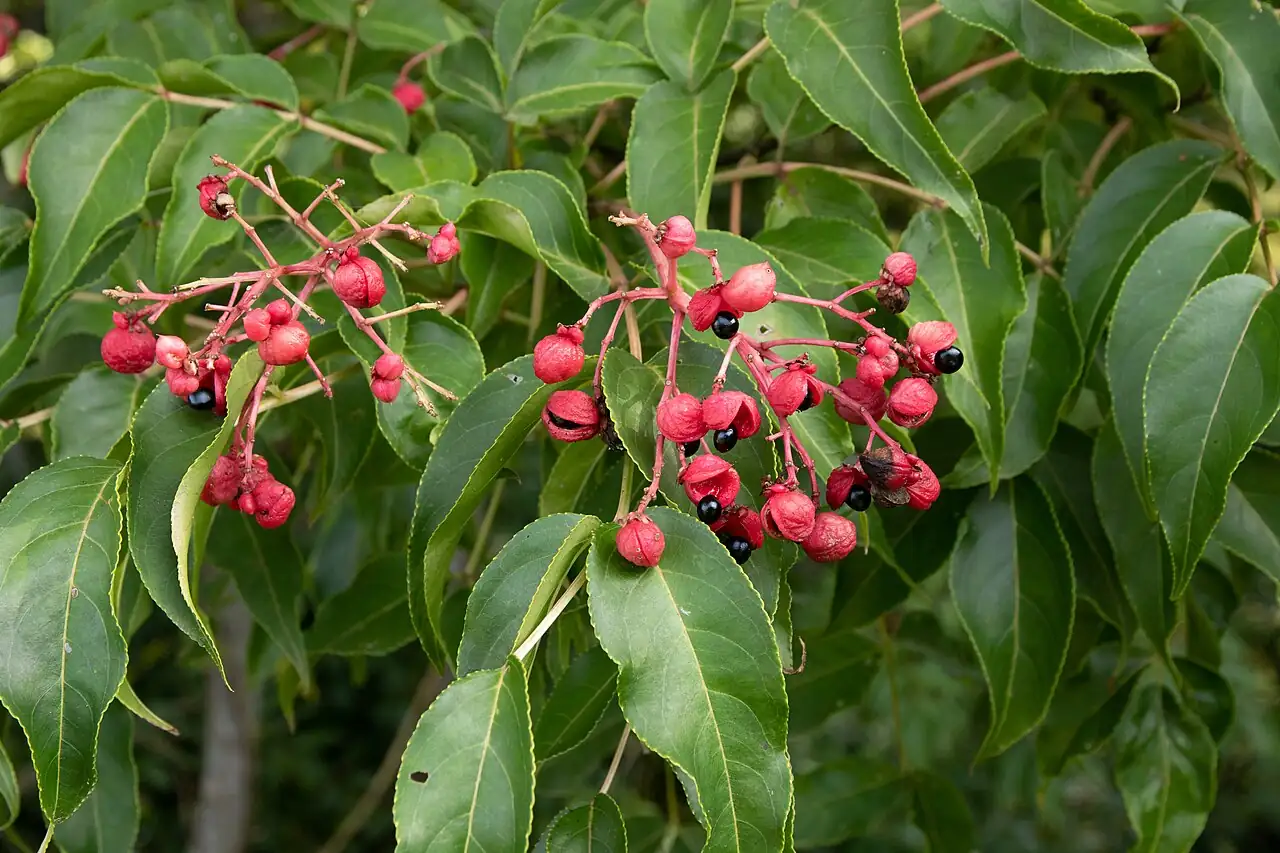
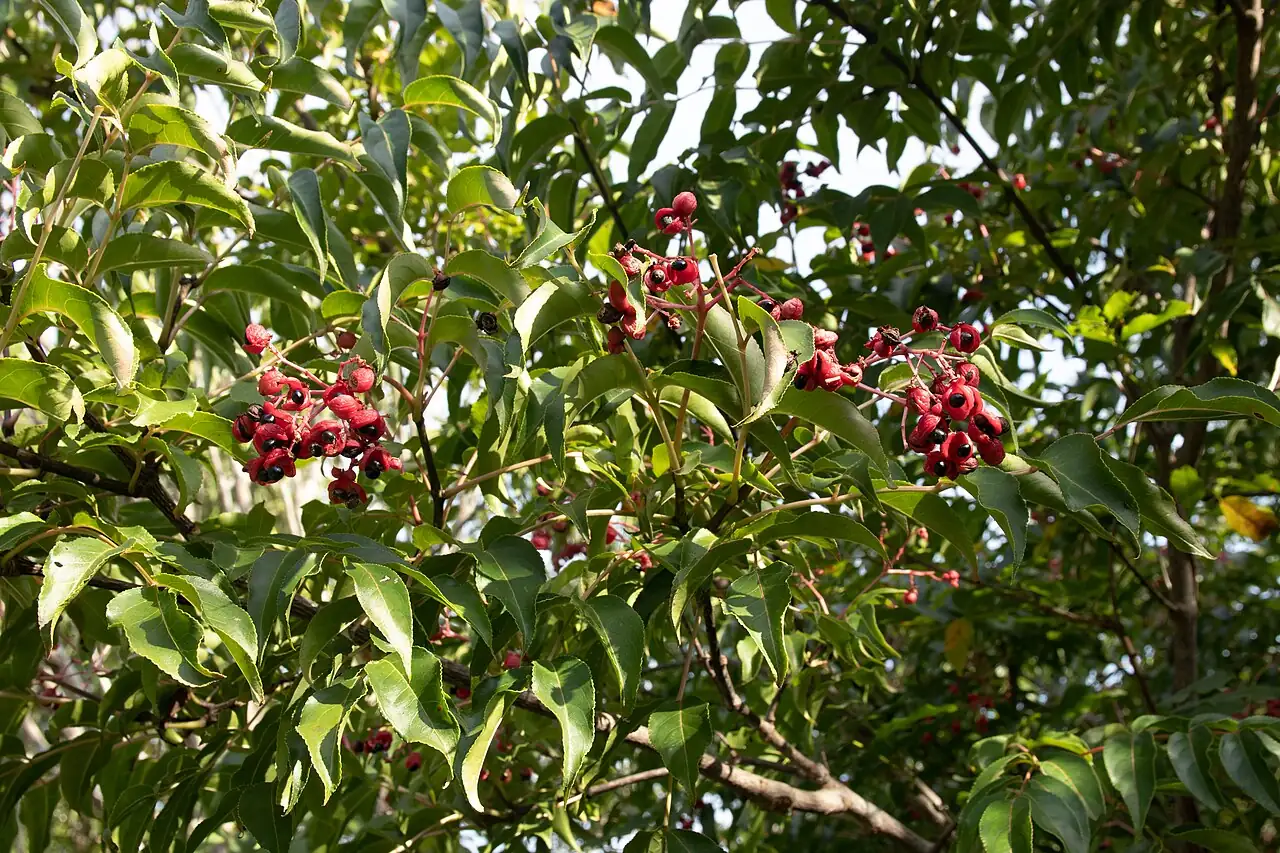
- Flower: Produces small, greenish-white to creamy flowers in terminal panicles in late spring to early summer. The real spectacle comes afterward: bright pink to red fruit capsules develop and later split open to reveal shiny, dark seeds.
- Flowering Season: May–June (late spring to early summer)
- Growth Habit: Deciduous shrub or small tree; upright, often multi-stemmed, sometimes forming a small trunk with age
Environment
Sunlight
Full sun to partial shade; brighter light typically improves flowering and gives the best fruit color.
Temperature
Prefers warm growing-season conditions around 15–30°C (59–86°F). Established plants tolerate winter cold in suitable climates.
Humidity
Moderate to high humidity; appreciates moist summer air and performs well in warm, humid regions.
Soil
Moist but well-drained, fertile loam is ideal. Tolerates various soil types as long as drainage is good; avoid waterlogging.
Placement
Best outdoors as a specimen or accent for ornamental fruit—excellent in mixed shrub borders, woodland edges, and naturalistic/foothill-style plantings.
Hardiness
USDA Zone 6–9; once established, cold hardy to roughly -23 to -18°C (-10 to 0°F).
Care Guide
Difficulty
Easy to moderate outdoors. It’s most effortless where summers are warm and the soil doesn’t dry out for long stretches.
Buying Guide
Pick plants with healthy buds, clean bark, and sturdy, undamaged stems. Check the root system—avoid severely pot-bound plants with circling roots. If purchasing in fruiting season, look for a healthy, well-set crop as a sign of vigor.
Watering
Water deeply after planting and keep evenly moist while establishing. After establishment, water during dry spells—especially around flowering and fruit development. Avoid constantly soggy soil, which can stress roots.
Fertilization
Feed in spring with a balanced slow-release fertilizer or top-dress with compost. Don’t overdo nitrogen; lush leafy growth can come at the expense of flowers and fruit.
Pruning
Prune in late winter to early spring. Remove dead, weak, or crossing branches; light shaping is usually all that’s needed.
Propagation
Grown from seed (fresh seed often germinates best; cold stratification can improve germination). Semi-ripe cuttings may also succeed, especially with mist/consistent humidity.
Repotting
For container plants, repot in early spring into a free-draining mix. Move up only one pot size at a time and avoid overpotting to prevent waterlogged conditions.
📅 Seasonal Care Calendar
Spring: light pruning and feed; watch new growth. Late spring–summer: keep moisture even (especially during flowering/fruit set). Late summer–autumn: enjoy the capsule-and-seed display; collect seed if desired. Winter: minimal care; protect young plants from harsh winds and severe freezes.
Pests, Diseases & Safety
Common Pests & Diseases
Generally trouble-free. Possible issues include aphids and scale insects, plus occasional leaf spot in humid, stagnant air. Improve airflow, avoid frequent overhead watering, and treat pests early (e.g., horticultural soap/oil as appropriate).
Toxicity
No well-documented toxicity to humans or pets in widely used ornamental safety references. Still, it’s best treated as non-edible—discourage nibbling or ingestion of any plant parts as a sensible precaution.
Culture & Symbolism
Symbolism: Often linked with the delight of seasonal change and “surprise” color—those pods opening to reveal glossy seeds feel like a little garden magic trick.
History & Legends: An East Asian ornamental long appreciated for its distinctive fruiting display; it’s commonly grown in botanical gardens and landscape collections in regions where it’s hardy.
Uses: Primarily used as an ornamental shrub/small tree, valued for late-summer to autumn fruit interest and for adding structure to mixed borders and woodland-edge plantings.
FAQ
Why isn’t my Japanese sweetheart tree producing fruit?
Common causes include too little sun, excess nitrogen (lots of leaves but fewer flowers), drought stress during flowering, or a plant that’s still young. Give it brighter light, keep moisture steady in late spring, and use balanced feeding rather than high-nitrogen fertilizer.
Can it grow in partial shade?
Yes. It tolerates partial shade, but you’ll usually get better flowering and more vivid fruit color with more sun.
Fun Facts
- The vivid pink-red capsules split open to reveal glossy dark seeds, creating an eye-catching two-tone effect.
- In the wild, it’s often scattered at foothills and in valleys, growing among other shrubs rather than forming pure stands.
- Fruits commonly hold 1–2 seeds, and the dramatic reveal happens as the capsule naturally opens.