Plant Features
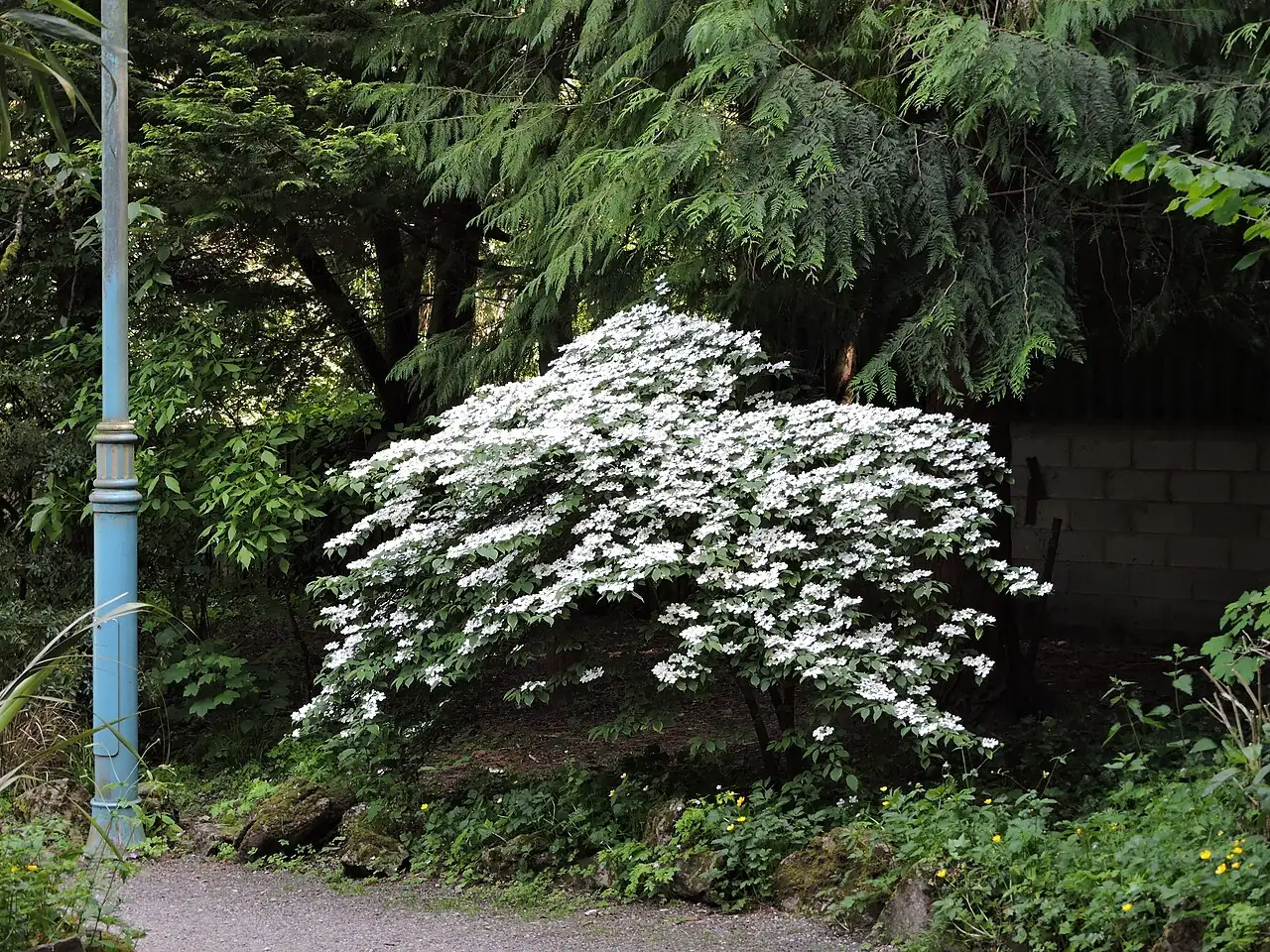
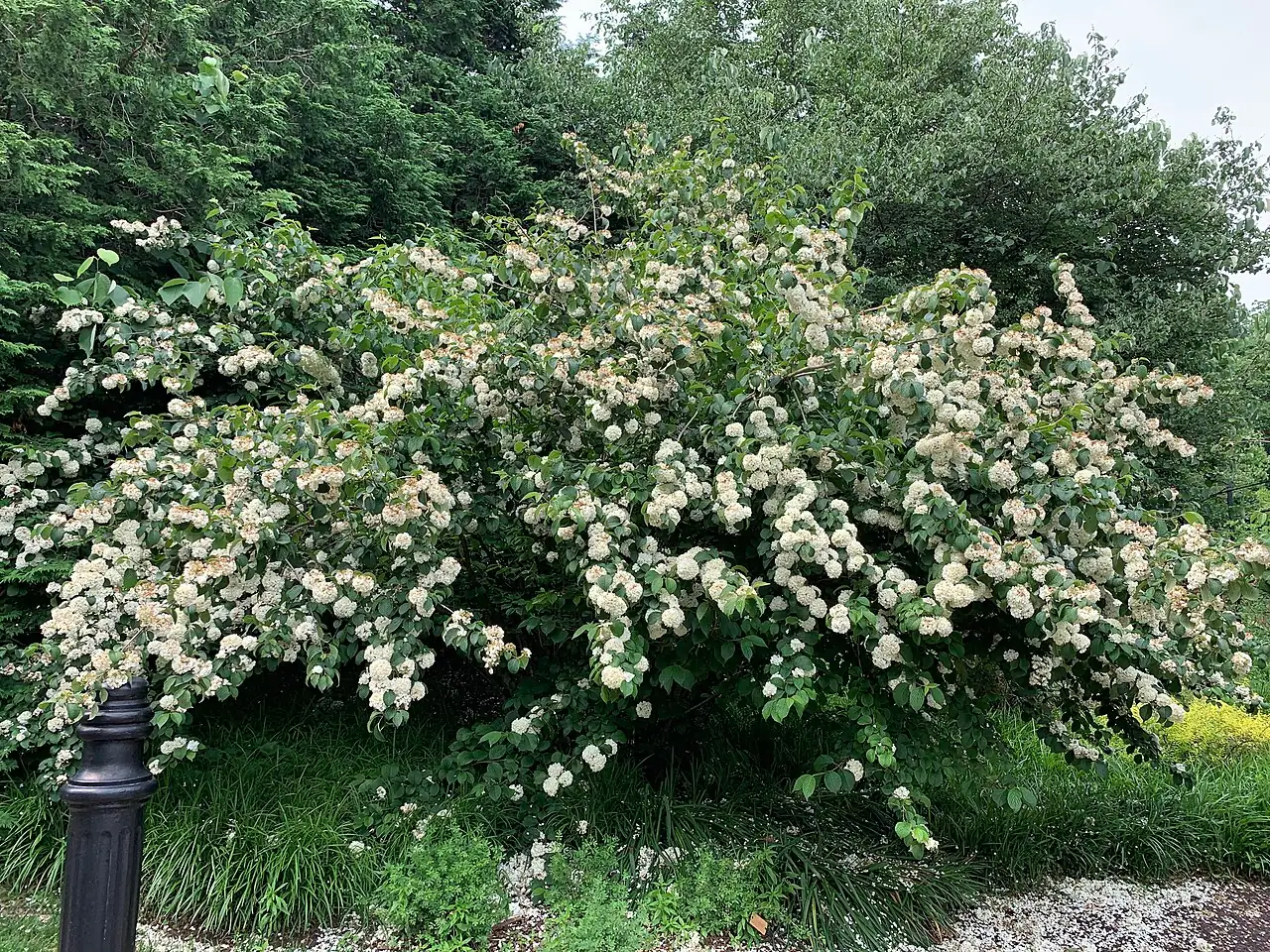
- Size: Up to about 3 m (10 ft) tall, often with a similar spread in cultivation.
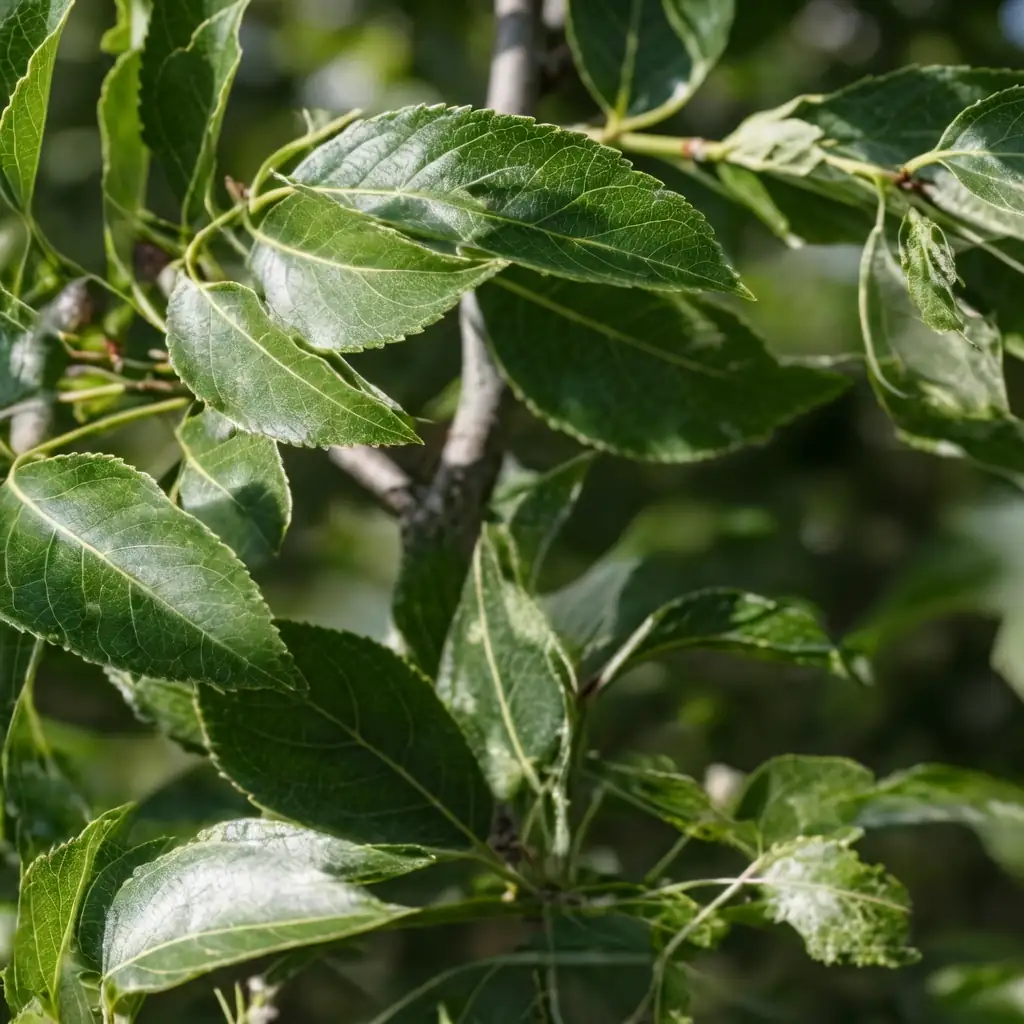
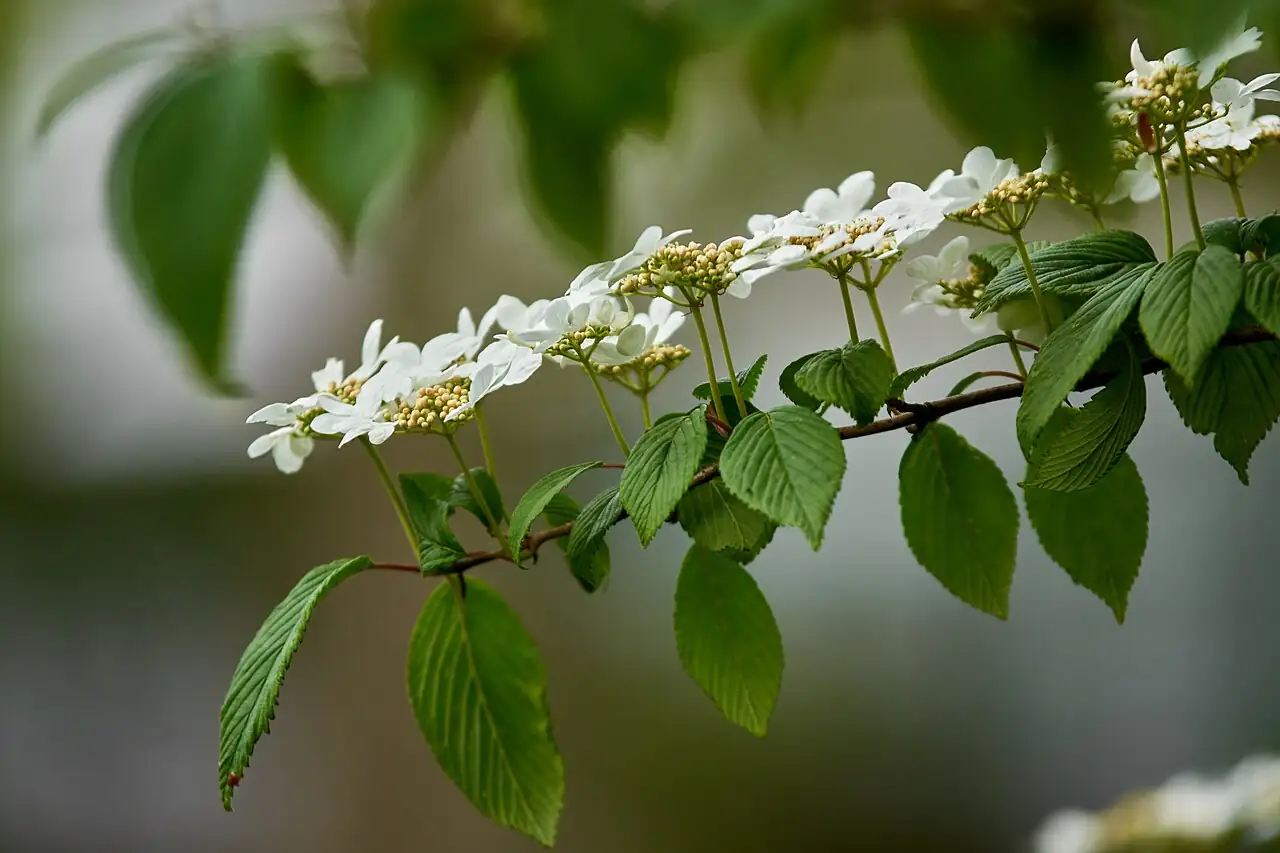
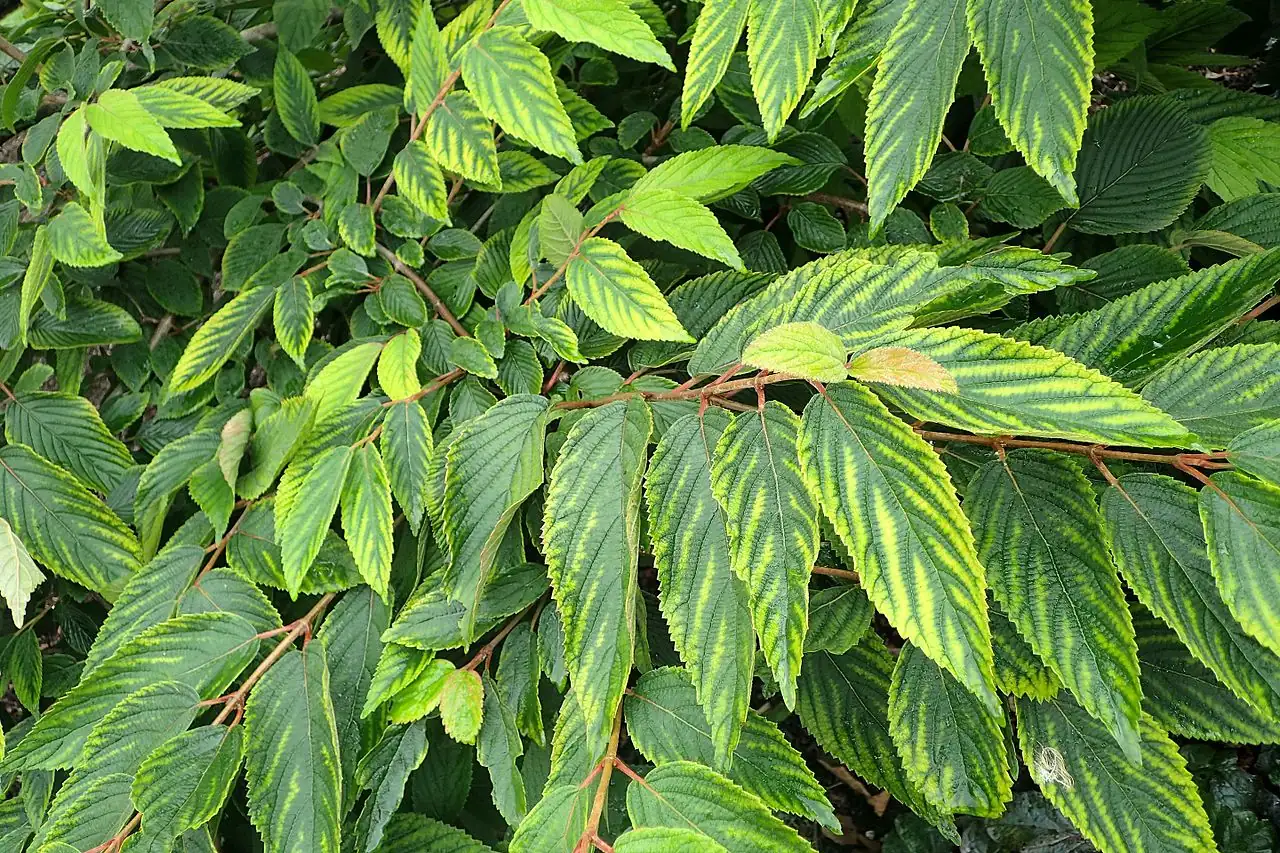
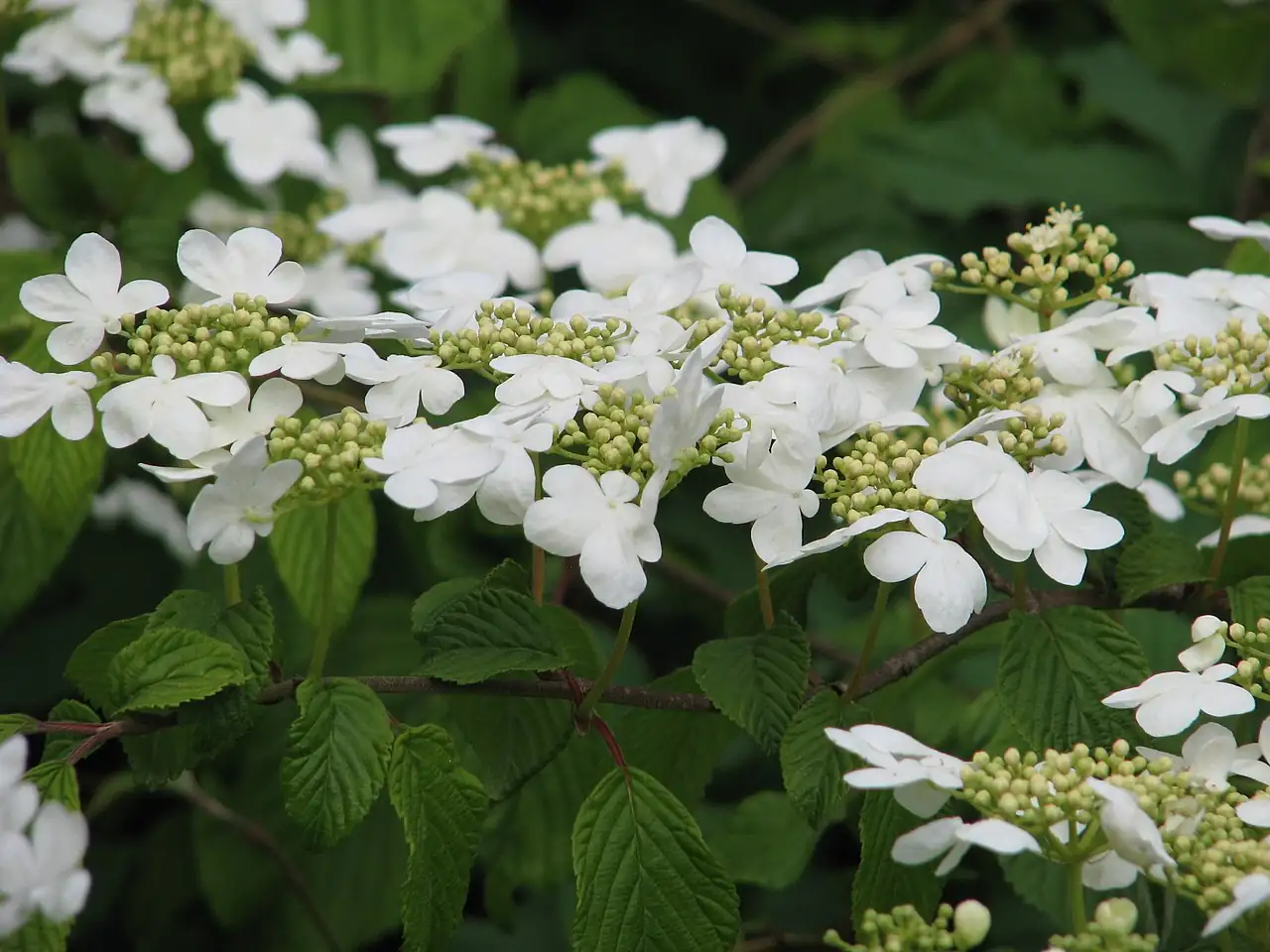
- Foliage: Leaves are papery and broadly ovate with irregular, triangular-toothed margins. The upper surface has sparse short hairs (often denser along the midrib), while the underside is more densely silky-hairy, giving the foliage a softly textured feel.
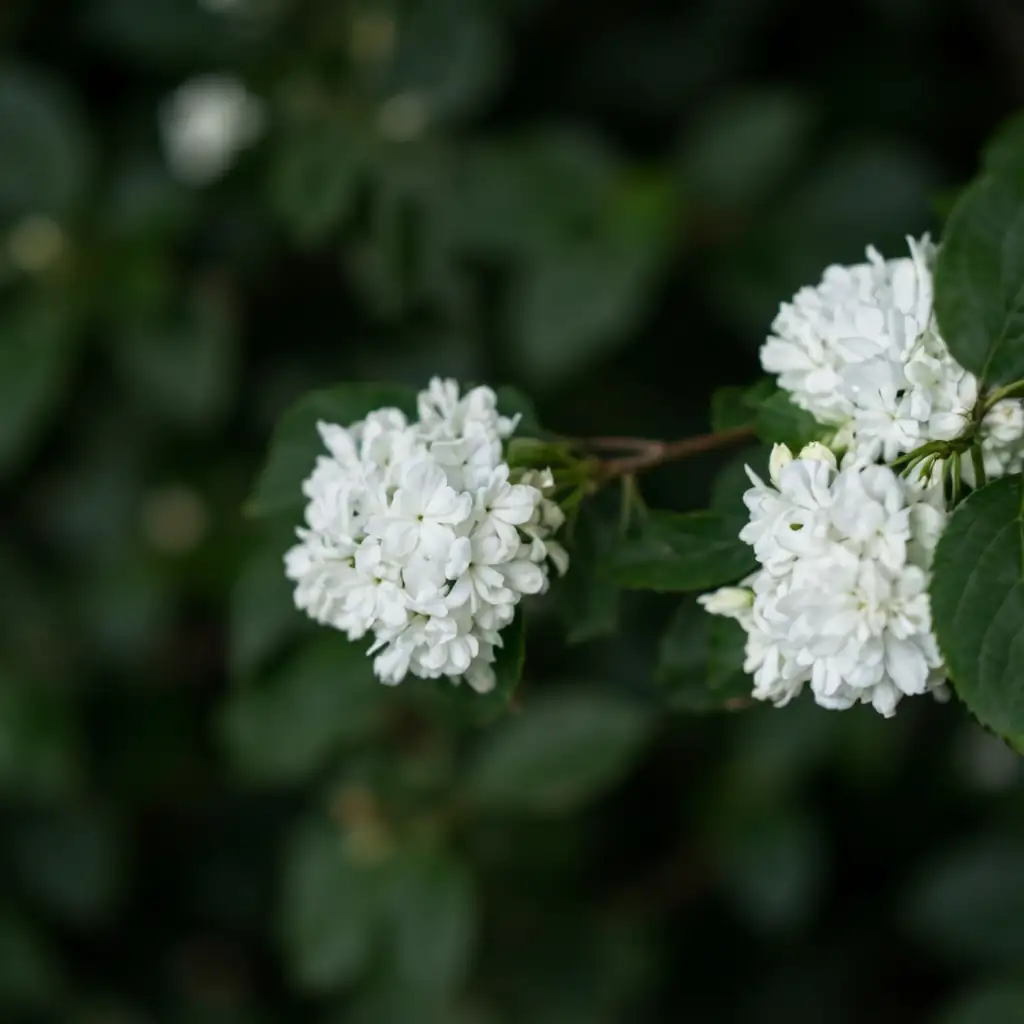
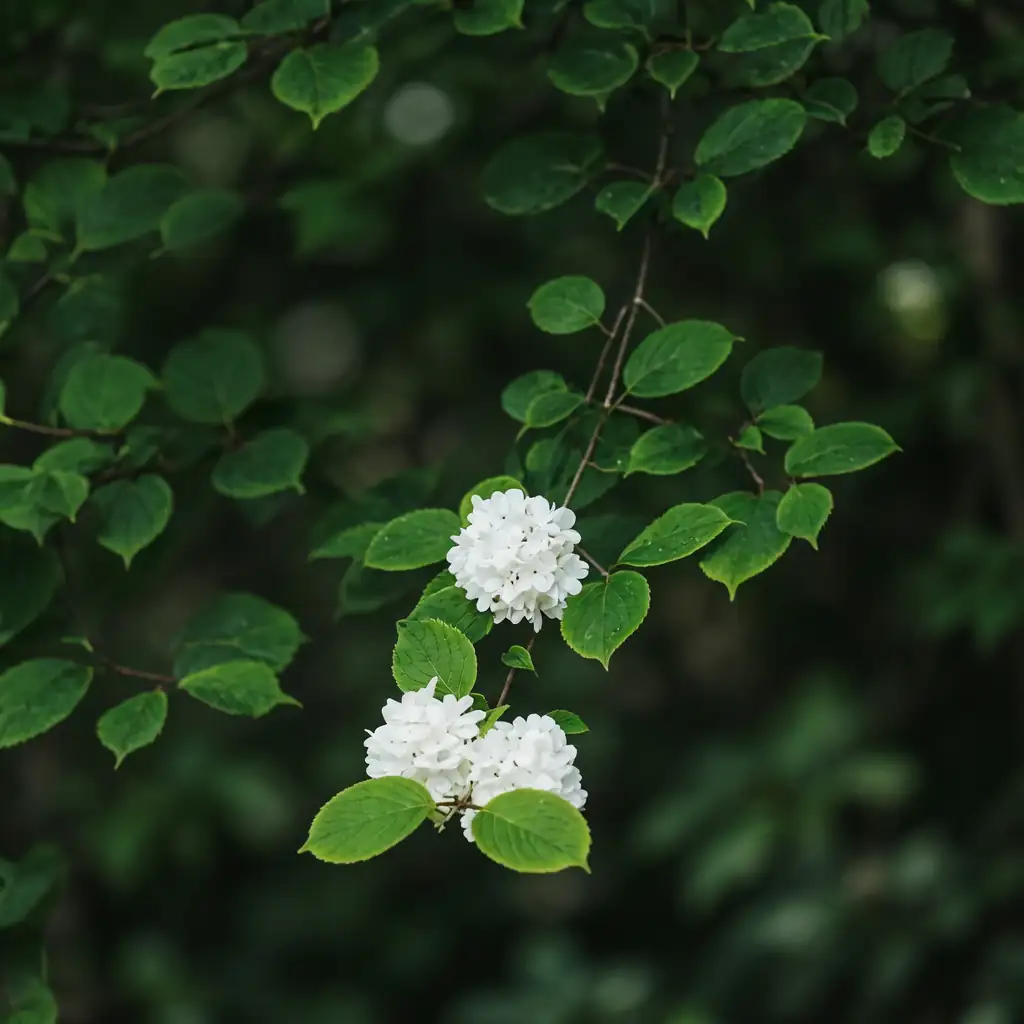
- Flower: Produces rounded, ball-like corymbs about 4–8 cm (1.6–3.1 in) across, usually on short lateral shoots that carry a single pair of leaves. The display is largely made of big sterile florets; these white, wheel-shaped florets are roughly 1.5–3 cm (0.6–1.2 in) across and create the classic “snowball” look.
- Flowering Season: April–May
- Growth Habit: Deciduous shrub
Environment
Sunlight
Full sun to partial shade. Flowers best with more sun, but appreciates light shade in hotter climates.
Temperature
Prefers mild to warm conditions and is moderately cold-hardy. A typical growth comfort range is about 10–25°C (50–77°F); protect young plants from severe freezes.
Humidity
Does well in average outdoor humidity. Avoid very dry, exposed sites while the plant is getting established.
Soil
Moist but well-drained, fertile soil. Tolerates many soil types as long as drainage is good. Mulch helps keep roots cool and moisture even.
Placement
Woodland edges, mixed shrub borders, along paths or roadsides, or near walls; plant in groups for the most dramatic spring show.
Hardiness
Generally USDA Zone 5–8 (approx. -29 to -7°C / -20 to 20°F), depending on local conditions and form.
Care Guide
Difficulty
Easy to moderate: dependable outdoors with basic care—mainly decent light and consistent moisture, especially when young.
Buying Guide
Pick shrubs with multiple healthy shoots, firm buds, and balanced branching. Avoid plants with blackened stems, wilted leaves, obvious pests, or pots packed with circling roots.
Watering
Water deeply after planting and keep soil evenly moist through the first growing season. Once established, water during dry spells—aim for consistently moist (not soggy) soil. Ease back in cool weather.
Fertilization
In early spring, use a balanced slow-release fertilizer or top-dress with compost. Avoid heavy nitrogen feeds, which can encourage leafy growth at the expense of flowers.
Pruning
Prune right after flowering if shaping is needed, because next year’s buds form on old wood. Remove dead, weak, crossing stems and thin crowded areas to boost airflow.
Propagation
Softwood cuttings in late spring to early summer, semi-hardwood cuttings in summer, or layering (especially easy with plants growing in the ground).
Repotting
Usually best in the ground. In containers, repot every 2–3 years in early spring into a slightly larger pot with fresh, well-drained mix and excellent drainage holes.
📅 Seasonal Care Calendar
Spring: feed lightly, enjoy blooms, prune right after flowering. Summer: water during heat/drought and watch for pests. Autumn: mulch, reduce feeding; fruit may appear. Winter: minimal care; shelter young plants from harsh wind and extreme cold.
Pests, Diseases & Safety
Common Pests & Diseases
Can attract aphids, scale insects, and spider mites (especially in hot, dry weather), and may develop powdery mildew. Improve airflow, avoid late-day overhead watering, and use horticultural soap/oil when needed.
Toxicity
Generally considered low-toxicity, but eating leaves or berries may cause mild stomach upset in people or pets. It’s best to discourage nibbling.
Culture & Symbolism
Symbolism: Often linked with purity and spring renewal, thanks to its crisp white, snowball-like flower clusters.
History & Legends: Long cultivated as a standout ornamental viburnum, valued for its dramatic spring bloom and its ability to create a bright seasonal moment in the landscape.
Uses: Primarily an ornamental flowering shrub—excellent in shrub borders, woodland-edge plantings, and mass plantings along paths, roadsides, or walls for strong spring impact.
FAQ
Why isn’t my Japanese snowball viburnum flowering well?
Common reasons include too much shade, pruning at the wrong time (removing old wood that carries next year’s buds), drought stress while buds are forming, or too much nitrogen fertilizer. Give it more sun, prune only right after flowering, and keep soil evenly moist.
Can it be grown in a container?
Yes—especially when young. Choose a large pot with excellent drainage, water consistently, and feed lightly in spring. For long-term performance and size, it usually does best planted in the ground.
Fun Facts
- The “snowballs” are usually 4–8 cm (1.6–3.1 in) across and often form on short side shoots with just one pair of leaves.
- Many showy clusters are made mostly of sterile florets, which is why the bloom can be so dramatic without heavy fruit set.
- In parts of China, it grows wild along mountain gullies and streamside edges.
- Its leaves are softly two-toned in texture: lightly hairy above (often more along the midrib) and densely silky beneath.
- Mass planting is the secret to its best look—few shrubs create such a concentrated spring “white-out” effect.