

Plant Features
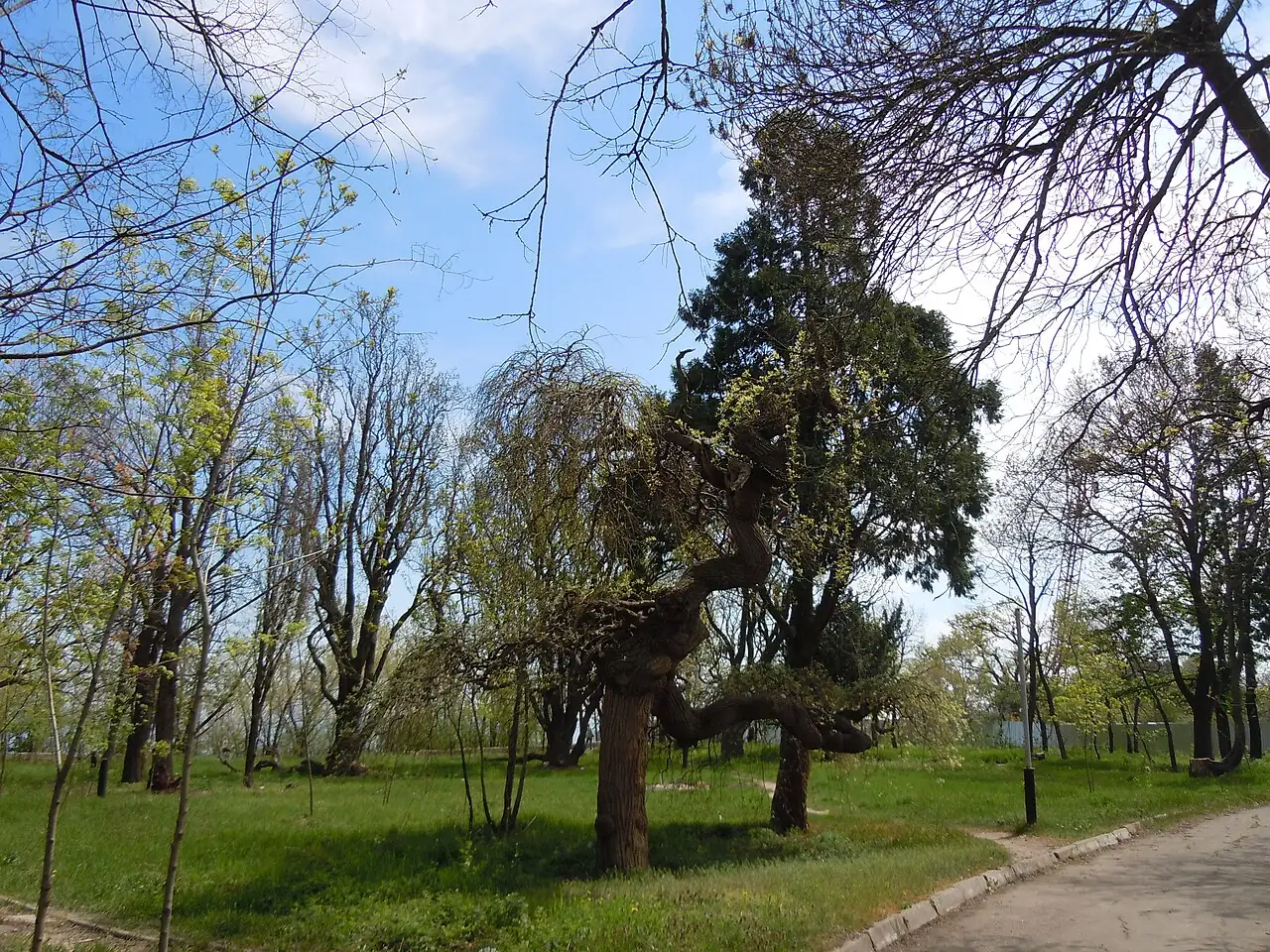
- Size: Up to about 25 m (82 ft) tall with a broad, rounded to broadly oval crown; mature spread commonly around 12–20 m (39–66 ft), depending on site and pruning.
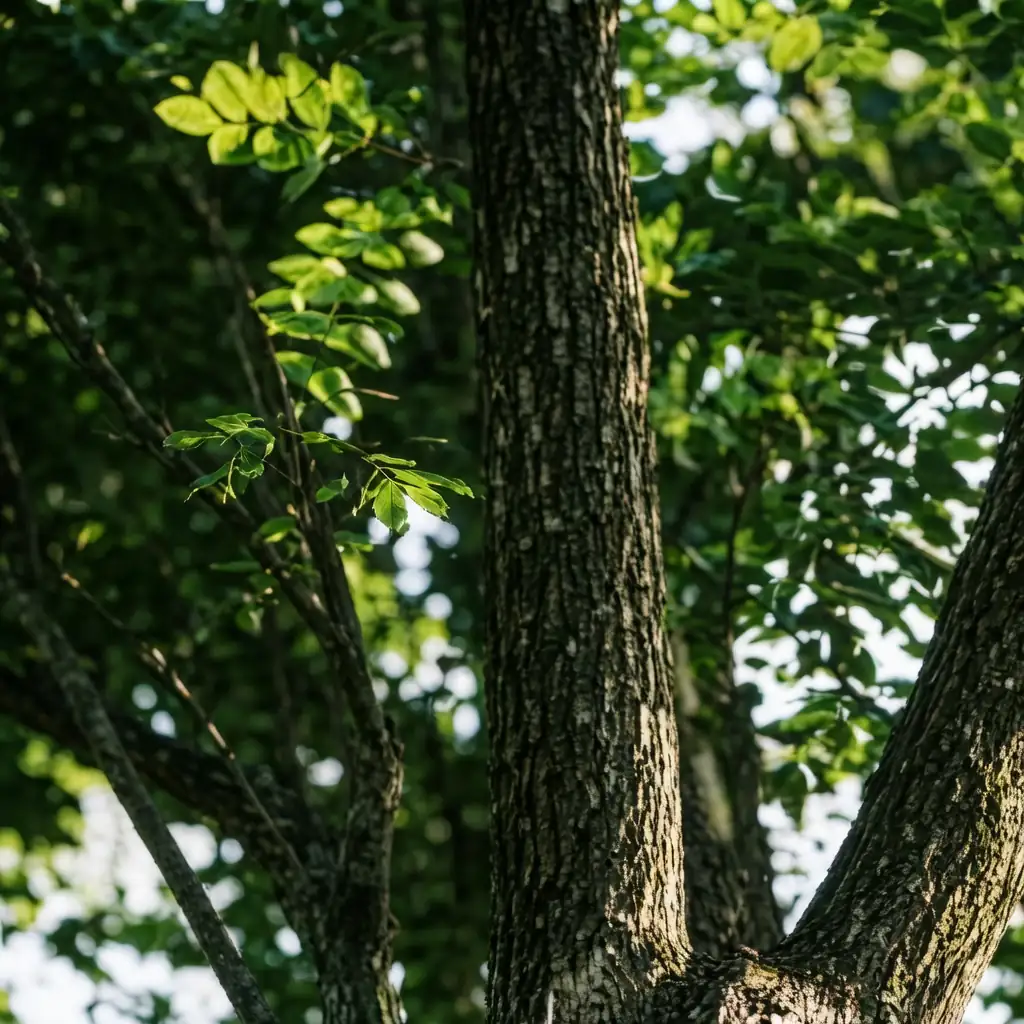
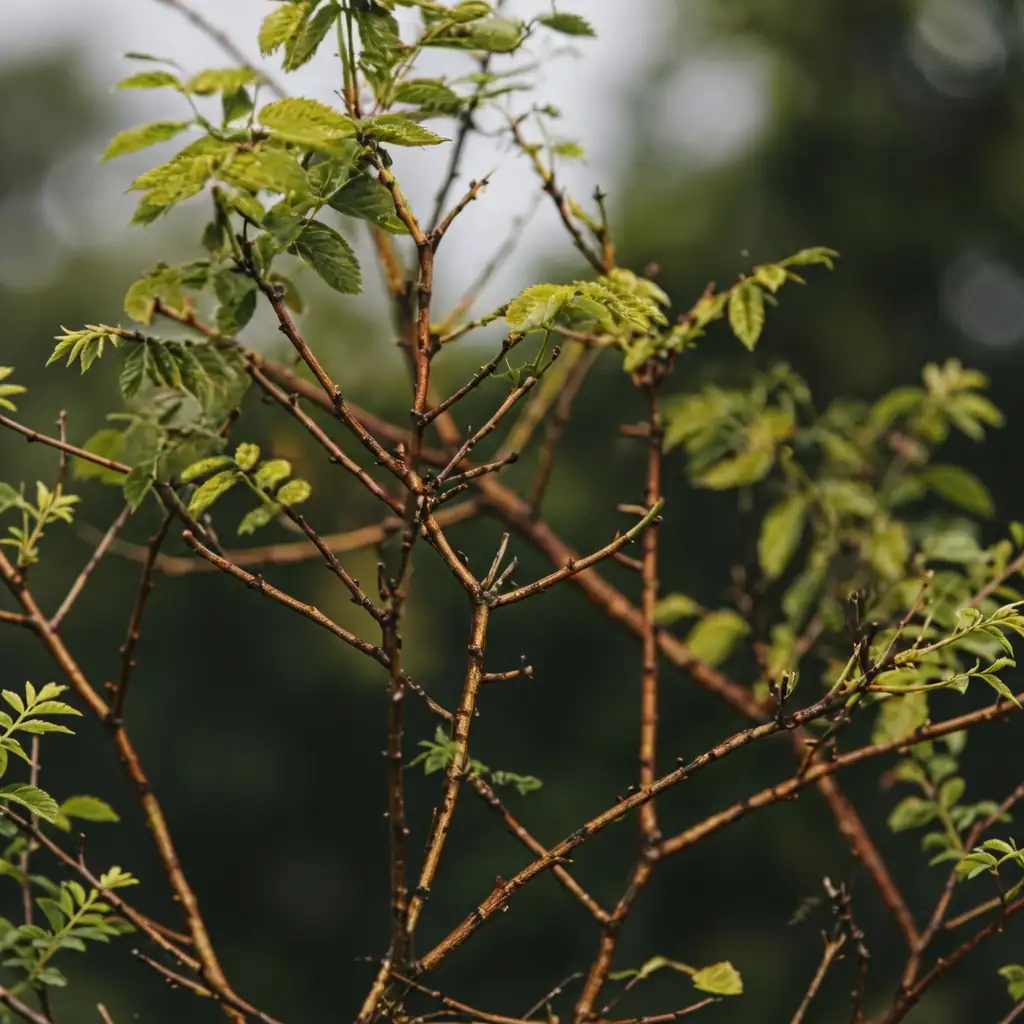
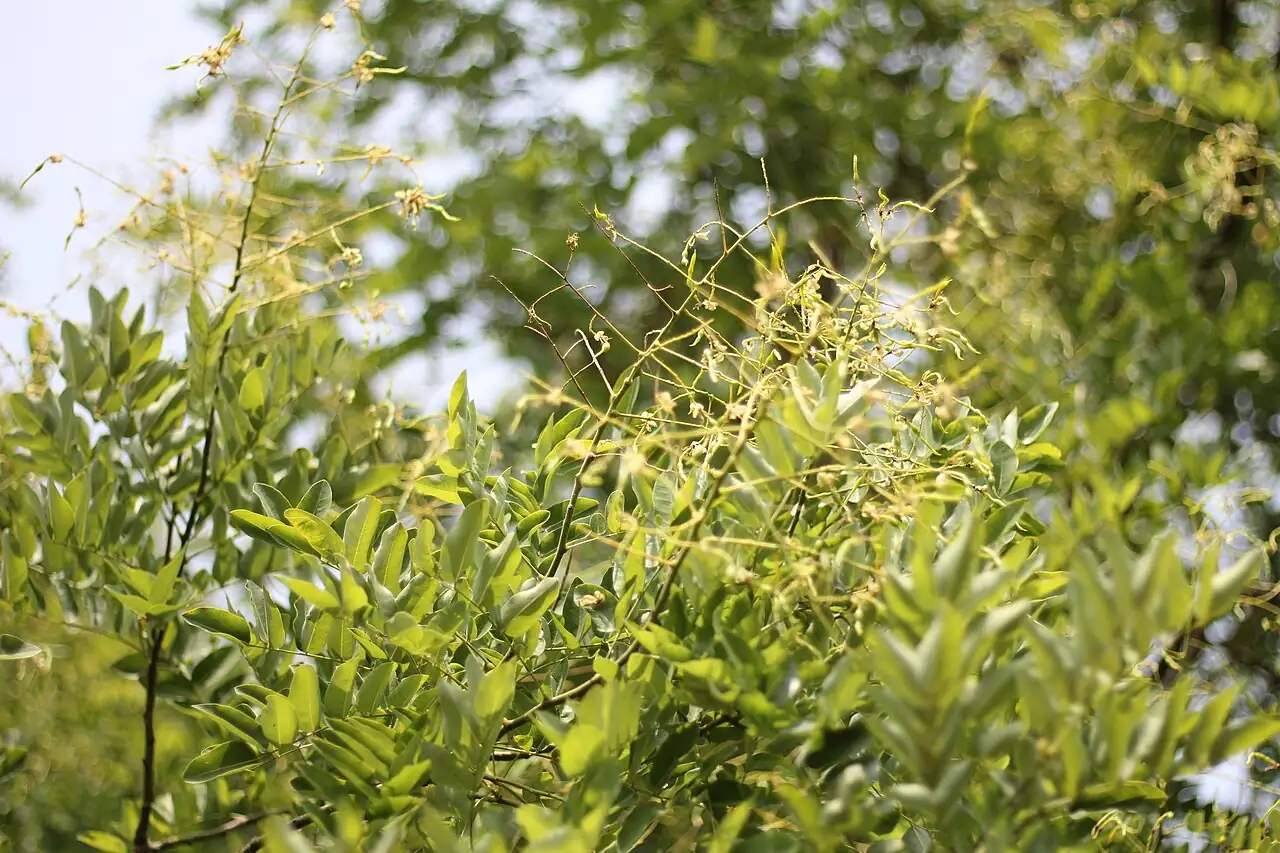
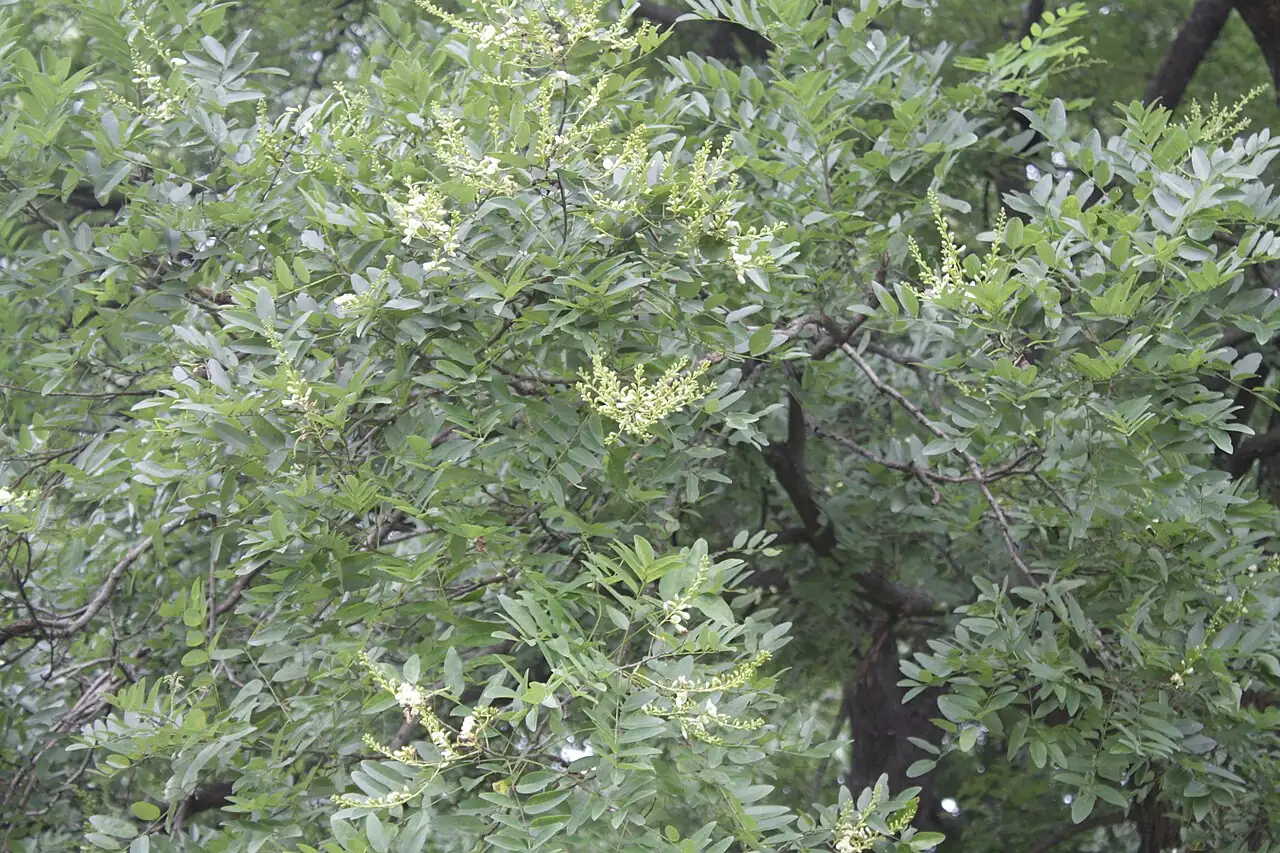
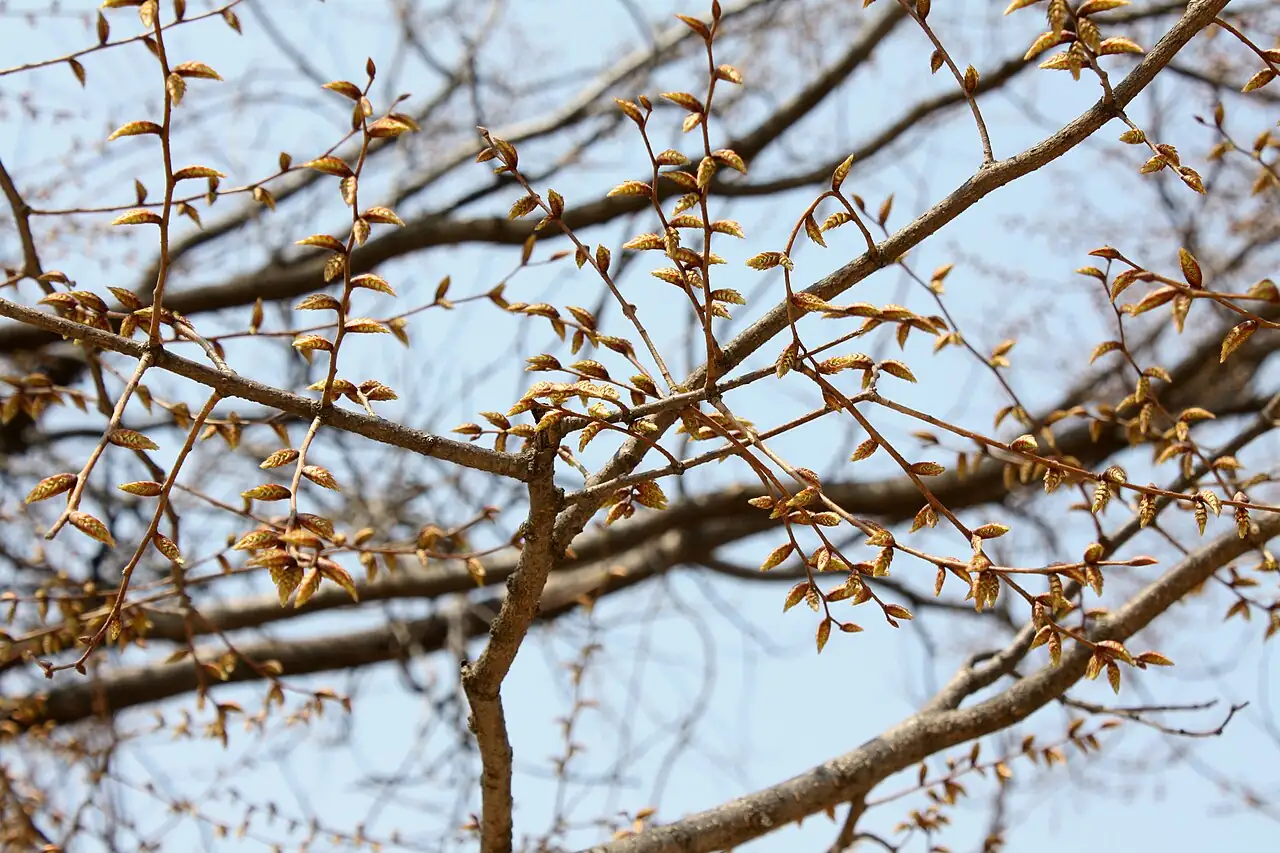
- Foliage: A deciduous tree with a light, feathery canopy. Leaves are odd-pinnate with roughly 7–17 oval to ovate-elliptic leaflets. Older trunks develop dark, deeply furrowed bark, while young shoots are greener and show noticeable lenticels.
- Flower: Large, branched panicles of creamy-white to pale yellow, pea-like flowers in summer. After blooming, fleshy pods form that usually do not split open; they become constricted between seeds, creating a bead- or necklace-like look. Seeds are kidney-shaped.
- Flowering Season: June–August
- Growth Habit: Upright, deciduous shade tree with a strong, deep root system. Responds well to structural pruning and has good resprouting/regrowth ability after cutting or damage.
Environment
Sunlight
Full sun to light shade; flowers best and develops a denser crown in full sun.
Temperature
Prefers a dry, cool-temperate climate but is adaptable and can handle hot, humid summers once established. A typical active-growth comfort range is about 15–30°C (59–86°F).
Humidity
Adaptable; tolerates humidity (including hot, humid summers) as long as the soil drains reasonably well.
Soil
Very adaptable. Grows in many soil types and tolerates slightly alkaline conditions. Mildly salt tolerant; reports note normal growth at about 0.15% soil salt content (approximately 1.5 g/kg). Avoid persistently waterlogged sites.
Placement
Best used where it has room to become a true shade tree: streets, campuses, parks, and large gardens. Give adequate space for its mature crown spread and avoid very narrow planting strips.
Hardiness
Generally suitable for USDA Zone 4–8 (about −34 to −7°C / −30 to 20°F), depending on local conditions and plant provenance. Notably tolerant of urban air pollution (including smoke and sulfur dioxide).
Care Guide
Difficulty
Easy: a famously adaptable tree that handles sun, some shade, drought once established, mildly saline/alkaline soils, and heavy urban pollution. Strong regrowth after pruning or minor damage.
Buying Guide
Pick a tree with a clear, well-formed leader (unless you’re training a different form), evenly spaced scaffold branches, and no trunk wounds. Avoid pot-bound plants with circling roots; check that the root flare is visible and not buried. If your area has extreme winters or very humid summers, choose region-tested stock or cultivars.
Watering
For the first 1–2 growing seasons, water deeply whenever the top 5–8 cm (2–3 in) of soil dries out. Once established, it is fairly drought-tolerant, but occasional deep watering during long hot/dry spells supports better flowering and canopy health. Do not keep soil constantly soggy.
Fertilization
Usually needs little feeding. If growth is weak, use a balanced, slow-release fertilizer in spring at label rates. Avoid heavy nitrogen, which can push leafy, soft growth and reduce flowering.
Pruning
Prune in late winter to early spring to build strong structure and provide clearance for sidewalks/streets. Remove dead, damaged, or crossing branches. Avoid heavy summer pruning when possible. Make clean cuts; do not top the tree.
Propagation
Most commonly grown from seed. Because seeds have a hard coat, scarify (nick the seed coat) or use a hot-water soak before sowing in spring. Named ornamental selections are typically grafted or budded to keep traits true.
Repotting
Not relevant for established in-ground trees. For container-grown young plants, pot up in spring and correct circling roots; plant out when practical because this species performs best when it can develop a deep root system.
📅 Seasonal Care Calendar
Key seasonal rhythm: flowers from June–August; pods develop and mature around September–October. Winter (dormant season) is the preferred time for structural pruning.
Pests, Diseases & Safety
Common Pests & Diseases
Generally sturdy. Possible pests include aphids, scale insects, and caterpillars; manage early with horticultural soap/oil and by supporting beneficial insects. Poor drainage can stress roots and contribute to dieback/cankers—prioritize well-drained soil and avoid trunk wounds.
Toxicity
No specific toxicity concerns were indicated in the provided source. The flowers are traditionally used (food/herbal/dye), but only use plant parts with correct identification and in moderation, and be cautious with allergies or sensitivities.
Culture & Symbolism
Symbolism: Often associated in Chinese culture with scholarship, dignity, and the calm, steady presence of old courtyard and street trees—fitting its long use around temples, campuses, and traditional streetscapes.
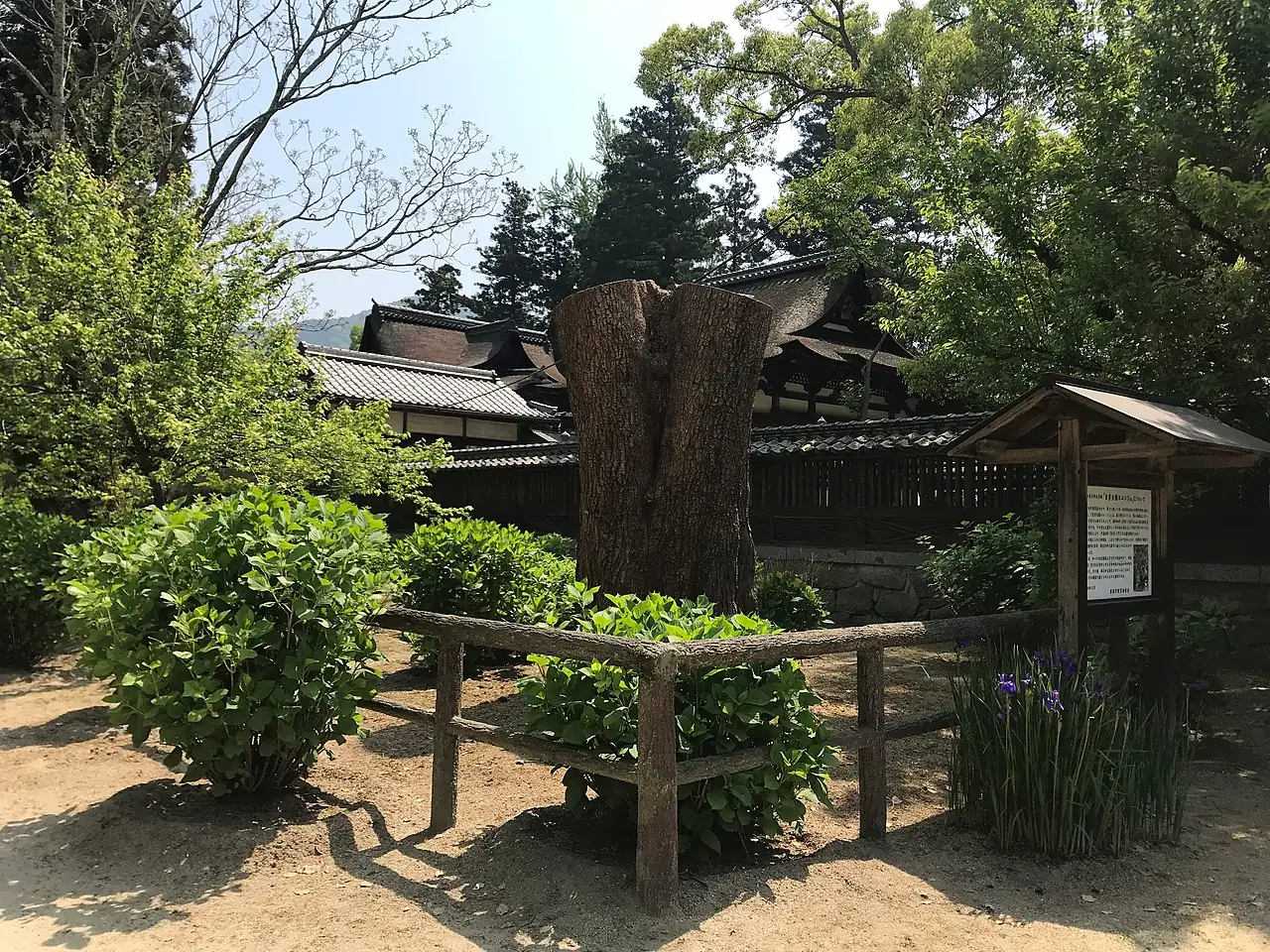
History & Legends: Long cultivated in China and widely planted in northern cities; its enduring presence as a street and courtyard tree has made it a familiar ‘everyday landmark’ across the North China Plain and the Loess Plateau.
Uses: Widely used as a street, avenue, and shade tree thanks to its toughness and pollution tolerance. An important nectar source for bees during summer. Flowers have traditional uses as food, herbal material, and a natural dye.
FAQ
Why is it so commonly planted as a street tree?
It’s tolerant of drought, a wide range of soils (including mildly alkaline or lightly saline sites), and urban air pollution—yet still grows into a generous shade canopy and flowers reliably in summer.
When does it flower and set pods?
It typically flowers from June to August, and the pods usually mature from September to October.
Fun Facts
- Despite the common name, it’s native to northern China and became widely planted far beyond its natural range.
- Its summer flowering makes it valuable for pollinators when many spring-flowering trees have already finished.
- The pods often look like a string of beads because they narrow between seeds and usually don’t split open.
- It’s known for strong tolerance of urban air pollution, including smoke and sulfur dioxide.
- Mild salinity tolerance is reported, with normal growth observed around 0.15% soil salt content (about 1.5 g/kg).
- Deep roots and good regrowth after cutting help it cope with tough city conditions.


