

Plant Features
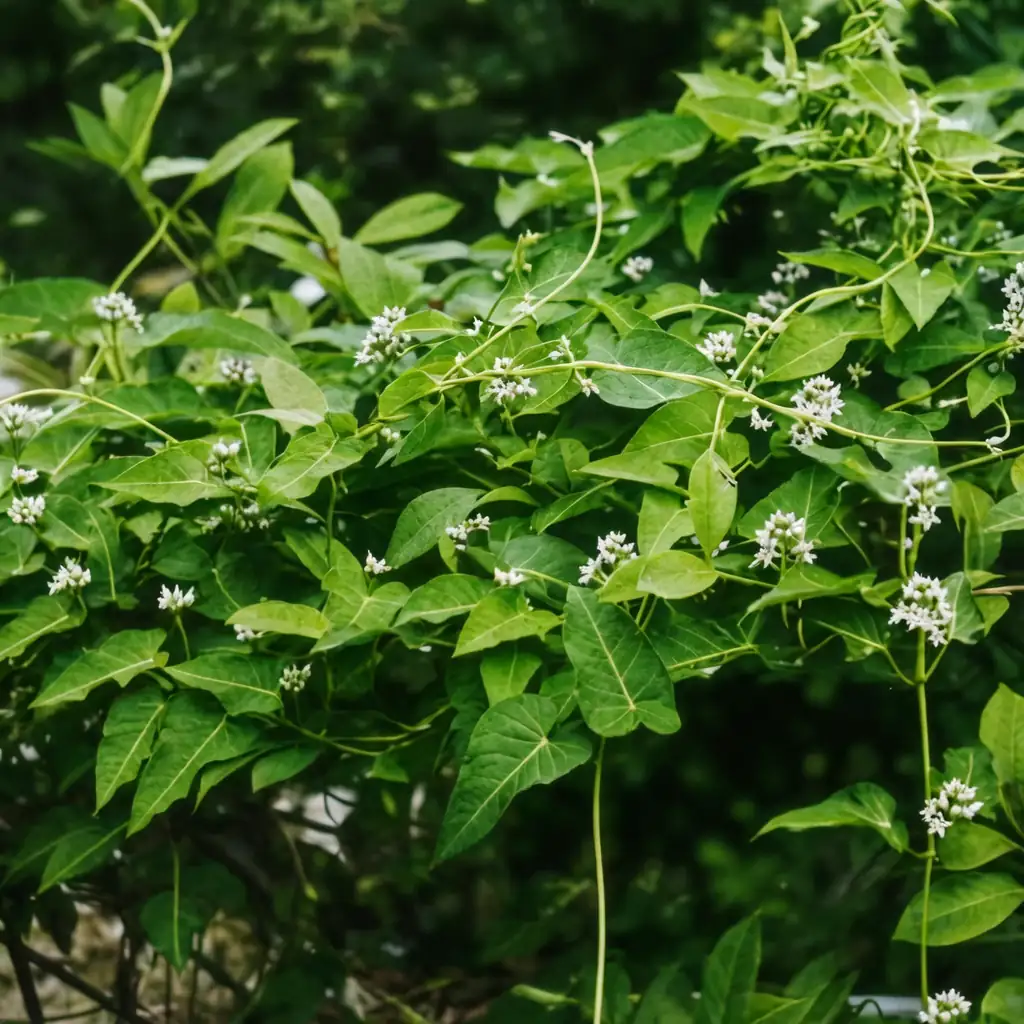
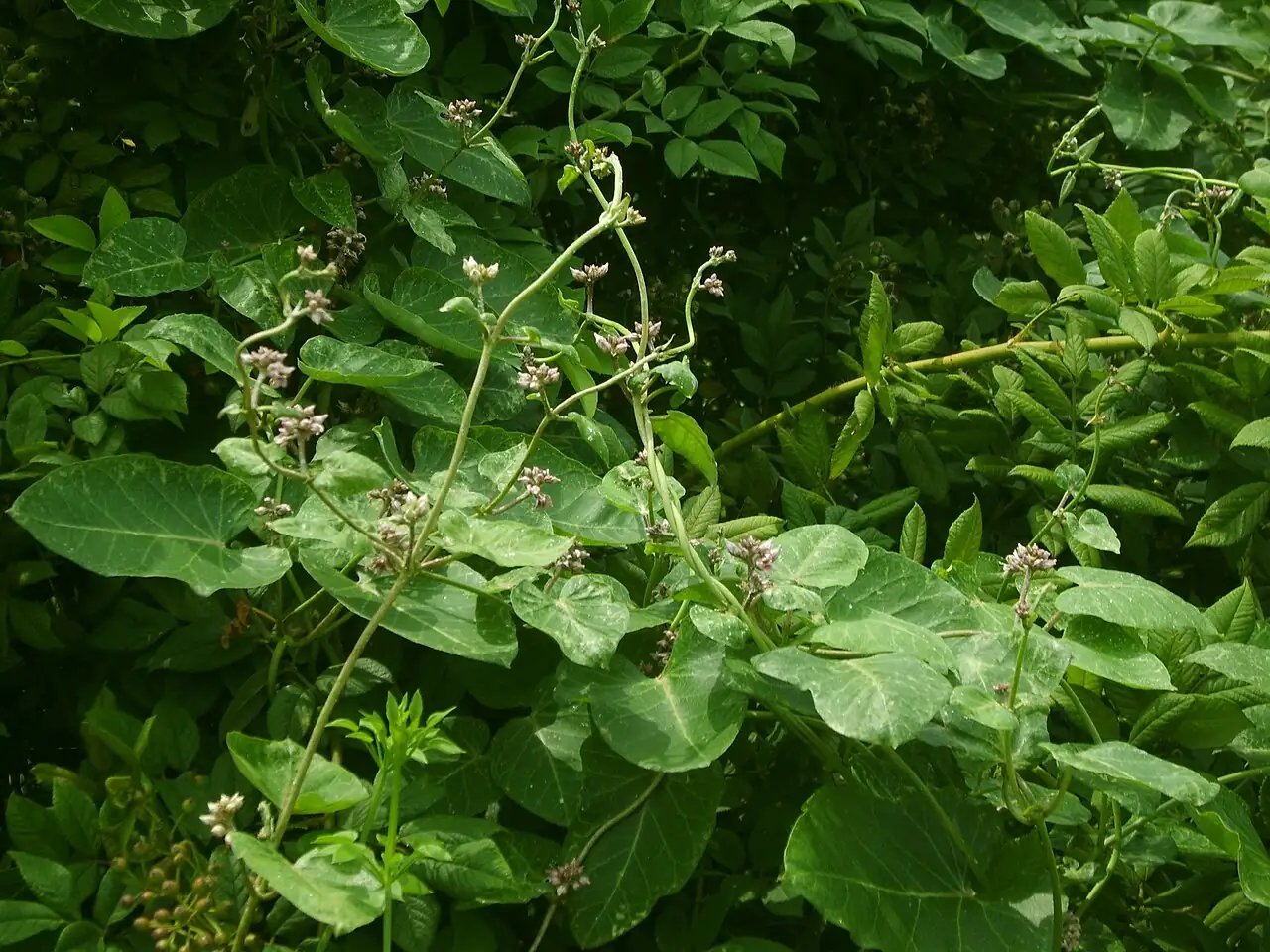
- Size: A twining vine; stems commonly reach about 1–3 m (3–10 ft) long in suitable conditions.
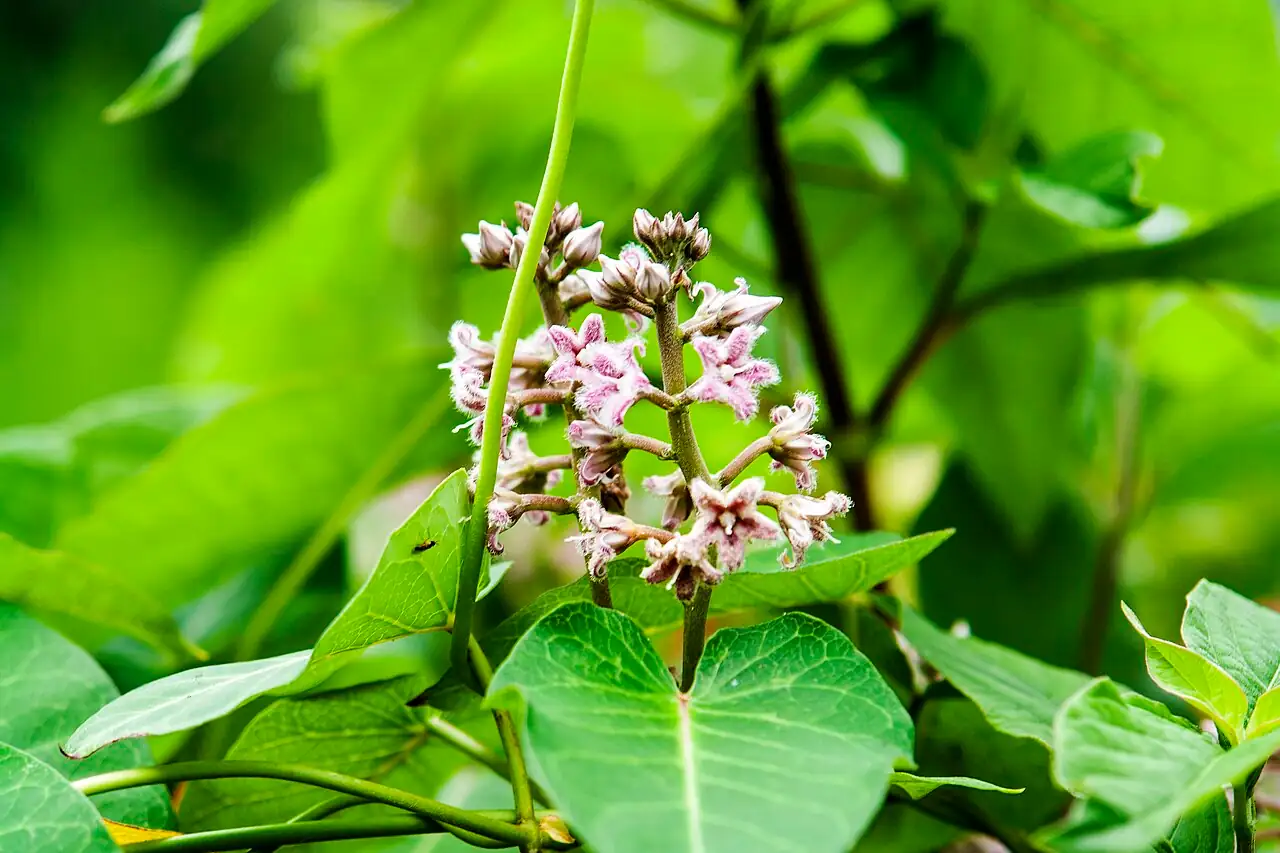
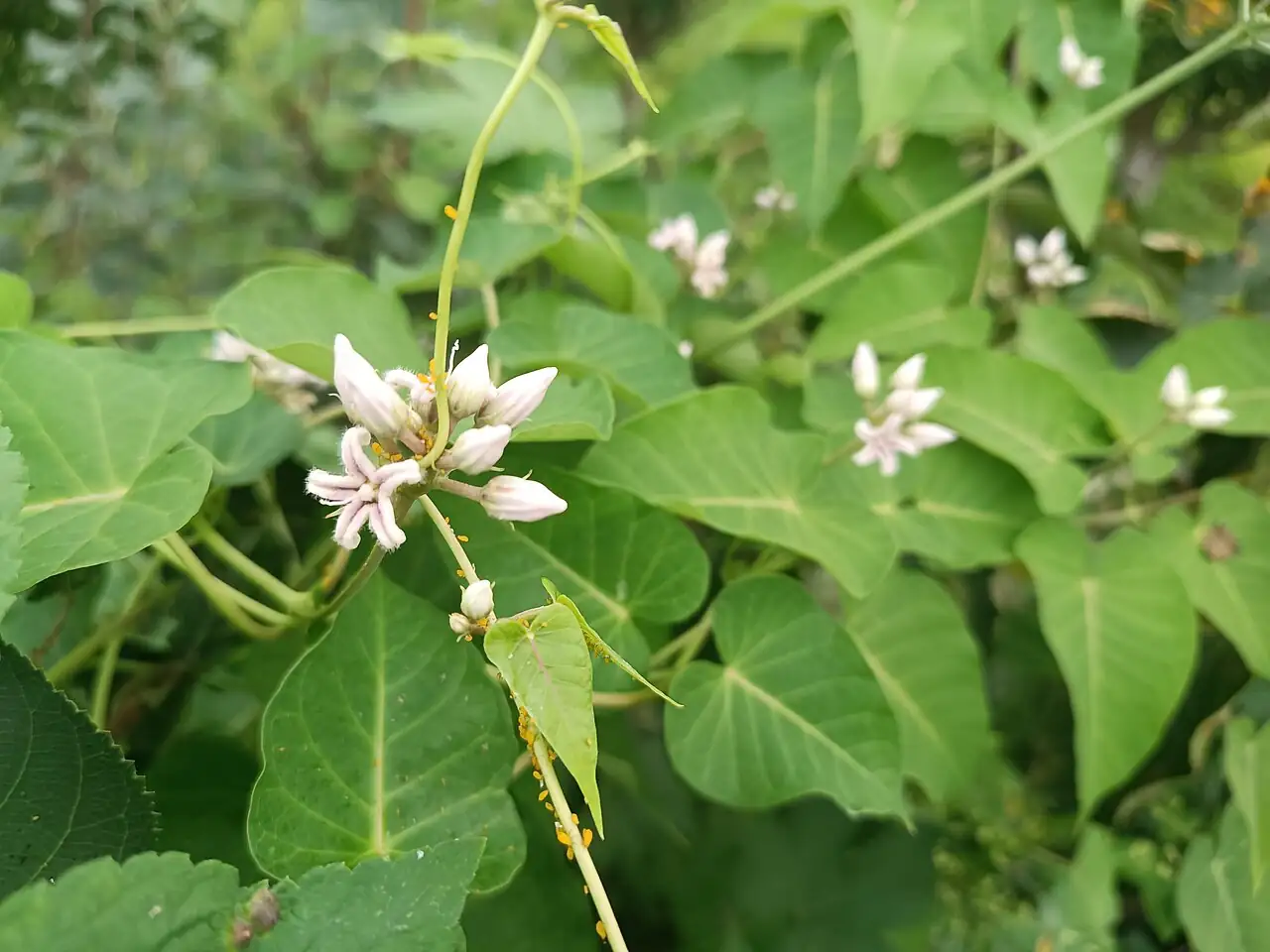
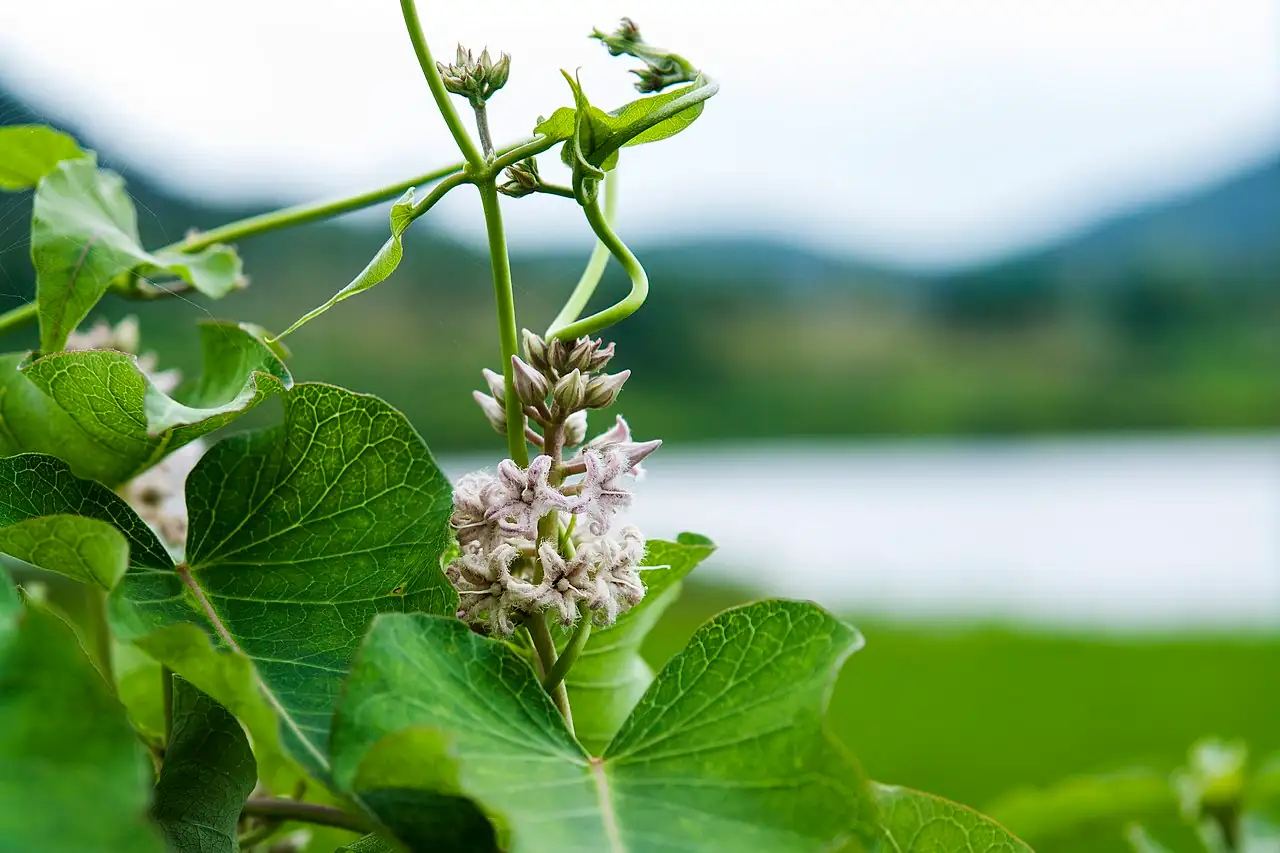
- Foliage: Leaves are opposite, broadly ovate to heart-shaped, and typically smooth (hairless), with the undersides often paler—pale green to gray-green. Young stems may show short, soft hairs. Like many milkweed relatives, the plant contains milky latex.
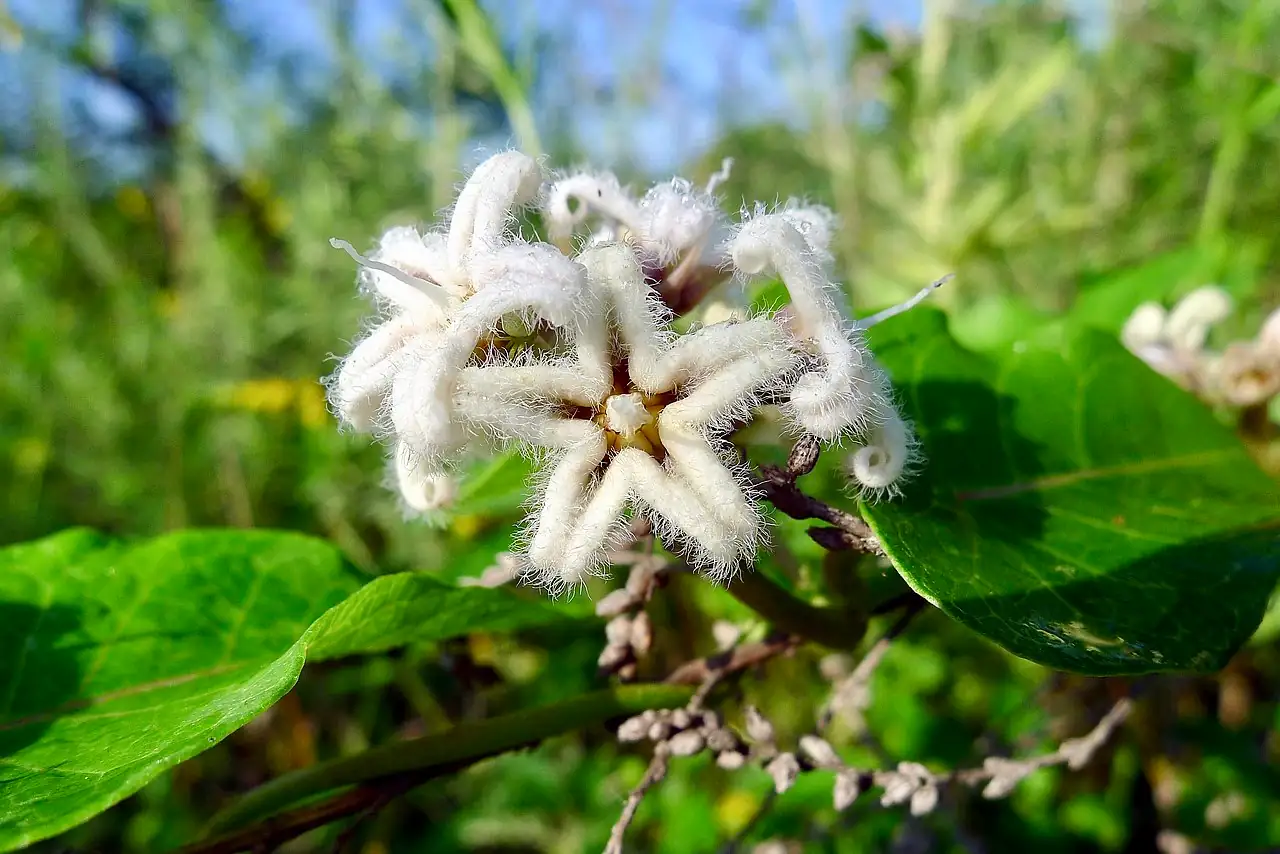
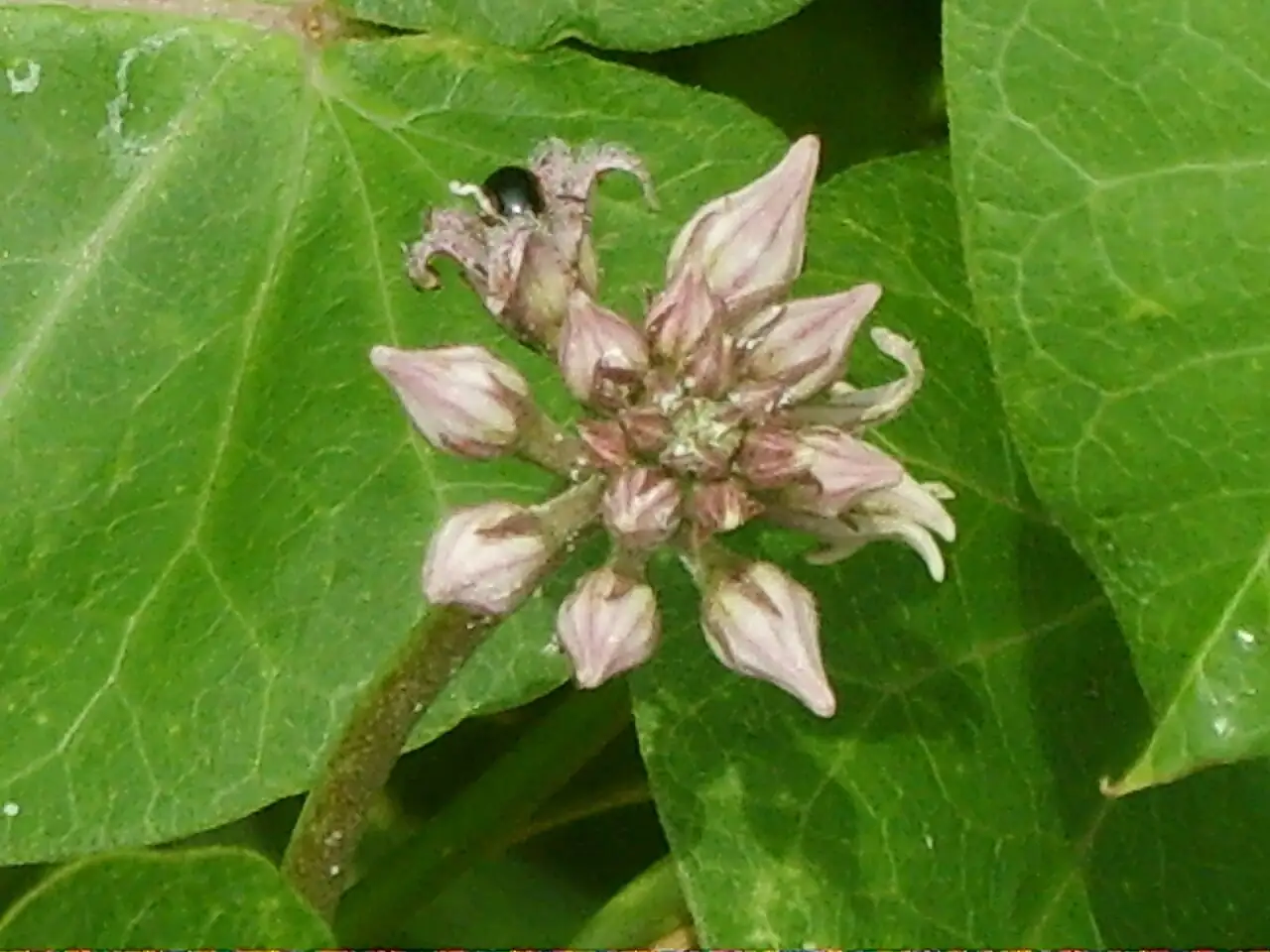
- Flower: Flowers appear in axillary clusters (raceme- or cyme-like) during summer. The fruits are elongated follicles, often described as egg-shaped to horn-like; when mature they release brown seeds, each tipped with a tuft of silky white hairs for wind dispersal.
- Flowering Season: July–August
- Growth Habit: Perennial herbaceous twining vine (climber).
Environment
Sunlight
Full sun to partial shade; best flowering and pod set with at least 6 hours of sun.
Temperature
Prefers warm growing conditions; best growth around 18–28°C (64–82°F). It is generally cold-tolerant for a temperate vine, though severe, prolonged freezes can cause damage.
Humidity
Moderate to high humidity suits it well, reflecting its riverside origins. Once established, it can also cope with drier air and short drought periods.
Soil
Deep, fertile, well-drained soil is ideal. It tolerates a range of soil types as long as drainage is good (avoid waterlogged conditions).
Placement
Outdoors on a trellis, fence, or pergola; also works naturalized along edges of scrub or in wildlife-friendly gardens where the autumn pods can be enjoyed into early winter.
Hardiness
Cold-tolerant; exact USDA hardiness can vary by local ecotype. As a practical guideline, treat it as suitable for cool-temperate regions and protect from severe, prolonged freezes.
Care Guide
Difficulty
Moderate: a vigorous twiner that’s adaptable once established, but it needs support and benefits from occasional training and monitoring.
Buying Guide
Pick plants with firm, unblemished leaves and healthy new growth. Avoid vines with sticky residue, webbing, or obvious pests. In pots, check that roots aren’t densely circling (a sign it’s been container-bound too long).
Watering
During establishment, water regularly to keep soil evenly moist. After it’s rooted in, water when the top 2–5 cm (1–2 in) of soil dries. It can tolerate short dry spells, but growth and flowering are best with steady moisture.
Fertilization
Feed lightly in spring and early summer with a balanced fertilizer (slow-release or half-strength liquid) every 4–6 weeks. Avoid heavy nitrogen, which can push leafy growth at the expense of flowers and pods.
Pruning
Prune in late winter or early spring to manage size and encourage fresh, vigorous shoots. Remove tangled, weak, or dead stems, and guide healthy stems onto a sturdy support.
Propagation
Seed is the most straightforward: sow when fresh, and remove the silky tuft for easier handling. Softwood cuttings in late spring to summer can also work, especially with high humidity and gentle warmth.
Repotting
If grown in containers, repot every 1–2 years in spring into a pot 2–5 cm (1–2 in) wider, refreshing the potting mix and ensuring excellent drainage.
📅 Seasonal Care Calendar
Spring: provide support, prune as needed, and start light feeding. Summer: keep moisture consistent and watch for sap-sucking pests. Autumn: enjoy and photograph pods; collect seed if desired. Winter: reduce watering; prune before spring growth begins.
Pests, Diseases & Safety
Common Pests & Diseases
Aphids, spider mites, and scale insects may appear, especially in hot, dry conditions. Improve airflow, rinse pests off with water, or use insecticidal soap if needed. Root problems can occur in waterlogged soil—good drainage is the best prevention.
Toxicity
The milky latex can irritate skin and eyes. Wear gloves when pruning or taking cuttings, wash hands after handling, and keep the plant out of reach of children and pets.
Culture & Symbolism
Symbolism: Not strongly standardized in Western flower lore, but many gardeners value it as a symbol of resilience and seasonal drama—summer flowers followed by striking autumn pods.
History & Legends: No widely recorded legends in common English references; it is most often noted for its traditional usefulness as a fiber plant in parts of its native range.
Uses: Grown as an ornamental climber for summer bloom and decorative pods. Stem-bark fibers have been used to make an artificial cotton-like material.
FAQ
Why does it ooze white sap when cut?
That’s milky latex, common in the milkweed family. It’s normal, but it can irritate skin and eyes—handle with care and wash up afterward.
Can it handle dry conditions?
It prefers moist soil, especially while establishing, but once well-rooted it can tolerate short dry spells. For the best flowering and pods, keep watering fairly consistent.
Fun Facts
- The plant produces milky latex, a classic milkweed-family trait.
- It typically flowers in mid-summer (July–August) and forms pods from early autumn into winter (often around September–December).
- Each seed carries a silky white tuft that helps it drift on the wind.
- Fibers from the stem bark have been used to make a cotton-like material.
- In nature it’s commonly seen along riversides, roadsides, scrub, and other disturbed ground.


