Plant Features
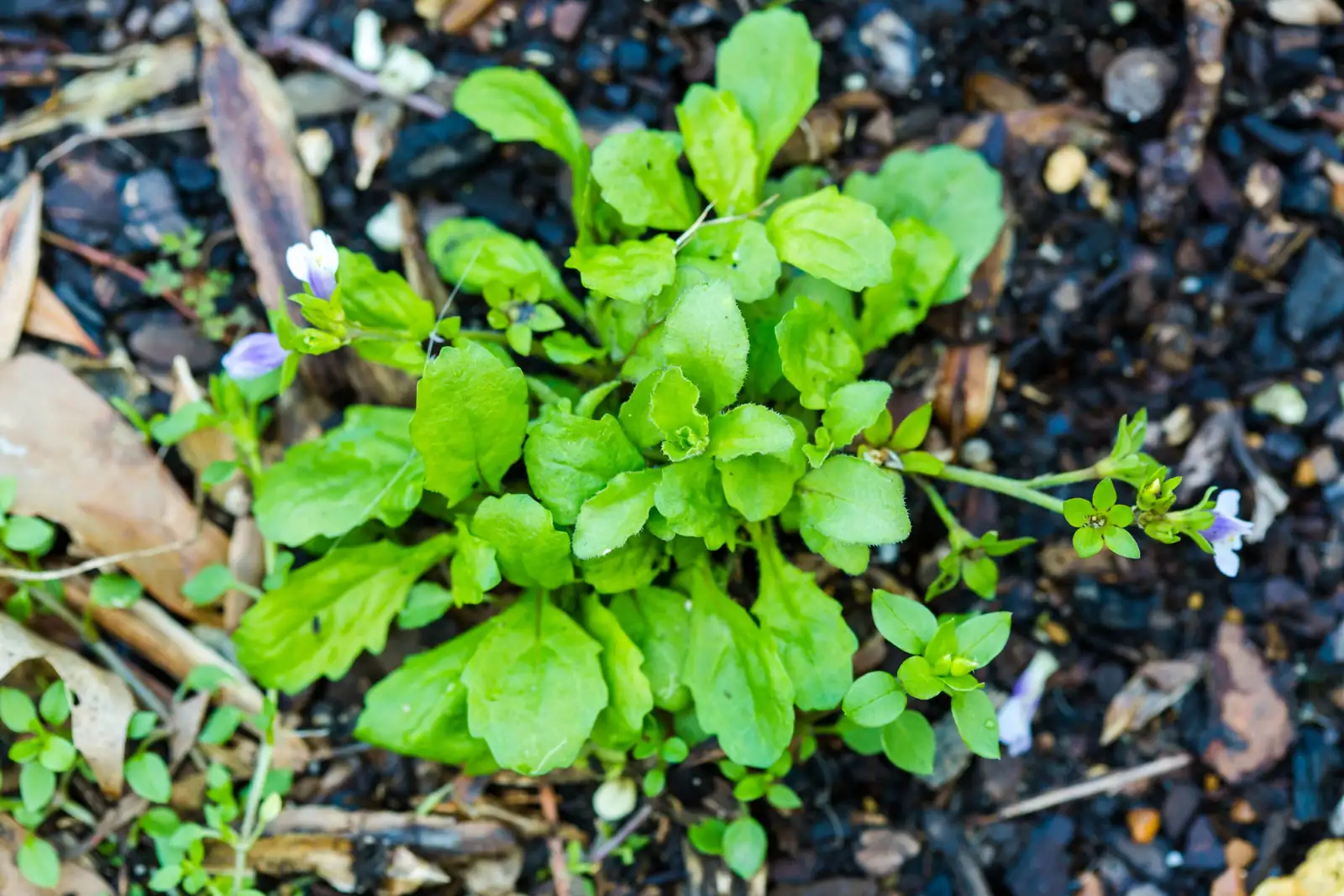
- Size: Height about 3–30 cm (1–12 in); spreads outward by creeping stems to form low mats.
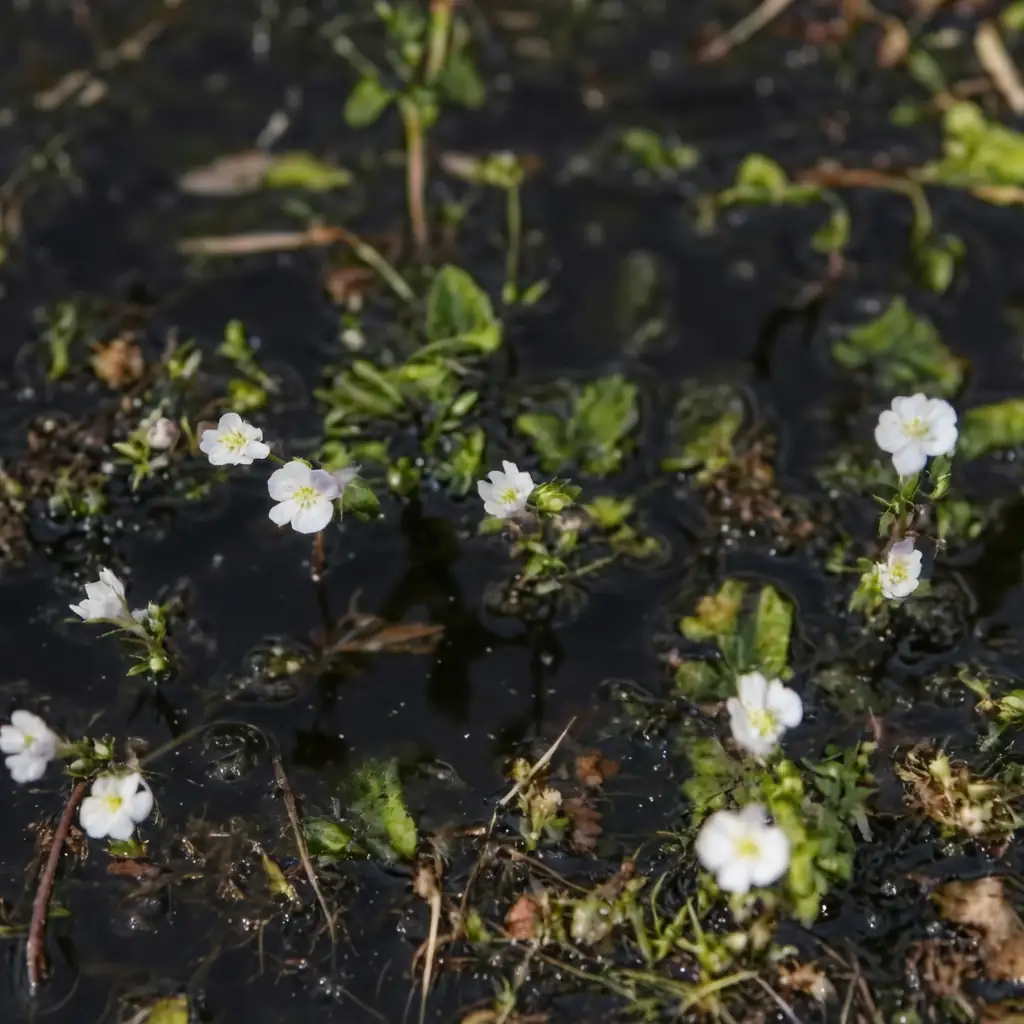
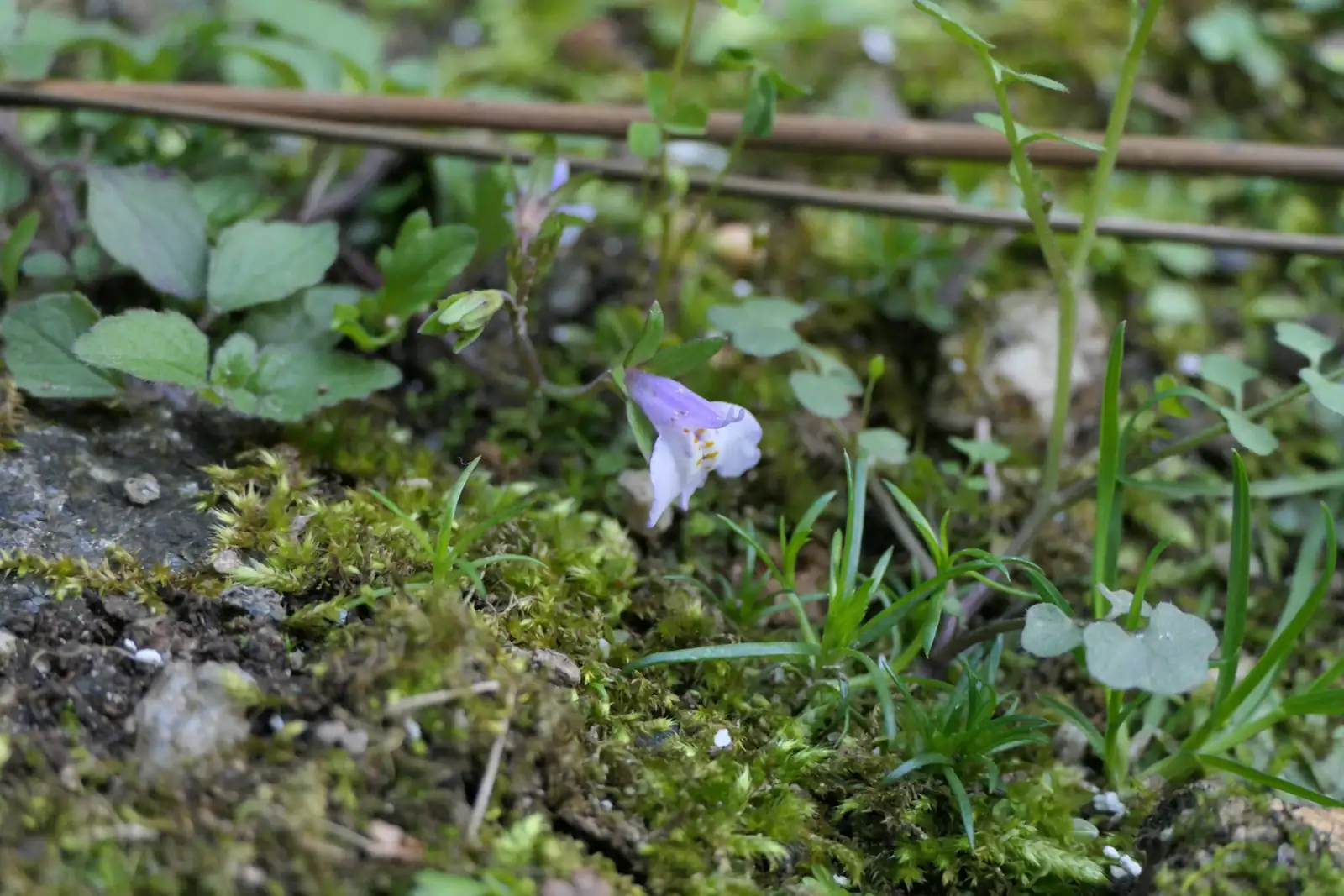
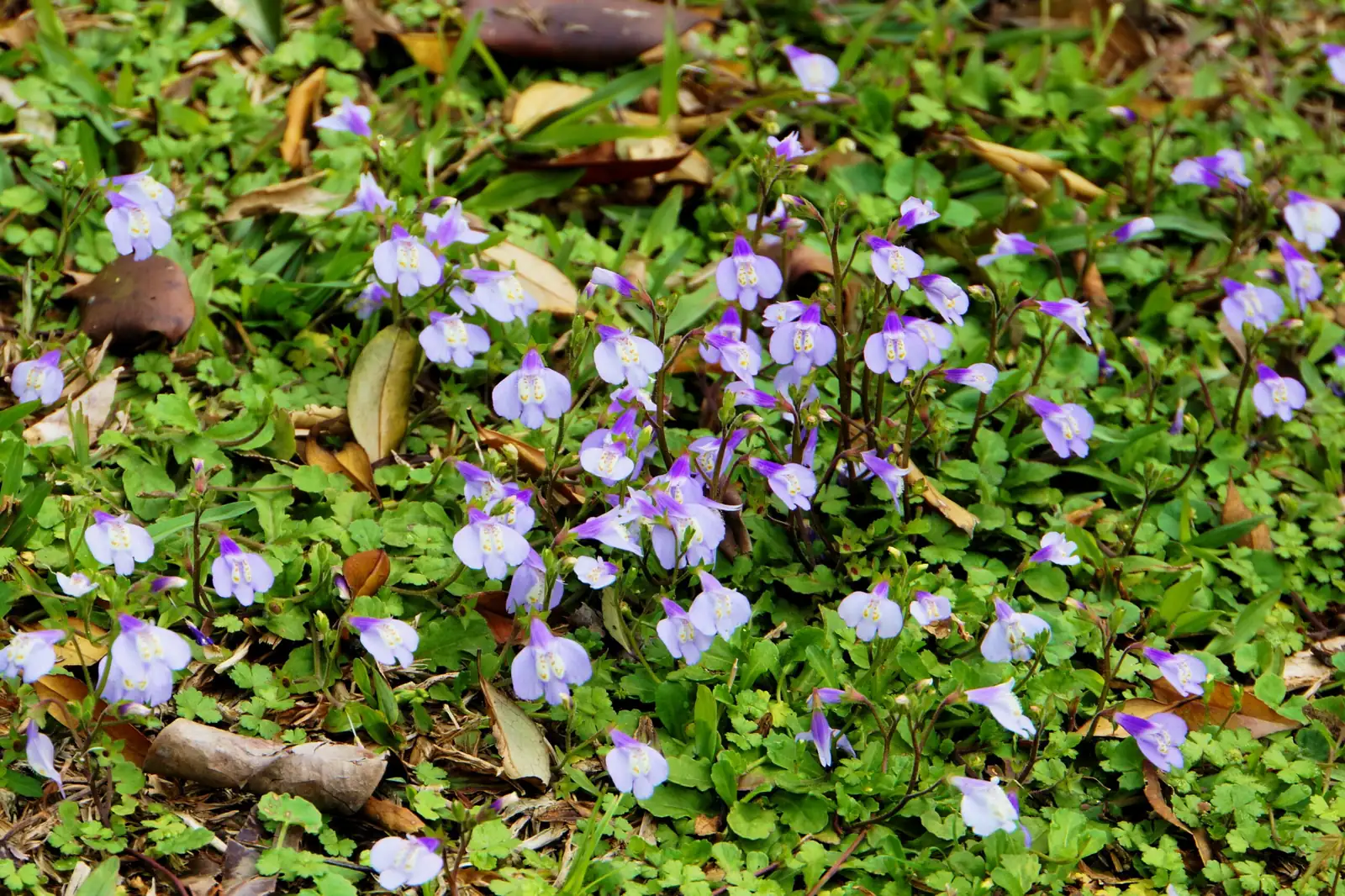
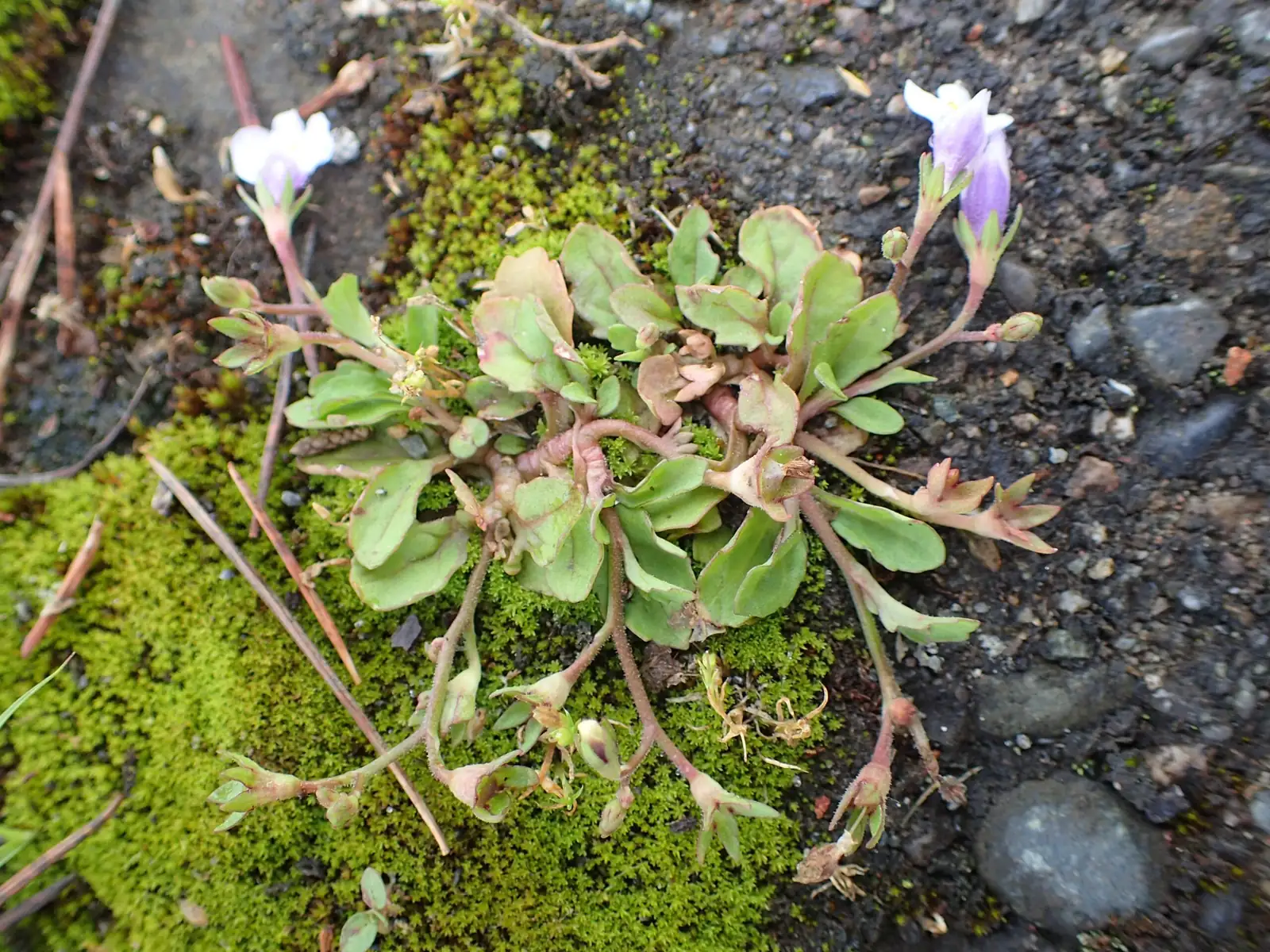
- Foliage: A dense, close-to-the-ground carpet of small green leaves on trailing stems, forming a tidy mat that can fill in around stones and along edges.
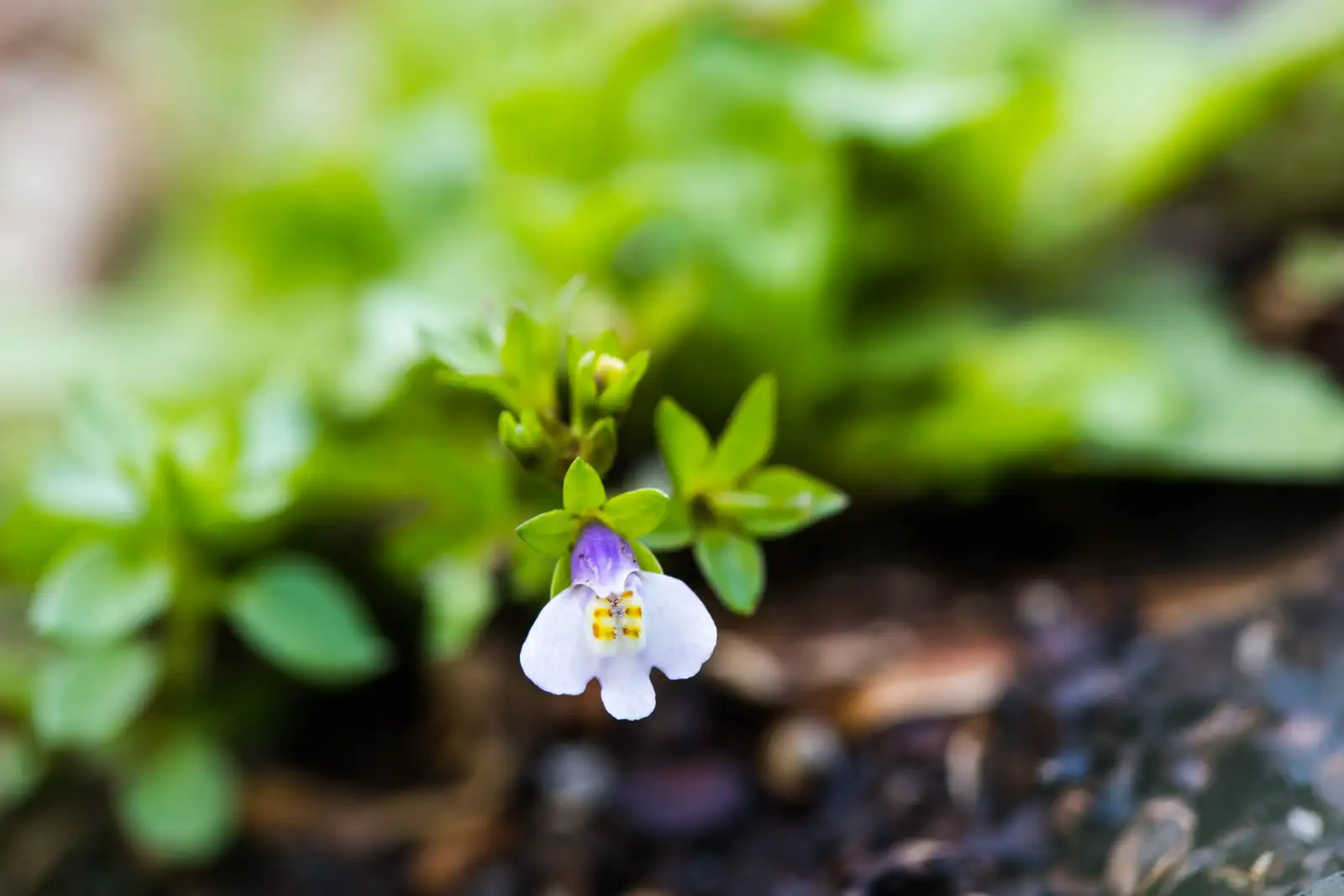
- Flower: Small, showy, snapdragon-like flowers appear in short clusters (racemes) at the tips of stems/branches and can sit surprisingly close to the plant’s base. A typical cluster holds roughly 3–20 blooms. The calyx is bell-shaped; corollas are commonly white, purple, or blue. After flowering, it forms a round capsule filled with many tiny yellowish seeds.
- Flowering Season: April–October
- Growth Habit: Low-growing, creeping, mat-forming perennial herb; happiest where the soil stays evenly moist.
Environment
Sunlight
Full sun to partial shade; flowers best with brighter light, but appreciates some shade in hot summers.
Temperature
Prefers cool to mild conditions; grows well around 10–25°C (50–77°F).
Humidity
Moist to humid conditions suit it best; avoid prolonged drying.
Soil
Moist but well-drained soil with organic matter; does well in consistently damp garden spots (similar to its natural habitats like ditches and woodland margins).
Placement
Great as a flowering groundcover for borders, path edges, rock gardens, and other moist spots; also fits naturalistic plantings.
Hardiness
Often hardy outdoors in USDA Zones 5–9 (approx.); generally not bothered by typical temperate cold, though container plants benefit from protection from repeated freeze–thaw cycles.
Care Guide
Difficulty
Easy to moderate: very forgiving when kept evenly moist, but can struggle in hot, dry sites.
Buying Guide
Look for plants with dense green foliage and visible new growth. Avoid pots that are bone-dry or plants with widespread yellowing, which often signals drought stress.
Watering
Keep evenly moist, especially while establishing. Water when the top 1–2 cm (0.4–0.8 in) begins to dry. Try not to let the root zone dry out for extended periods.
Fertilization
Light feeder. Use a balanced fertilizer at a diluted rate in spring and early summer (about every 4–6 weeks), or simply top-dress with compost. Avoid heavy feeding, which can lead to soft, floppy growth.
Pruning
Shear or trim lightly after a main bloom flush to neaten the mat and encourage fresh growth. Remove dead, sparse, or damaged patches as needed.
Propagation
Very easy by dividing clumps/mats or by pegging down and rooting creeping stems. Can also be grown from seed once the capsules mature.
Repotting
In containers, refresh the mix and divide when crowded, typically every 1–2 years. Use a moisture-retentive yet well-draining potting mix.
📅 Seasonal Care Calendar
Spring: plant/divide and restart regular watering. Summer: keep moisture consistent; lightly shear if it gets leggy. Autumn: enjoy late blooms; ease off fertilizer. Winter: low care where hardy; protect containers from repeated freeze–thaw.
Pests, Diseases & Safety
Common Pests & Diseases
Usually trouble-free. In stagnant, overly wet conditions it can rot. Slugs and snails may chew foliage in damp gardens.
Toxicity
Not widely reported as toxic to people or pets. Still, treat it as non-edible and discourage chewing as a general precaution.
Culture & Symbolism
Symbolism: Often linked with quiet resilience and gentle beauty—small, low to the ground, yet blooming for months.
History & Legends: A familiar wildflower of damp habitats across East Asia (Japan, China, Korea) that has also become a widely grown ornamental groundcover.
Uses: Mainly ornamental: valued for its mat-forming habit, long bloom period, and usefulness as edging or for filling moist, tricky garden spaces.
FAQ
Can Japanese mazus be used as a lawn substitute?
In small areas it can work as a low groundcover, but it isn’t as tough under heavy foot traffic as turfgrass. Once established, occasional walking over it is usually fine.
Why is my plant thinning out?
Most often it’s drying out. Water more consistently, add organic matter to help the soil hold moisture, and give it partial shade in very hot climates.
Fun Facts
- In nature it often grows in damp places like grassy slopes, ditches, roadsides, and woodland edges—basically a clue that it loves consistent moisture.
- Each flower cluster commonly carries about 3–20 blooms, and the flowers can appear close to the base of the plant.
- It makes a round seed capsule packed with many tiny yellowish seeds.
- Because it stays low and spreads, it’s a practical way to add flowers where taller plants would look messy—like along paths and between stepping stones.
- Flowering (and even fruiting) can run from April to October, giving it an impressively long season of interest.