

Plant Features
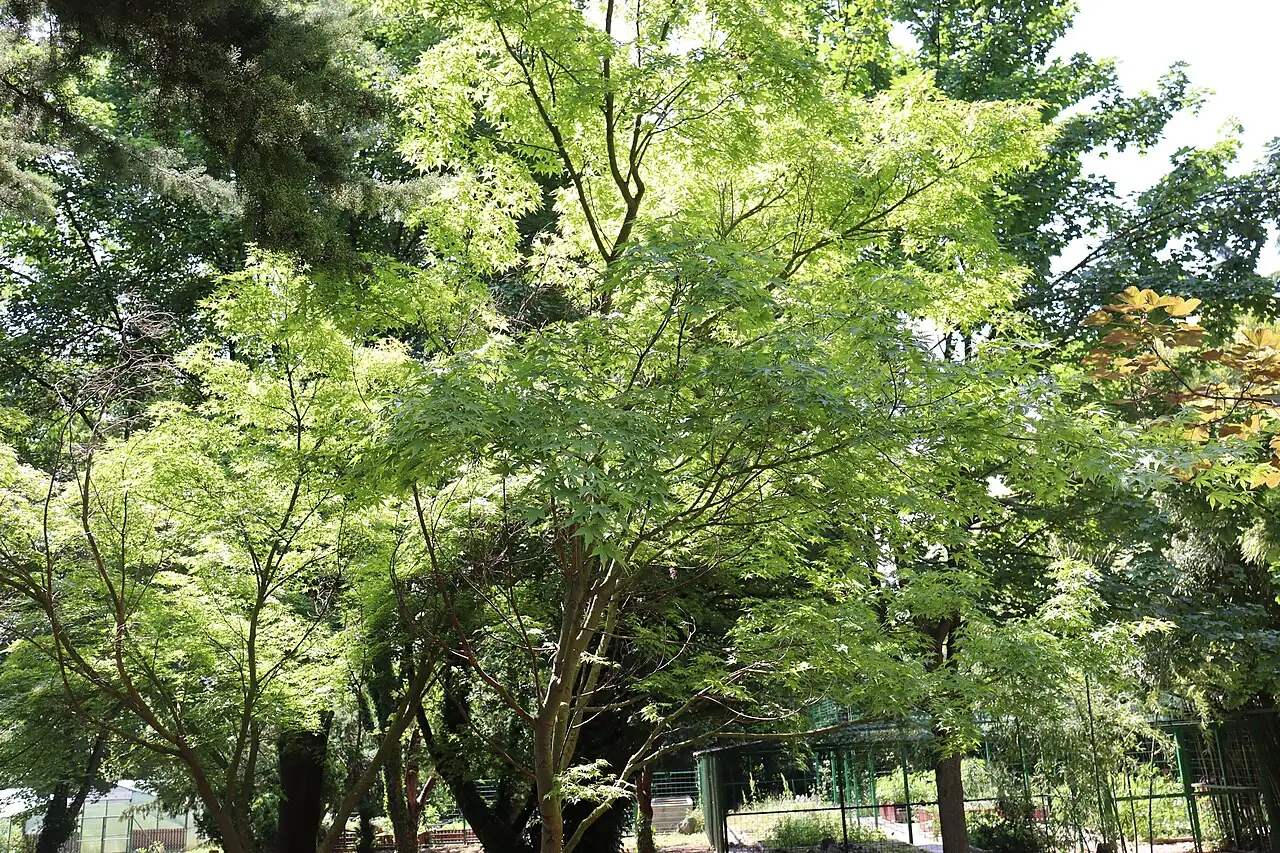
- Size: Commonly around 4 m (13 ft) tall in gardens, but mature size varies a lot by cultivar—often about 4–10 m (13–33 ft) tall with a similar spread.
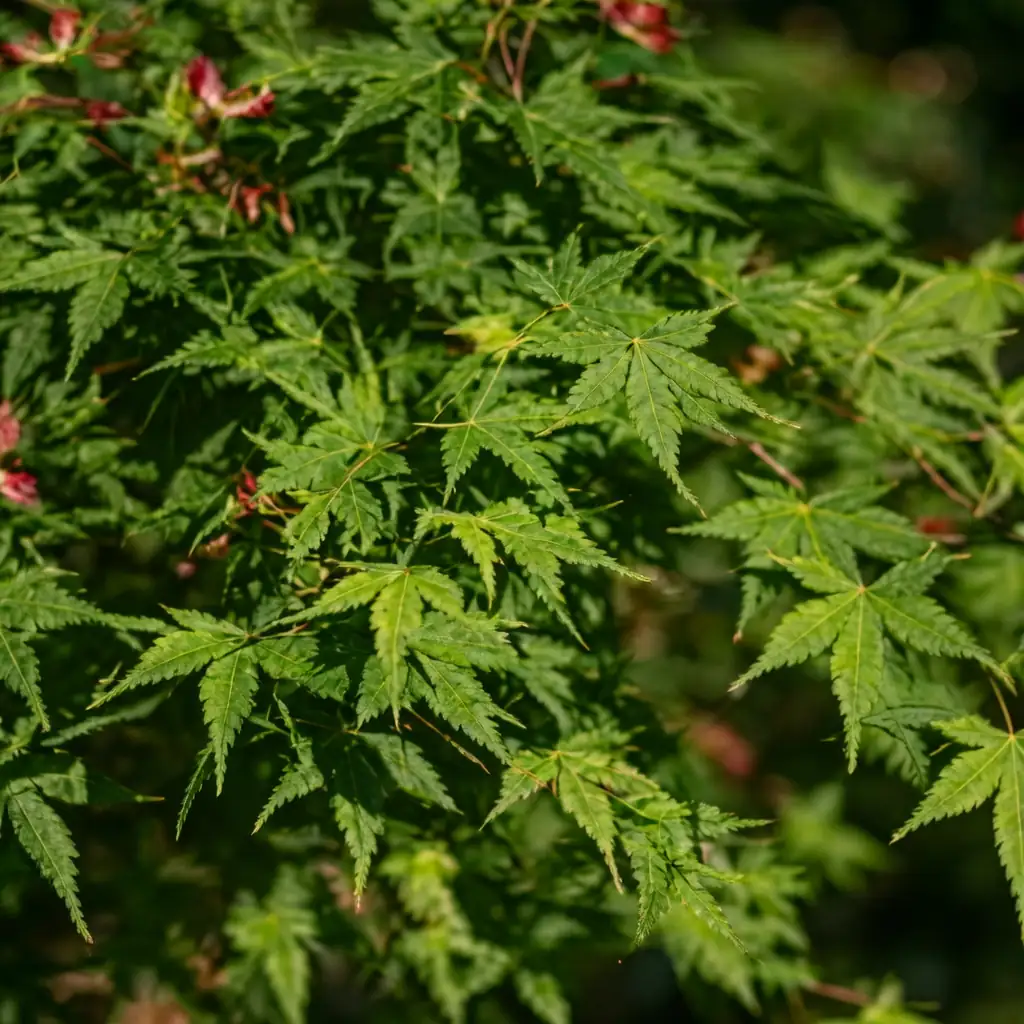
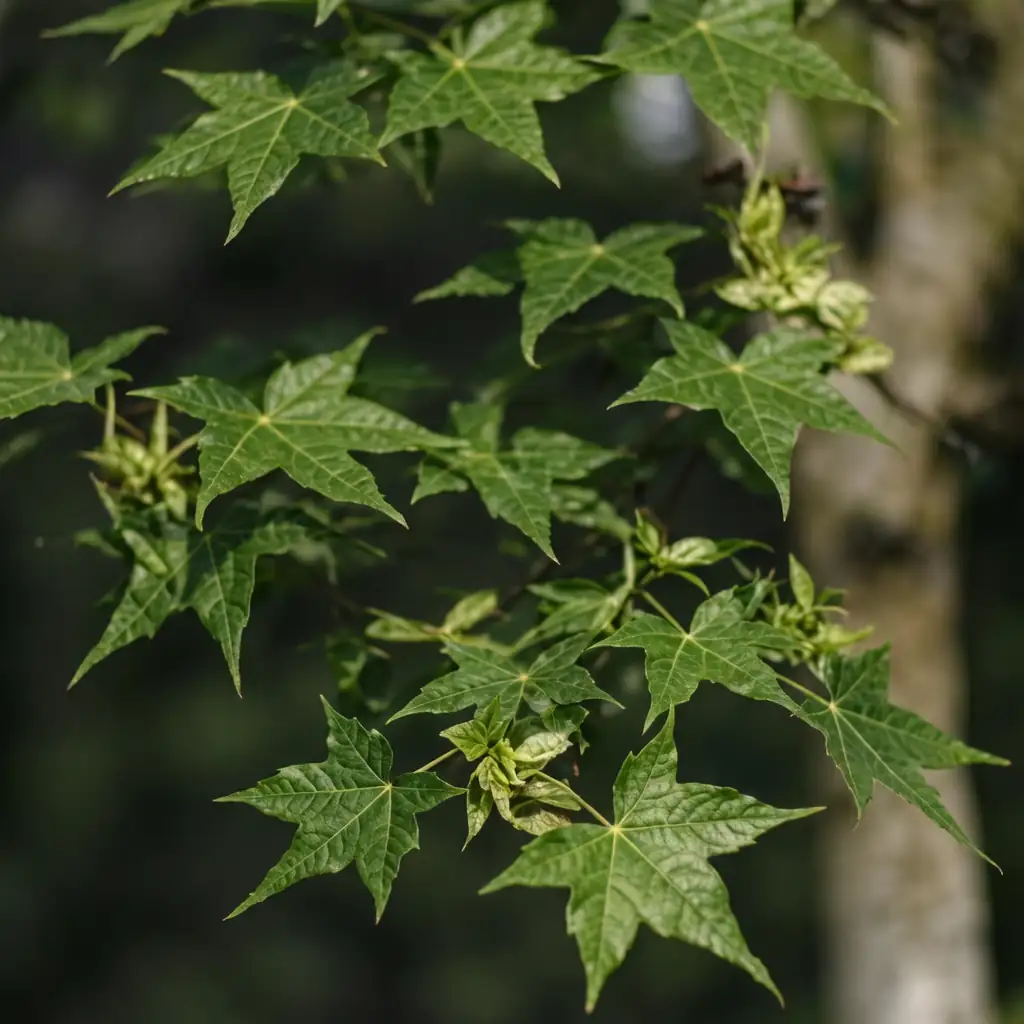
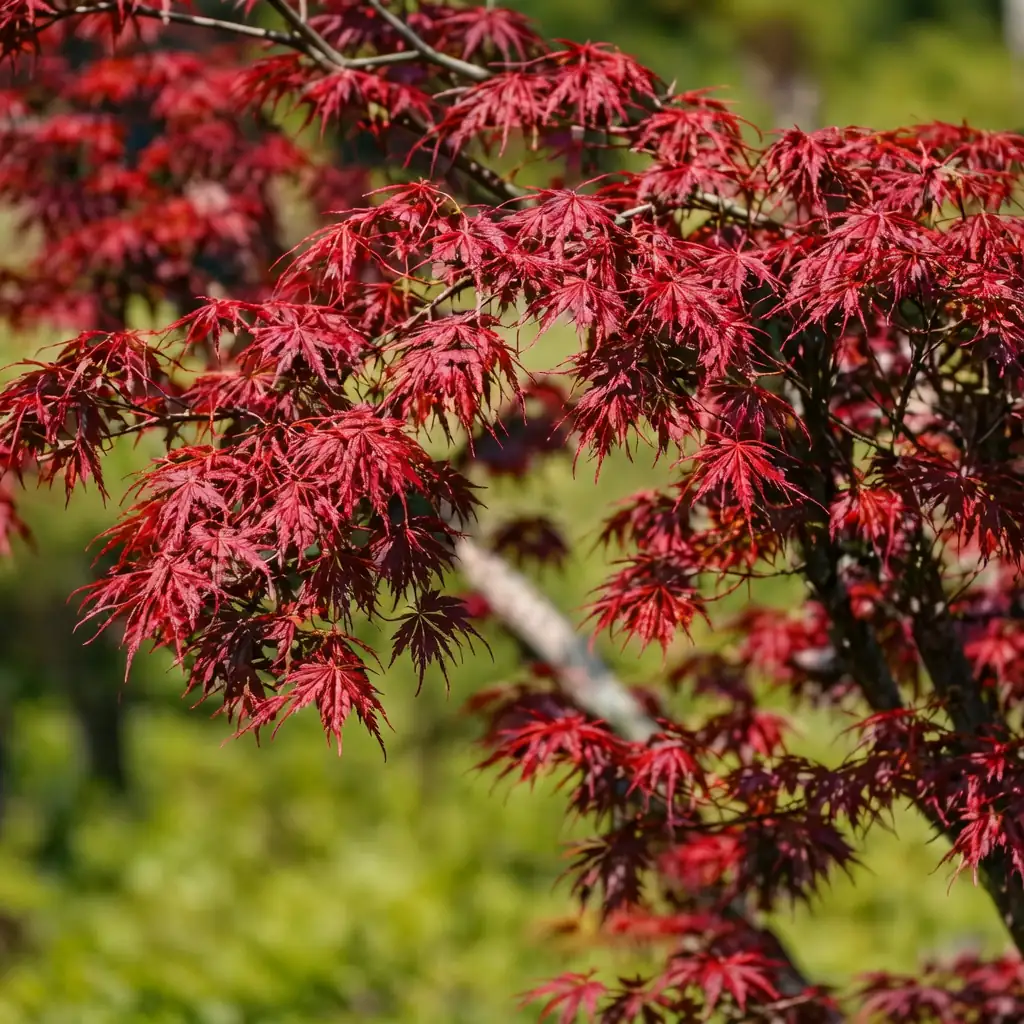
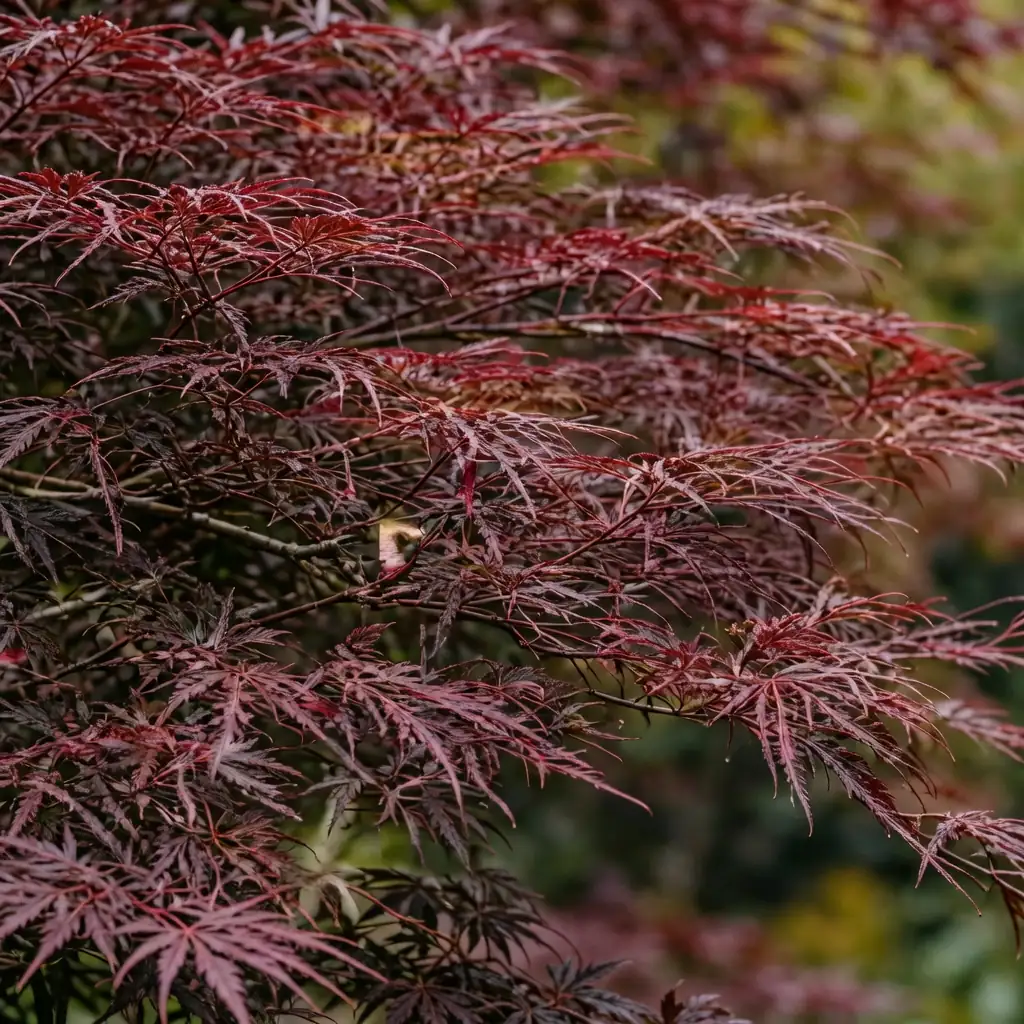
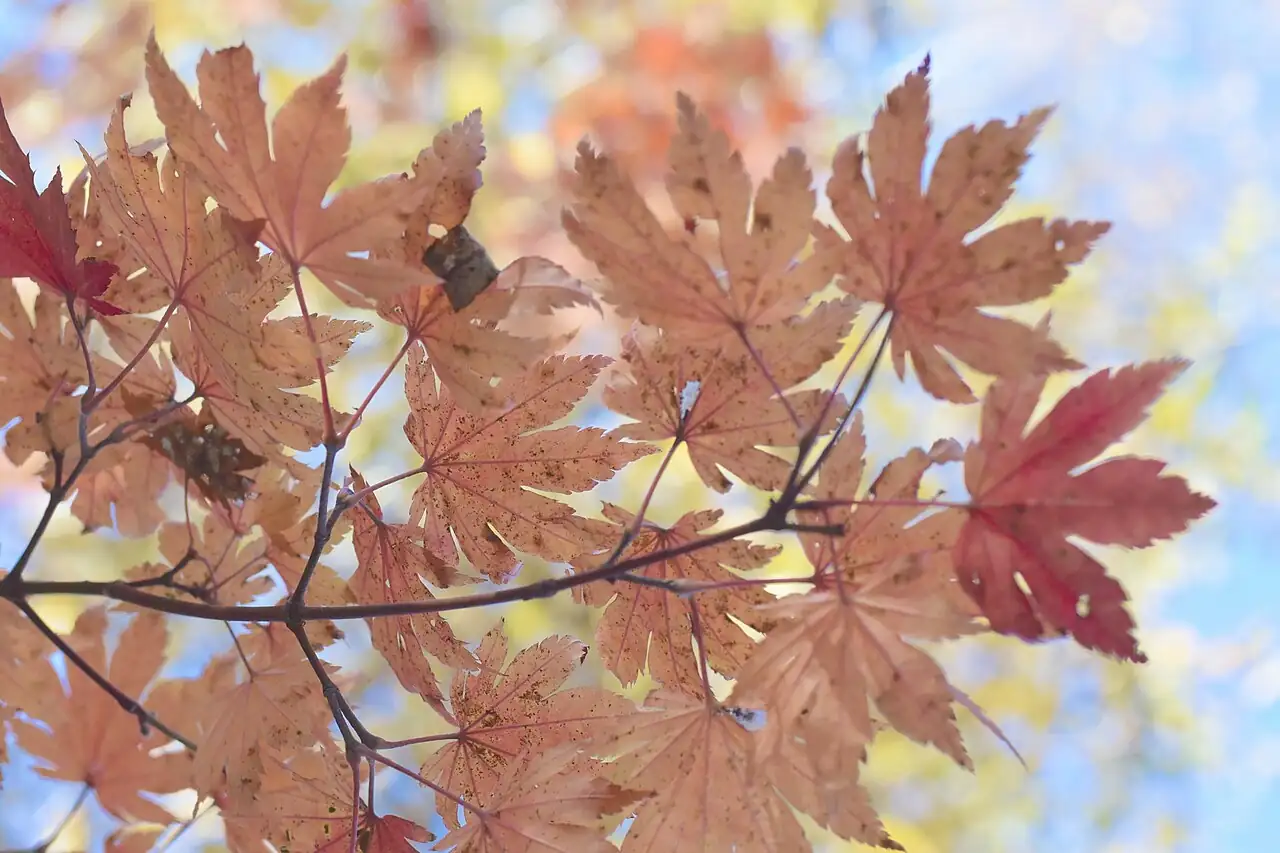
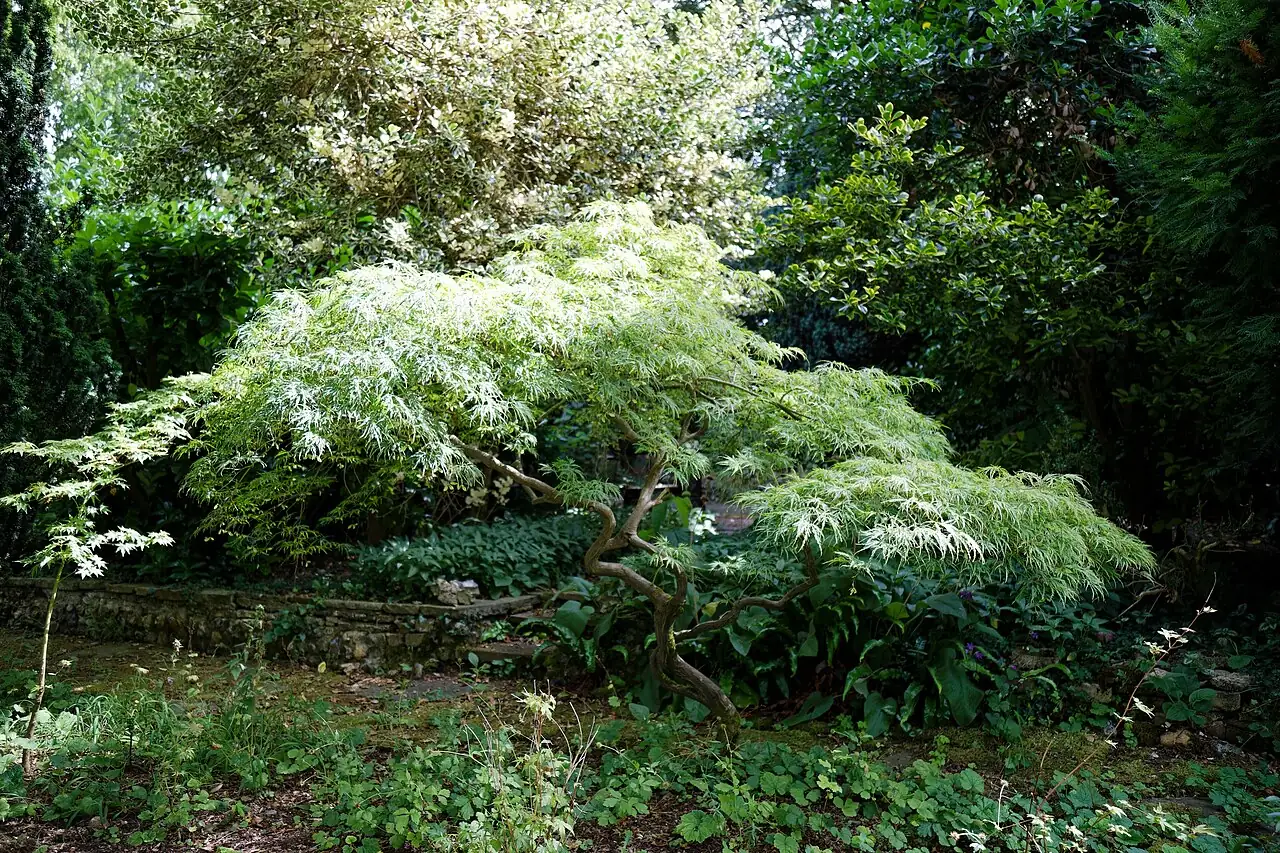
- Foliage: Leaves are broadly palmate (hand-shaped), often nearly round in outline, typically divided into about 7 lobes with fine, sharp teeth. Many cultivars have deeper cuts and stronger color shifts through the seasons. The Dissectum Group (often sold as laceleaf/cutleaf Japanese maple) has leaves dissected almost to the base into narrow, feathery segments, and is known for a softer texture and a crown with gently cascading branches.
- Flower: Small, purplish to reddish-purple flowers carried in clusters (corymbs); plants may bear both male and bisexual flowers.
- Flowering Season: May (spring)
- Growth Habit: Deciduous small tree with a refined, often umbrella-like crown; smooth, dark gray bark.
Environment
Sunlight
Best with partial shade or bright, dappled light; morning sun with afternoon protection is ideal in warm climates. Avoid intense, scorching afternoon sun—especially for finely cut or thin-leaved cultivars.
Temperature
Temperate-climate tree; many forms tolerate roughly -20 to 30°C (-4 to 86°F), though exact hardiness depends on cultivar, site, and exposure.
Humidity
Prefers evenly moist conditions and benefits from protection against hot, drying winds. Once established it can handle short dry spells better, but prolonged heat + dryness can cause leaf scorch.
Soil
Moist, humus-rich, well-drained soil is ideal. Slightly acidic to neutral is best, though it tolerates a range. Avoid waterlogging—poor drainage is a common cause of decline.
Placement
Woodland edges, lightly shaded gardens, courtyards, and as a specimen tree. Also popular in containers and bonsai; choose a sheltered spot with good drainage and protection from harsh afternoon sun.
Hardiness
Typically USDA Zones 5–8 (some cultivars can manage into Zone 9 with protection). Not tolerant of waterlogged soils; exposed sites with strong afternoon sun and persistent drying winds can reduce vigor and scorch foliage.
Care Guide
Difficulty
Moderate. It’s not fussy once sited well, but it does demand the basics: good drainage, steady (not soggy) moisture, and protection from harsh afternoon sun and drying winds. Cold-hardy and can be somewhat drought-tolerant after establishment, but sensitive to poor drainage.
Buying Guide
Pick a plant with a balanced, well-branched framework and healthy buds. Avoid trees showing dieback, leaf scorch, wilt, trunk wounds, or heavy pest presence. Check the pot: avoid severely pot-bound plants with circling roots. For laceleaf/cutleaf types, inspect the graft union (if present) to make sure it’s solid and uncracked.
Watering
Water deeply after planting and whenever the tree is establishing or the weather is dry. Let the top 2–5 cm (1–2 in) of soil dry slightly, then soak thoroughly. Keep moisture consistent, but never leave the root zone in standing water—soggy soil is a fast track to root trouble.
Fertilization
Feed lightly in early spring with a balanced slow-release fertilizer, or simply top-dress with compost/leaf mold. Avoid heavy nitrogen, which can push soft, tender growth that scorches more easily and may be more vulnerable to damage.
Pruning
Prune sparingly—Japanese maple looks best with a natural structure. Remove dead, damaged, or crossing branches in late winter to early spring before heavy sap flow, or in mid-summer once the first flush has hardened. Avoid heavy pruning, particularly on laceleaf forms.
Propagation
Named cultivars are usually propagated by grafting onto hardy Acer rootstocks to preserve traits. Seed can be grown for the species, but seedlings won’t reliably match a specific cultivar’s leaf shape or color.
Repotting
For container-grown trees, repot every 2–3 years in early spring into a free-draining, humus-rich mix. Light root-pruning can help keep plants compact, but always prioritize excellent drainage.
📅 Seasonal Care Calendar
Spring: enjoy flowering (often May) and apply a light feed; keep moisture steady as leaves expand. Summer: protect from harsh afternoon sun and drying winds; water during heat and drought. Late summer to early autumn: samaras ripen (often around September). Autumn: savor color, then reduce watering as the tree goes dormant; avoid late-season high-nitrogen feeding.
Pests, Diseases & Safety
Common Pests & Diseases
May attract aphids, scale insects, and caterpillars; spider mites can appear during hot, dry spells. Potential diseases include verticillium wilt, powdery mildew, and leaf spot. Root problems are common when soil stays waterlogged. Support the tree with good airflow, consistent (not excessive) watering, and excellent drainage; avoid overhead watering late in the day.
Toxicity
Generally considered non-toxic to people and most pets. Caution around horses: some maple species can be problematic if ingested (often wilted leaves); if horses have access, consult local veterinary guidance before planting.
Culture & Symbolism
Symbolism: Often linked with grace, calm beauty, and the poetry of seasonal change—especially the dramatic autumn color celebrated in East Asian garden culture.
History & Legends: Japanese maple has been cultivated and selected in Japan for centuries, resulting in a dazzling range of ornamental forms—from bold, broad-lobed types to finely dissected laceleaf cultivars prized in traditional gardens and modern landscapes alike.
Uses: Primarily ornamental: a standout specimen in gardens, parks, and streetscapes, and a classic choice for woodland-style plantings. Many cultivars are well-suited to containers and are especially popular for bonsai.
FAQ
When does Japanese maple flower?
In spring—often around May—when it produces small purplish flower clusters.
When does it set seed?
It forms paired winged seeds (samaras) that usually ripen from late summer into early autumn, often around September.
How big does it get?
Many landscape trees reach around 4 m (13 ft), but depending on the cultivar and conditions, mature plants are often about 4–10 m (13–33 ft) tall with a similar spread.
What’s the best light for it?
Bright, dappled light or partial shade is ideal. Morning sun and afternoon shade helps prevent leaf scorch, especially in hot summers.
What’s the most common care mistake?
Poor drainage. Japanese maple dislikes waterlogged soil—keep it evenly moist but never soggy, and make sure the planting site drains well.
Fun Facts
- Those spinning “helicopter” seeds are paired samaras—the classic maple dispersal trick.
- Many popular garden varieties are grafted, which is why you may notice a distinct graft line on the trunk.
- Laceleaf (Dissectum Group) forms have ultra-finely cut leaves and often develop a gently cascading silhouette.
- Even in winter, the smooth dark gray bark and elegant branching can make the tree look like living sculpture.


