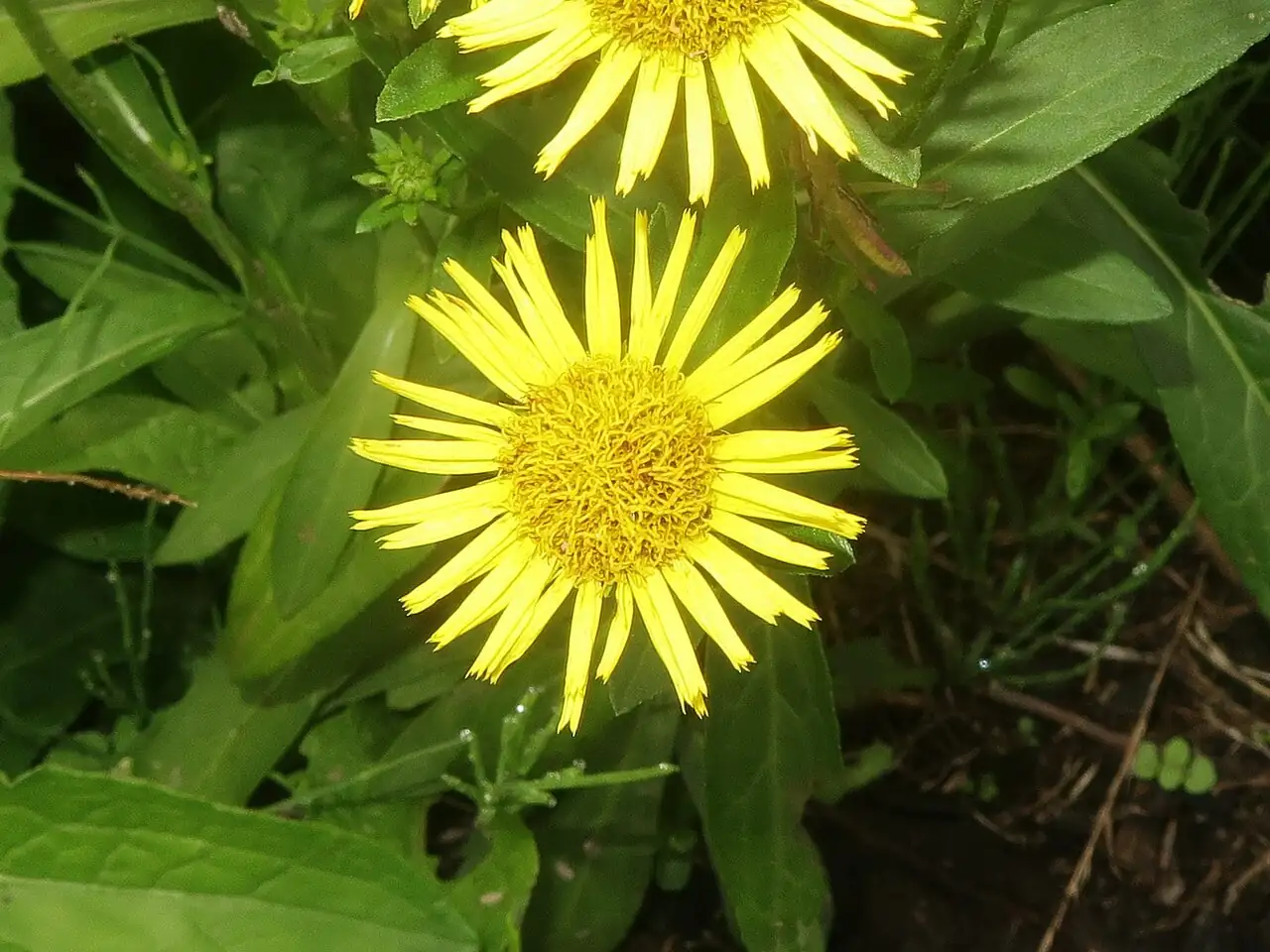
Plant Features
- Size:30–80 cm (12–31 in) tall
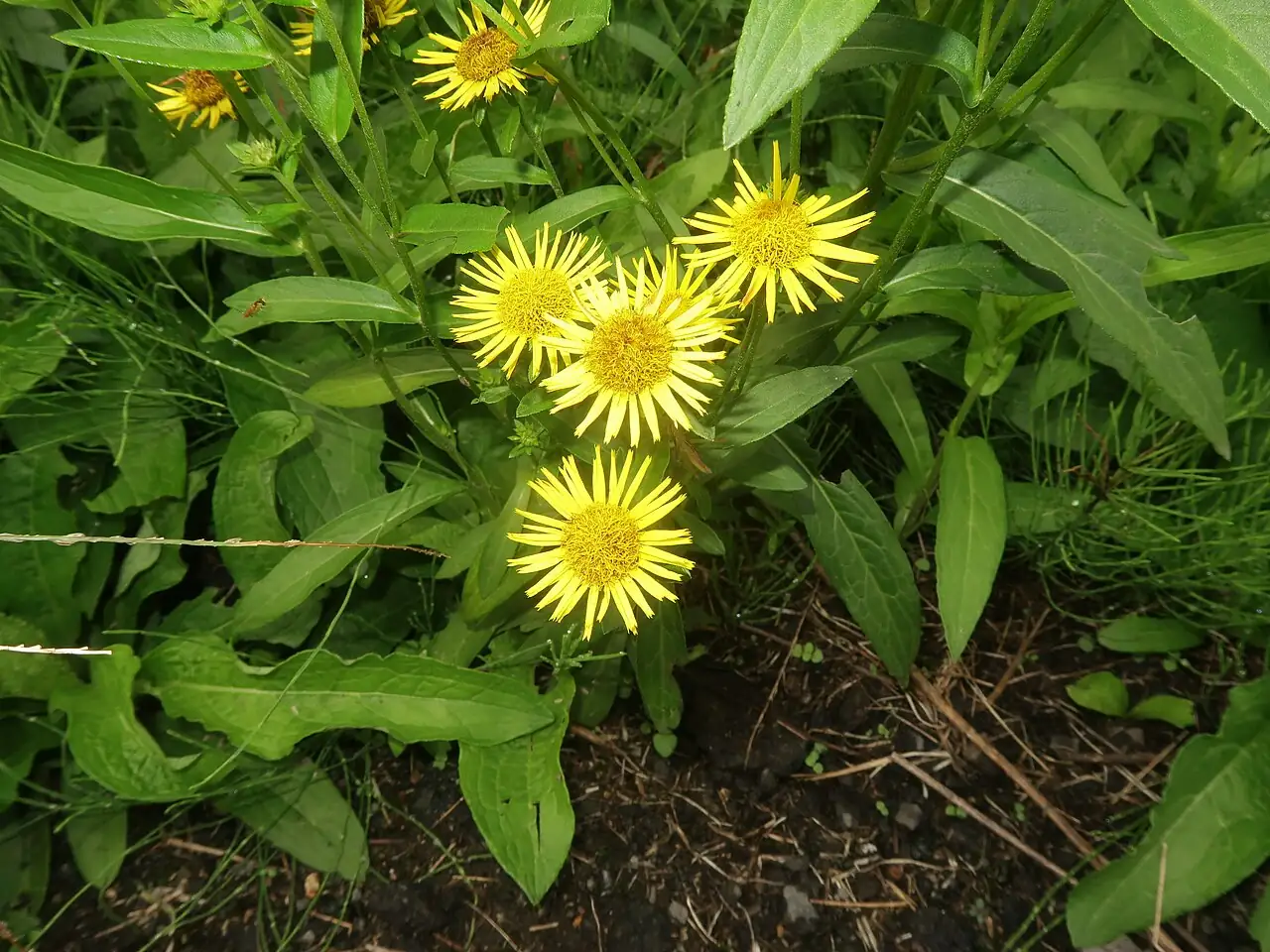
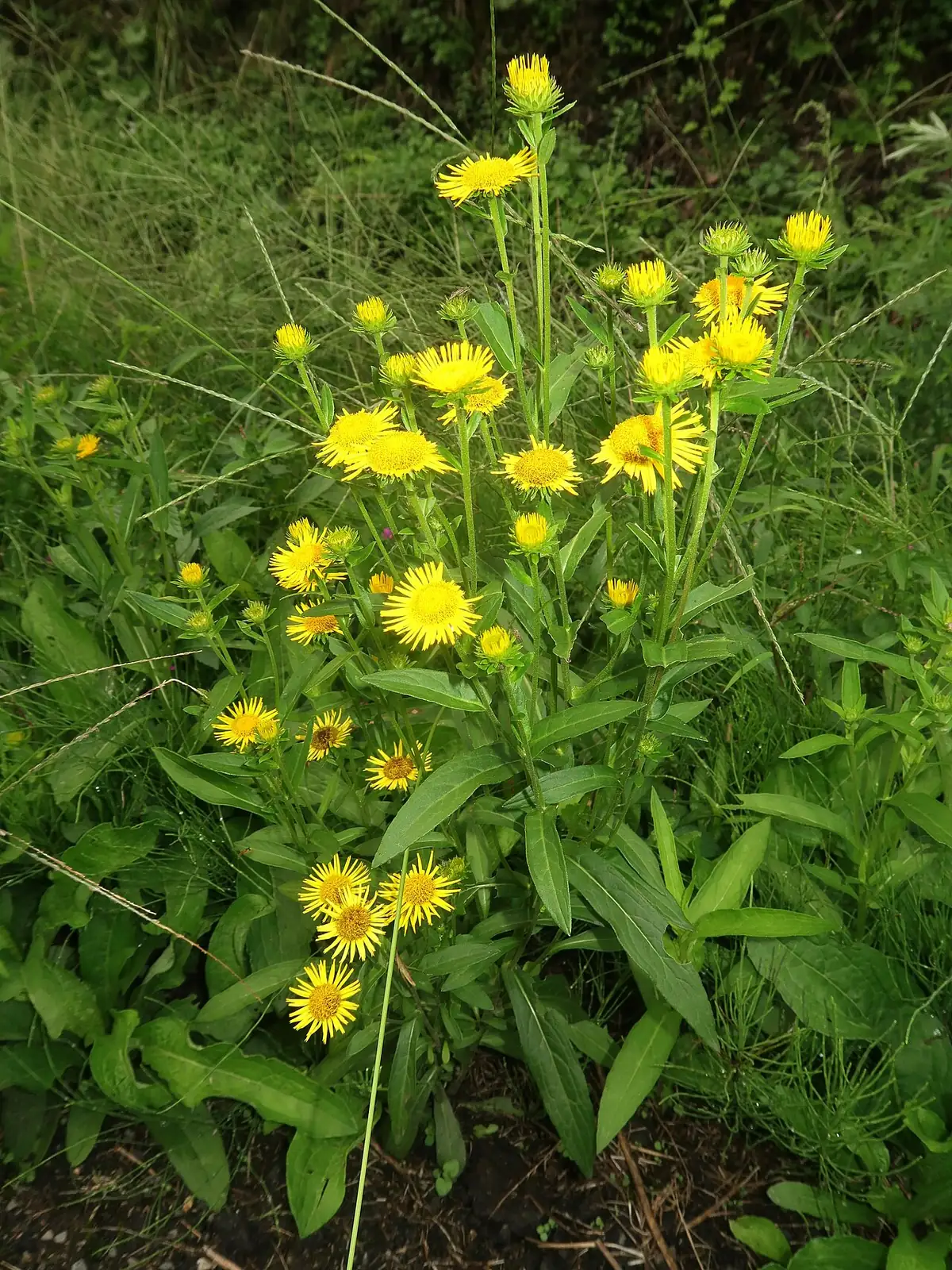
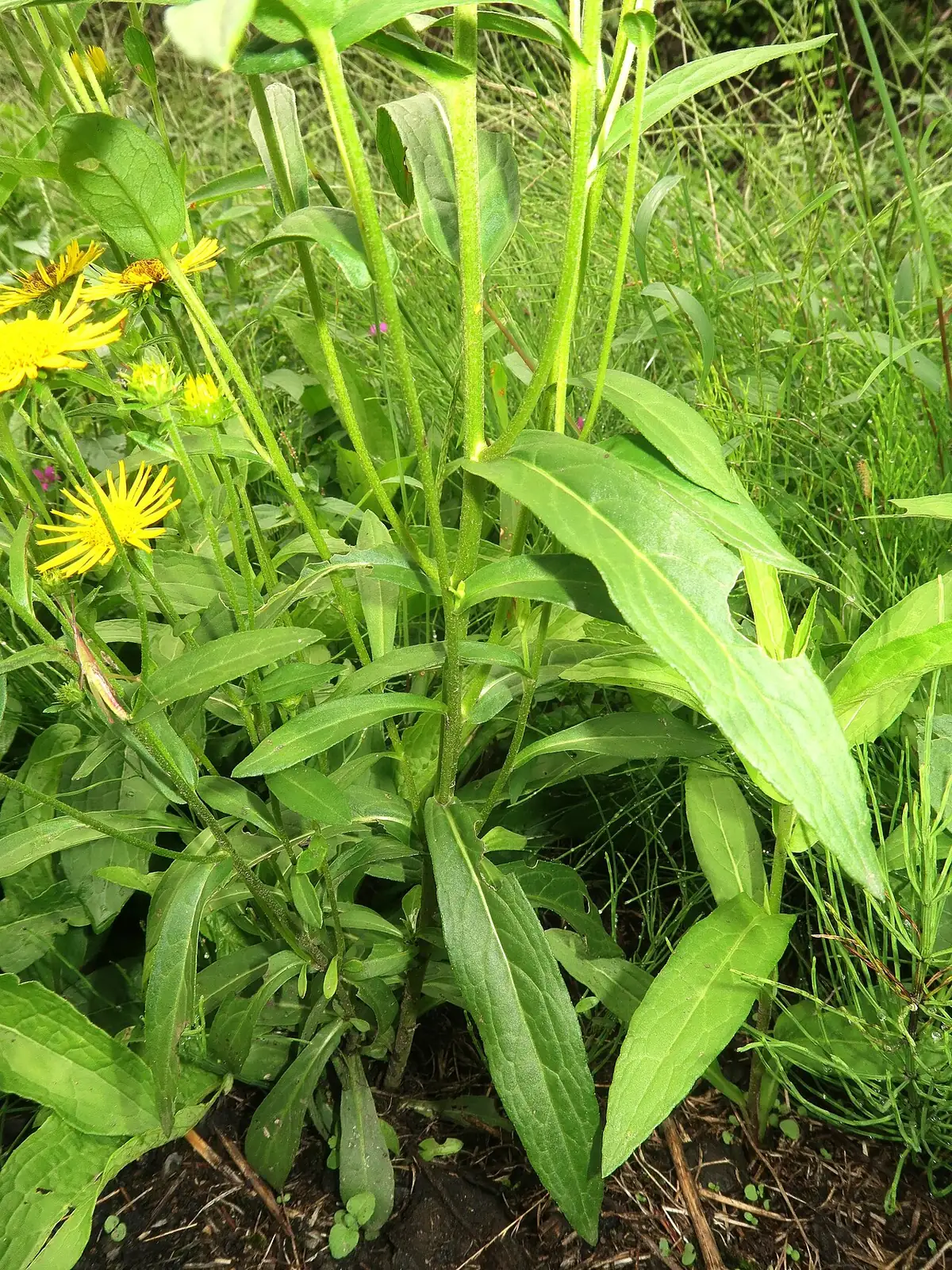
- Foliage: A perennial herb with a short rhizome and strong fibrous roots. Stems are usually solitary, but the plant may also grow in small clumps of 2–3 stems, giving it a tidy, upright look.
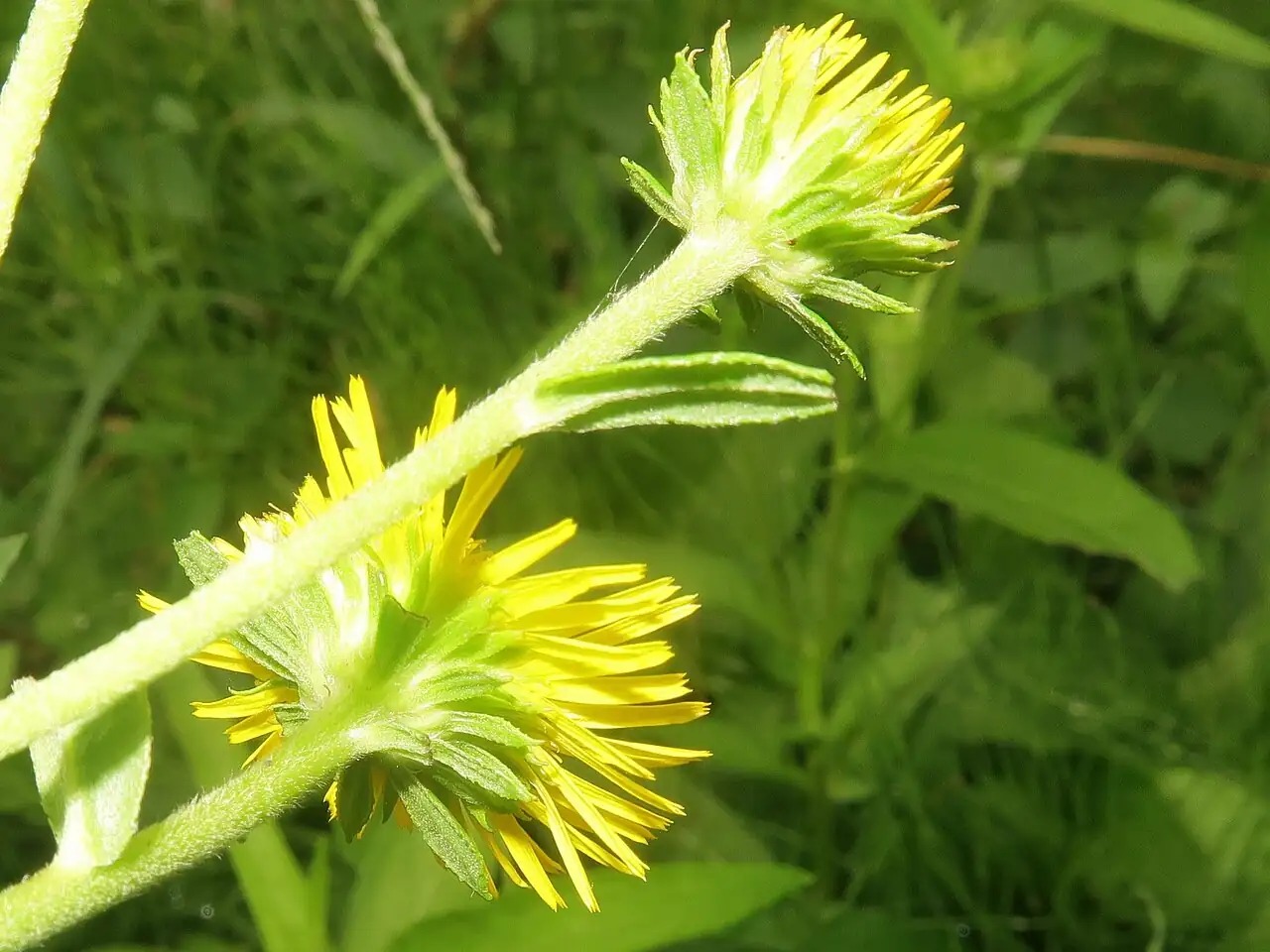
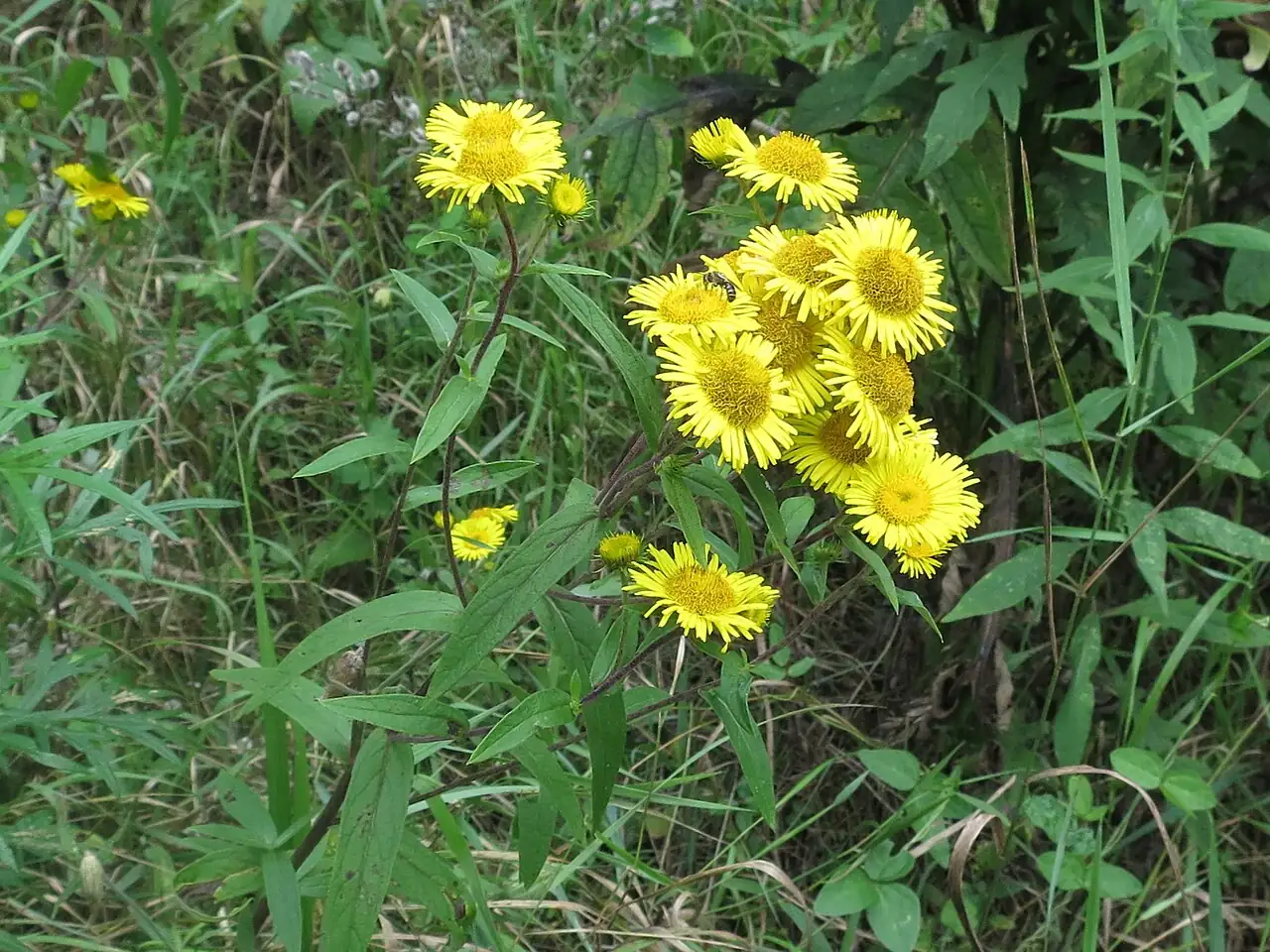
- Flower: Bright yellow composite flower heads (capitula) with a classic daisy-like appearance. After flowering, it forms cylindrical achene fruits with about 10 shallow grooves and sparse hairs.
- Flowering Season: June–October
- Growth Habit: Upright perennial herb; typically single-stemmed, sometimes forming small clumps.
Environment
Sunlight
Full sun to partial shade (flowers best in sun; appreciates light shade where summers are hot).
Temperature
Prefers warm conditions; typical growth range about 15–30°C (59–86°F).
Humidity
Prefers moist air and consistently moist conditions; avoid prolonged dry air and drought.
Soil
Adaptable and tolerant of poor soils, but happiest in well-drained, moisture-retentive soil (for example, loam improved with organic matter).
Placement
Naturalistic meadow plantings, wildlife-style borders, moist banks, and informal groundcover areas where it can self-seed; place where the soil won’t dry out.
Hardiness
Generally suitable for USDA Zone 5–9 (down to about −29°C / −20°F in colder parts of the range, depending on local conditions). Not drought-tolerant.
Care Guide
Difficulty
Easy and adaptable as long as moisture is reliable; the main challenge is preventing drought stress.
Buying Guide
Choose plants with firm, upright stems and healthy green leaves. Avoid pots that are bone-dry or plants that look wilted—this species dislikes drying out and may struggle to bounce back.
Watering
Keep soil evenly moist, especially while establishing and during summer heat. Aim for steady moisture rather than a cycle of drought then heavy soaking. Mulching helps conserve water and keeps roots cooler.
Fertilization
Usually needs little feeding. In very poor soil, apply a light, balanced fertilizer in spring (follow label directions) or top-dress with compost.
Pruning
Deadhead if you want to reduce self-seeding; otherwise, leave seed heads if you’d like it to naturalize. Cut dead stems back to the base in late fall or early spring.
Propagation
Most commonly spreads by self-seeding. You can also propagate by sowing seed—scatter on the soil surface and keep evenly moist until germination.
Repotting
If grown in containers, repot every 1–2 years in spring into a moisture-retentive mix. Containers dry faster than garden beds, so don’t allow them to dry out completely.
📅 Seasonal Care Calendar
Spring: tidy old growth and top-dress with compost. Summer: keep evenly moist. Autumn: allow seed set for naturalizing or deadhead to control spread. Winter: basal parts go dormant; in mild winters, don’t let soil become excessively dry.
Pests, Diseases & Safety
Common Pests & Diseases
Generally trouble-free. In poorly drained, overly wet sites it can develop root or crown rot. Aphids may occasionally appear on tender growth—rinse off with water or use insecticidal soap if needed.
Toxicity
No well-established toxicity warning for normal garden handling. However, because it appears in traditional herbal practice, treat any medicinal use cautiously and only under qualified guidance; keep herbal preparations away from children and pets.
Culture & Symbolism
Symbolism: Often associated with sunny resilience and cheerful energy thanks to its bright, golden daisy-like blooms.
History & Legends: Known in traditional herbal practice in East Asia; in gardens today it’s more often appreciated as a naturalistic wildflower that brings a long season of color.
Uses: Ornamental: a self-seeding wildflower for meadow-style plantings, borders, and moist banks. Traditional use: recorded for coughs associated with chills and phlegm (professional guidance required).
FAQ
Can Japanese inula be used as a groundcover?
Yes. In reliably moist sites it can self-seed and form loose colonies, creating a natural, meadow-like groundcover effect rather than a dense carpet.
Why does it wilt or stop flowering in summer?
Most often it’s drought stress. Keep the soil consistently moist, mulch to reduce evaporation, and in very hot climates consider giving it light afternoon shade.
Fun Facts
- It can bloom for months—typically from June to October—with fruits often maturing from September to November.
- Its fruits are achenes: small, seed-like structures that are cylindrical with about 10 shallow grooves and sparse hairs.
- In the wild it’s commonly found in moist grasslands, riverbanks, roadsides, and field edges.
- Gardeners value it for its ability to self-sow and create cheerful, natural-looking drifts of yellow.