
Plant Features
- Size: Often described locally at about 20–65 cm (8–26 in) tall, but because it twines and climbs, it can sprawl and reach far beyond this when it has support (such as shrubs, fences, or trellises).
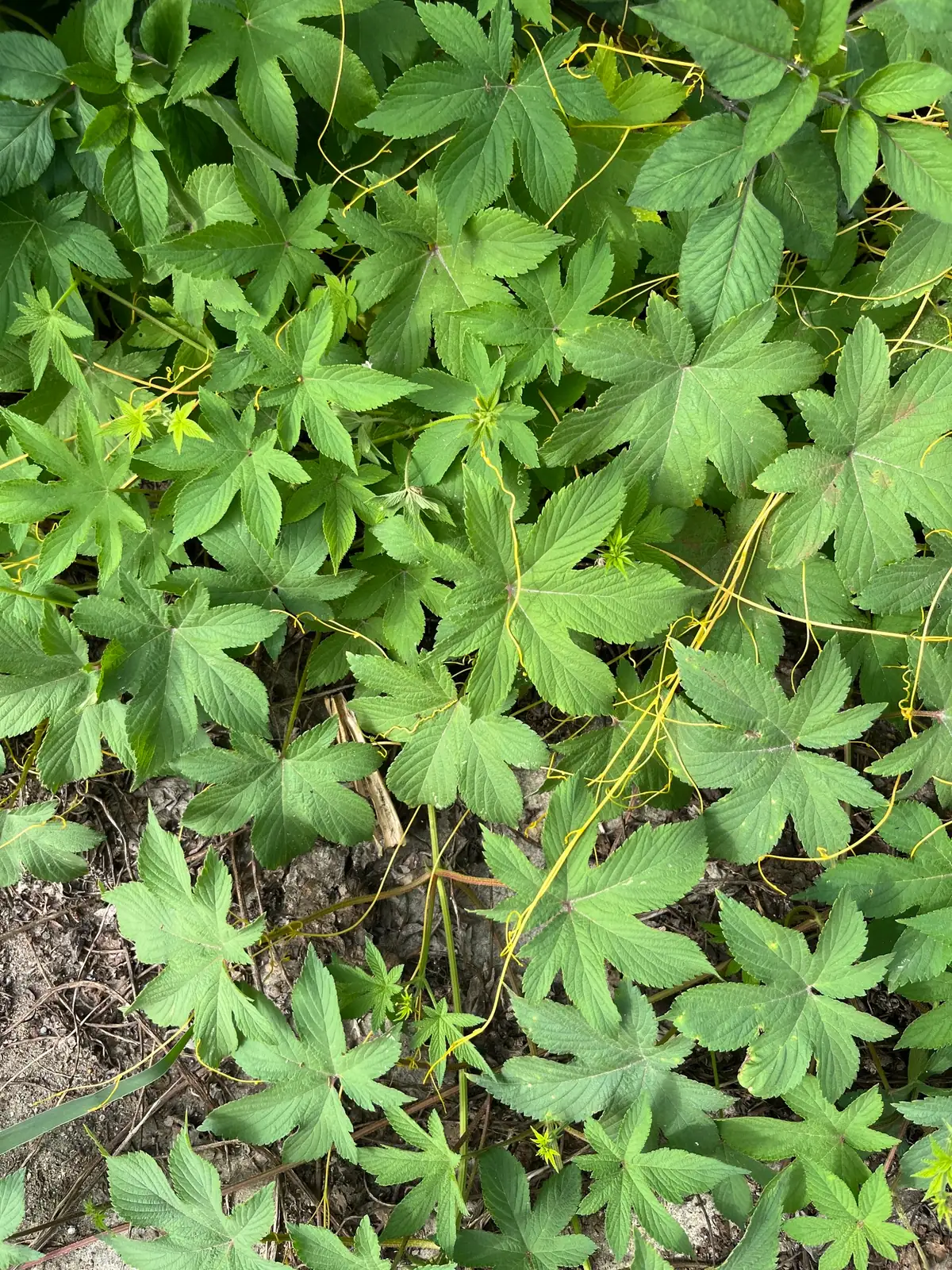
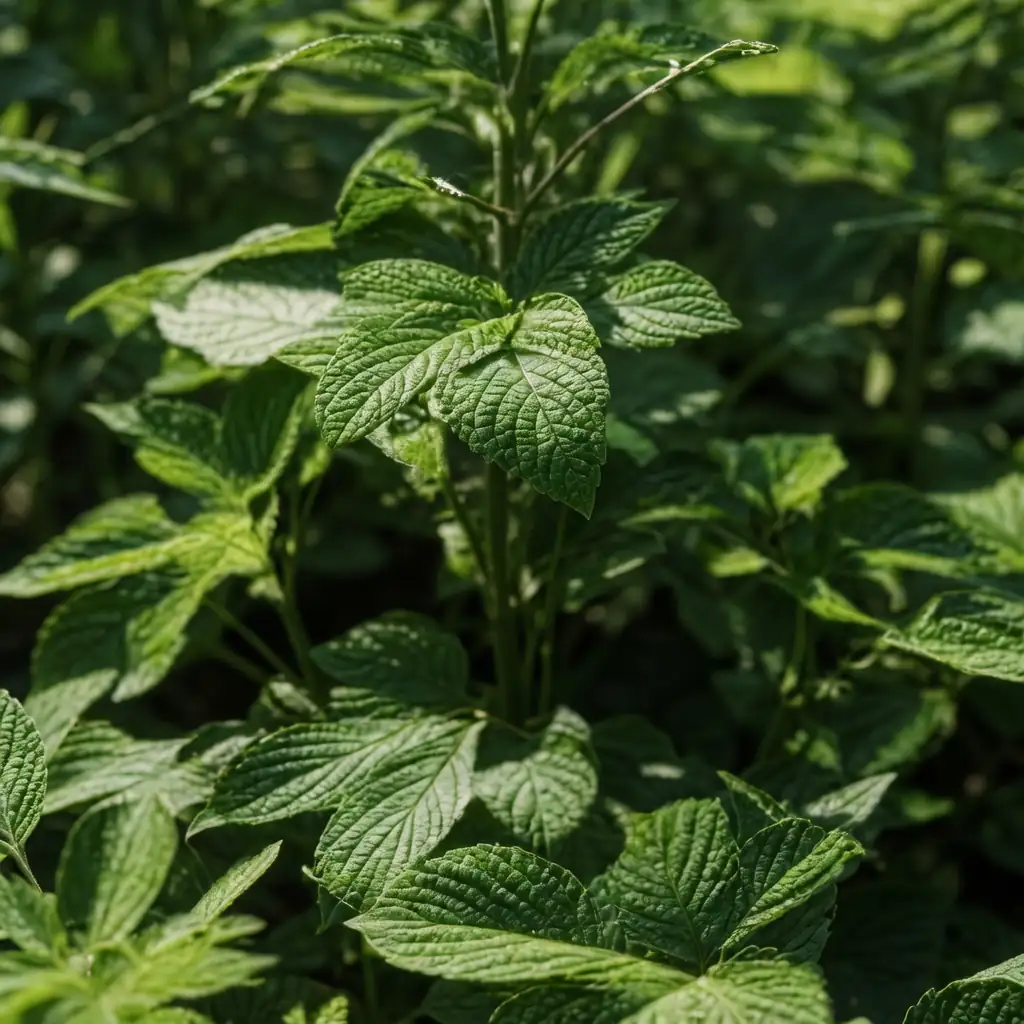
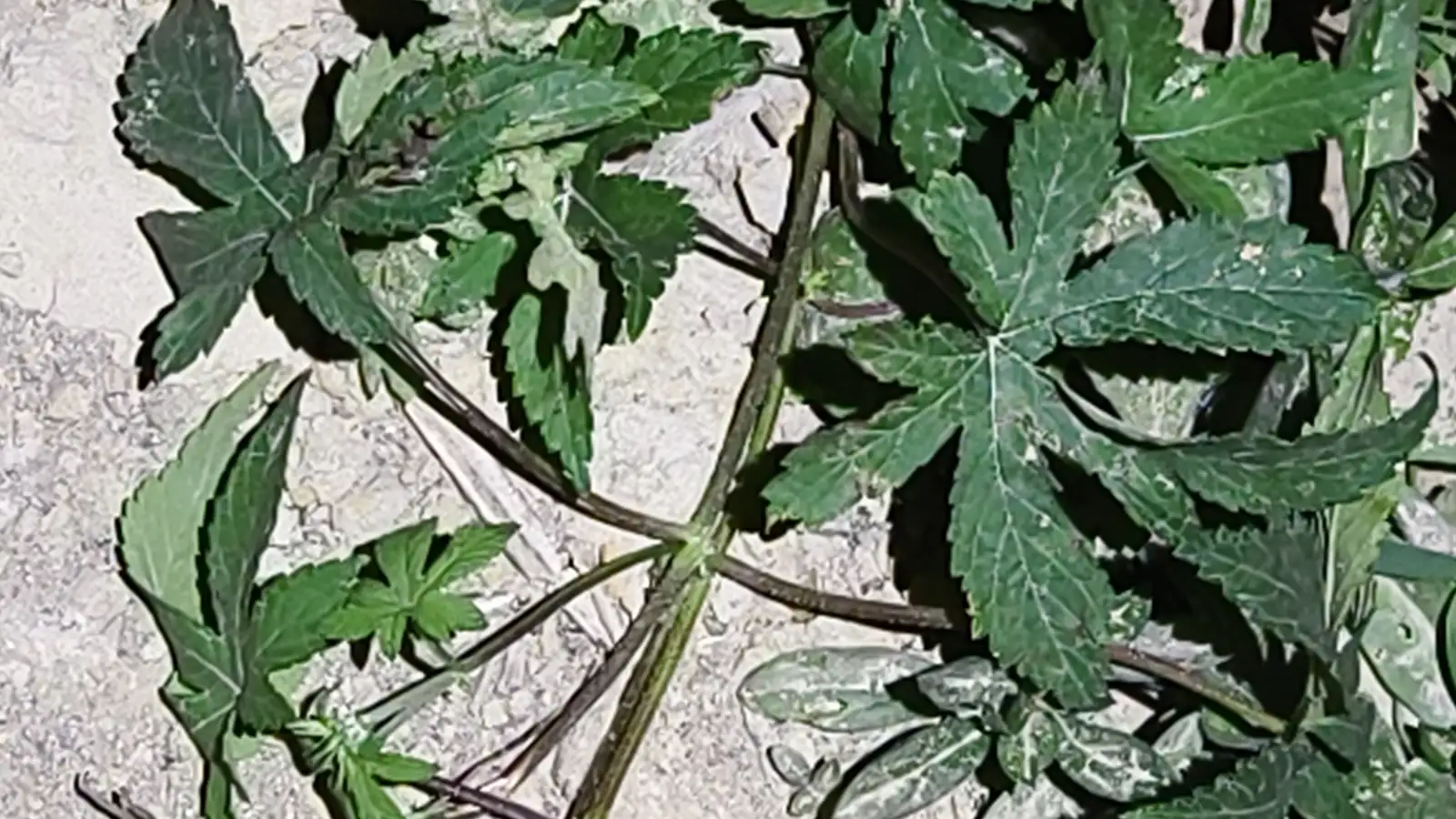
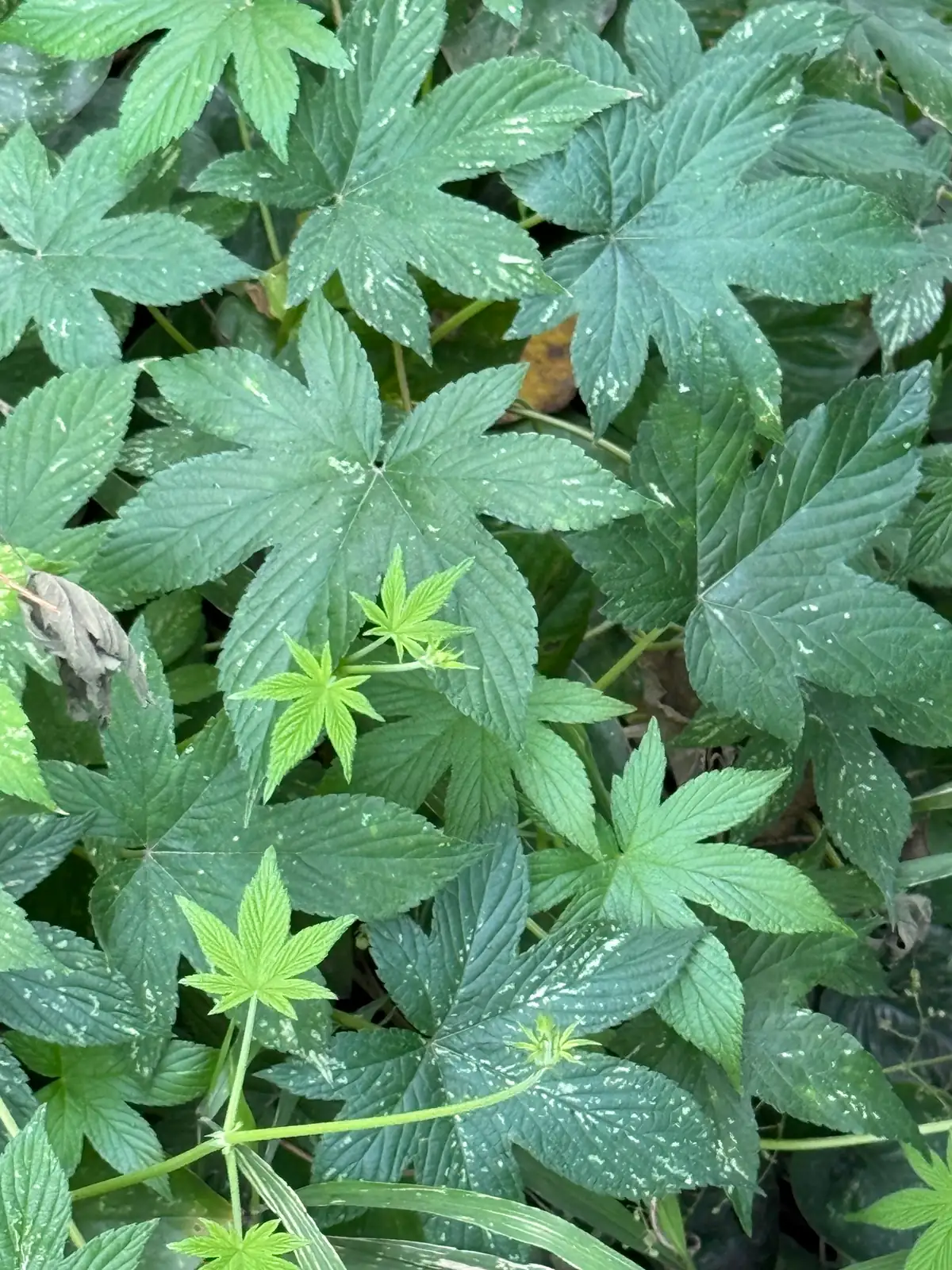
- Foliage: Leaves are papery yet rough-textured, kidney- to angled in outline, usually divided into 5–7 deep lobes (sometimes 3). The leaf base is heart-shaped. The upper surface is scabrous with sparse stiff hairs; the underside is softer-hairy with yellowish glands. Lobes are ovate-triangular with serrated margins.
- Flower: Male flowers are small and yellow-green, carried in branched panicles. Female flowers develop into hop-like cone structures with papery, triangular bracts that taper to a point and are covered with whitish hairs. As the fruit matures, the achene can protrude beyond the bracts.
- Flowering Season: Spring to summer
- Growth Habit: Twining, scrambling herb with backward-pointing hooked bristles on stems, branches, and petioles; vigorous and adaptable, often forming tangles that can smother nearby plants.
Environment
Sunlight
Full sun to partial shade; grows strongest in sun but tolerates light shade.
Temperature
Best growth in cool-to-warm conditions around 10–30°C (50–86°F). Top growth is typically killed back by frost.
Humidity
Does fine in average outdoor humidity; tolerates moderately dry to fairly humid conditions once established.
Soil
Adaptable, especially in disturbed soils, but happiest in moist, well-drained ground. Avoid waterlogged sites.
Placement
Outdoors only in most situations—along fences, trellises, or in a managed corner where you can keep an eye on it. Not recommended as a typical indoor plant due to its vigor and scratchy, hook-bristled stems.
Hardiness
Approximately USDA Zone 4–9; frost usually kills shoots, but the plant can persist and resprout from underground parts in cold-winter regions.
Care Guide
Difficulty
Easy to grow, but controlling it is the real challenge—left unchecked it can spread quickly and overwhelm neighboring plants.
Buying Guide
Usually not sold as an ornamental; most people encounter it as a wild plant/weed. If you’re sourcing it for study or fiber use, confirm the scientific name and follow local rules—avoid collecting from protected areas.
Watering
During establishment, keep soil evenly moist. Once established, water mainly during extended drought. Avoid constantly soggy soil.
Fertilization
Often unnecessary. If you’re cultivating it intentionally, a light, balanced feed in spring is enough—too much fertilizer can make it even more rampantly weedy.
Pruning
Prune and remove unwanted vines throughout the growing season. Wear gloves and long sleeves: the hooked bristles can scratch and irritate skin. Bag and dispose of cut material to reduce the chance of re-rooting or seed spread.
Propagation
Primarily by seed and by perennial underground parts/rootstock. Sow seeds in spring; plants may resprout after winter dieback.
Repotting
Not commonly grown in containers, but a large pot can help with control. Refresh potting mix every 1–2 years and provide a sturdy support for twining growth.
📅 Seasonal Care Calendar
Spring: new shoots emerge—train to supports or remove promptly if unwanted. Summer: fastest growth—monitor weekly and cut back aggressively as needed. Autumn: cones/fruit mature—remove before seed dispersal if you’re managing spread. Winter: stems die back in cold climates—clear dead growth and tidy the area.
Pests, Diseases & Safety
Common Pests & Diseases
Generally hardy. May host aphids or spider mites, and can get powdery mildew when crowded or airflow is poor. Improve ventilation, avoid excessive nitrogen, and remove heavily affected growth.
Toxicity
Not widely documented as highly toxic in typical household terms, but the rough hooked hairs can irritate skin. Handle with gloves; discourage pets from chewing the vines as a precaution.
Culture & Symbolism
Uses: Often treated as a troublesome weed in agriculture and along roadsides because it can grow quickly and smother other plants. It has recorded traditional medicinal use in some regions. The stem bast fibers can be used for papermaking, seed oil has been processed for soap, and the cone-like fruiting structures have sometimes been used as a hop substitute—though it is not the same plant as true hops used commercially for beer.
FAQ
When does Japanese hop flower?
It typically flowers from spring to summer.
When does it set fruit?
Fruiting is mainly in autumn, when the cone-like structures mature.
How tall does it grow?
It’s often described at about 20–65 cm (8–26 in) tall in some local records, but because it twines and climbs, it can extend much farther when supported.
What family and genus does it belong to?
It’s placed here in the mulberry family (Moraceae), genus Humulus.
What are its other common names?
You may also see it called Asian Hop, Wild Hop, or Climbing Hop.
What is it used for?
It has traditional medicinal uses, stem fibers for papermaking, seed oil for soap-making, and the cone-like structures have been used as a hop substitute in some contexts.
Fun Facts
- Those tiny backward-pointing hooks on the stems and leaf stalks act like natural Velcro—helpful for climbing, but they make the plant scratchy to handle.
- Its female “cones” look like hops, but it isn’t the same species as the true hop used in commercial brewing.
- In disturbed habitats it can grow fast enough to blanket other vegetation, which is why it’s often labeled a nuisance weed.
- The stem bast contains usable fibers that can be turned into papermaking material.
- The seeds contain oil that has been used in soap-making.