
Plant Features
- Size: Vigorous perennial vine; typically climbs 3–9 m (10–30 ft) or more with support, and can spread widely as a groundcover.
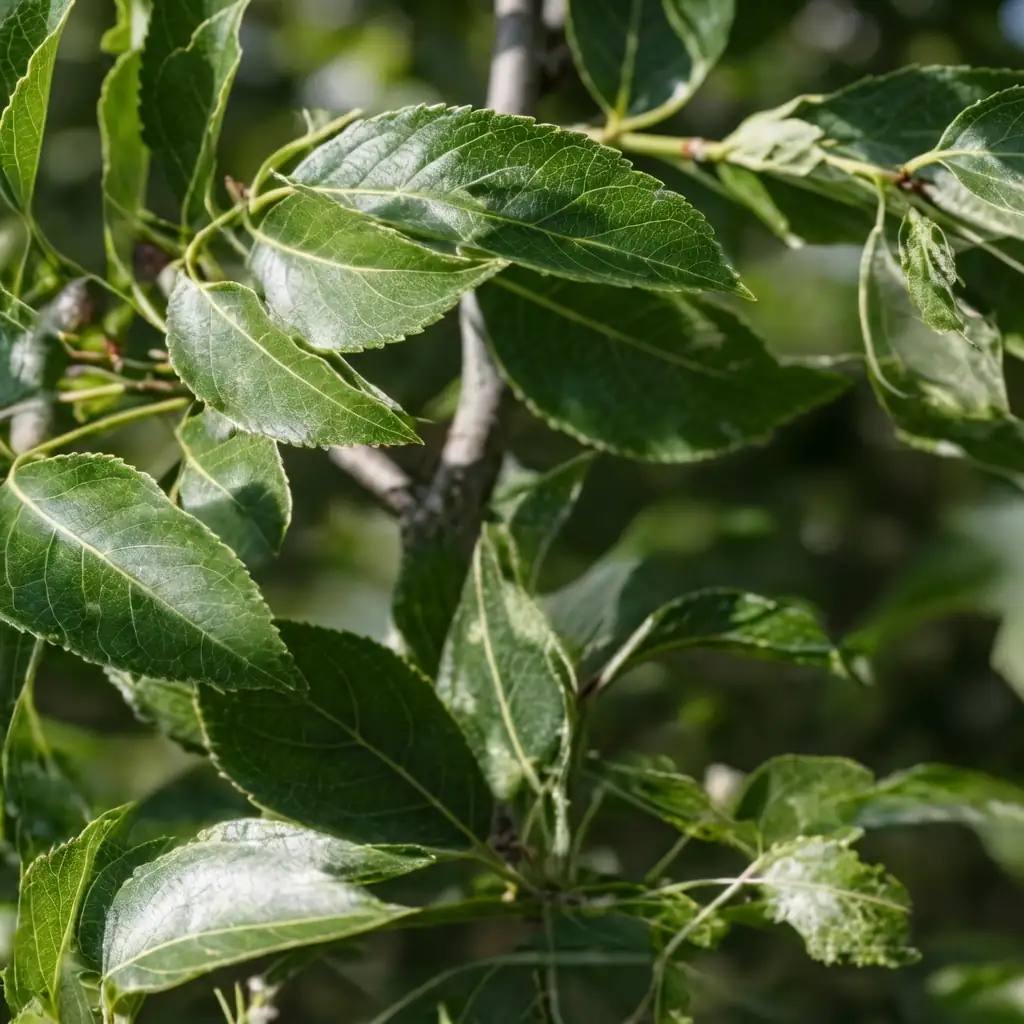
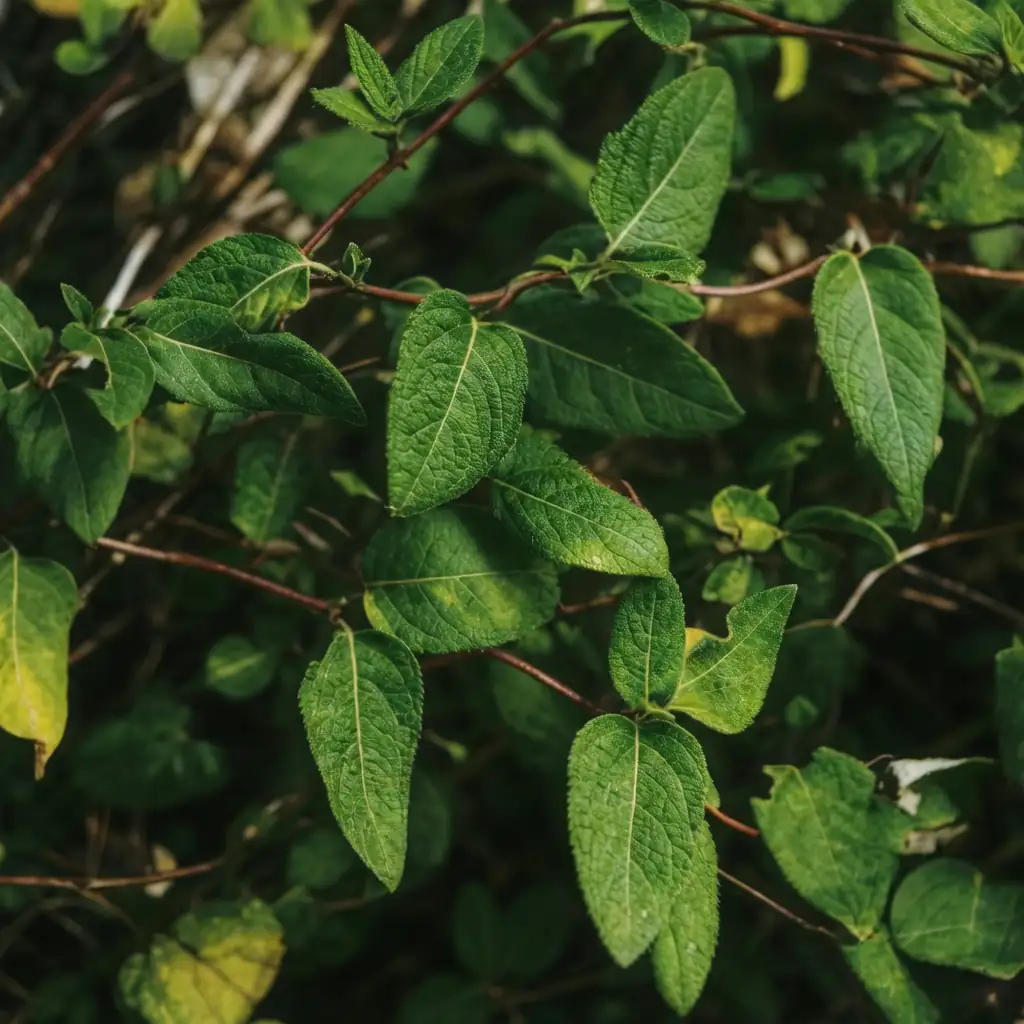
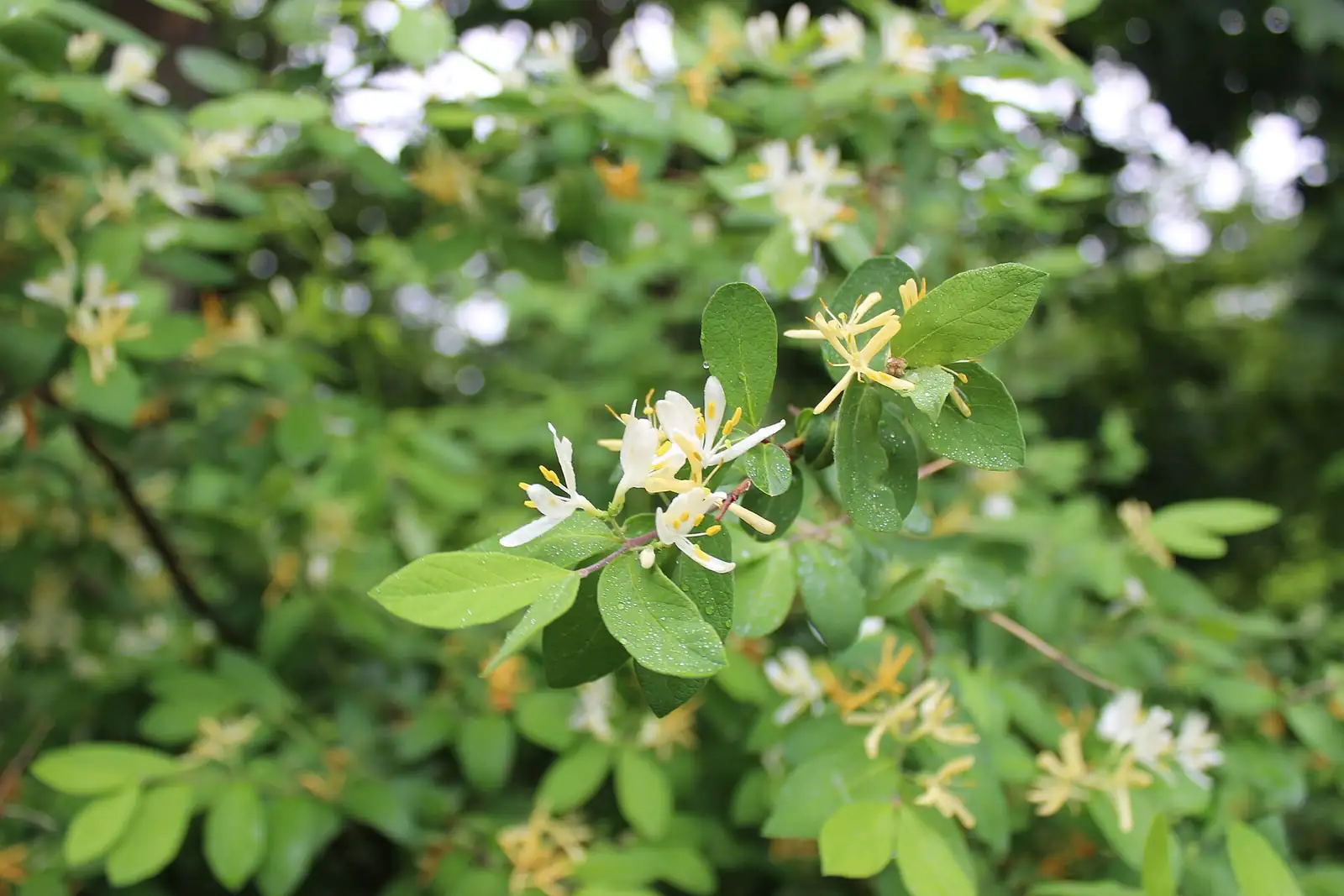
- Foliage: Leaves are opposite and oval; young growth may be softly hairy. In mild climates it can be semi-evergreen to evergreen, while in colder winters it tends to be more deciduous.
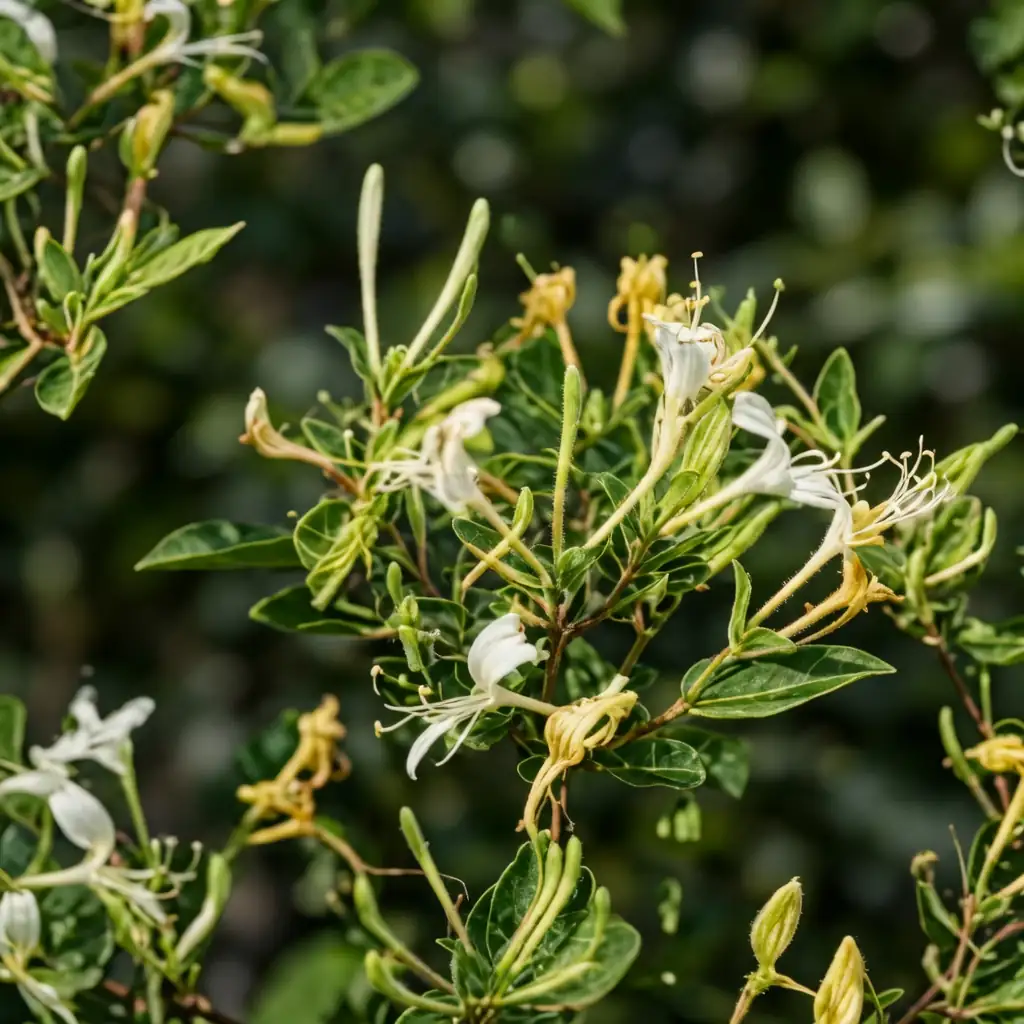
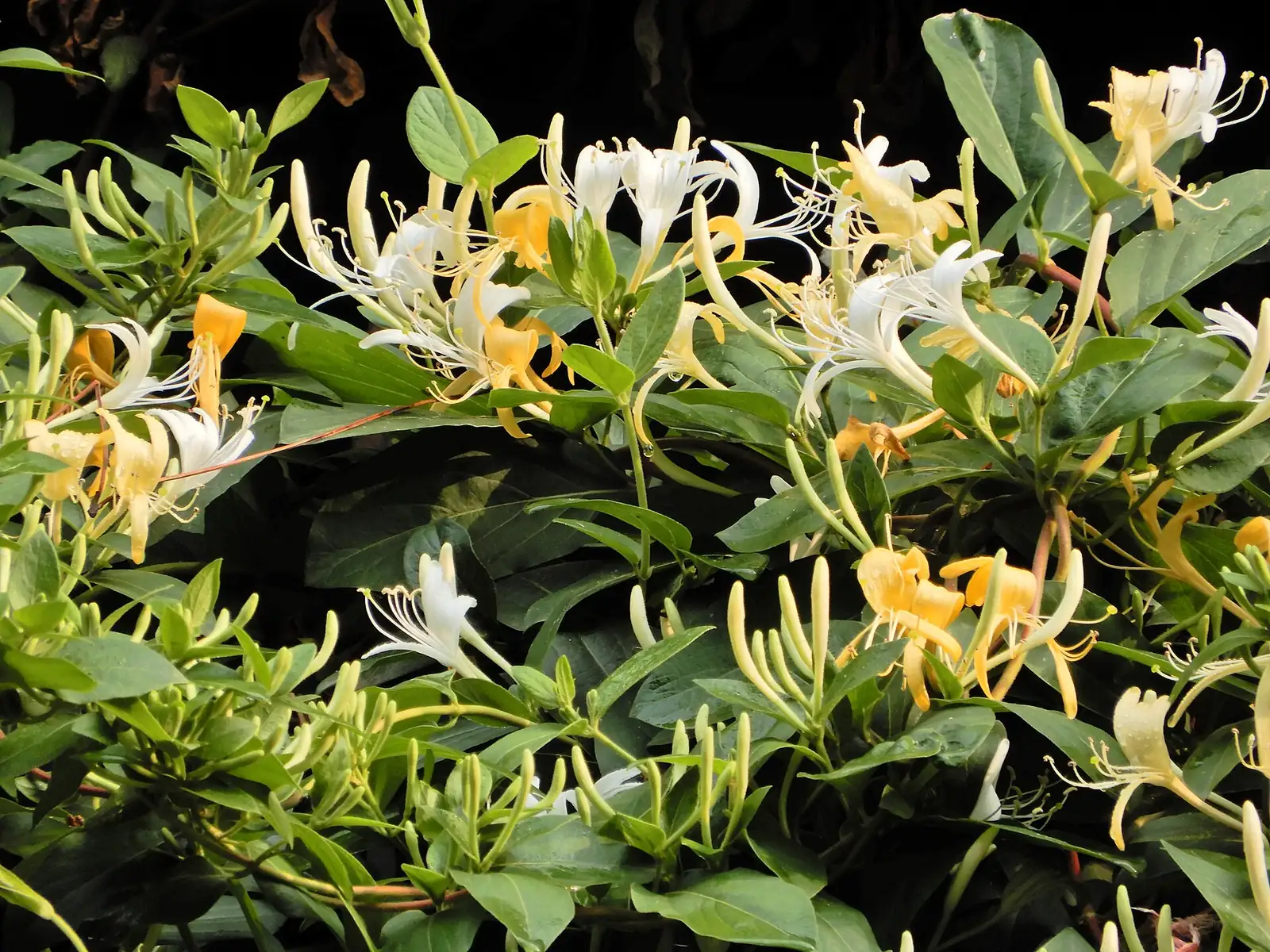
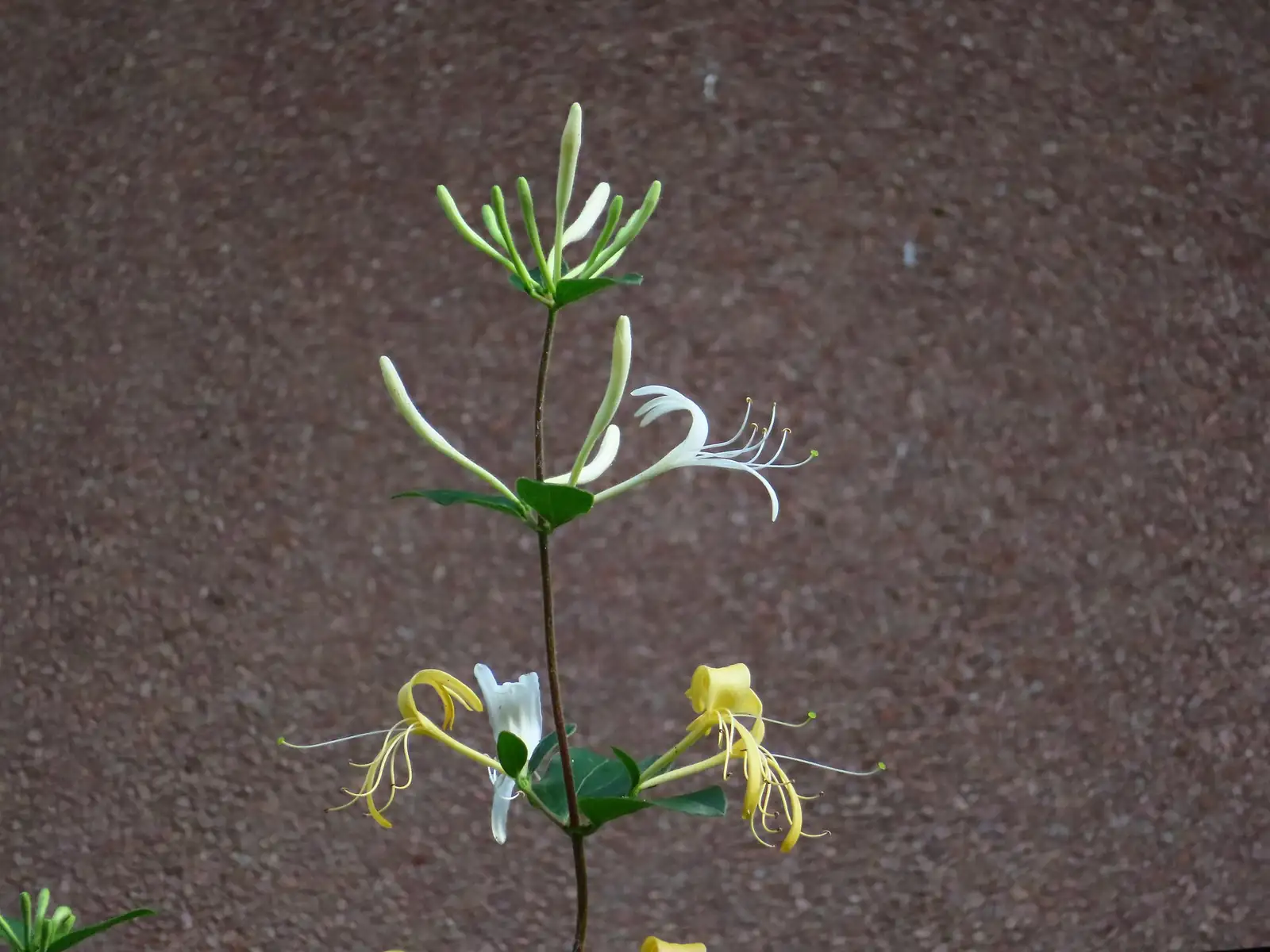
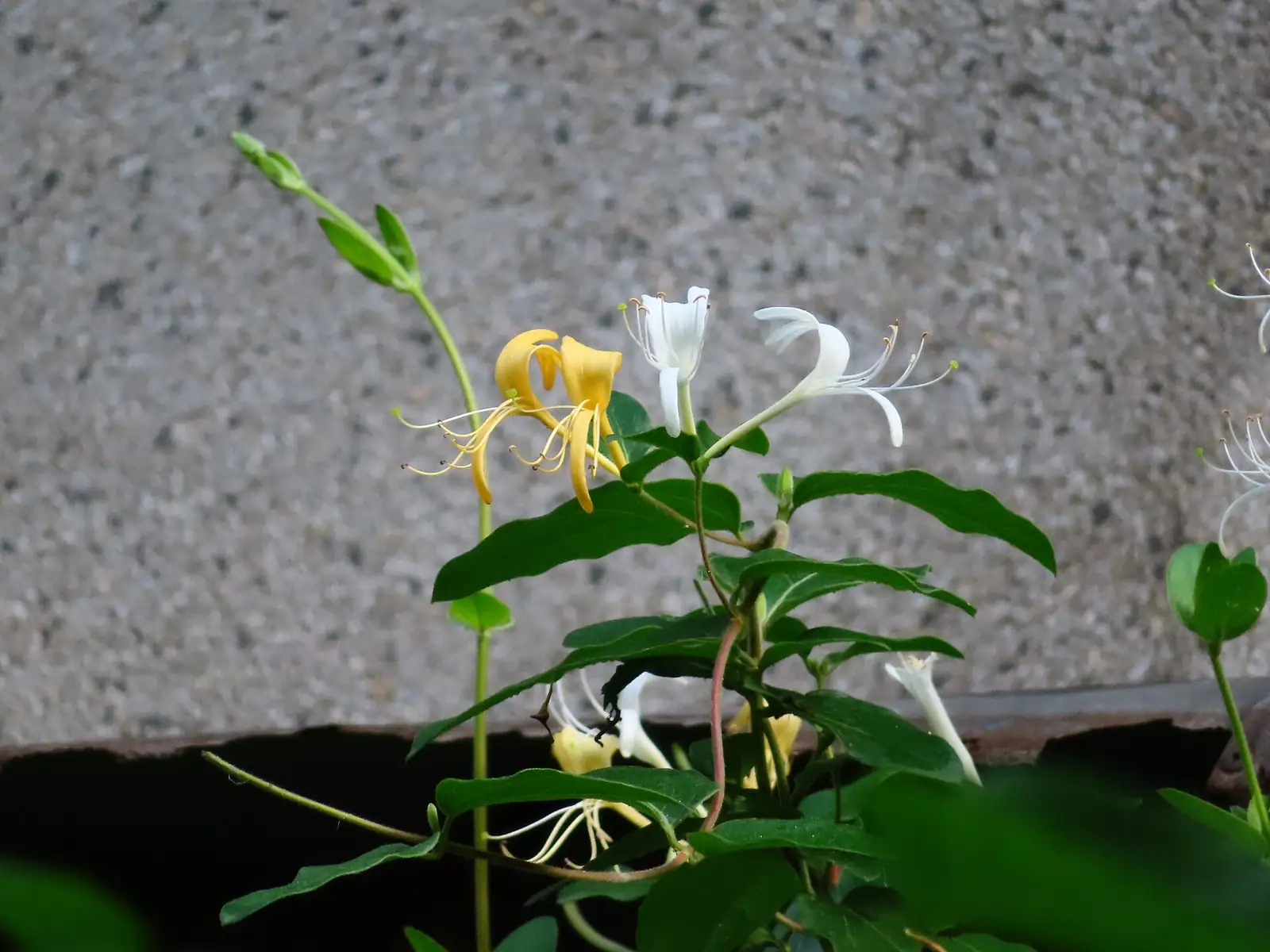
- Flower: Paired, tubular, two-lipped flowers appear in the leaf axils. They open white and age to creamy yellow, usually with a noticeable sweet fragrance.
- Flowering Season: April–June (may extend longer in mild climates).
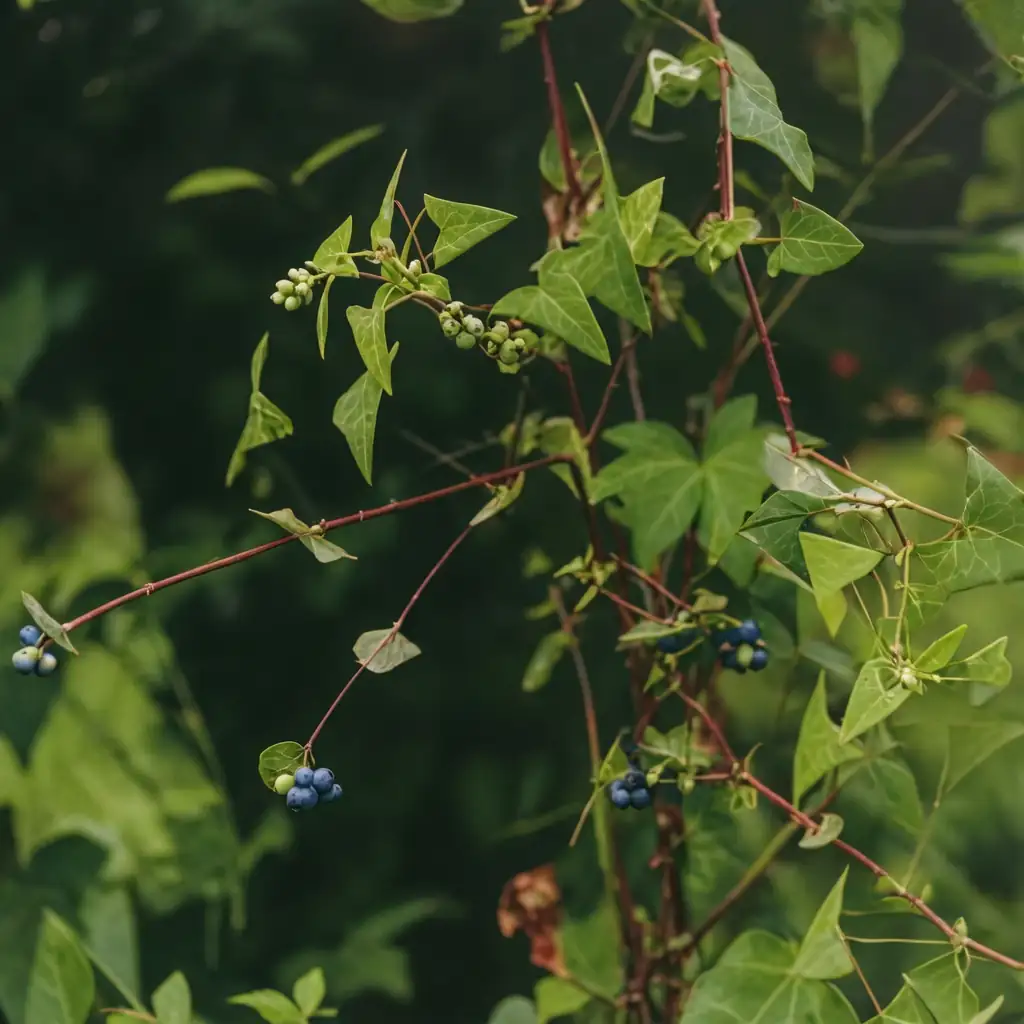
- Growth Habit: Twining and scrambling vine that wraps stems around supports to climb; also trails and creeps along the ground, readily forming dense mats as groundcover.
Environment
Sunlight
Full sun to partial shade; blooms best with more sun, but remains tolerant of shade.
Temperature
Best growth in 15–30°C (59–86°F); generally hardy across a wide range of temperate climates.
Humidity
Very adaptable: tolerates dry periods once established and can handle periodically wet conditions, but avoid constantly waterlogged soil.
Soil
Not fussy; grows in most well-drained soils. Best performance is in moist, fertile, deep sandy loam; tolerant of a range of pH.
Placement
Useful under trees, along woodland edges, or on north-facing walls where many plants struggle. Also excellent on fences, pergolas/arbors, trellises, railings, columns, low walls, and even trained over rocks—just plan for regular containment.
Hardiness
USDA Zone 4–9.
Care Guide
Difficulty
Easy and highly adaptable. The main challenge is vigor—regular trimming and boundary control are often necessary.
Buying Guide
Pick plants with fresh green leaves and firm, healthy stems. Avoid root-bound pots with circling roots or obvious pest issues. If planting outdoors, check local guidance first—Japanese honeysuckle is invasive in many regions.
Watering
Water consistently during the first growing season to help it establish. Afterward, water when the top 2–5 cm (1–2 in) of soil dries. In-ground plants tolerate drought fairly well, but flowering improves with occasional deep watering during dry spells.
Fertilization
Often unnecessary in average garden soil. If growth looks weak, feed in spring with a balanced slow-release fertilizer at label rates or top-dress with compost 2–5 cm (1–2 in). Avoid heavy nitrogen, which can push lots of leafy growth with fewer flowers.
Pruning
Prune after the main flowering flush or in late winter/early spring to shape and reduce size. Remove dead, weak, or tangled stems. It tolerates hard rejuvenation pruning if it becomes overgrown.
Propagation
Very easy by semi-hardwood cuttings in summer, hardwood cuttings in winter, or layering where stems touch the soil. Seed is possible but less commonly used for garden plants.
Repotting
In containers, repot every 1–2 years in spring into fresh mix and a slightly larger pot, or root-prune and refresh soil to manage size. Provide a sturdy support for climbing.
📅 Seasonal Care Calendar
Spring: train new shoots; light feeding if needed. Late spring–summer: trim and/or lightly deadhead to limit spread; water during prolonged drought. Autumn: tidy growth and remove unwanted runners. Winter: structural pruning and size control before new growth resumes.
Pests, Diseases & Safety
Common Pests & Diseases
Can attract aphids, scale insects, spider mites, and sometimes powdery mildew. Improve airflow, avoid late-day overhead watering, and treat early with horticultural soap or oil when appropriate.
Toxicity
The berries may cause stomach upset if eaten, so keep them away from children and pets. Sap can irritate sensitive skin. Toxicity reports can vary depending on amount ingested and individual sensitivity.
Culture & Symbolism
Symbolism: Often linked with devotion and enduring bonds—fitting for a plant that clings, winds, and perfumes the air for weeks.
History & Legends: Grown in East Asia for centuries, it was later introduced to other regions as an ornamental and for erosion control. In many places it escaped gardens and became invasive, which is why responsible planting and management matters.
Uses: A quick, fragrant choice for covering fences, arbors, trellises, and rails, or for making a dense groundcover in tough spots (like under trees or on shaded walls). It’s also used to soften rocks and low walls—just be ready to prune and contain it.
FAQ
Why are the flowers white at first and then turn yellow?
That color change is simply the flower aging: new blooms open white and gradually deepen to yellow, so both colors can show at the same time.
Can I grow Japanese honeysuckle in shade?
Yes. It tolerates partial shade to shade, though you’ll usually get the most flowers in brighter light.
Is Japanese honeysuckle invasive?
In many regions it is highly invasive and can smother native plants. Check local regulations and consider non-invasive alternatives if recommended in your area.
Fun Facts
- The two-tone look happens naturally because fresh flowers open white and mature to yellow.
- It typically blooms from April to June, and may set small, round black berries in autumn (often around October–November).
- It’s tough and adaptable across a wide range of soils and light conditions.
- Its eager trailing and creeping habit is why it works as groundcover—and also why it can spread aggressively if not managed.