

Plant Features
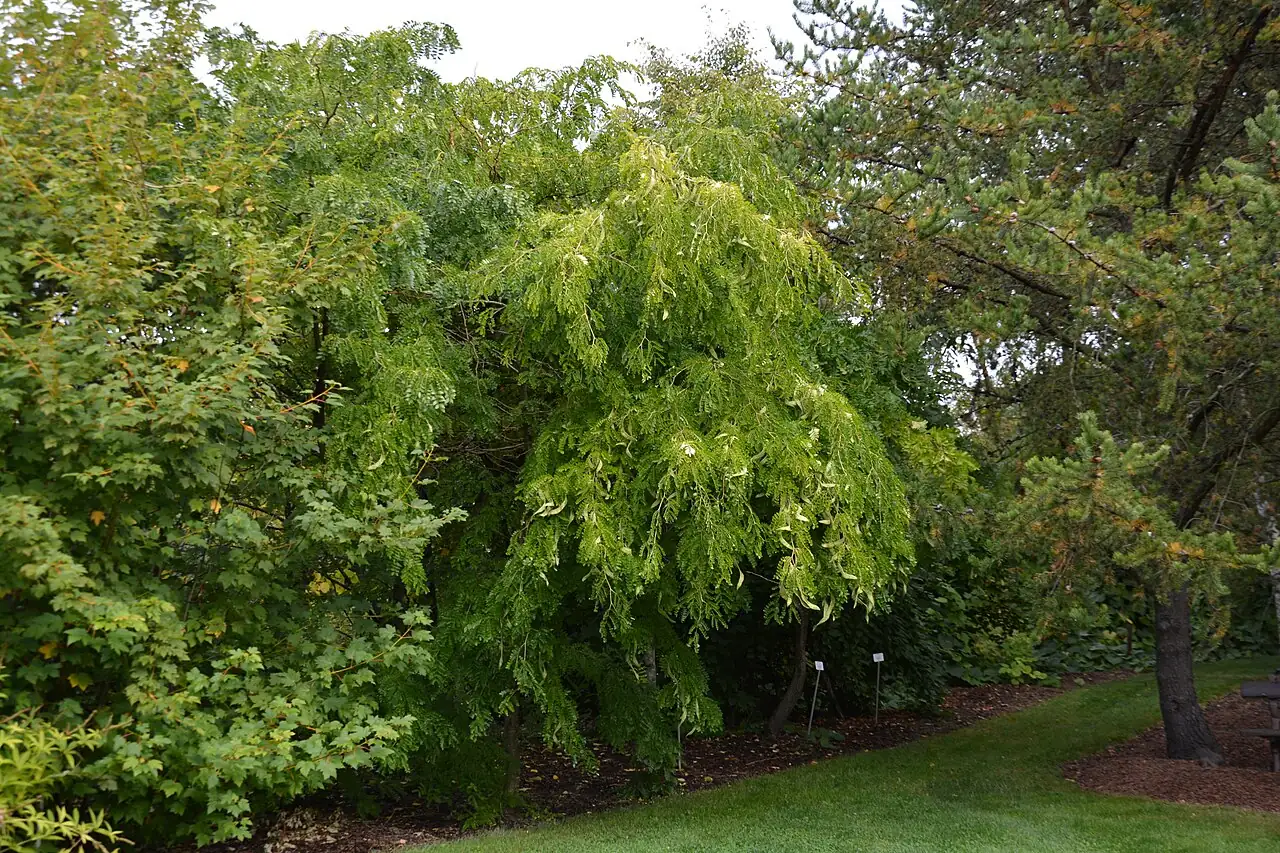
- Size: Up to about 25 m (82 ft) tall; crown spread varies with site and age.
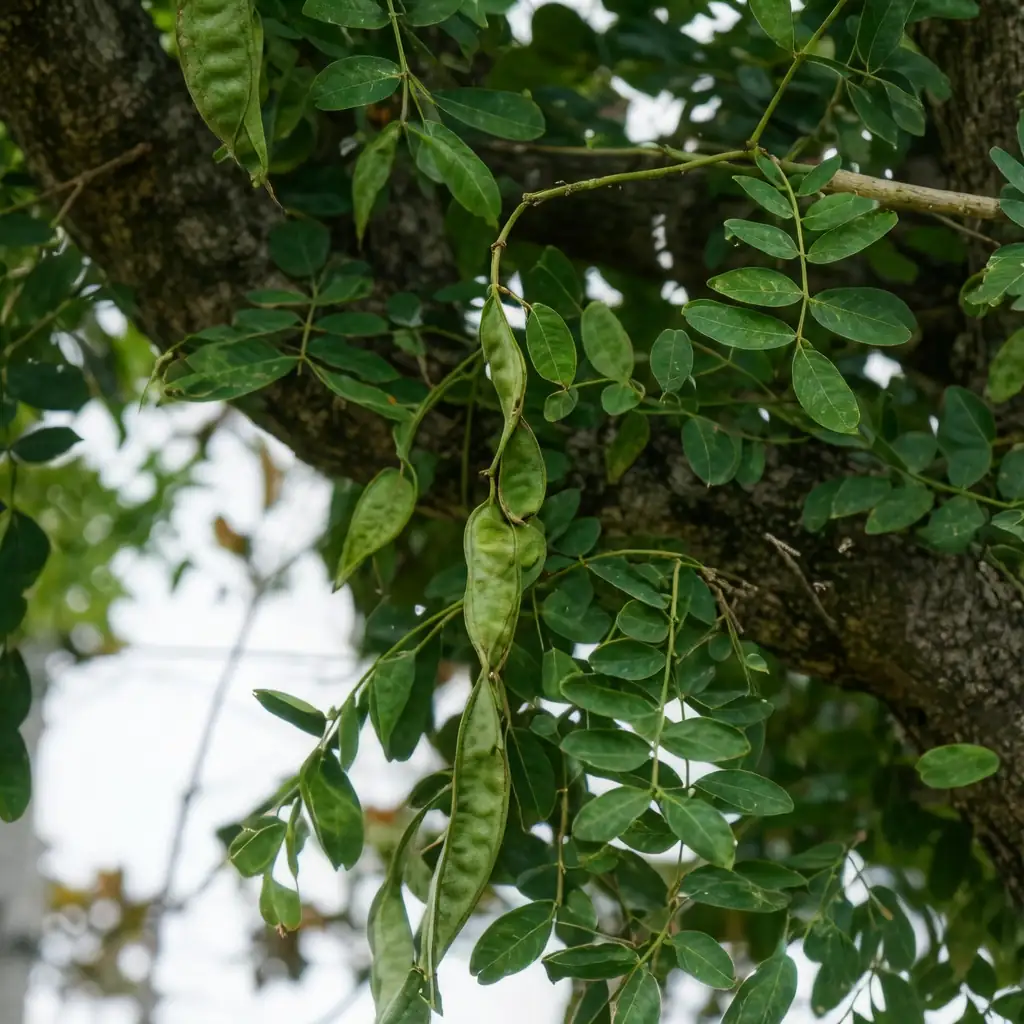
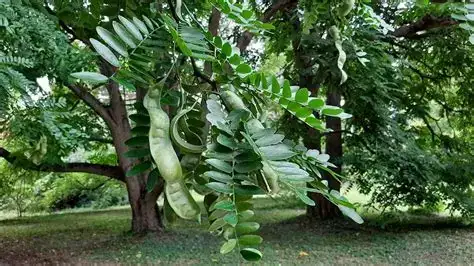
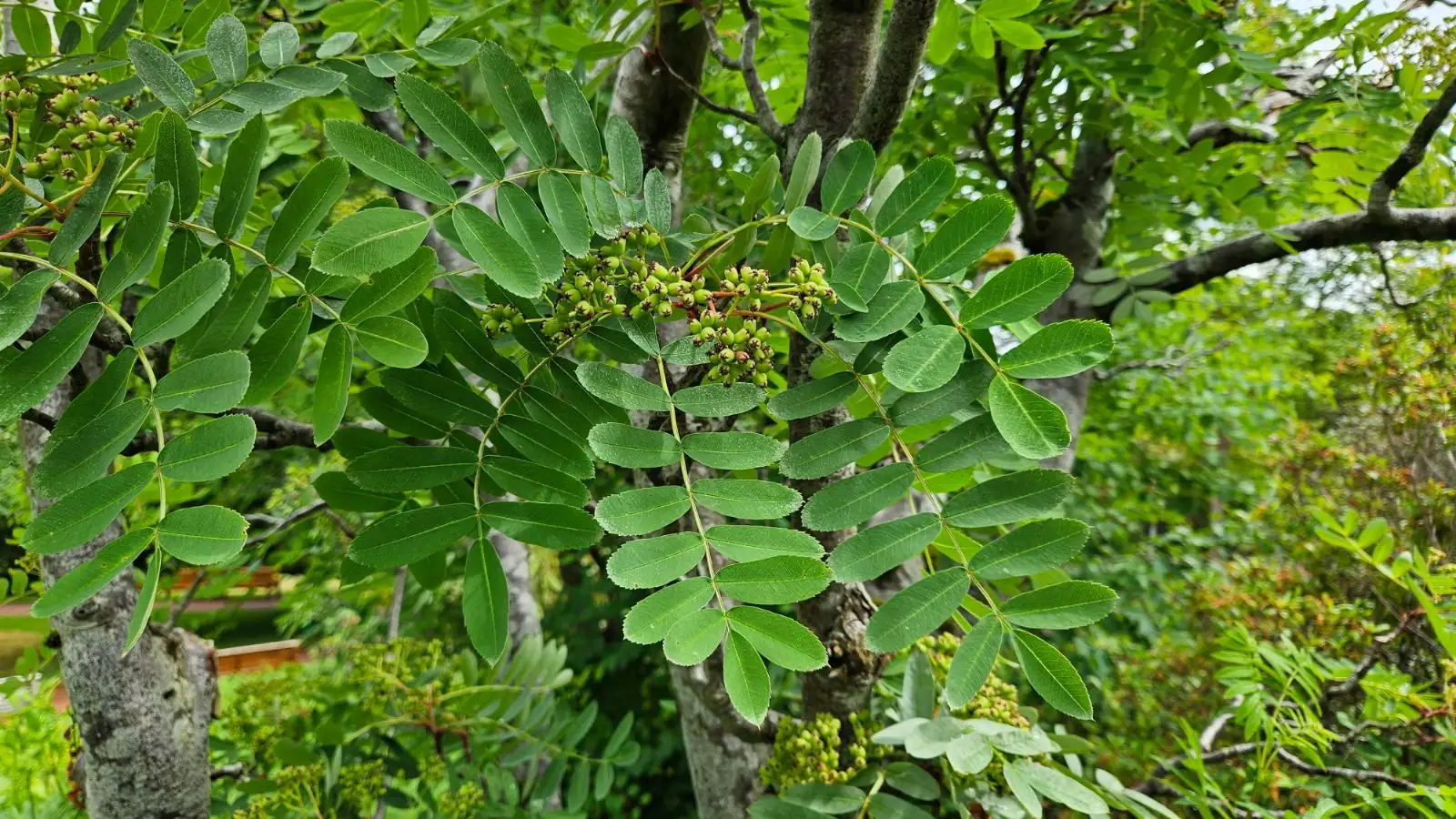
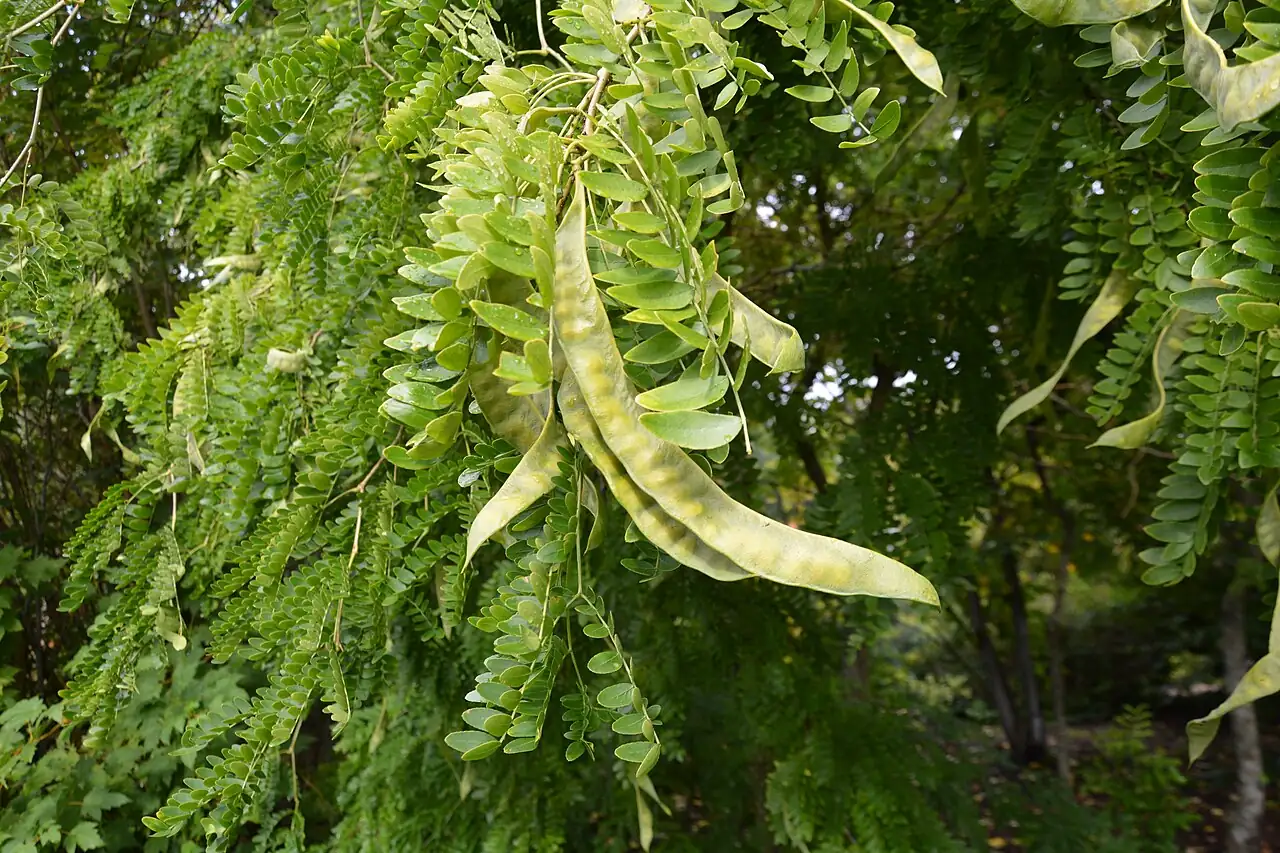
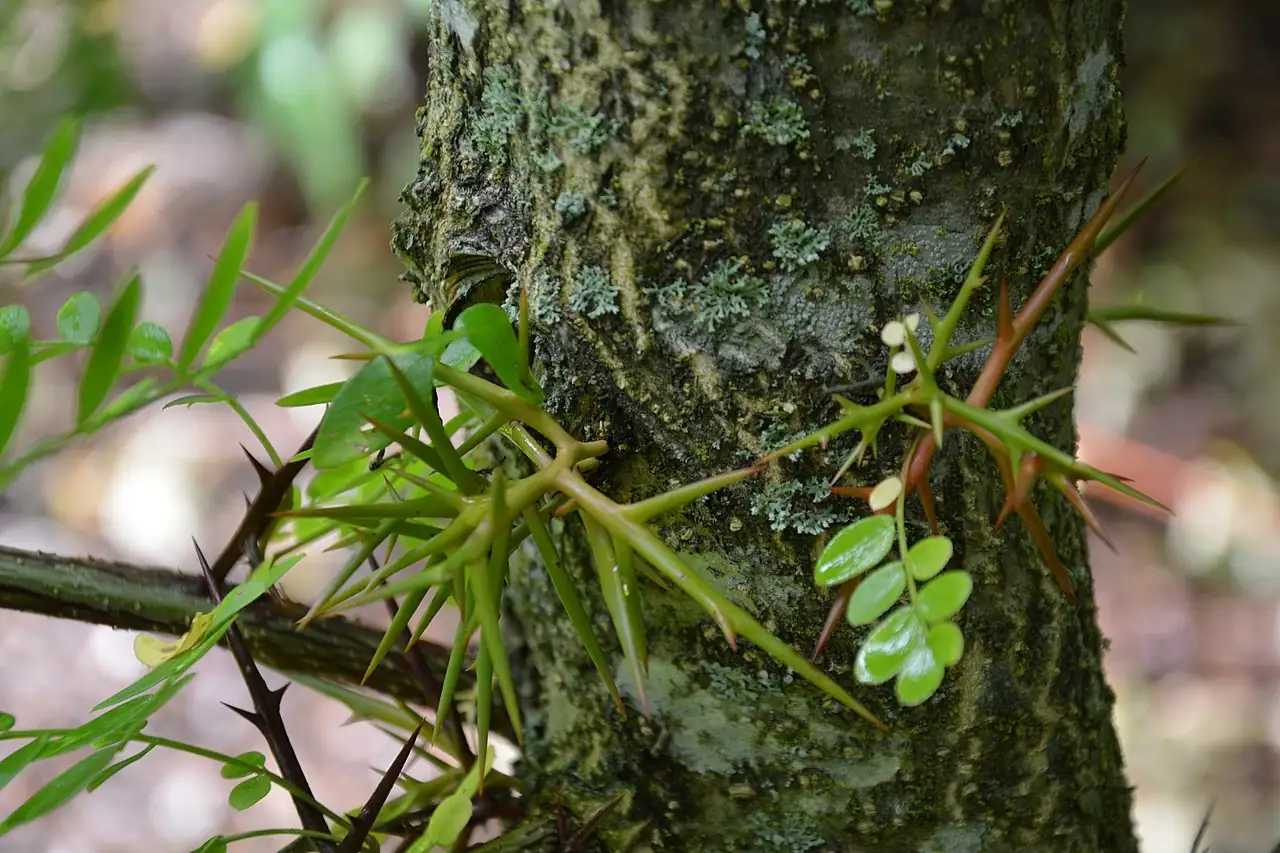
- Foliage: A deciduous tree with pinnate compound leaves. The leaflets tend to have rounded to blunt tips and may be slightly notched; leaflet stalks are very short. Young twigs can carry small thorns, so it can feel a little “armed” when handled up close.
- Flower: Small yellow-green flowers appear in spike-like clusters. The fruit is especially eye-catching: a flat, strap-shaped pod about 20–35 cm (7.9–13.8 in) long, often irregularly twisted or curved; seeds are numerous and oval.
- Flowering Season: April–June
- Growth Habit: Upright, woody, slow-growing, and long-lived. Best in full sun; adaptable to many soils, and notably tolerant of drought and low fertility once established.
Environment
Sunlight
Full sun for strongest growth, flowering, and pod production.
Temperature
Best in temperate climates with warm summers and cold winters. Young plants may need protection from extreme cold below about -20°C (-4°F).
Humidity
Average outdoor humidity; generally not demanding once established.
Soil
Adaptable to many well-drained soils, including poor and dry ground. Avoid persistently waterlogged conditions, which can stress roots and trigger dieback.
Placement
Plant outdoors in an open, sunny spot—useful for parks, slopes, and roadside/streamside plantings where drainage is good. If your plant shows thorns, place it away from narrow paths and play areas.
Hardiness
Approx. USDA Zone 5–8; drought tolerant once established and generally cold-hardy in temperate regions.
Care Guide
Difficulty
Easy once established. It’s slow to size up, but it rewards patience with toughness, drought tolerance, and minimal fuss.
Buying Guide
Pick a young tree with a straight main leader, healthy bark, and no obvious cankers. Check that the root system is well developed and not tightly pot-bound. If thorns are present, plan its location so people won’t brush against it.
Watering
Water regularly for the first 1–2 growing seasons to help it establish deep roots. After that, water during prolonged dry spells with a deep soak, letting the top layer of soil dry between waterings.
Fertilization
Often unnecessary in average soils. If growth is weak, apply a balanced slow-release fertilizer in spring at label rates. Avoid heavy nitrogen on poor sites, which can push soft growth.
Pruning
Prune in late winter to early spring. Remove dead, damaged, or crossing branches and shape a strong framework. Wear protection and work carefully if thorny shoots are present.
Propagation
Most commonly grown from seed. Germination improves with scarification (lightly nicking the seed coat) and soaking in warm water before spring sowing. Named selections (where available) are typically grafted.
Repotting
Not relevant for in-ground trees. For container-grown juveniles, pot on in spring into a free-draining mix and keep root disturbance minimal.
📅 Seasonal Care Calendar
Flowering: April–June. Fruiting: June–November (pods may persist as they mature).
Pests, Diseases & Safety
Common Pests & Diseases
Generally robust. New growth may attract aphids, scale insects, or caterpillars; manage with horticultural soap/oil and good plant hygiene. Poor drainage or overwatering can stress roots and lead to dieback—improving drainage is the best prevention.
Toxicity
Pods contain saponins and may cause irritation if eaten in quantity. Keep plant parts away from small children and pets. Twigs may bear thorns that can cause puncture injuries.
Culture & Symbolism
Symbolism: Often linked with resilience and practicality—fitting for a tree that thrives in tough conditions and has a history of useful household applications.
History & Legends: Across parts of East Asia, saponin-rich pods from locust relatives have long been used as natural cleansers; Japanese honey locust is valued in similar local traditions for its lathering pods.
Uses: Ornamental shade and landscape tree; pods used traditionally as a natural soap substitute and as a dye source. Seeds have been used in regional traditional medicine, and young leaves have been eaten as seasonal greens. The wood is hard and durable, suitable for timber and general woodworking.
FAQ
When does it flower?
Usually from April to June.
When does it fruit?
Typically June to November; pods may hang on as they mature.
How tall can it get?
Around 25 m (82 ft) tall under good conditions.
Where is it native and what habitats does it prefer?
It’s native to China (including Liaoning, Hebei, Shandong, Henan, Jiangsu, Anhui, Zhejiang, Jiangxi, and Hunan) and is often found on sunny slopes, in valleys, and along streamsides and roadsides.
What are the pods used for?
They contain saponins that lather in water, so they’ve been used traditionally as a soap substitute and for dyeing; seeds also have traditional medicinal uses in some regions.
Fun Facts
- The pods naturally foam in water thanks to their saponins—nature’s built-in “soap.”
- Many pods develop a twist or sickle-like curve, making them especially distinctive on the tree.
- Young twigs can be thorny, a common trait across many Gleditsia species.
- Its wood is notably tough and has long been appreciated for practical woodworking.


