Plant Features
- Size: Typically 3–8 m (10–26 ft) tall; crown spread varies with cultivar and pruning.
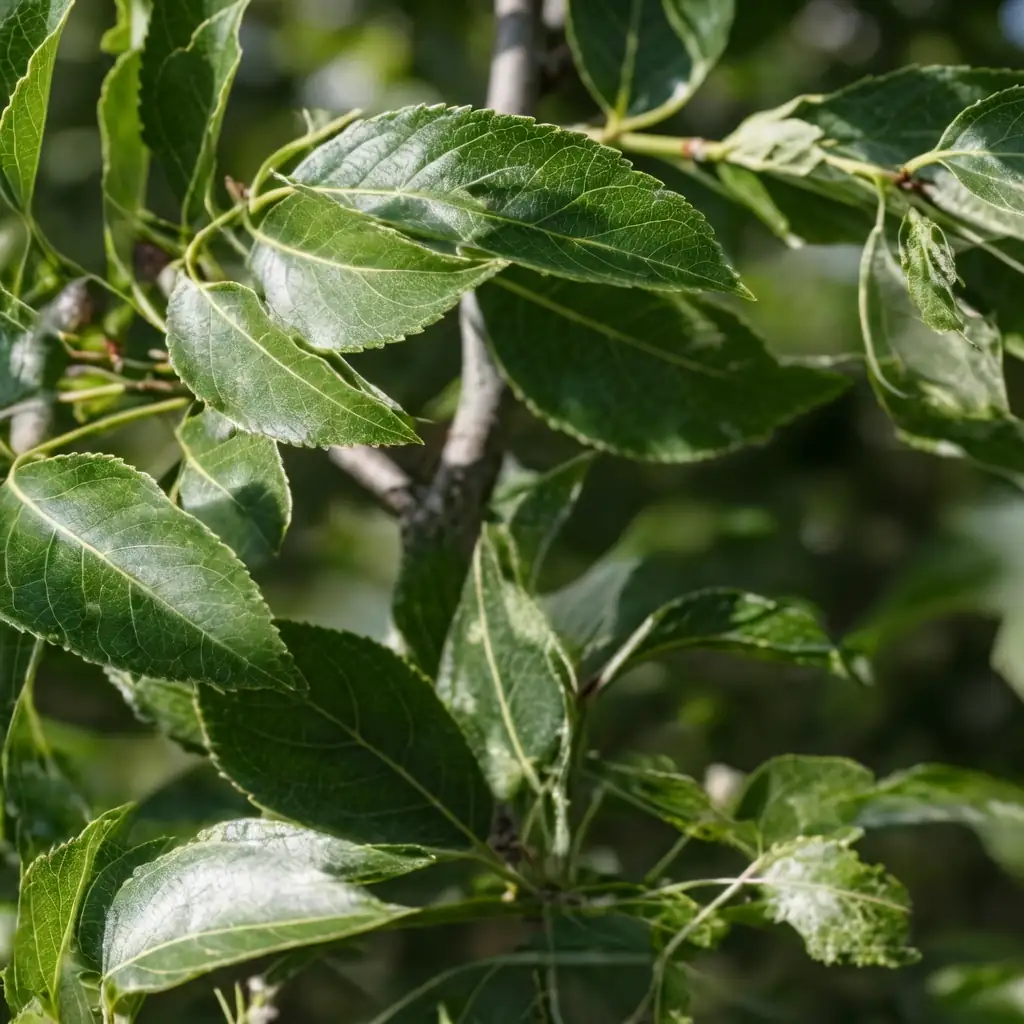
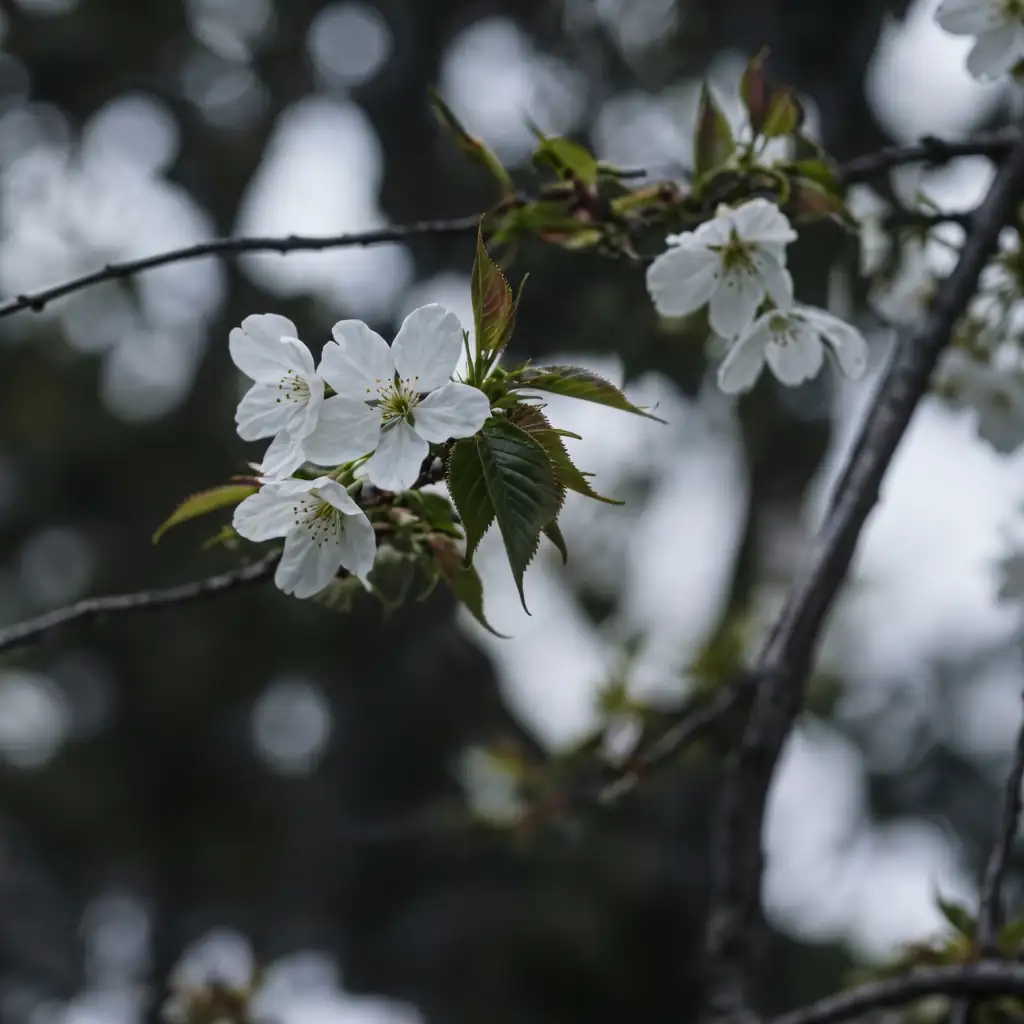
- Foliage: Leaves are oval to obovate-elliptic; glossy deep green on the upper surface and a paler green underneath, generally hairless.
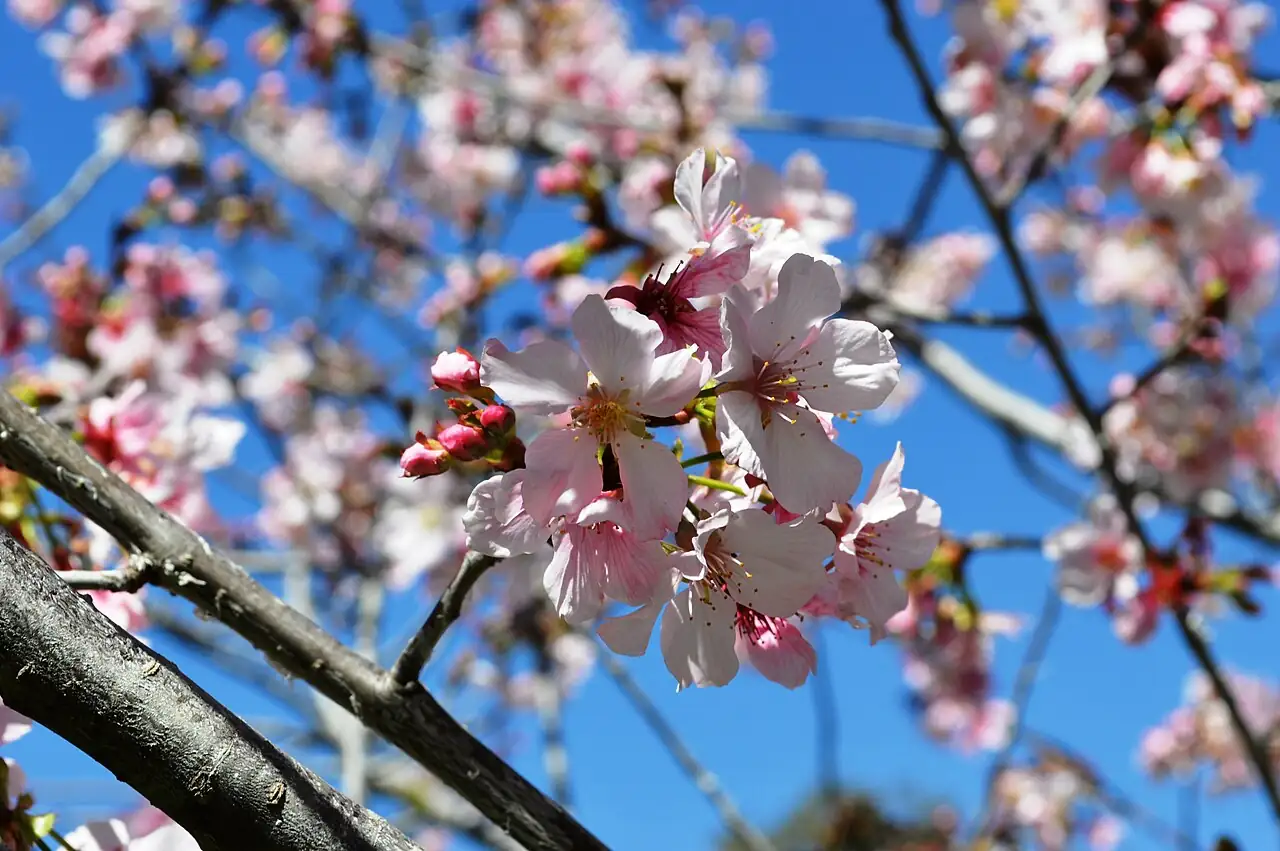
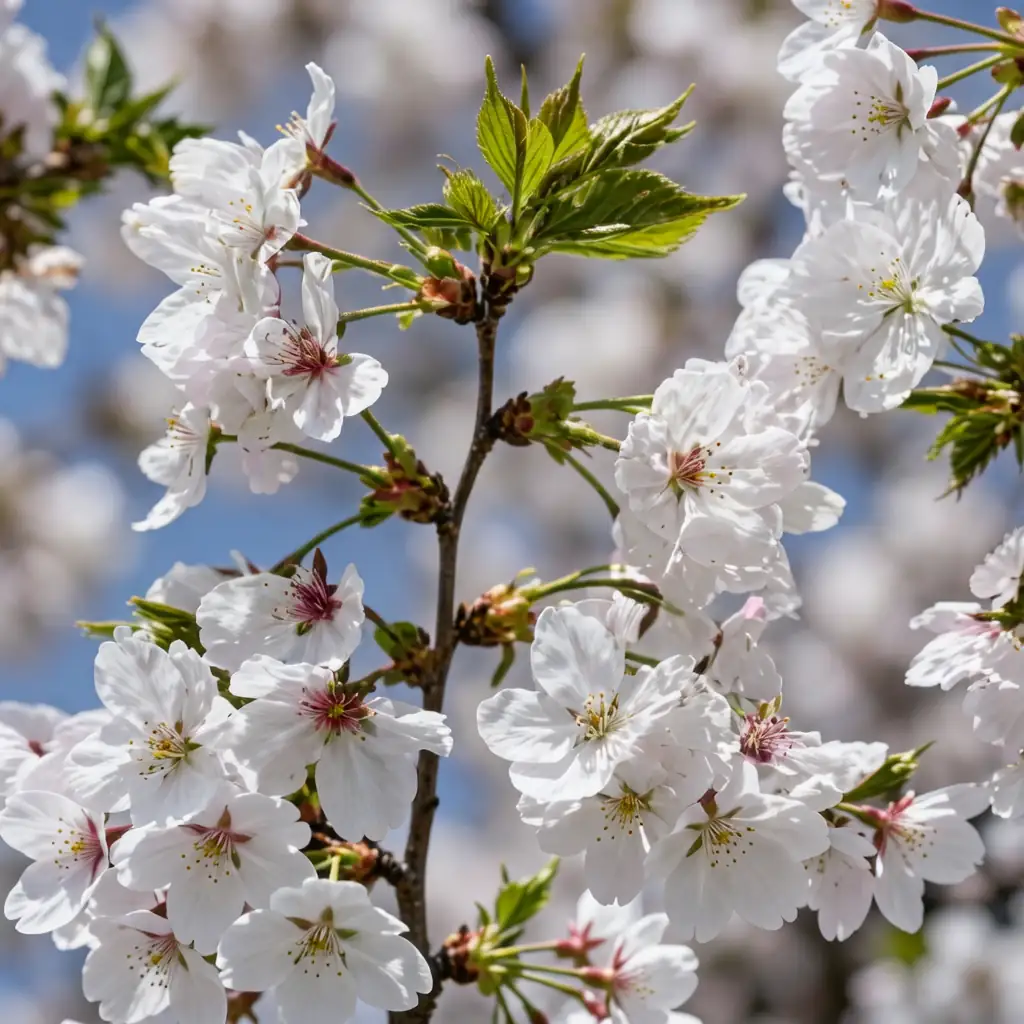
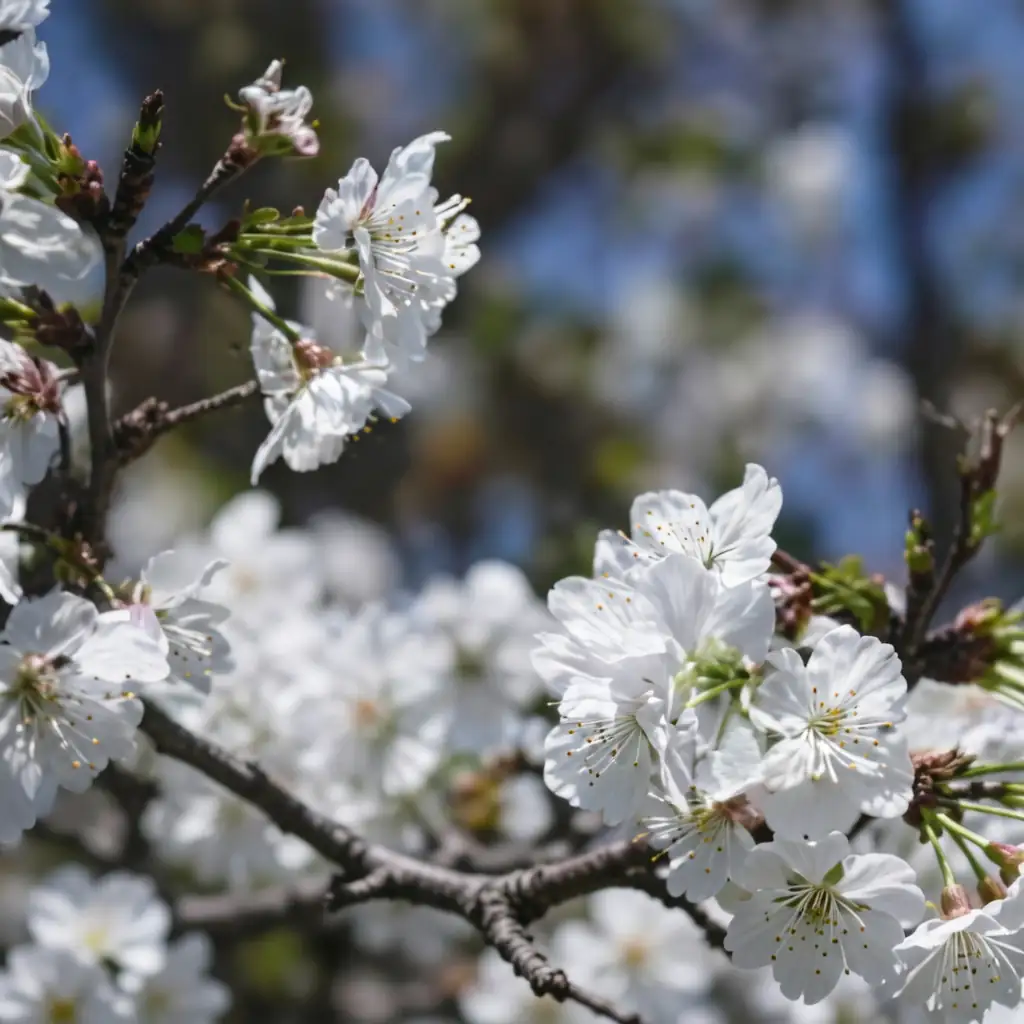
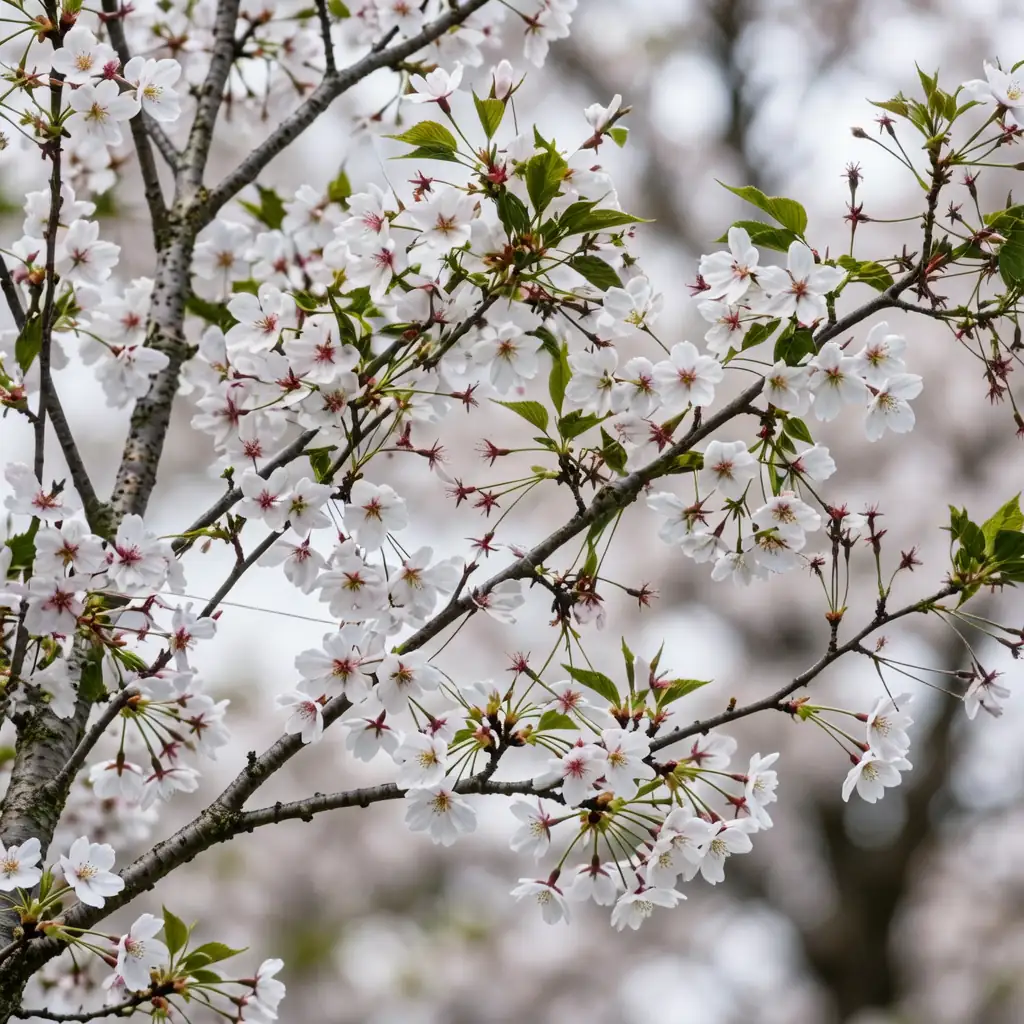
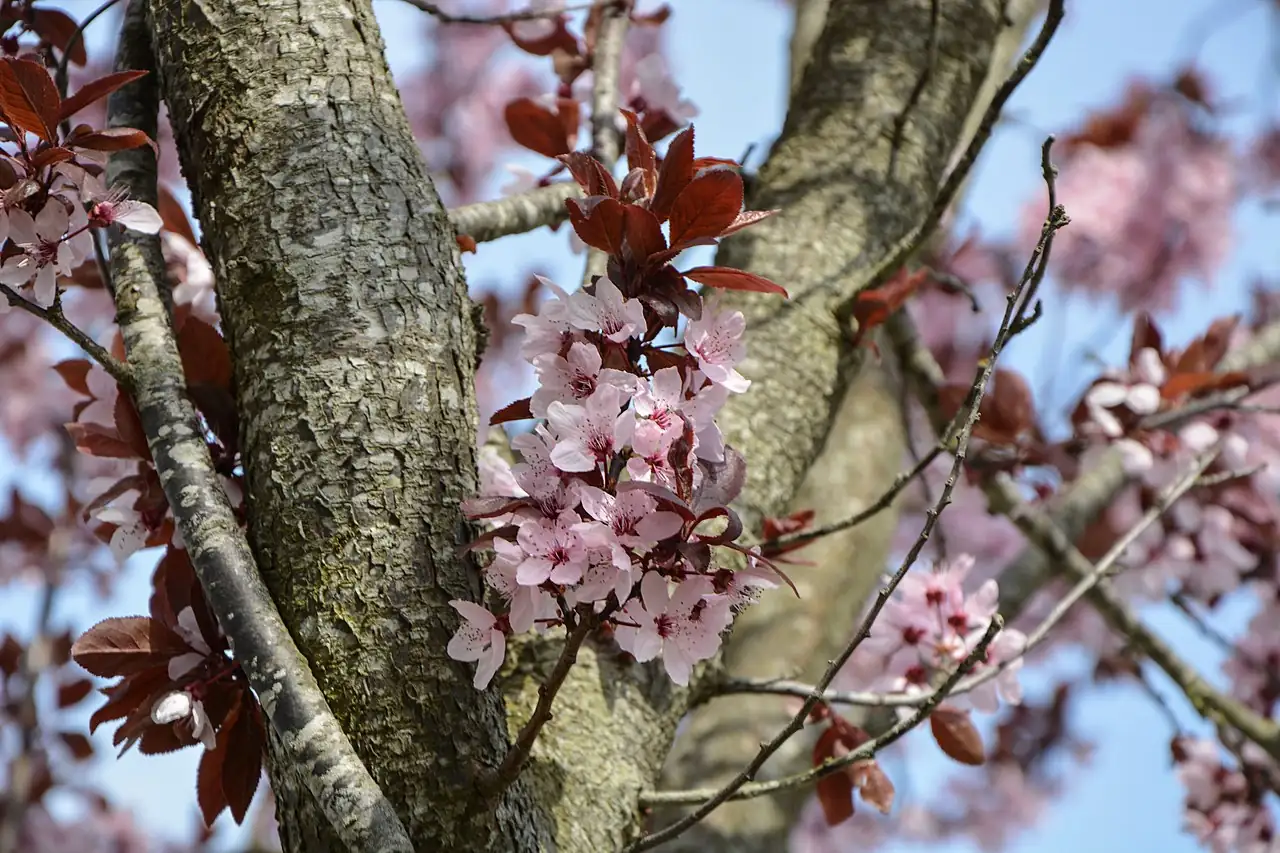
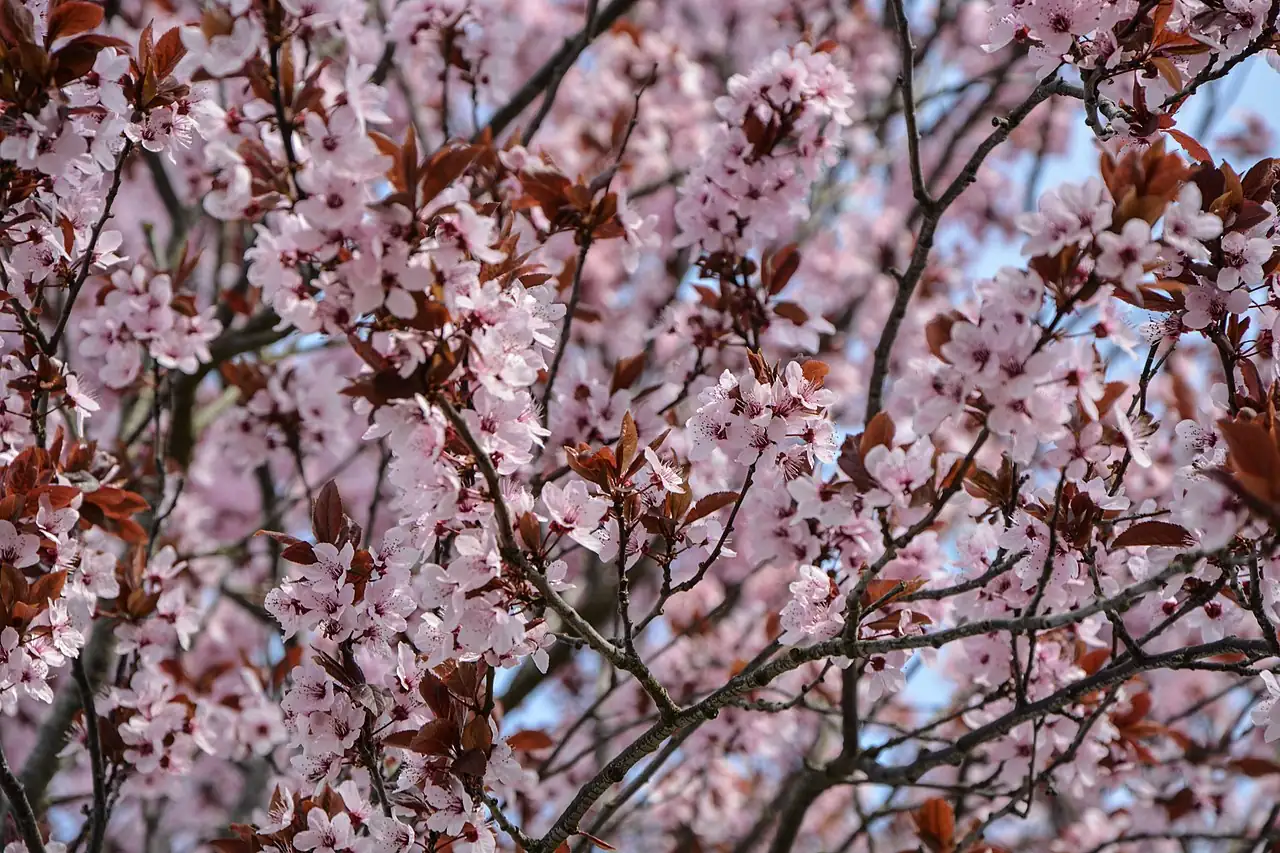
- Flower: Borne in small clusters (often 2–3 flowers) in corymb-like groups. Petals are usually white, sometimes pale pink, often with a slightly notched tip; bracts may be reddish-brown.
- Flowering Season: April–May (spring)
- Growth Habit: A deciduous ornamental tree with gray-brown to dark gray bark and typically smooth shoots (pale gray to light brown). The root system tends to be relatively shallow, so it performs best where soil drains well and isn’t compacted.
Environment
Sunlight
Full sun to light shade; flowers most heavily in full sun.
Temperature
Cold-hardy; happiest in cool to temperate climates. Typical active-growing-season comfort range is about 5–25°C (41–77°F). Once dormant, it tolerates winter cold, though exact limits vary by cultivar.
Humidity
Prefers moderate to fairly humid air; try to protect blossoms from hot, very dry winds during flowering.
Soil
Fertile, deep, well-drained soil; slightly acidic to neutral is ideal. Avoid saline/alkaline soils and any site that stays waterlogged.
Placement
Best grown outdoors in gardens, parks, and streetscapes—ideal as a specimen tree, in groups, or massed for spring displays. Can also be used for hedging in designed landscapes, and grown in containers/bonsai with attentive watering and drainage.
Hardiness
Generally USDA Zone 5–8 (approx. −29 to −7°C / −20 to 20°F), depending on cultivar and local conditions.
Care Guide
Difficulty
Moderate. The key is bright light and excellent drainage—shallow roots make it sensitive to waterlogging and soil compaction. Performs best in fertile, slightly acidic to neutral soil; dislikes saline/alkaline conditions. Cold-hardy and appreciates moderately humid air.
Buying Guide
Pick a tree with healthy, unscarred bark and well-spaced branches. Avoid signs of canker, gumming, dieback at shoot tips, or severely pot-bound roots. For grafted plants, check that the graft union is solid—no cracks, swelling, or weakness.
Watering
Water deeply after planting and during dry spells, but don’t keep the root zone constantly wet. Let the top layer of soil dry slightly between waterings, and prioritize drainage—standing water is a common cause of decline.
Fertilization
Feed in early spring with a balanced slow-release fertilizer or well-rotted compost. Don’t overdo nitrogen, which can push soft leafy growth at the expense of flowers. Top-dress annually with organic matter to maintain soil fertility.
Pruning
Keep pruning light: remove dead, damaged, diseased, or crossing branches. If shaping is needed, prune soon after flowering to preserve next year’s buds and reduce disease risk.
Propagation
Named ornamental forms are usually propagated by grafting/budding onto compatible Prunus rootstocks. Seed can be used for non-cultivar plants but won’t come true to type. Semi-hardwood cuttings can work for some selections with rooting hormone and humid conditions (e.g., mist).
Repotting
For containers or bonsai, repot in late winter to early spring before bud break. Refresh the mix, trim roots moderately, and use a free-draining substrate to prevent waterlogging.
📅 Seasonal Care Calendar
Flowering: April–May. Fruiting: June–July. After flowering, keep an eye on moisture and pests; mulch can help keep roots cool and evenly moist without making soil soggy.
Pests, Diseases & Safety
Common Pests & Diseases
Common pests include aphids, scale insects, caterpillars, and spider mites. Diseases may include leaf spot, powdery mildew, blossom blight, canker, and root problems in poorly drained soils. Improve airflow, avoid overhead watering during bloom, prune out infected wood, and focus on drainage to prevent root decline.
Toxicity
As with many Prunus species, pits/seeds and wilted leaves can contain cyanogenic compounds and may be harmful if chewed or eaten (especially for pets and livestock). The flowers and fruit flesh are generally low risk in small amounts, but it’s best to prevent pets from chewing twigs or consuming fallen fruit and pits.
Culture & Symbolism
Symbolism: A classic symbol of spring, renewal, and the beautifully fleeting nature of blossoms.
History & Legends: Deeply woven into East Asian garden traditions and spring flower-viewing culture, with many ornamental forms selected and cherished for centuries.
Uses: Primarily grown as an early-spring ornamental for parks and gardens. Frequently planted as a street or path tree, used in hedging within designed landscapes, showcased as a specimen, or mass-planted for dramatic spring color. Suitable for bonsai with careful root and watering management.
FAQ
Why does my Japanese flowering cherry struggle in wet ground?
This cherry has relatively shallow roots and is very sensitive to poor drainage. Constantly wet soil can lead to root stress and disease—plant in well-drained soil, avoid low soggy spots, and consider improving drainage or planting slightly raised.
When should I prune to avoid losing next year’s flowers?
Prune soon after flowering. Many flower buds form on older wood, so late-season pruning can remove the buds that would bloom the following spring.
Fun Facts
- It’s native to Japan, the Korean Peninsula, and China, occurring in mountain valley woodlands as well as in cultivation.
- Bloom is typically in April–May, with fruit often ripening in June–July.
- The fruit is a small drupe that can turn dark purple-black when ripe.
- Mature trees are often around 3–8 m (10–26 ft) tall, depending on cultivar and care.
- It’s used as a street tree, hedge component, mass-planting star, and even as bonsai—few spring trees are so versatile.