
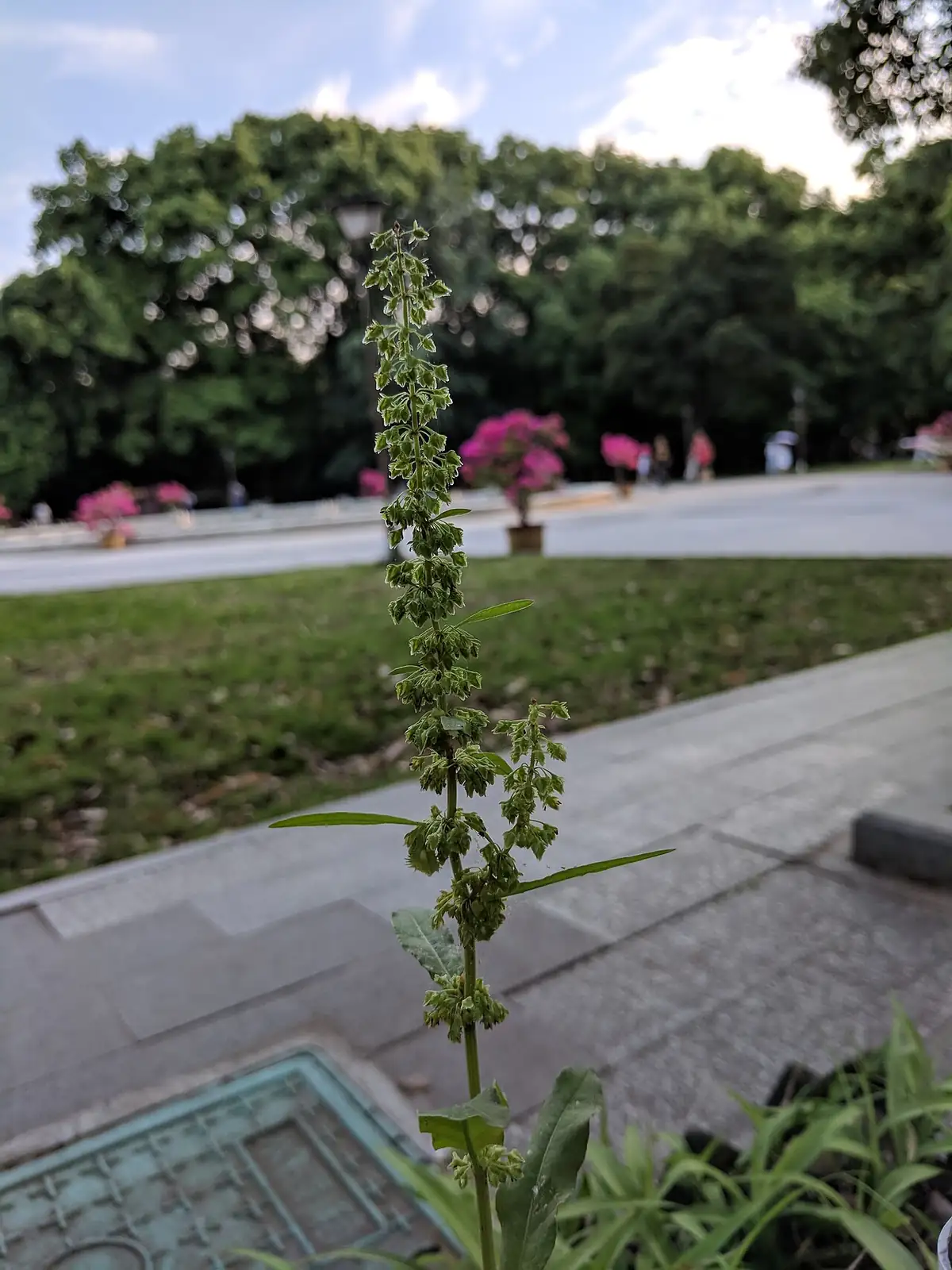
Plant Features
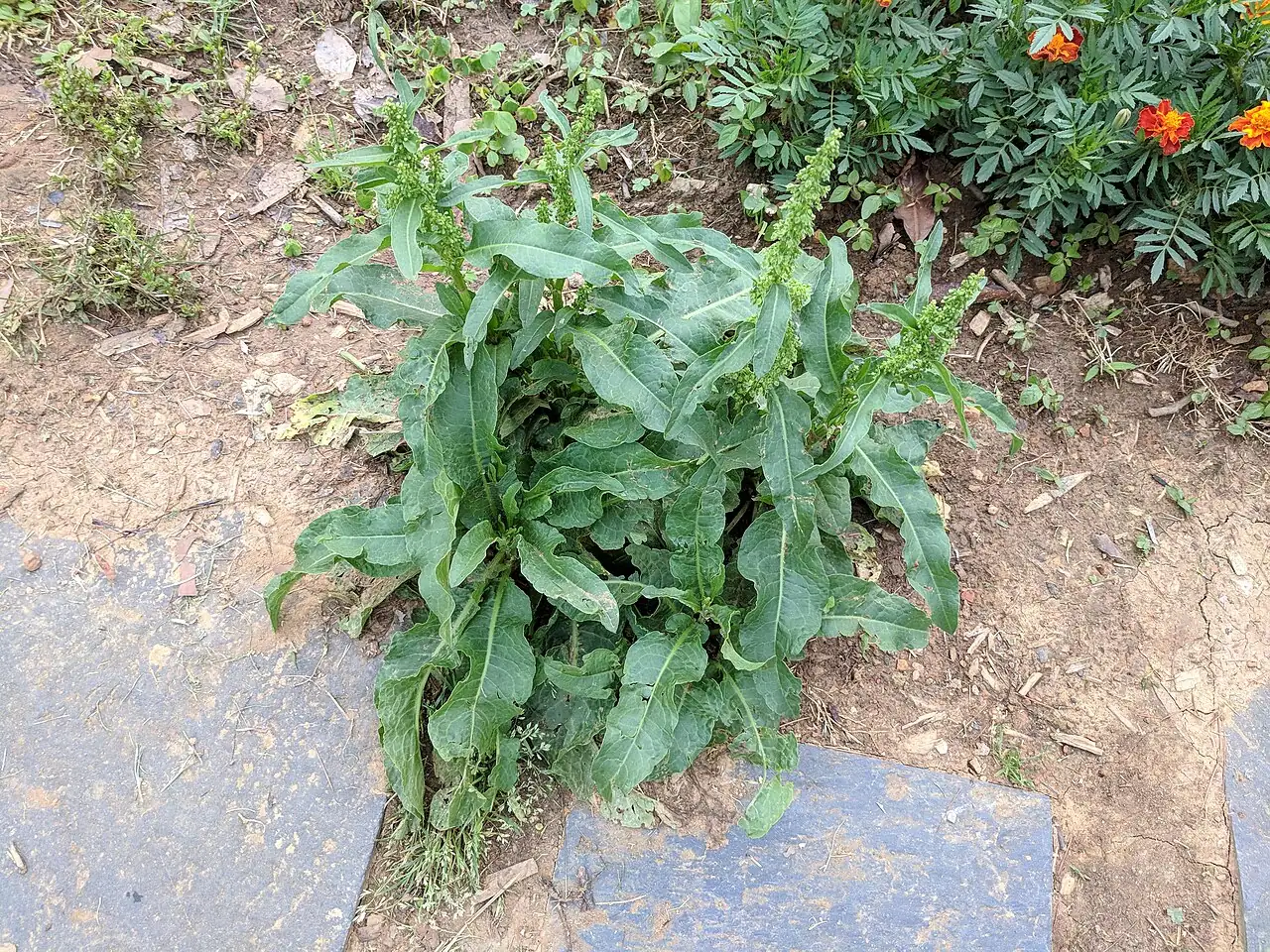
- Size: Typically up to about 100 cm (39 in) tall; forms an upright clump.
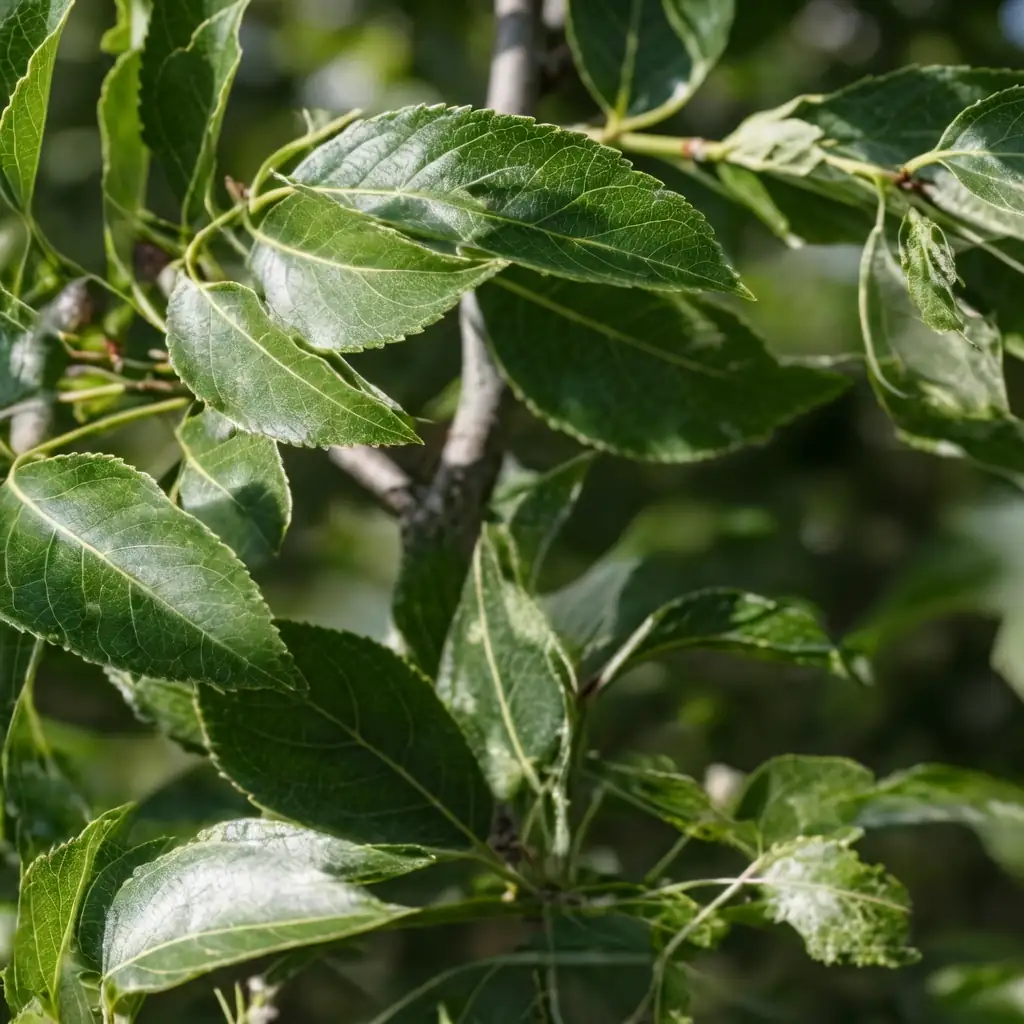
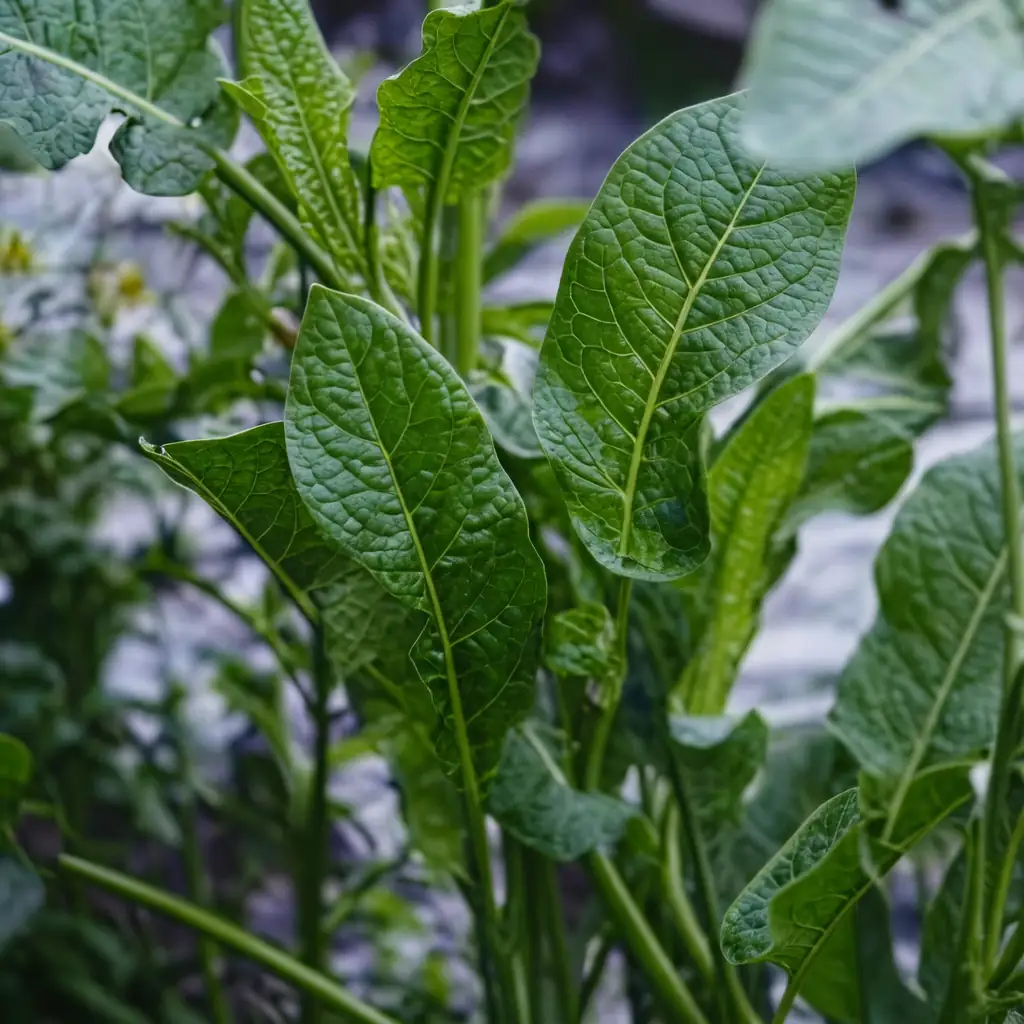
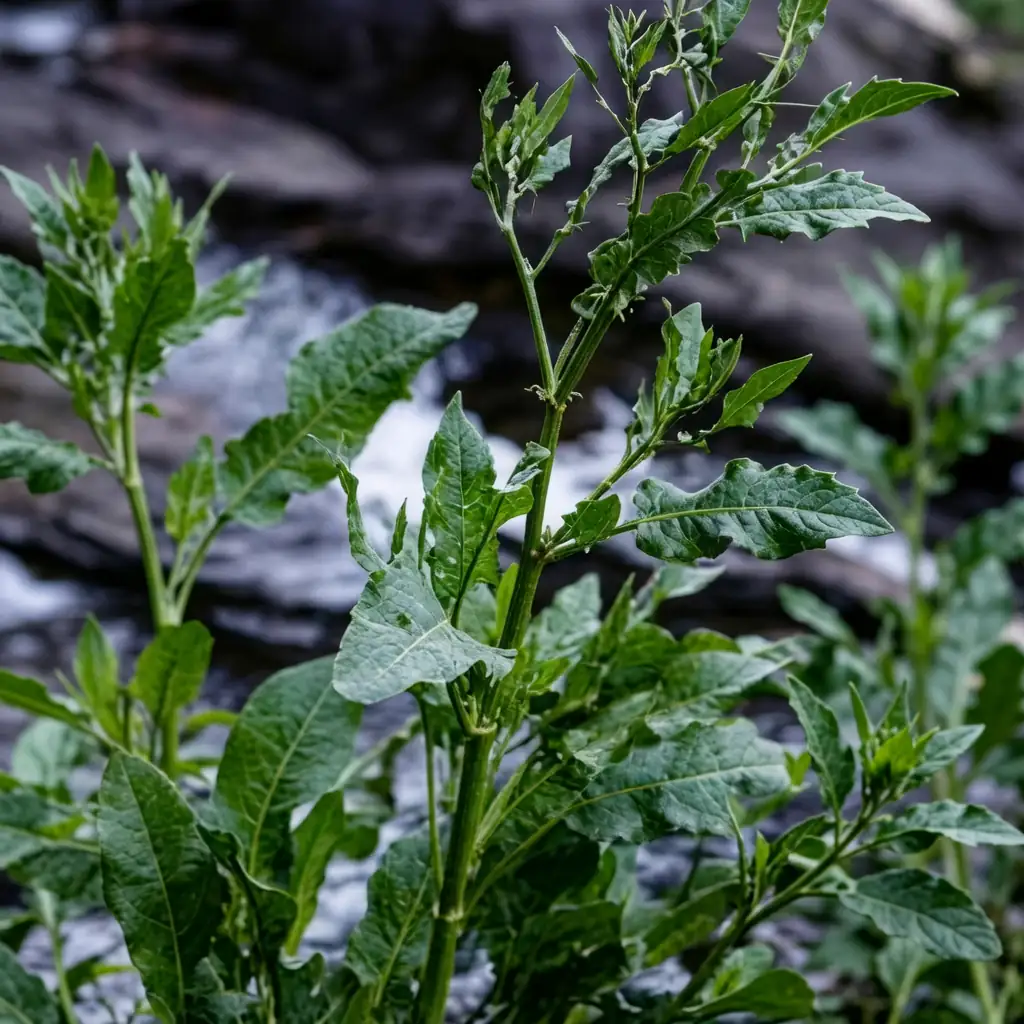
- Foliage: Basal leaves are oblong to lance-shaped (oblong-lanceolate), with pointed tips and rounded to heart-shaped bases; leaf margins are slightly wavy.
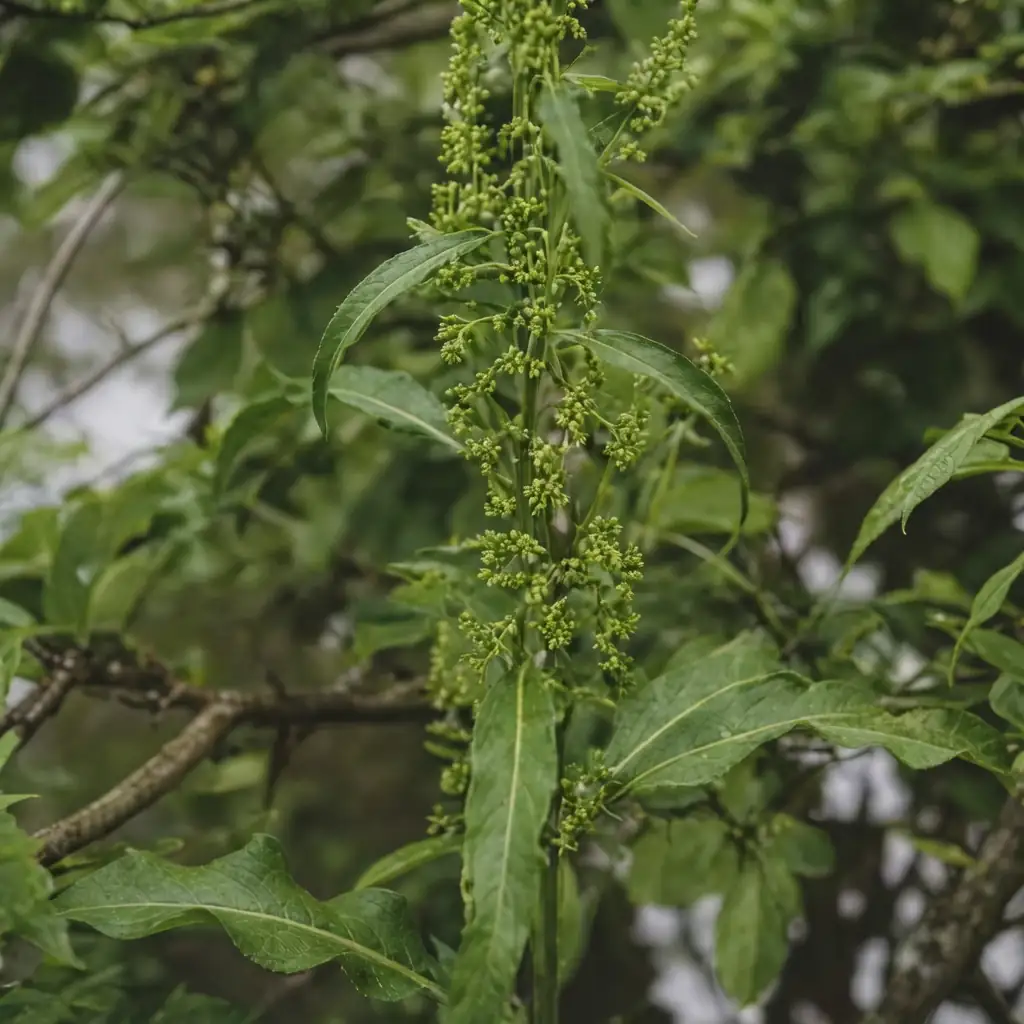
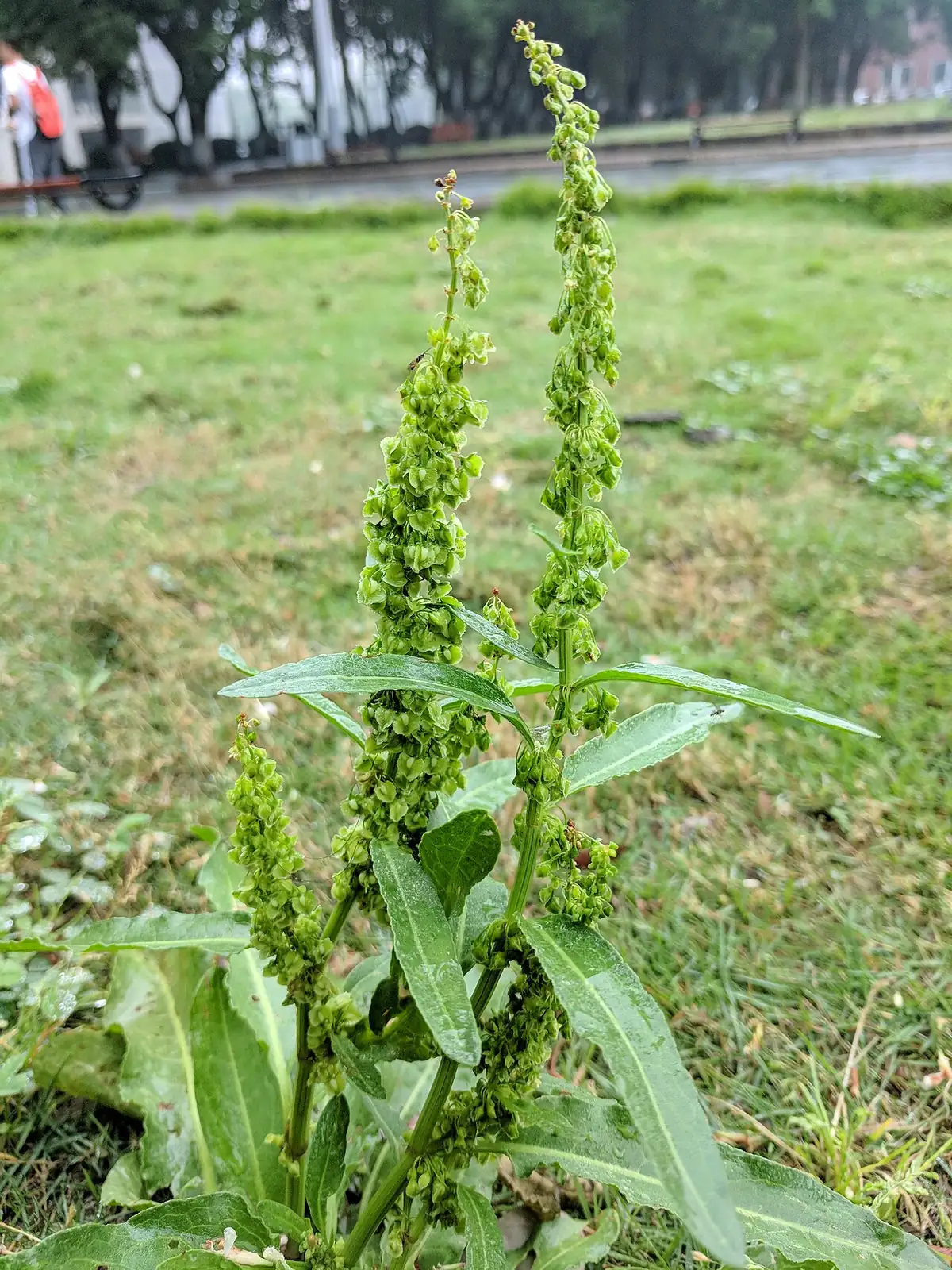
- Flower: Produces branched, panicle-like clusters of many small bisexual flowers on slender stalks. The perianth segments are pale green and show clear net-like veining. Fruits are dry achenes that are broad-ovoid and pointed at both ends, giving the seed heads a papery, textured look as they mature.
- Flowering Season: May–June
- Growth Habit: Upright, clump-forming perennial herb; breaks dormancy early and is notably cold-tolerant, often resprouting from late March to early April in its native range.
Environment
Sunlight
Full sun to partial shade; in hotter areas, a bit of afternoon shade can reduce stress.
Temperature
Cold-hardy. During active growth it commonly performs well around 5–25°C (41–77°F), with vigorous growth starting in early spring.
Humidity
Prefers consistently moist conditions; handles high humidity and wet sites well.
Soil
Moist to wet, fertile soil. Tolerates heavier/clayey ground and periodic waterlogging; performs best when soil does not dry out for long.
Placement
Best outdoors—wet meadows, pond/stream margins, rain gardens, low spots that stay damp, and ecological/wetland landscaping.
Hardiness
Cold-hardy; suitable for temperate climates, roughly USDA Zone 4–9.
Care Guide
Difficulty
Easy in the right place. The main challenge is keeping the soil from drying out and managing self-seeding if you don’t want it to spread.
Buying Guide
Pick plants with firm, upright growth and fresh-looking basal leaves. Avoid plants with significant leaf spotting, limp/wilted foliage (often from dried roots), or those already dropping lots of seed if you’re trying to limit spread.
Watering
Keep soil consistently moist. Water when the top 2–5 cm (1–2 in) starts to dry; in heat or wind this may mean watering more often. In true wetland-style plantings, established plants may need little to no supplemental watering.
Fertilization
Often unnecessary in reasonably fertile ground. If growth looks weak, top-dress with compost in spring, or use a balanced fertilizer at half strength once in spring and again in early summer.
Pruning
Remove yellowing or damaged leaves anytime. To reduce self-seeding, cut flower stalks after blooming and before seeds fully mature.
Propagation
Primarily by seed. You can also divide established clumps in spring or early autumn for faster, more predictable results.
Repotting
Not commonly grown as a houseplant. If grown in containers, repot in spring into a larger pot using a moisture-retentive mix, and don’t allow the pot to fully dry out.
📅 Seasonal Care Calendar
Spring: shoots emerge early; keep evenly moist and optionally add compost. Late spring–early summer (May–June): flowering; deadhead to limit seed. Summer (June–July): fruiting/seed set; cut back stalks if spread is a concern. Autumn: tidy old foliage; division can be done in mild climates. Winter: dormant; generally hardy in the ground.
Pests, Diseases & Safety
Common Pests & Diseases
Usually low-trouble. In humid, crowded plantings it may develop leaf spot or rust; aphids can appear occasionally. Improve airflow, remove badly affected leaves, and reduce overhead watering when disease pressure is high.
Toxicity
Edibility note: young leaves/shoots are sometimes eaten, but Rumex species can be high in oxalates. Eat in moderation and avoid if you have kidney issues, gout, or a history of kidney stones unless advised otherwise. Pet safety isn’t firmly documented here—discourage pets from grazing large amounts.
Culture & Symbolism
Symbolism: More of a “quiet survivor” than a florist’s symbol—often associated with resilience and the ability to thrive in damp, overlooked places.
History & Legends: No widely repeated legends are strongly tied to this species in common English references; it’s best known as a familiar wild dock across parts of East Asia.
Uses: Useful for wetland and riverside greening, rain gardens, and stabilizing moist disturbed ground. Also used in some local traditions as an edible wild green when harvested young (in moderation).
FAQ
When does it flower?
Typically May–June.
When does it set fruit/seed?
Typically June–July.
How tall does it get?
Up to about 100 cm (39 in) tall.
Where does it usually grow?
Along field edges, roadsides, riverbanks, and wet ditches/wetlands; widely distributed in many regions of China.
Is it edible?
Young leaves and shoots are sometimes eaten, but they can be high in oxalates—enjoy in moderation and avoid if medically advised.
Fun Facts
- It often greens up very early in spring compared with many other wild herbs.
- The pale-green flower parts show clear net-like veining that’s especially noticeable as fruits develop.
- It’s valued for “greening” damp, disturbed places like ditches and riverbanks.
- Its wide distribution reflects strong tolerance of cold and seasonal wet soils.
- Like many Rumex (dock) species, it can self-seed readily if seed stalks are left to mature.