

Plant Features
- Size: Climbing herbaceous perennial vine; stems typically about 1 m (3.3 ft) long (may grow longer with strong support and good conditions).
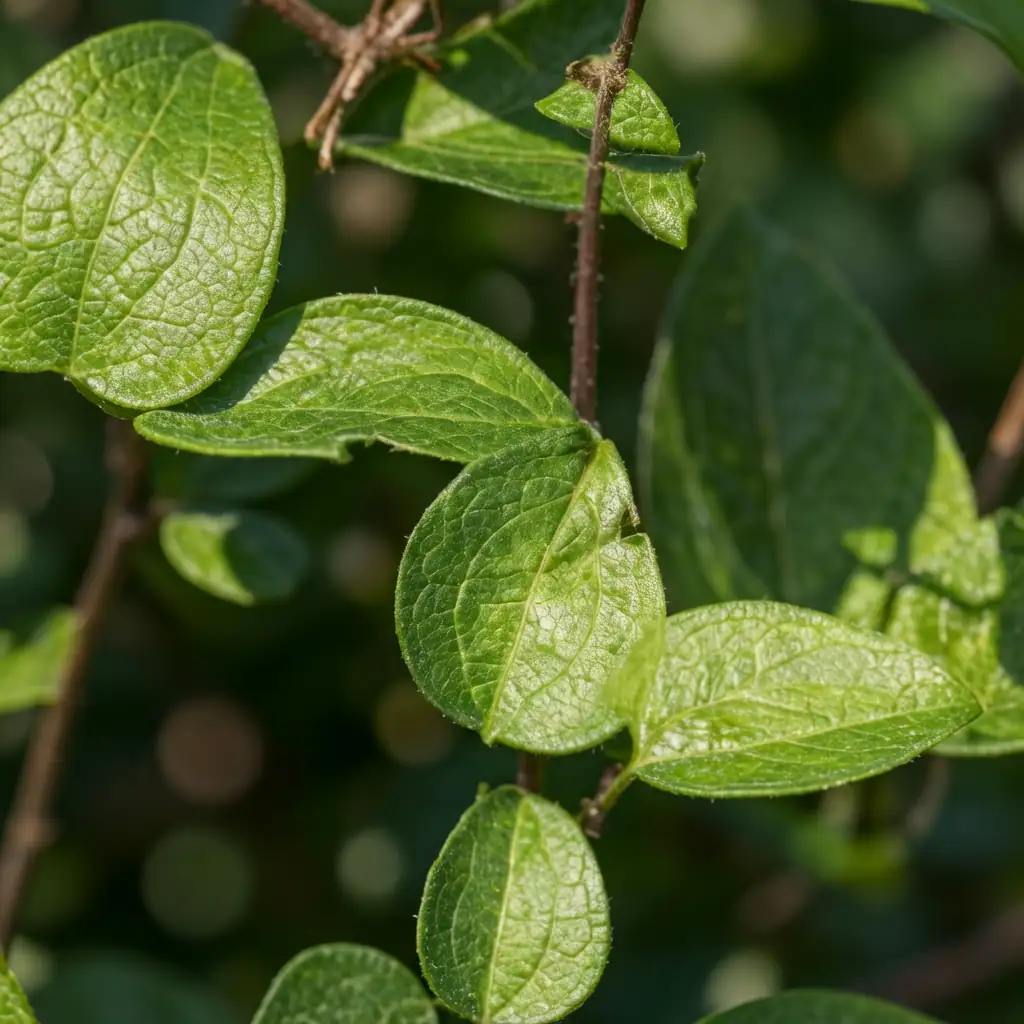
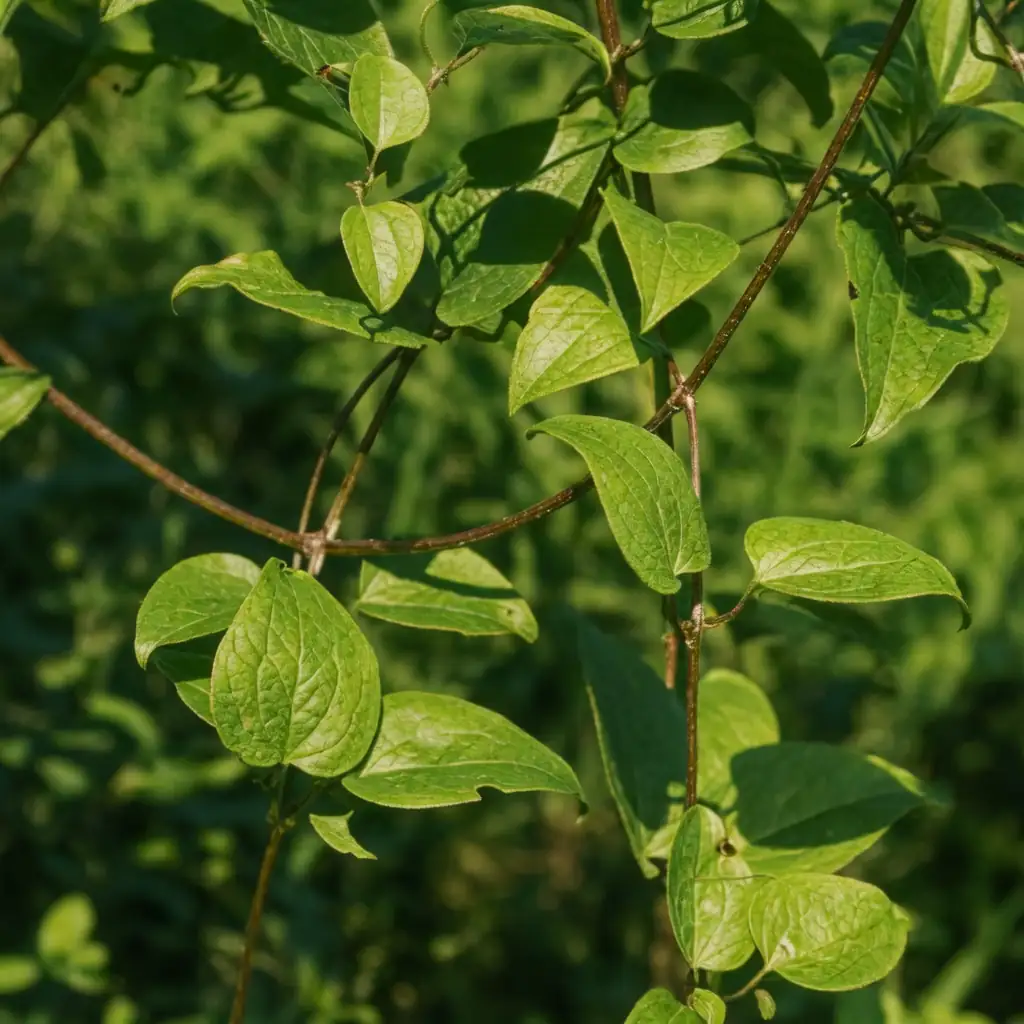
- Foliage: Pinnate compound leaves with usually 3 leaflets (occasionally 5). Leaflets are papery, ovate to ovate-lanceolate, giving the plant a light, airy look as it weaves through its support.
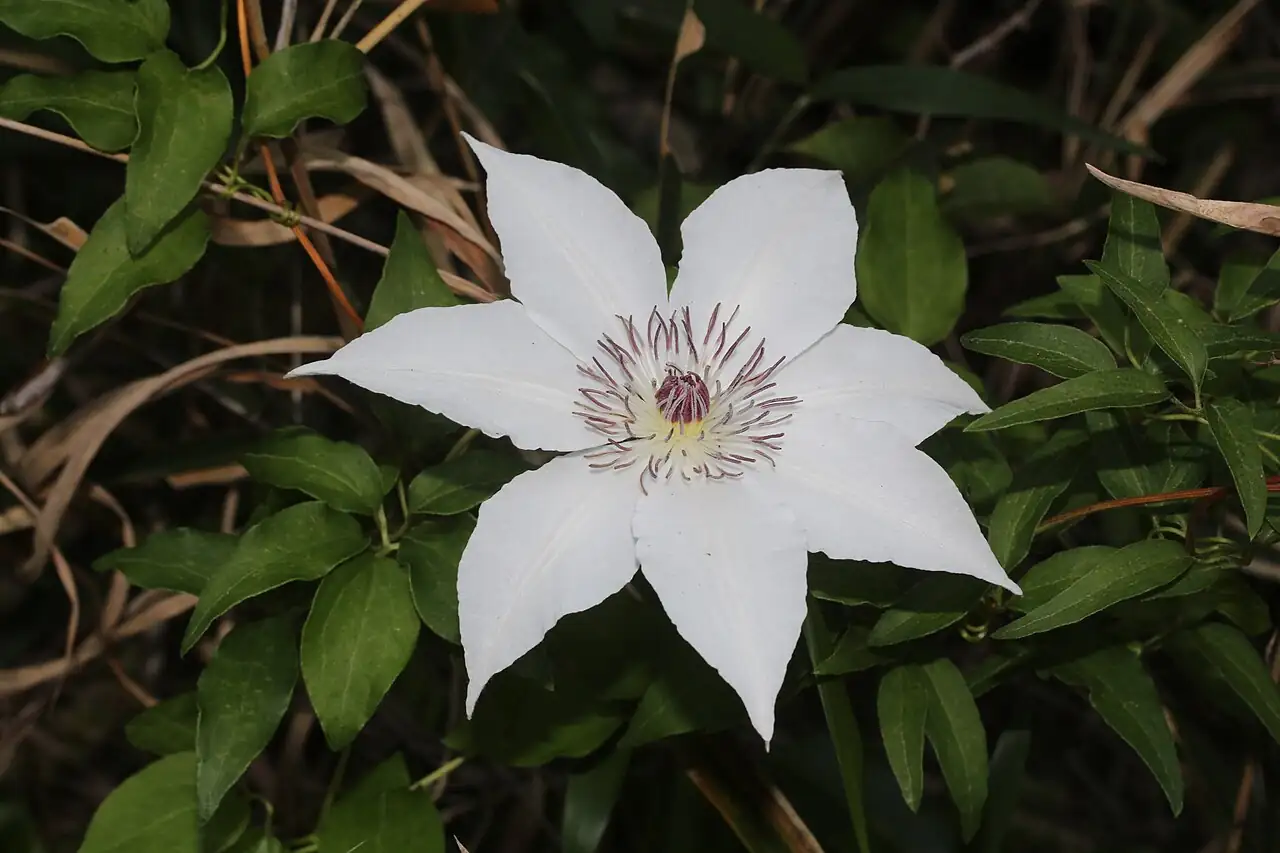
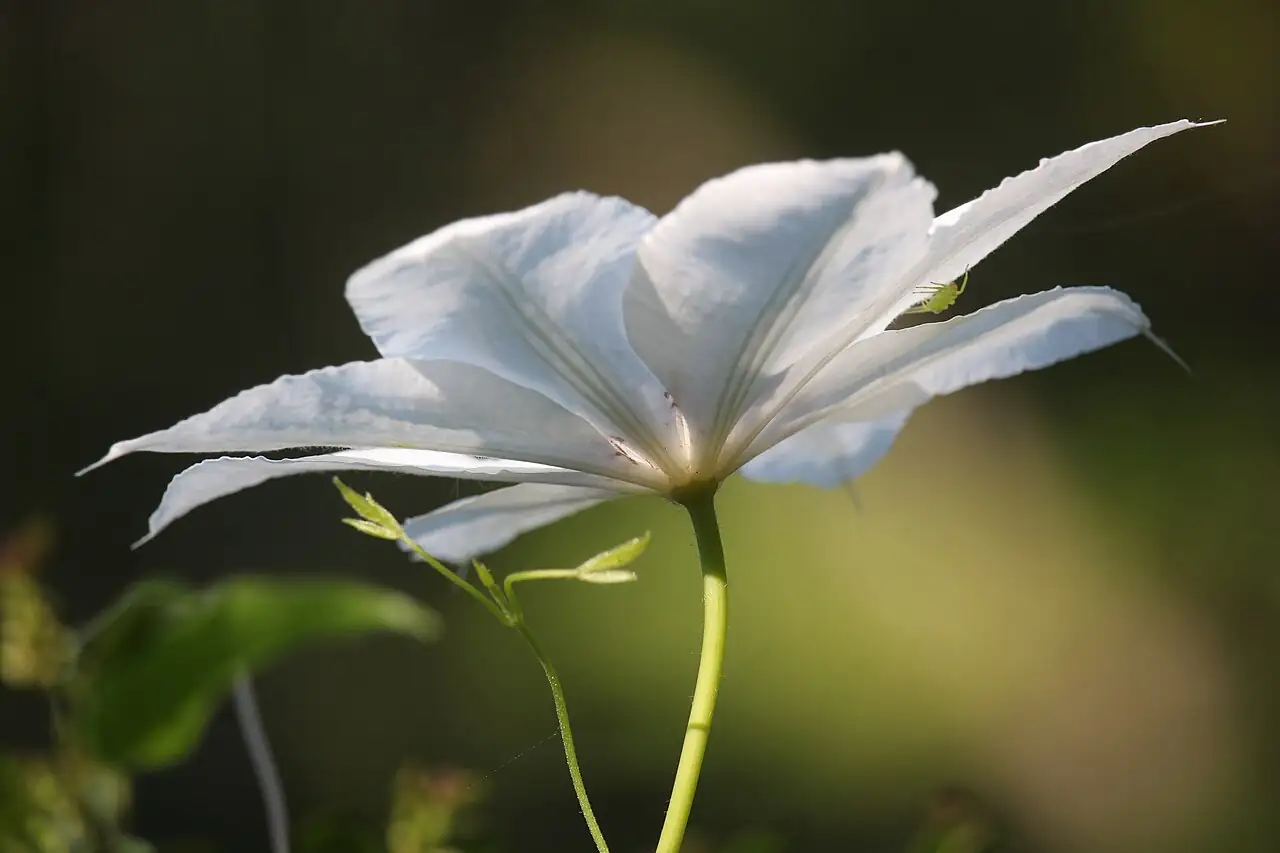
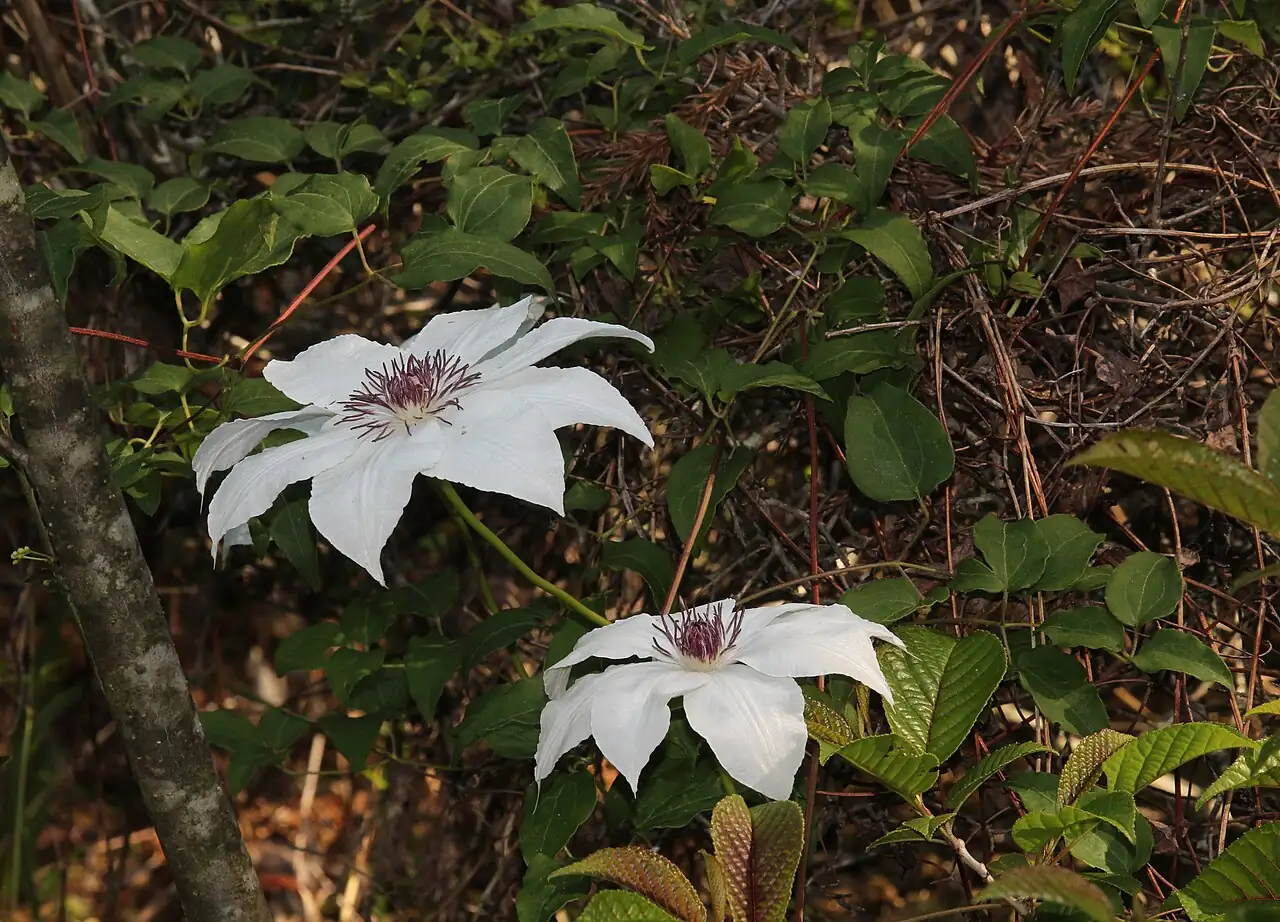
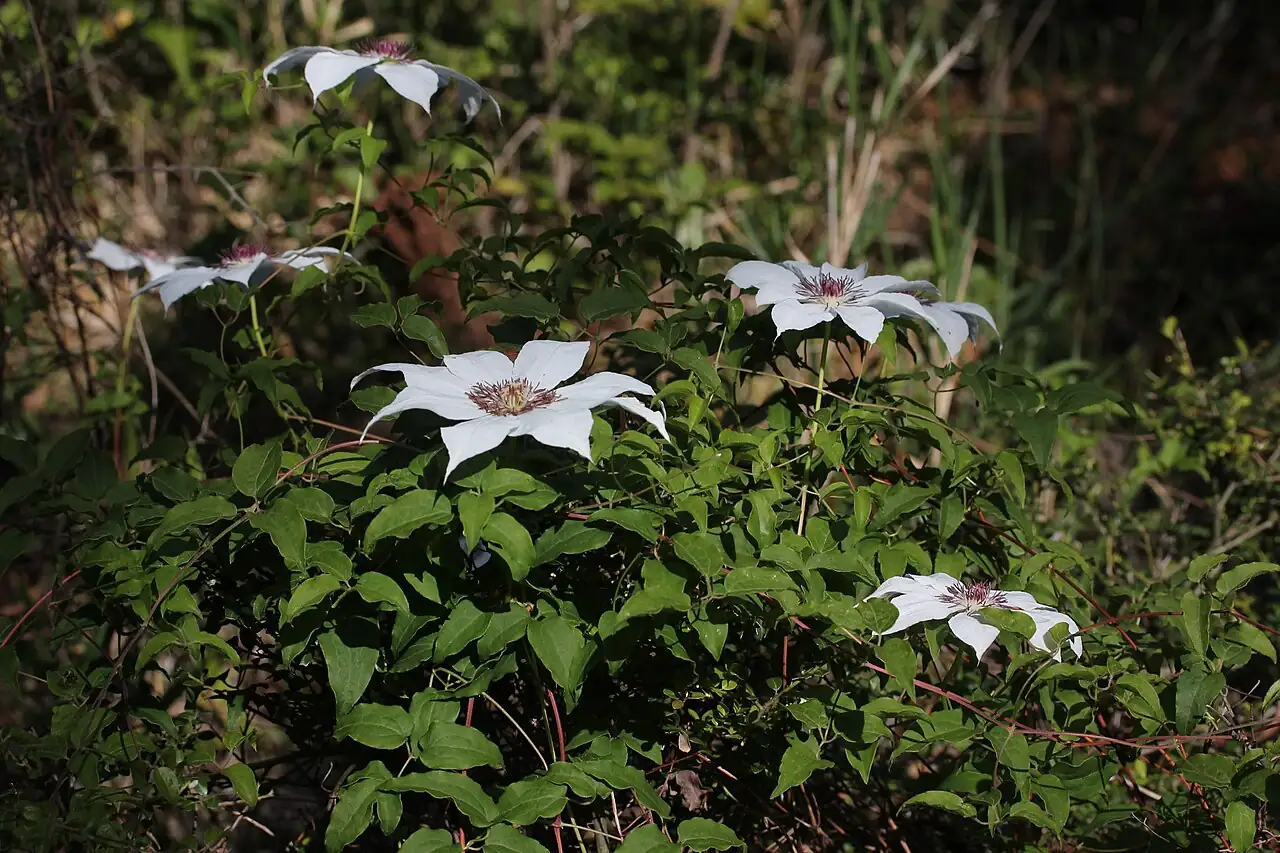
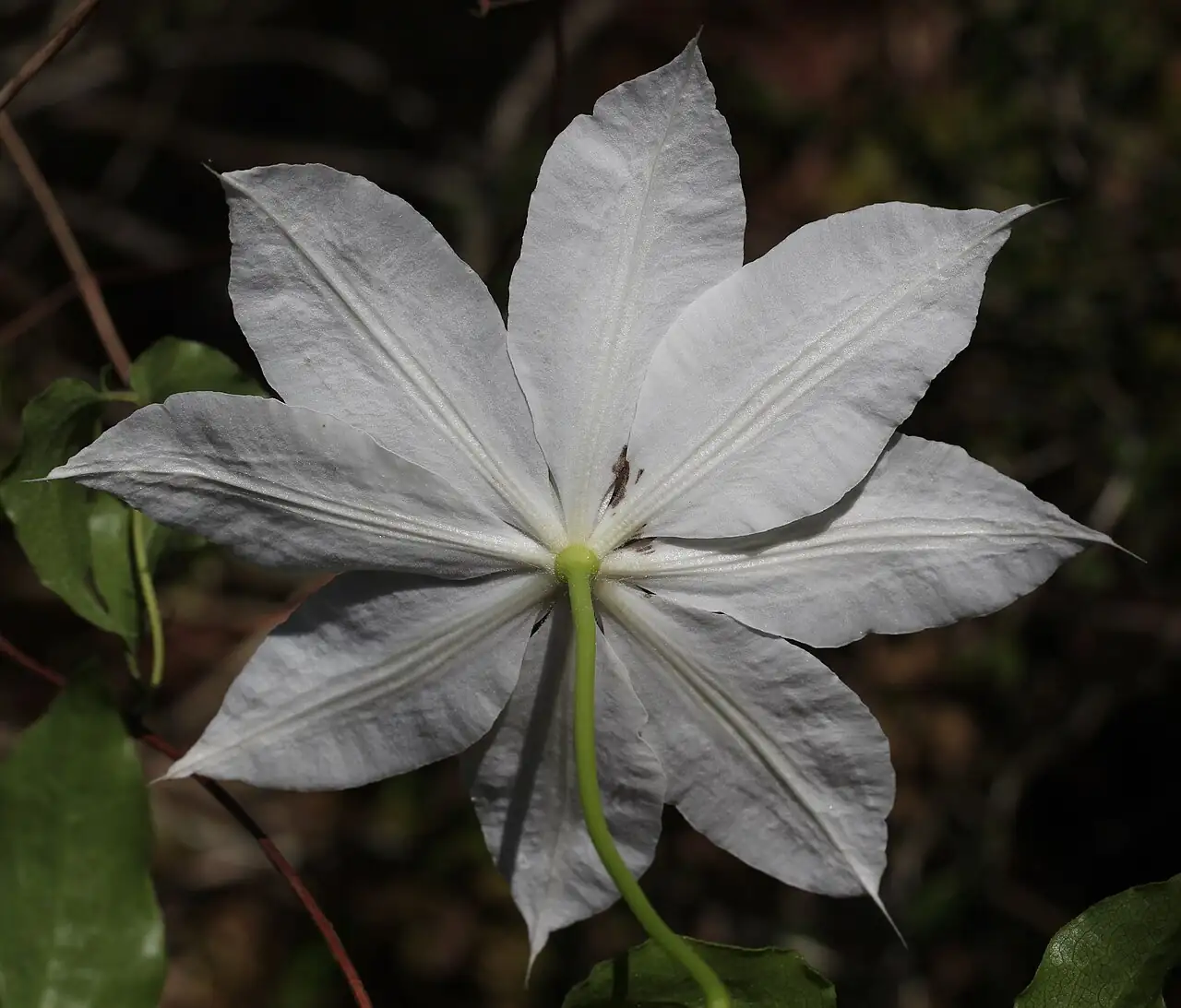
- Flower: Large, solitary, terminal flowers. Outer floral parts are described as softly hairy. Flower color isn’t specified for the wild-type in the source and can vary widely in cultivated forms. After flowering, it forms ovate achenes that carry long, golden, silky hairs—creating especially ornamental, fluffy seedheads.
- Flowering Season: May–June
- Growth Habit: Herbaceous, twining/climbing vine
Environment
Sunlight
Bright, indirect light or dappled sun. Outdoors, aim for a sheltered spot with good airflow; avoid harsh midday sun during hot summers (especially for container plants).
Temperature
Prefers cool-to-moderate conditions; about 10–25°C (50–77°F). Protect potted plants from prolonged hard freezes.
Humidity
Average outdoor humidity is usually fine. It prefers steady moisture and fresh airflow rather than stagnant, overly humid conditions.
Soil
Deep, fertile, well-drained soil with good aeration. Keep evenly moist but never waterlogged.
Placement
Train on trellises, fences, pergolas, and garden walls; also suitable for patio containers and as a feature near rocks or in mixed borders.
Hardiness
Commonly grown around USDA Zone 4–8 (approx.); container plants are more vulnerable to deep freezes than in-ground plants.
Care Guide
Difficulty
Moderate. It thrives when roots stay cool and evenly moist, the top growth gets good light and airflow, and it has a sturdy support to climb. Avoid soggy soil and prolonged heat stress.
Buying Guide
Choose plants with firm stems, healthy buds, and no blackened lesions or signs of wilt. A well-rooted plant in a pot is usually easier to establish than freshly disturbed bare-root stock.
Watering
Water deeply when the top 2–5 cm (1–2 in) of soil feels dry. Keep moisture consistent through active growth and flowering; after flowering, reduce slightly but don’t allow the root zone to dry out completely.
Fertilization
In spring, use a balanced slow-release fertilizer, or feed every 2–4 weeks with a diluted balanced liquid fertilizer during active growth. Avoid overdoing nitrogen, which can cause lots of leaves but fewer flowers.
Pruning
Pruning depends on the cultivar’s flowering group; many C. patens types bloom on older wood. After the main flush, lightly trim and remove dead or weak stems. Avoid hard pruning in late winter unless you’re certain your plant flowers on new growth.
Propagation
Common methods include semi-ripe cuttings in summer, layering, or division of established clumps (when feasible).
Repotting
Repot every 2–3 years in early spring into a deep container with excellent drainage. Refresh the potting mix and handle the crown and main roots gently.
📅 Seasonal Care Calendar
Spring: start feeding; tie in new growth. May–June: main bloom; keep evenly moist. June–July: seedheads develop; deadhead only if you want to prevent seeding. Autumn–winter: reduce watering; protect container roots from severe freezes.
Pests, Diseases & Safety
Common Pests & Diseases
Watch for clematis wilt, powdery mildew, leaf spots, aphids, spider mites, and slugs/snails on tender new growth. Prioritize airflow, water at the soil level (especially later in the day), and remove infected material promptly.
Toxicity
Mildly toxic if ingested (may irritate mouth and stomach). Sap can irritate skin in sensitive people. Keep away from pets and children who might chew the plant.
Culture & Symbolism
Symbolism: Often linked with ingenuity and the idea of “a beautiful mental journey,” inspired by its graceful, reaching climbing habit.
History & Legends: A wild East Asian clematis that became influential in the development of classic large-flowered clematis cultivars now grown in temperate gardens worldwide.
Uses: Ornamental climber for vertical greening on walls, trellises, fences, and pergolas; also used in containers, mixed borders, and as an accent near rocks.
FAQ
When does it flower?
Typically May–June.
When does it set fruit/seedheads?
Usually June–July, forming silky, golden-haired achenes that look like fluffy seedheads.
Where is it native and what habitat does it grow in?
Native to parts of northeastern China (eastern Shandong and eastern Liaoning), where it grows in hillside scrub and shrubland.
What are the key stem features?
Cylindrical climbing stems around 1 m (3.3 ft) long with distinct longitudinal ridges.
What do the leaves look like?
Pinnate compound leaves with usually 3 leaflets (sometimes 5); leaflets are ovate to ovate-lanceolate.
Fun Facts
- Those lengthwise ridges on the stems are a surprisingly useful field ID clue.
- The silky hairs on the seedheads can catch the light and look almost golden.
- Clematis patens helped inspire many of the large-flowered clematis varieties gardeners love today.
- It’s made for vertical gardening—give it something to climb and it will happily scramble upward.
- It can thrive in pots if you choose a deep container and keep moisture steady without waterlogging.


