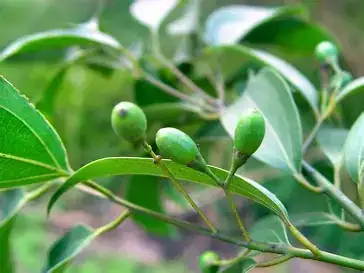
Plant Features
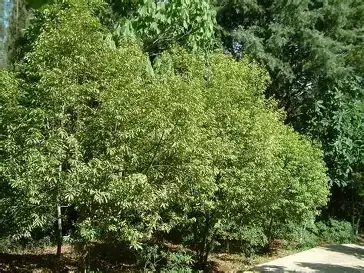
- Size: Typically 10–15 m (33–49 ft) tall; vigorous growth and a canopy that can broaden fairly quickly once established.
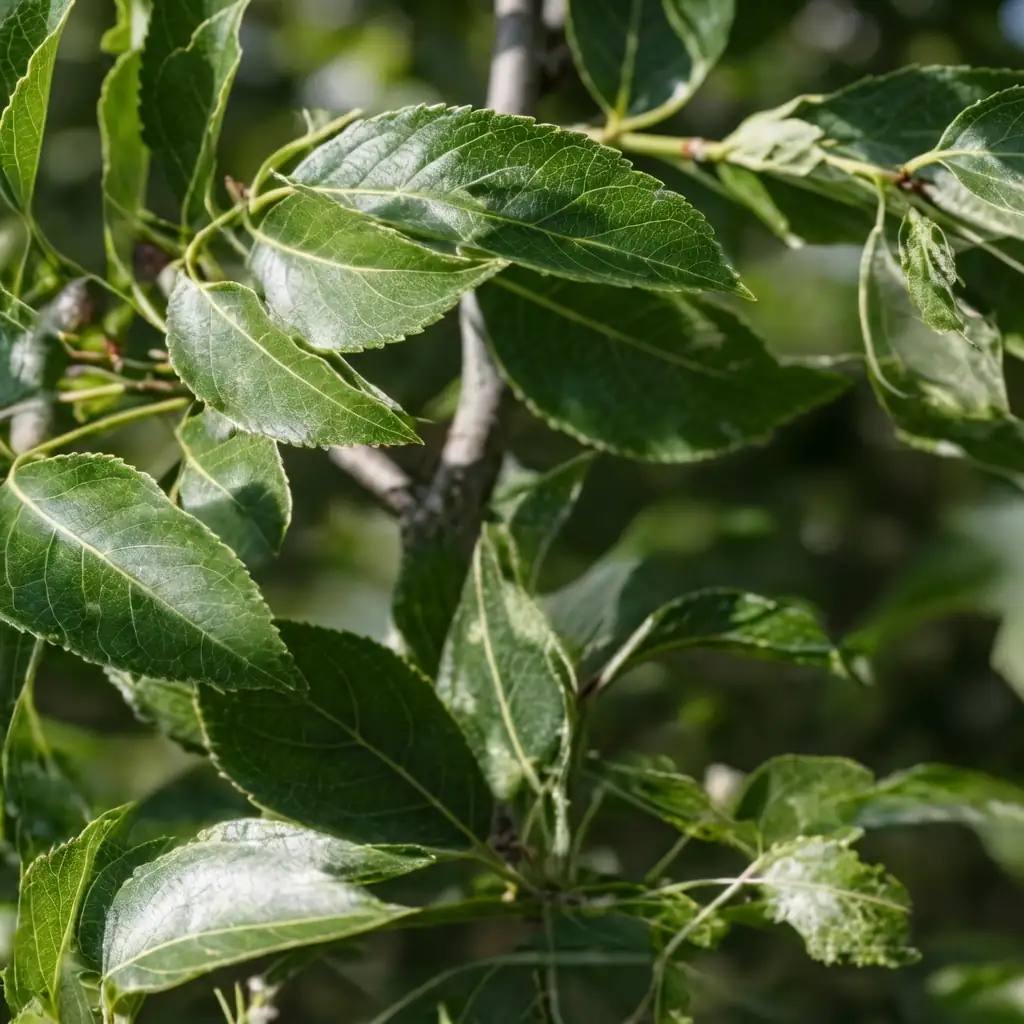
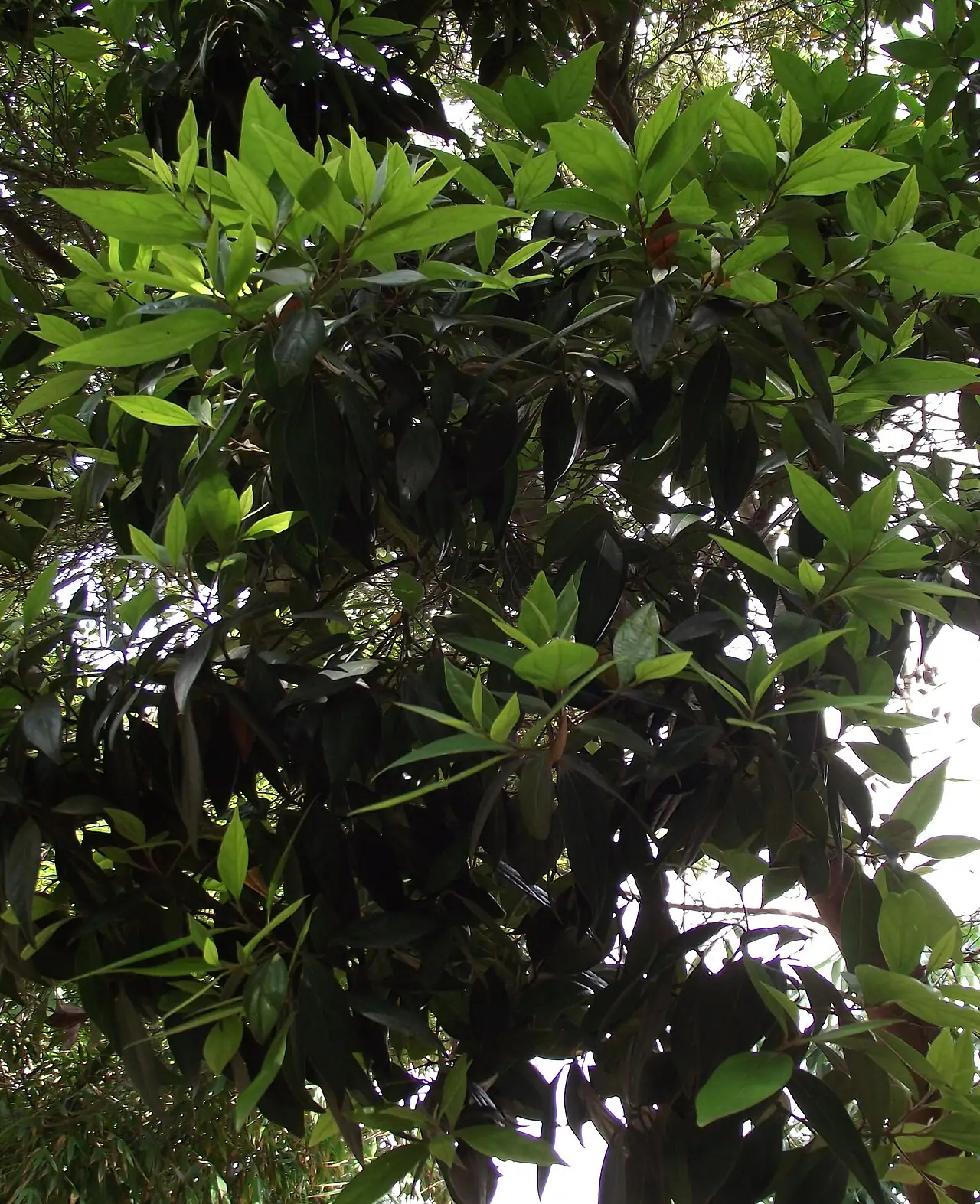
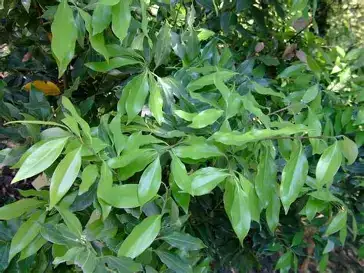
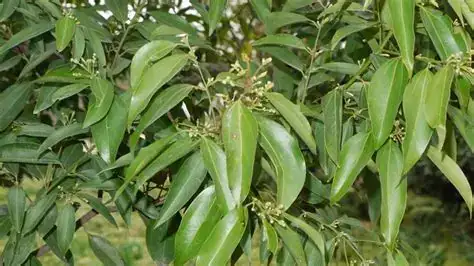
- Foliage: Leaves leathery and typically nearly opposite; glossy green above and dull gray-green beneath; generally hairless on both sides. Prominent three main veins arise from near the leaf base. Petioles are stout and often reddish-brown, matching the slender reddish to reddish-brown twigs; foliage and young growth are aromatic when crushed.
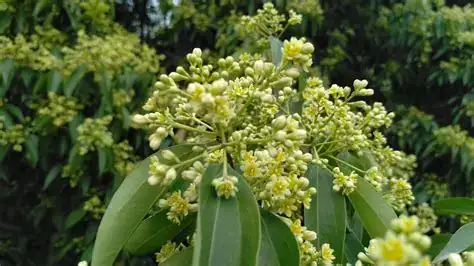
- Flower: Small, understated flowers borne in axillary panicles in spring; fruits mature as oblong drupes later in the season.
- Flowering Season: April–May (Apr–May)
- Growth Habit: Evergreen, aromatic tree with slender cylindrical twigs; strong, vigorous growth and a fast-expanding crown—well-suited to becoming a shade or street tree where space allows.
Environment
Sunlight
Full sun to partial shade; best growth and denser crowns usually come with bright light and some direct sun.
Temperature
Prefers warm, humid conditions. Roughly 15–30°C (59–86°F) is ideal for active growth; relatively cold-tolerant once established, but young plants should be protected from hard freezes.
Humidity
Moderate to high humidity; does well in humid, well-ventilated sites.
Soil
Adaptable, but happiest in fertile, well-drained soil kept evenly moist (moist but never waterlogged).
Placement
Outdoors in gardens, parks, large courtyards, and along streets as a shade/avenue tree; also used in forestry or reforestation-style plantings in mild regions.
Hardiness
Approx. USDA Zone 8–10; generally not fond of severe or prolonged frost.
Care Guide
Difficulty
Easy to moderate in suitable climates. It’s naturally vigorous and often has relatively low pest pressure; the main ‘care challenge’ is giving it the right climate and enough room to mature into a true tree.
Buying Guide
Look for plants with healthy, glossy leaves and no dieback on the reddish twigs. Avoid root-bound stock. For landscape planting, choose a plant with a straight central leader and a well-spaced branch structure to set up an attractive future canopy.
Watering
During the first 1–2 years, water regularly to keep the root zone evenly moist. After establishment, water during prolonged dry spells. Avoid constantly soggy soil, which can stress roots and invite problems.
Fertilization
Feed in spring with compost or a balanced slow-release fertilizer. Avoid heavy fertilizing late in the season to reduce tender new growth going into colder weather.
Pruning
Prune lightly in late winter to early spring: remove dead, damaged, or crossing branches and shape young trees. Avoid severe pruning; for street-tree form, maintain a strong central leader and balanced scaffold branches.
Propagation
Most commonly grown from seed. Semi-hardwood cuttings can also work, especially under mist with rooting hormone.
Repotting
Not ideal as a long-term container plant. If grown in a pot while young, step up to a larger container in spring using a fast-draining mix, then plant out once it’s robust and conditions are suitable.
📅 Seasonal Care Calendar
Spring (Apr–May): flowering; provide steady moisture and optional light feeding. Summer to early autumn (Jul–Sep): fruiting; water during heat/drought. Winter: watch young trees for cold damage in colder edge climates; avoid pushing late-season soft growth.
Pests, Diseases & Safety
Common Pests & Diseases
Usually has relatively few issues. If stressed, it may attract scale insects or aphids; honeydew can lead to sooty mold. Improve airflow, avoid overwatering, and treat early with horticultural soap/oil where appropriate.
Toxicity
No specific toxicity details were provided. As with many aromatic laurels, essential oils can be irritating if misused—use normal caution, and prevent children or pets from chewing plant parts or accessing concentrated extracts.
Culture & Symbolism
Symbolism: Not strongly standardized in popular flower-language traditions; it’s often appreciated for a ‘clean’ evergreen presence, gentle fragrance, and dependable shade.
History & Legends: No widely cited legends were included in the source material.
Uses: Commonly planted as an ornamental, pollution-tolerant street and courtyard tree, and used in forestry plantings. Leaves, twigs, and bark can be distilled for aromatic oils used as fragrance and flavor raw materials.
FAQ
When does it flower?
Typically April–May (Apr–May).
When does it fruit?
Usually July–September (Jul–Sep).
How tall does it grow?
About 10–15 m (33–49 ft) tall in favorable conditions.
Where is it native and what habitat does it prefer?
It’s native to eastern and southeastern China and Taiwan, commonly occurring in evergreen broadleaf forests on low mountains and in coastal areas.
What growing conditions does it like best?
Warm, humid conditions with good light (full sun to partial shade), evenly moist but well-drained soil, and enough space to develop a broad canopy.
What is it mainly used for?
Landscaping (street/tree shade plantings), forestry plantings, and distillation of aromatic oils from leaves and bark for fragrance/flavor use.
Is it prone to pests and diseases?
Generally not—problems are usually minor and show up most often when the plant is stressed (e.g., scale/aphids and sooty mold).
Fun Facts
- A quick way to appreciate this tree is to gently crush a leaf—its aromatic oils are part of why it’s valued beyond ornament.
- The three prominent veins that rise from near the leaf base are a classic ‘laurel family’ style feature and help with identification.
- It’s often chosen for urban planting because it can form an attractive evergreen canopy and tolerates city conditions reasonably well.
- In nature, it’s associated with low-elevation evergreen broadleaf forests, including coastal landscapes.